Whatever Happened to Gallery Openings?
As the art world changes, so does the way people gather around it. But when gallery openings become quieter and more familiar, what happens to the people who have yet to find their way in?
Words Coleen Wong
Art by Tristan Talon
September 9, 2026
Art by Tristan Talon
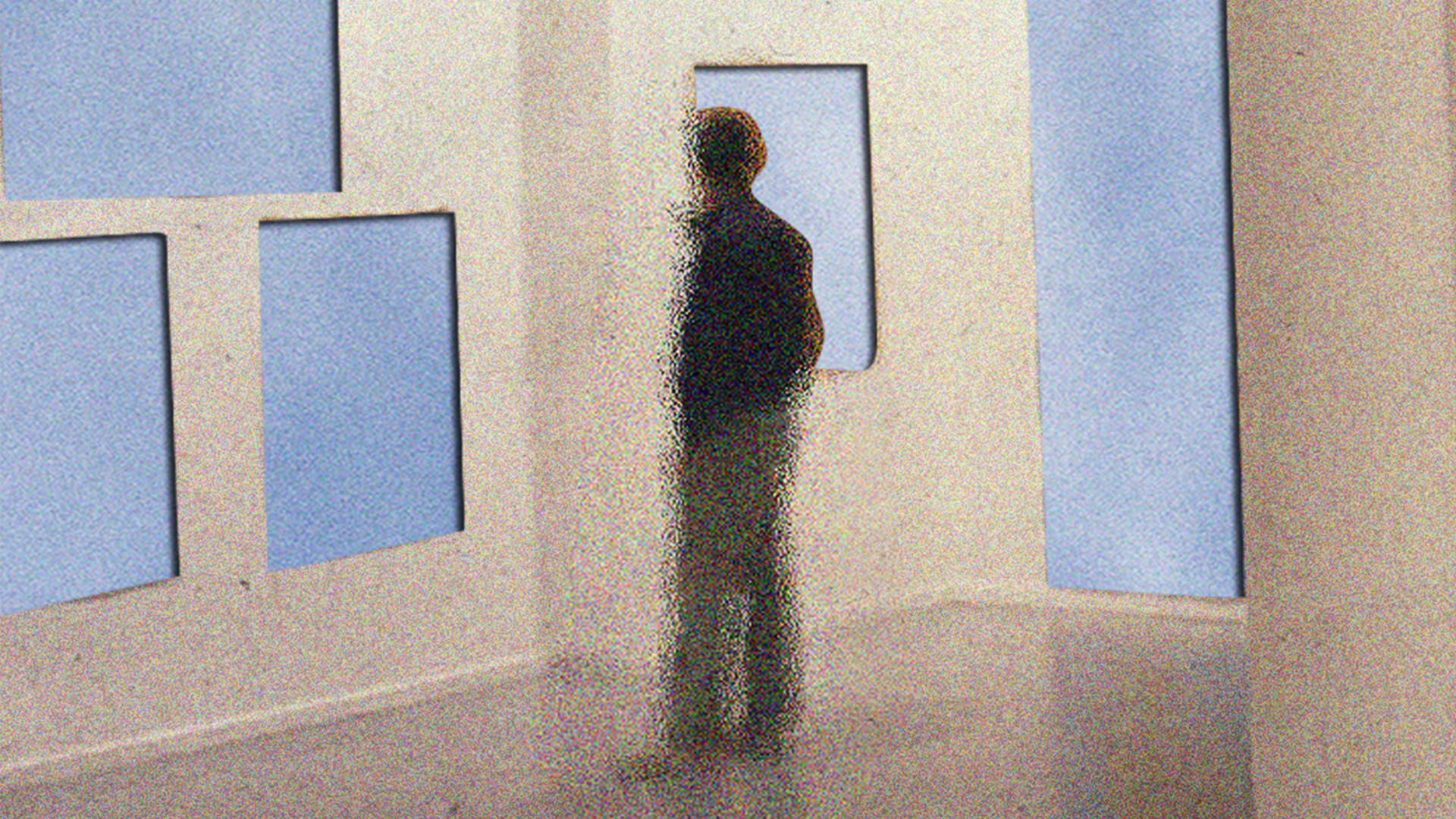
There was a time when a gallery opening felt like an occasion.
Lately, these openings started to feel different. Quieter, more intimate, and sometimes almost incidental. Announcements appear only a few days before the opening, sometimes, a day before.
Other times, an exhibition is discovered through social media after the opening has already happened. The room itself can feel similarly restrained: familiar faces, close friends and family of the artist, fellow artists, and a handful of regulars.
Not every gallery opening is like this, of course. And there is nothing inherently wrong with a smaller gathering. There can be something lovely about a room where people can actually breathe, look closely at the work, and spend time with one another.
But something has changed.
When an Opening Stops Feeling Like an Occasion
The difference is not necessarily in how many people are in the room, but in how much intention surrounds the gathering.
There was once a certain anticipation attached to an opening. The exhibition was announced, people made plans, invitations circulated, and the evening itself felt deliberately put together.
Food and drinks were part of it, but they were never really the point. They were gestures of welcome. Music, conversation, a thoughtfully prepared space, and even the simple act of giving people a reason to linger made the opening feel like more than a date on the calendar.
Now, some openings can feel almost like a formality: the work is installed, the doors are open, and the exhibition begins.
Art, of course, remains the main reason for the gathering. But an opening is also an opportunity to create a moment around that art, to celebrate the artist, bring people together, and allow new connections to happen. This scenario requires intention.
Art by Tristan Talon
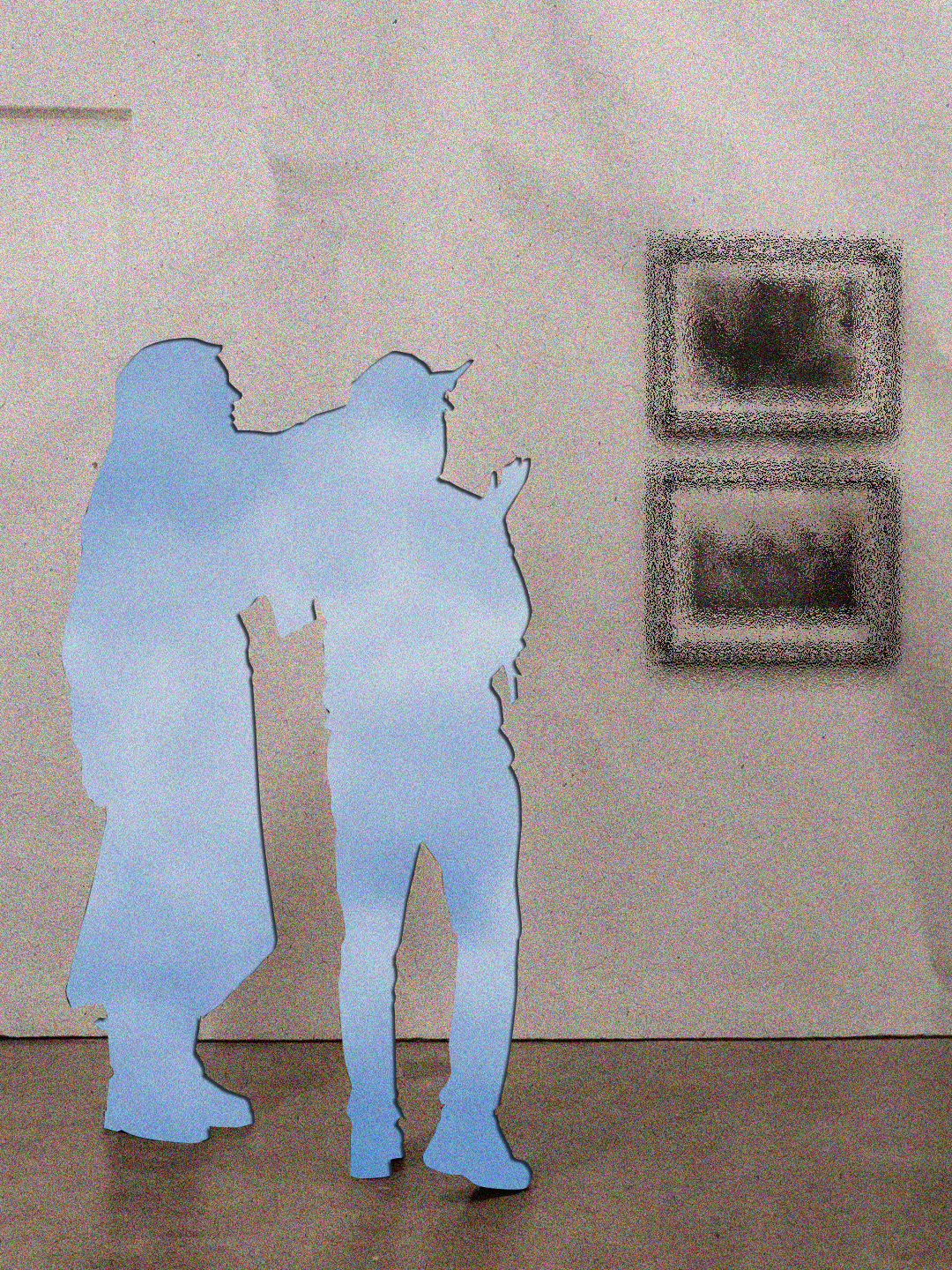
It doesn’t have to mean extravagance. A well-planned opening doesn’t necessarily need a large production or an elaborate program.
Sometimes intention is simply in the invitation, the timing, the atmosphere, or the thought given to how people might experience the evening beyond walking in, looking at the work, and leaving.
The Art World Still Gathers, Just Somewhere Else
The shift also reflects a changing art market.
Collectors are not necessarily disappearing; they are simply becoming less dependent on the opening itself. Digital catalogs, social media, online viewing, and private appointments have made it possible to discover and acquire work without being physically present during the opening night.
For some, there is little reason to navigate a busy evening when the exhibition can be viewed more quietly another day.
Artists and collectors still gather too, but increasingly at art fairs, festivals, talks, activations, and other art-centered events that are more deliberately designed as occasions.
These spaces offer something beyond simply viewing the work. There is something to do, someone to meet, a conversation to join, a program to experience, or a reason to stay a little longer.
Perhaps that is what quietly changed about gallery openings. People are still gathering. Just not necessarily at gallery openings anymore.
And with everyone increasingly busy, people have become more particular about which invitations they accept.
What Makes People Stay?
This is where the question of the opening itself becomes interesting.
People will always make time for something that feels worth making time for. That doesn’t mean every exhibition needs to become a major event.
It simply means there has to be a reason for people to want to be there.
Food and drinks can help create that atmosphere, but they are not the answer. Neither is music, programming, or a bigger guest list on its own. These are only tools. What matters is whether the gathering feels considered.
Art by Tristan Talon
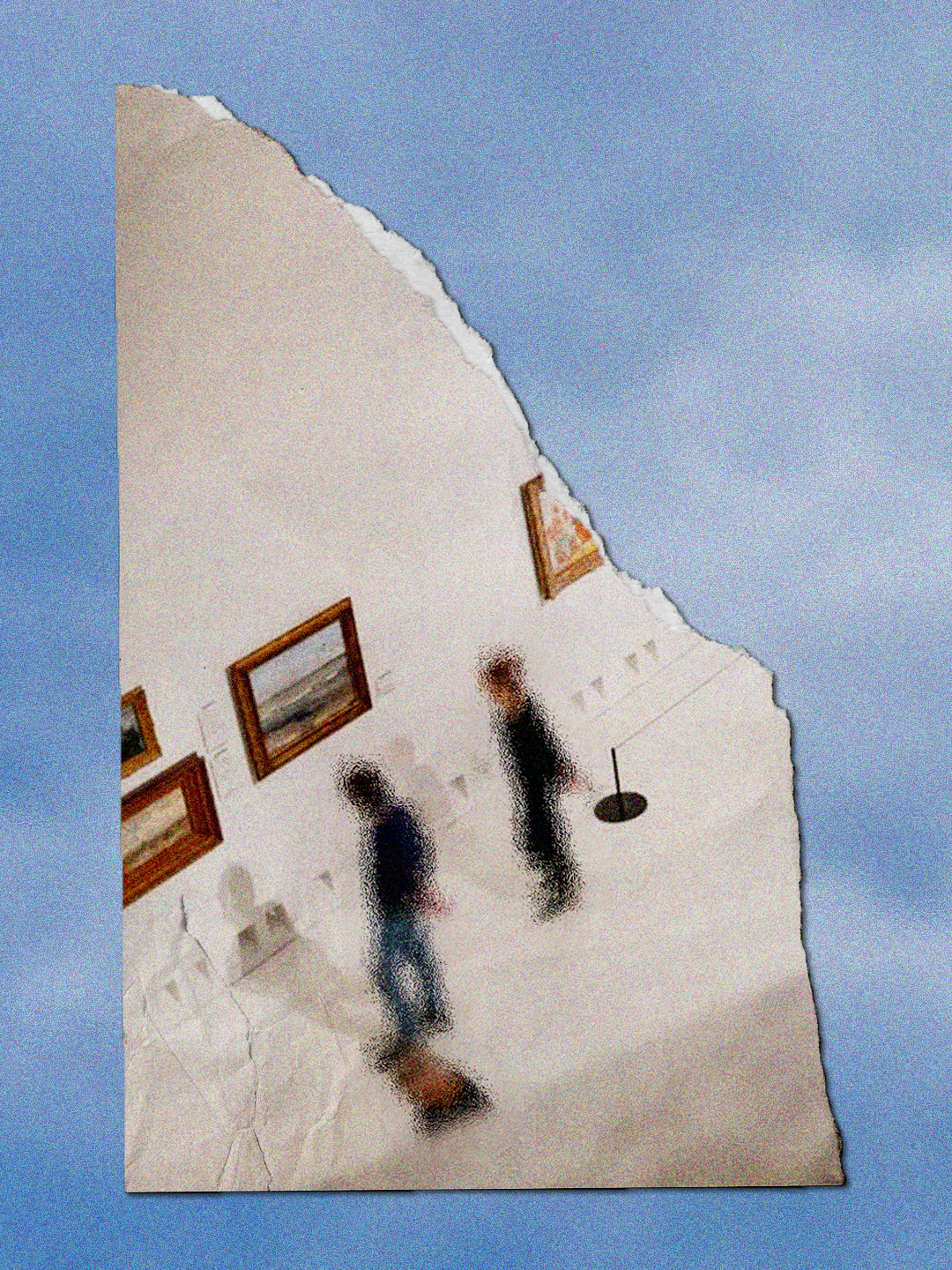
There is something lost when people arrive, remain in their own circles, look around, and leave without much opportunity to encounter anyone outside the people they already know.
Some of the most valuable moments at an opening can happen unexpectedly: an artist meeting another artist for the first time, an enthusiast discovering someone whose work they had never seen, a collector coming across something outside their usual interests, or a newcomer finding themselves in a conversation simply because they decided to stay.
Those moments cannot always be planned. But the conditions for them can be.
An opening can create space for those encounters without becoming bigger or louder. It can simply make people feel that there is something to participate in.
Who Is the Opening For?
This may be the more important question: If the art scene is growing, who is being brought into it?
Gallery openings can easily become spaces where everyone already knows everyone else. The artist's friends and family arrive. Fellow artists come to show their support. Regular collectors stop by. Familiar faces gather in familiar circles.
There is nothing wrong with that. Well, community is built on relationships after all. But where does someone new enter?
For emerging artists, attending openings can be an important part of understanding the art ecosystem. It’s a chance to see how different galleries operate, discover artists, meet new people, and slowly become familiar with a scene that can initially feel difficult to enter.
The same is true for art enthusiasts who may not yet consider themselves collectors, or simply for someone curious enough to walk into a gallery because they saw an invitation online.
Not everyone arrives knowing the artist. Not everyone arrives knowing a collector. Not everyone arrives with someone to introduce them.
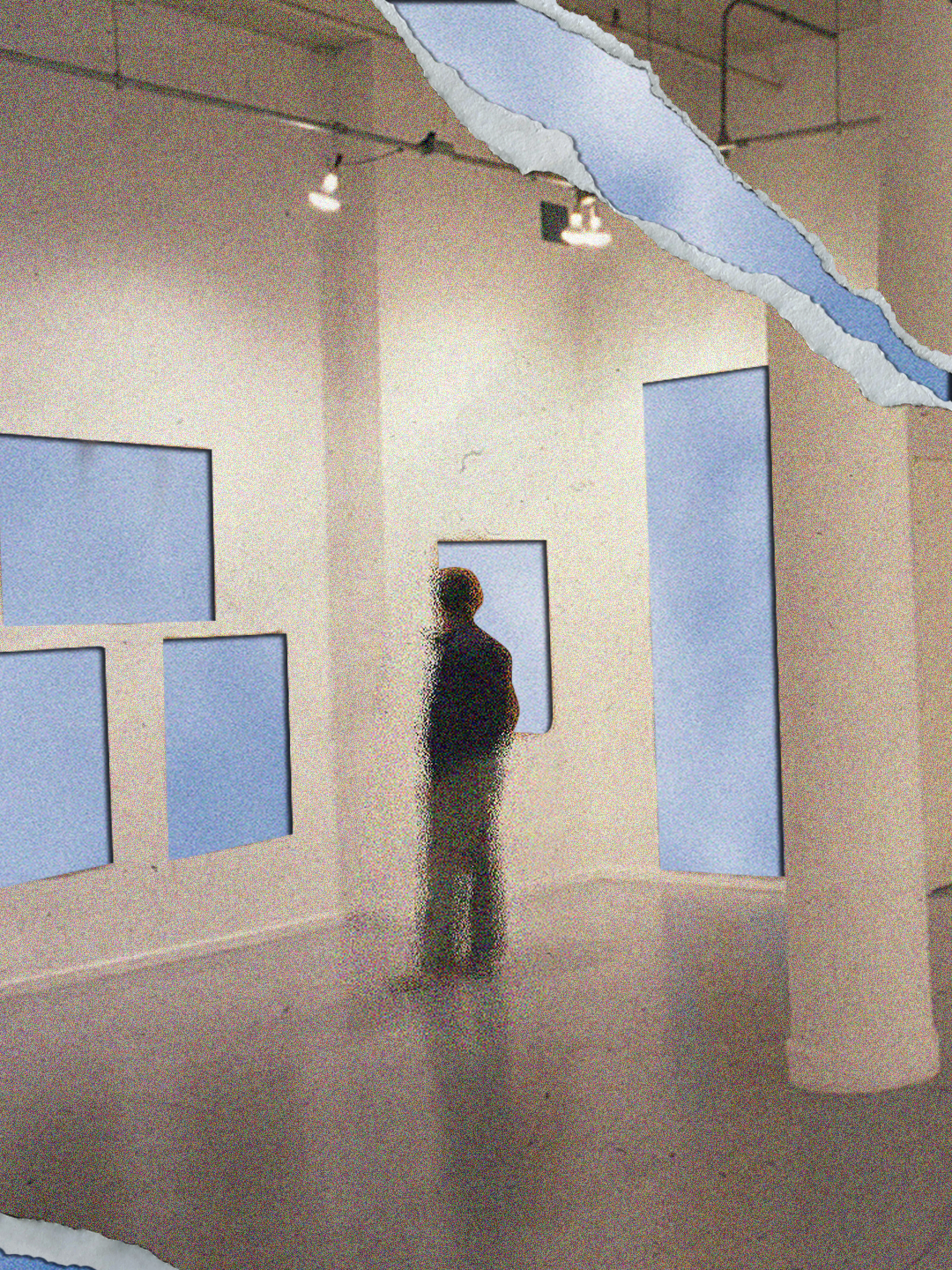
Art by Tristan Talon
Sometimes, they simply show up. And that should be enough.
A gallery does not have to lower its standards to become more welcoming. It can remain selective, sophisticated, and true to its audience while still making room for people who are new to the conversation.
Perhaps that starts with being more intentional about the invitation itself.
Who is the opening for? Is it primarily a moment to celebrate the artist, or simply another date on the gallery calendar? Is the exhibition being given enough space and attention before the doors open? Are the same collectors and familiar audiences being reached, or are there opportunities to invite more artists, enthusiasts, younger audiences, and curious newcomers?
And perhaps most importantly: what makes people want to stay?
The best openings are not necessarily the biggest ones. They are the ones where something happens beyond the exhibition itself. Someone discovers an artist they never encountered before. Two artists meet. A collector finds a new work. Someone who came alone ends up in a conversation.
Not every person who walks into a gallery has to become a collector, a regular, or part of the art world. Sometimes it is enough that they came in curious and left feeling that there was a place for them there.
Perhaps that is worth holding on to as gallery openings continue to change.
They do not have to be bigger. They do not have to be more extravagant. They simply have to feel like something people were meant to be part of.