Visions of a Brighter Future
Tukod Foundation launches ‘Tanaw’ fundraiser and features the first-ever auction of rare Bobby Mañosa sculptures.
By Art+ Magazine Team
Photo courtesy of Tukod Foundation
November 26, 2025
The Tukod Foundation, the non-profit legacy of National Artist for Architecture Francisco ‘Bobby’ Mañosa, announced the launch of its inaugural annual fundraiser, Tanaw, at a press launch at Alma in Poblacion, Makati.
Tanaw, meaning vision, is Tukod Foundation’s annual silent auction and supper club fundraiser for projects like cultural schools, creative libraries, and vernacular playgrounds that focus on liberating access to creative industries, design education, and culture-based livelihood. This fundraiser will be pioneering what it means to truly craft creative livelihood and educational solutions around our climate with communities. Tanaw envisions a possible creative future where designers, creatives, chefs, architects, and artists come together to transform our islands for good.
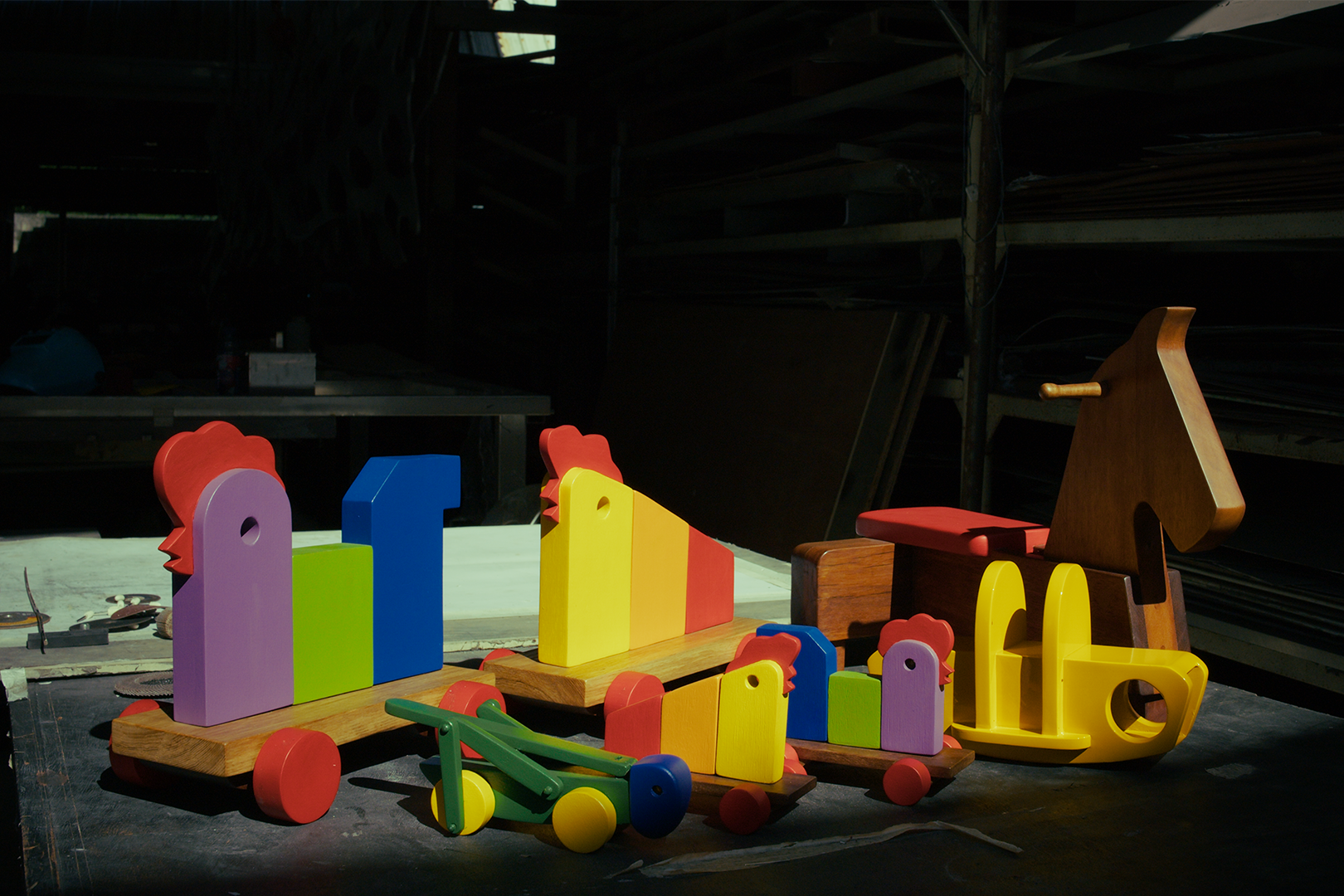
Bobi Toys
The first edition’s silent auction features archival Bobi Toys sculptures, and a supper club in collaboration with TOYO, focusing on funding the foundation’s vision for Bayay Halian—a climate-resilient school, creative space, and community kitchen on Halian Island. The project is dedicated to regenerating island traditions and providing culture-based climate education for young people in Siargao, a region ravaged by Typhoon Odette in 2021.
For three years, the classrooms damaged by the storm were left unrepaired. The challenge of building lasting infrastructure in this climate is stark: a new government-built facility, completed as recently as August 2024, is already in disrepair. By July 2025, leaks and mold had spread across its ceilings.
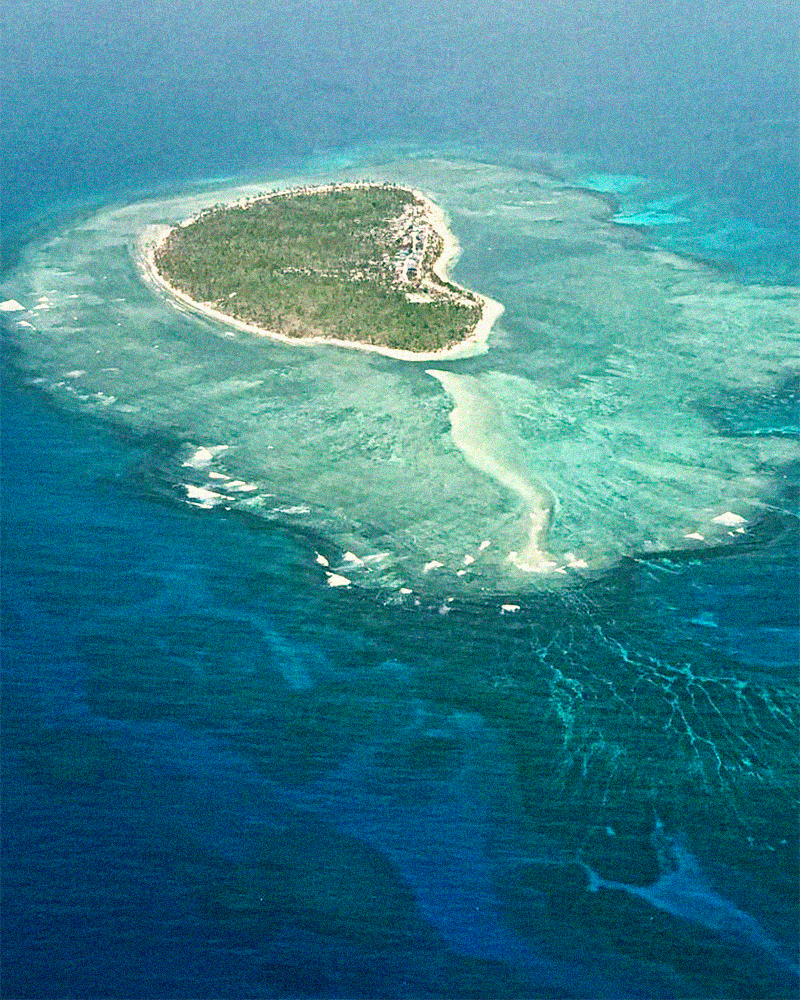
Halian Island Aerial Shot
Despite these significant challenges, the local community showed incredible resilience, building makeshift classrooms and holding classes outdoors. This dedication enabled their students to win a Storytelling and Literacy Competition Award through the regional Department of Education, even with only a makeshift library.
Bayay Halian is intended to serve as a model for climate-centric school design—to prove that it is possible to design good spaces for the future generations of Filipinos.
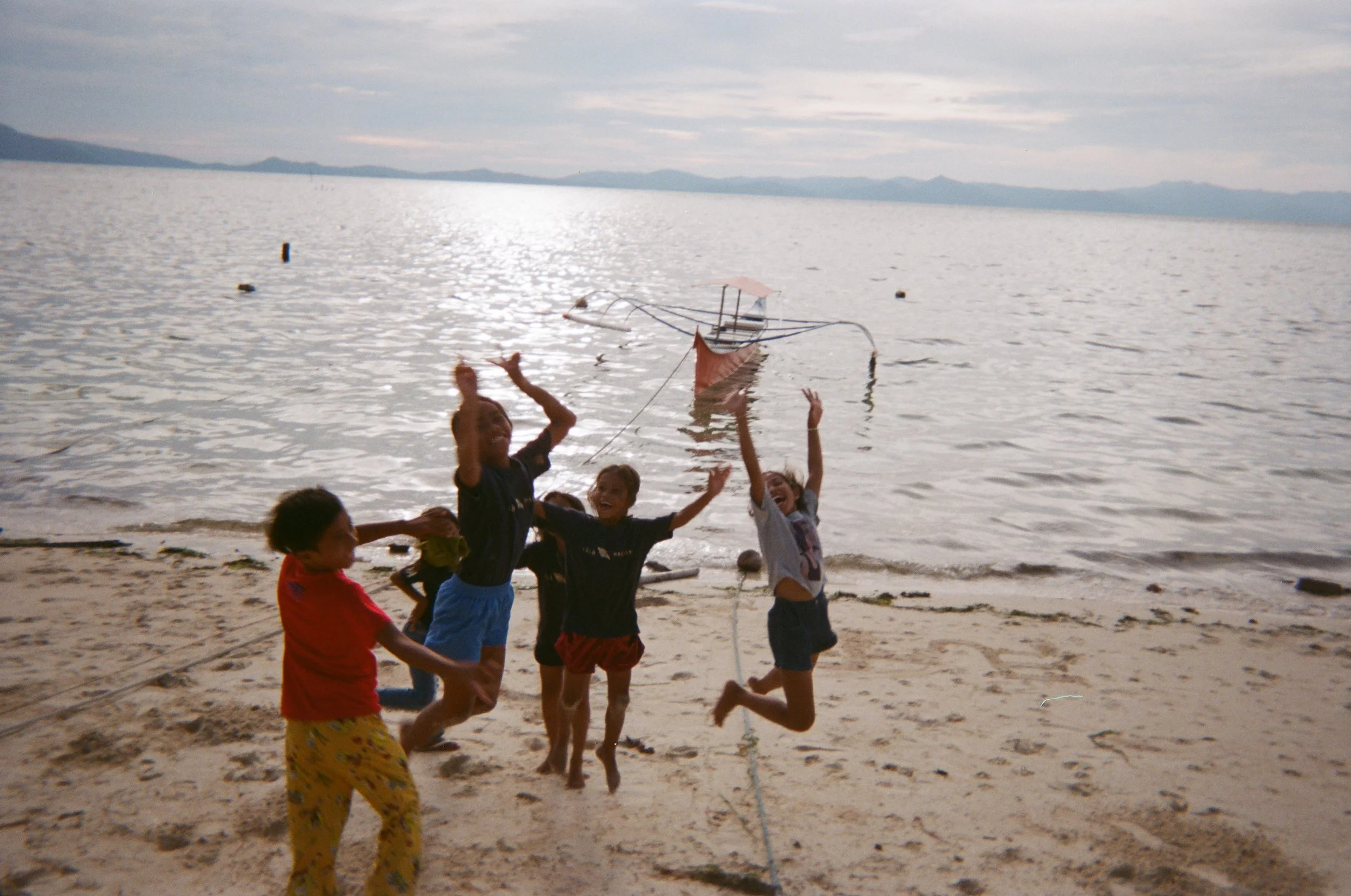
Halian Island on Film by Josaint Cuaton
True to its mission of fostering new talent, the foundation has tapped a team of young designers—Bea Rodrigues, Bea Carague, and Janelle Gan—to design the project. They are working under the guidance of Arch. Angelo Mañosa (Mañosa & Co.) and Arch. Dong Ping Wong of New York’s Food Architects as a Mentor to Natasha and Isabella Tanjutco, as part of the Young Climate Prize by The World Around.
Bayay Halian is an island creative space and community kitchen in the remote Island of Halian, which is a part of the largest protected seascape and landscape in the country. It seeks to revive island traditions, from culinary to craft, and to educate young people on culture-based climate solutions.
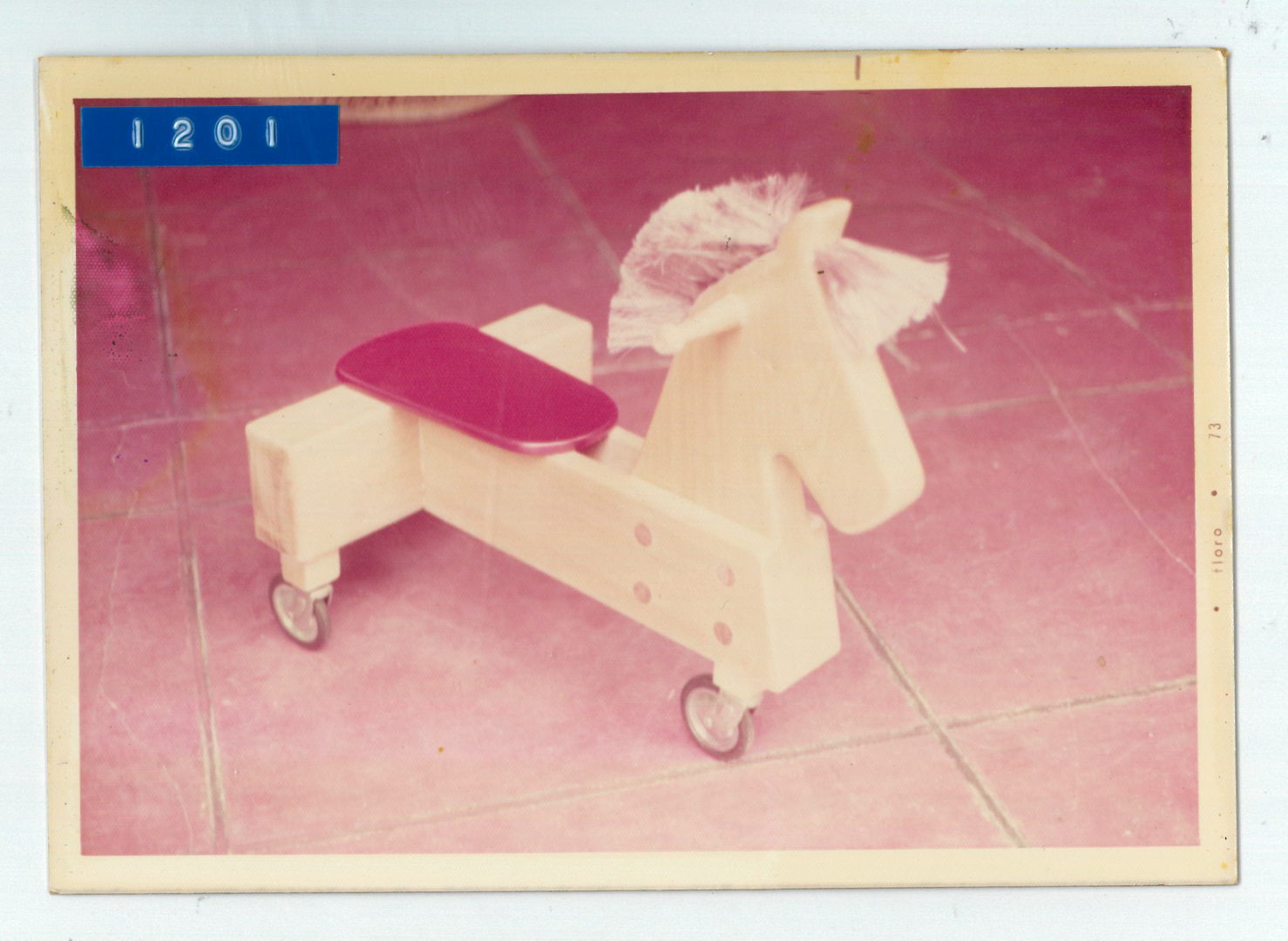
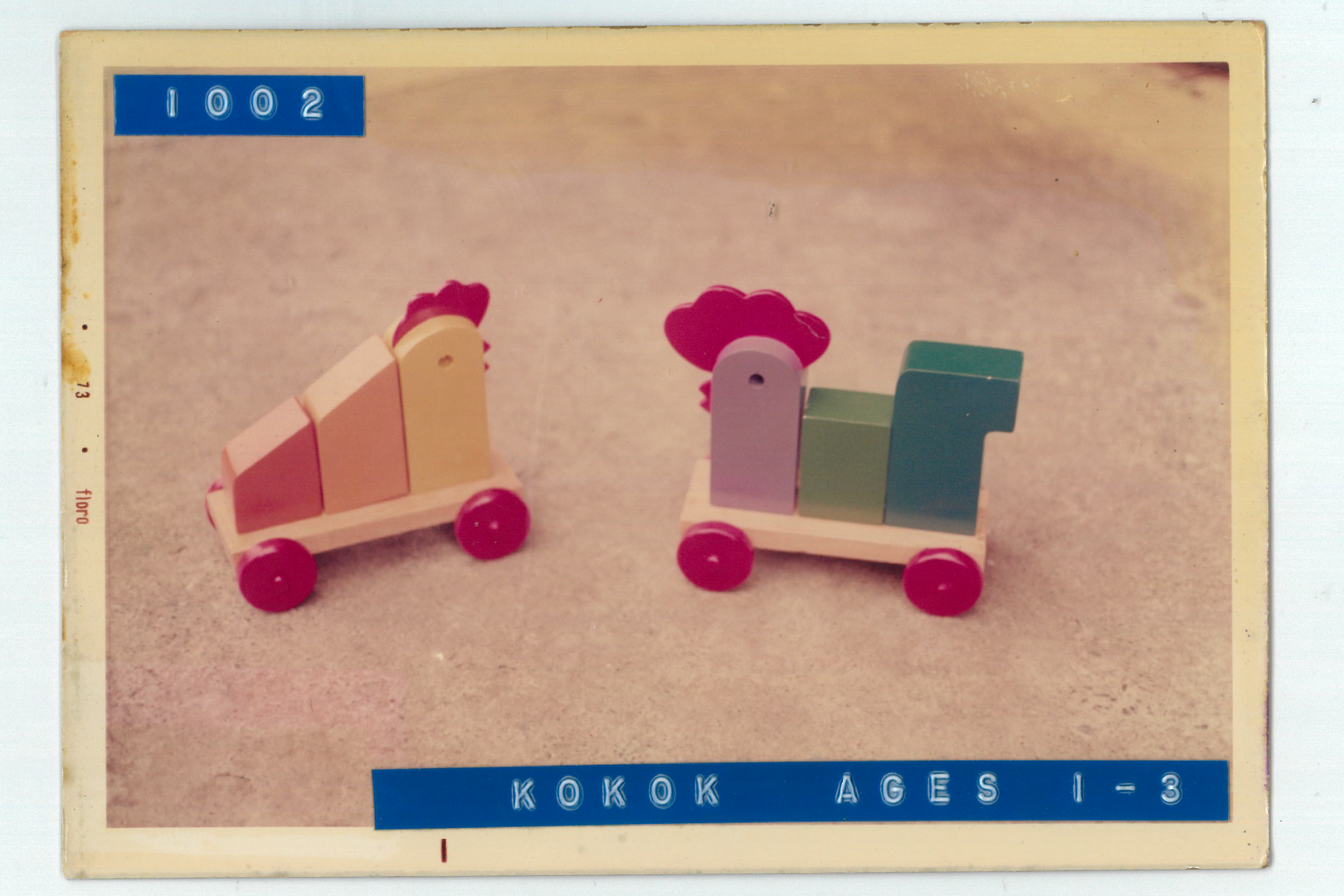
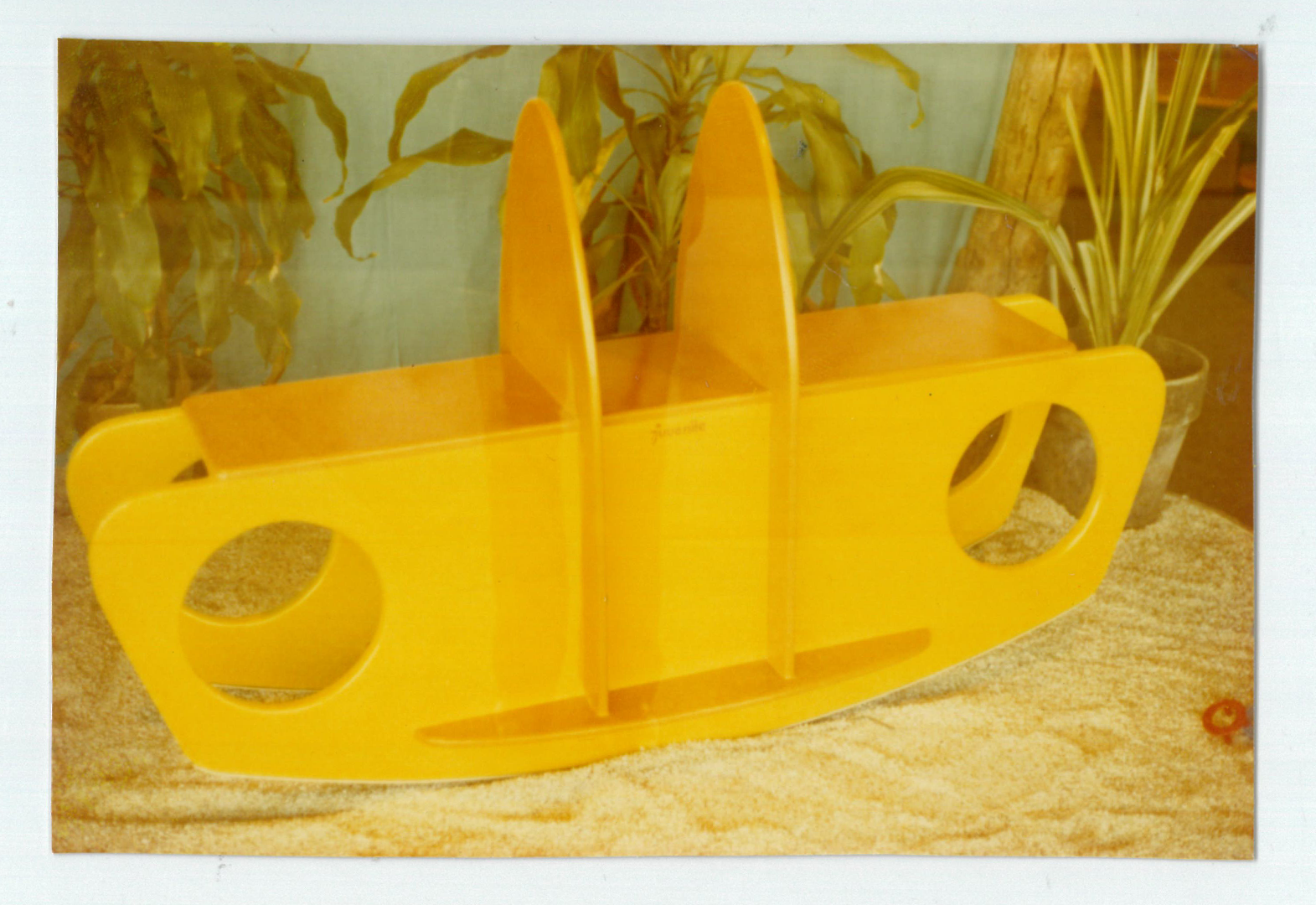
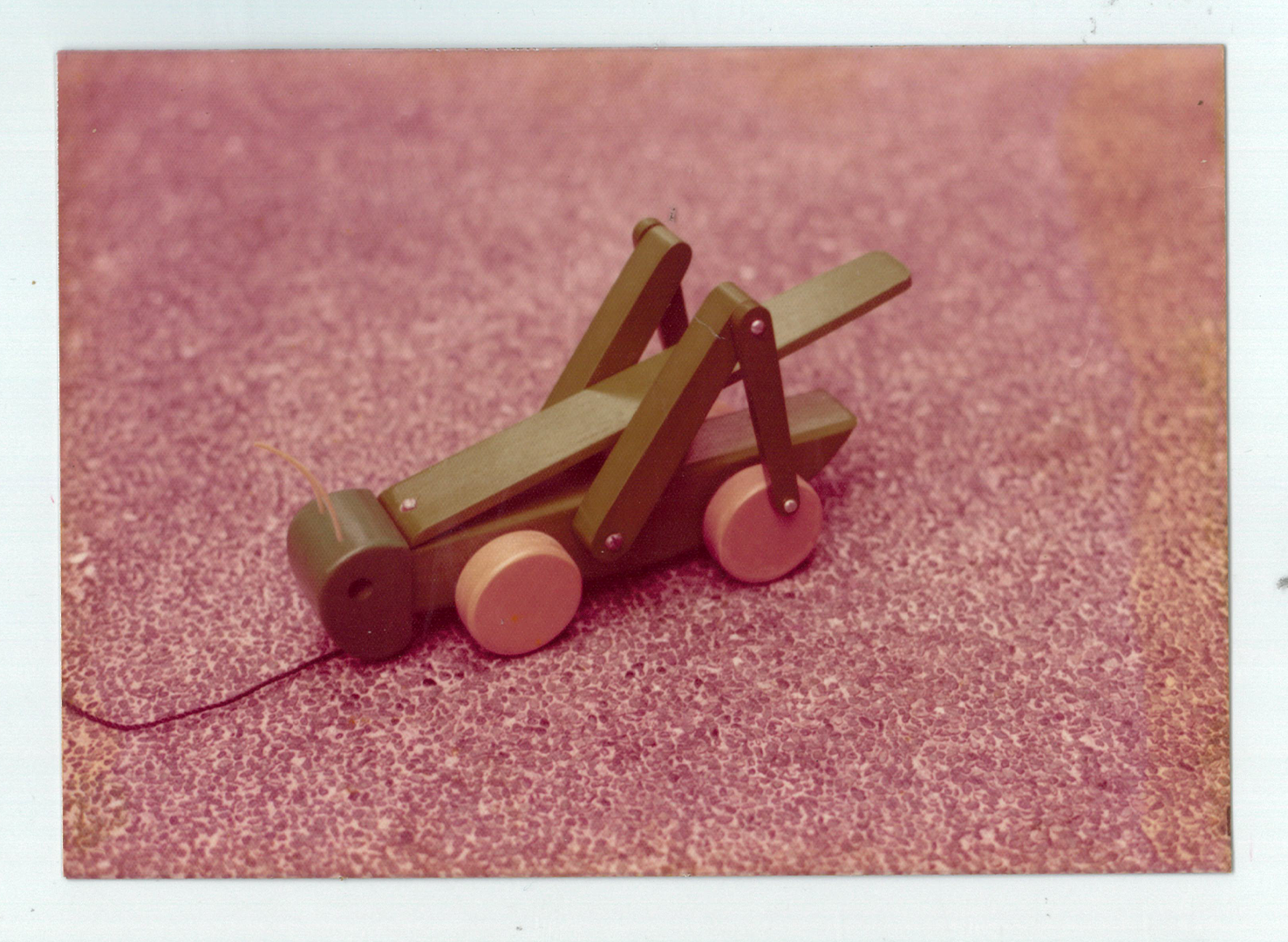
The event will raise funds through the first-ever public auction of rare, large-scale sculptures from Mañosa’s personal archives. These one-off, signed pieces are inspired by Bobi Toys, Mañosa's celebrated environmental toy line from the 1970s. Bobi Toys is recognized locally and internationally for being one of the first product lines for children inspired by Filipino culture. The Design Center of the Philippines awarded it with a Good Design Award, which recognizes breakthrough solutions that improve quality of life and elevate Philippine design on the global stage.
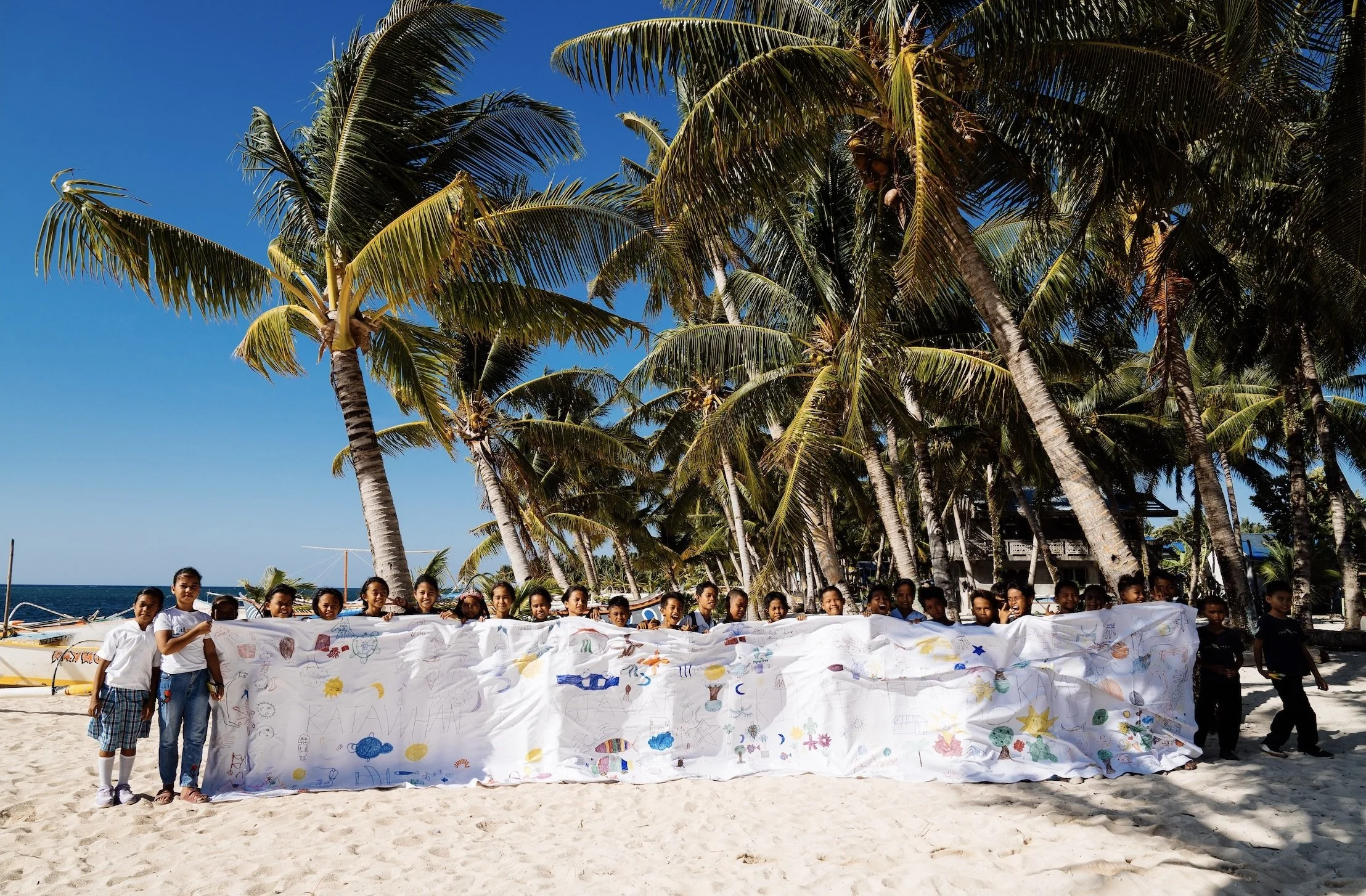
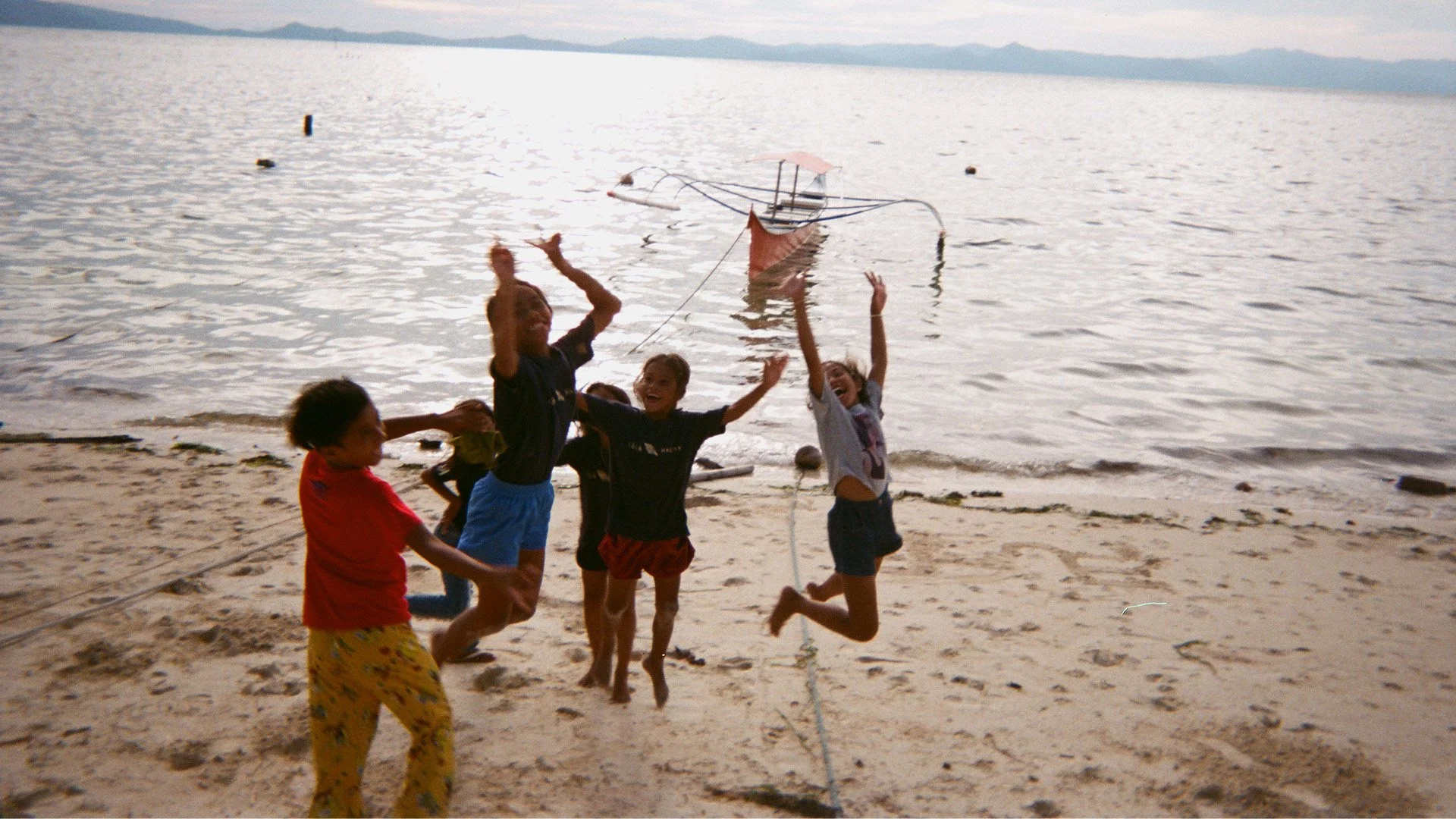
Halian Island Youth
The silent auction, hosted online by Leon Gallery, will be open to the public from November 22 to December 13, 2025. Bidding will be conducted through the Leon Gallery portal at https://leon-gallery.com/auctions. Proceeds from the auction will directly fund the Bayay Halian project.
The Tukod Foundation is leading the Bayay Halian initiative in partnership with the youth-led organization Kids for Kids, as part of its Archipelago of Youth program.