
Unpacking and Retracing Performative Men
This unpacks how meme culture and digital aesthetics shaped the performative man, tracing his style cues while questioning why performance is seen as uniquely male.
Words by Gerie Marie Consolacion
Art by Martina Reyes
September 05, 2025
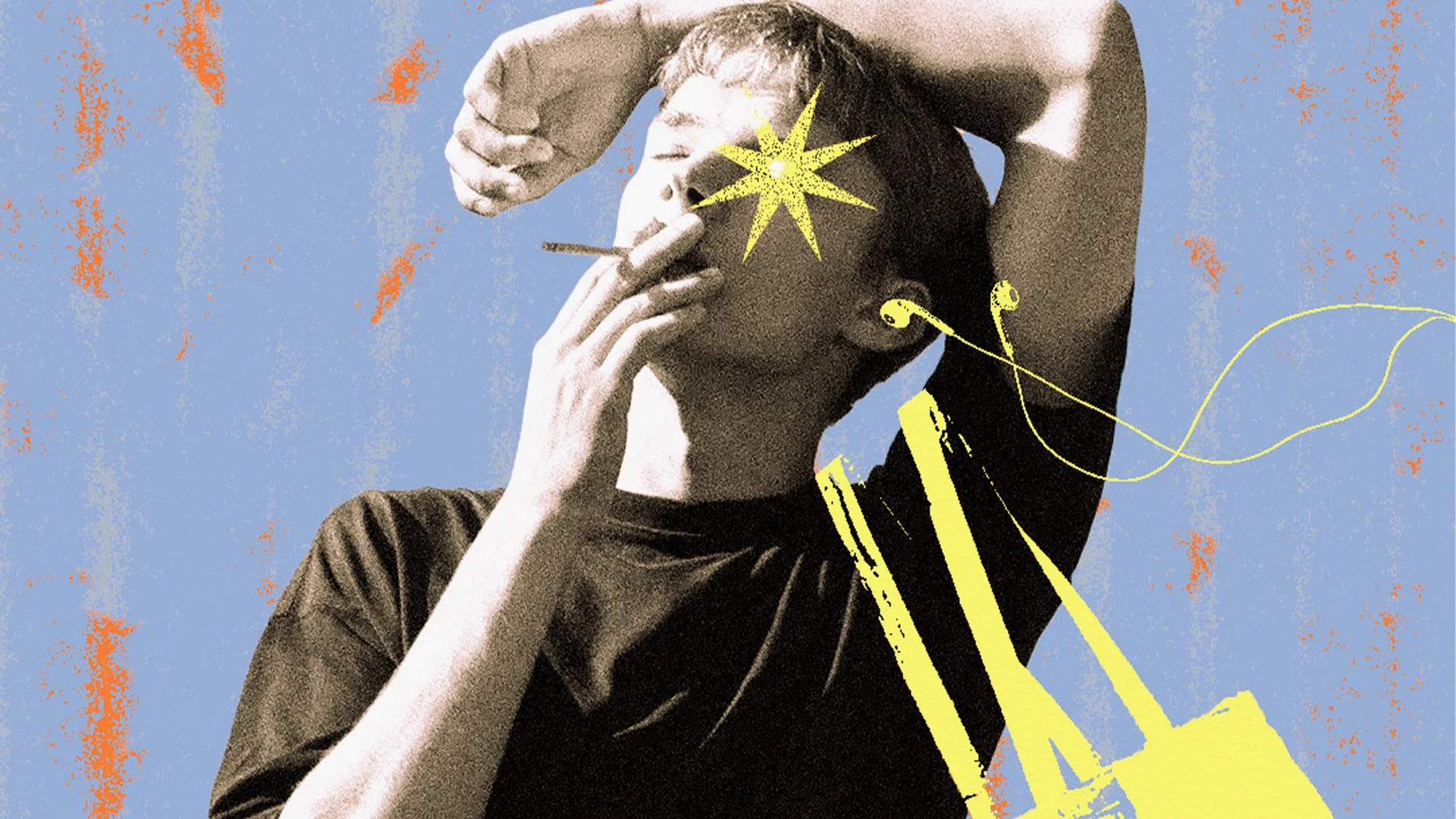
It started with the soft boys.
Neutral button-ups, wide trousers, loafers, tote bags, and oversized headphones. A look that whispered “approachable” while still feeling curated. Suddenly, softness was a style hack—men discovering that dressing gentle was a shortcut to attention.
Next came the bag charms. Labubus, crybabies, hirono. What began as a single trinket quickly multiplied into entire collections clipped to canvas bags. You don’t even need to see him to know he’s around—the clinking of keychains does the introduction.
Then came nail polish. Glossy black, baby pink, chipped metallics. Men were hailed as “breaking stereotypes,” even though queer communities have been polishing nails for decades without the applause. Still, painted fingers became a quick way to signal sensitivity, rebellion, or both.
And of course, the books. Once private objects, now curated accessories. The titles are predictable: Atomic Habits, Normal People, The Subtle Art of Not Giving a Fck*, The Bell Jar. Less about reading, more about being seen reading.
Together, these details form the new language of the performative man. Every outfit, every accessory, every book spine is a choice—less about authenticity, more about signaling who he wants you to think he is.
Performative men are nothing new
Long before millennials and Gen Z were accused of “dressing for the feed,” there was the original dandy: Beau Brummell. His influence dates back to 1795, when his style quietly reshaped Europe.
In an era when hygiene was often neglected and men favored flamboyant fabrics—embroidered silks, vivid colors, exaggerated flourishes—Brummell stood apart. He turned grooming into an art form and redefined what it meant to look like a gentleman. His signature was restraint: crisp tailoring, clean lines, and meticulous attention to detail.
What seemed like simplicity was, in truth, performance. Brummell’s style wasn’t self-expression—it was strategy. By rejecting excess, he created a new template of refinement, one that men still follow today. In many ways, he marks the beginning of a long history: men dressing not just for themselves, but for the image they project.
From Regency dandies to Gen Z soft boys, the performance remains the same. The only thing that changes is the costume.
Unpacking the performative men
Beyond the oversized headphones, painted nails, or curated books, the performative man reveals himself in the details.
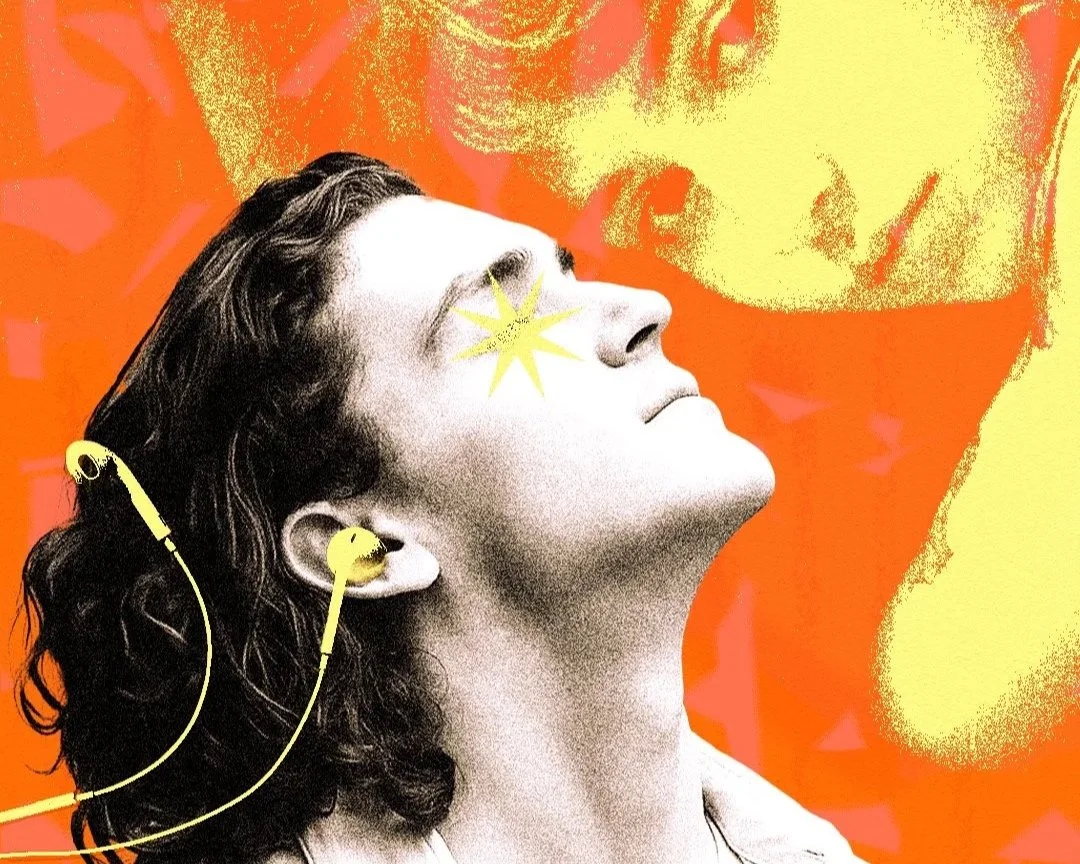
There’s always a carabiner clipped somewhere—its purpose irrelevant, its presence essential. A cup of matcha in hand, a drink once mocked online, now rebranded as a status symbol of quiet sophistication. The phone screen, brightness turned up, always ready to showcase a playlist: Lana Del Rey, Taylor Swift, Clairo, or Laufey—names guaranteed to resonate with women. Silver rings crowd every finger, while a versatile silk scarf serves as neckwear, bag charm, or casual headpiece.
But here’s the catch: what we need to unpack isn’t the scarf, the matcha, or the rings. It’s the contradiction beneath the performance. Many of these men dress in softness yet speak in sharp cruelty—dropping homophobic or transphobic remarks between sips of matcha. They brand themselves as “golden retriever boyfriends” yet cheer on misogyny when it suits them.
The irony is clear as a day, it isn’t the style that deserves scrutiny, but the politics behind it. The real performance isn’t in the clothes, but in the convictions—or lack thereof.
Peeling the layer
The aesthetic says gentle, open-minded, emotionally available. But peel back the layers of silk scarves and silver rings, and what remains is the same old patriarchy, dressed up in softer packaging. It is the art of being performative: adopting the visual codes of sensitivity while avoiding the labor of accountability. Their playlists may be tender, their wardrobes curated, their coffee orders delicate—but when confronted with conversations on consent, equality, or justice, the mask slips. What emerges is not a new man, but an old archetype in a new uniform.
And this is where the real performance lies. Not in the nail polish or the matcha latte, but in the ability to weaponize softness when it benefits them and discard it when it doesn’t. To use aesthetics as camouflage, signaling progressiveness without ever living it. Because fashion fades, but performance—especially one that hides contradiction—always finds a way to evolve.
Because in this article, we’re not critiquing their fashion, music taste, or coffee preference. They can defend those choices with “embracing authenticity.” What we’re unpacking is the hollowness behind the performance.
They’re not redefining masculinity by dressing softly or borrowing from femininity. They’re simply rebranding it.