To the Teens of Today, You Would've Loved Growing Up in Print
To the children of infinite scroll: before the feed knew who you were, would you have found yourself in Candy, K-Zone, Seventeen, Meg, or MYX?
Words Bernadette Soriano
Art by Lili Zuñiga
July 23, 2026
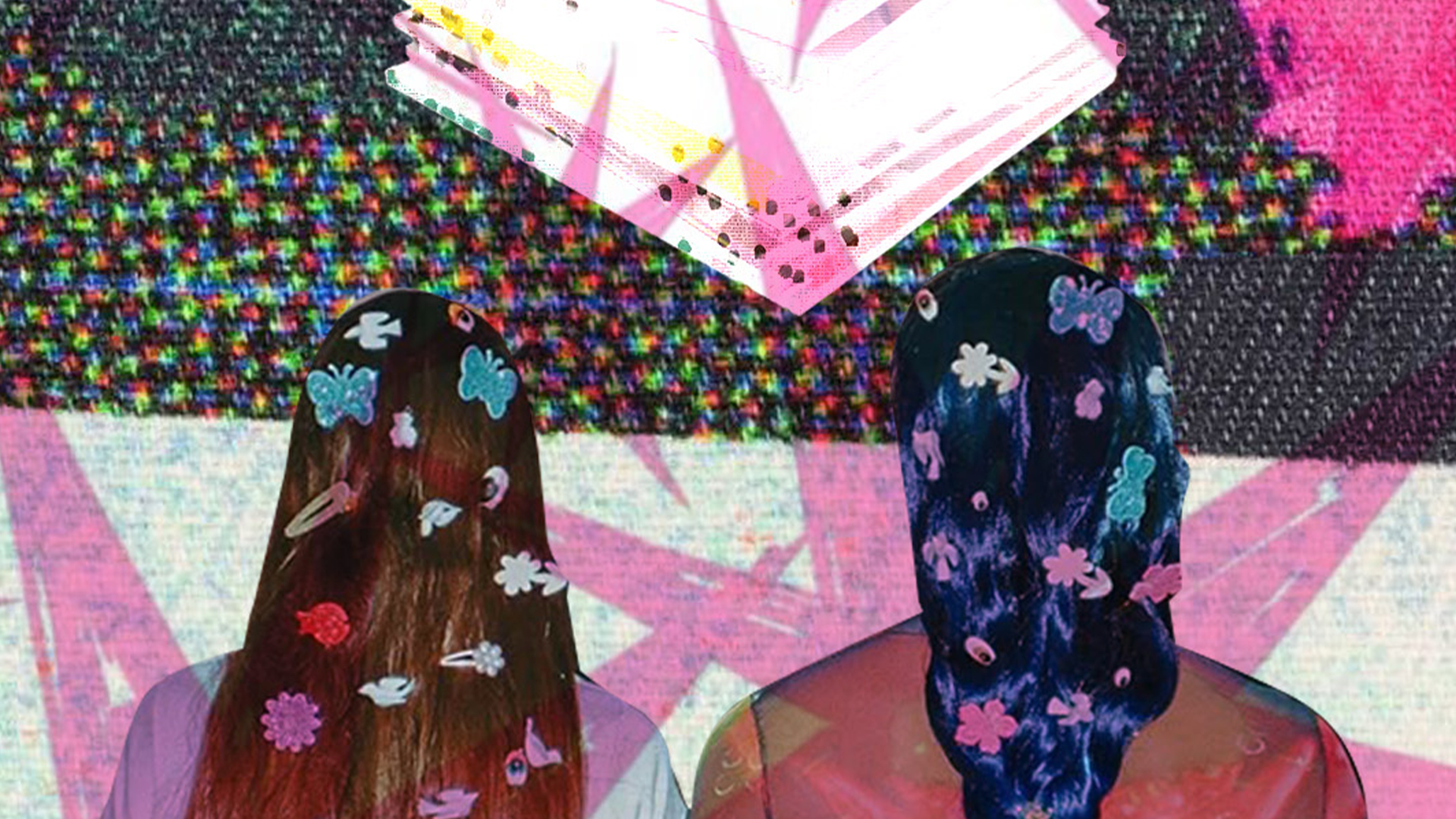
There was a time when adolescence arrived with the dependable punctuality of a monthly ritual. Not through a suspiciously omniscient "For You" page seemingly capable of detecting a personality shift before one's closest friends had caught wind of it.
But shrink-wrapped on bookstore shelves, nestled among newspapers, comic books, and the occasional reviewer purchased by students who had only just discovered an examination was imminent.
Within those glossy pages thrived an entire cultural ecosystem: celebrity interviews alongside fashion editorials, reader dilemmas beside music recs and bedroom posters, and personality quizzes whose scientific rigor was, at best, negotiable—yet still convinced an entire generation that twelve multiple-choice questions could map out a soul purpose.
The internet has undoubtedly expanded that horizon. Communities, interests, and identities curated by algorithms that know our habits intimately while remaining indifferent to what everyone else happens to be seeing.
Which raises an increasingly persistent question: not whether the digital age improved adolescence, because in many respects it undoubtedly has, but whether adolescence can still function as a shared cultural experience when each version now arrives tailored to an audience of one.
Dear Pinterest moodboard girlie, you would’ve loved Candy Magazine
Before Pinterest boards became repositories for aspirational lives, there were bulletin boards.
Before aesthetic dumps found permanent residence across curated feeds, there were bedroom walls slowly disappearing beneath magazine clippings assembled through scissors, tape, stubborn devotion, and the occasional decision to gut an entire issue because one photograph, somehow, had become the hill worth dying on.
Long before social media turned self-fashioning into a daily performance, Candy Magazine already understood something fundamental.
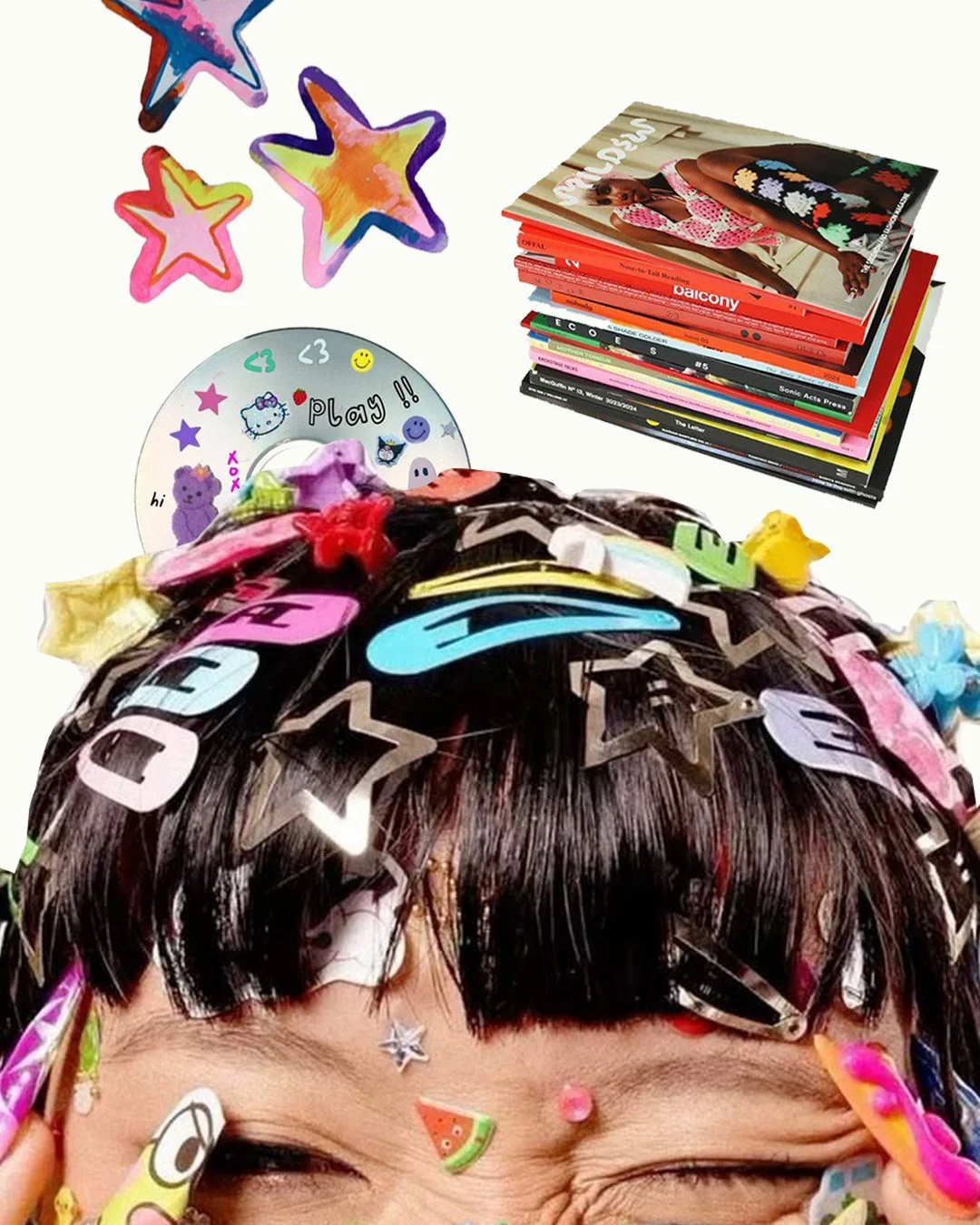
One week, you're convinced your future lies somewhere between a pop star's wardrobe and a teen drama heroine's emotional arc; the next, you've developed a profound attachment to a completely different version of yourself after encountering a particularly persuasive fashion editorial.
That flexibility mattered because the magazine never insisted on a singular self. Contemporary platforms, however, take pride in personalization, gradually narrowing their view of you through every click, save, and lingering scroll, until the feed begins to resemble a mirror polished a little too well.
It knew almost nothing about you. It did not know whether your tastes leaned maximalist or minimalist, whether you adored Kathryn Bernardo, infatuated Daniel Padilla, or secretly cast yourself as the misunderstood lead in a film destined for niche international acclaim.
There is something almost quaint about that now, though perhaps "quaint" is unfair. Radical might be the better word.
After all, we now inhabit a media ecosystem where every platform aspires to become yours uniquely; every feed tightens itself around your preferences until it begins to resemble a marvel constructed almost entirely out of your own habits.
Dear Roblox-raised iPad kid, you would've loved K-Zone
Online platforms speak endlessly about discovery (especially in discord servers).
What they often deliver, however, is a hall of content we have already signalled a willingness to indulge.
Develop a niche interest, and the algorithm obligingly constructs an ecosystem around it. The machine is astonishingly efficient, attentive to where your gaze has been, and ever insistent on keeping it there.
K-Zone Philippines subscribed to a considerably strange philosophy. It seemed to believe that curiosity ought to roam around unsupervised.
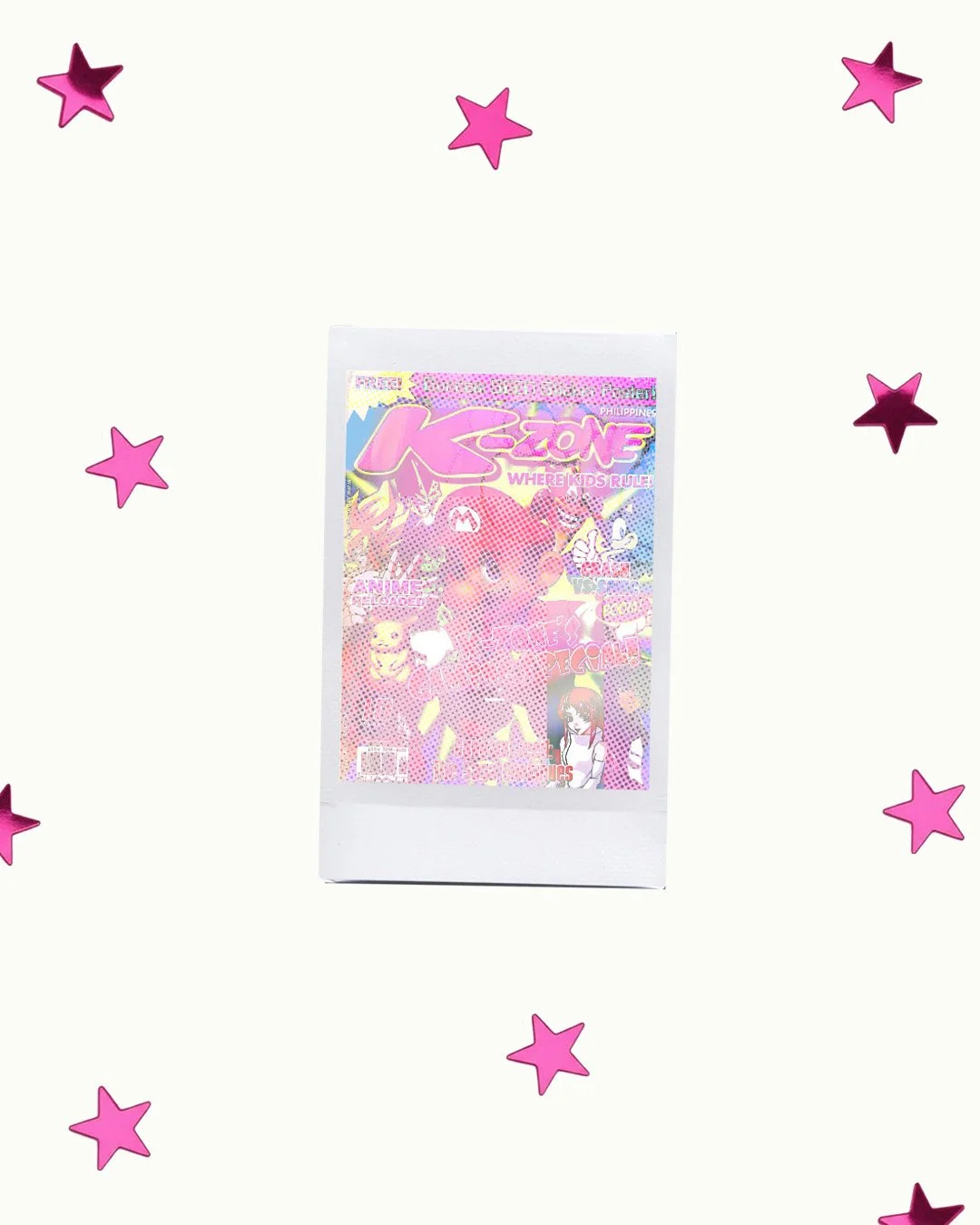
A reader might pick up an issue for video games and end up moving through dinosaurs, space exploration, anime, film trivia, bizarre world records, cryptids, and scientific oddities designed to make twelve-year-olds briefly unbearable in classrooms—the kind of kid who proudly claims they’re a product of Encarta, National Geographic, and Discovery Channel.
Its contents read less like a content strategy than an inventory of every rabbit hole before the internet had learned to organize them: Game Zone, Animajor, Flick Pick, Toy Chest, Art Fart, The Terror Tribune, Last Laugh, and Foldabots, the paper-cutout robots that routinely exposed the limits of childhood engineering confidence.
Half the educational value came from discovering that scissors alone could not solve every problem.
What made K-Zone memorable, though, extended beyond its content. Beneath the jokes, gadgets, and gloriously random facts sat this ambitious idea about childhood itself that curiosity need not be specialized to be valid.
A child interested in Star Wars might also care about astronomy; one drawn to Aquaman might turn, without contradiction, toward marine biology. Interest, it implied, is expansive before it is narrowed.
Seen from the present, this feels almost subversive as today’s digital ecosystem rewards precision over breadth. Algorithms excel at identifying interest, then refining it into repetition. Discovery still exists, nonetheless, increasingly within bounded loops.
Dear Letterboxd film bro, you would’ve loved Meg and Seventeen
There is a nostalgic pleasure in discovering a film by complete accident—one difficult to engineer within an internet ecosystem so preoccupied with anticipation that it leaves little room for surprise.
That, for all their reputation as repositories of fashion trends, celebrity crushes, and relationship advice delivered with the confidence of a friend newly promoted to expert after her first heartbreak, was one of the sinews of Meg and Seventeen Philippines.
A profile of Josh Hutcherson (*insert whistle baby edits) might sit beside campus style. Beauty features could spill into independent film recommendations. Coverage of a Hollywood release might share space with local music, travel essays, or books assigned to the emotional taxonomy of “semester-break reading”.
Everything just belonged in conversation with everything else.
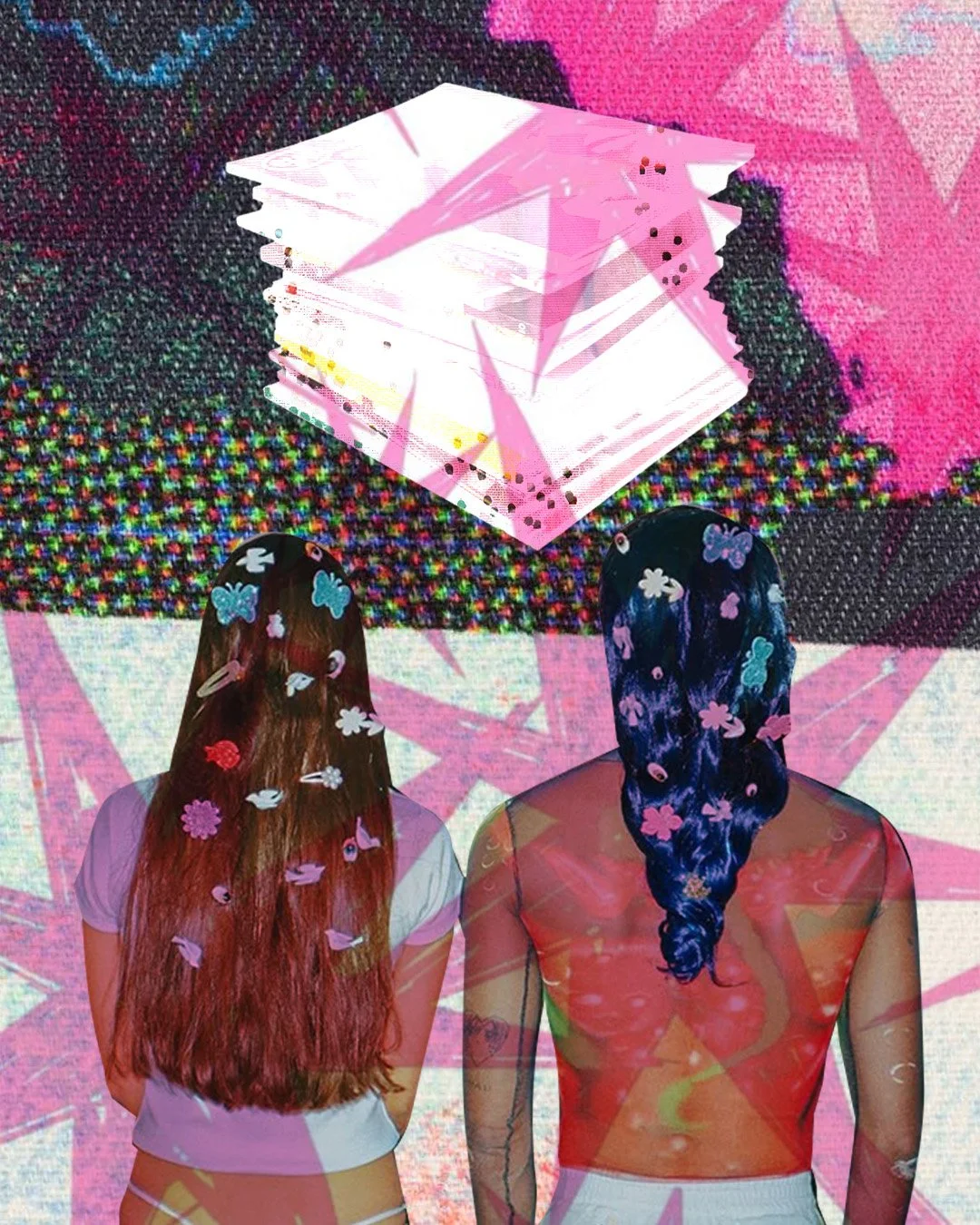
Films did not sit in a silo reserved for cinephiles with ranking systems and strong opinions about aspect ratios. It lived alongside music, fashion, friendship, television, and the everyday texture of adolescence.
Our recommendation systems now work differently. Watch a few coming-of-age films and your homepage begins to resemble a soft-focus portrait of melancholy. Spend time with crime thrillers and the feed narrows into increasingly bleak variations of the same Scandinavian landscape.
Its primary task is not to broaden your horizons but to refine them, sanding away unpredictability until every recommendation feels comfortably adjacent to the last. After all, some of the most formative cultural discoveries arrive unexpectedly. A film you never intended to watch. A director whose name meant nothing twenty minutes earlier.
Which is perhaps why so many readers remember magazines with such disproportionate affection.
They were not merely containers for information. They nudged readers toward unfamiliar territory with the casual confidence of a friend saying, "Trust me, just give it a chance".
And so, dear Letterboxd film bro—patron saint of five-star ratings, watchlists stretching into the horizon, and reviews that occasionally read like doctoral theses written under the influence of matcha—you would have loved Meg and Seventeen.
Because every so often, they handed you something you never would have chosen for yourself. And now and then, that is where the good stuff lives.
Dear Spotify’s resident yearner final boss, you would’ve loved MYX Magazine
People often assume nostalgia for older music culture stems from scarcity, as though what audiences miss is the inconvenience of waiting for songs to appear on television, hovering beside cassette recorders with the reflexes of trained snipers, or losing custody of the remote precisely when a favorite music program was about to air.
It is an appealing theory. It is also, I suspect, looking in the wrong direction.
Music has never been easier to access. Access was never the issue. The thing that slipped away was synchronization.
For an entire generation of Filipino listeners, MYX turned music discovery into something both personal and collective.
Programs like the MYX Daily Top 10, MYX International Top20, especially the Pinoy MYX Countdown were not just rankings but recurring rituals, gathering viewers across geography and temperament into temporary alignment.
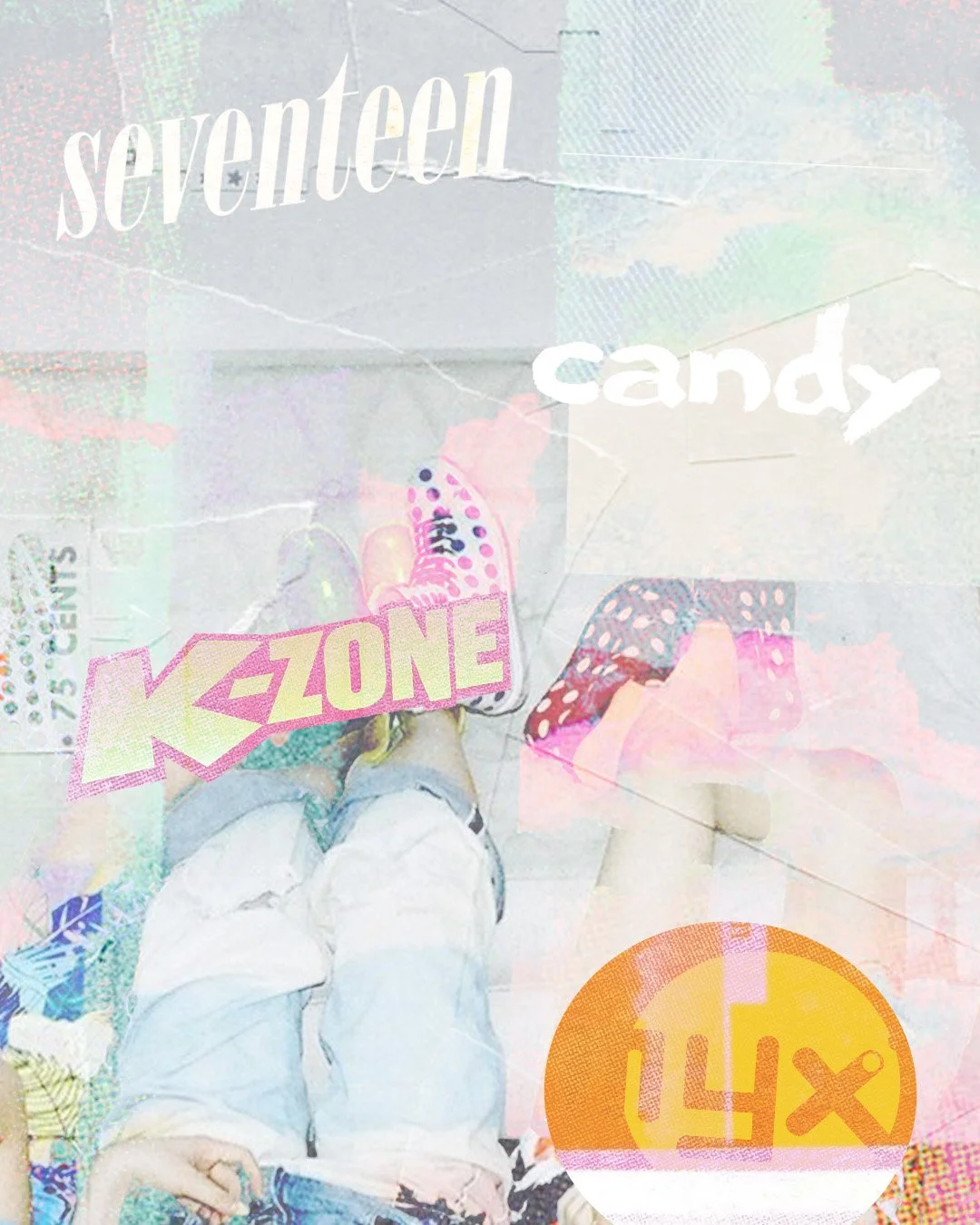
The charts functioned as a shared stage of attention. Fan communities organized with the discipline of small campaigns. Votes were cast with ritual seriousness; rankings tracked, argued over, and dissected with the intensity usually reserved for elections, and NBA or UAAP finals.
To be fair, the impulse has not disappeared, but migrated. Modern fandoms still organize around streams, voting drives, and chart milestones with the same urgency, as seen in the culture surrounding P-pop acts such as BINI.
But most of listening now materializes within individualized systems or one that can only be best described as “gatekeeping”, tuned to preference and behavior. The diversity is real; so is the fragmentation.
Back then, mention that ranked-one (of course, it’s always Taylor Swift), and entire cohorts are pulled back into the same scenes: intramurals echoing across courts, school fair lights at dusk, first crushes, first heartbreaks made briefly survivable by Yeng Constantino’s Siguro—the unofficial national anthem of teenage romantic distress, now reincarnated as Spotify playlists titled “10pm na pala kaya nami-miss na kita.”
While MYX—straddling the roles of television network, cultural archive, popularity contest, tastemaker, and unofficial emotional backdrop to Filipino adolescence—helped construct much of a shared zest.
Yours, from the other side of the feed
What lingers is less nostalgia than a quiet reminder for teenagers today: culture was once less personalized than it was collectively stumbled into where the same interests brushed past entire cohorts at once.
Today’s feeds come in with unnerving precision, curating desire so tightly it can feel like living inside one’s own echo chamber: efficient, seamless, and strangely isolating in its exactitude.
And maybe that’s the small thing worth holding onto. Not a rejection of how we discover things now, but a gentler allowance for what the algorithm cannot quite anticipate.
Let curiosity wander a little. Click on what doesn’t immediately fit. Stay with the unfamiliar long enough for it to become something recognizable.