Through Artistic Seeds
Lunsad Kabataan, a youth initiative under the PETA is empowering young people to lead cultural and legislative campaigns on children’s rights.
Words Gerie Marie Consolacion
Photos courtesy of Lunsad Kabataan
January 13, 2026
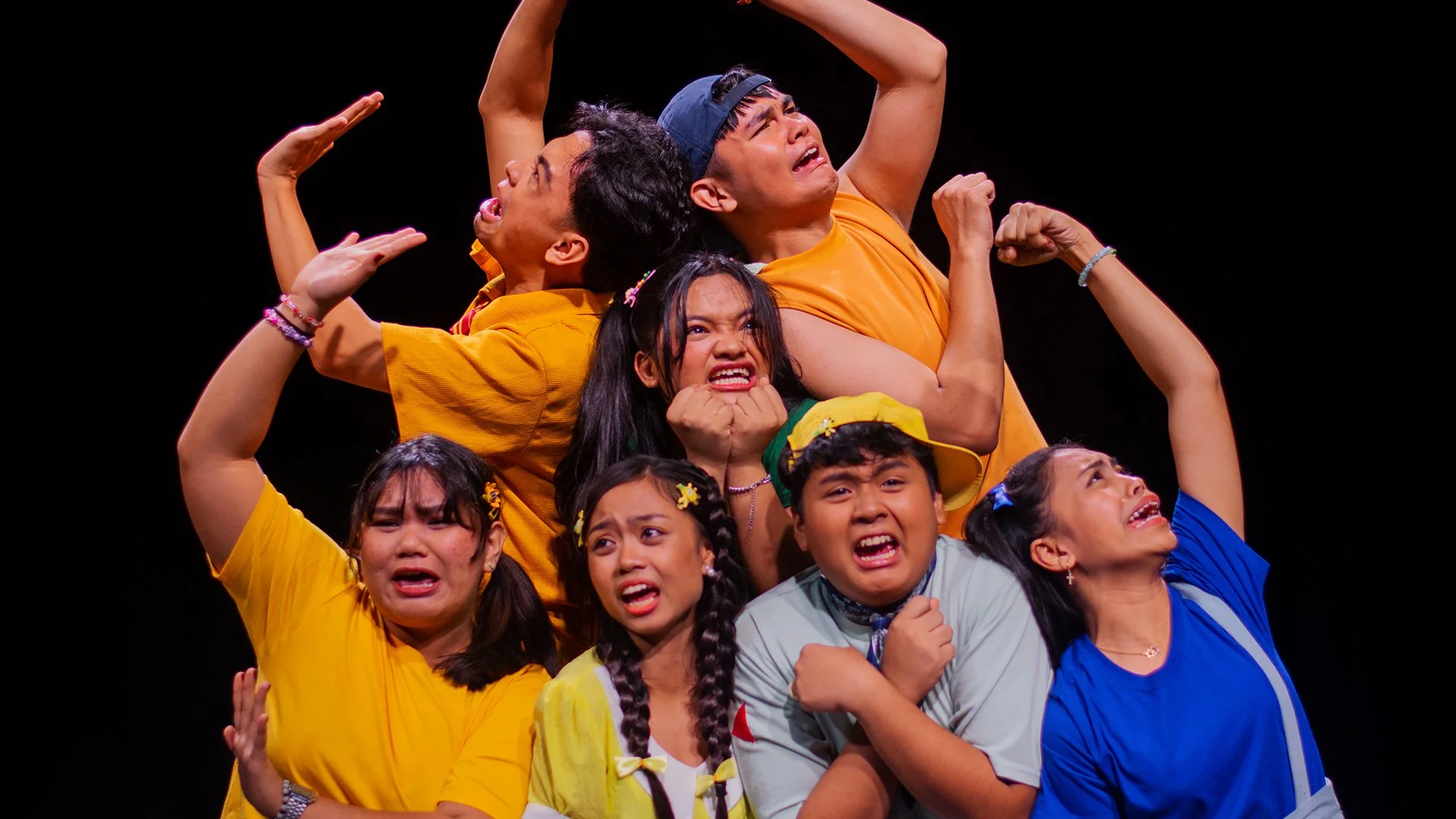
In Philippine theater, PETA, the Philippine Educational Theater Association, has long been associated with bold storytelling and social awareness.
Today, that legacy continues through a younger generation who are taking what they learned onstage and bringing it into real-life conversations. They call themselves the “Artvocates” of Lunsad Kabataan (LK), a youth organization that grew out of the PETA Art Zone Project, also known as the Advocate Right to Safety Zone for children.
What started as workshops eventually became a youth-led collective proving that art can do more than entertain. It can open dialogue, shape values, and push for change.
The Lunsad Kabataan

Lunsad Kabataan began because its members were not ready to say goodbye. When several PETA Art Zone projects wrapped up in 2022, many of the young participants felt the loss deeply.
LK President Ren Mark Itablan recalls how hard it was to imagine the group ending after everything they had built together: “Nanghihinayang kami kasi ang dami na naming nagawa,” he shares, adding that the bond they formed felt too important to let go. That reluctance to part ways led them to form a temporary group, which eventually became Lunsad Kabataan.
Today, LK has grown from being project participants into official partners of the PETA Art Zone, with the freedom to explore creative work even beyond the PETA company.
Becoming artvocates
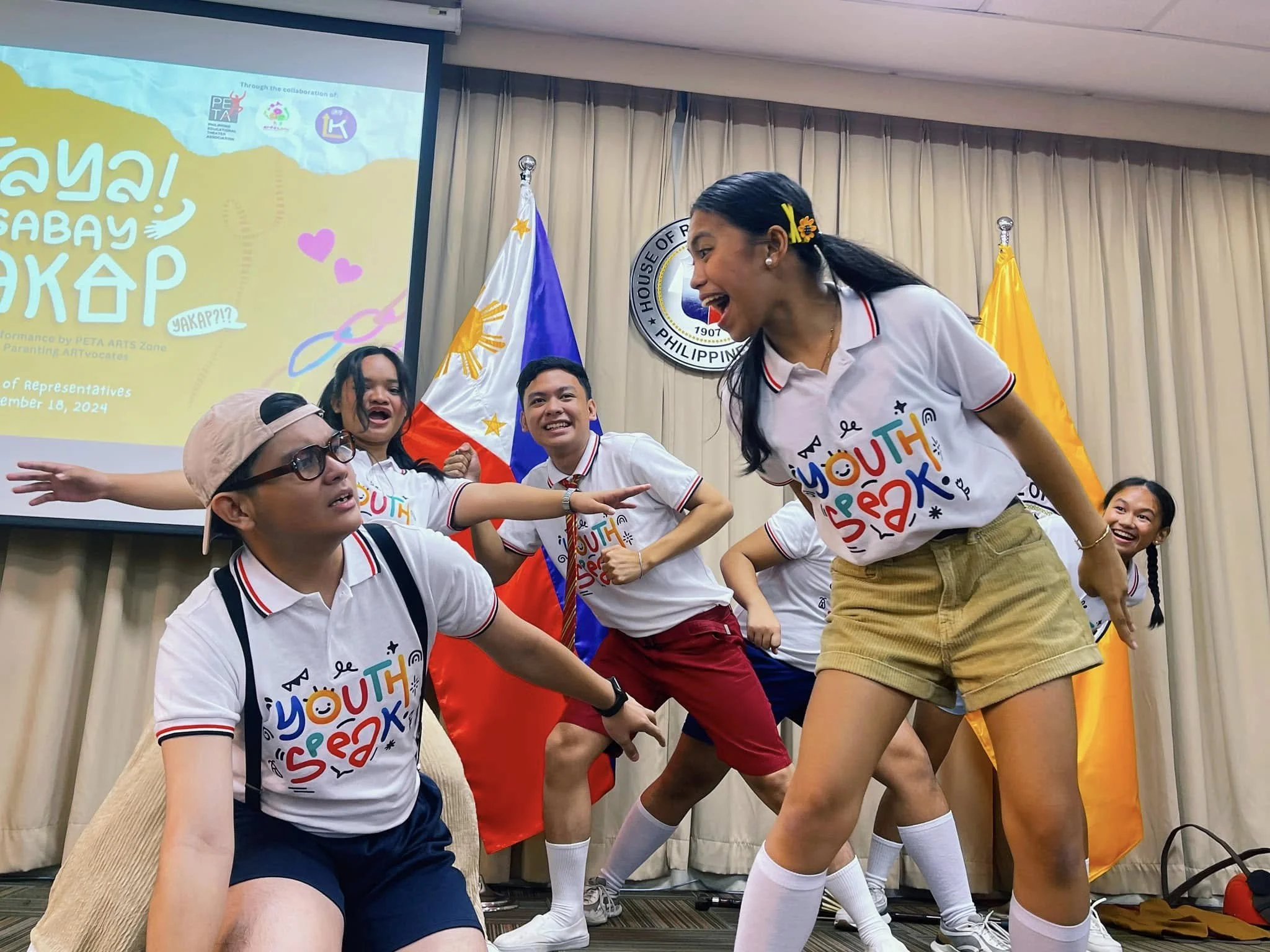
As the group evolved, so did its idea of what art could be. Claire, one of LK’s founders, explains that Lunsad Kabataan now welcomes more children and youth, encouraging them to explore not only theater but also visual arts and other performance forms. The goal is simple, to give young people a space and a medium to tell their own stories.
This approach is most evident in their touring play, “Taya! Sabay Yakap,” which was developed through an intensive three-day workshop. Instead of relying on scripted ideas, the play draws directly from the members’ personal experiences at home and in their communities, making each performance feel honest and close to real life.
The meaning behind the Ipis
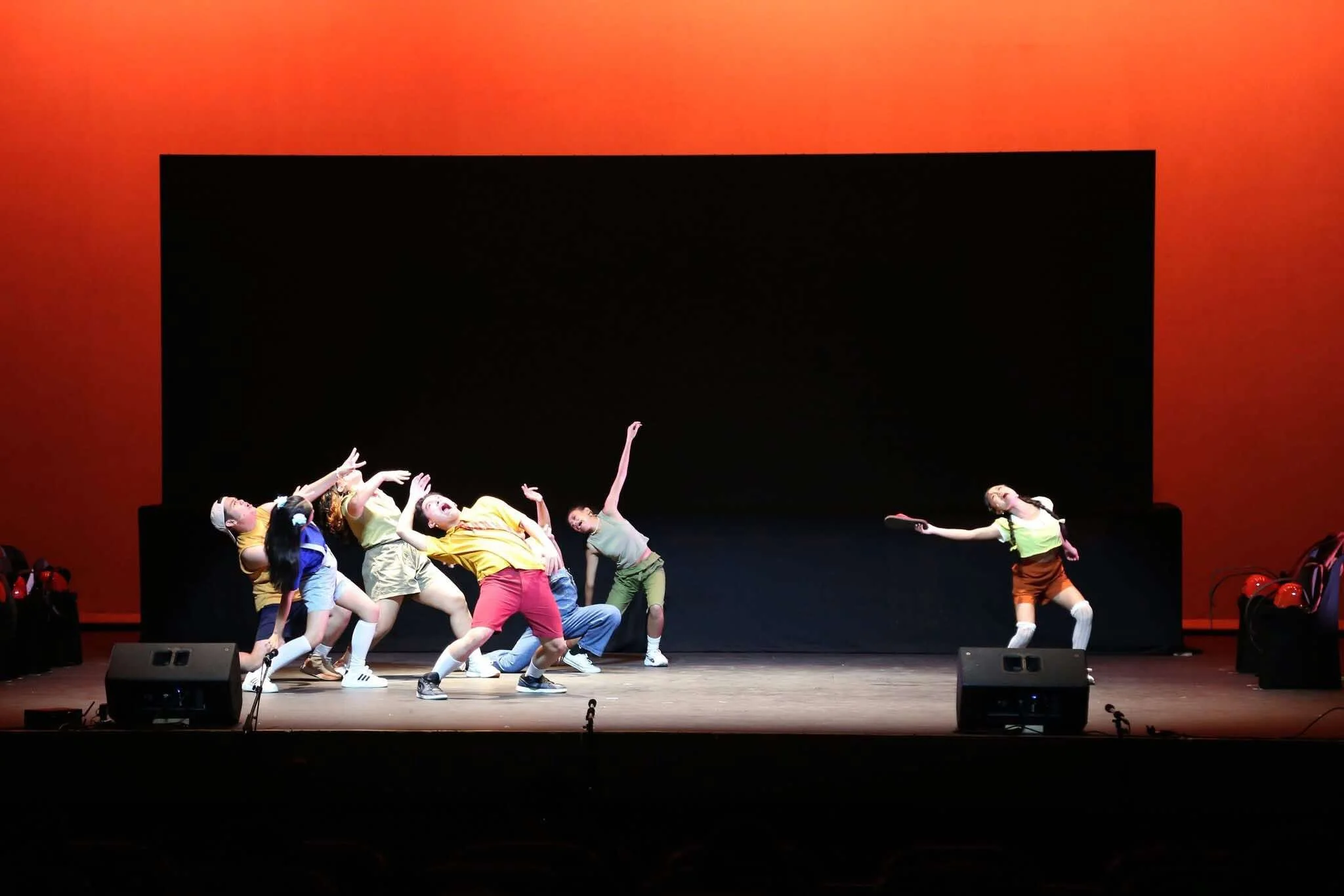
One of their project play’s most striking elements is its use of ipis, or cockroach, as a central metaphor. In the real world, cockroaches are often met with fear or violence. In the play, however, they exist in a space where harm is not the default reaction. Itablan points out how this contrast reflects human behavior more than nature itself. LK leader John Lloyd Pablico puts it plainly: “Sa tao lang uso yung pamamalo.”
The message is clear but quietly delivered. Violence is learned, not inevitable. Through their work, LK promotes positive discipline and shared responsibility within families. As Pablico explains, “Ang isang pamilya naman ay hindi lang one-man thing.”
Art beyond the stage
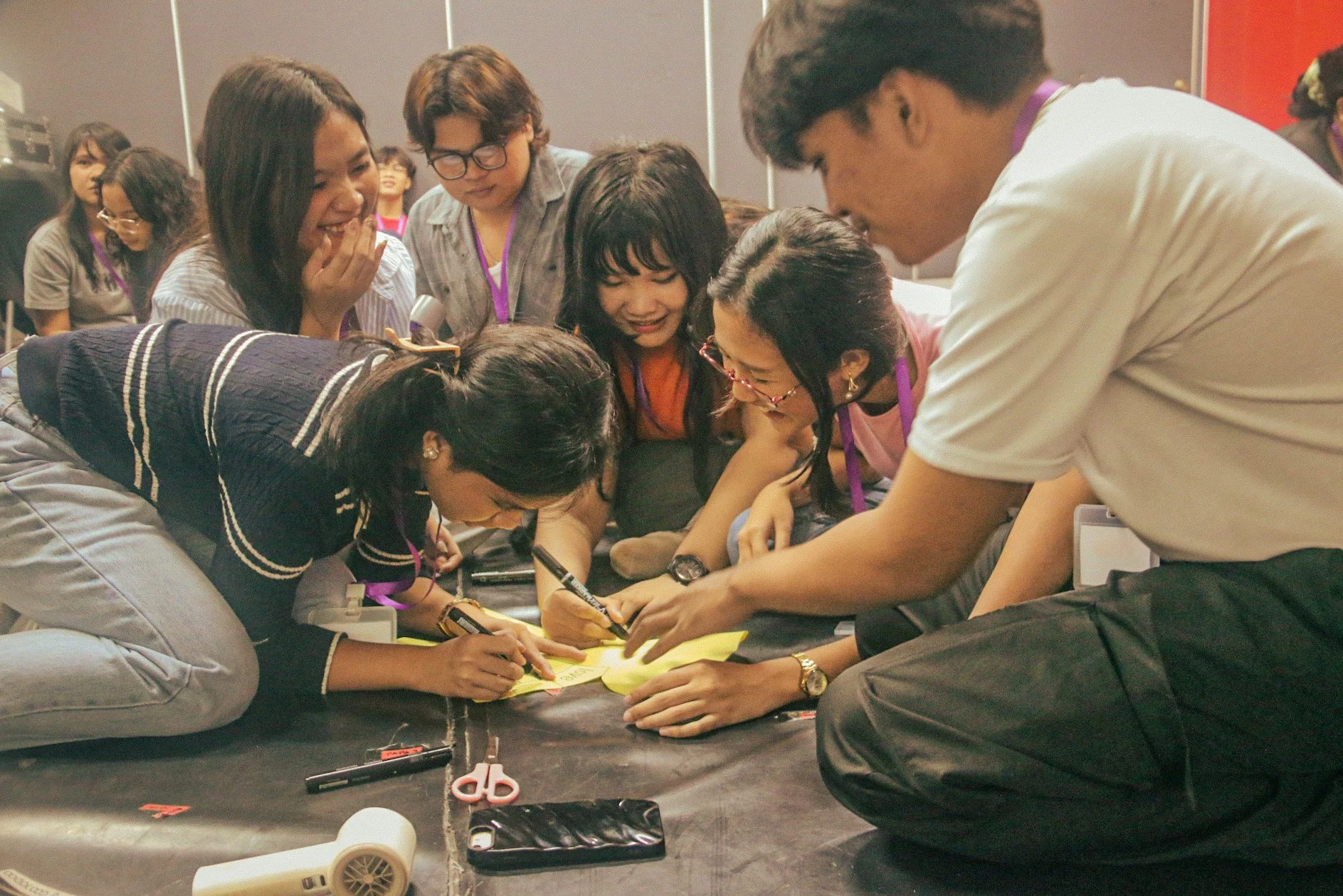
Lunsad Kabataan’s advocacy does not stop when the curtains fall. Ren Mark shares that the group has begun using the power of art and creativity in more political and community-centered spaces. One example is the “Sana sa SONA” forum, where youth from across Metro Manila gathered to reflect on whether the President’s State of the Nation Address reflected their everyday realities.
They have also worked on community projects like a large-scale mural in Las Piñas City, where students themselves designed the artwork to express what they wanted their community to hear. On a national level, LK has even brought their stories to the House of Representatives, hoping lawmakers will listen to youth voices calling for the passage of the Positive Parenting Bill.
When stories create change
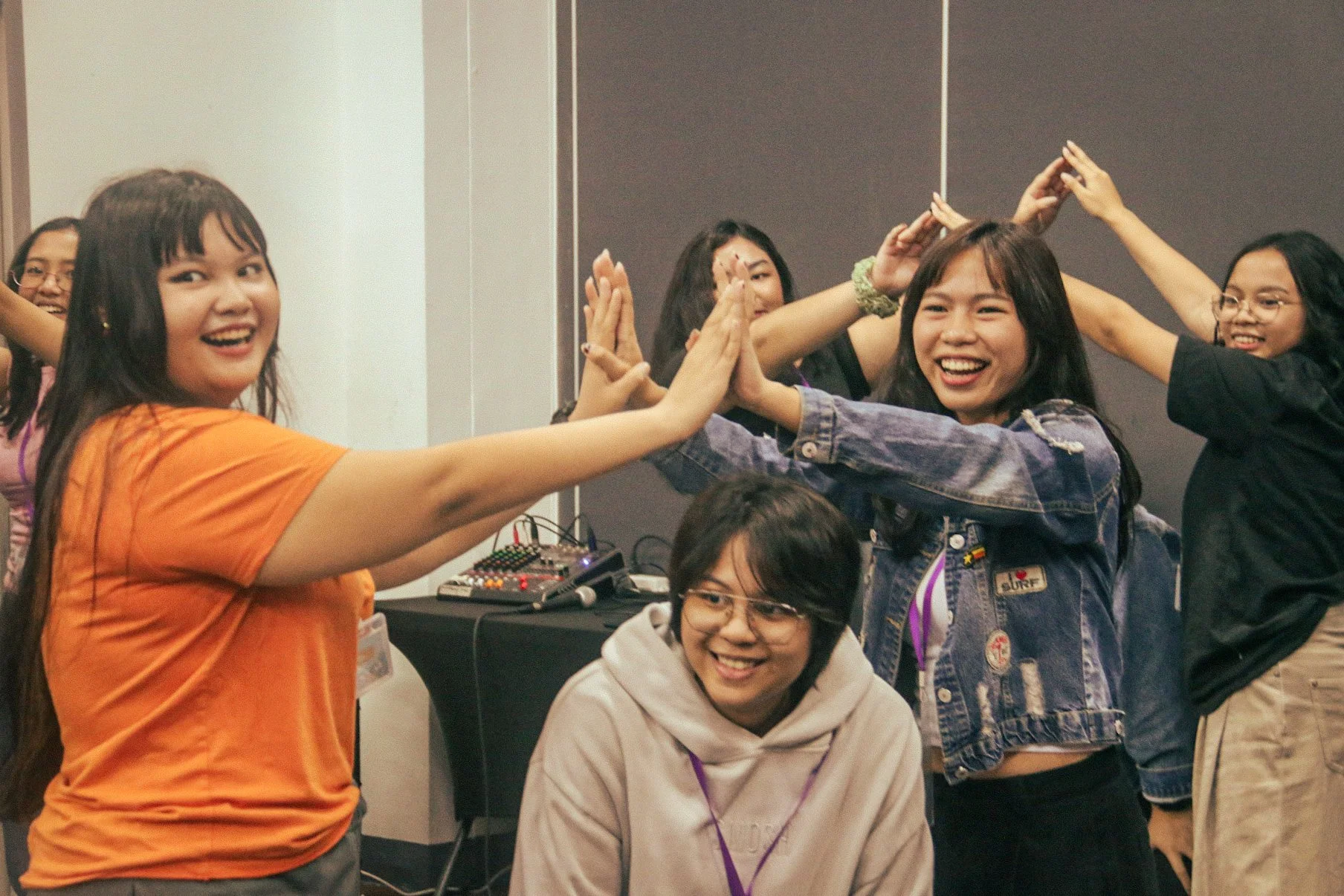
For PETA Art Zone Program Director She Maala, the real impact of theater lies in moments of quiet transformation. She recalls a workshop in Pasig where a teacher recognized a video from a PETA play she had watched years earlier as a student.
At the time, the teacher had a strained relationship with her mother, but the play became a turning point. “After, nag-usap kami, nag-iyakan pa kami,” the teacher told her. Today, she applies lessons of positive discipline in her own classroom.
For She, these moments of narrative change matter most. They challenge the idea that violence is normal or necessary, especially in raising children.
Advocacy and youth life
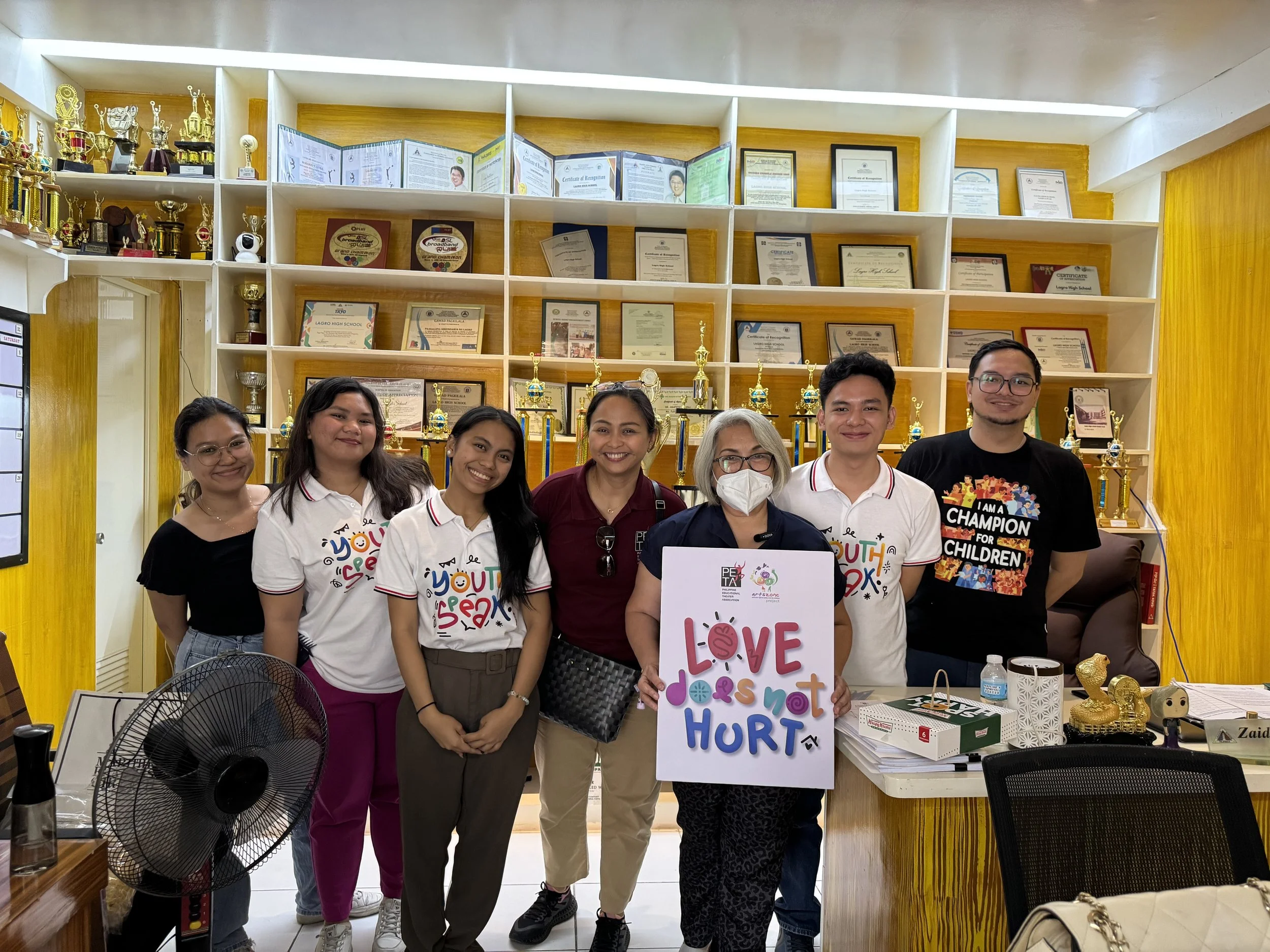
Despite its growing reach, Lunsad Kabataan faces challenges common to youth organizations. Scheduling is often the biggest obstacle. “Ang kalaban mo d’yan, yung schedule nila sa school,” Maala admits. PETA maintains a strict student-first policy to make sure advocacy never comes at the cost of education.
Funding is another constant concern. LK’s creative campaigns, which range from adolescent pregnancy prevention to tobacco-free initiatives, depend on finding partners who believe in both the art and the advocacy behind it.
A space for young voices
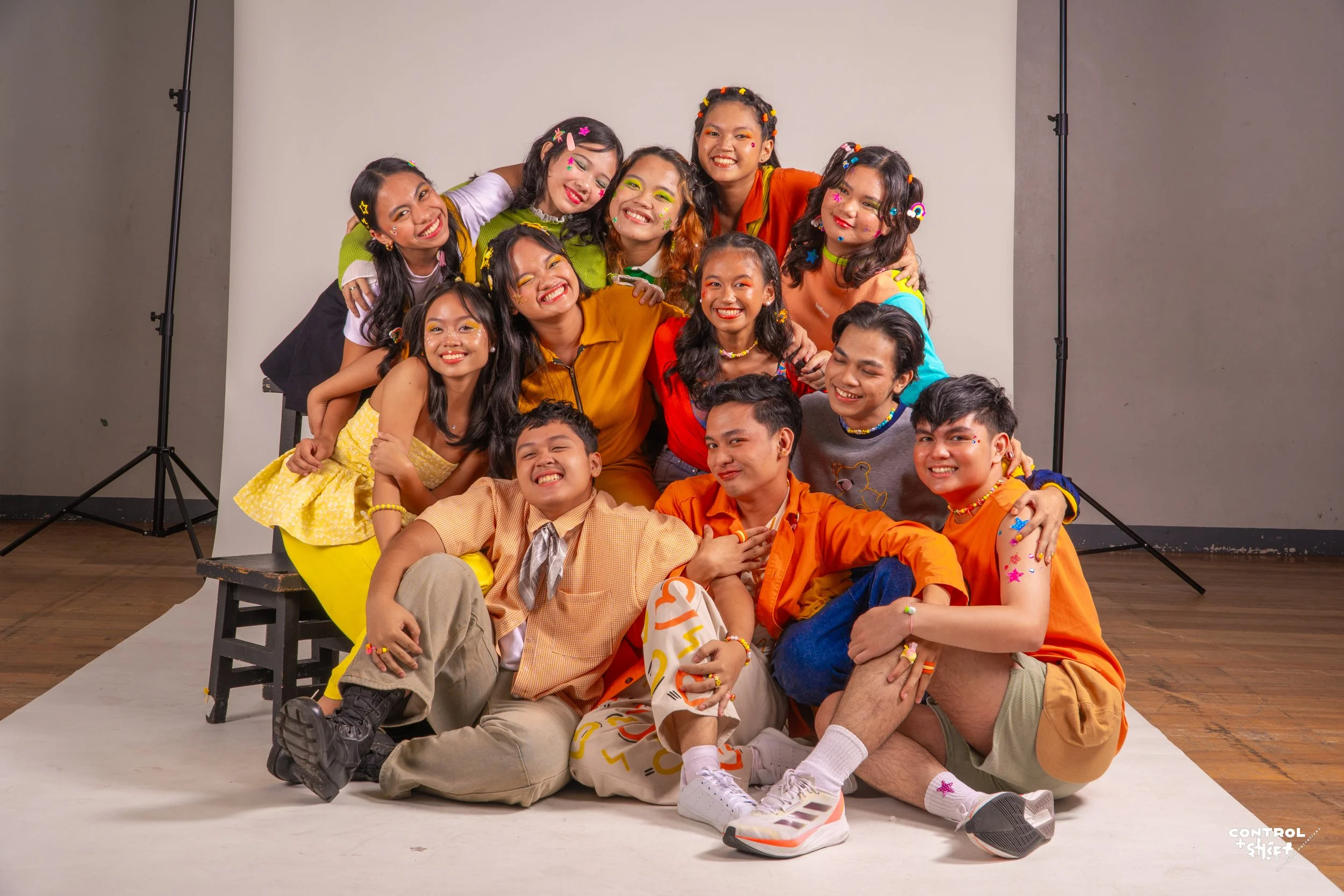
Looking ahead, Maala hopes Lunsad Kabataan will remain a permanent space for young people within PETA. It should be a place where artistic skills are developed alongside strong values and social awareness. By grounding creativity in responsibility, LK ensures that theater remains relevant, accessible, and meaningful.
As Lunsad Kabataan continues to perform, paint, and speak out, they remind audiences that when young people are given the tools to express themselves, art becomes more than a show. It becomes a way to listen, to heal, and to imagine something better, together.