
Threads of Becoming
From Iloilo ateliers to gala ballrooms, Jor-el Espina’s 20th year in fashion is a testament to craftsmanship, culture, and community.
Words Randolf Maala-Resueño
Photo courtesy of Jor-El Espina and Before Deadlines
November 10, 2025
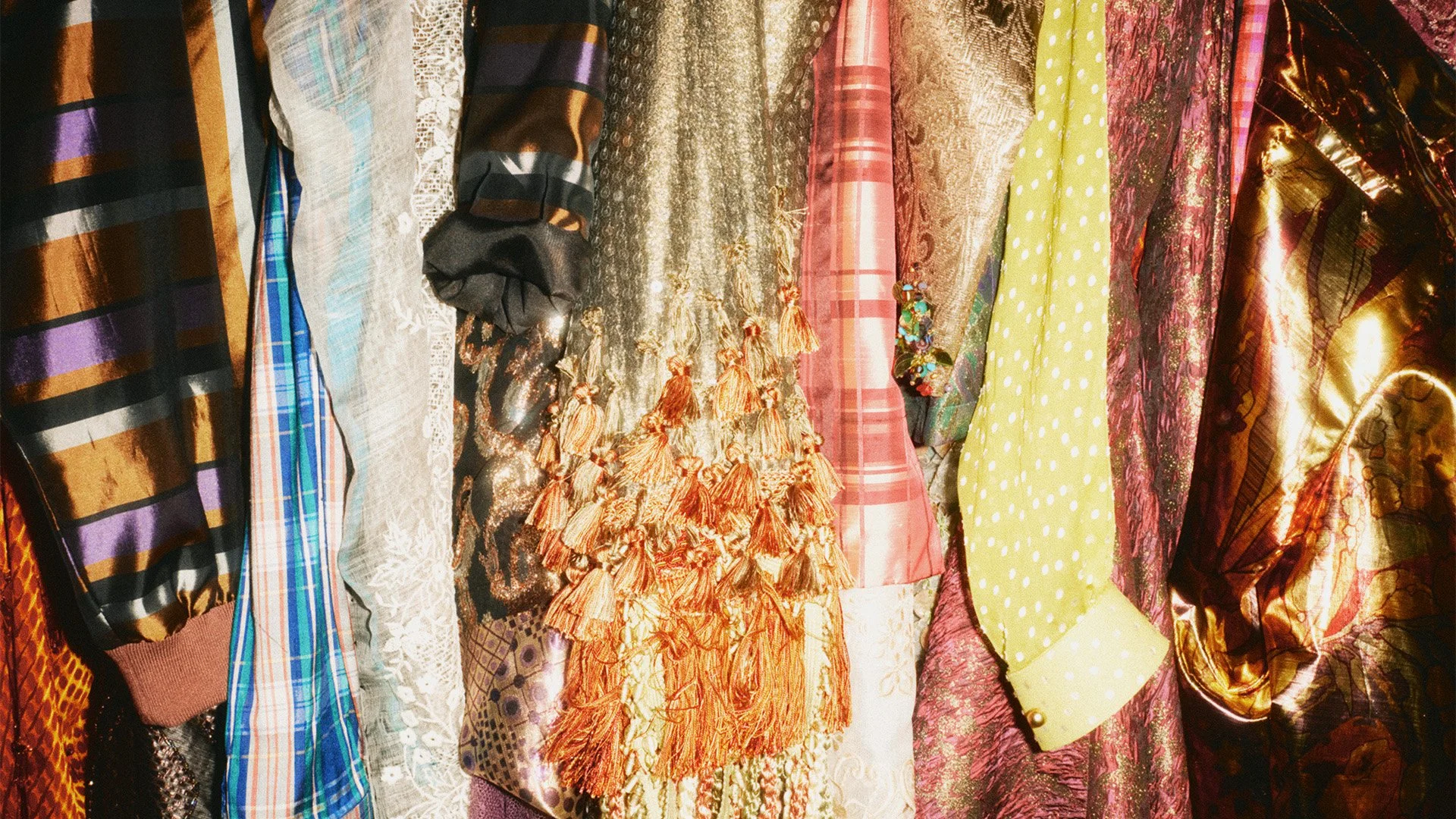
In the evolving reverie of Philippine fashion, Jor-el Espina stands as a weaving witness—a designer who threads belonging into garments that feel deeply, unmistakably Filipino.
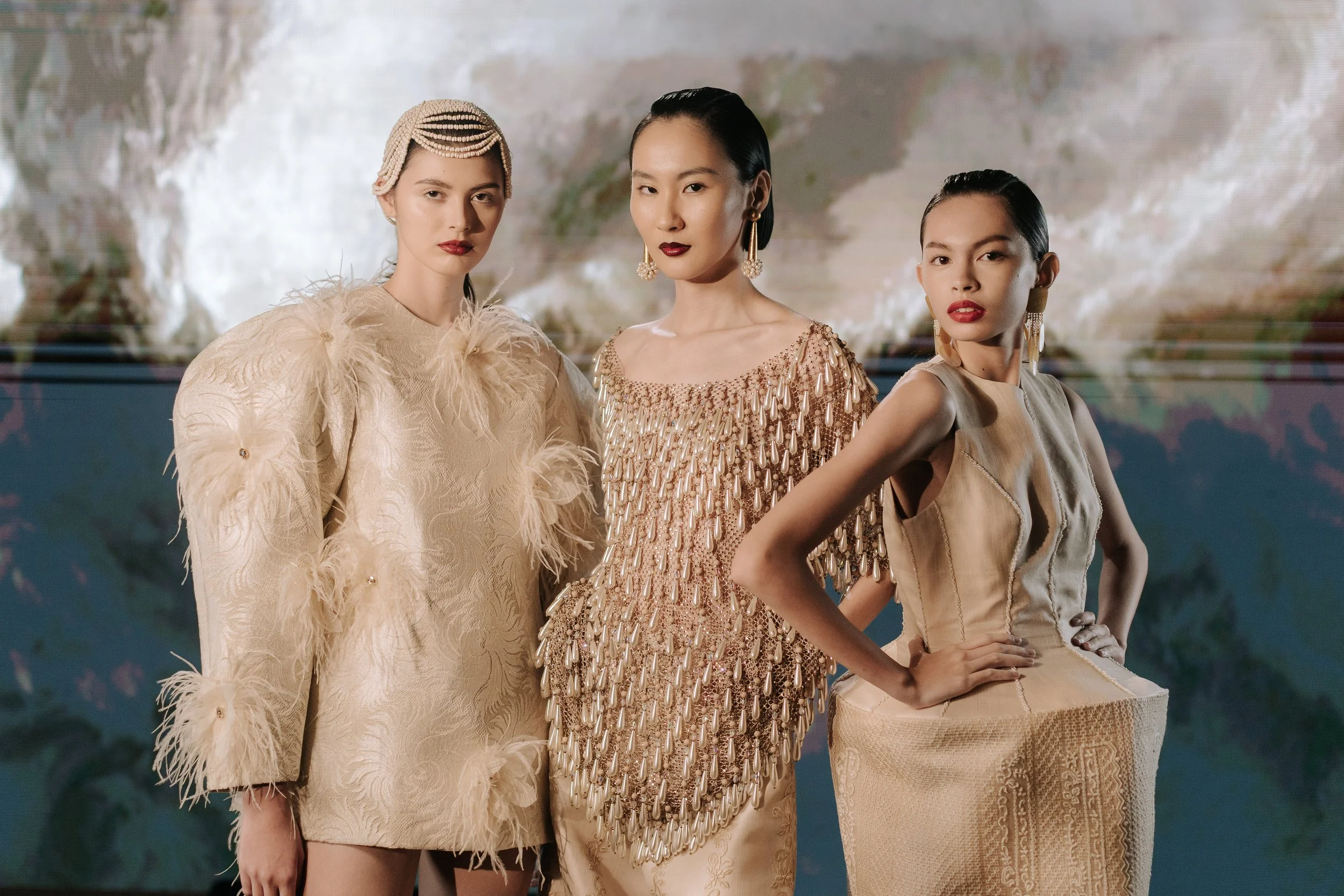
Two decades in the industry, Jor-el’s artistic culmination remains as a rhythm of reinvention, collaboration, and creative generosity.
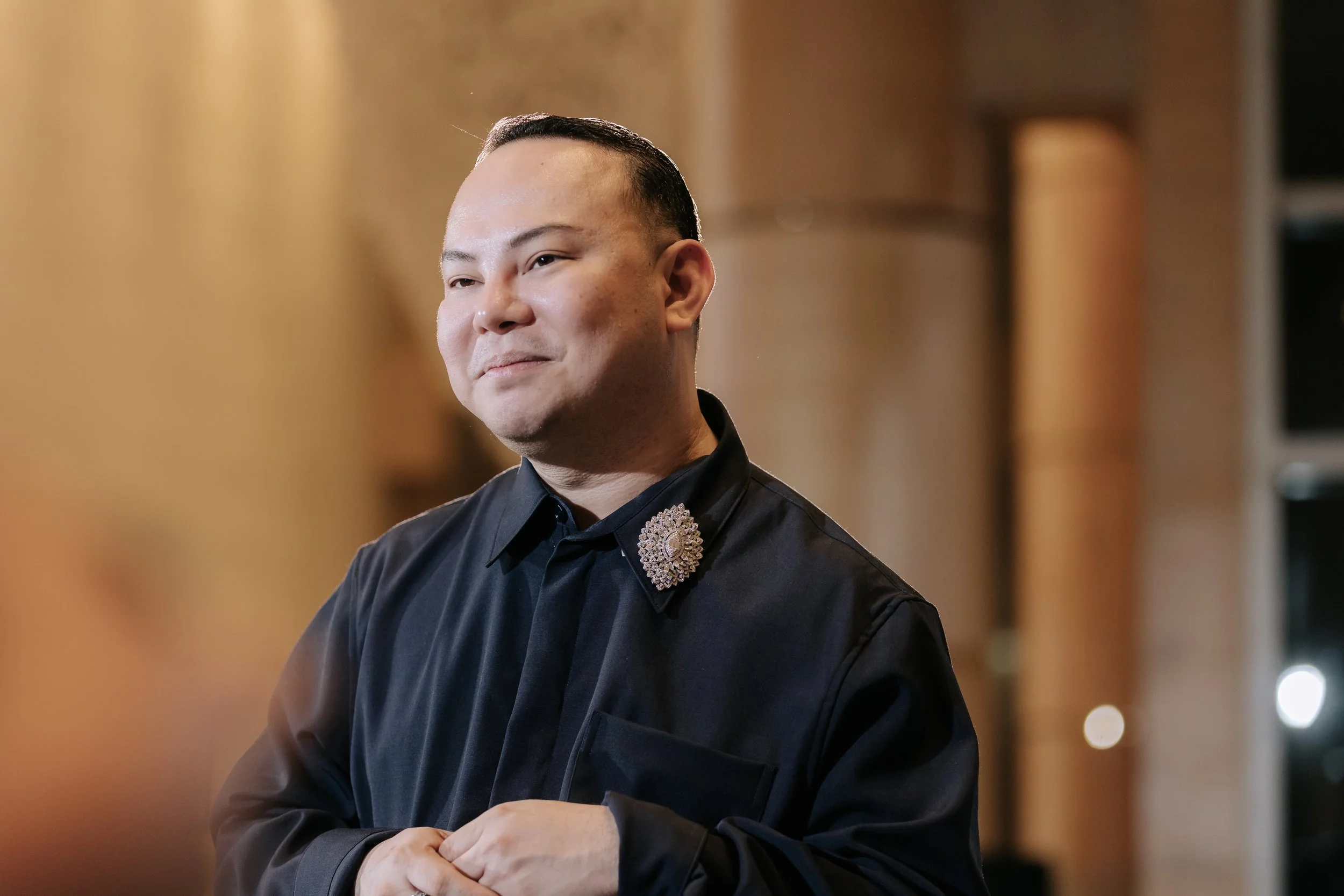
A Year of Becoming
The celebration began in August 2024 with “Adaptation,” a capsule collection that reimagined art deco through the lens of traditional fabrics and embroidery. It was a statement of evolution, proving heritage and modernity can mingle in the same silhouette, just as Espina himself balances the reverence of tradition with the courage to transform.
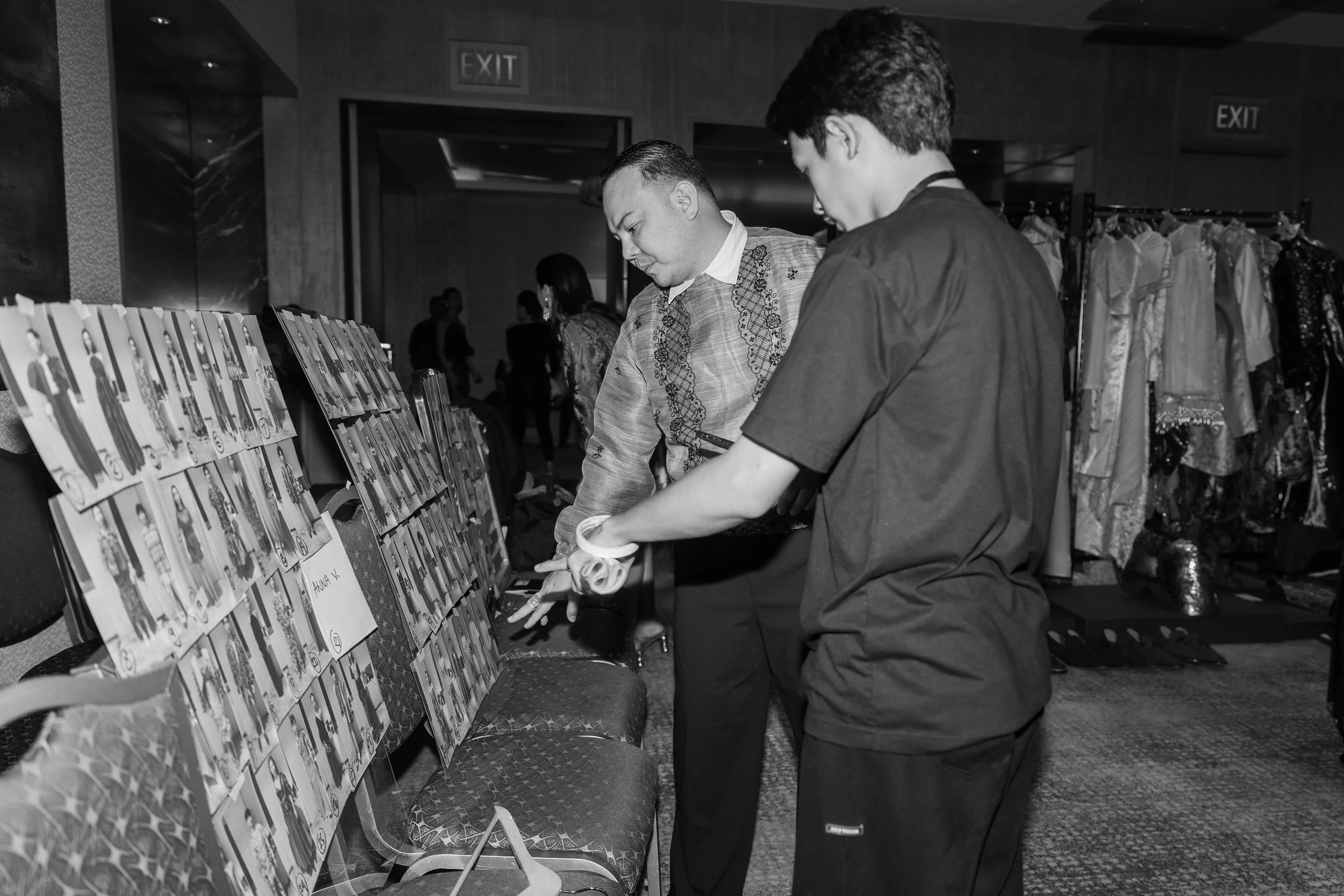
By December 2024, Espina opened the doors to his atelier on the seventh floor of One Corporate Plaza in Makati—a sanctuary for design and dialogue where the Filipino creative spirit finds room to breathe.
“Our atelier was never just about showcasing clothes,” Espina shares. “It’s about creating an immersive space for collaboration and innovation.”
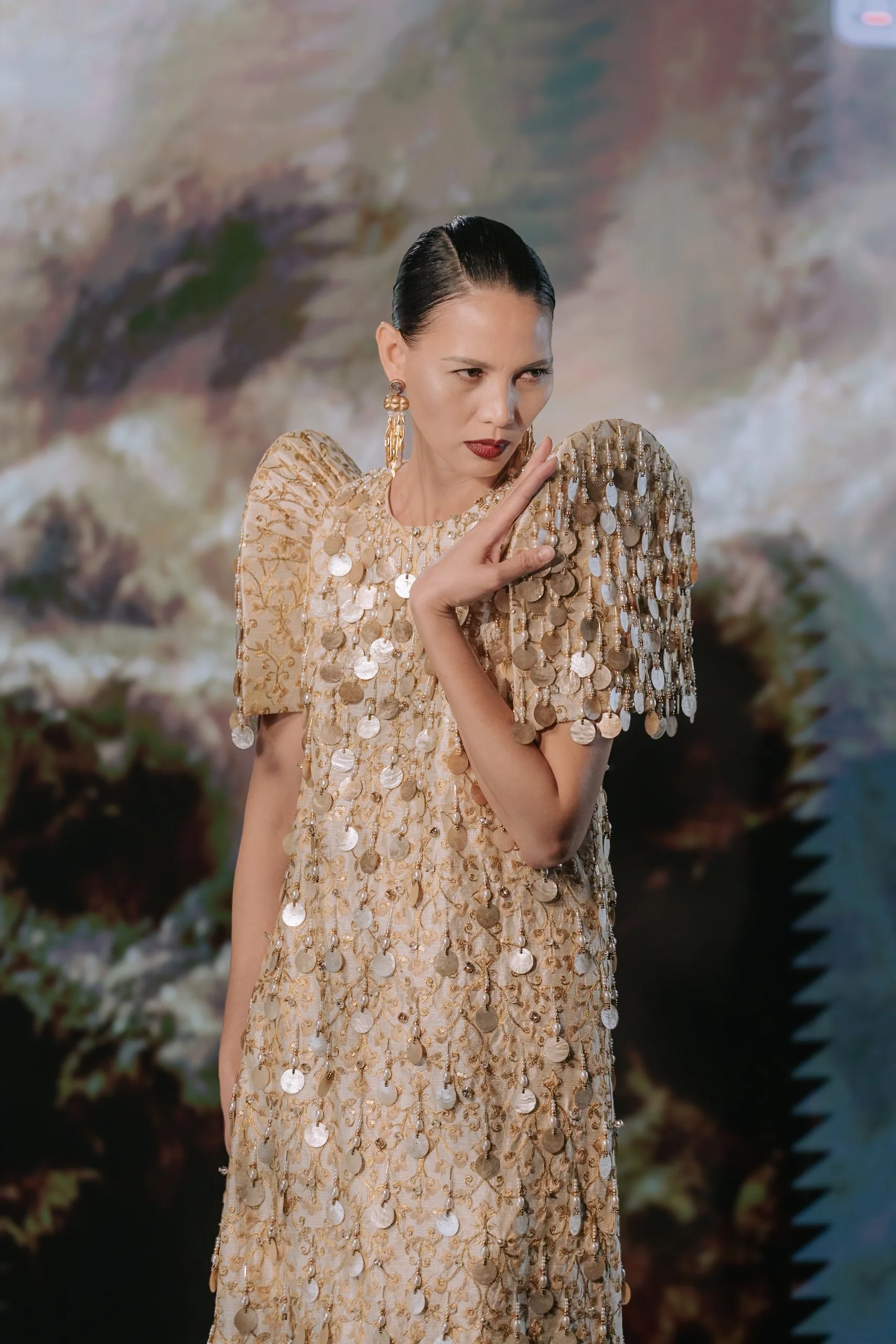
In March 2025, that dialogue found motion, quite literally, when Espina designed costumes for “Ang Panaginip,” Ballet Philippines’ season ender. Translating his design ethos into movement, he created a visual language where tulle and tradition pirouette in harmony. “Ballet resonates deeply with me,” he muses. “It’s storytelling through grace and that’s what design has always been for me, too.”
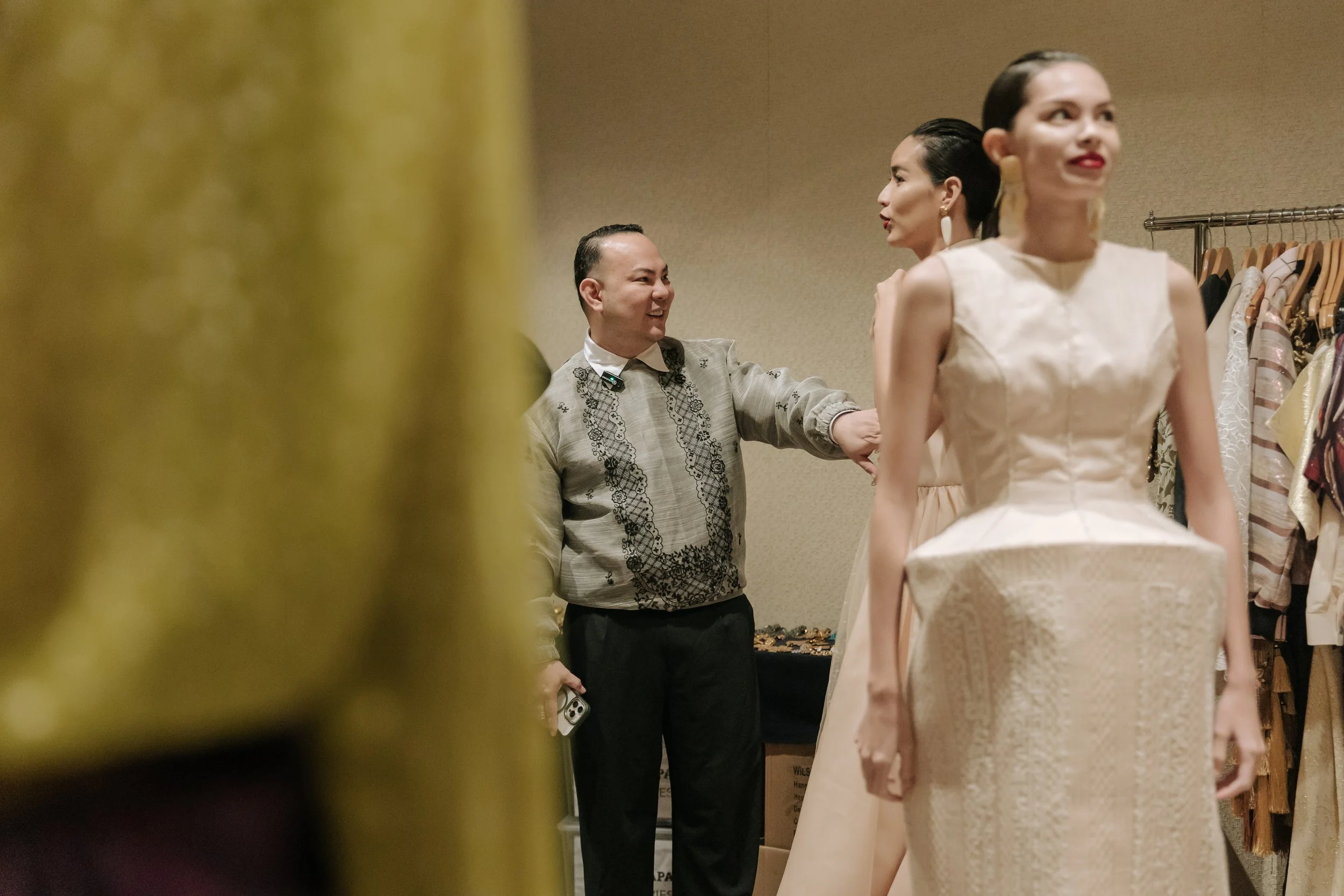
By August 2025, he paid homage to a legend. His “Heirloom” collection for ArteFino was a love letter to Patis Tesoro, the Grand Dame of Philippine fashion. Drawing from her language of patchwork and embroidery, Espina crafted the wisp of archival and the new, a dialogue between generations, bound by shared devotion to Filipino craft. “Working with Patis felt like coming home,” he says. “Our sensibilities are kindred, rooted in detail, drawn to the richness of our own culture.”
The Culmination: A Maximalist Dream
All paths lead to October 24, when 20 Design Anthologies takes center stage at the Shangri-La The Fort during the Philippine Bahagari Awards and Charity Gala. Presented in partnership with the Philippine Financial and Inter-industry Pride (PFIP), the showcase ultimately stands as a statement, where the 60-piece collection serves as a palpable declaration: a maximalist’s meditation on beauty, identity, and becoming.
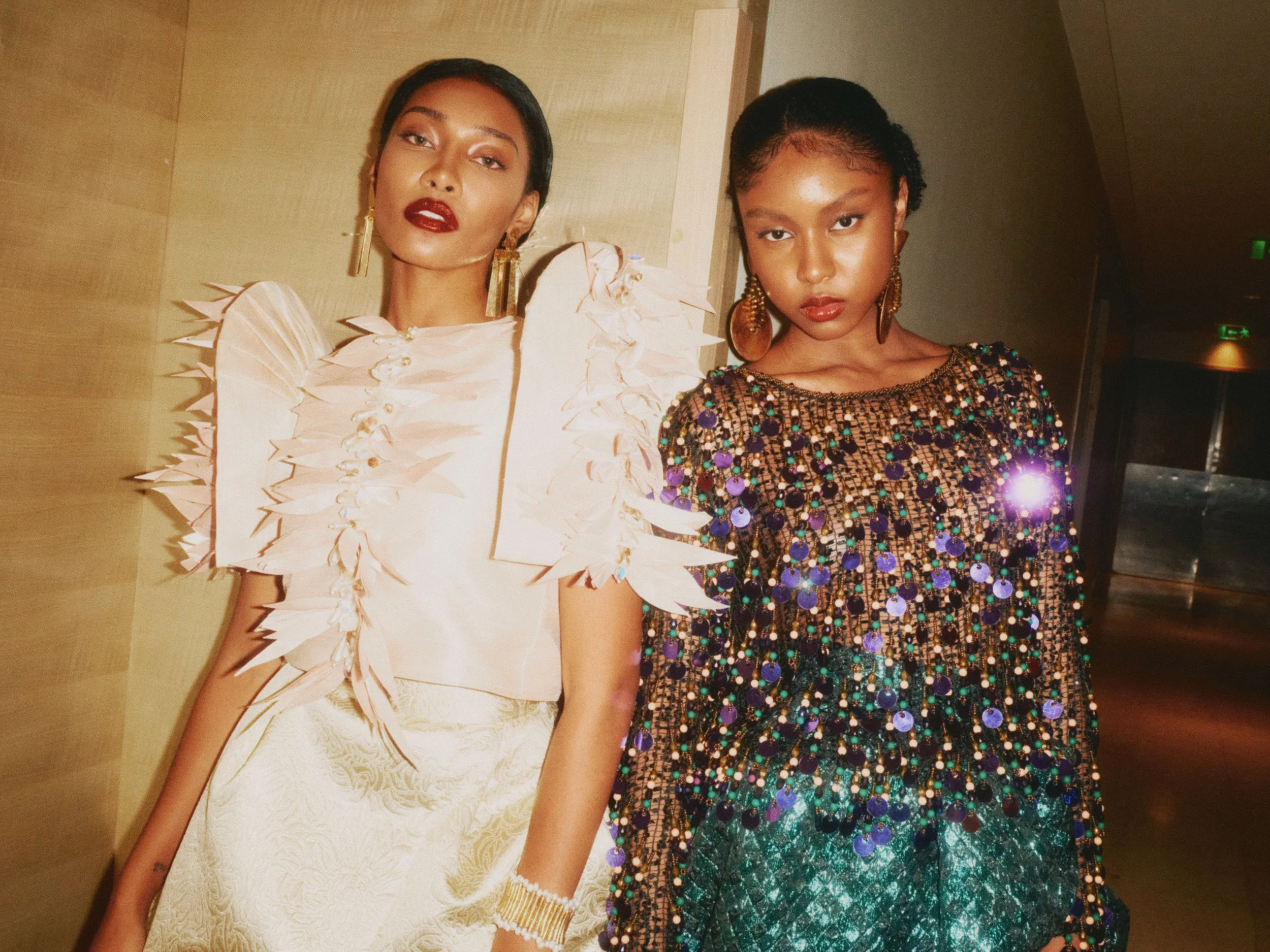
“It’s my playground,” Espina says of the collection. “I wanted to push the boundaries of what Filipiniana dressing can be.”
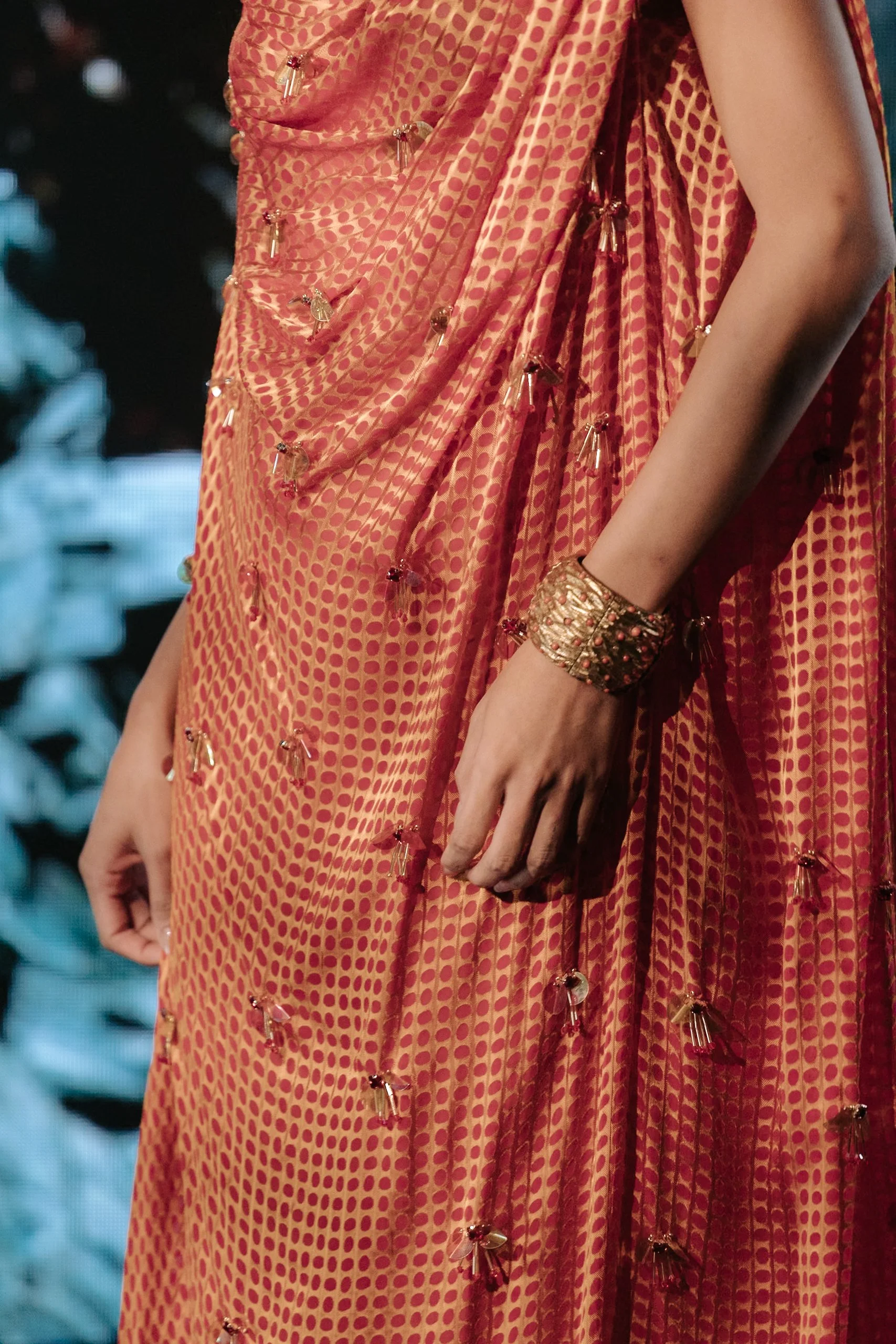
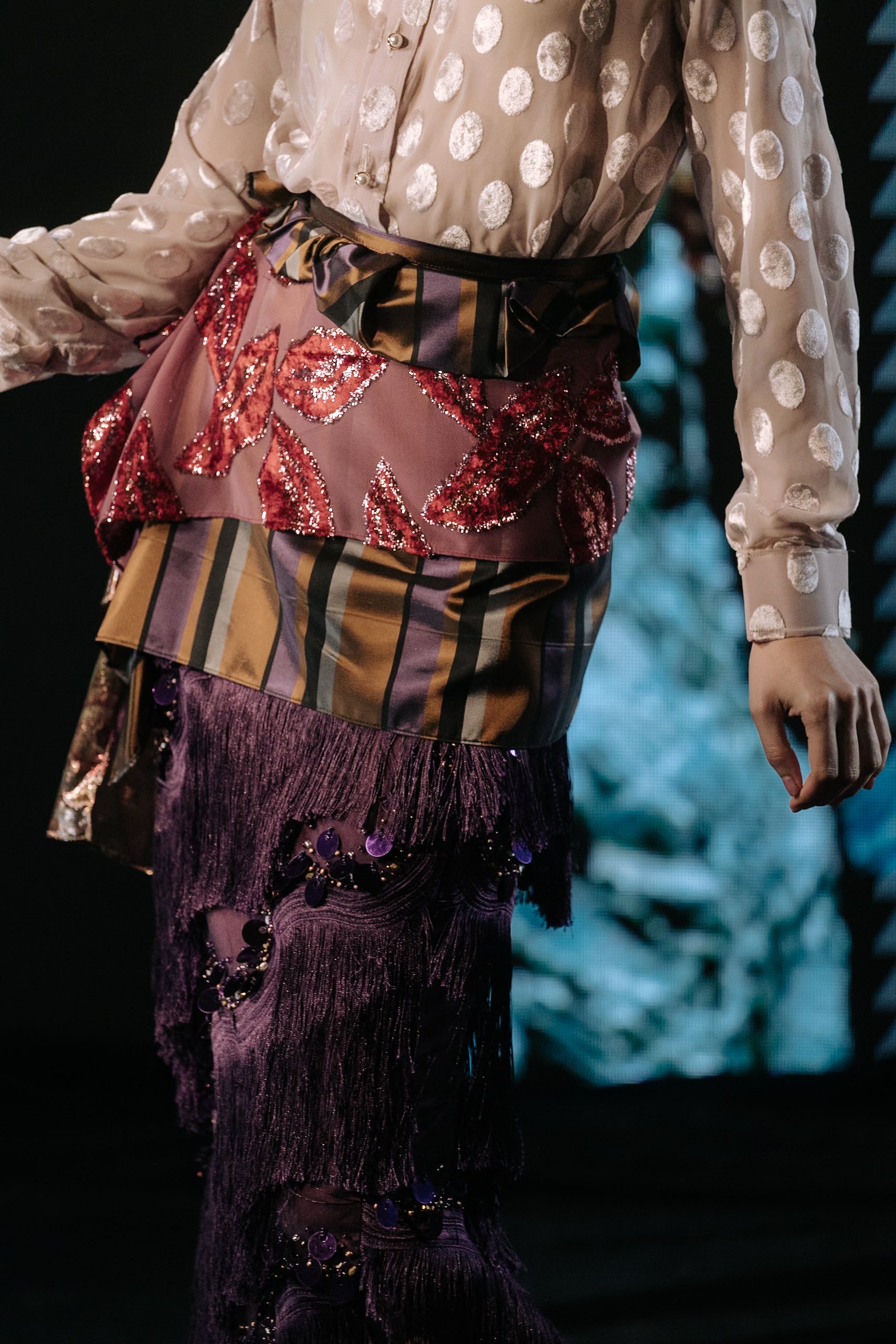
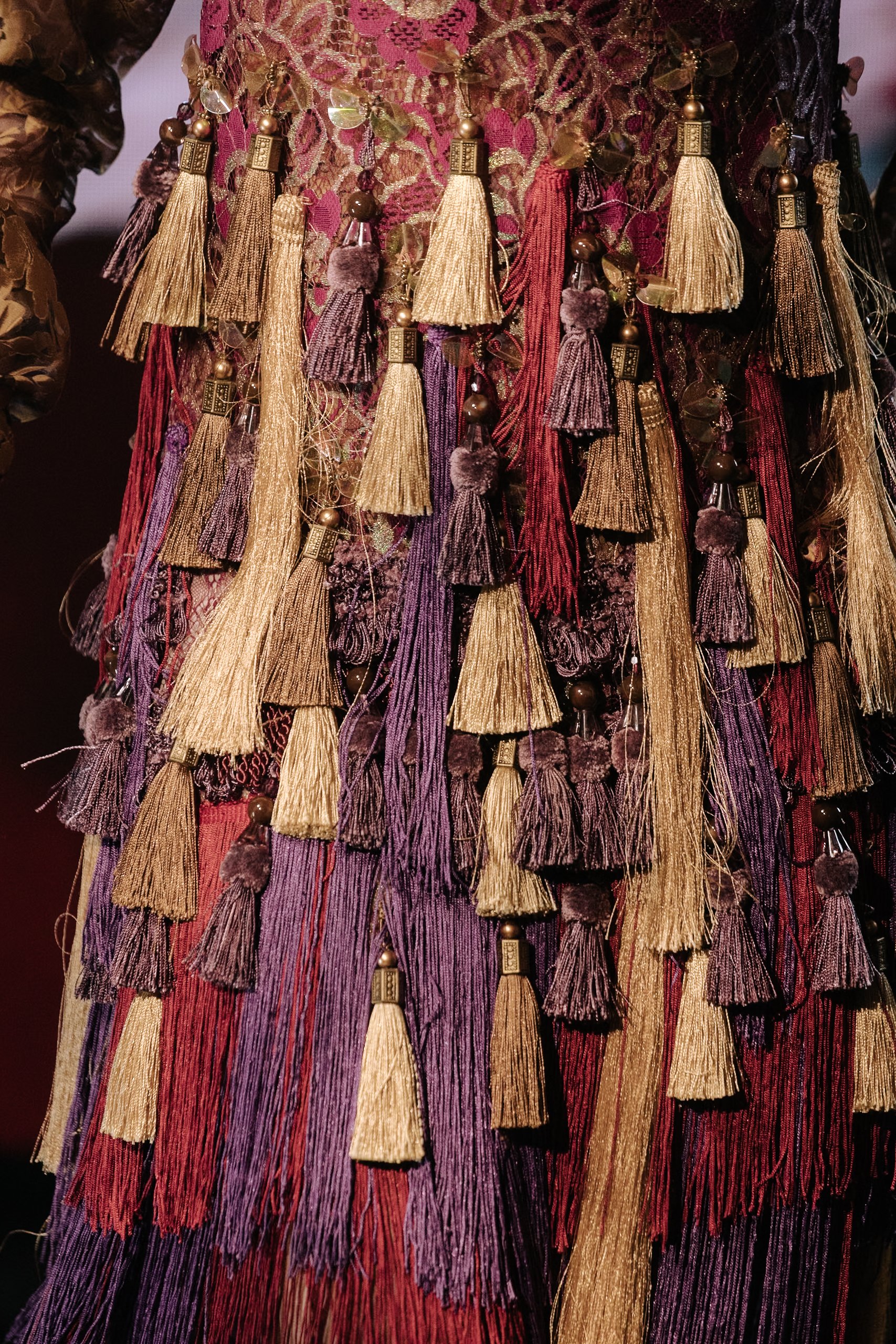
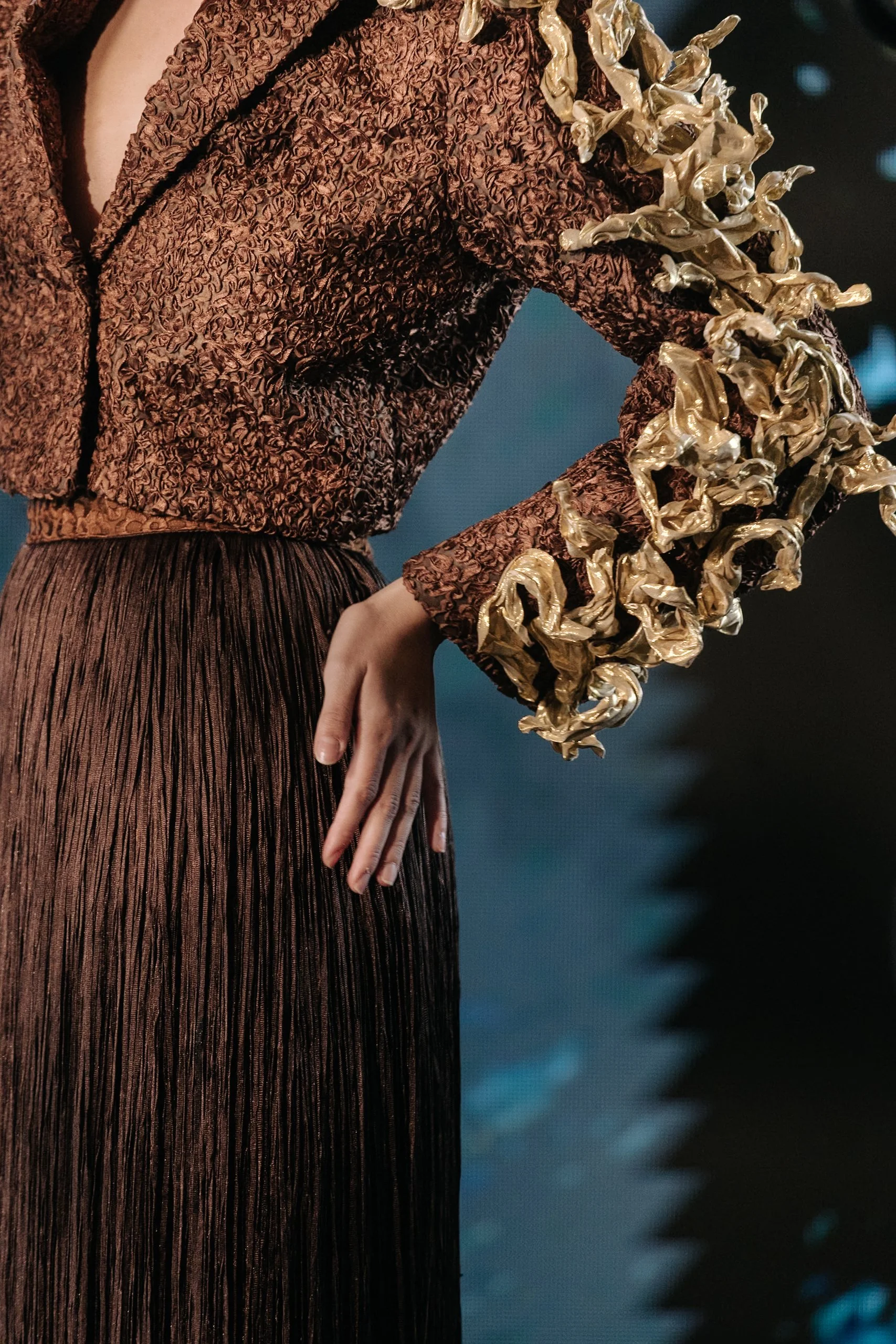
In this, metallics meet tradition; corsetry flirts with the barong; mother-of-pearl paillettes catch the light like distant stars. Volume, color, texture all merge into a visual symphony of freedom and self-expression. This is fashion as an autobiography–every thread recalls Espina’s origins in Iloilo, and every silhouette gestures toward the queer future he helps design into being.
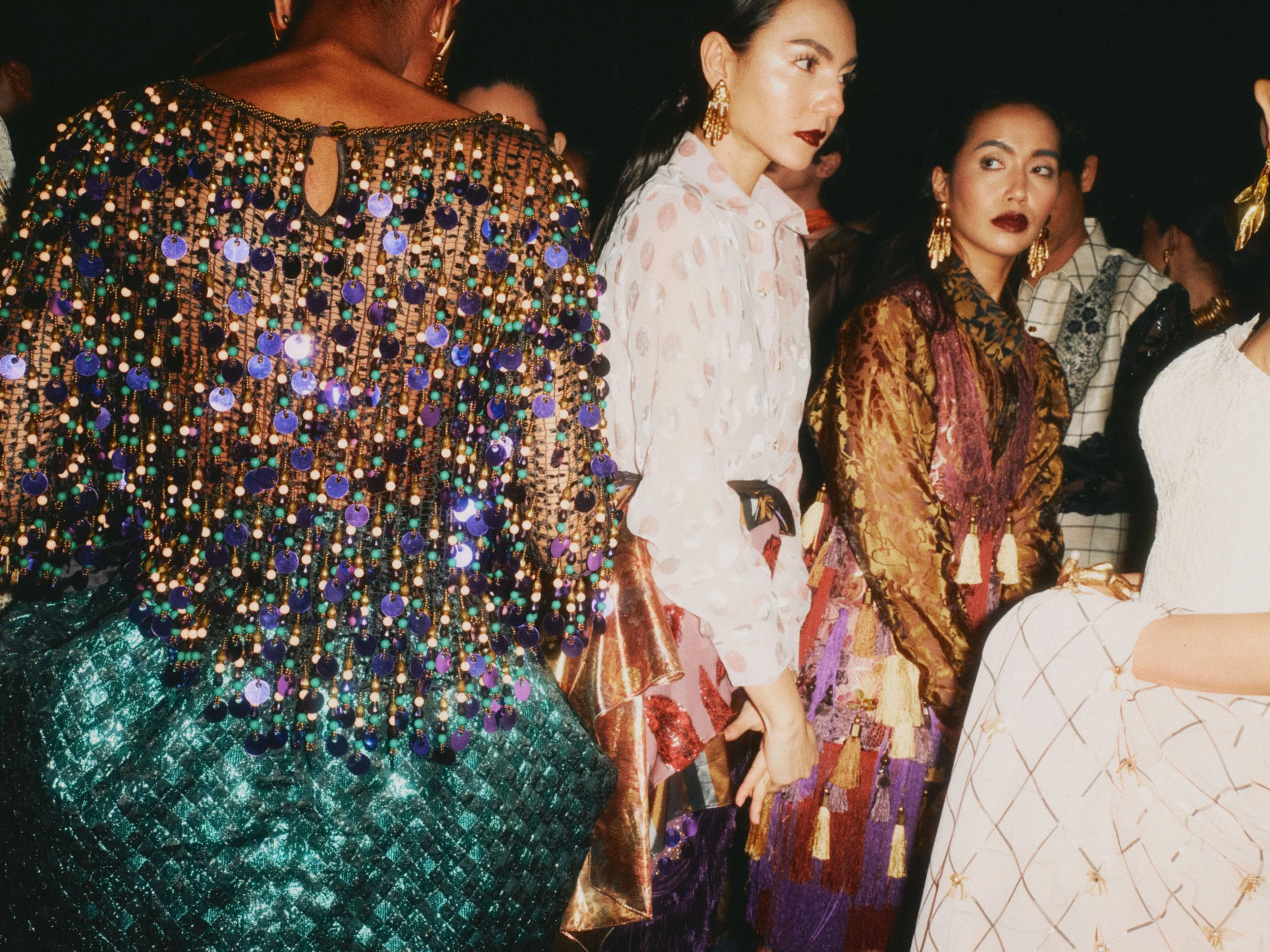
In a country where queerness still battles invisibility, 20 Design Anthologies transforms the runway into a rainbow altar where the language of jusi and silk becomes a call for belonging.
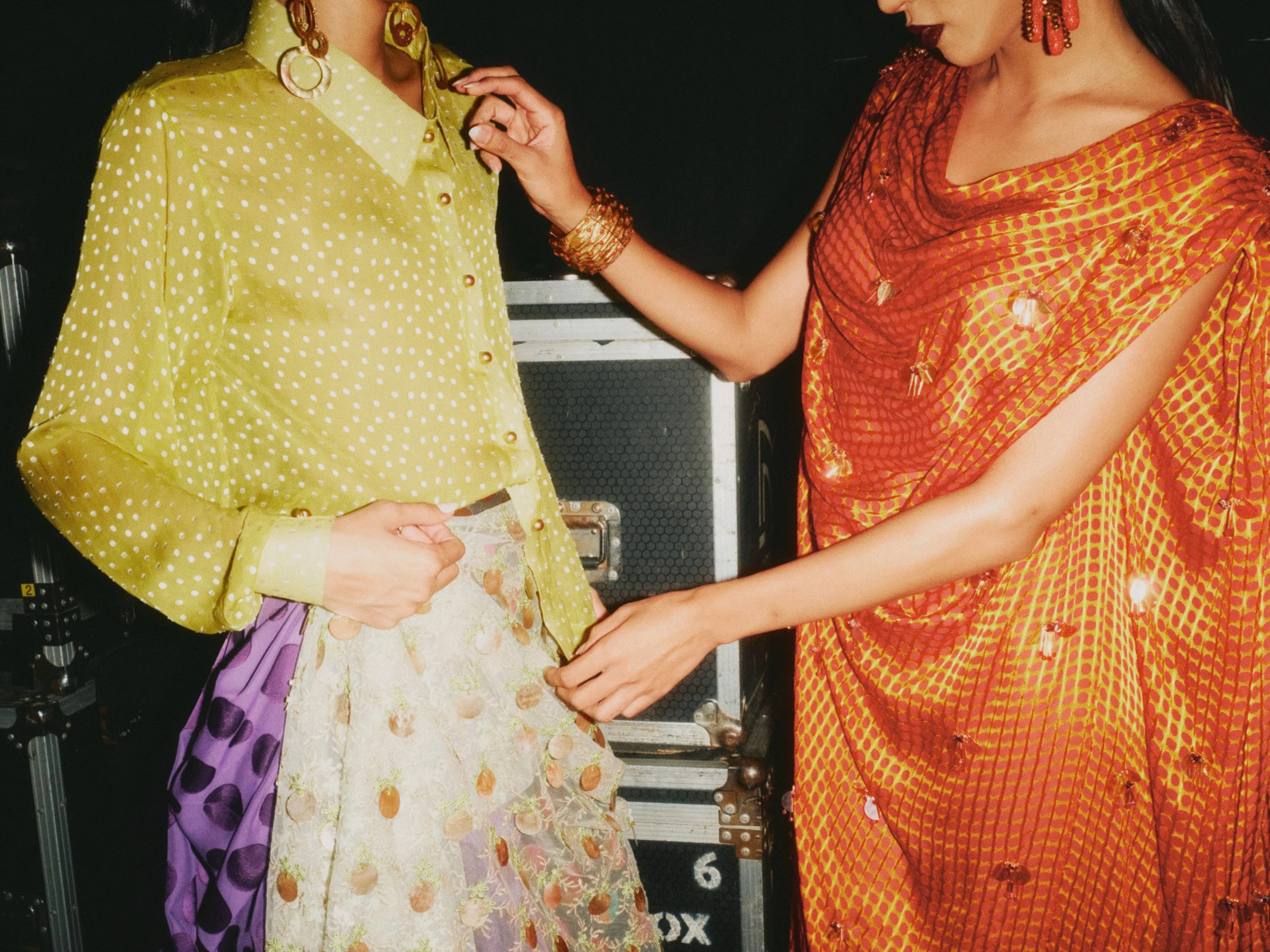
Beyond aesthetics, the collaboration with PFIP is a gesture of gratitude, giving back to the community that shaped him. Proceeds from the gala benefit PFIP’s Rainbow Youth Academy Scholarship Program, an initiative that uplifts LGBTQ youth and leaders. “Education empowers,” Espina affirms. “And for the queer community, empowerment begins with visibility, opportunity, and care.”
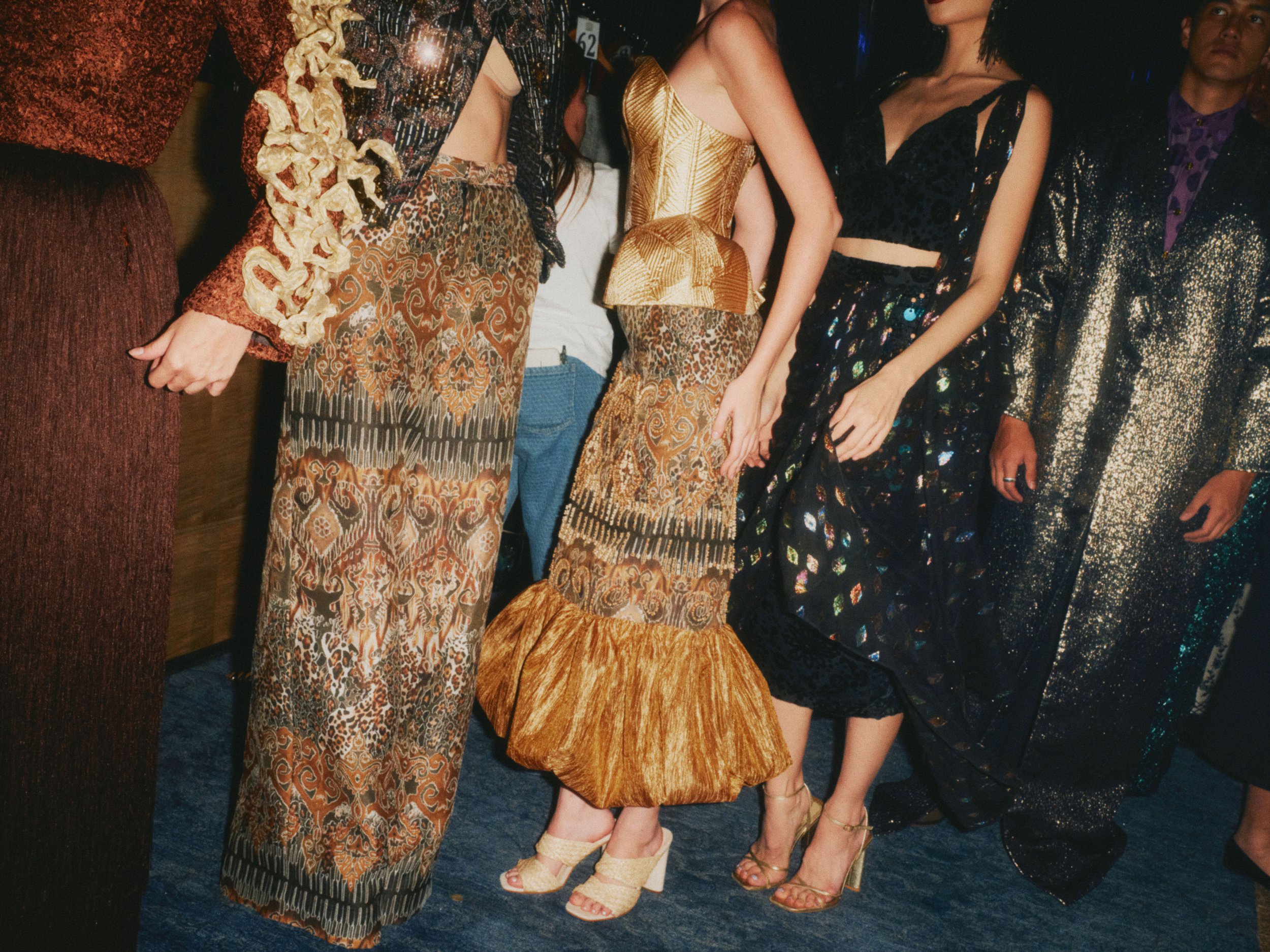
In 20 Design Anthologies, Jor-el Espina transcends the idea of fashion as ornament. He turns it into a living language that speaks of home and heritage, of queerness and courage. His twenty years weave a movement sewn together by hand and by heart.
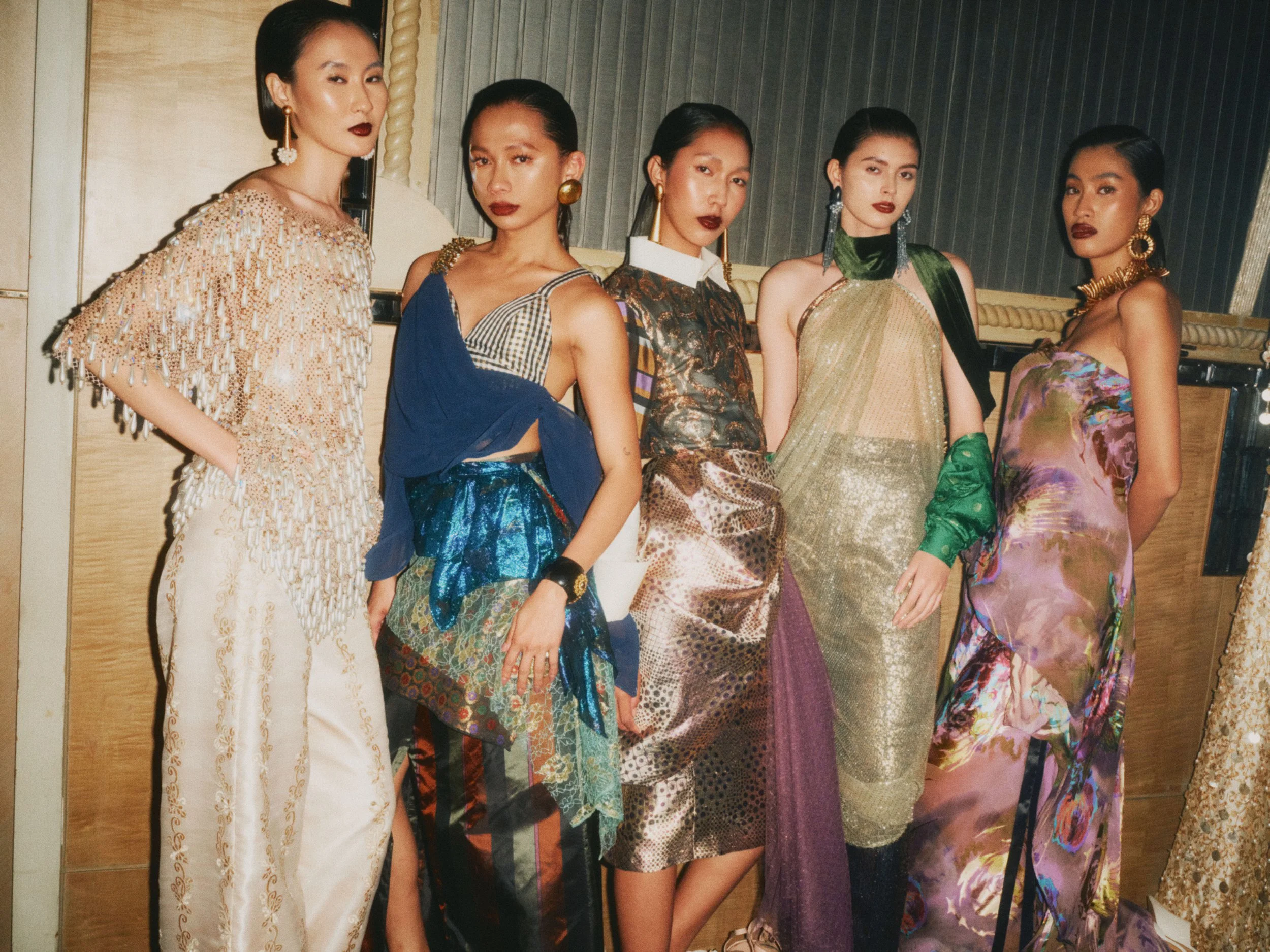
And perhaps that is Espina’s greatest legacy: not simply that he has designed for twenty years, but that he has designed a way forward. His garments narrate; they cradle; they remind us that Filipino fashion, much like queerness, has always been about reinvention, resilience, and radiance. Because in the end, fashion should be more than the fabric. It is freedom made visible.