Max Balatbat maps a raw Filipino spiritual visuality in KAPILYA, where a street chapel becomes altar, archive, and gamble, and where faith survives at the margins of doctrine.
Words Randolf Maala-Resueño
Photos courtesy of Martina Reyes
February 06, 2026
Is there such a thing as a correct prayer?
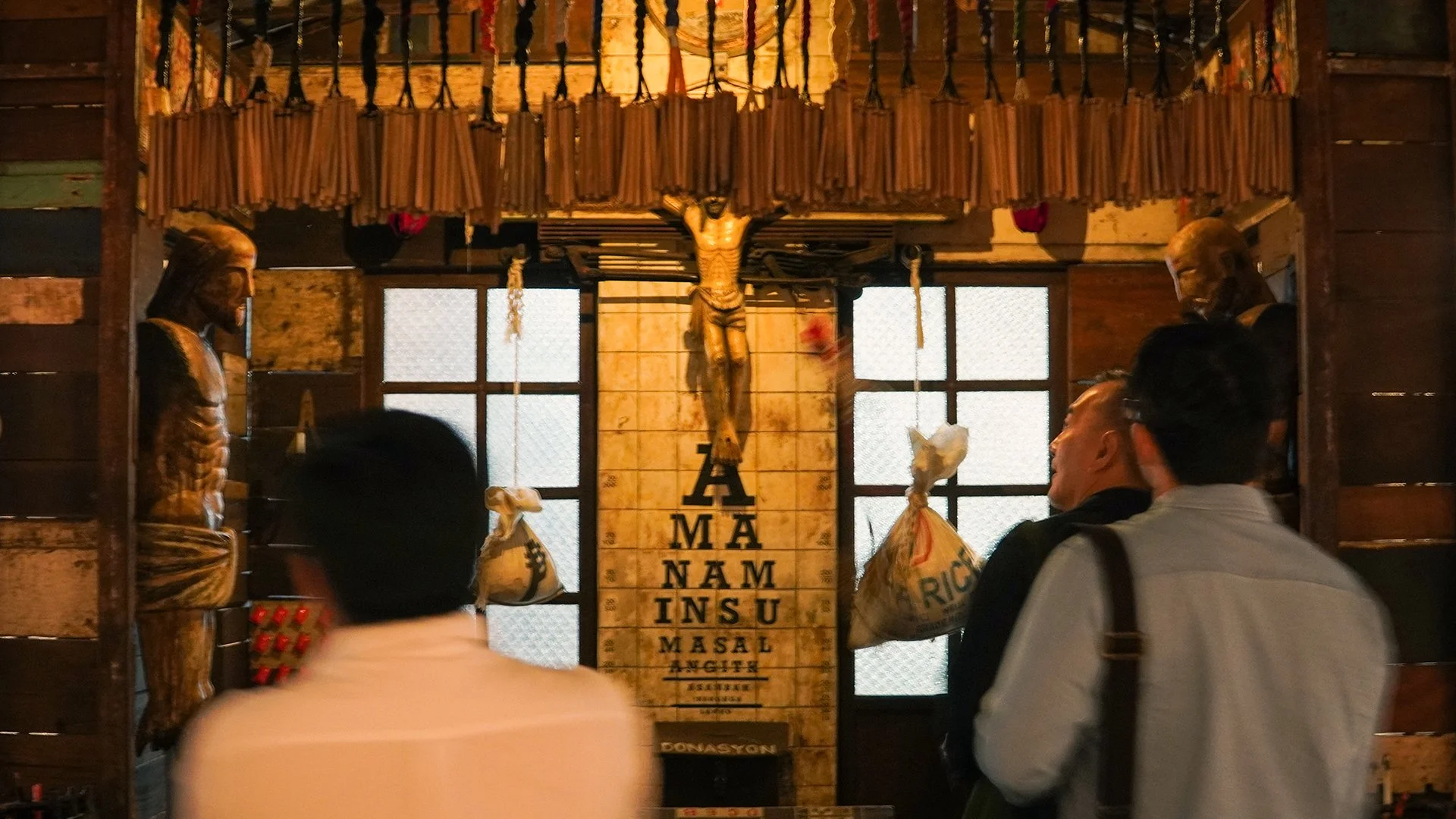
This question does not hover gently in Max Balatbat’s KAPILYA at the Projects section of Art Fair Philippines 2026; it burns, hums, and kneels.
It greets the viewer audibly with its chiming rigor heard across the floor–yet the door opens not to a marble sanctuary but to a Caloocan altar built from survival, chance, and tenderness. Balatbat turns doubt into devotion, and doubt becomes a form of faith.
With art curation from Norman Crisologo, KAPILYA convenes like a vigil. The air is thick with incense, memory, and unpolished truth. Visitors lower their voices instinctively, as if stepping onto consecrated ground that is also painfully real. Some cross themselves; others laugh nervously; many linger in silence. Everyone prays, even those who say they do not.
A chapel born from the red light
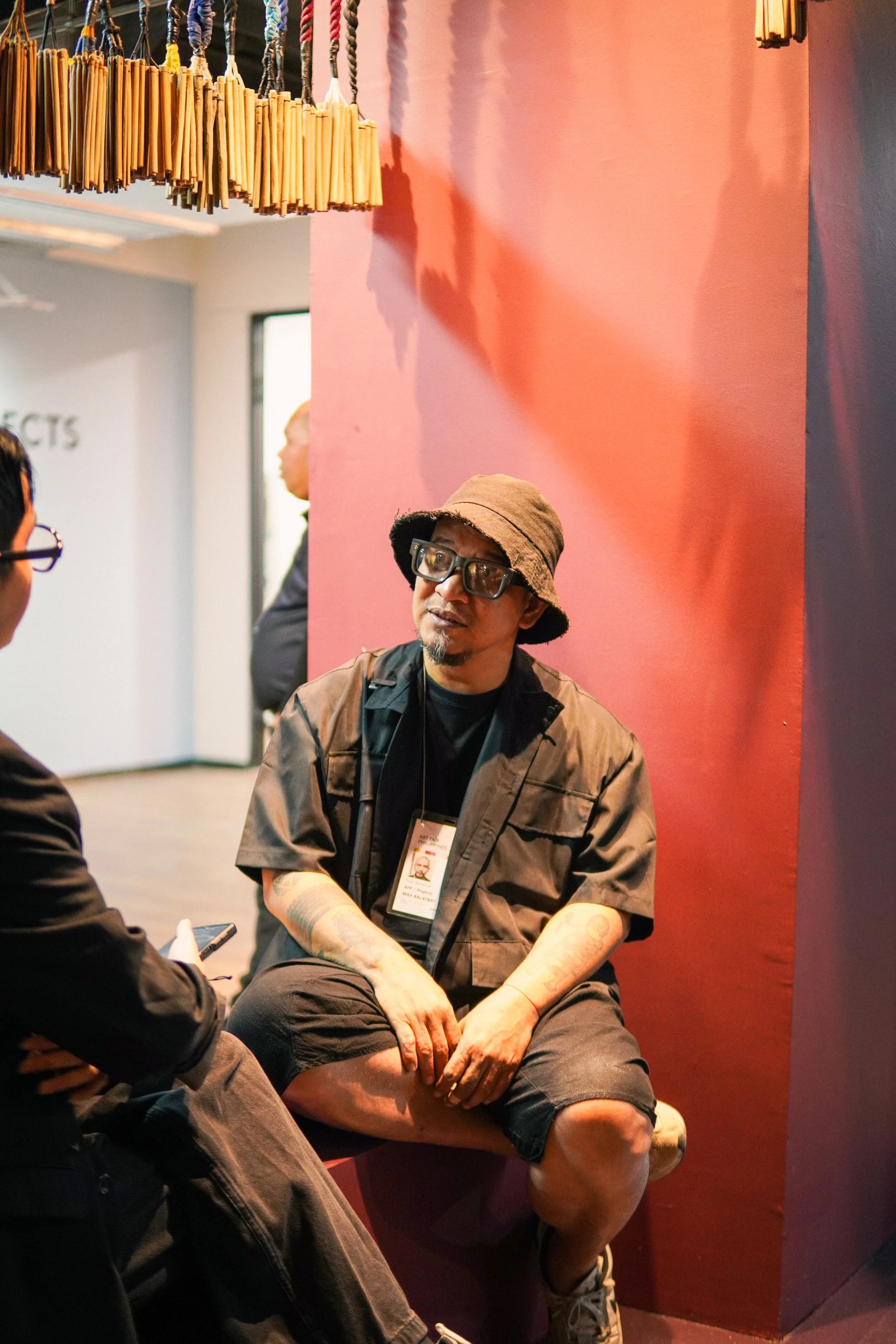
Balatbat’s spiritual visuality is inseparable from where he came from. He grew up beside a chapel his grandmother built, standing amid brothels, gambling dens, and neon nights. The sacred and the profane were never opposites, only neighbors.
“Laki ako sa rentahan ng laman (I grew up in a place where bodies were rented to survive),” Max expressed.
Inside KAPILYA, he reconstructs that world. A makeshift altar. A praying pew crafted from a gambling table; the balasador, the dealer of fate, replaces the priest. The line between sacrament and bet dissolves. People kneel, not only to worship, but to risk.
Audio fills the room, not with hymns, but with murmurs. What sounds like prayer slowly reveals itself as gossip, confession, and street talk. Faith here is lived in whispers, in need, in desperation, in hope that tomorrow might be kinder.
Materials that remember, surfaces that bleed
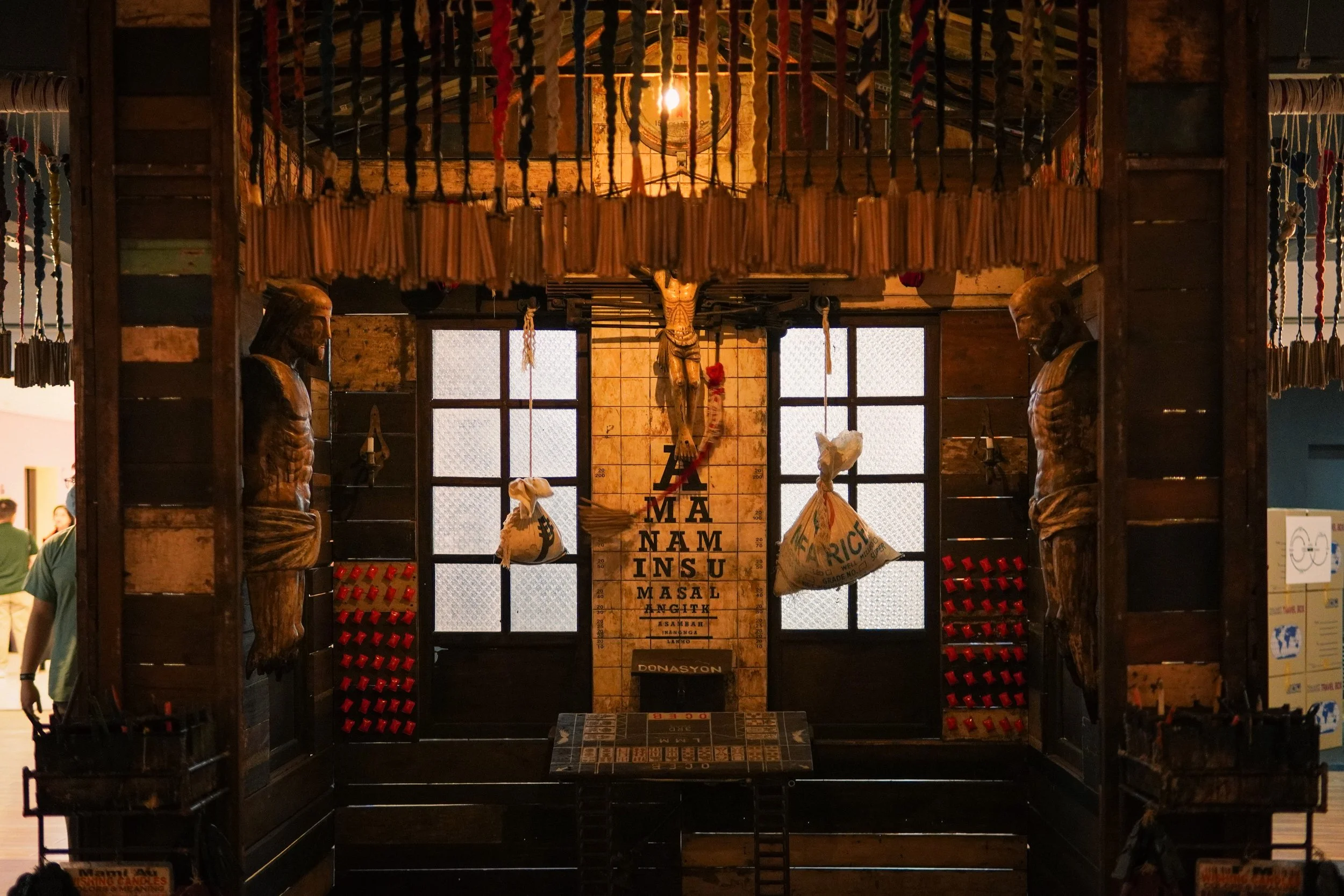
Balatbat works through assemblage, collage, and salvaged objects that refuse cleansing. He keeps their dirt, their scars, their previous lives. Rusted metal, battered wood, peeling paint, old frames, found images, and relic-like fragments gather into layered compositions that feel both ruinous and radiant.
“Ayoko silang tinatanggalan ng pintura, gusto ko yung kwento nila, gusto ko yung dumi nila (I don’t strip them of paint. I want their story, I want their dirt),”
He does not polish reality; he sanctifies it as it is. Dark tones dominate, both as gloom and honesty. Occasional accents of color flicker like votive candles in a night chapel. Texture becomes testimony; every crack tells a story.
Installation took almost six months, built, dismantled, and rebuilt in the fair space. Nothing feels accidental in effect, yet everything carries the poetry of chance. The pieces seem to have arrived rather than been made.
Prayers from the margins
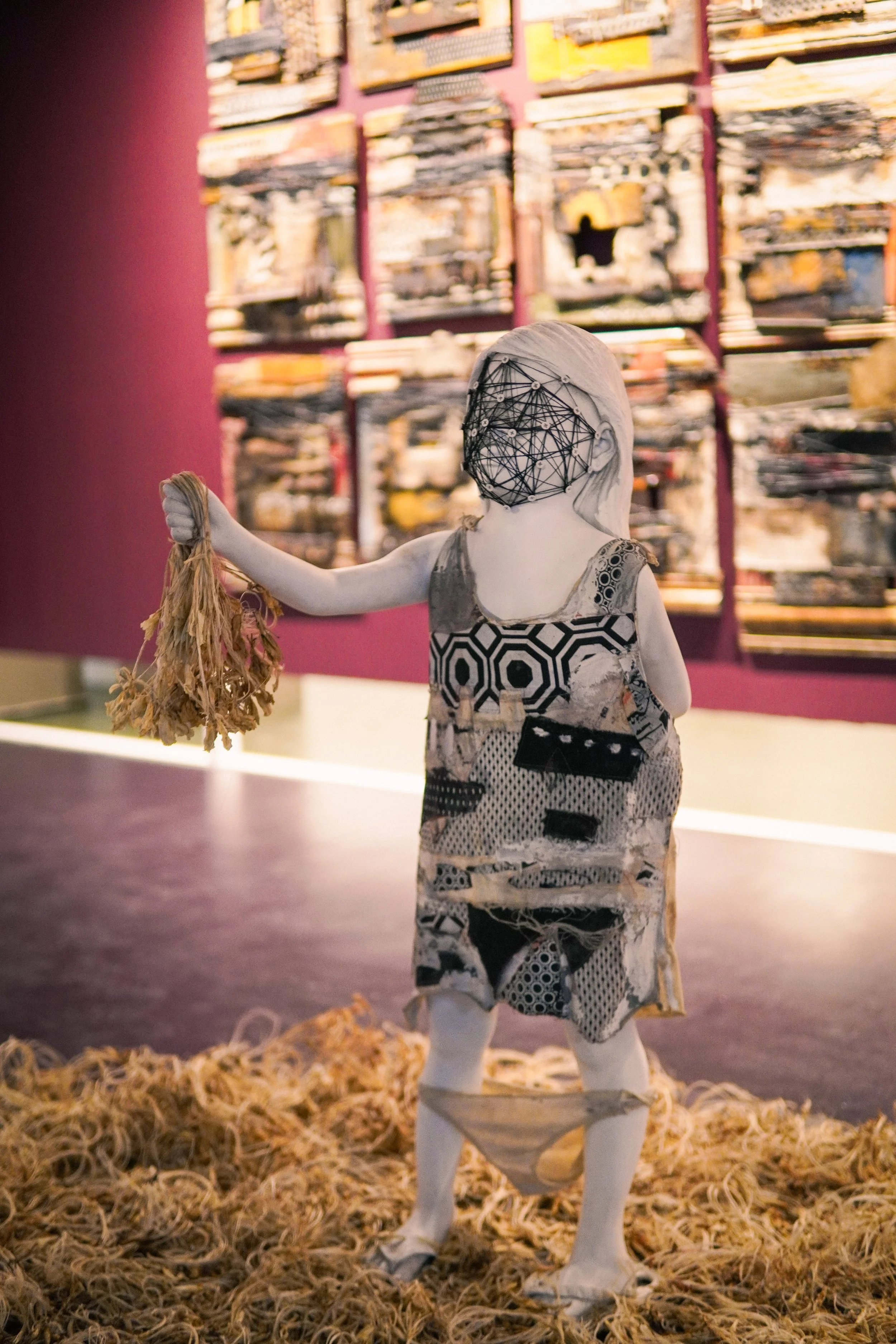
Balatbat insists that those society condemns also pray. Prostitutes, gamblers, drug sellers, and night workers all lift their own pleas to heaven. Their prayers may shock, yet they are painfully human.“Marunong din magdasal itong mga ‘to eh (These people know how to pray too),” he sympathized.
He offers no moral correction, only understanding. The question returns again and again. If someone prays to feed their child, even through harm, who decides whether that prayer is wrong?
This is the radical heart of KAPILYA. It refuses sanitized religion. It honors folk faith as lived theology, shaped by poverty, resilience, and communal interdependence. The chapel becomes an archive, a courtroom, and even an altar at once.
Faith, truth, and what remains
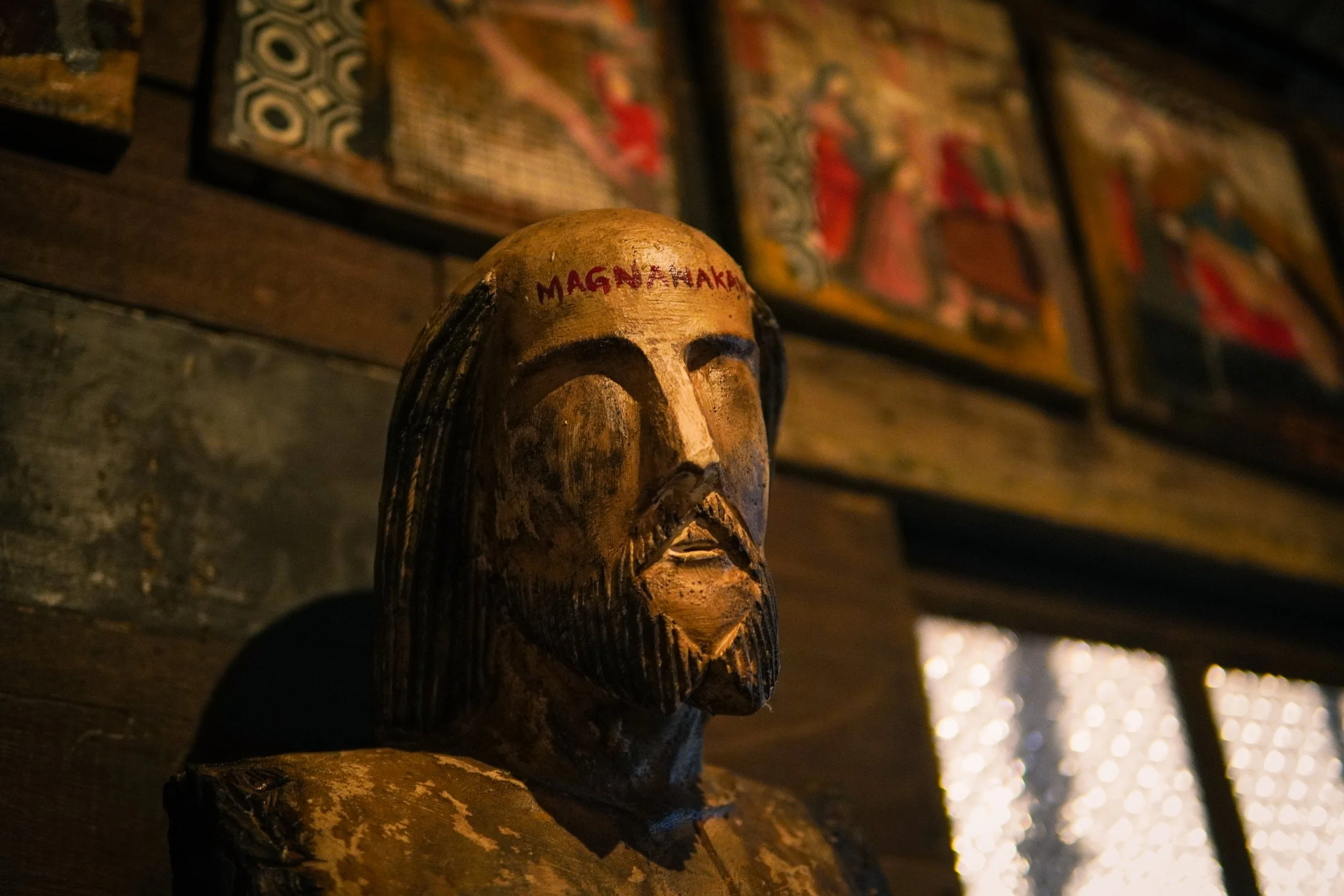
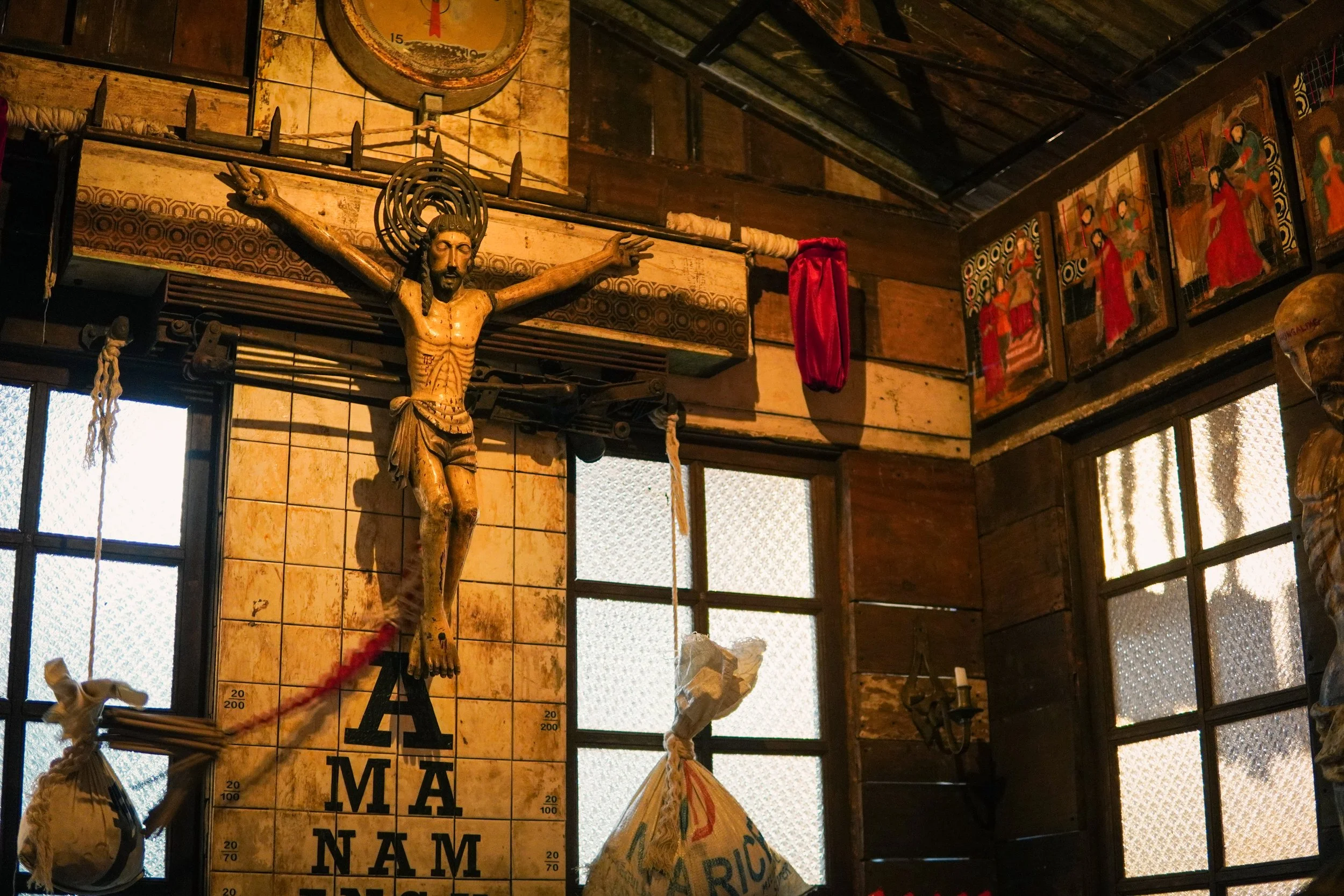
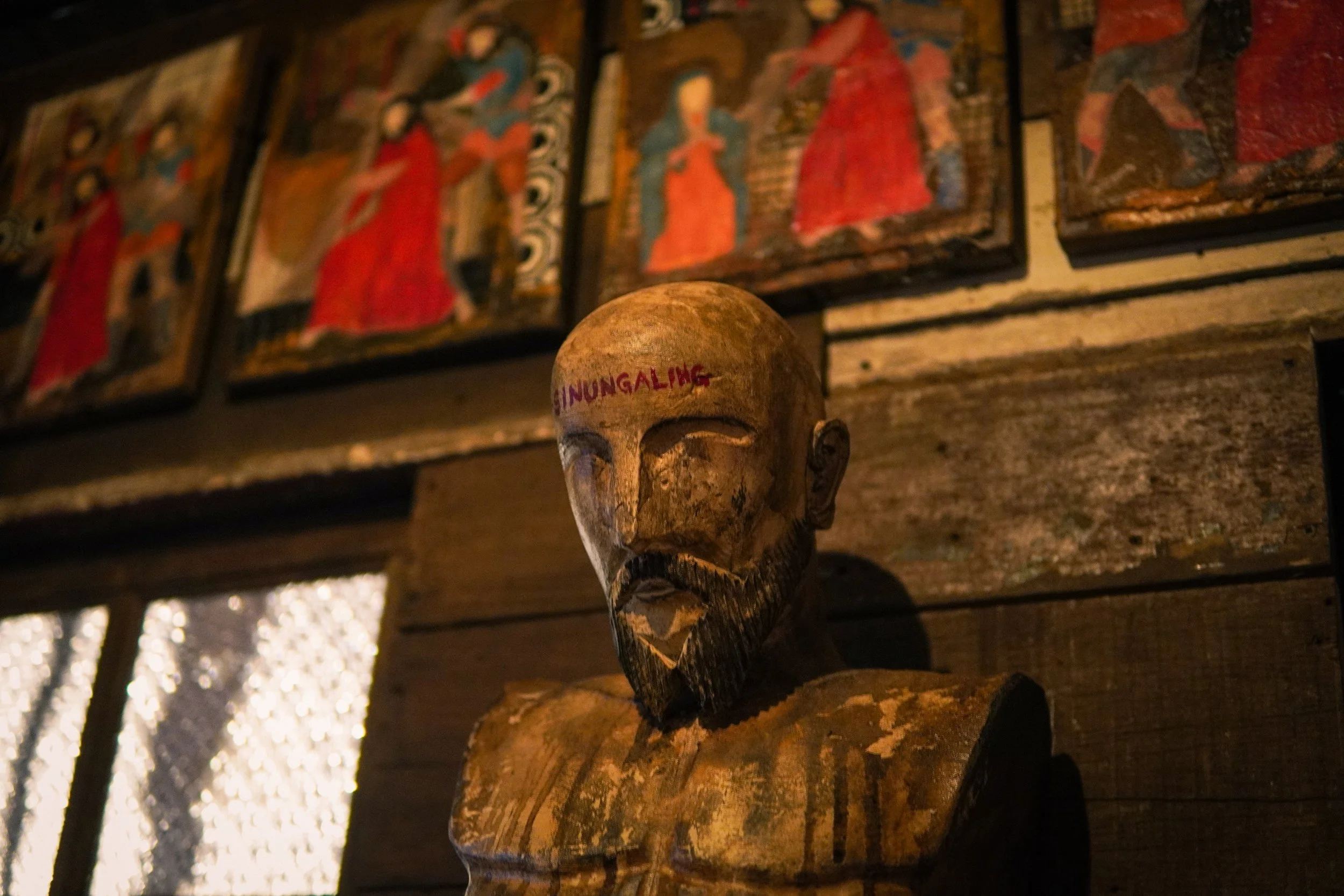
For Balatbat, art is inseparable from truth. He follows memory rather than doctrine, process rather than perfection. His mantra echoes in both practice and belief.
“Walang mali (There are no mistakes),” he confessed, showing his “ERORR” tattoo on his neck.
Accidents are kept, scars embraced, wrong turns absorbed into the whole. To erase them would be to lie. This makes KAPILYA feel raw, vulnerable, and profoundly spiritual. It is his most stripped, most personal body of work, a devotional confession in mixed media.
“Ito ‘yong pinakahubad kong show, sugat, peklat, tingnan niyo na (This is my most stripped show, wounds, scars, look at them),”
Audience reactions have been visceral. Some are unsettled by the darkness; others are pondered internally. A few laugh in recognition; many stand stunned before the altar. What matters to Balatbat is not approval but feeling. If you feel, the work has prayed with you.
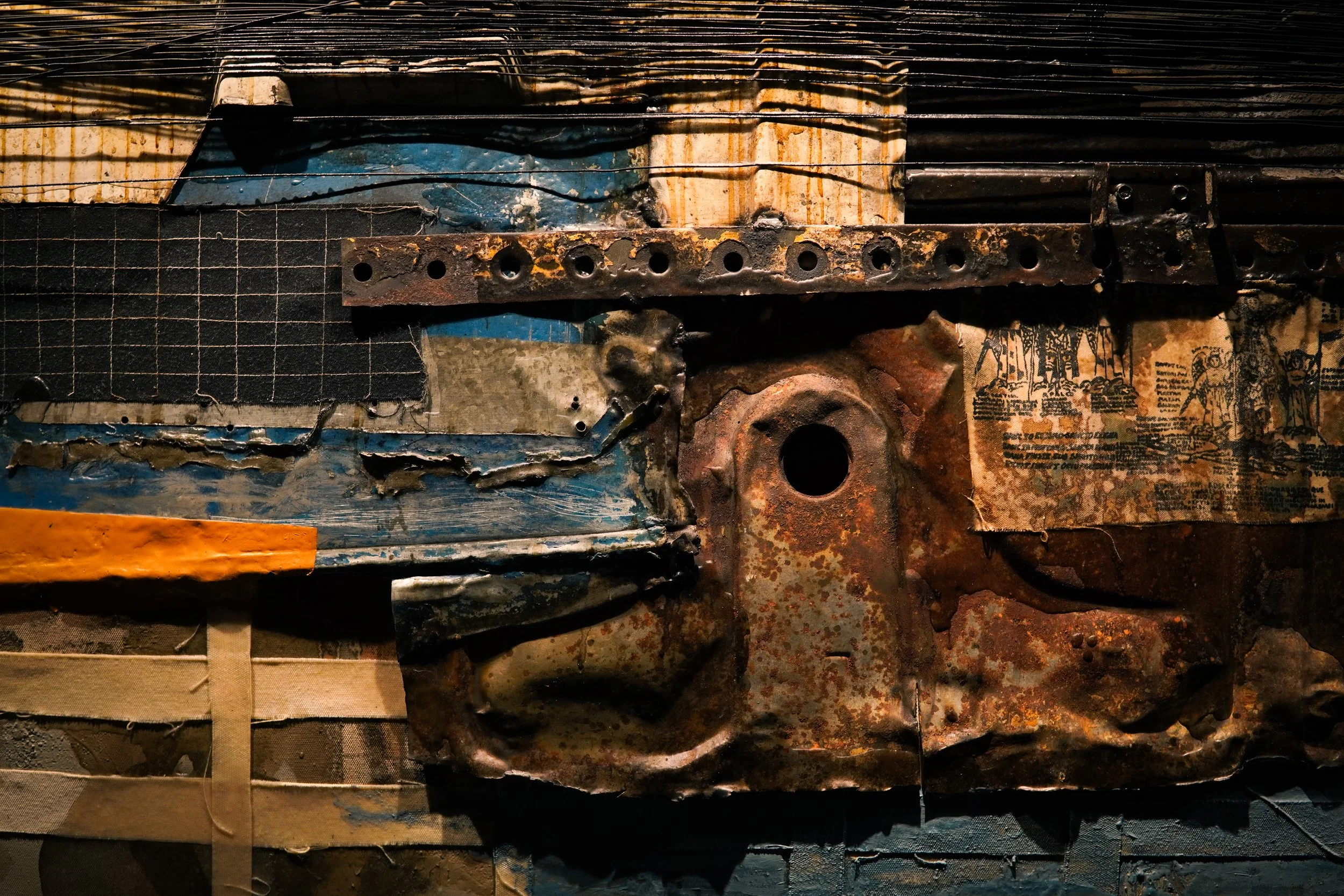
Born in Caloocan in 1978, trained in architecture and fine arts, and honored internationally from Florence to Singapore, Balatbat carries both grit and grace. Yet KAPILYA feels less like the work of an award-winning abstractionist and more like a man returning home, barefoot, carrying stories that refuse to disappear.
“Malaking bagay sa’kin yung community, walang tapon ang memory (Community matters greatly to me, memory is never wasted),”
As visitors leave, the question lingers like candle smoke in the throat. May tama bang dasal?
Perhaps the answer is already inside the chapel, inside the street, inside the viewer. Faith here is not perfect, but it is alive. And in that aliveness, Balatbat maps a spiritual visuality that is undeniably Filipino, painfully honest, and quietly divine.