
Six Works, One National Legacy
Six works by Juvenal Sansó move from private collections into the National Museum, transforming personal stewardship into a lasting act of cultural preservation and bringing the artist’s international story closer to the Filipino public.
Words Randolf Maala-Resueño
Photos courtesy of Fundacion Sansó
September 1, 2026
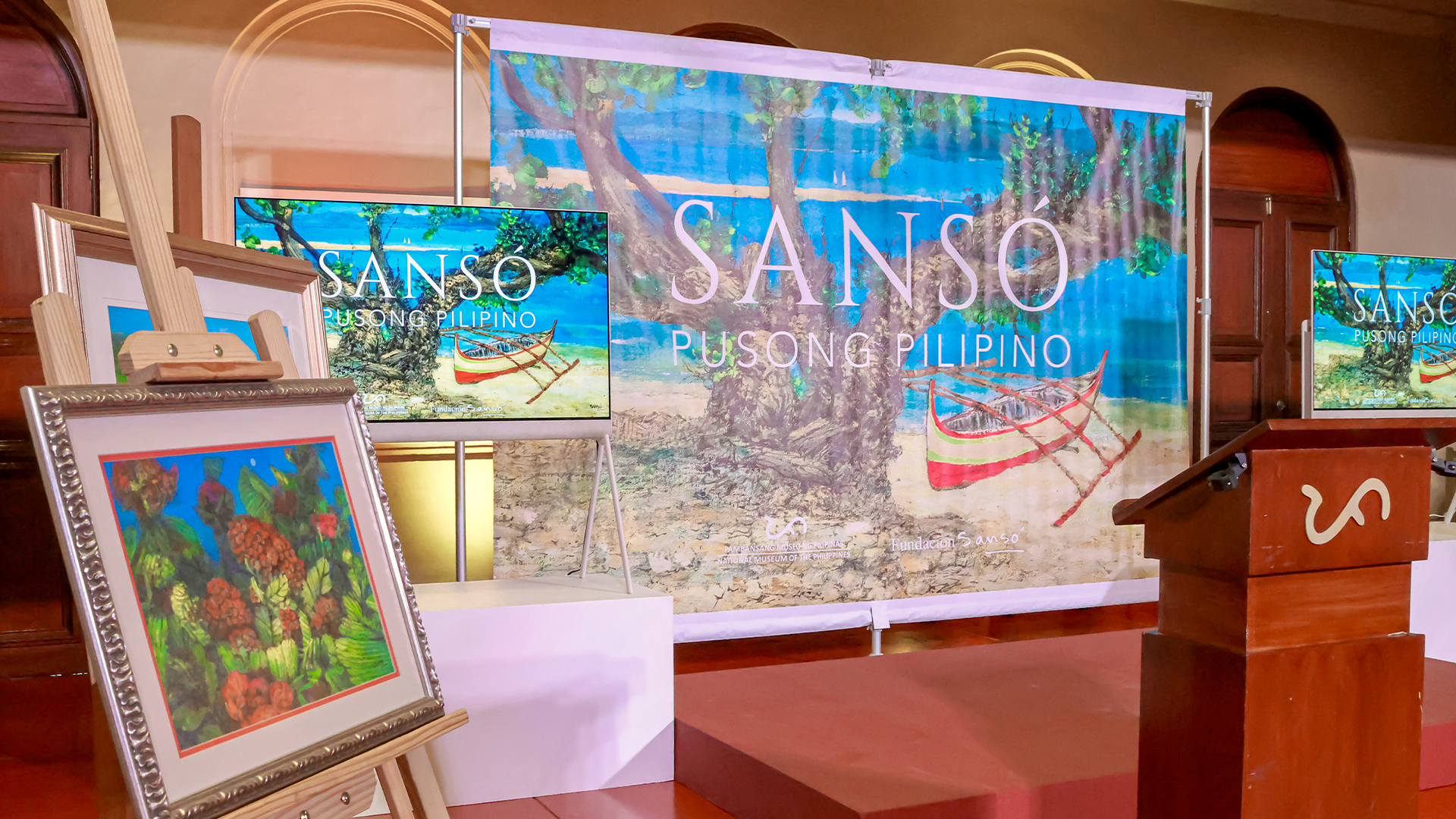
Sansó: Pusong Pilipino at National Museum of the Philippines
An artwork changes meaning when it changes hands. In a private collection, it may live intimately with its keeper, surrounded by memory and personal attachment.
Within a national collection, however, it enters a larger continuum. It becomes available to strangers, scholars, students, and generations yet to arrive.
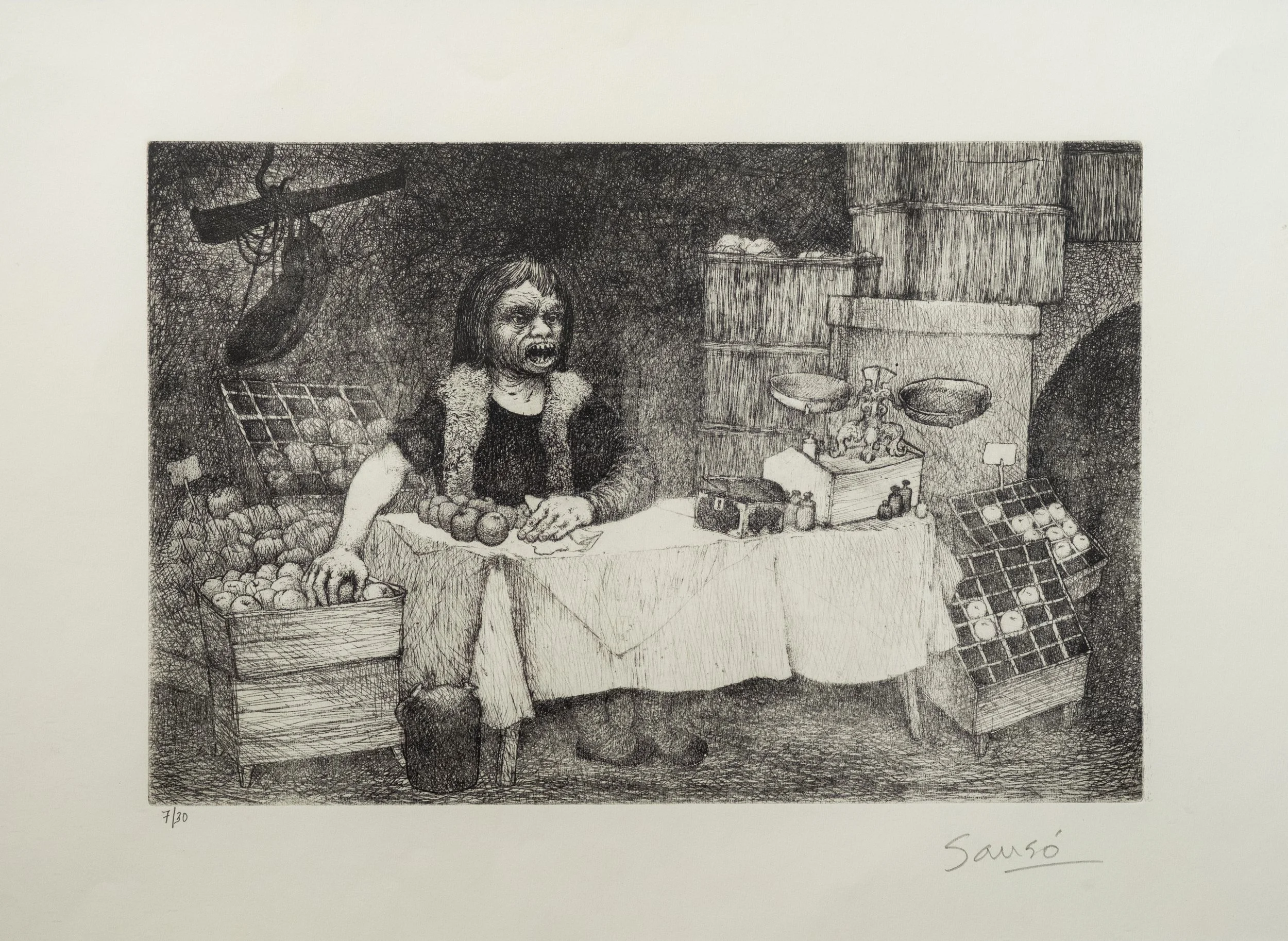
Eve 7 of 30 by Juvenal Sanso, 2015, Copperplate Etching on Paper donated by Fundacion Sanso
On August 26, that transition will take place at the National Museum of Fine Arts as Fundacion Sansó—with collectors Jack Teotico, Mohammad Ronaghi, Marlon Basilio, and Eliot Maguan—formally donate six works by Juvenal Sansó to the National Museum of the Philippines.
The gesture accompanies Sansó: Pusong Pilipino, an exhibition examining the artist through the places, experiences, and cultural inheritances that shaped his distinctly international yet deeply Filipino artistic life.
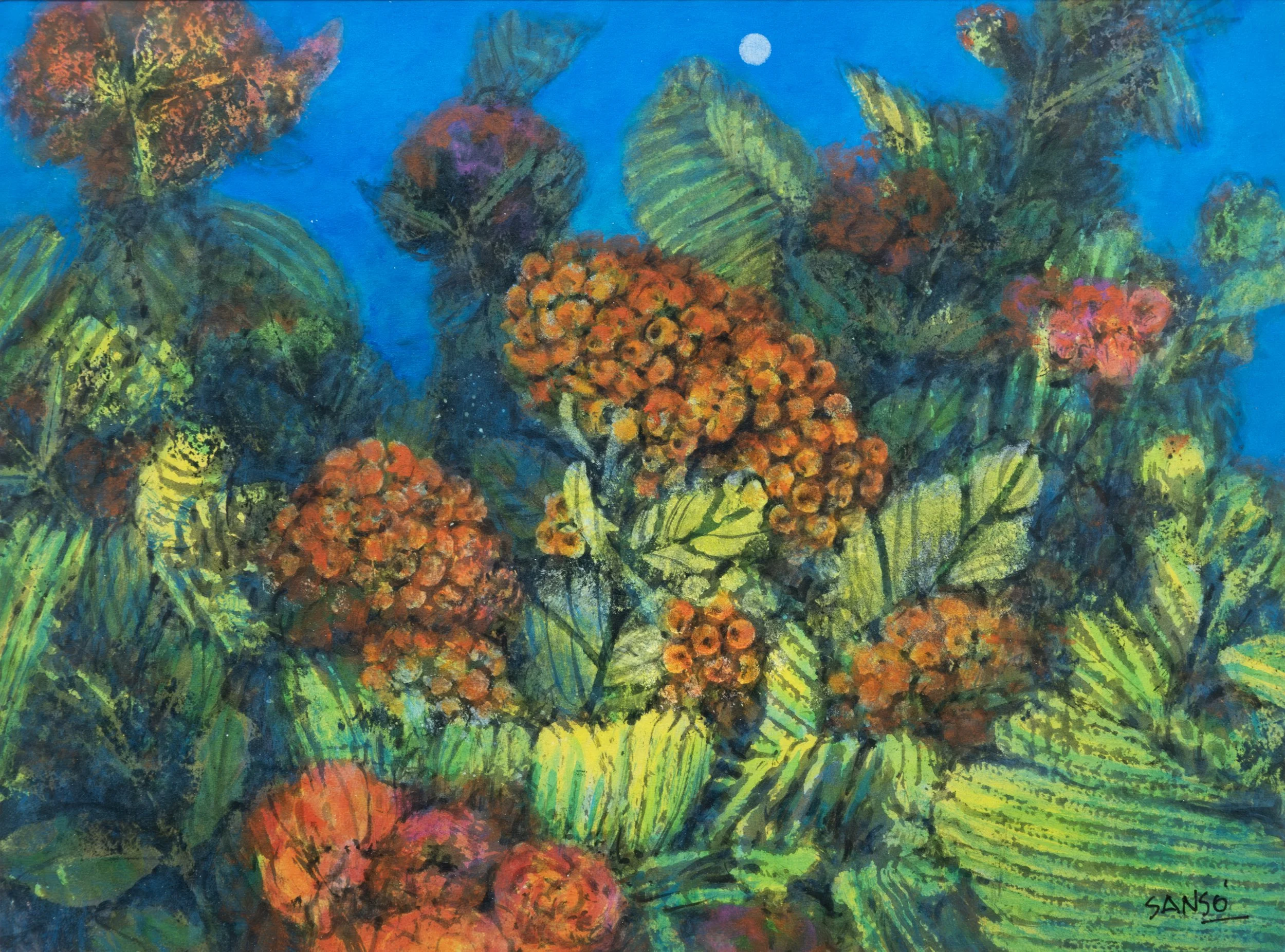
Of Friendship and Devotion by Juvenal Sanso, 1990s, Acrylic on Paper donated by Mohammad Ronaghi
The six works span decades and mediums, from Nicole (1959) and Lueurs (1961) to Of Understated Grace and Of Friendship and Devotion, alongside the 2015 Fundacion Sansó inaugural restrikes of Flower Market and Eve.
Together, they offer a singular image: the breadth of a practice moving through ink, etching, aquatint, acrylic, and copperplate, while tracing the evolution of an artist whose career unfolded across borders.
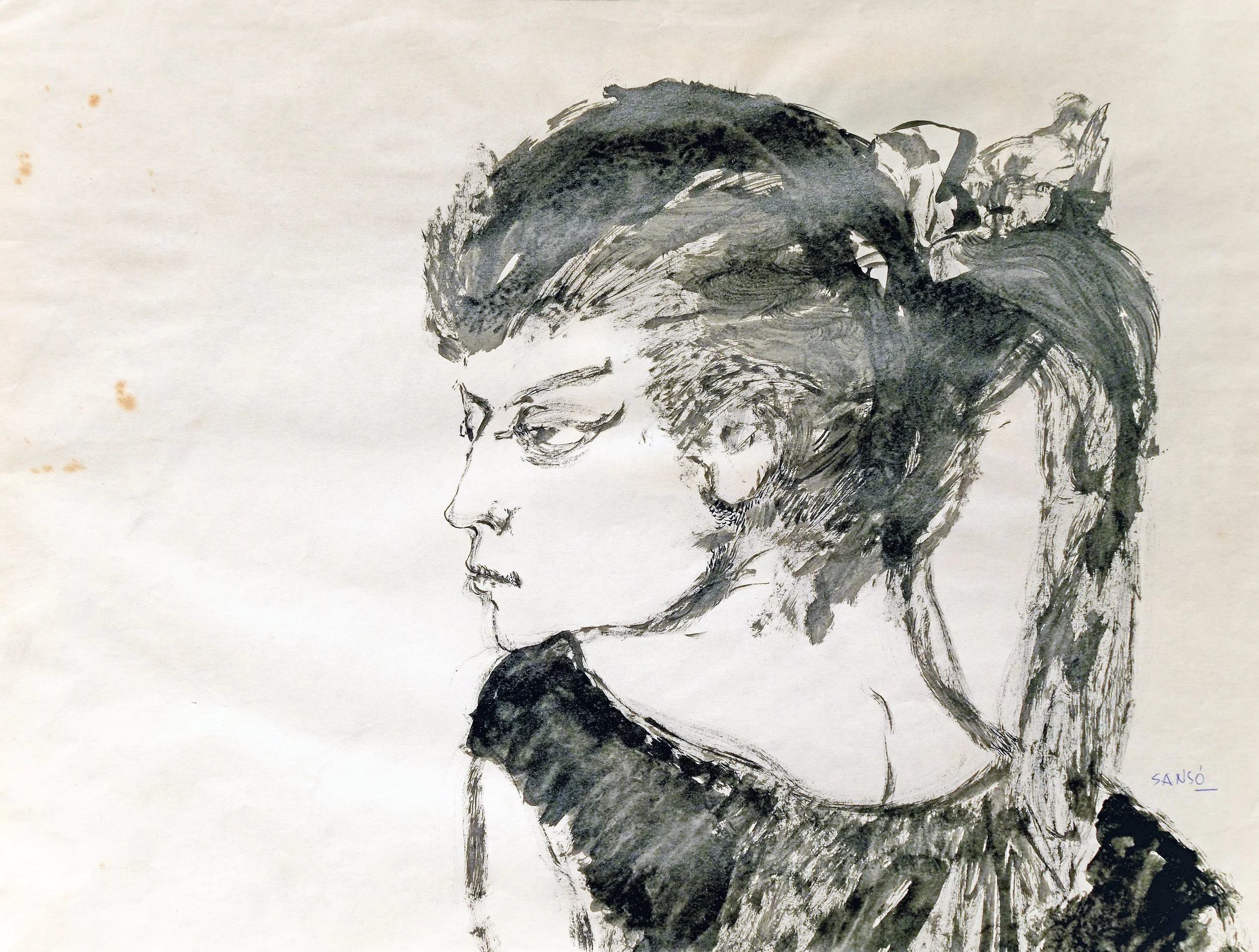
Nicole by Juvenal Sanso, 1959, Ink on Paper donated by Marlon and Marissa Sanchez
Among them, Lueurs carries particular historical weight. Impressions of the composition held provenance at the National Gallery of Art in Washington, Yale University Art Gallery, and the Cleveland Museum of Art.
Its arrival in the Philippine national collection therefore extends a story that began abroad and now finds another point of return.
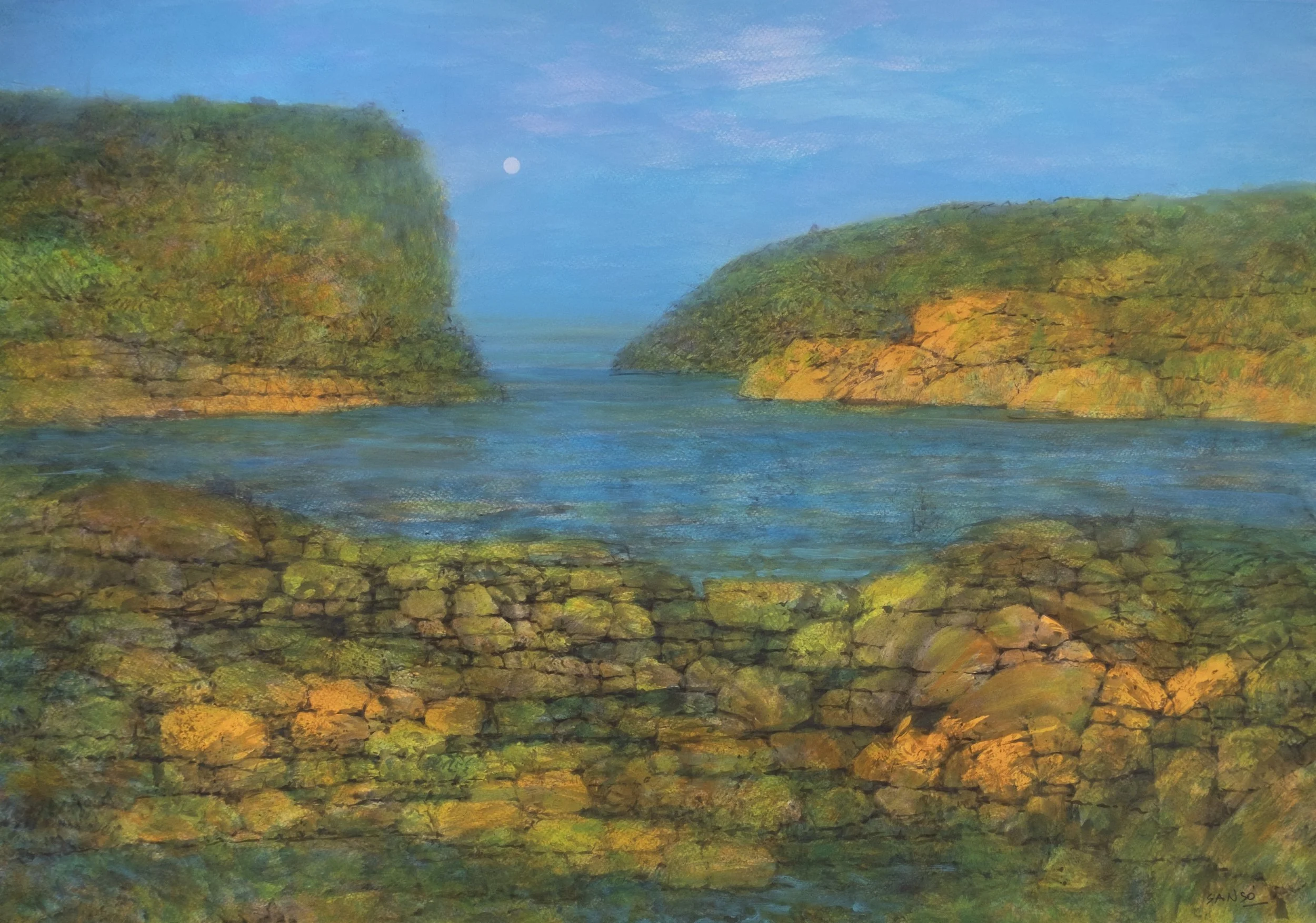
Of Understated Grace by Juvenal Sanso, 1980s, Acrylic on Paper donated by Joaquin Teotico
Alongside the six works, Fundacion Sansó will contribute catalogues, books, posters, invitations, and other archival materials documenting Sansó’s exhibitions overseas from the 1960s through the 1980s.
These fragments of paper offer another kind of portrait—records where the work travelled, how it was encountered, and how a Filipino artist participated in a broader international art history.
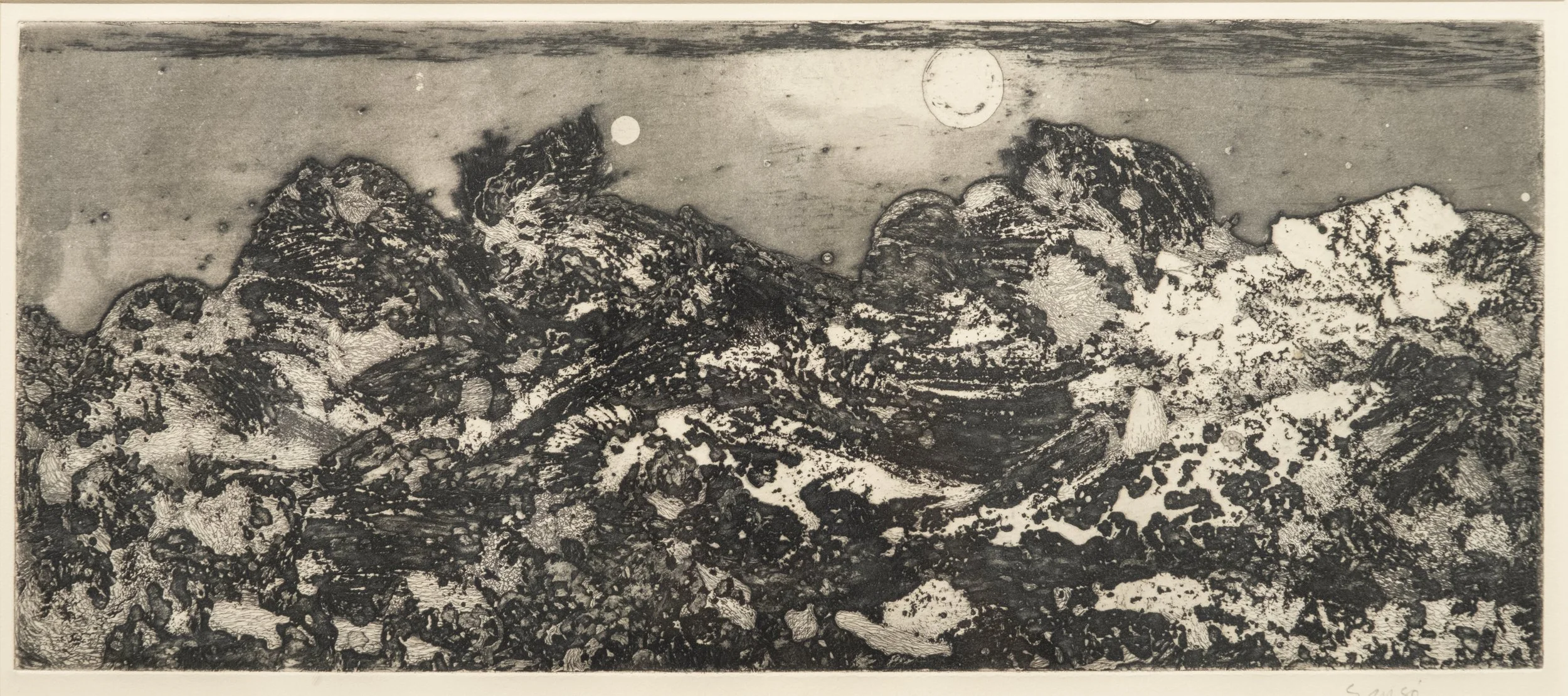
Lueurs by Juvenal Sanso, 1963, Copperplate Etching on Paper donated by Eliot and Cherry Maguan
This is where Pusong Pilipino finds its most resonant gesture. Sansó’s story has never been contained by geography. His artistic formation, career, and identity moved between cultures, yet the Philippines remained an essential point of reference.
To place his works in the National Museum is therefore to transform belonging into an act of return.
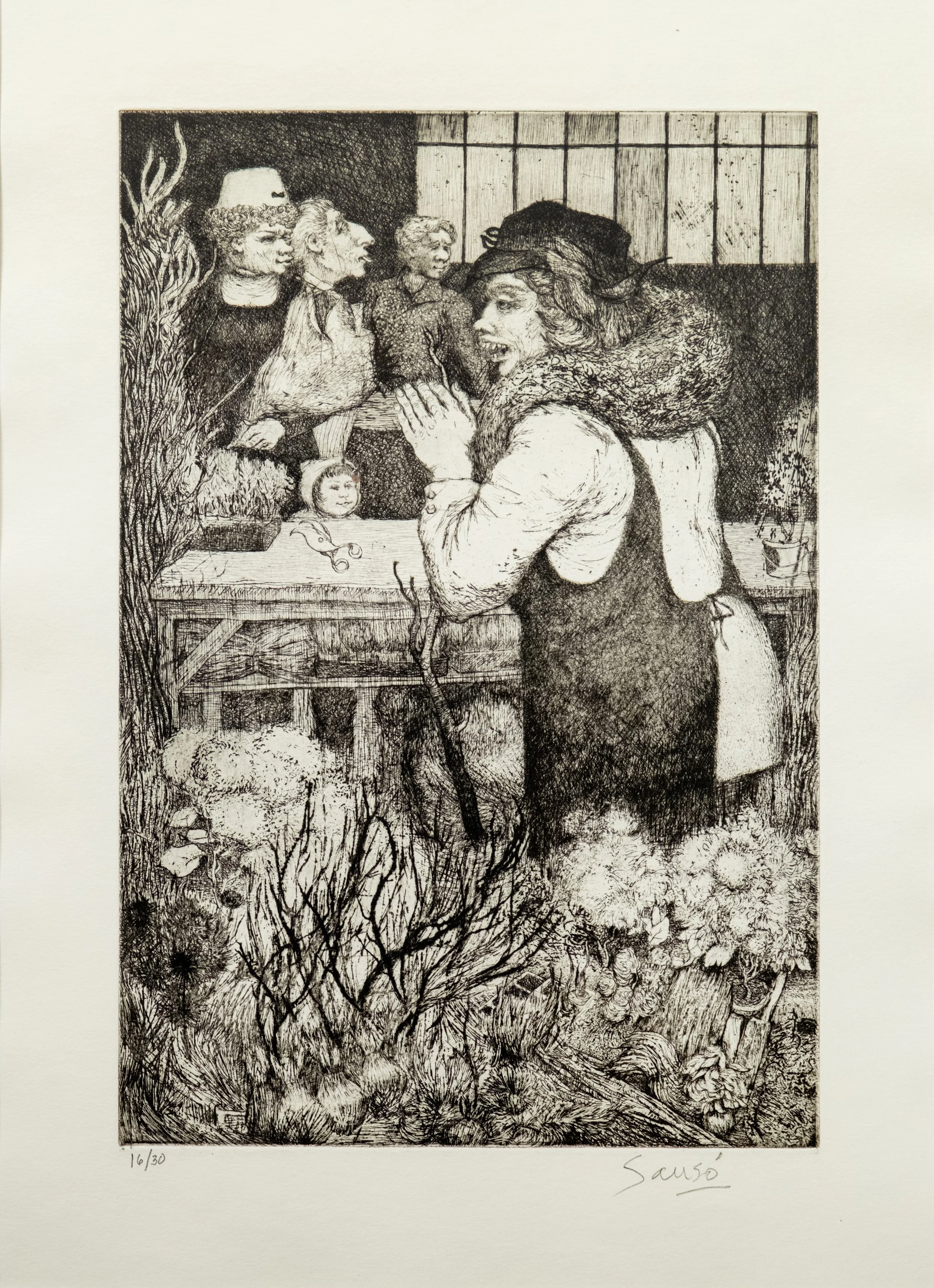
Flower Market by Juvenal Sanso, 2015, Copperplate Etching on Paper donated by Fundacion Sanso
What once belonged to individual collectors will now belong to the public imagination. The six works become objects of study, encounter, and memory. The archives become evidence.
Together, they ensure that Sansó’s legacy is preserved yet encountered.
A private collection protects an artwork. A national collection gives it a future.