
Play Without Screens
Spaces like Gaming Library transforms cafés and community hubs into places of laughter, strategy, and genuine human connection.
Words Gerie Marie Consolacion
Photos courtesy of Gaming Library
April 14, 2026
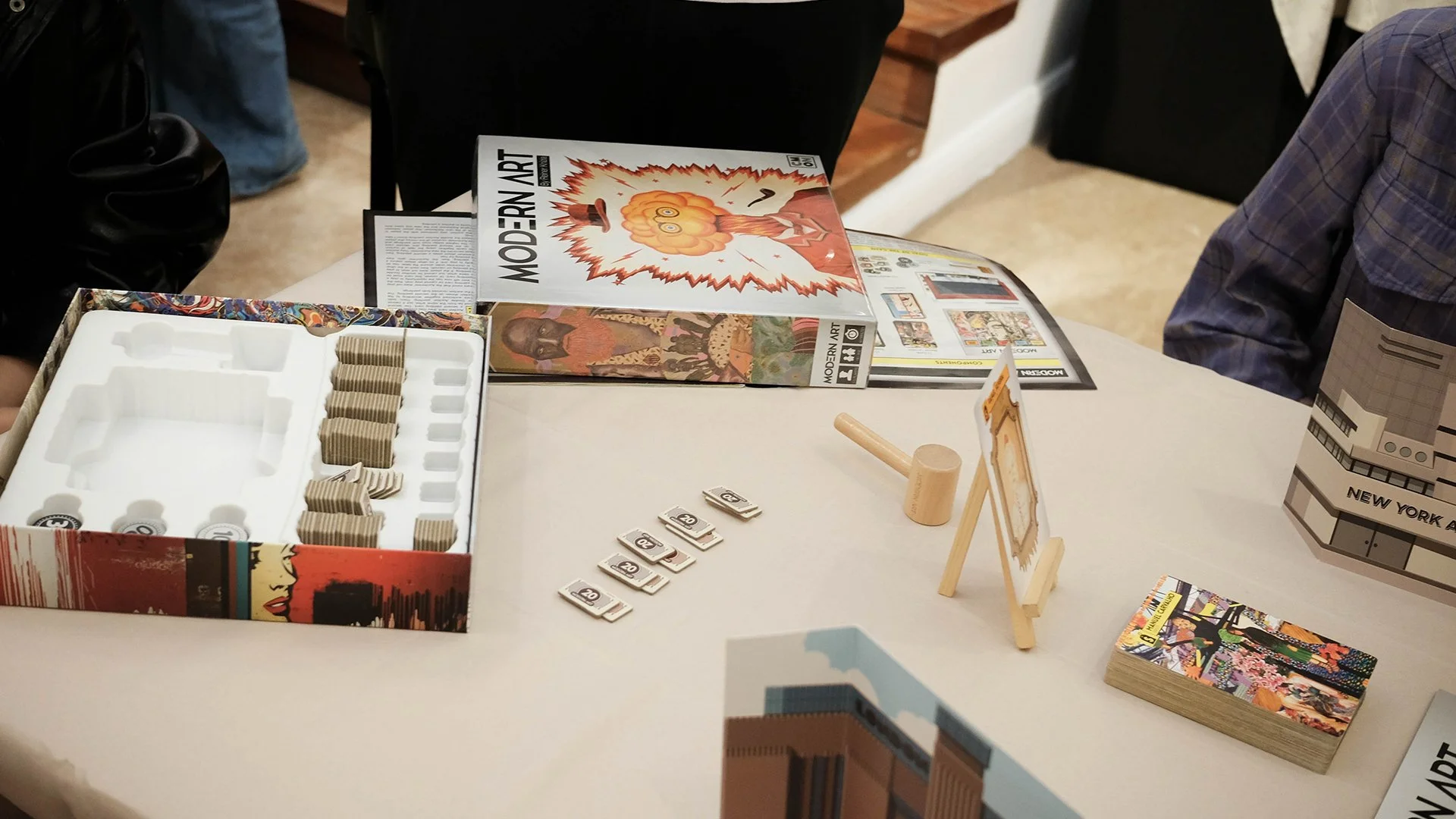
In an age where our pockets buzz with constant notifications and our eyes are perpetually glued to our cellphones, a quiet revolution is taking place on dining tables and in local cafes.
People are beginning to realize that while digital connectivity is at an all-time high, true human connection has felt increasingly out of reach.
According to Tenie Santos, Assistant Director of Fundacion Sanso, “people are craving for human interaction and connections” and are actively “going offline to get away from the pressure and stress” of their digital lives.
This shift toward tabletop gaming isn't just a hobby; it’s an “antidote to screen-heavy lifestyles” that brings us back to the basics of face-to-face play.
The Magic of Shared Presence
What makes a physical board game so much more compelling than a high-definition mobile app?
The secret lies in what Hans Kenner Fernandez, Chief Curator and owner of Gaming Library, calls shared presence. Unlike digital platforms, where you interact primarily with a software system, tabletop games require you to interact with the people sitting right next to you.
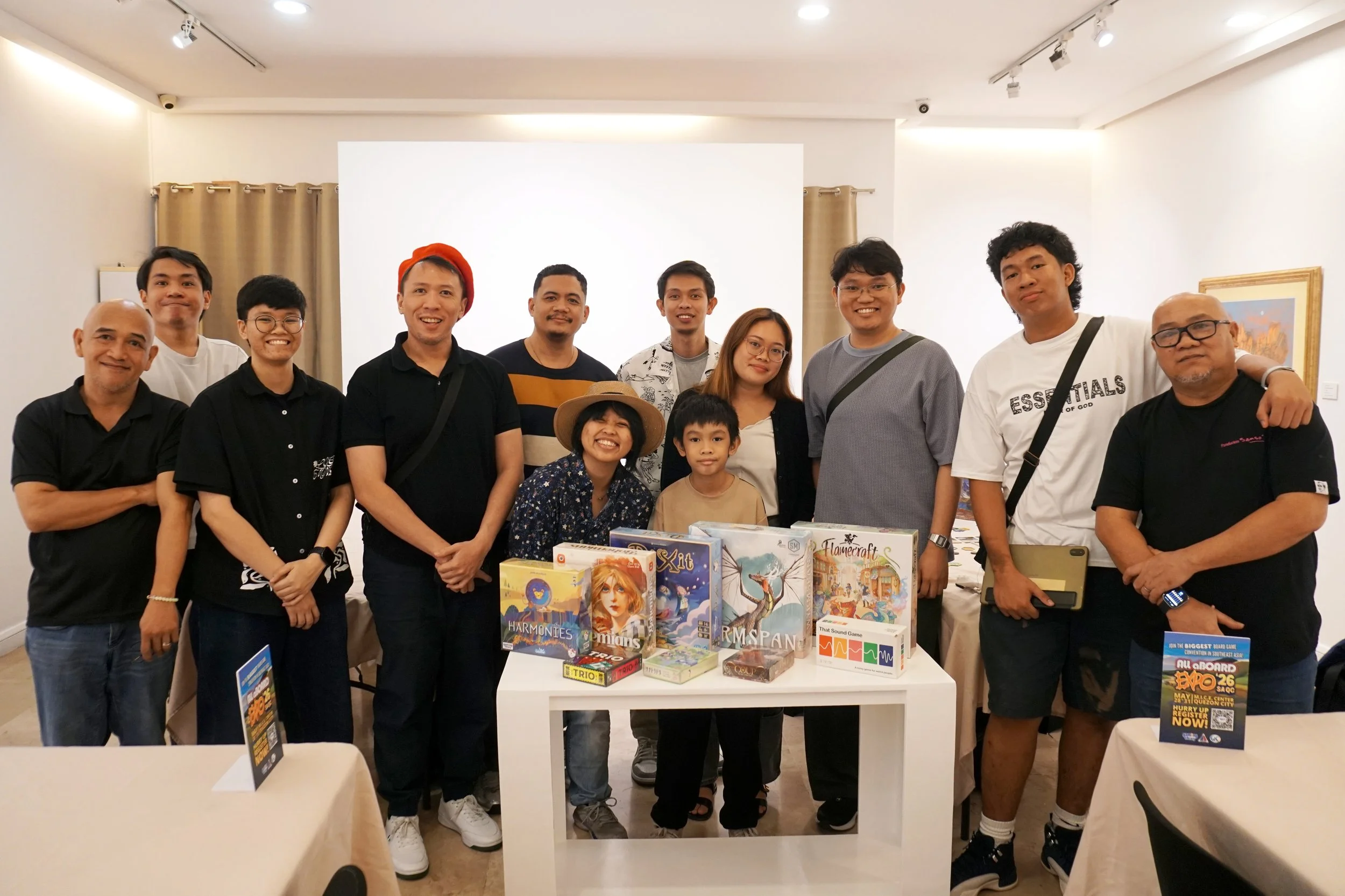
During the exclusive interview with Art+ Magazine, Fernandez notes that “Body language, tone, and even the energy at the table all shape the experience in ways that digital platforms can’t fully replicate.”
When you play a board game, you aren't just managing resources or moving a plastic miniature; you are “reading reactions, sharing moments, and building connections in real time.”
These subtle human elements add a layer of depth to every decision, making the experience less about the mechanics of the game and more about “the feeling of being together.”
As Fernandez puts it, “At its core, it’s not just about the game, it’s about the experience of being together.”
A Local Boom: The Philippines Leads the Way
You might be surprised to learn that the heart of this movement in the region is right here in the Philippines.
Santos highlights that the “Philippines is the most active and largest community of tabletop here in Southeast Asia.”
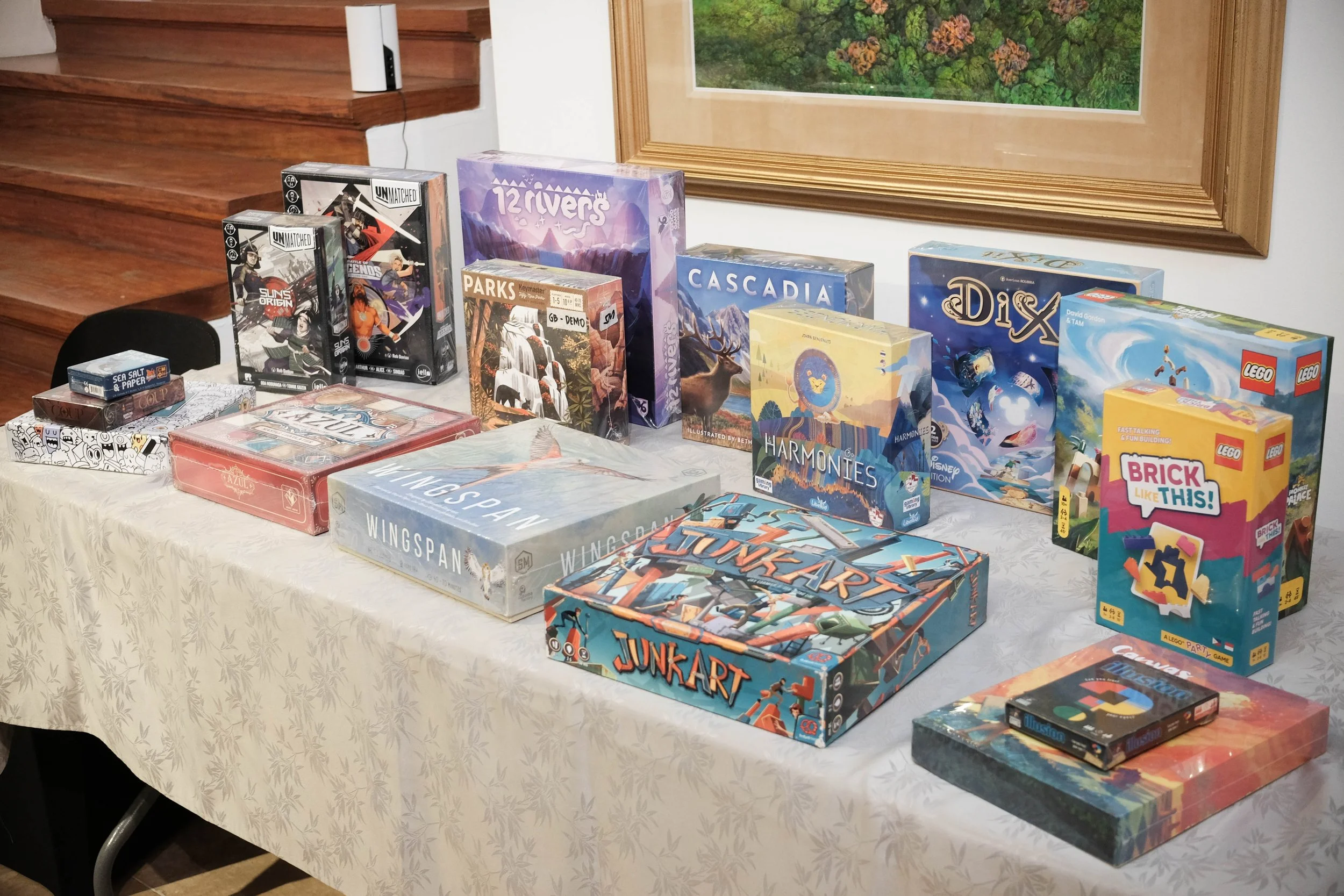
The growth has been nothing short of explosive. Fernandez recalls that when the All aBOARD Expo first began, it drew a modest 50 participants, but by 2025, that number had surpassed 10,000 attendees.
This surge in popularity has transformed gaming spaces into what Fernandez describes as a “third, even fourth space”—a sanctuary outside of the home and office where people can connect. It is a community that has proven its resilience, weathering the pandemic and coming back even stronger as people sought out shared, in-person experiences again.
These hubs provide a “safe and welcoming space where people feel comfortable being themselves.”
Breaking the ‘Geek’ Stereotype
Gone are the days when board games were seen as a niche interest for a small group of specialists.
Today, the scene is a vibrant melting pot that is “no longer seen as something just for a niche group of 'geeks' or hobbyists.” Santos observes that the community includes “corporate people who would like to get away from the stress of their jobs.” Fernandez adds that the demographic has shifted to include “more women, more families, and a wider range of people.”
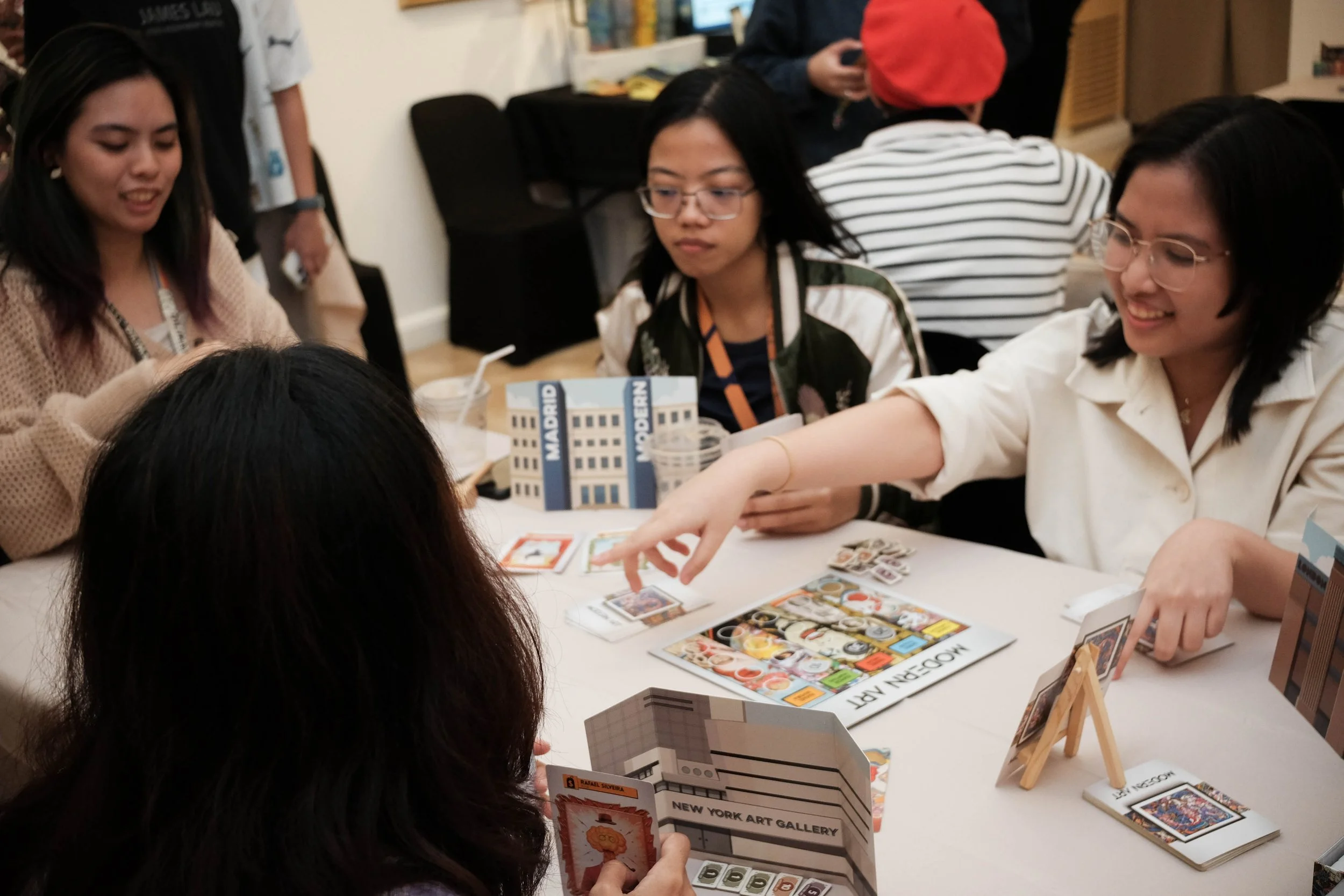
One of the most rewarding aspects of this hobby is its ability to act as a bridge between generations. They also shared that board games naturally bridge that gap by offering a “common ground where age doesn’t matter, and everyone can participate, contribute, and connect. Whether it's a child learning a new strategy or a parent sharing a laugh over a clever move, tabletop games level the playing field because everyone participates under the same rules.”
This unique appeal is why Santos and the team at Fundacion Sanso see board games as more than just toys—they are also a work of art.
Playing to Learn
Modern board games have evolved significantly from the traditional ones we played as kids.
Fernandez explains that modern games are designed with “more player agency, giving players meaningful choices that shape the outcome of the game.” They are also more streamlined with rules refined to be easier to learn without sacrificing depth.
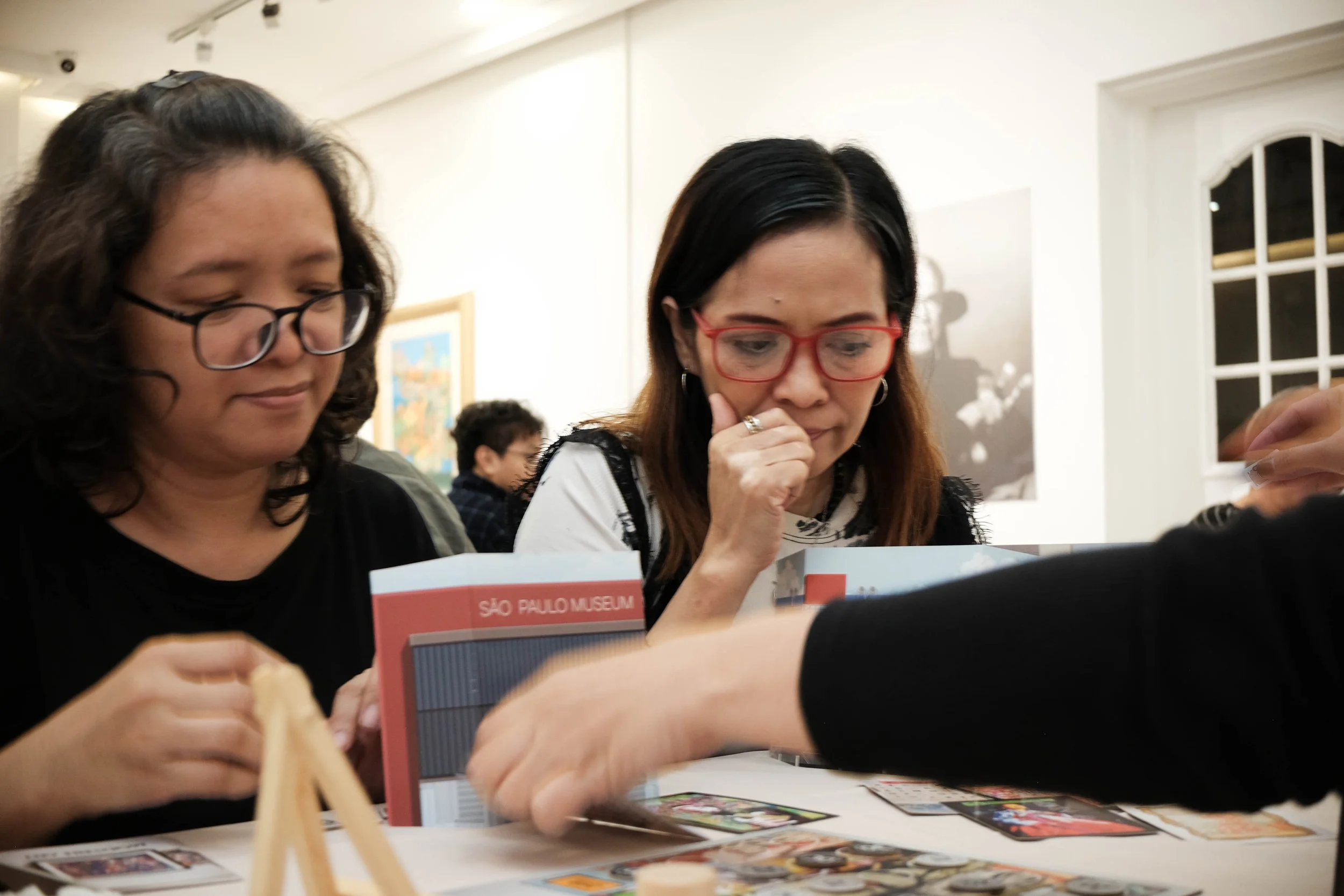
Beyond entertainment, Fernandez hopes to position board gaming as a “meaningful tool for learning and development.” By turning complex concepts into lived experiences, board games can teach real-world skills such as financial thinking, decision-making, and leadership.
This makes the act of playing a healthy exercise that makes us more aware of our environment and refocuses us on what is truly important.
Cultivating the Community Culture
The success of this movement isn't accidental; it’s built on a foundation of genuine interaction.
Gaming Library keeps their community connection alive through GLive lunchtime streams on Facebook, where they talk directly and unfiltered with their audience. Internally, Fernandez’s team stays grounded by making time for playtesting, which allows them to step away from our screens and reconnect in a more human, face-to-face way.
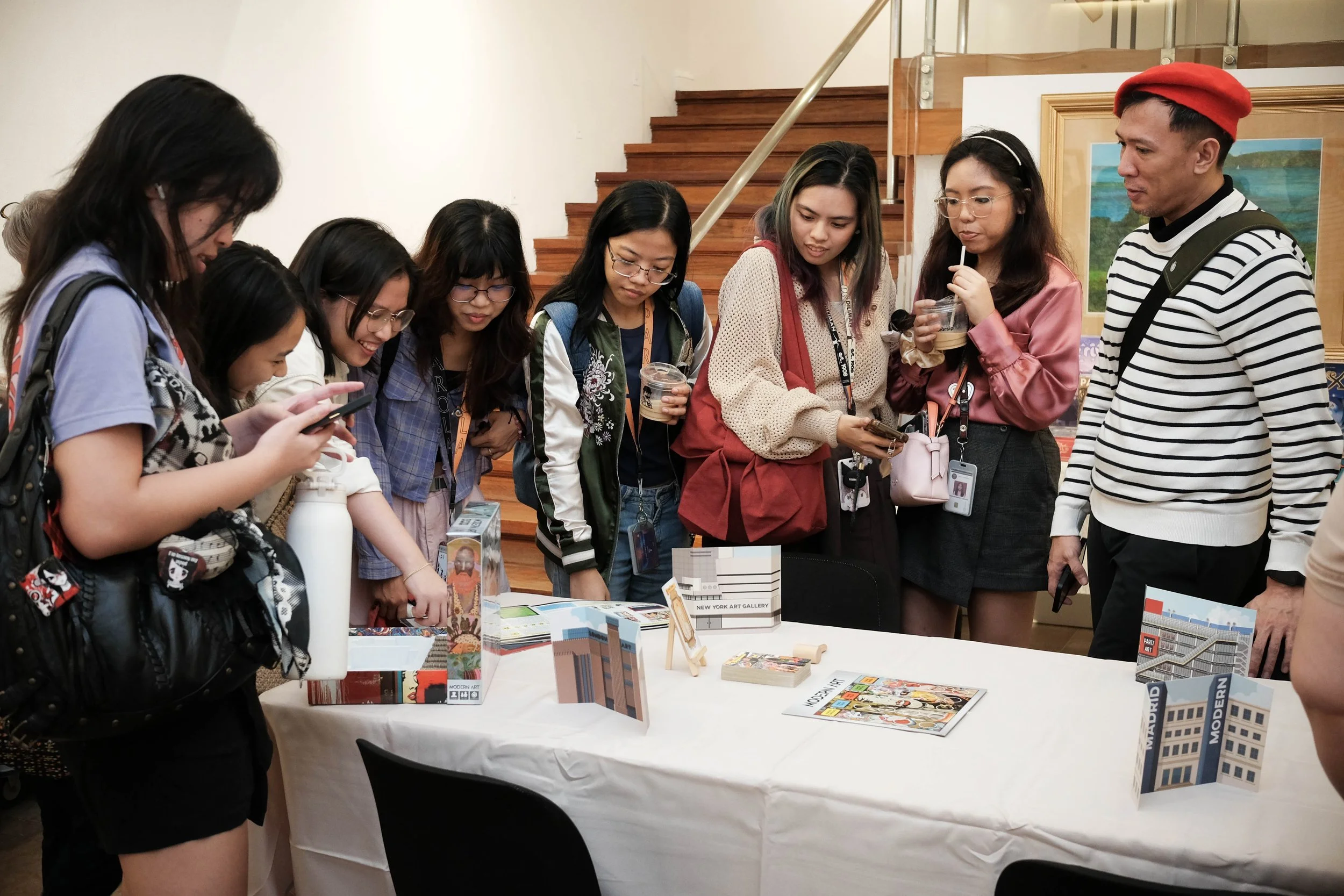
Even their store designs prioritize the player over the product. They are built to host events and provide areas where people can actually sit down and play.
In this world, sales become a result of that experience, not the starting point.
A Game in Every Room
Looking ahead, Fernandez envisions a future where board games are part of everyday life.
“Long term, I’d like to see board games become part of everyday environments, not just in homes or hobby spaces, but in libraries, schools, and community centers.”
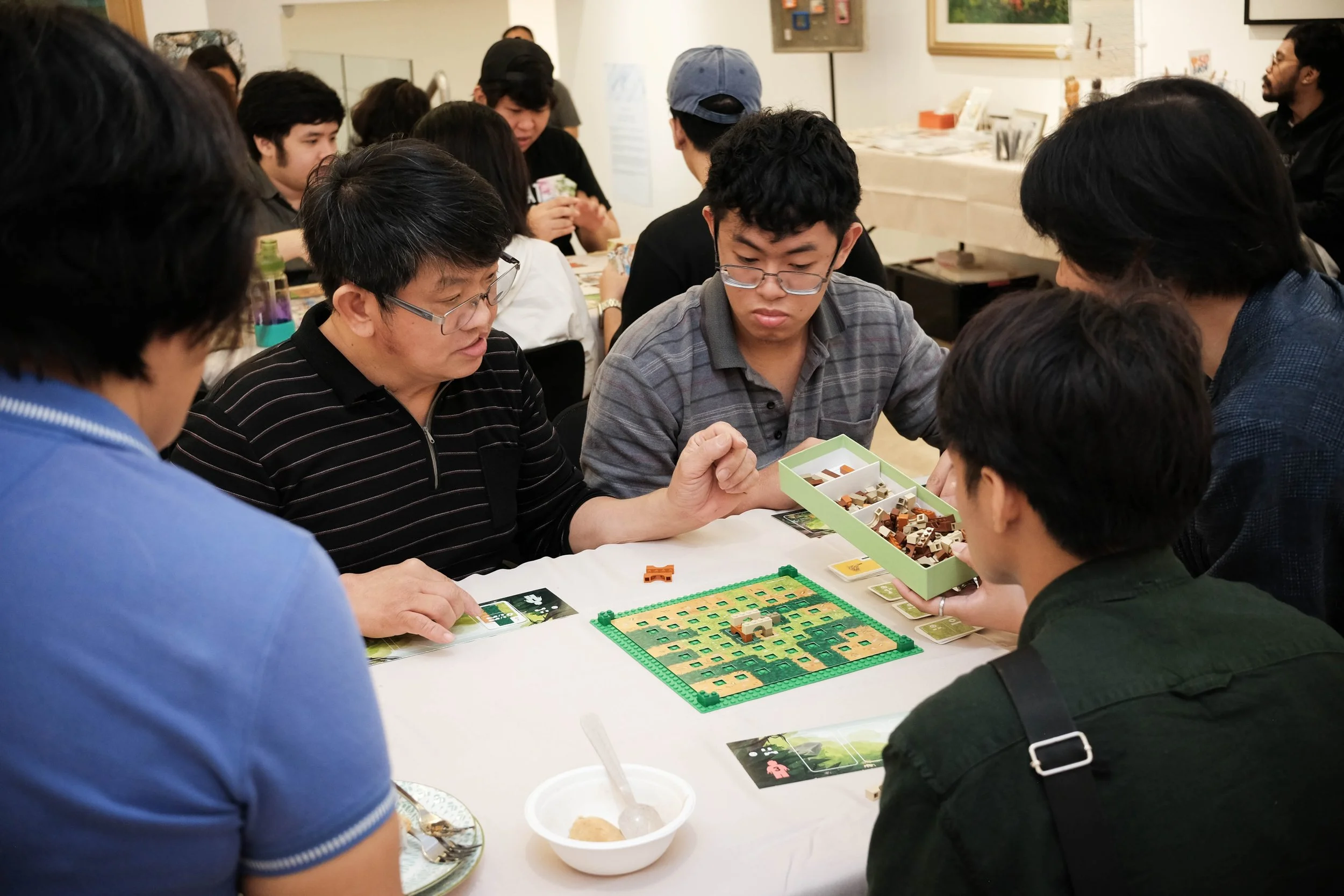
By embedding play into these public spaces, the goal is to shape a culture that values both connection and continuous learning.
Ultimately, the resurgence of tabletop gaming is about reclaiming our time and our attention. In a world that is always on, unplugged entertainment gives people a chance to reset. Taking the time to log off and gather around a table is a vital way to slow down and recharge.
As Fernandez reminds us, “pause is important. It gives people room to reflect, reconnect, and be more present.”
So, the next time the digital noise feels like too much, remember that the most meaningful connections might just be waiting for you—no Wi-Fi required—at the nearest gaming table.