Not Dead, Just Different
In a world run by Artificial Intelligence, what does it mean to create?
Words Jaymar Aquino
Art by Lili Zuñiga
May 29, 2026
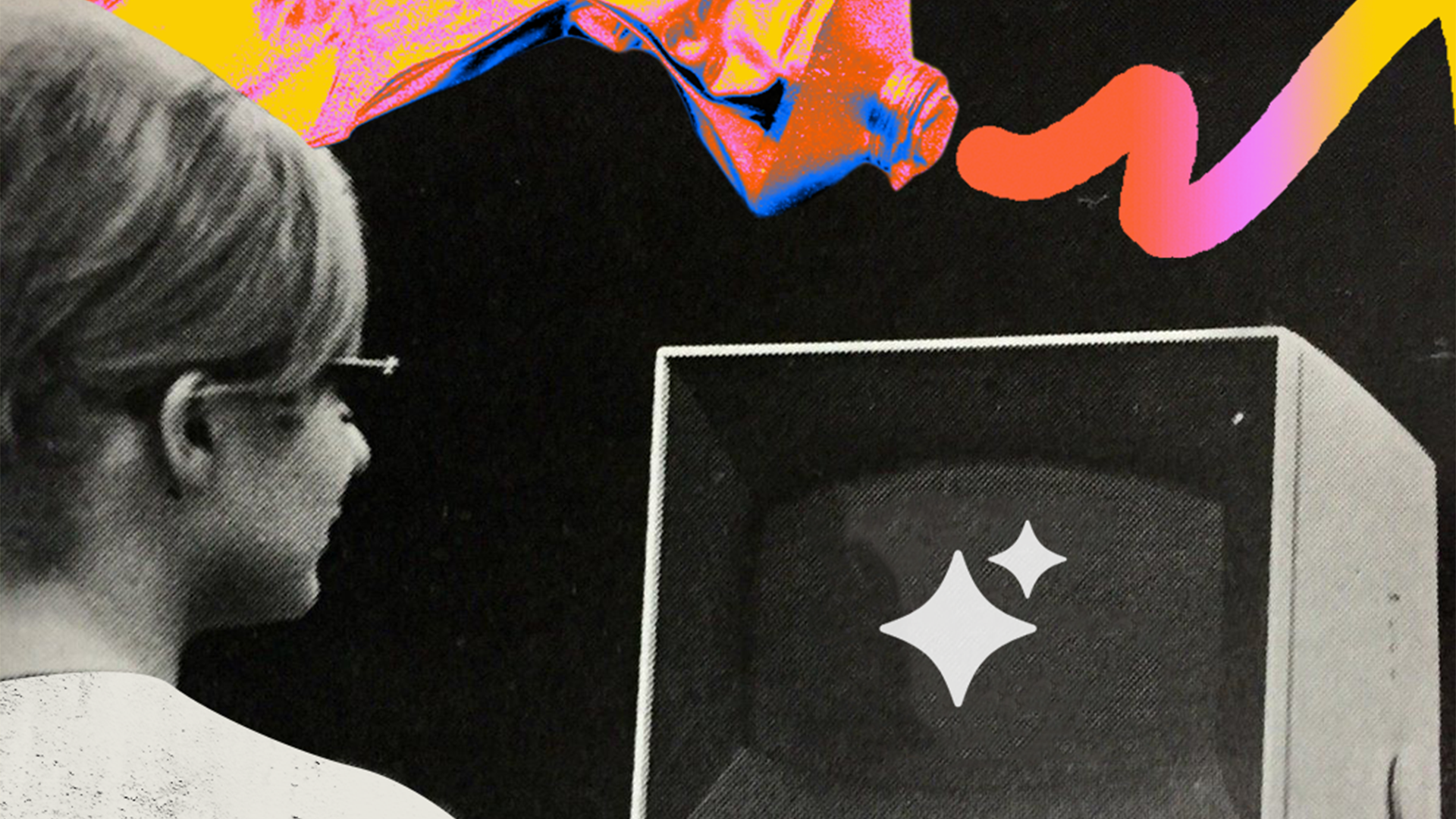
They once said that poetry, beauty, romance, love—these are what we stay alive for. I remember hearing that line for the first time, in Dead Poets Society, one of my favorite films, and feeling it lodge itself somewhere between my ribs. It wasn’t just a line from a film; it was a belief system. An agreement creatives make with themselves every time they choose this path, despite the instability, the doubt, the lack of guarantees. We create because something in us refuses to go numb.
But what happens when the very thing we have been living for begins to feel… less alive?
Not dead. Not gone. Just altered. Polished too quickly. Finished too efficiently. Produced at a speed that leaves little room for hesitation, for second guesses, for that beautiful, frustrating pause where meaning usually sneaks in.
The heart of creation
This piece is not an attempt to romanticize the past or villainize the future. It is an attempt to remember how things once felt, before prompts, before shortcuts, before we learned how easily a machine could mimic our voice without ever knowing where it came from.
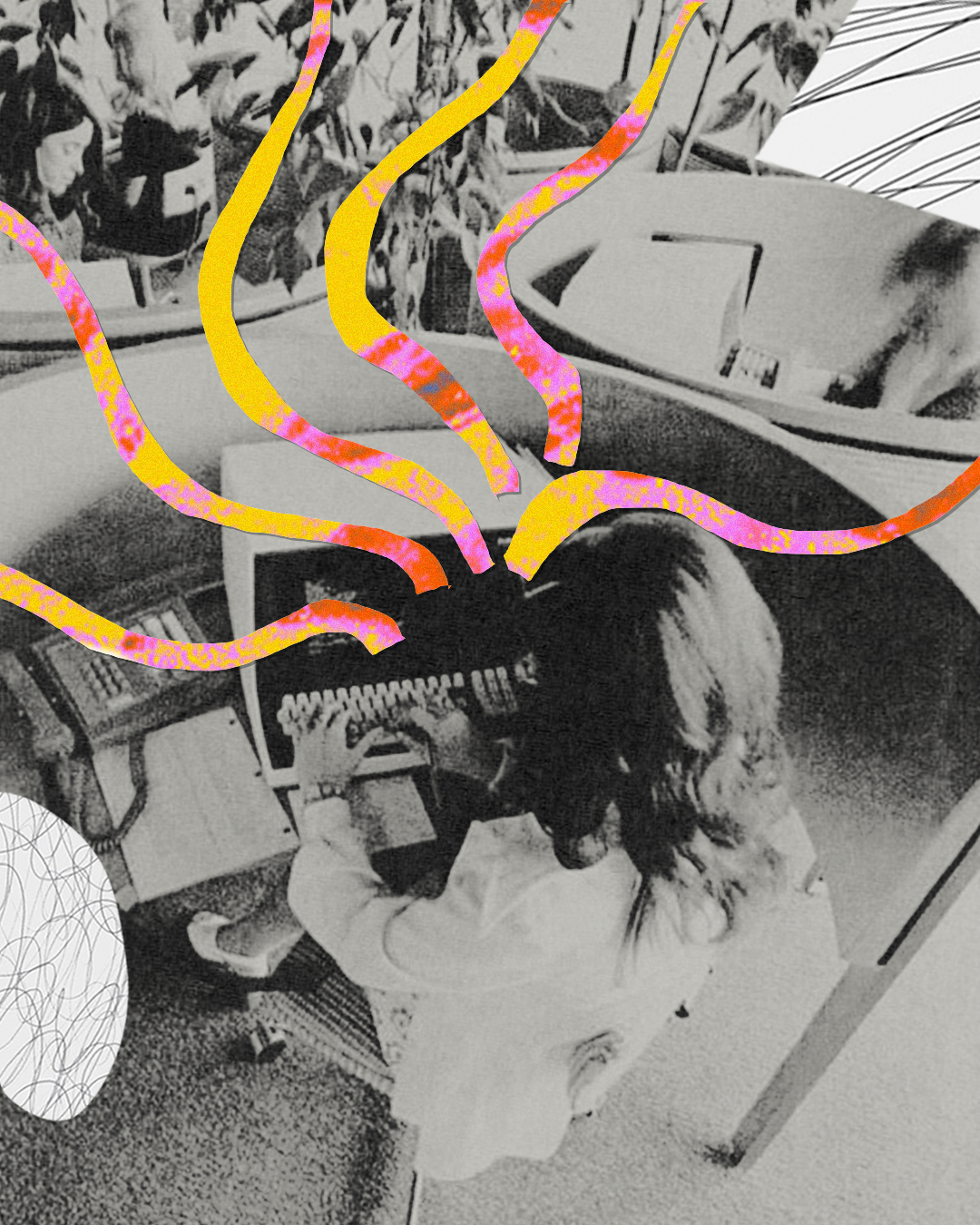
I went back to how I personally experience writing now, how it has shifted, where it has softened, where it has hardened. I also spoke to creatives from other industries, people whose lives revolve around output, deadlines, and ideas, to see how artificial intelligence has quietly, and sometimes loudly, rearranged our days.
For this story, I wrote the way I had not in a long while, without running my sentences through a grammar checker. I did not ask an AI tool to hand me prettier words when the original ones felt too plain. I let myself write freely, without flinching or wondering if someone would accuse the work of not sounding like me. I wanted the mess. I wanted the pauses. I wanted the risk of sounding imperfect, because imperfection has always been proof of presence.
The new normal
Whether we like it or not, AI is already here, settled into our lives with the confidence of something that knows it will not be leaving anytime soon. The University of Cambridge Judge Business School recently likened its arrival to that of the telephone, the personal computer, and the internet, technologies that were once met with skepticism, even fear, before becoming ordinary.
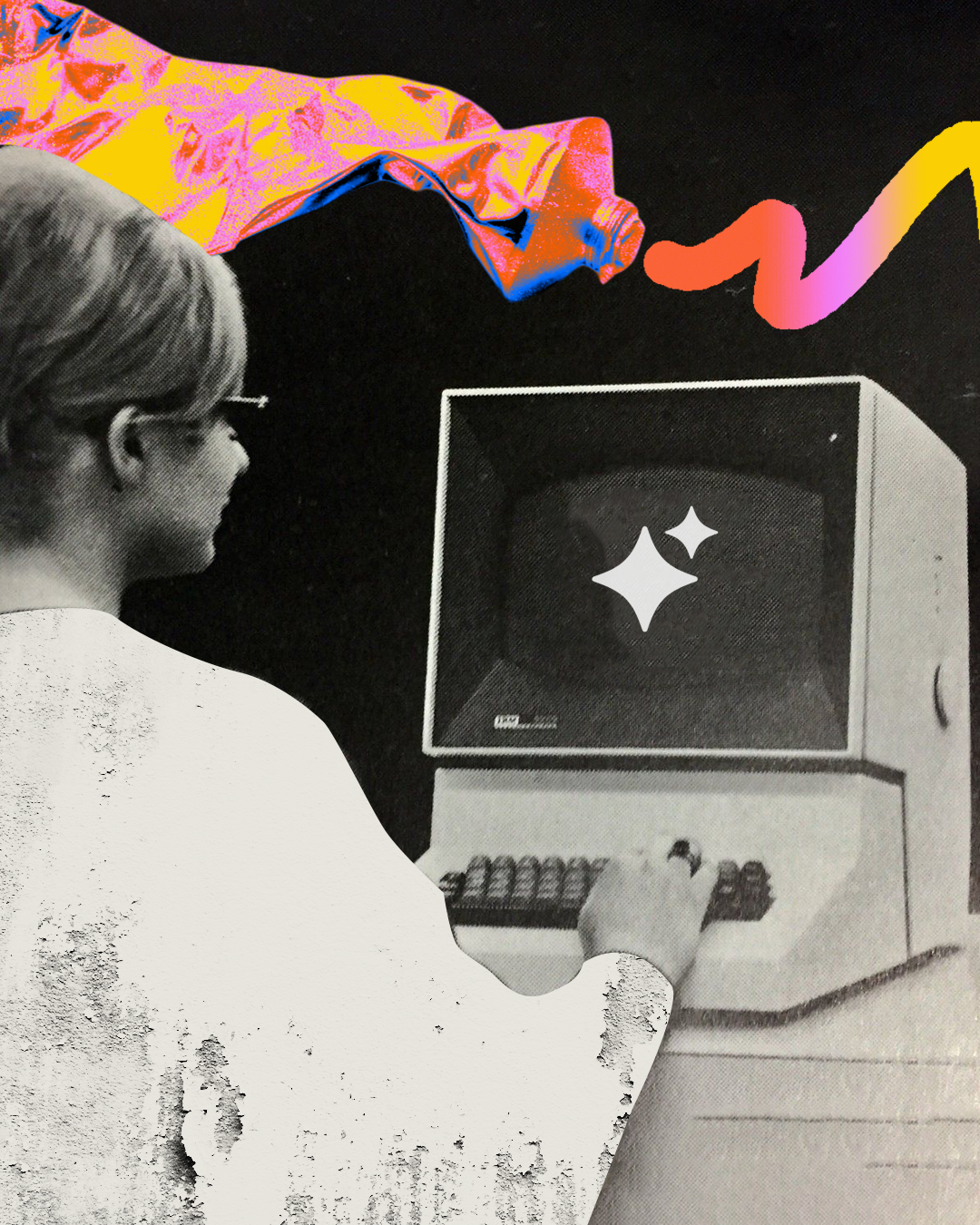
According to them, AI will change industries entirely, opening doors while quietly closing others, reshaping how companies think, move, and create.
You can resist it. You can embrace it. You can do both at the same time. But opting out entirely is no longer a real option.
Mike, 27, not his real name, is a writer for a news and culture platform in Dubai. “I’ll admit it. I’ve become dependent on it,” he said. He paused before continuing, as if he needed to sit with the confession himself. “We live in a world where people appreciate speed more than accuracy. So even when it doesn’t make me happy, I still use AI, because the story has to be in by tomorrow.”
There was no defensiveness in his voice. Just honesty.
For him, AI has become less of a creative partner and more of a survival tool. It helps tighten copy, fill gaps, and meet expectations that keep stretching thinner. And yet, the dissatisfaction lingers. The strange grief of knowing that something essential is being traded for efficiency—and agreeing to the trade anyway.
Carla, 31, also not her real name, works as a social media manager in the Philippines. She laughed when I asked her if AI-written captions bother people. “Honestly? You can tell immediately,” she said. “The structure. The tone. The way it sounds like it is trying too hard to sound human. But nobody really cares.”
What people do care about, she explained, is consistency. Output. Timing. “If you miss a posting schedule, that’s when your manager gets upset. Not if the caption lacks personality.”
In many ways, AI has made her life easier. It reduces the mental load and helps her keep up with platforms that never sleep. But she misses something deeply personal. “I miss being clever,” she said. “I miss writing something that makes someone stop scrolling. Something that makes them laugh, or think, or feel seen. Now it is just… done.”
Efficiency has replaced delight. And while the job gets done, the joy rarely stays.
The rebellion of being human
Then there is Angelo.
He is 35, a filmmaker and scriptwriter in the Philippines, and the way he spoke about his work felt almost reverent. He has experimented with AI, too, using it to brainstorm, sketch scenes, and test ideas. He is aware that AI filmmaking competitions already exist, that entire short films can now be generated through prompts alone. None of this scares him, exactly. But it does not convince him either.
“There are things AI can’t replace,” he said with conviction. “And in film, that thing is the soul. You can’t fake it.”
He described writing characters as an emotional process, every line of dialogue shaped by memory, anger, love, and grief. “When a character speaks, it’s because I have felt that sentence in my own body,” he said. “A machine can imitate structure, but it doesn’t know longing. It doesn’t know regret. It doesn’t know what it costs to say certain words out loud.”
He shook his head when I asked if AI could ever get there. “Film is emotion passed from one human to another. That is the exchange. That is the contract.”
Listening to him, I found myself thinking about classrooms, about standing on desks, about voices raised against silence. Not the film itself, but what it stood for. The permission to feel deeply in a world that constantly asks us to be practical. To be fast. To be useful.
So where do I stand?
I do not think AI is the enemy. I do not think it is the savior either. It is a tool, powerful, unavoidable, sometimes helpful, sometimes hollow. What worries me is not that machines can write. It is that we are slowly forgetting why we started creating in the first place.
Art does not exist to be efficient. It exists to be honest.
And maybe that is the real question we should be asking. Not whether AI can create, but whether we are still brave enough to create without it. To write badly before we write well. To sit with discomfort. To choose meaning over speed, even when no one is asking us to.
Perhaps today, the rebellion looks quieter. Choosing to write the sentence yourself. Letting it stumble. Letting it sound like you.
Because poetry, beauty, romance, love were never about perfection.
They were about being alive.