Marikina Town Center Redefines Community Life
Marikeños can now experience a new weekend spot, one built on shared experiences, community spaces, and the ongoing reinvention of what urban life can be.
Words Piolo Cudal
Photos courtesy of Federal Land & Marikina Town Center
December 07, 2025
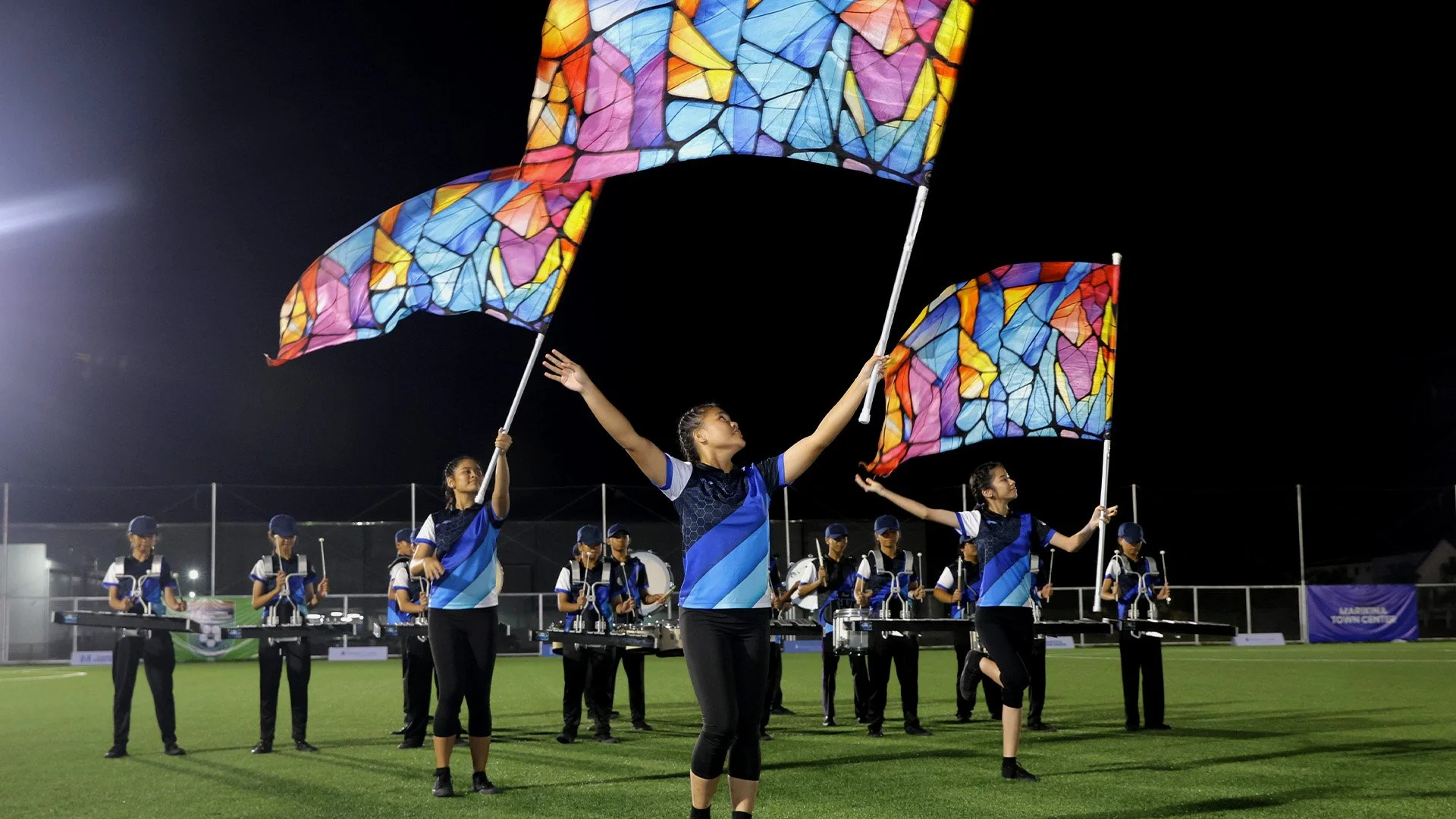
Marikina City has long been known for its craftsmanship, its discipline, and its distinct community warmth. But now, it is gaining another identity, shaped by design, movement, and a growing culture of shared spaces.
With the recent unveiling of its new football field and the Toyota Tamaraw Food Park, Marikina Town Center is positioning itself as a next-generation communal hub, where sports, leisure, and local enterprise converge through thoughtful placemaking.
The star of the launch is the expansive 100-by-68 meter football field, now the newest landmark in the estate’s growing footprint. During the inauguration, an exhibition match between Kaya Football Club and Adhika Football Club energized the space, signaling its intention not only as a training ground for serious athletes but as a venue open to the Marikeño public.
Federal Land president Jose Mari Banzon underscored this vision, saying, “We’re trying to develop Marikina Town Center to be a complete community.”
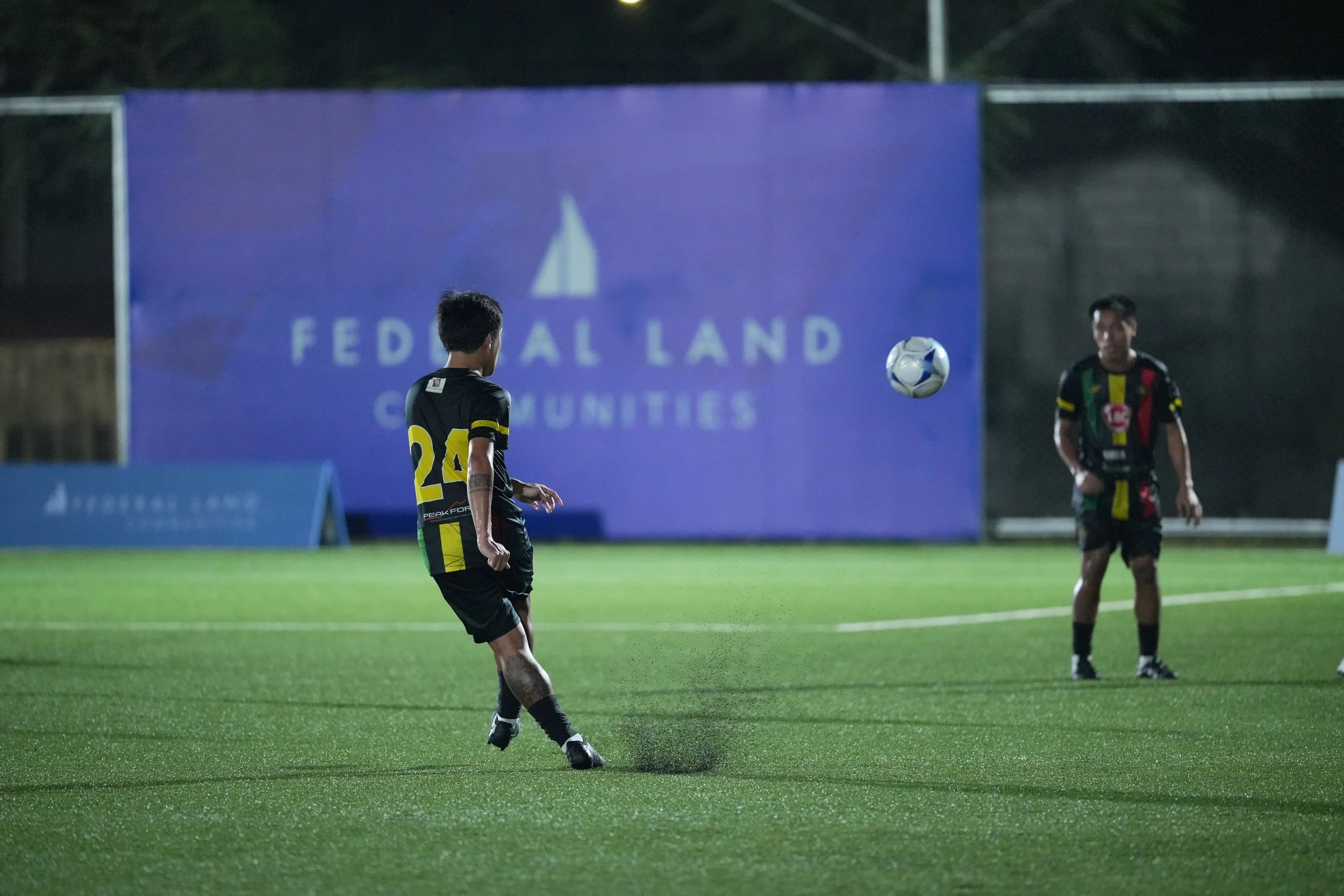
The special exhibition match between Kaya Football Club and Adhika Football Club.
More than a sports facility, the field invites families, hobbyists, students, and spectators to take part in activities that foster wellness and belonging. Its bleachers, which can seat up to 250 people, also position itself as a cultural arena, a future site for tournaments, gatherings, and community-led events.
“That’s why we’re building this football field to complement our residential development and, of course, the Marikina citizens’ love for sports. Our vision for our Marikina estate is to be the center for wellness and recreation for the families who live here,” Banzon added.
Cultural Connector
Beside the field is the Toyota Tamaraw Food Park, a lively cluster of converted Tamaraw food trucks that host curated local vendors. This food park adds a youthful, experimental layer, an open-air dining space that feels both nostalgic and new.
Toyota Motor Philippines president Masando Hashimoto highlighted the cultural intention behind the project.
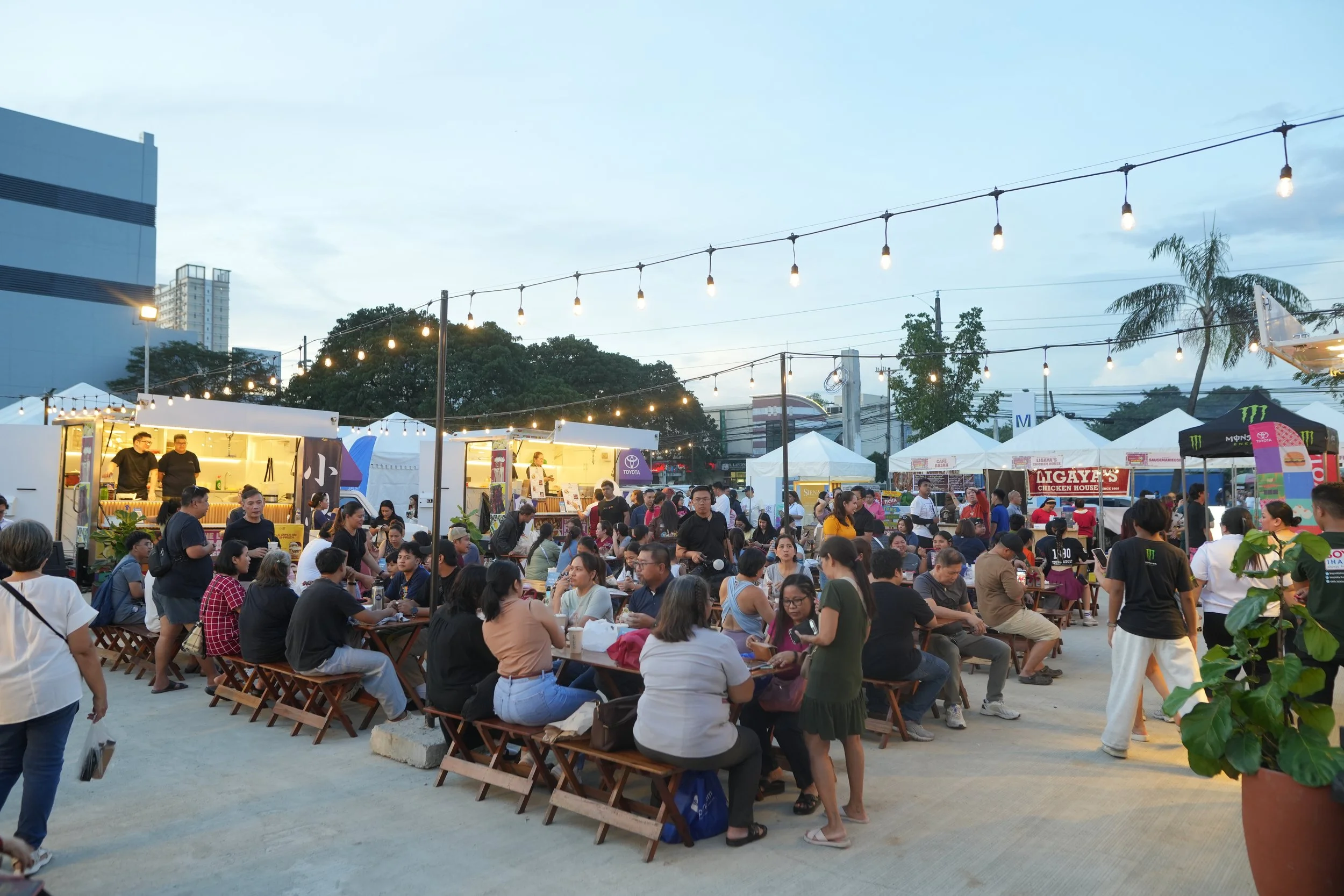
The public enjoyed local flavors at the Toyota Tamaraw Food Park—developed in partnership with Toyota Motor Philippines and NakakaLocal Food Fest—which champions Marikina’s beloved MSMEs and homegrown kitchens.
“We are happy to be part of this wonderful celebration and be a partner of Federal Land Communities in showcasing the culture of this great community,” Hashimoto emphasized.
The food park elevates casual dining into an experience of discovery. Here, visitors can try comfort staples, specialty brews, or neighborhood favorites, all while supporting micro and small entrepreneurs.
Township in Transition
In fact, the football field and food park are just the beginning of their broader expansion. According to Federal Land, in the first half of 2026, the redevelopment of the complex will introduce upgraded sports and lifestyle facilities, including courts for basketball, badminton, and pickleball, further enhancing its identity as an active lifestyle district.
Additional commercial and residential developments are underway as well, shaping Marikina Town Center into a well-rounded, mixed-use hub anchored on everyday convenience, mobility, and urban creativity.
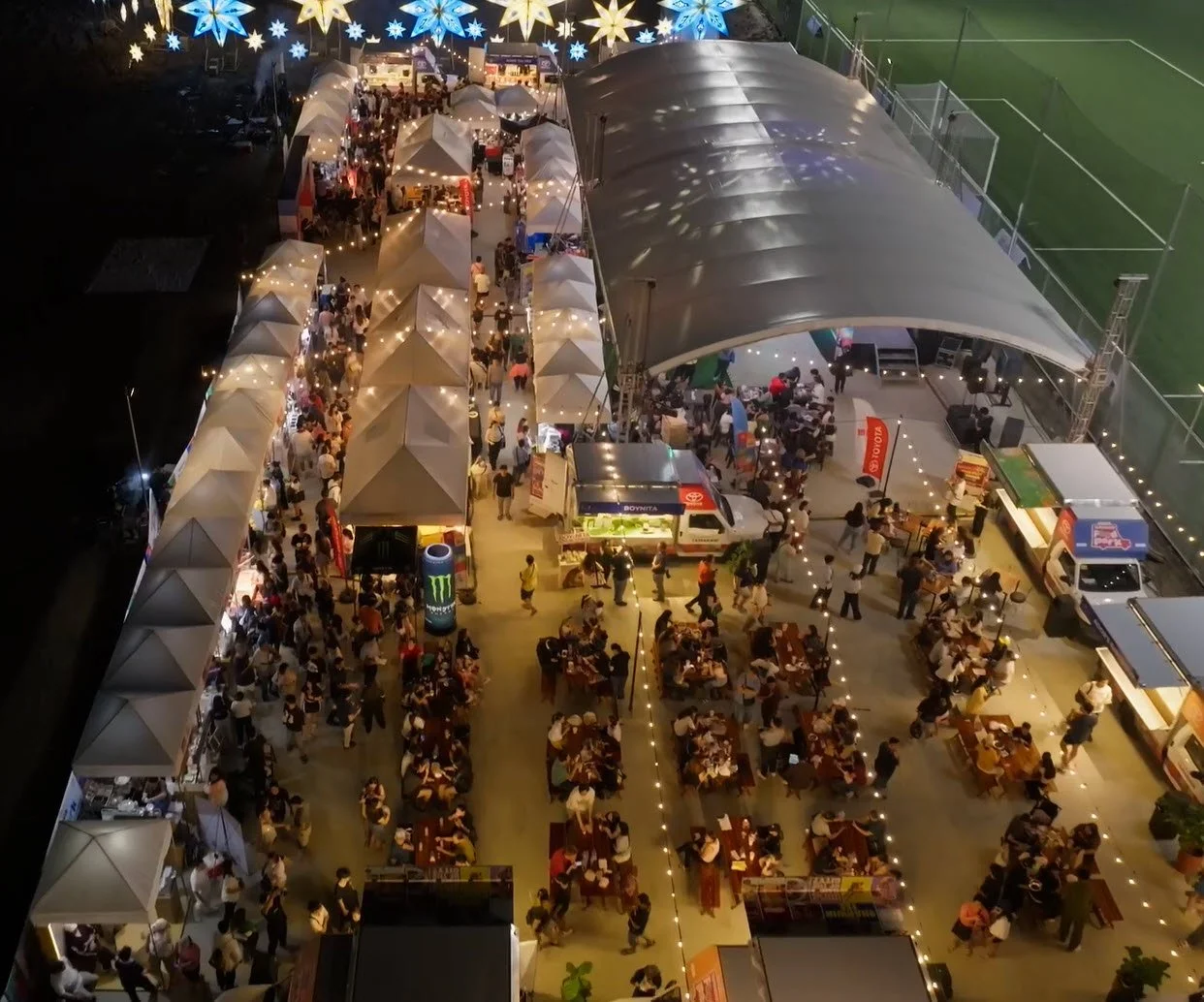
At present, Marikina Town Center emerges as one of Federal Land Communities’ most exciting masterplanned developments, designed not only for living, but for gathering, playing, tasting, and experiencing.
According to Mayor Maan Teodoro of Marikina LGU, this partnership shows “strong confidence in Marikina’s growth,” further creating spaces that are vibrant, safe, and full of potential for families and young people.
With its new football field and open-air food park, the town already offers Marikeños an energetic new weekend spot. But more importantly, it signals the rise of a new cultural rhythm for the city. One built on shared experiences, community spaces, and the ongoing reinvention of what urban life can be.