Lilet Fair And The Many Ways of Being a Woman
No scripts, no filters. Just women in music and art taking up space and making it theirs.
Words Bernadette Soriano
Photos courtesy of Zai Ventura
April 07, 2026
Some events are prewritten in intent; others unfold as they go, shaped by presence, movement, and shared rhythm.
Lilet Fair 2026, held on March 21 in Mandaluyong, proceeded along the latter line. Organized by GNN (Gabi Na Naman) Productions for Women's History Month, it was less concerned with declaration than with allowing a certain order to form—one defined by presence, where different ways of being a woman could stand alongside one another without being pressed into a single frame.
The impulse behind it reaches further back. Inspired by Sarah McLachlan’s Lilith Fair in the ’90s, the organizers set out to create not just a platform but a condition: a space where women could move through music and art with a degree of safety and authorship that remains unevenly distributed—what Milley Habito describes as “a safe space and platform for all women,” with the longer aim of opening doors not only for the present moment but for what follows.
That forward tilt meshes into the structure of the fair itself, which, as Pauline Bobier notes, “calls on women to immerse themselves” in the work behind the stage as much as on it, positioning the event not as a one-off gathering but as groundwork for something that might hold year after year.
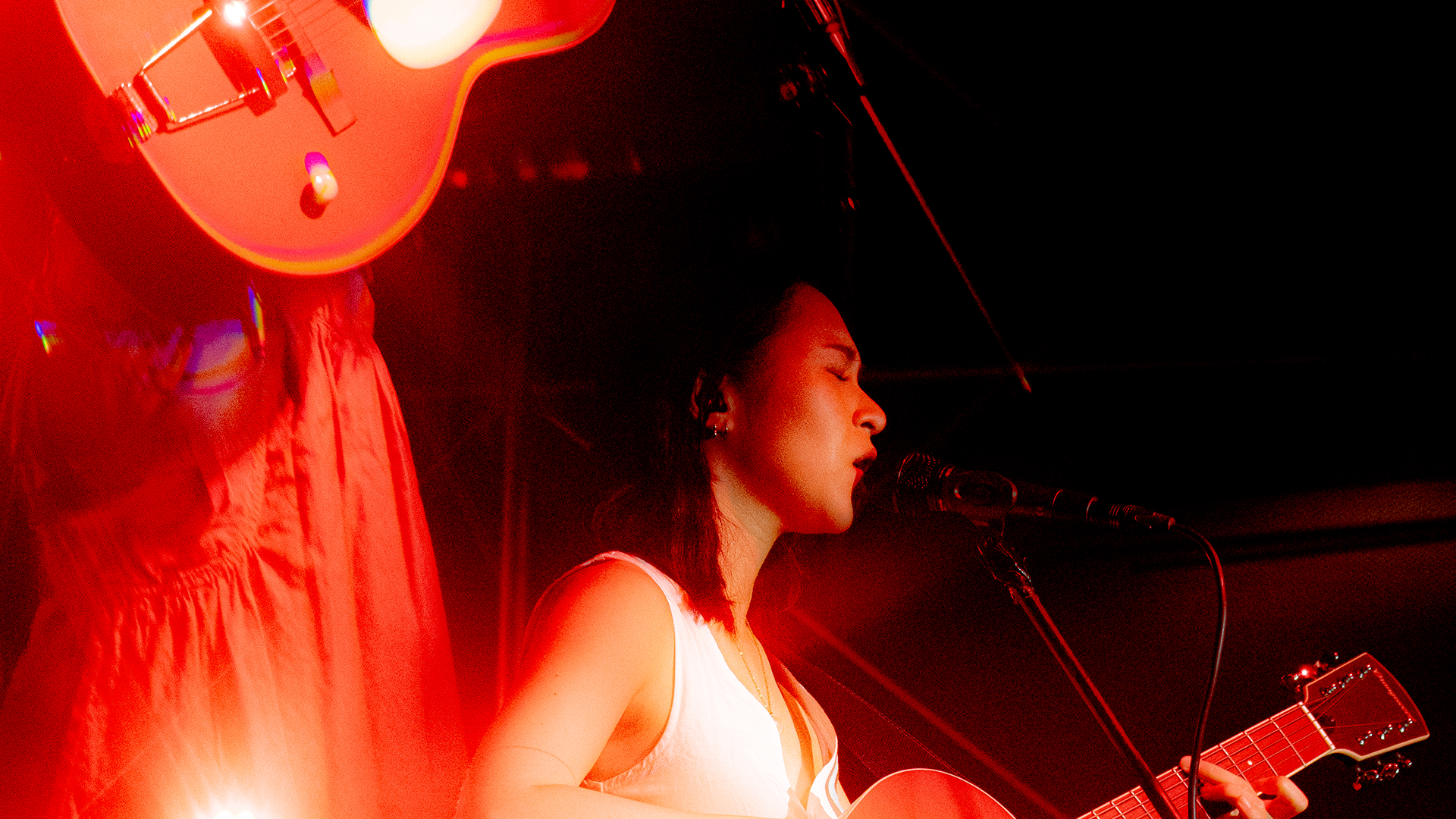
Carrying a shift in tone and approach through the songs themselves, Coeli set the pace with measured restraint onstage as they performed “Magkaibigan o Magka-ibigan,” followed by the unreleased “Cityscapes,” before easing into “Puno,” “Here Today,” and “Nabibighani,” where what was withheld resonated just as clearly as what was expressed.
Syd Hartha followed with a more inward turn, her set: “Hiwaga,” “Paruparo,” “Ayaw,” “3:15,” and “Ako Naman Muna,” tracing the slow work of self-regard, letting it unfold in its own time.
Barbie Almalbis came next, the mood shifting outward as she moved through “Desperate Hours” and “Tabing Ilog” into “Wicked Heart,” “Say Goodbye,” and “Torpe” with an ease that felt second nature, her catalog speaking for itself.
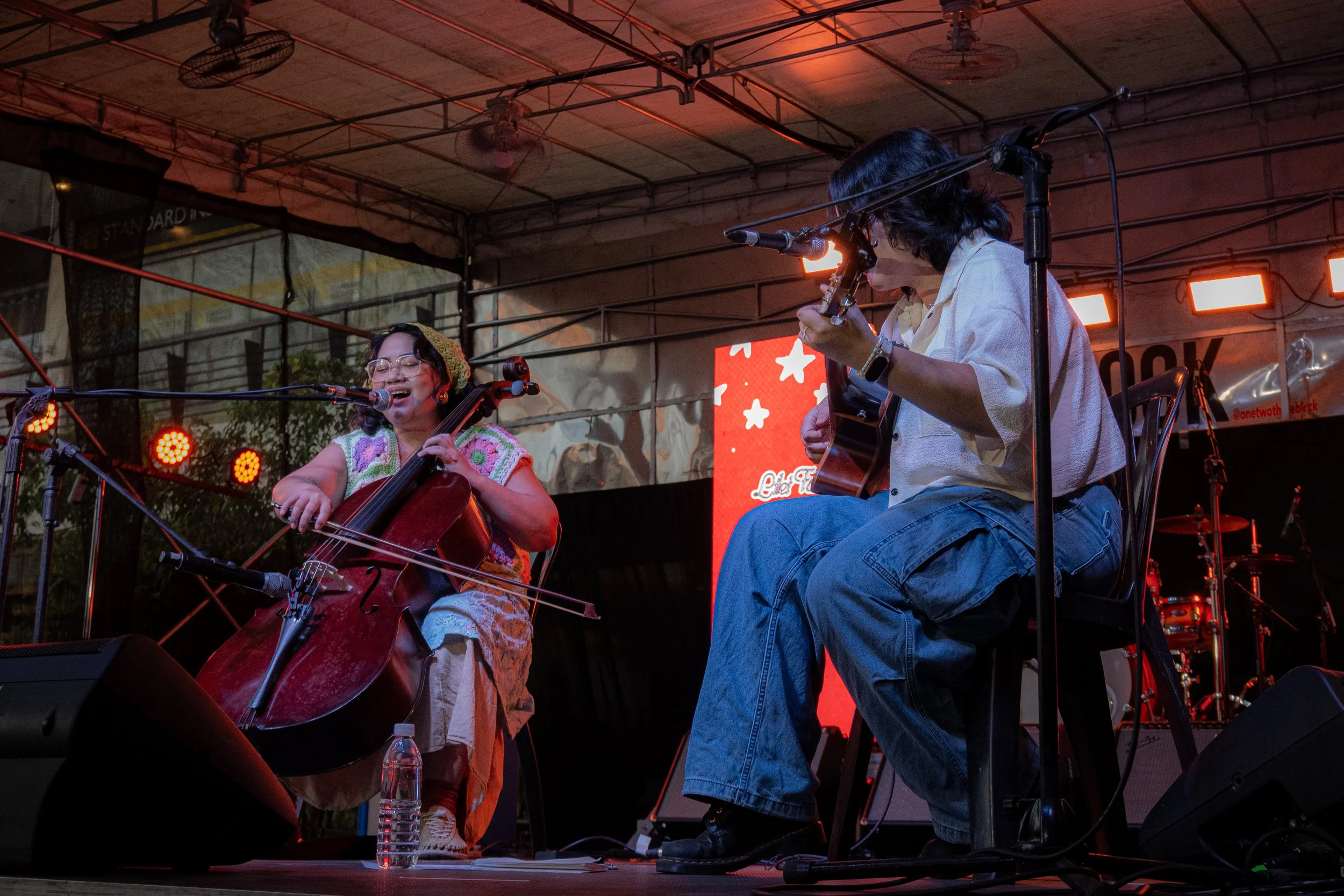
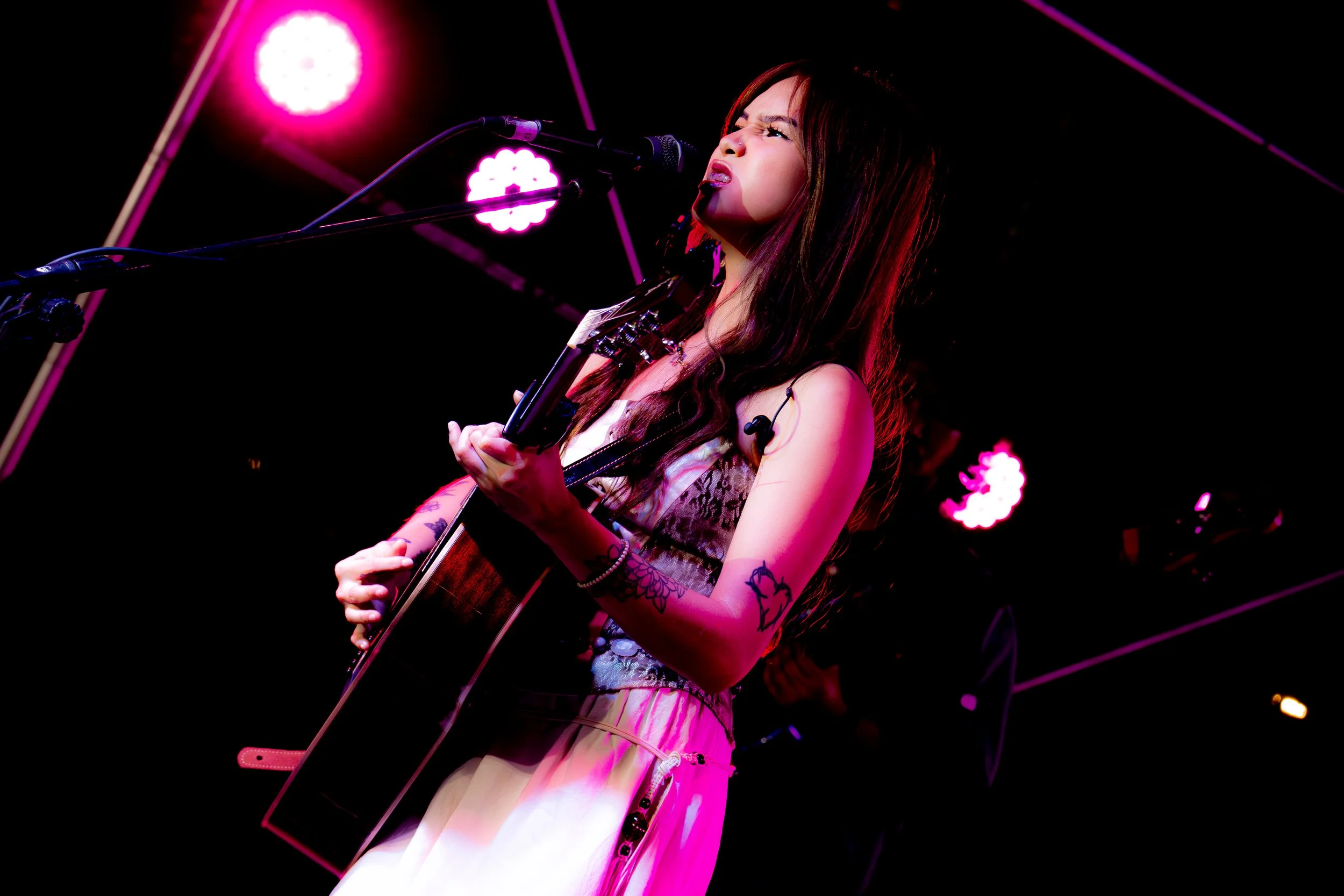
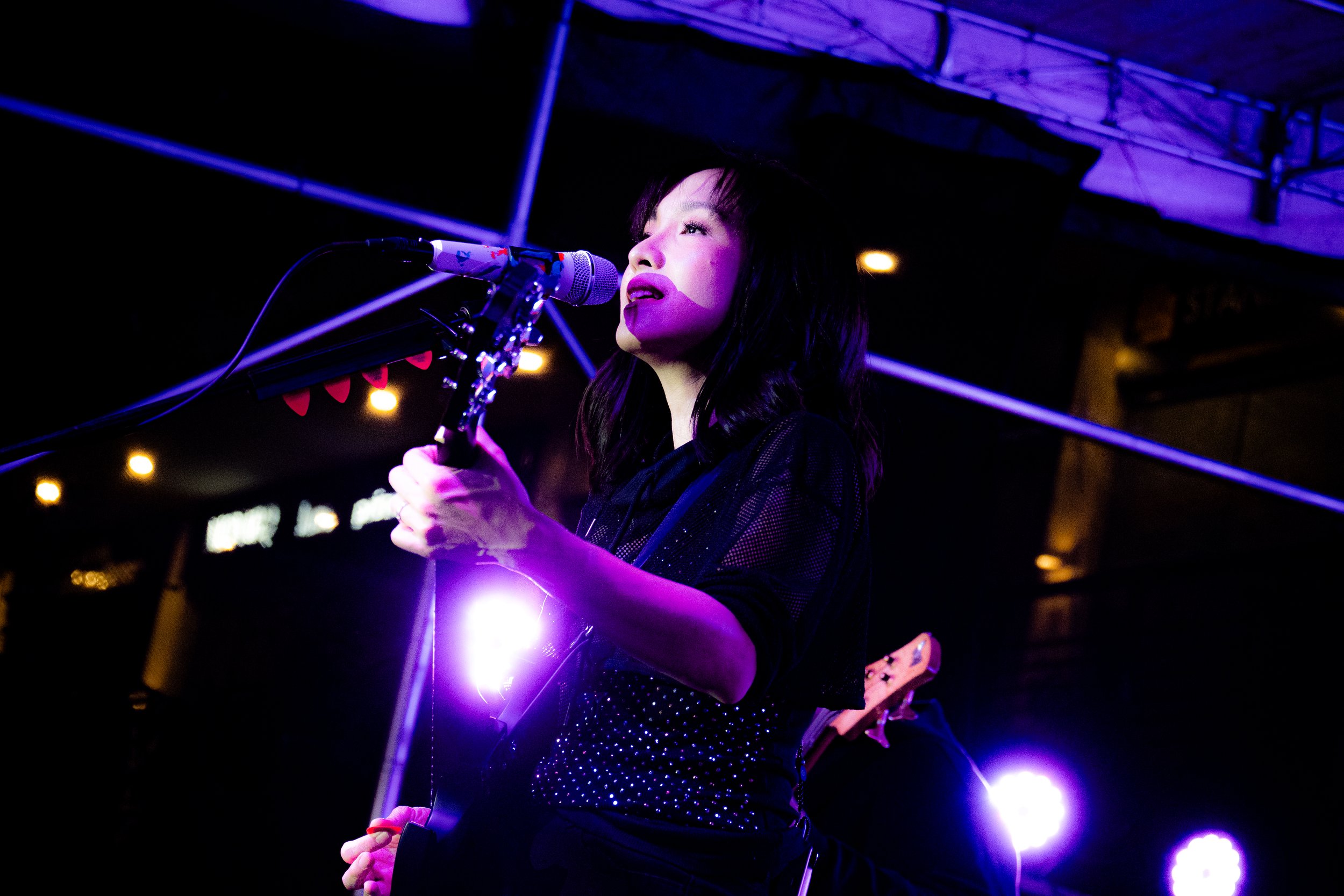
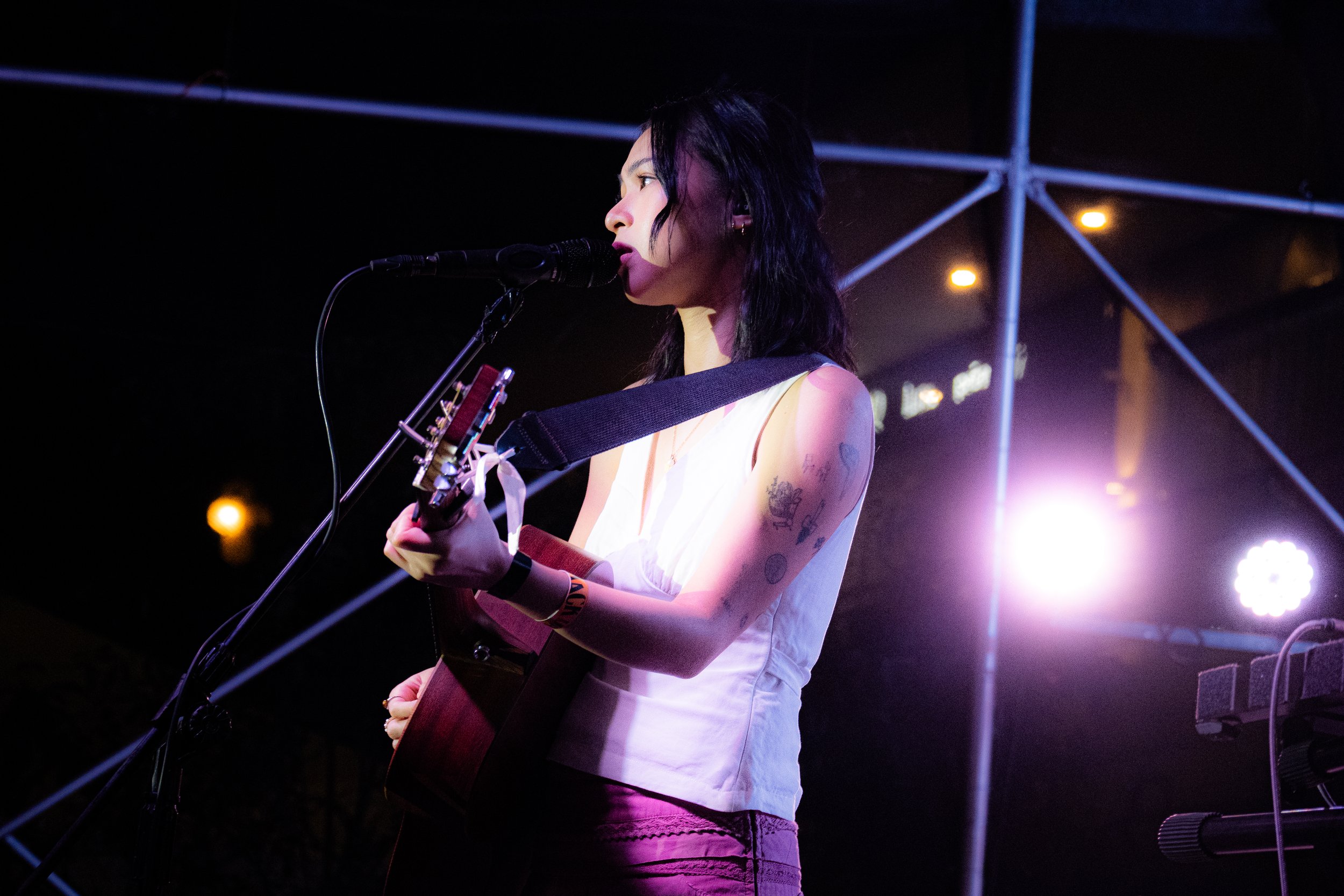
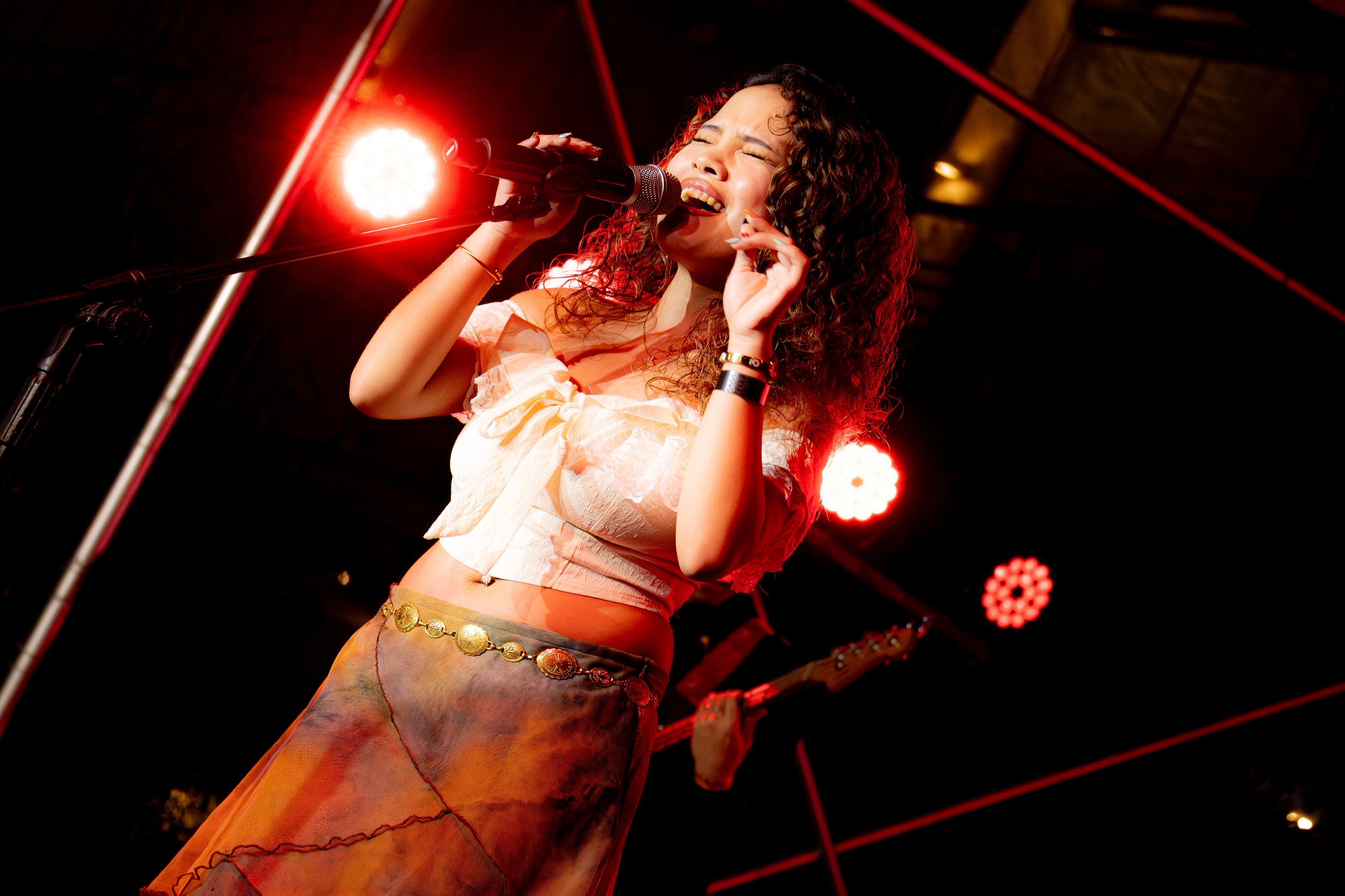
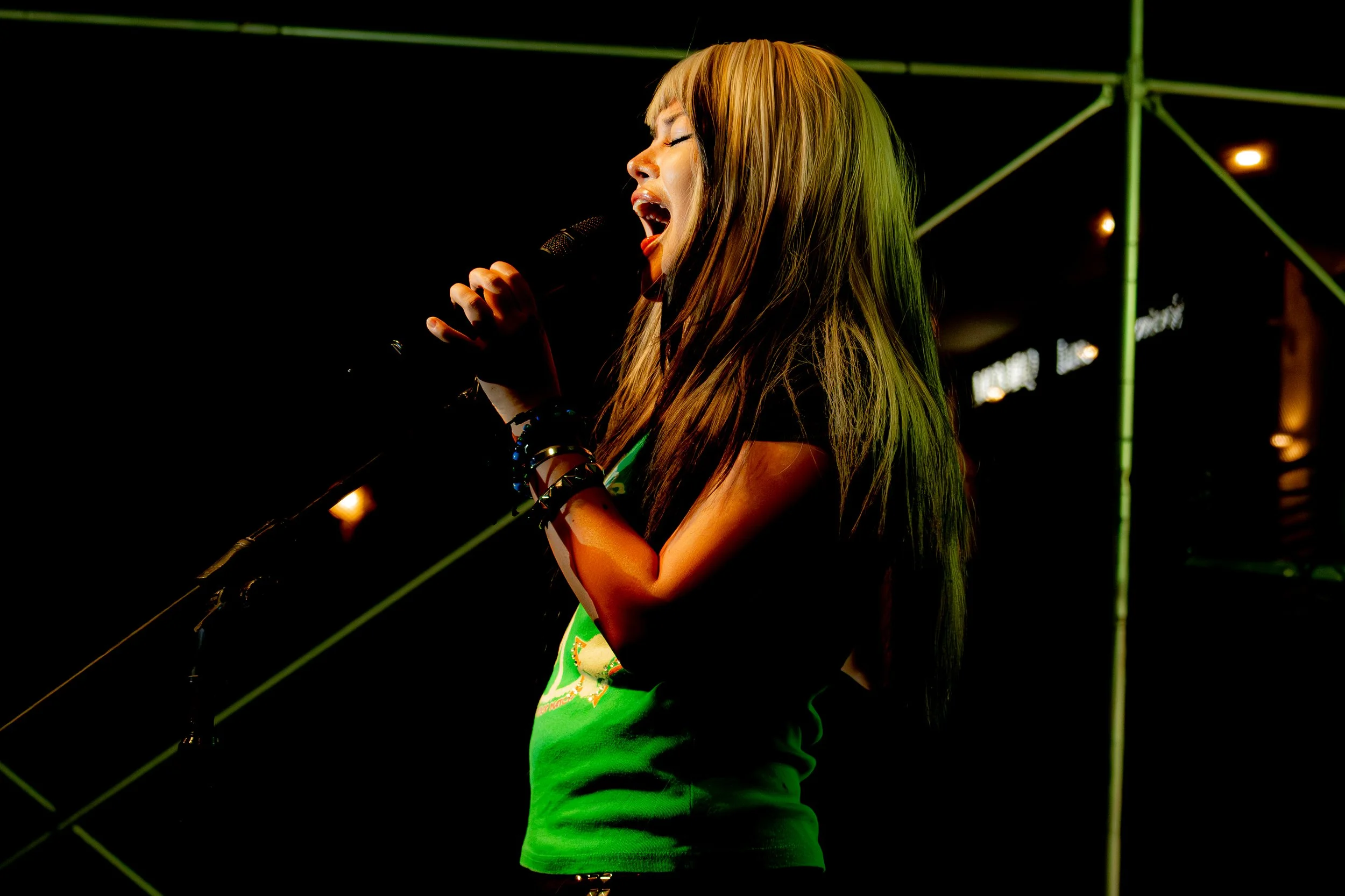
Clara Benin kept things steady, her set: “Small Town,” “Muscle Memory,” “No One to Blame,” “Cinnamon Coffee,” and “Parallel Universe,” grounded in her lived-in intimacy.
From there, the energy opened up without losing its center. Shanne Dandan leaned fully into feeling, “Hanggang sa Langit,” “Iyakin,” “Bato sa Buhangin,” “Labs Kita,” and “Boy, I Love You,” wearing her heart on her sleeve without tipping into excess. August Wahh met that range with a set that moved between softness and edge, from “Gangsters Need to Cry Too” and “Gaslight” through “Fair Love,” “Golden,” “Bitter,” and “Tiptoe Sahara,” holding both in balance. Janine Berdin closed the sequence with “Antoxic,” “What If,” “Hayup Ka,” and “Sitwasyonsip,” bringing the room to a shared register where each one was a sight to witness.
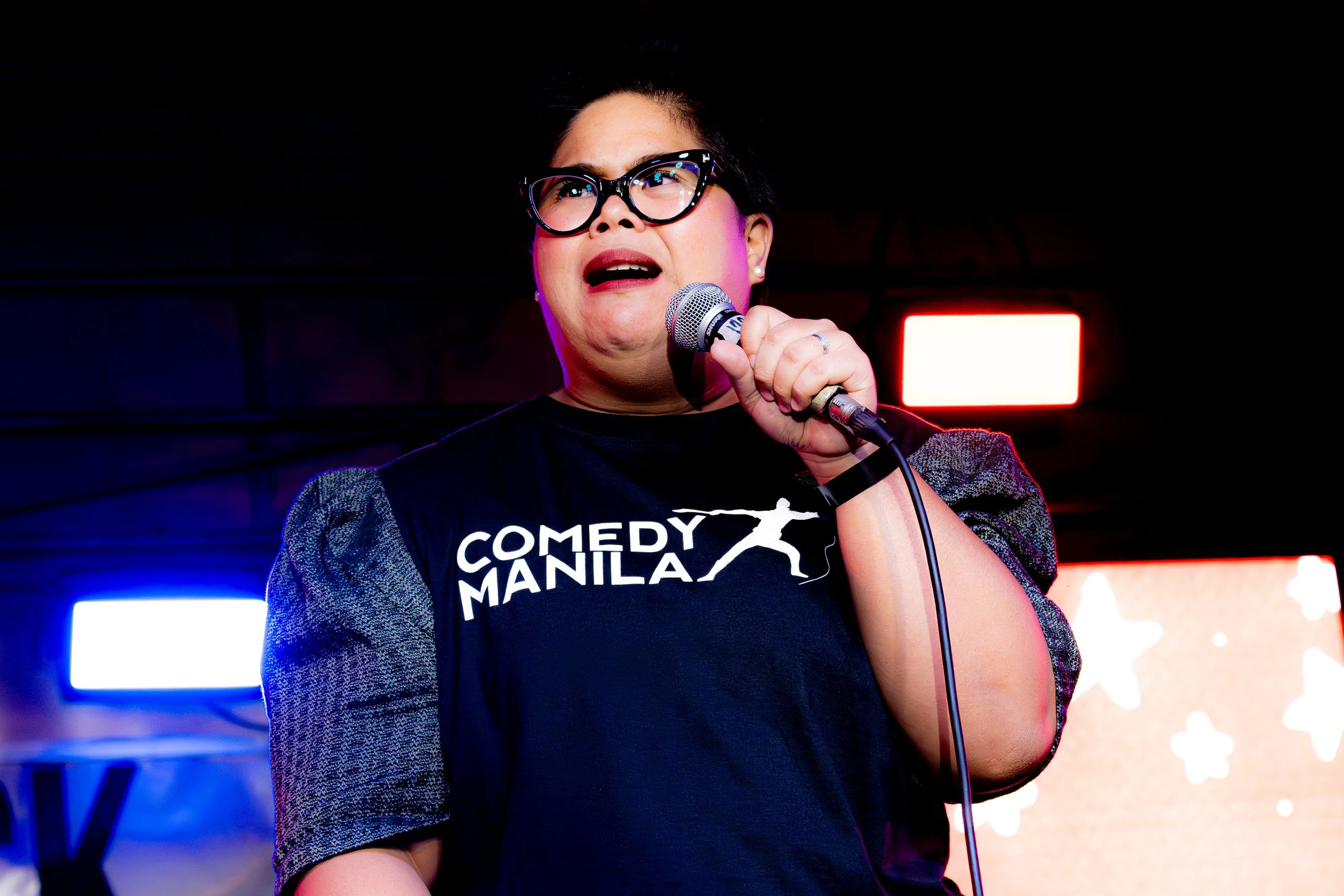
The program stretched its reach as Lady Boses, Jeannie Laccay, Di Aaron, Khaye Asco, played with humor that flirts past polite limits, letting the bodily, the awkward, and the unspoken flicker to life. The result unsettled expectation: that women, chiefly so in public, should keep certain truths at arm’s length, unseen and unvoiced.
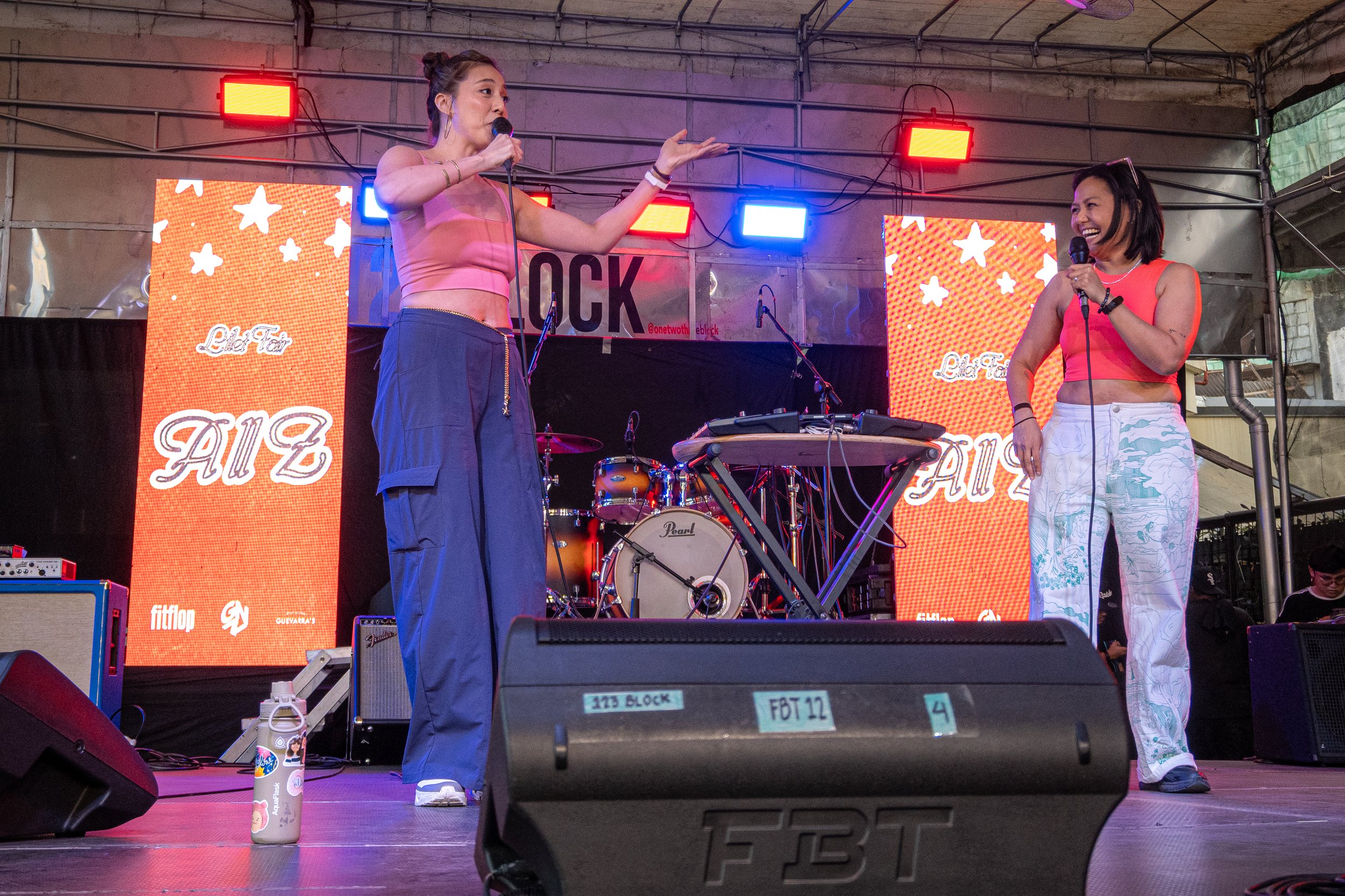
Elsewhere, improvisation altered the tempo, taking its cues in the moment. A II Z—Aryn Cristobal and Zsaris—let humor arrive at an angle drawn from everyday frets. What kept surfacing from the prompts on the side were the unseen forms of labor women carry: emotional work that never clocks in, practical tasks that vanish into the day, and all the rest that no one even bothers to name.
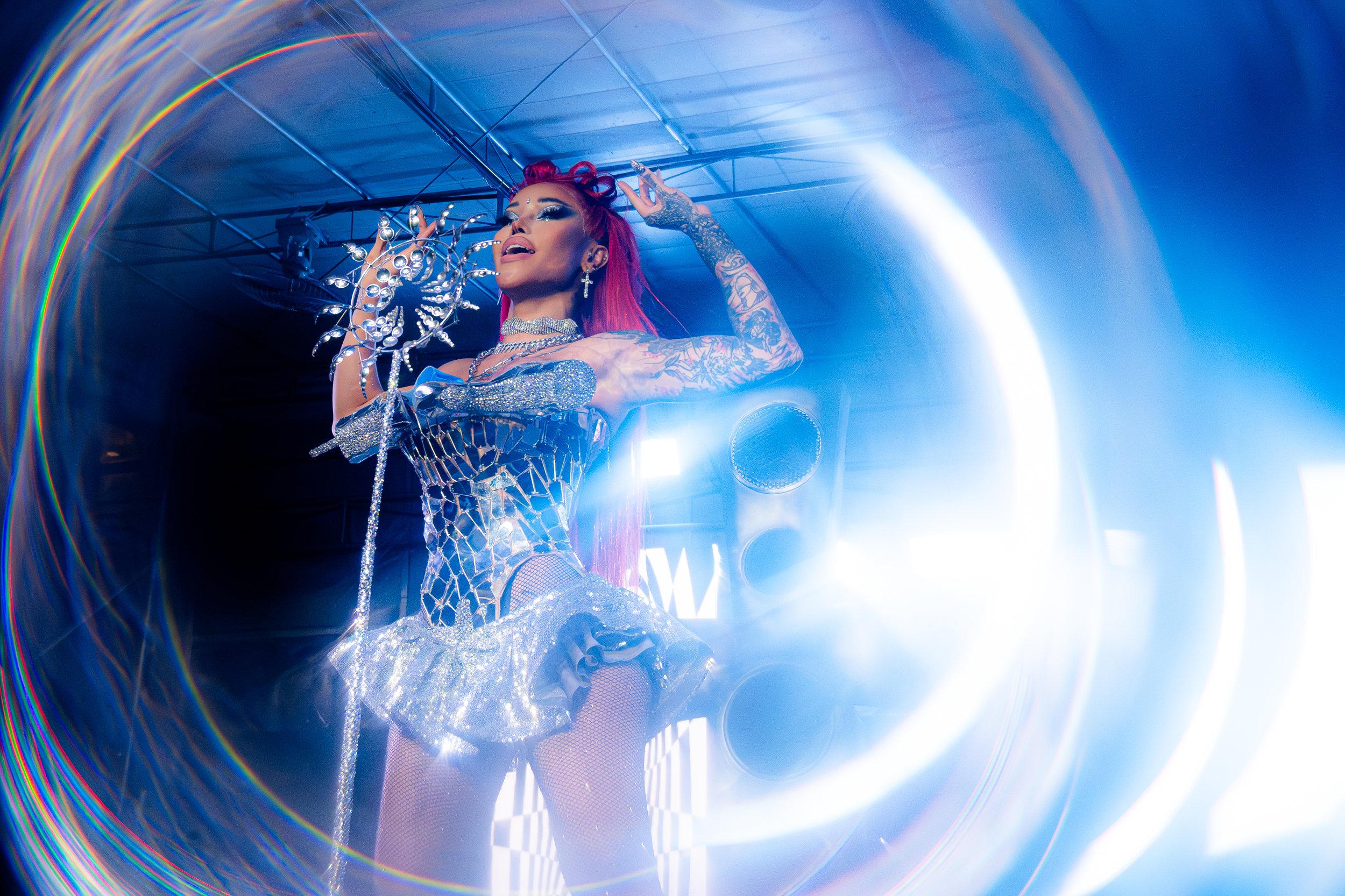
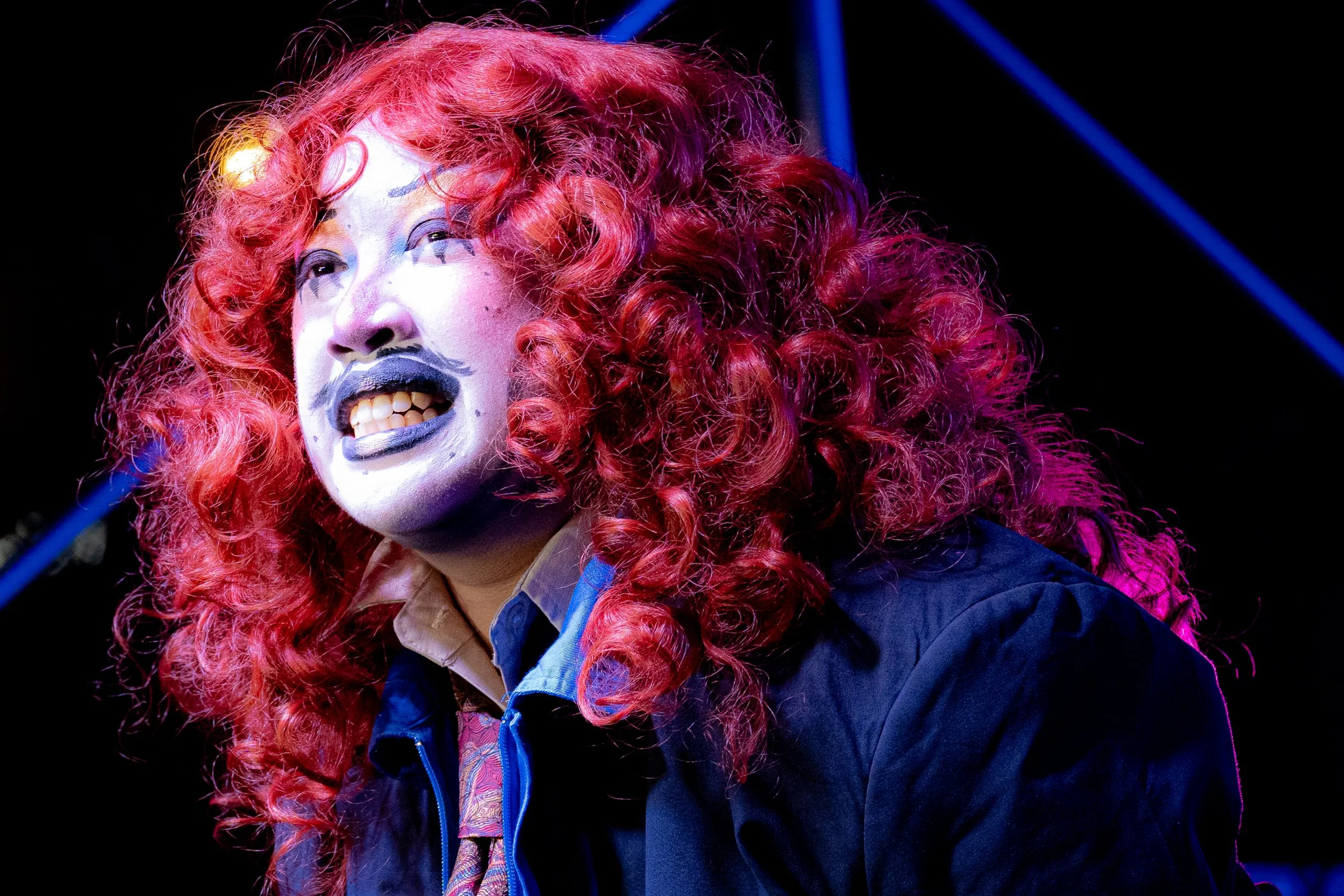
The drag sets by M1SS Jade So and Inah Demons recalibrated the room, treating femininity as something unshackled from prescriptions. So made trans presence palpable in every strut, while Demons wove the question of equal pay into movement, letting it land without ever saying a word. Across both, femininity revealed itself in practice: self-fashioned, grounded, and utterly undeniable.
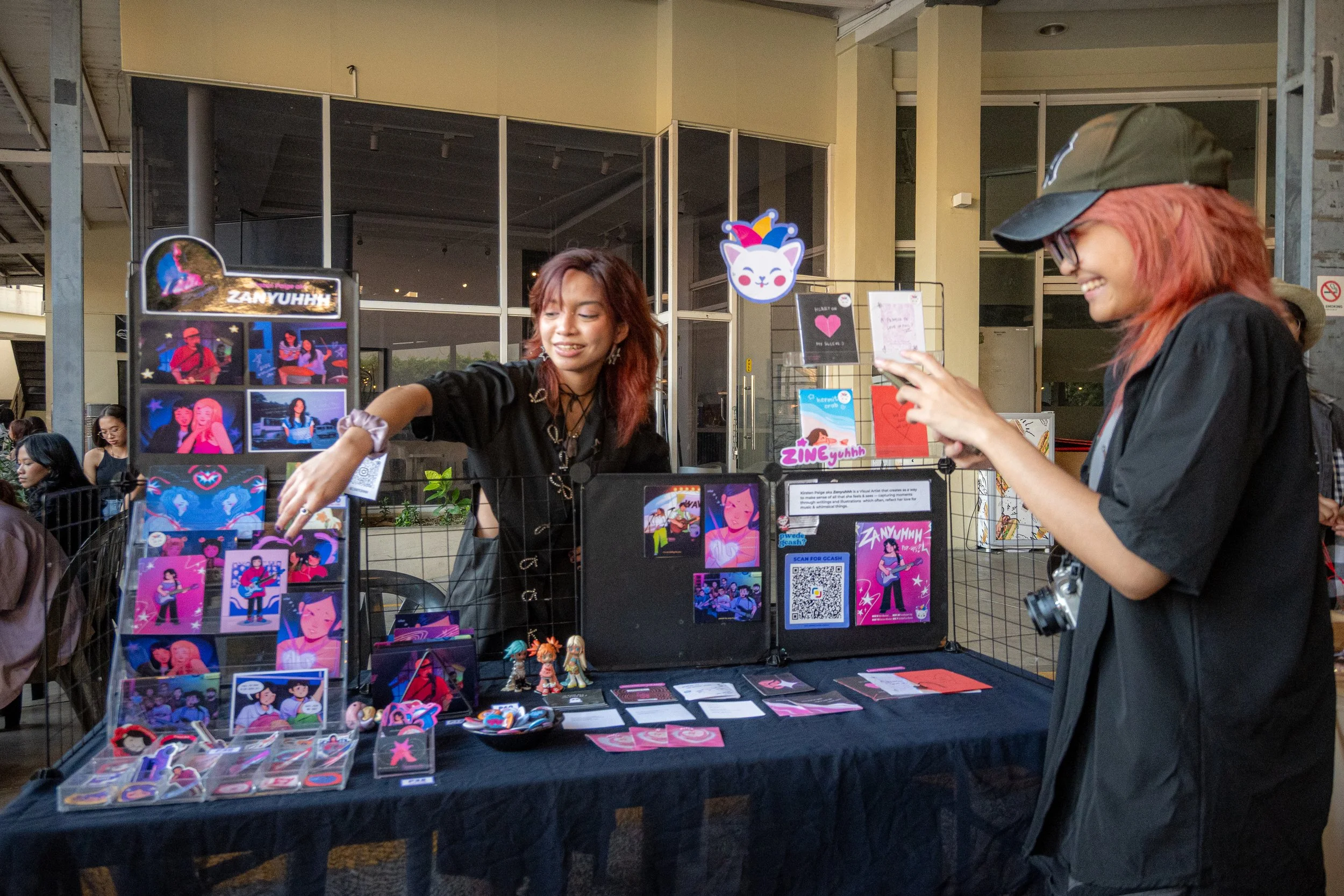
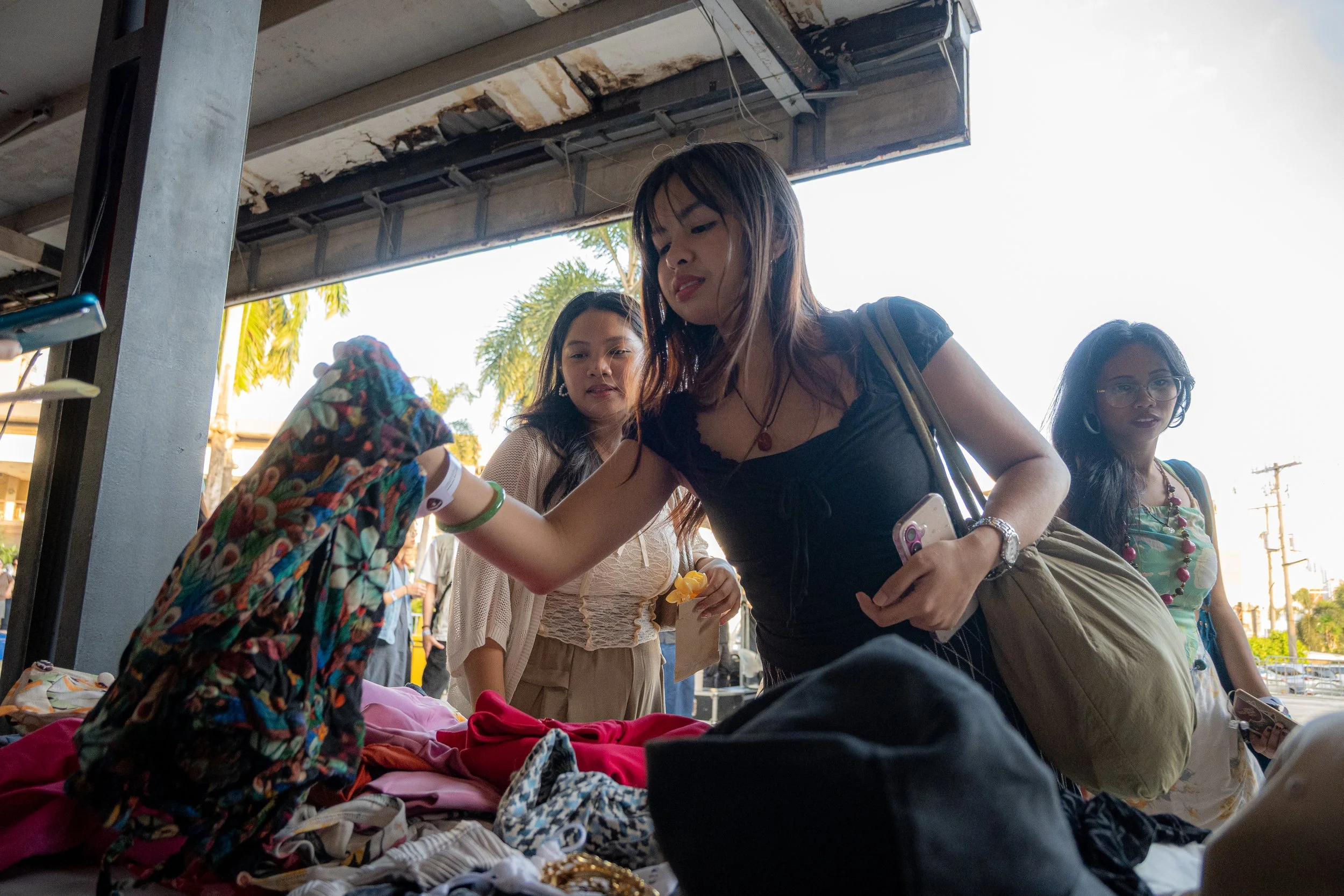
Beyond the stage, the fair extended into objects, where women’s presence showed up in the work itself. The market gathered pieces marked by time, use, and careful making. Putik Friends (ceramics, by Genavee Lazaro), Maan Simbajon Tattoo, Ukay ni Lilet (featuring pre-loved pieces from the artists themselves), Drafts Gift Shop (flowers, by Alexx Majam), and Filiferniana (by Fern Abalona) each held to a distinct hand and pace. Identity took form through process; authorship persisted in what was made, handled, and passed on.
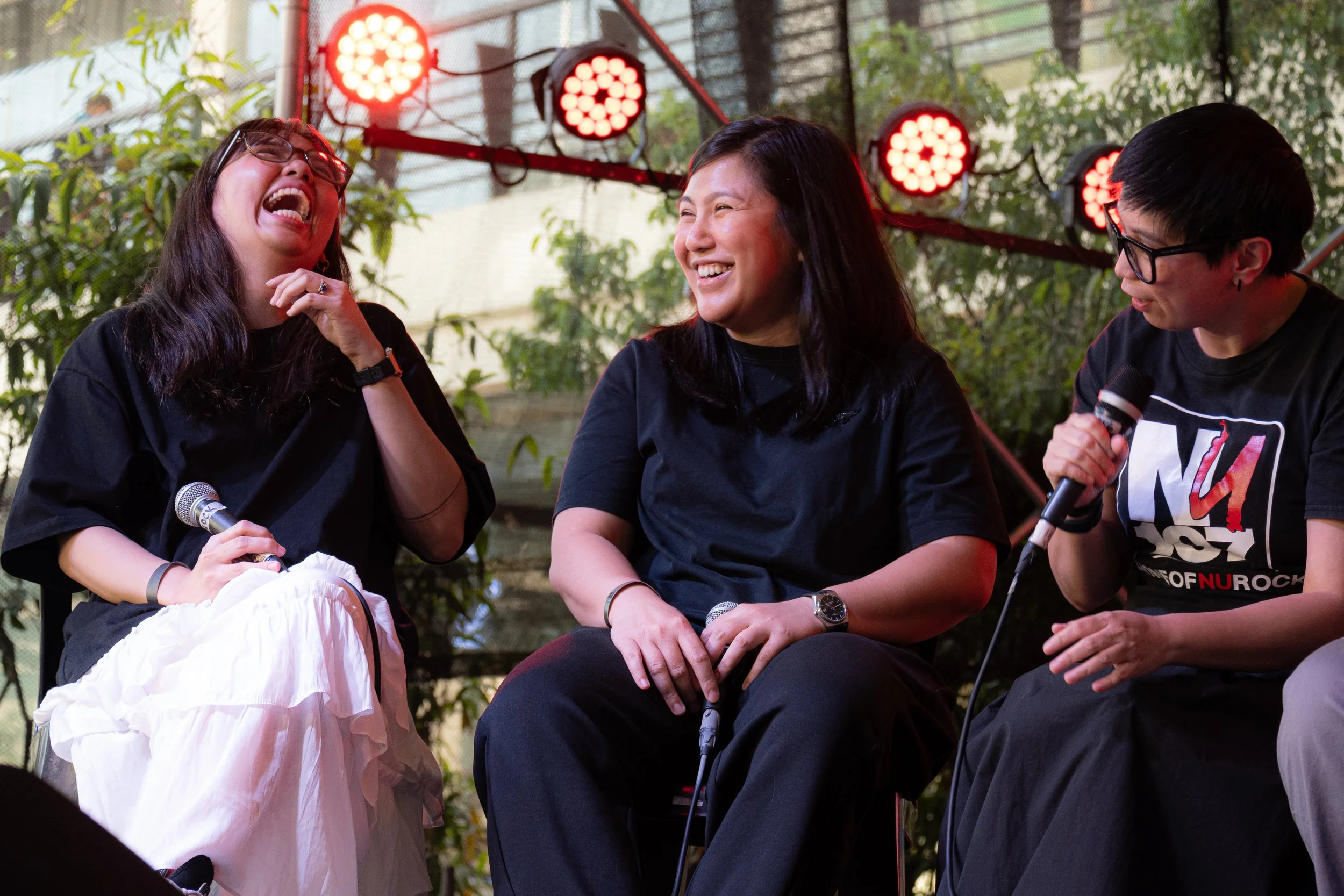
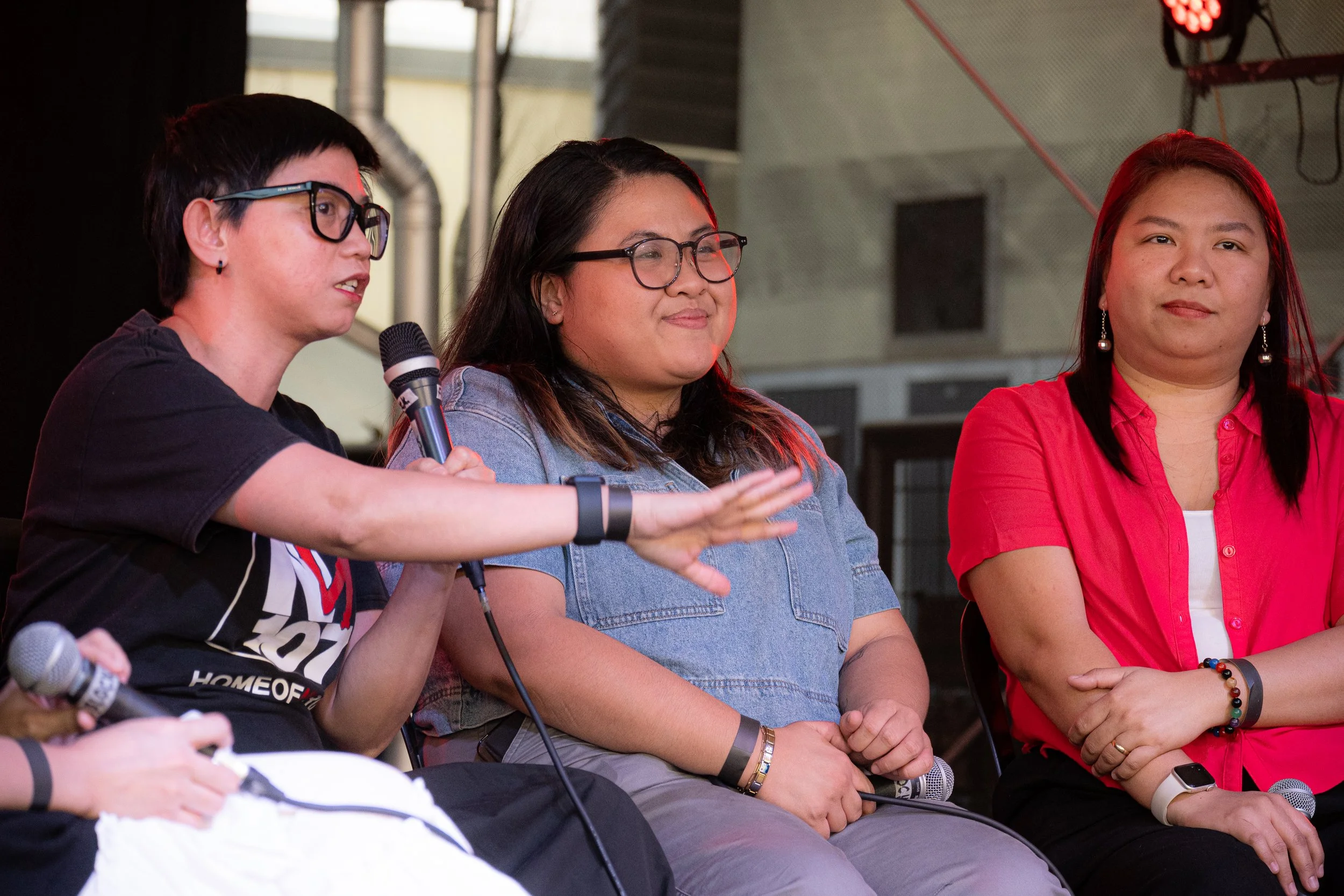
The panel, “She Means Business: Women Paving the Way in Music, Offstage,” brought these ideas into sharper focus, grounding them in lived experience rather than abstraction.
Among those in conversation were Alexx Esponga-Majam, who built Jess & Pat’s with Kloyd Majam into a music and arts hub; Bel Certeza, now bridging Filipino music through EMI Records Philippines; and Katrina Romero, whose leadership steered Over October’s growth on her own terms. Also with them were Kris Rocha, whose work keeps artists legible as people, and Ziera De Veyra, whose work in festival production, including Fête de la Musique PH, continues to carve spaces where artists and audiences meet, where respect is made routine.
Across these accounts, a clearer sense of womanhood came into view, though it resisted settling into any fixed form. It showed up in the way each moved through their work—formed by experience, adjusted in context, and held differently depending on what the moment required.
Rather than a single definition, it read as something lived and worked through, changing as it went and taking on meaning in the doing.
By the end of the day, Lilet Fair had made room for that range to pan out on its own beat. It did not alight as a claim that needed to be articulated; it was already there in the mix of people who came through and in the ways they asserted shared identities.
What remained was an openness that didn’t need spelling out—a space where different forms of womanhood could stand shoulder to shoulder, each holding its own ground. None asked to fit a mold or toe the line, for every woman sketched something larger than the sum of their parts, a resonance that stayed with you long after.