
Let’s Talk About Women
Let’s dissect every type of woman in Philippine society, from the reemergence of kikay and bebot and the debates over who truly embodies them, to the rebellious jeproks, colorful jologs, elegant Salcedo girlies, independent Tombitz, and the chaotic charm of jejemon and kakaibabe.
Words Gerie Marie Consolacion
Art by Ayame Tuazon
March 27, 2026

We can’t deny that women’s fashion remains undeniably compelling.
How we styled ourselves in the past can resurface in the present yet feel fresh, relevant, and entirely contemporary. What is remarkable is that these looks—whether in makeup, hairstyle, or dress—retain their charm without feeling dated.
Fashion, in this sense, is not simply clothing; it is cultural memory, identity, and self-expression rolled into one. It evokes nostalgia, but it also asserts authority over how a woman presents herself to the world.
Since the start of the year, social media has been flooded with the modern “bebot” and the modern “kikay.” These trends are visually striking and culturally resonant, yet they also spark debates about what we choose to call these women. How degrading is it to attach stigmatizing terms to fashion and cultural identity when not every woman fits the archetype?
These questions reveal a deeper tension: we celebrate women’s style while simultaneously policing it, assigning morality or worth based on aesthetic choices.
Back to the ’90s
Certain fashion styles and cultural moments took shape in the 1990s. Women were categorized into archetypes that reflected both their social class and their attitudes toward life.
The jeproks emerged first, a term derived from “project,” used to describe youth from middle-class neighborhoods in Quezon City who were often labeled spoiled or rebellious. This label was not limited to women; men could be jeproks as well. It reflected a desire for freedom, a playful defiance of societal expectations, and an embrace of individuality.
To be a Jeproks woman was not to be a gangster—it was to claim space, style, and voice as one’s own. As time progressed, another label emerged: the jologs. While jeproks embodied middle-class swagger, jologs were considered more “baduy,” or old-fashioned.
Jologs were colorful, vibrant, and unapologetically themselves, and no one symbolized this more than Jolina Magdangal, who popularized the term and even earned the nickname “Ang Babaeng Christmas Tree” for her bold mix of ’70s, ’80s, and ’90s fashion.
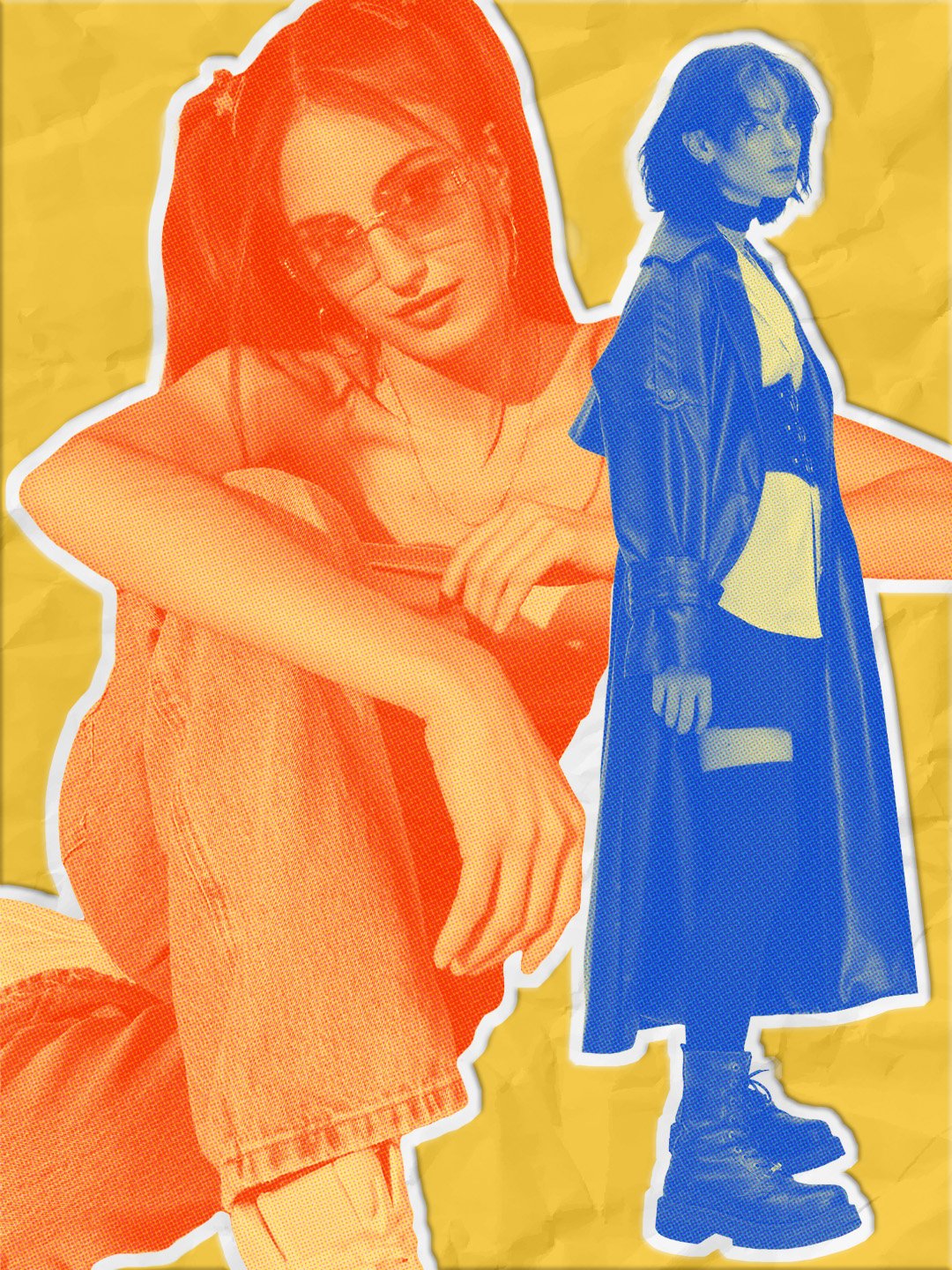
The distinction between jeproks and jologs was not merely aesthetic; it reflected class, culture, and the social codes embedded in fashion.
As the ’90s progressed, the emo subculture appeared, characterized by music, accessories, and attitude rather than a strict dress code. A Discman in hand, studded belts, black-lined eyes, and bonnets were all part of the look, but the defining feature was an aura of introspection and emotional intensity.
Labels like jeproks, jologs, and emo were privileges in their own way, signaling membership in a cultural moment and allowing Filipinas to assert themselves outside prescriptive social norms.
The Kikay, the Bebot, and the Japayuki
The bebot of today is a revival of bold, unapologetic femininity rooted in early 2000s Pinoy pop culture. She is confident, sultry, and fully aware of her presence—defined not just by smoky eyes, glossy lips, and voluminous hair, but by an energy that commands attention.
Once objectified or boxed in as “just sexy,” the term has been reclaimed to signify ownership of one’s allure and power. In 2026, being a bebot is not about fitting an image; it is about embodying confidence on one’s own terms.
On the other end of the spectrum is the kikay—playful, expressive, and joyfully feminine. Known for a love of makeup, accessories, and color, the kikay has evolved from a stereotype of being “too maarte” into a celebration of intentional self-expression. Maximalism, in a world that once demanded subtlety, demonstrates that softness, creativity, and joy in dressing up are forms of empowerment. The kikay is not performing for approval; she is performing for herself.
More complex is the japayuki, historically tied to Filipina entertainers in Japan and burdened with stigma. Yet in recent years, the term has been reframed as a story of survival, migration, and resilience. While still sensitive, its presence in modern discourse reflects a willingness to confront the layered realities of Filipina identity.
Together, Bebot, Kikay, and Japayuki form a spectrum of womanhood that is nuanced, dynamic, and powerful.
Are you a Jejemon or a Kakaibabe?
The resurgence of the jejemon is less about nostalgia than it is about reclaiming a form of expression that was heavily policed. Characterized by chaotic texting styles, intentional misspellings, alternating capitalization, and exaggerated lettering, jejemon culture was once dismissed as cringeworthy or “uncultured.”
That judgment was never neutral—it reflected class hierarchies and tastes that positioned certain ways of speaking, dressing, and presenting as inferior. Today, the jejemon represents refusal: a rejection of sanitized, algorithm-friendly identities.
Alongside this is the kakaibabe, rooted in being kakaiba—unique, different, and playful. She stands out not through excess but through ease, confidence, and a rejection of high-maintenance femininity. Gaming, rap, or other nontraditional hobbies are not performances; they are extensions of her identity.

Where the kakaibabe disrupts through simplicity, jejemon disrupts through chaos. Together, they challenge narrow definitions and assert that Filipina identity is to be claimed, not corrected.
Defining a Salcedo Girlie, Tita from the South, and the Tombitz
Time passes, and archetypes evolve, often tied to geography.
The Salcedo girlie thrives on weekends in Salcedo Village. Airy sundresses, neutral separates, ballerina flats or retro Sambas, coffee in hand, and a small bouquet from the market capture an effortless, stylish city-girl aesthetic. Her routine—strolling tree-lined streets, enjoying cafés, and visiting the weekend market—translates into social media currency, a visual shorthand for leisure and taste.
The Tita of the South embodies suburban Manila affluence: polished outfits, designer bags, and carefully choreographed routines around school runs and coffee dates for children in private Catholic schools. Every gesture signals wealth, influence, and control, blending family management with a deliberate assertion of social status.
The Tombitz or Shibamz—Gen Z tomboys or lesbians—carry grit and defiance in their style and persona. These women challenge traditional femininity while asserting queer visibility. Their identity is not merely aesthetic; it is a deliberate act of independence and self-possession.
How do you Categorize a Woman?
Netizens have attempted to label women across these archetypes, yet the exercise is inherently flawed. Some women self-identify as a Salcedo girlie, only to face pushback for supposedly not “fitting” the mold.
Why should anyone dictate how a woman is categorized, or worse, determine her worth based on style, geography, or behavior? Labels should never excuse harassment, disrespect, or objectification. Women who navigate these archetypes—whether under the shadow of stigma or the glow of privilege—still carry themselves with intelligence, resilience, and dignity.
Fashion can carry cultural memory, signal class, or articulate identity, but it can never justify degradation. Women, regardless of style or stereotype, demand respect. The conversation around labels, archetypes, and aesthetics is not about policing identity; it is about recognizing it, understanding it, and valuing it.
In the end, identity is claimed, not corrected—and style is only the surface of something far deeper.
Let’s Talk About Women
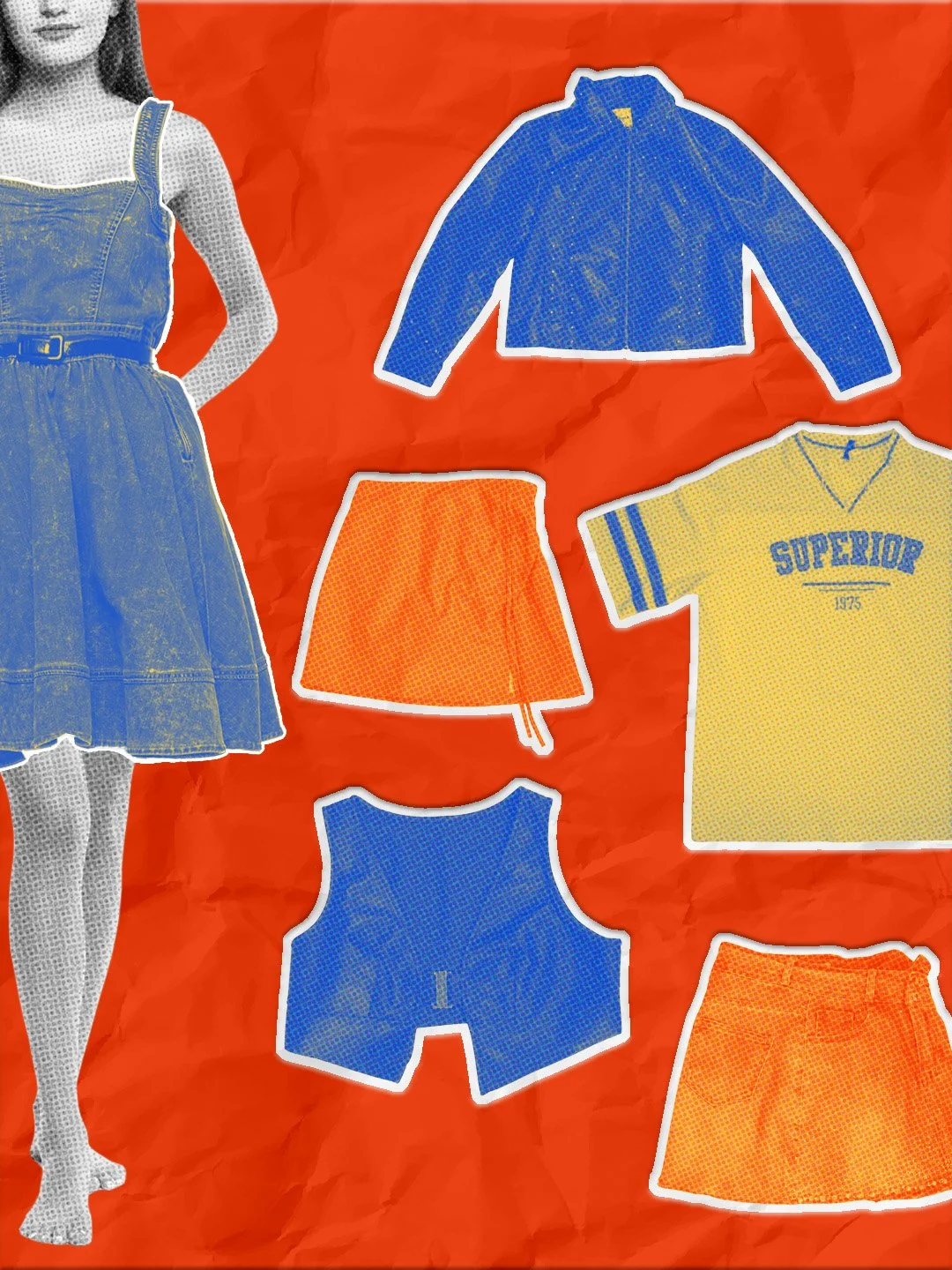
Ultimately, these archetypes—bebot, kikay, japayuki, jejemon, kakaibabe, Salcedo girlie, Tita of the South, Tombitz—are not cages but mirrors.
They reflect society’s obsession with categorization, our impulse to judge, and the ways culture, class, and geography shape perception. Behind every label is a woman exercising choice, asserting identity, and navigating her own story. To reduce her to a stereotype is to miss the nuance, resilience, and creativity that define her presence.
Fashion, style, and self-expression are acts of autonomy—but autonomy is often tested in the real world. Recent events remind us that no amount of style or status can shield women from unwanted attention or harassment.
The lesson is clear: admiration or commentary should never cross into violation.
Identity is claimed, and respect must follow. Women assert themselves through clothes, attitude, and presence, and society has no right to strip them of dignity, no matter who they are or what archetype they fit. In that assertion lies not just fashion or identity, but power–and it is nonnegotiable.
So let’s talk about women—and stop pretending anyone has the authority to police their style, their voice, or their lives.