
Kontrabida Academy on How To Stop Pleasing Everyone
Taking cues from Kontrabida Academy, it reveals the beauty and art of fighting back, challenging our ingrained habit of being people pleasers.
Words Gerie Marie Consolacion
Photo courtesy of K-Waves and Beyond, Juliene Loreto
October 1, 2025

Kontrabida Academy isn’t just a satirical flick—it’s a curriculum.
Starting with Gigi, played by Barbie Forteza, as the classic eldest daughter archetype. She’s got a steady relationship, 7 years no ring, a paycheck-to-paycheck job, and a never-ending list of bills—hers, her family’s, her mom’s, even her siblings’ needs.
And like many of us, she’s mastered the art of smiling through exhaustion and saying yes when she desperately wants to say no.
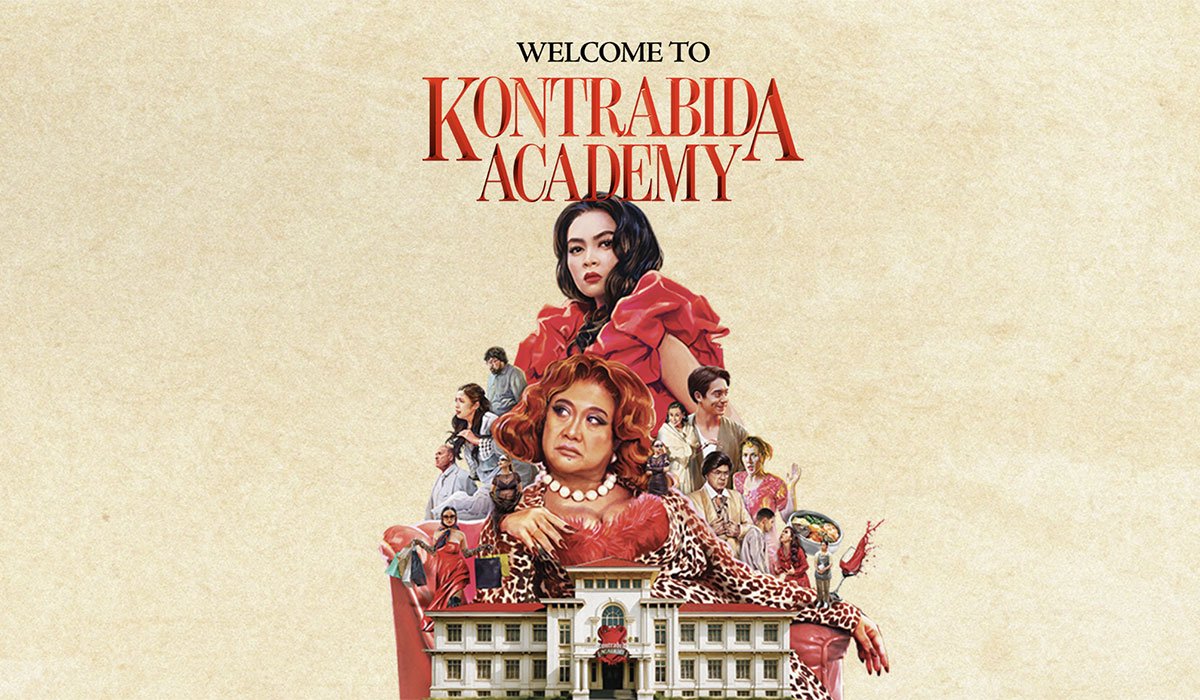
But what happens when Miss Always-Yes bumps into the Summa Cum Laude of Interdisciplinary Bullying, Major in Diva Behavioral Science, Minor in Paninirang Puri?
Brace yourselves because this isn’t just the traditional bida meets kontrabida, it’s a slap, a hair-pull, and a red-wine splash waiting to happen.
Gigi: Not a diva
Imagine you’re a degree holder, but the world still wipes its muddy feet on you like you’re the household doormat. You’ve worked half your life chasing a dream, only for your savings to vanish with one deadly line—“Pahiram muna, ibabalik ko na lang.” Spoiler alert: it doesn't come back.
By title, you’re not “just a cashier,” you’re an Assistant Manager. But in reality, you’re the HR, the accountant, the janitor, and even the company mascot—rolled into one, for the salary of less than half. And when your boss bats his puppy eyes and pleads, “Gigi, sige na, mag-OT ka lang ngayong gabi,” what do you do? You say yes, faster than a bida’s tears rolling down her cheek.
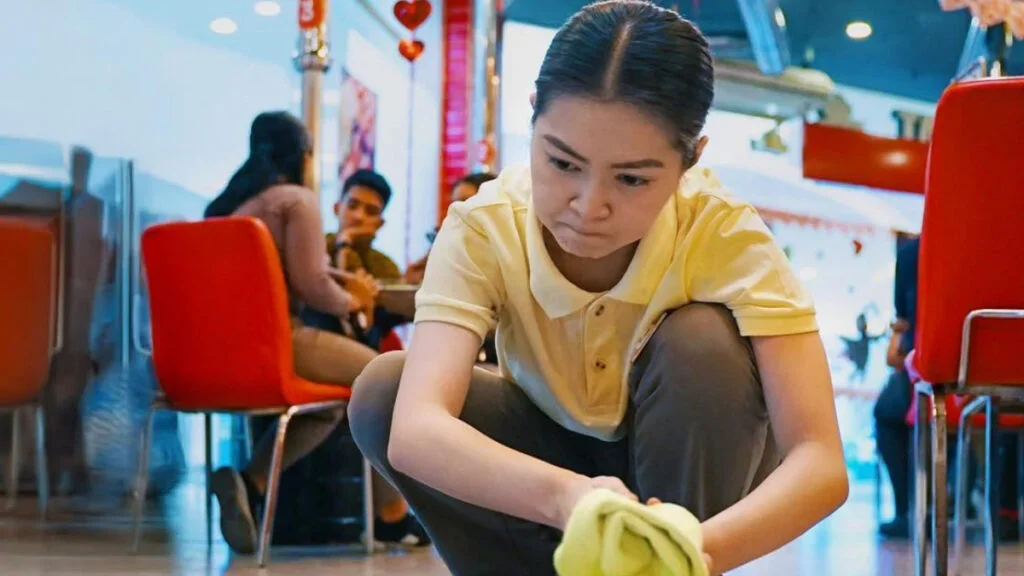
Then comes your so-called reward: your man, on his motorcycle, whisking you away after a back-breaking shift. You pray for dinner under fluorescent lights of Jollibee or even a sizzling plate at Mang Inasal. But no, darling—it’s paresan and lugawan again. Seven years, same menu, same fake smile. Because, of course, you say you “love it.”
Sounds tragic, because Gigi lives like this every day. She's the Ate of sacrifice, the queen of settling, forever branded as the “good girl.” And the truth is, many of us are Gigi. Always pleasing, always adjusting, always swallowing what we really feel.
And then, slow clap, camera zoom-in—introducing, Mauricia
From Gigi to Gia
Maybe you’re wondering—who’s Gia?
That’s where Mauricia enters, played by the incomparable Eugene Domingo. She isn’t your fairy godmother armed with magic wands or fat bank accounts. She’s far better—your fairy god-kontrabida. Mauricia doesn’t pamper Gigi with handouts or dangle shiny corporate titles. Instead, she offers her something far more radical: enrollment.
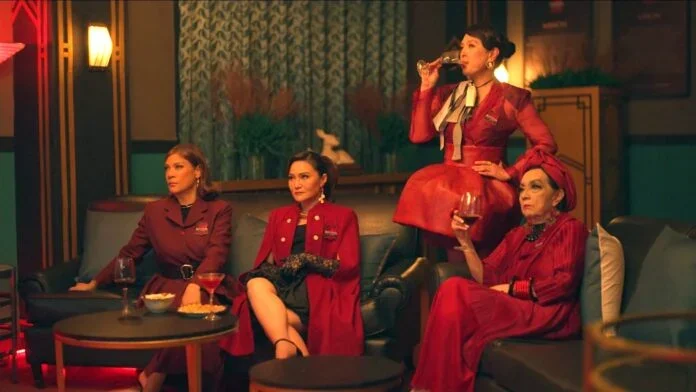
But not in the Big 4, not in the schools parading at UAAP, not even in the dream universities that fill family reunions with endless humble brags. Mauricia signs Gigi up for something extraordinary: Kontrabida Academy—an institution where the syllabus isn’t about turning the other cheek but learning how to hold your ground. Here, the guiding principle is not “be kind,” but “be right.”
Yet before classes begin, there is one ceremonial rite: a renaming. Because in the grand universe of Filipino melodrama, no kontrabida worth their eyeliner is ever called “Gigi.” True icons carry names that slice through the screen like a wine glass flying across a dining table—Lavinia, Clara, Daniela, Valentina. Names with endings that sting, names that demand presence.
And so, Gigi is reborn. No longer the people-pleaser, no longer the pushover eldest daughter. She steps into her new identity as Gia.
Kontrabida Academy Classes
The Kontrabida Academy offers six core classes that every people-pleaser should be warned about. Think of it as the anti-Big 4 curriculum—designed not for honor students, but for survivors tired of saying yes.
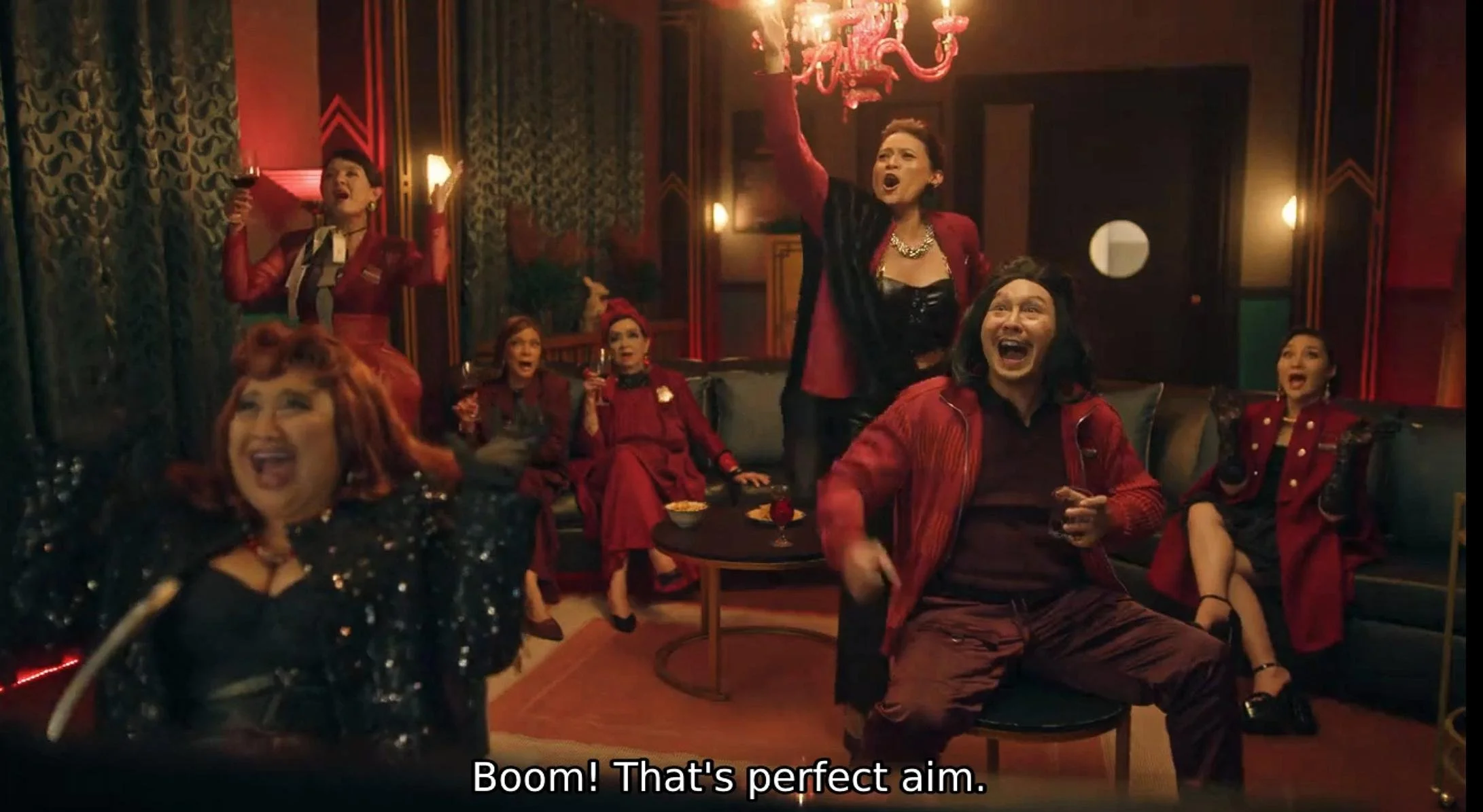
First, there’s Physical Education with Baron Geisler, specializing in torment, life aggravation, and the subtle yet deadly art of scalp domination. For those who prefer words over weapons, Dimples Romana teaches Verbal Sparring, a masterclass in kutyaan communication, inheritance sabotage, and boardroom manipulation.
If you’re looking to perfect your screen presence, Rez Cortez offers Facial Expressions 101—complete with evil laughter drills and dramatic entrance choreography. Meanwhile, Odette Khan handles Principles of Slapping, where students learn precision, impact, and facial spot calculation—because in kontrabida culture, every slap is both science and art.
For those inclined to aesthetics, Jean Garcia leads Arts, with modules on intimidating lewks, true-color palettes, and sungay unleashery. Language lovers? Pinky Amador handles the Manipulation Masterclass, covering pity tactics, strategic scheming, and the fine print of scamming.
Of course, no academy is complete without general education. Gladys Reyes teaches Math, grounded in her immortal philosophy: “Math is all about exacting calculated vengeance.” Celia Rodriguez reigns over History, reminding her students, “Hanapin niyo ang kahinaan at baho ng inyong target. The more scandalous it is, the better!”
And for the final touch, Mylene Dizon brings Chemistry, with her classic maxim: “In this class, ituturo ko kung anong inumin ang dapat niyong isaboy sa katawan ng bida—for minimum effort and maximum effect.”
And honorable mention to the founder of this academy, the La Primera Contravida of the Philippine teleserye, Ms. Cherie Gil.
And Gia? She excelled in every class—not just with A+ grades, but with newfound power. No longer the martyr eldest daughter, she used her kontrabida training to fight back, reclaiming her dignity, and finally walking without eggshells cracking beneath her feet.
Villain is her new middle name
After all the classes, Gia finally put her kontrabida knowledge into action.

She started at work, facing harassment from a boss who abused his position for personal gain. Armed with lessons in History, Verbal Sparring, Facial Expressions, and Arts, Gia turned the tables, ousting him from power and claiming her rightful spot as branch manager.

Next came her longtime boyfriend, who turned out to be unfaithful. With techniques honed under Baron Geisler, Gladys Reyes, Mylene Dizon, and Odette Khan, Gia delivered the ultimate payback. The result? Her cheating ex went from betrayer to beggar, chasing after the woman who no longer had time for his excuses.
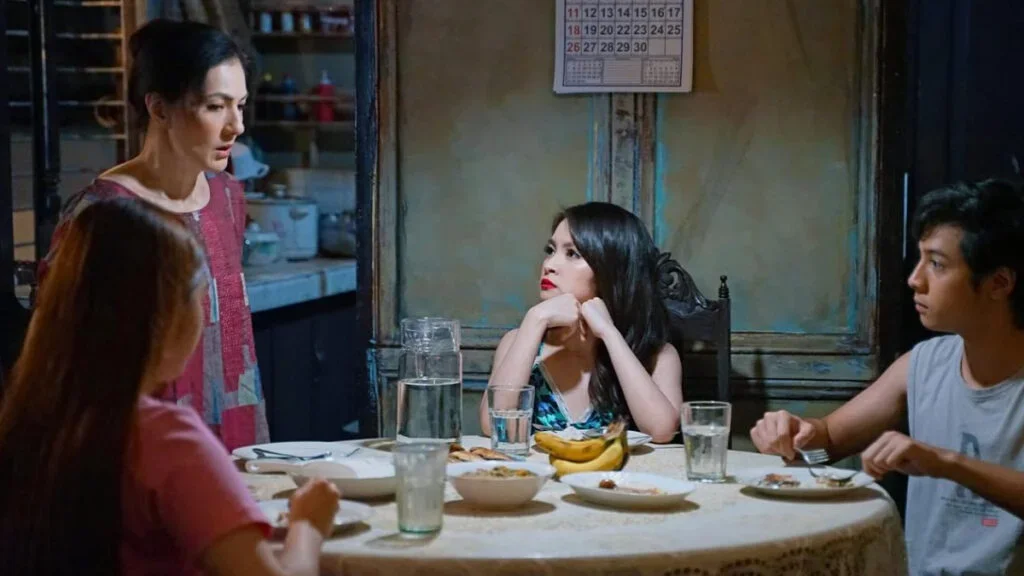
But her final and hardest battle wasn’t against a boss or a boyfriend. It was against her own family, especially her mother. Here, Gia wielded every skill she had learned—not to destroy, but to heal. She fought not out of spite, but out of love: teaching her mother to break free from addictions and to see how her choices harmed not only herself, but also her children.
And so, the Kontrabida Academy welcomed its newest success story. Not just a villain was born, but a woman who finally understood that sometimes, the fiercest act of love is refusing to say yes.
Not all villains are bad
In every storyline, the villain always ends up alone—not because they are cruel or heartless, but because that is how they’re written. They’re branded selfish simply for choosing themselves, for daring to draw a line.
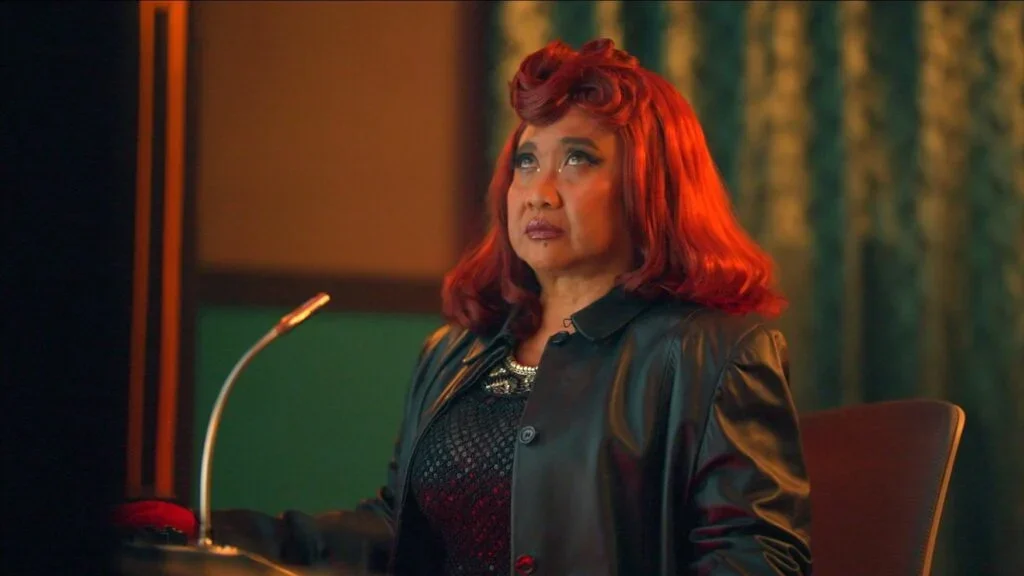
So if protecting your boundaries makes you a kontrabida, then wear the title proudly. Stop chasing the role of the “good girl” or the applause of others because people-pleasing is not kindness, it’s self-erasure.
Instead, choose respect. Respect yourself enough to say no when you mean no. Because when you honor your own boundaries, you teach the world to honor them, too.
Beneath all the camp and teleserye theatrics, Kontrabida Academy delivers something sobering: a mirror held up to Filipino culture, where being the “good child,” the “hardworking employee,” or the “understanding partner” often means shrinking ourselves, saying yes when we want to scream no, and settling for less than what we truly deserve.
It reminds us that people-pleasing, though celebrated as kindness, can also become our quiet undoing. The film doesn’t just train Gigi into Gia—it trains us, the audience, to rethink the value of our own sacrifices. Because maybe the real kontrabida isn’t the one who fights back, but the culture that taught us to stay silent in the first place.
And sometimes, to survive in a world that asks too much, you have to stop pleasing and start fighting back.