Indigenous Futures
Look how these indigenous creators reimagine their own artistic futures, not as extensions of colonial narratives, but from their own cultural worldviews.
Words Randolf Maala-Resueño
Photo courtesy of Salima Saway Agra-an, Irene Bawer-Bimuyag, Kizel Cotiw-an, Evelynda Otong-Hamja, Christopher Atiwon, Bundos Bansil Fara, Iraya- Mangyan Art
October 23, 2025
October calls for cultural catalysts as we celebrate National Indigenous Peoples Month. While art evolves differently across diasporas, Filipino indigenous communities celebrate artistic narrative sovereignty by pushing self-representation through their roots.
Indigenous peoples (IP) treat art as a historical manifesto of their traditions and identities, while balancing innovation in the digital age. And by doing so, this creates a community of well-rounded creatives that bolsters the footprint of artistic futures—a diverse group of individuals that wields art as an ancestral duty.
Let us undertake an introspection on how these IP creators strive towards re-storifying indigenous sovereignty over colonial representation.
Salima Saway Agra-an (Talaandig / Bukidnon)
Salima Saway Agra-an, daughter of former Talaandig leader Datu Kinulintang, embodies her name’s meaning, alima or “hands,” symbolizing care.
Courtesy of KULARTS
In her “Cultural Fragility” series in 2024, diptychs tinted from ochre-riche Bukidnon soil adorn Salima’s canvas, layering Talaandig chants, myths, and laws to honor ancestral wisdom, reminding viewers of the sacred link between land, culture, and spirit.
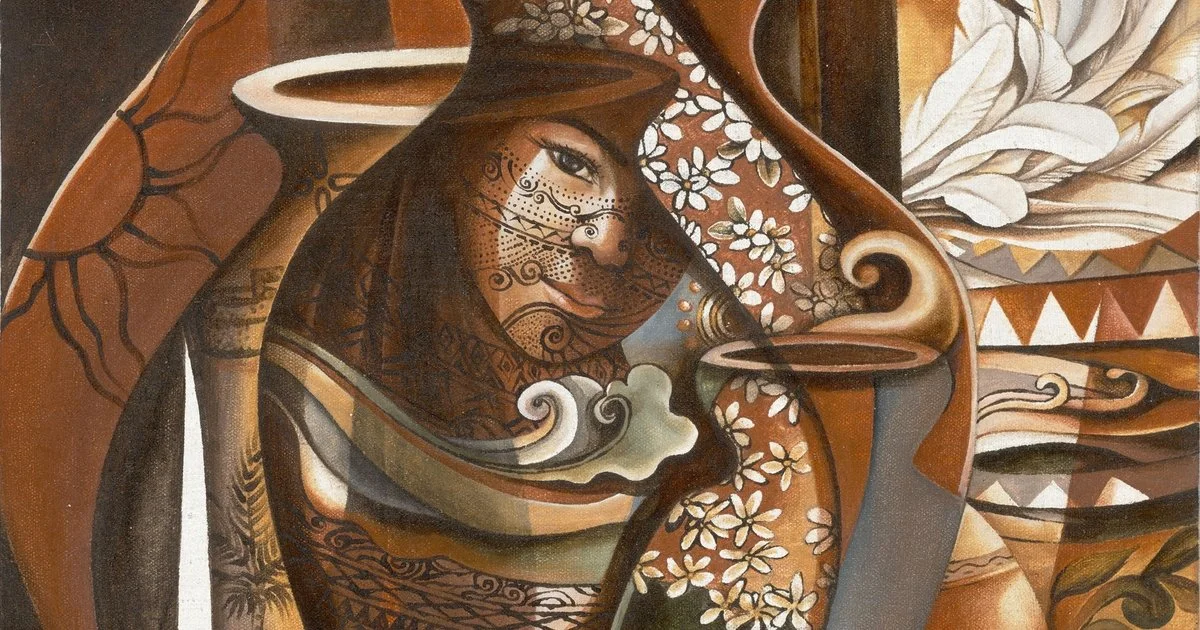
Bungkatol Ha Bulawan (Golden jar) 2024, Courtesy of QAGOMA
“It’s the characteristic of soil to be stepped on, to be dirtied. The earth carries all the weight, but it continues to nurture and give life. Without the earth to connect to, we will just be floating aimlessly. The earth is humble yet life-giving. All of us step on it, yet all of us are able to stand up because of it,” Salima notes in an interview during the 11th Asia Pacific Triennial of Contemporary Art.
Irene Bawer-Bimuyag (Kalinga)

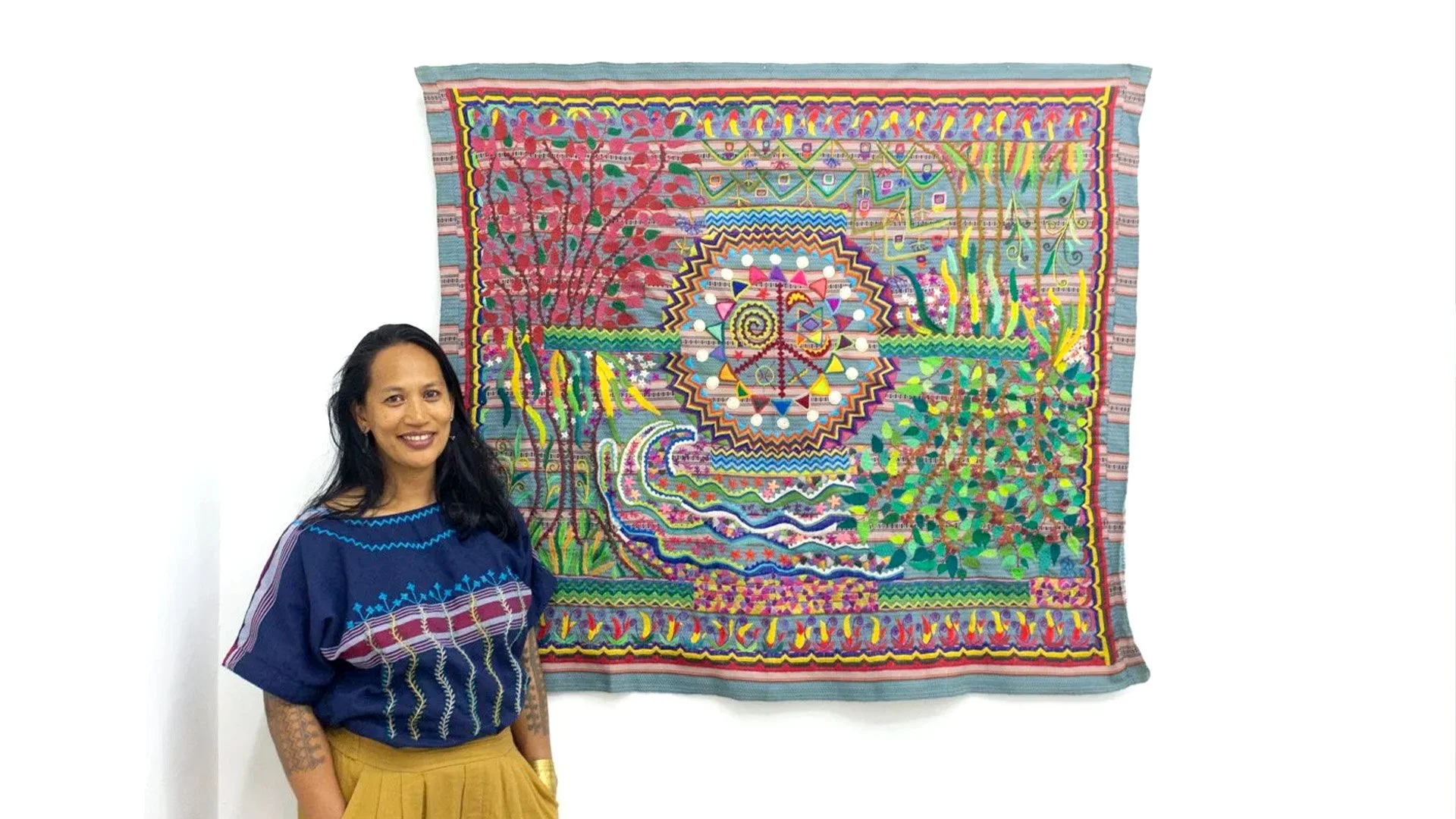
Courtesy of MONO8 GALLERY
Threading heritage and innovation, master weaver Irene Bawe-Bimuyag of Mabilong, Kalinga blends geometric precision with organic rhythm in her textiles, reinterpreting sacred motifs like embroidering tattoo patterns onto blankets to explore identity, memory, and belonging.
Her work bridges ritual and livelihood, tradition and evolution, embodying the Kalinga spirit into contemporary indigenous imagination.
Kizel Cotiw-an (Igorot, Kankana-ey tribe / Buguias, Benguet)
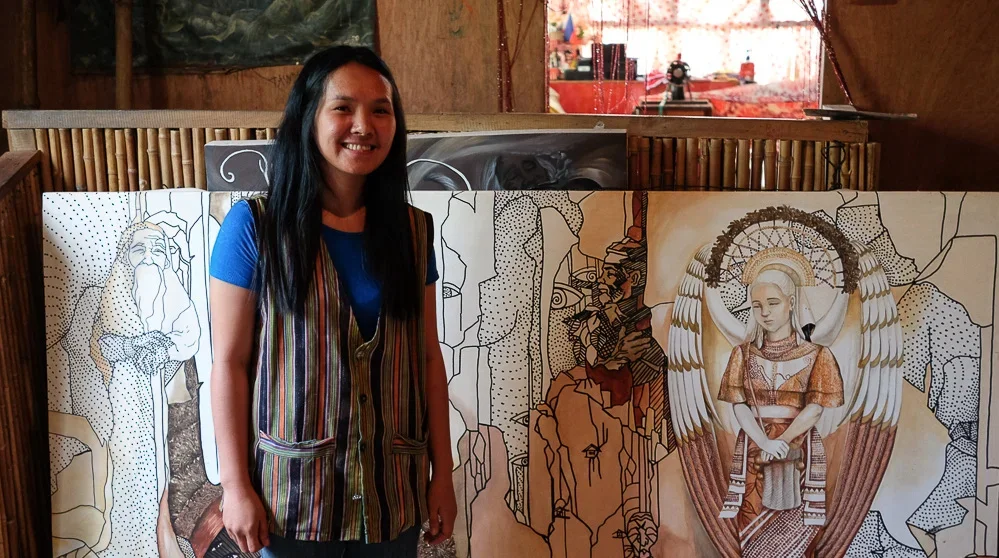
Kizel Cotiw-an, an Igorot artist and now an attorney, too, from Benguet, paints the magic of her mountain childhood–days spent chasing insects, gathering tea, and catching tadpoles–into whimsical, colorful worlds.
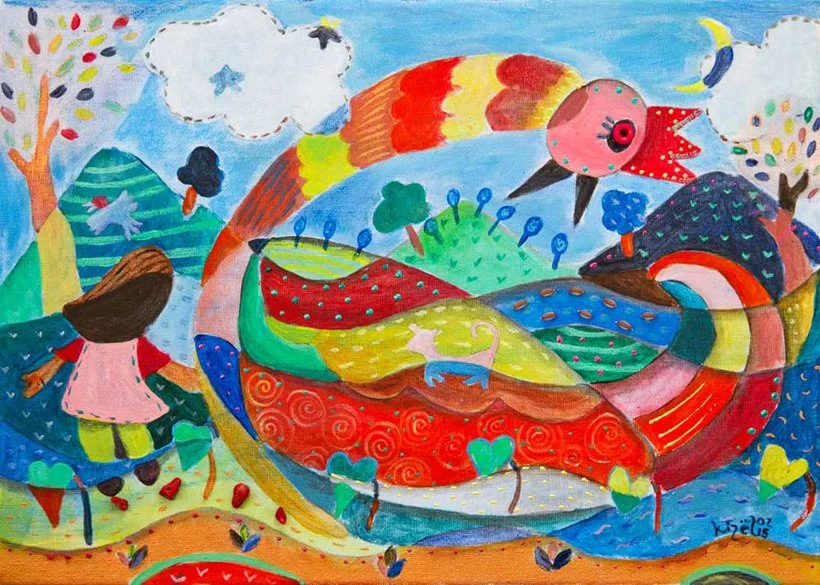
Mornings in Buguias, Acrylic on canvas, 2015
Using acrylics, she celebrates nature and the spirits that dwell within it, reflecting the beauty and vitality of Igorot culture.
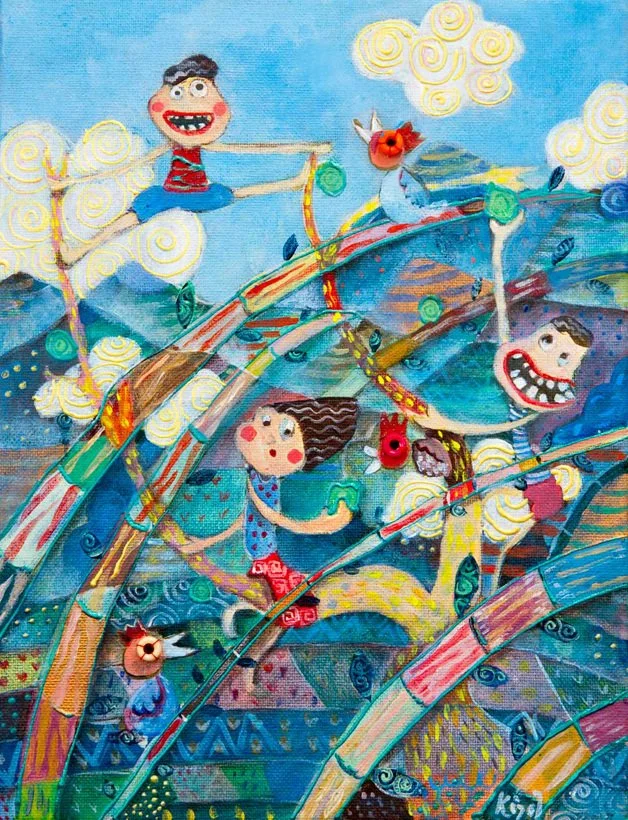
Climbing the Guava Tree, Mixed media on canvas, 2015
Inspired by Pacita Abad and Aboriginal artists, her works, like “Little Girl Catching Tadpoles” and “The Water Spirit,” have graced the Euro-Pinoy Arts Exhibition, affirming her vision to illustrate stories that root imagination in the Cordilleras.
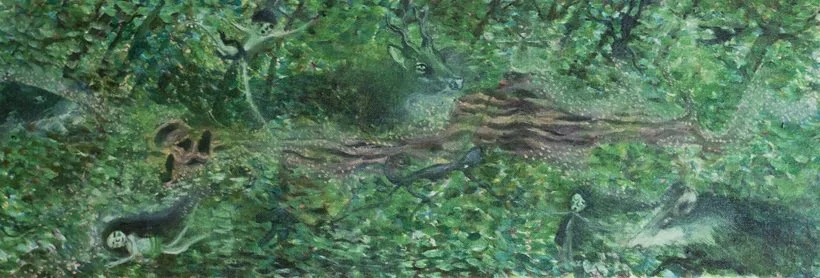
Death of a Tree, Acrylic on canvas, 2016
Evelynda Otong-Hamja (Yakan / Zamboanga City)
Taught to weave at seven, this fourth-generation Yakan weaver from Zamboanga City works with her cousins in the Tuwas Yakan Weavers of Basilan to sustain their ancestral craft to uphold the integrity of traditional backstrap loom weaving.
Beyond the craft, Evelynda weaves continuity and pride, inspiring her community to preserve Yakan artistry for generations to bear witness to its complex roots that predate the Yakan threads.
Christopher Atiwon ( Igorot / Hapao, Ifugao)
Christopher Atiwon, a Baguio-based artist rooted in the highlands of Hapao, Ifugao, transforms wood into timeless poetry.
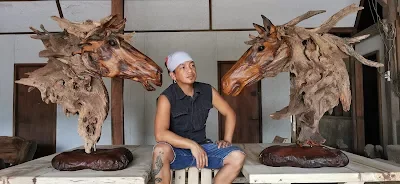
Courtesy of WOW Cordillera - Christopher Atiwon
Drawing from the ancient “kititkit” carving tradition, he works with diverse woods, each grain, texture, and imperfection meticulously honored. His sculptures echo the grace of classical mastery while being deeply grounded in indigenous artistry.
Celebrated as one of the country’s finest wood carvers, Atiwon’s creations embody the soul of Ifugao heritage, elevating woodcraft into fine art and inspiring a new generation to carve their own cultural legacy.
Bundos Bansil Fara (T’boli / Lake Sebu, South Cotabato)
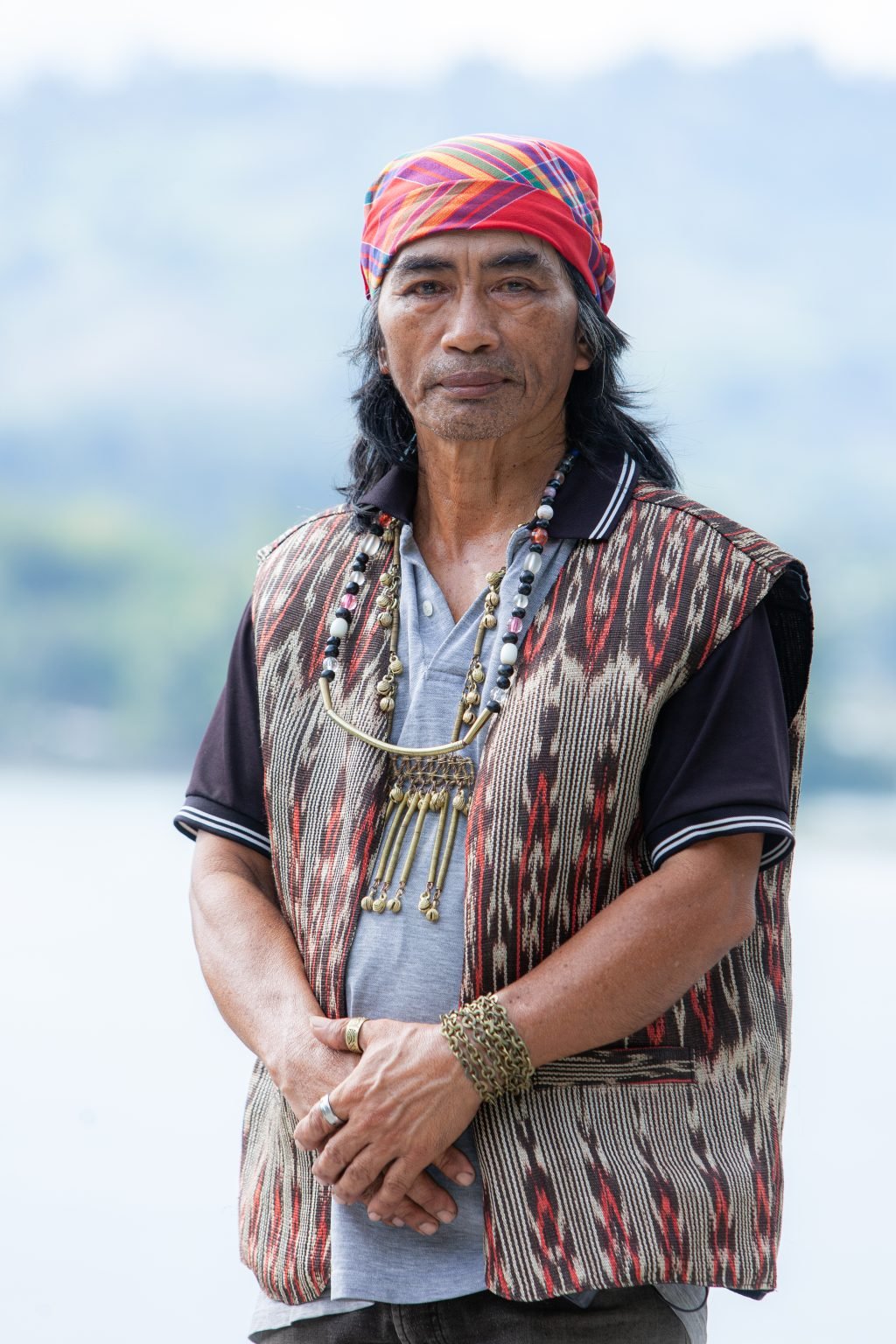
Courtesy of the NCCA
Bundos Fara, a recognized National Living Treasure for his mastery of Temwel or brass casting, channels Ginton, the T’boli deity of metalwork, in every creation.
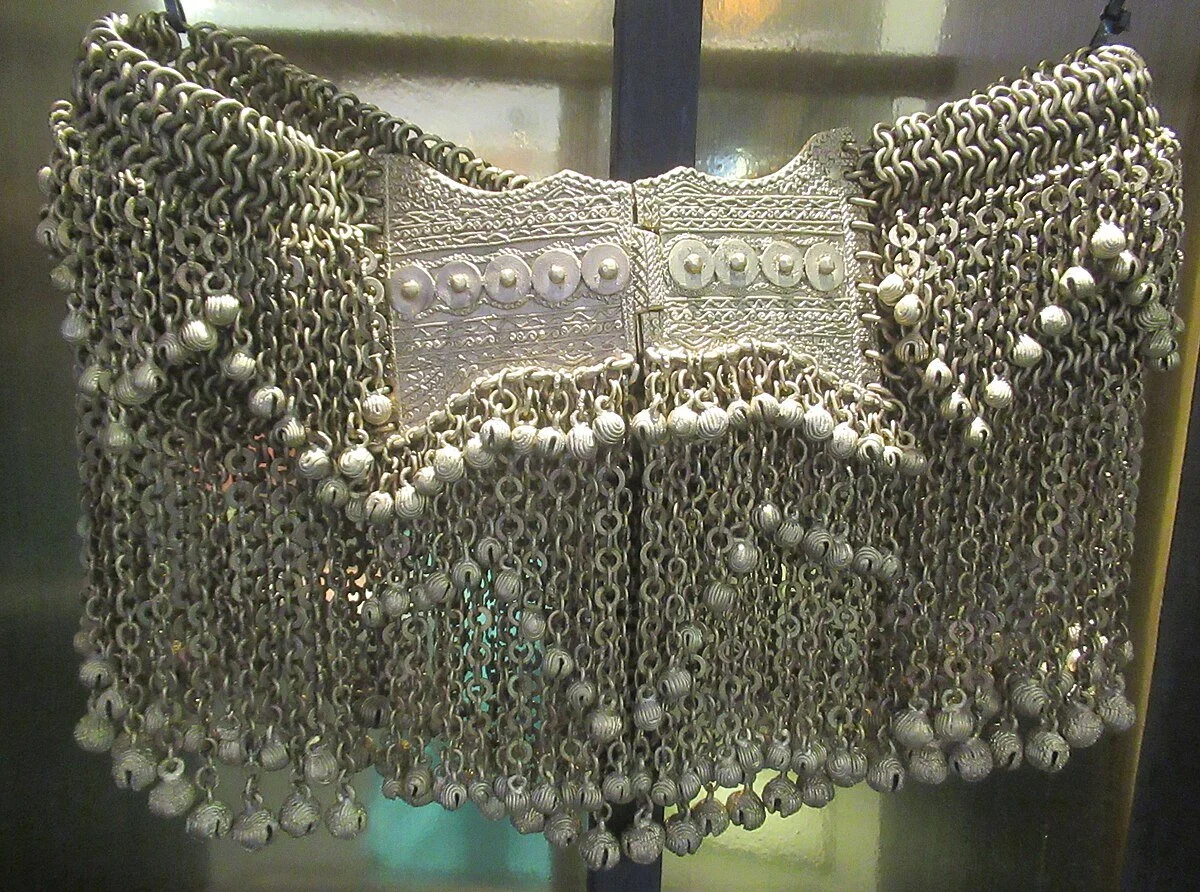
Lost wax brass casting hilet belt temwel
Revered for transmigrating tradition with modernity, his metalworks include ancestral designs and contemporary masterpieces. Beyond his artistry, Bundos mentors young T’boli craftmakers, ensuring that the sacred flame of Temwel endures, gleaming through generations.
Iraya-Mangyan Art (Mangyan communities / Mindoro)
Iraya-Mangyan Art stands as a living gallery of indigenous expression, where craftsmanship becomes storytelling. Each handwoven textile, beaded ornament, and carved piece reflects the Iraya-Mangyan’s deep connection to nature, memory, and ritual.
Since 1989, the Iraya-Mangyan Integrated Community Development Program in Puerto Galera has supported education, livelihood, and health for the community. A key initiative helps Iraya artisans preserve their tradition of weaving beautiful nito pieces, expanding their craft to new forms and markets.
Through traditional techniques passed down for generations, each handcrafted work embodies creativity, resilience, and cultural continuity, transforming heritage into art that thrives beyond its roots.
Rooted in ancestral wisdom yet alive in contemporary practice, their work transforms heritage into art, preserving culture not in museums, but in the hands that still create.
An ancestral continuity
Crafting out of necessity does not equate to financial stability for these artists. It is their enduring call for their indigency, both communal and for themselves, as what was once just an artistic visage has now firmly become an ancestral continuity.
For Salima, the same earth that stained her fingers now breathes on her pieces—a memory reborn, not preserved. Irene and Evelynda now loom the ever-recuperating threads of their cultural sanctity. Bundos and Christopher continue to carve and shape their marks in a fast-obsessed world, championing artisanal treasures over machine-made, easily available sculptures. Kizel manifests the innocence once flowed through the ebb of pre-coloniality, while Iraya-Mangya Art boasts the unyielding pursuit of craftsmanship through mainstream markets.
Clearly, these IP creators have moved from being subjects of observation to authors of their own stories. It is a communal togetherness to indigenous creativity, where every brushstroke, carving, and weaving is a collective memory in motion. If you think of it, indigenous artists champion a cyclical time gesture: the future is ancestral; the past is alive.
Honoring our indigenous artists should be all year round, where each story painted or woven is a gathering of elders and children, of rivers and roots. And now that these “indigenous futures” have shone, the act remains: their sense of ancestral duty will not end here; it can only deepen.