Paloma Urquijo Zobel de Ayala of Ayala Land shares how a good design can turn shared places into a thriving community from initiatives like Kalye Artisano up to Ayala Foundation's latest endeavor Kontempo.
Words Art+ Magazine Team
Photos courtesy of Ayala Land, Inc.
November 27, 2026
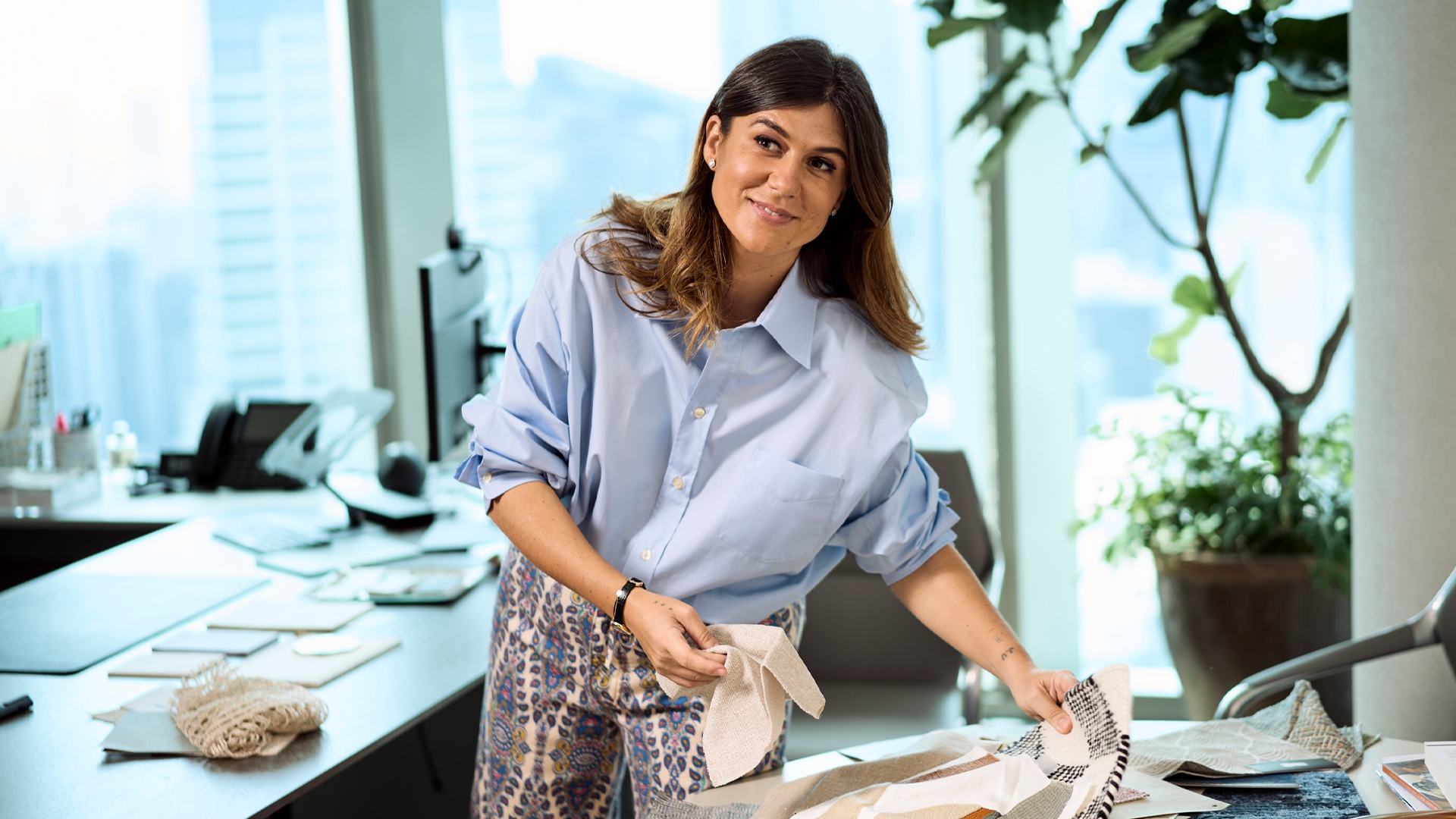
“In designing spaces, we should learn from the people who give it life.” – Paloma Urquijo Zobel de Ayala
What makes a place more than the sum of its buildings and spaces? For Paloma Urquijo Zobel de Ayala, Creative Director of Ayala Land, Inc. (ALI), it is the people who bring it to life.
Her perspective took shape in 2015, when she co-founded Kalye Artisano in El Nido, Palawan. What began as a space for Filipino artists, artisans, and local businesses to showcase their work and reach a wider audience soon grew into something more. It became a place shaped not only by its original vision, but also by the people, ideas, and opportunities that emerged around it.
The experience helped define Paloma’s approach to design: create spaces with purpose, build an environment where communities can flourish, and remain open to the ways people will make those spaces their own. Today, she is exploring how this philosophy can inform the planning and development of places on a much larger scale.

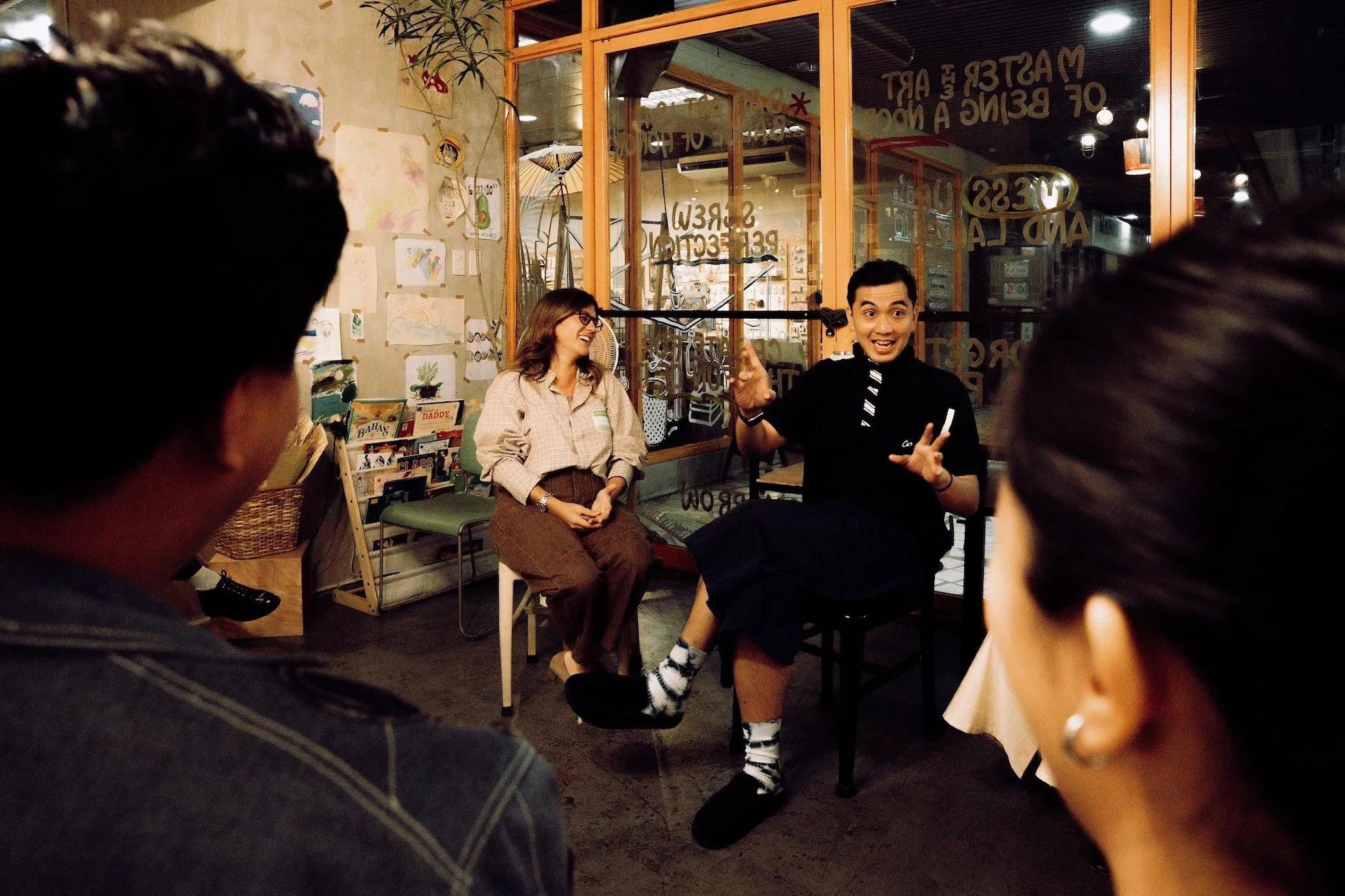
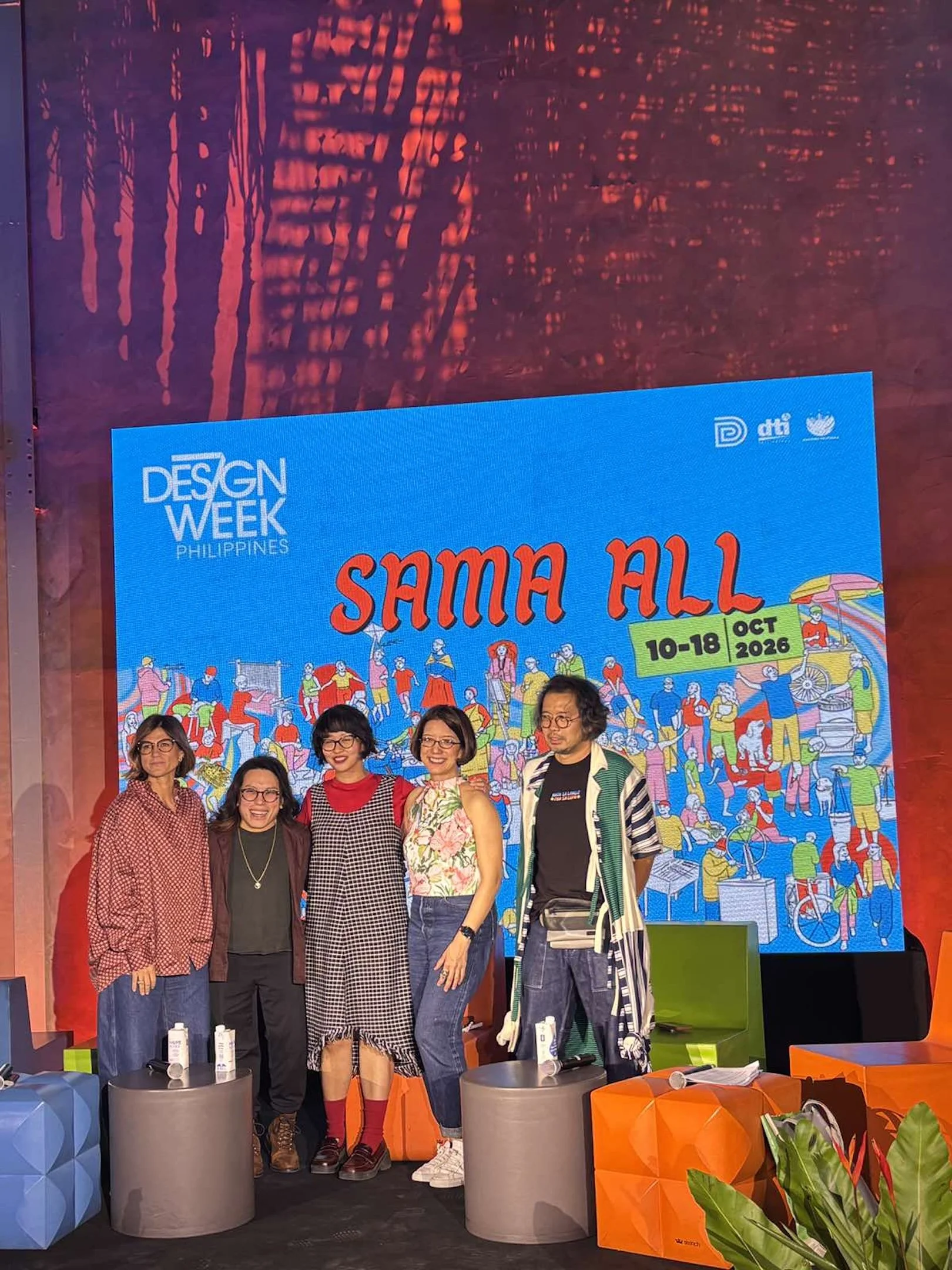
Paloma shared these insights during a Design Week Philippines panel discussion titled “Neighbors by Design,” which explored how thoughtful design can turn shared spaces into thriving communities. Held at the Likhang Filipino Exhibition Halls in Pasay City, the discussion was moderated by Dan Matutina and featured Maya Colayco of Comuna, Karla Maria Ana Batiquin of the Holistic Coalition of the Willing (HoliCOW) and Atuá Midtown, and Robby Sylianteng, Managing Director of First United Building Corporation.
Established in 2015, Kalye Artisano brought together Filipino creatives and entrepreneurs in El Nido, providing a platform for local talent and Filipino-made products. But as the community around it evolved, so did the space. During the pandemic, David Esteban established The Earth School within its grounds. Focused on sustainability and innovation, the international school takes a project-based approach to learning in nature. With Kalye Artisano providing space and support, the school grew from an initial 20 students to more than 80, with a waiting list.
It was an unexpected development that demonstrated how a place can take on new meaning when its community is given the freedom and support to grow.
“What Kalye Artisano taught me is that creating a place is only the beginning. You can set the vision and create the conditions for a community to thrive, but its real character comes from the people who make it their own. The important lesson is knowing when to lead, when to listen, and being agile enough to evolve alongside them.”
At Ayala Land, Paloma is bringing this same perspective to a different scale. Working within larger developments introduces greater complexity and responsibility, requiring collaboration among multiple stakeholders while keeping each place’s distinct identity and community at the center. The challenge lies in creating a clear vision without limiting the possibilities of what a place can become.
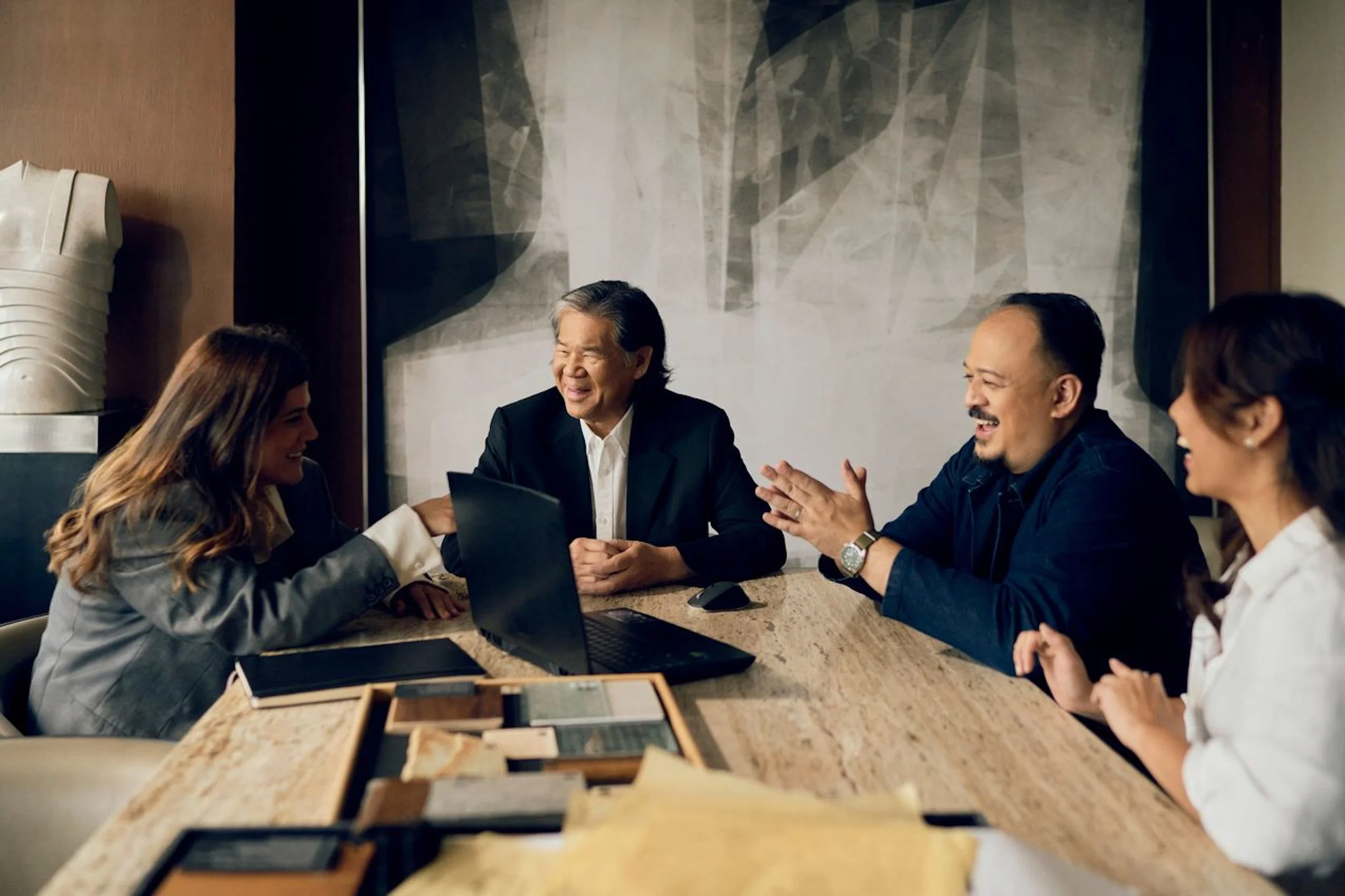
At Circuit Makati, this approach is taking shape through the Kontempo Community Studio, a space where residents and local creatives can gather, exhibit their work, and exchange ideas. Through its programs and activities, the Studio connects the area's history and culture with contemporary creative expression, while responding to the interests and aspirations of the community today. Rather than dictating how a space should be used, it creates opportunities for people to participate in shaping its identity.
This evolving approach will also inform Kontempo, Ayala Foundation’s upcoming Center for Contemporary Arts Philippines, which is currently in development.
“The work I do now brings together many of the same values, but on a much bigger canvas,” Paloma said. “The question is how we apply them responsibly. Every place has its own context, and we can learn so much from the communities around us. That means remaining porous and accessible, finding ways to collaborate, and being willing to listen and adapt rather than assume that what works in one place will work in another. We should always be learning from the people who give a place its life.”
Ultimately, for Paloma, good design is not simply about envisioning what a place should be. It is about understanding what it can become when people are given the space, opportunity, and freedom to shape it. Whether in a small creative hub or a large-scale urban development, the principle remains the same: places thrive when the people who inhabit them have a hand in defining their future.
The discussion was part of the 15th edition of Design Week Philippines, themed “Sama All,” which brings together people from different disciplines to explore the possibilities of design through collaboration and shared experiences.