
When MatchaTok Goes Empty
Viral trends can crash entire supply chains—MatchaTok has done just that.
Words Randolf Maala-Resueño
Art by September 12, 2025
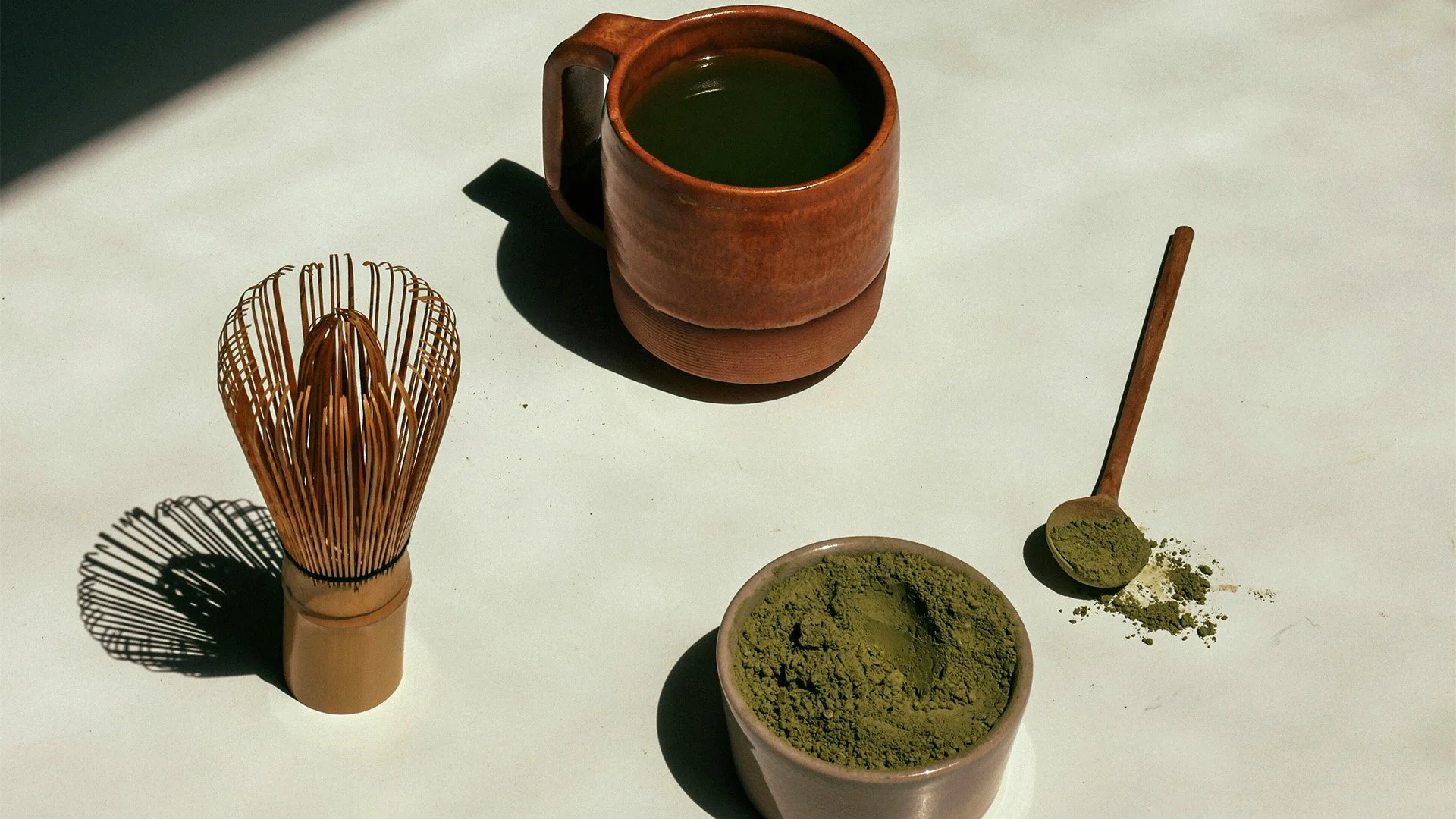
Here’s the tea: MatchaTok has seen better days. Once, a teeming source of greenery on your For You page has become a source of concern for baristas around the globe. Though the decadent green tea’s reach has never been wider, Japanese production houses are finding it hard to keep up.
How did we deplete Japan’s supply of tencha, and why did its social media virality jolt the global matcha market?
#MatchaTok: The online surge
Millions of online users have grown to love the bright green Japanese tea, from the simple matcha lattes to the matcha donuts, pastries, and even candles. This digital, mainstream demand caused an uproar in Japan.
Since 1985, tencha, the unprocessed leaf used to make matcha, has been harvested two or more times per year, a significant departure from the traditional once-a-year harvest practiced since the 1200s.
By 1995, as matcha began to be used as a culinary ingredient (having previously been reserved solely for traditional tea ceremonies), low-grade, mass-produced matcha entered the market.

In 2023, according to Japan’s Ministry of Agriculture, Forestry and Fisheries (MAFF), tencha production reached approximately 4,000 tons. However, only 5% of that total came from hand-picked, high-grade tencha; the remainder was sourced from second or later harvests.
But what’s driving the matcha craze in the first place? For starters, it’s marketed as a “superfood” that offers a smoother, sustained energy boost, prized for its antioxidants that promote both relaxation and focus.
Then there’s Japan’s post-pandemic tourism boom and the resulting weakened yen, which has made matcha more affordable and accessible globally. And, of course, there’s the aesthetic appeal—who can resist that vibrant green hue? These factors, along with its broad marketability and visual charm, have helped turn matcha into a true social media sensation.
What’s holding up production then?
Well, many factors actually.
Traditional matcha is ground using specialized stone mills, which produce only about 40 grams of powder per hour. A study from the mid-2010s estimated that there are just around 7,500 stone mills in Japan, collectively producing roughly 100 kilograms each per year, a maximum output of only 750 tonnes annually.
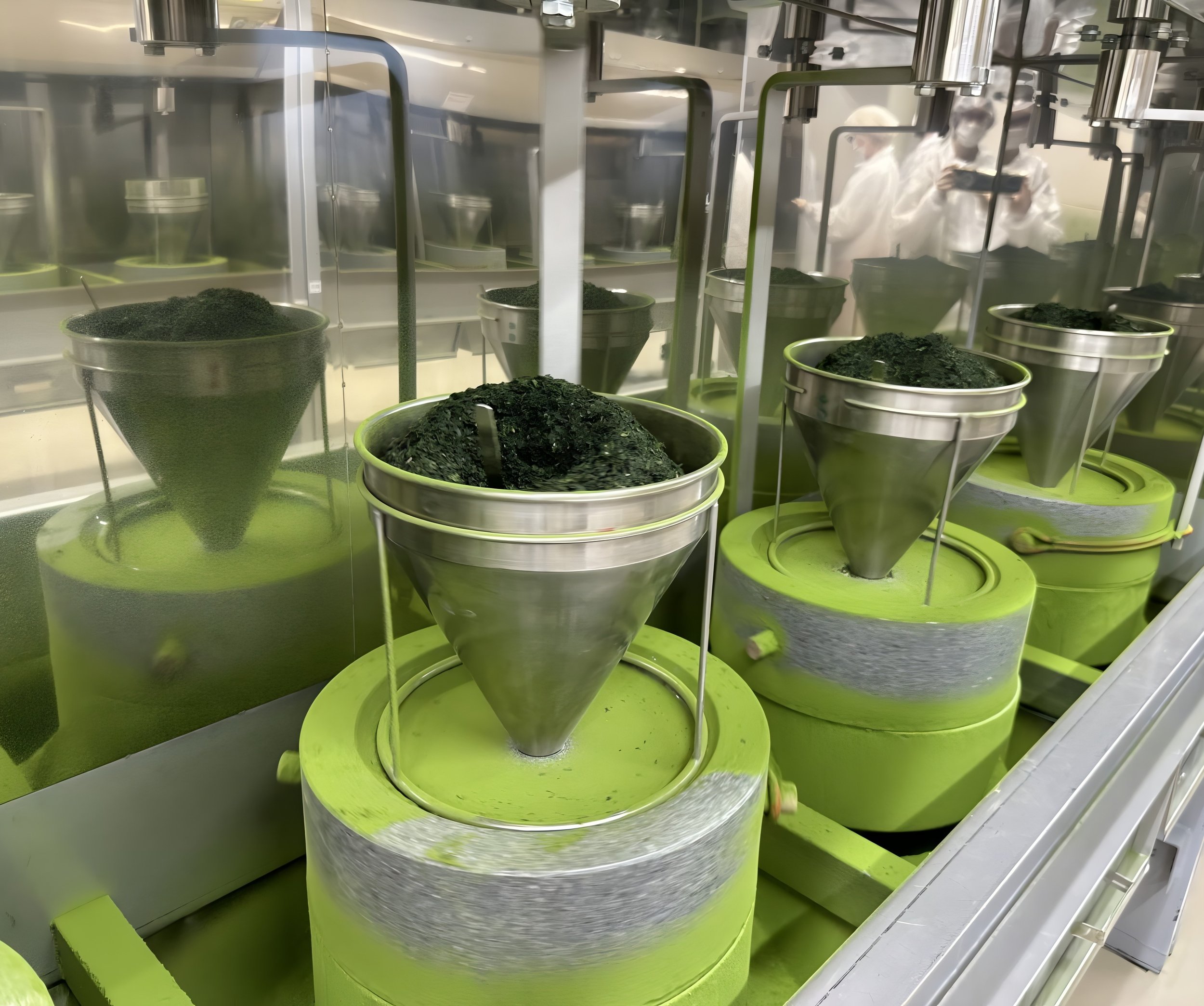
Photo by Global Japanese Tea Association
Given the surging global demand, that’s not a lot. So why not simply produce more stone mills? The answer lies in craftsmanship: it takes about a month to make a single specialized mill, and only a handful of master artisans possess the skill to carve the precise grooves needed to grind high-quality tea. This creates a significant bottleneck in the matcha supply chain.
In addition, before milling, you have to have tencha first. Most of the large tencha blenders freeze their leaves from previous harvests and grind them for the current year so that they have a back-up supply. But last year, these back-ups completely ran out. And when they turn to the field, harvestable tencha takes around three to five years to grow–not fast enough for the global demand.
Labor shortage is also affecting production. Japanese demography has a relatively aging workforce, and not enough younger people are entering the industry. Heatwaves also disrupt the Kyoto region, a quarter of which Japan's tencha comes from, with record-breaking humidity affecting harvests amid booming demand.
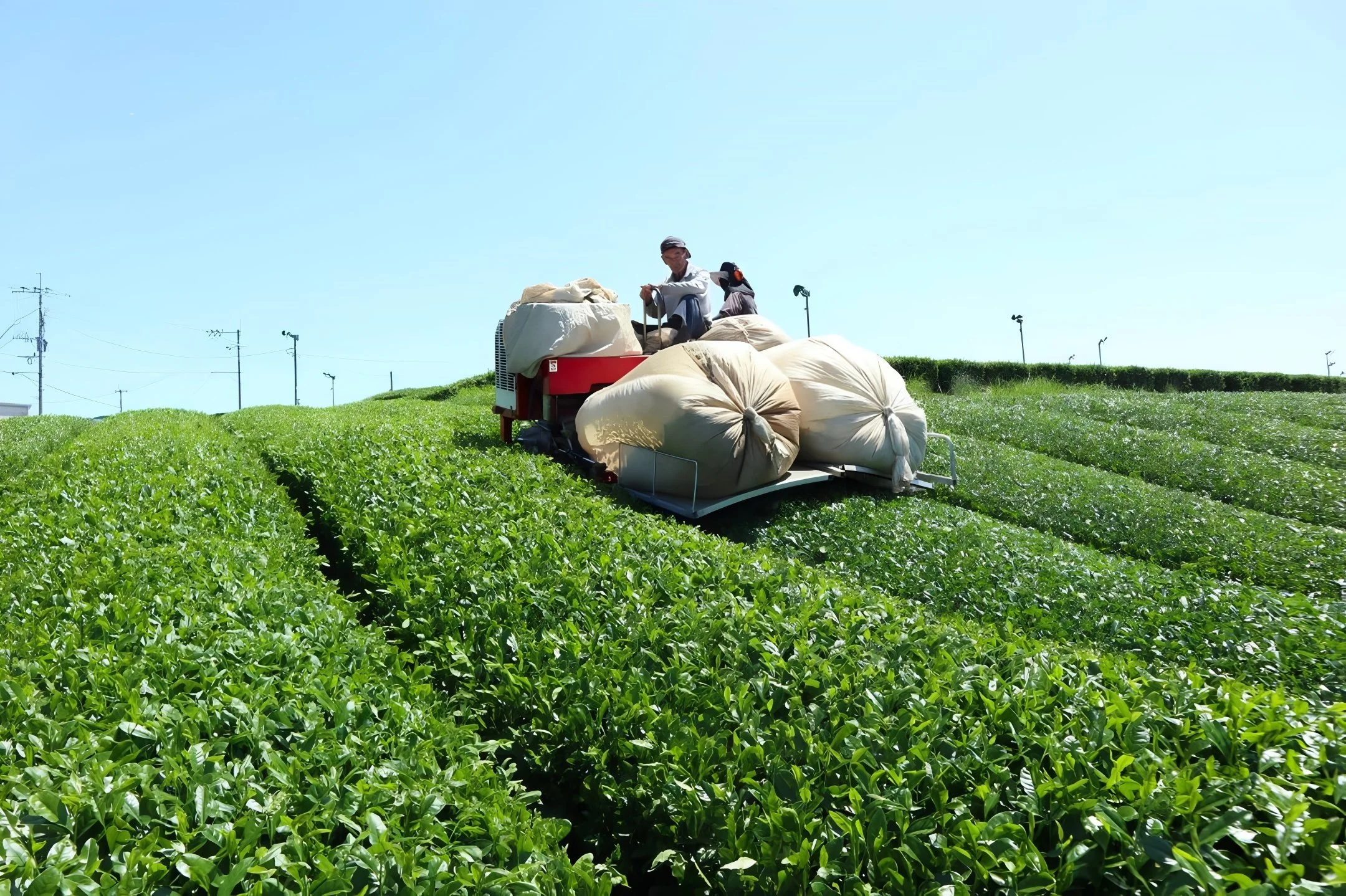
Photo by Mizuba Tea Co.
Feeling the matcha pinch
Filipino cafes are at the brunt of the shortage. Uji-Matcha Café in Baguio City announced near depletion of its Raito and Kurai matcha varieties in early August 2025, attributing it to ongoing shortages.
Matcha Tana Philippines also noted high demand and concerns that upcoming harvests may still fall short.
Many Filipino matcha fans, like dietitian and nutritionist Eljieleen Turingan, have seen prices double, prompting rationing and reduced scoops for daily use. In Kyoto, matcha prices averaged a 2.7% increase in 2025 auctions versus last year.
Nonetheless, matcha remains a premium offering in Metro Manila hotspots, like Arabica, Yardstick, and Starbucks Reserve flagships–even highlighting matcha as a key offering than coffee.
With tightening supply and cafés wanting to keep a steady matcha consumers, cafés also gear to shift toward lower-grade blends or local fusion versions, like matcha-ube and matcha-coconut.
What now?
The answer: savour vs. hoard.
Japanese traditionalists fear high-grade ceremonial matcha is being diluted literally into dessert toppings, lattes, and viral recipes that mask its flavor. Concerns also rise that consumers often do not distinguish between ceremonial, premium, and culinary-grade matcha, leading to misuse.
The local café scene often markets ceremonial-grade matcha for social media appeal, even in sugar-heavy drinks that overshadow its subtle qualities. In retrospect, we should call for more consumer education—workshops, tasting sessions, and café collaborations that honor authentic preparation.
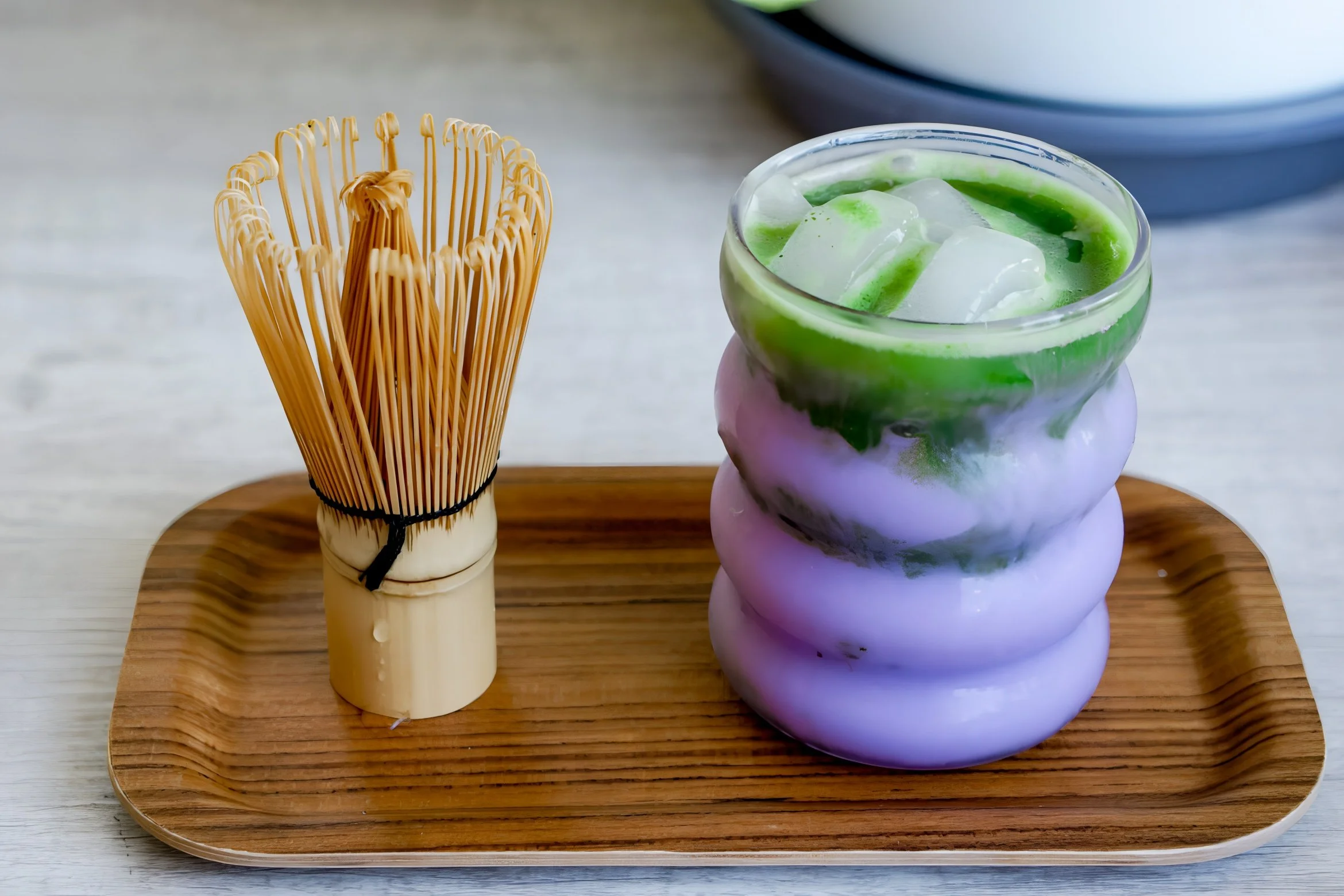
Photo by Mochi Mommy
Moreover, social media-driven demand can lead to panic buying by cafés and distributors, straining the already bottlenecked Japanese supply chains. In Hong Kong, for example, cafés resort to rationing and advance booking for premium matcha deliveries.
This poses a potential parallel in the country, where premium cafés and upscale bakeries may start stockpiling imports and further inflate prices.
Smart #MatchaTok consumption is key
Nowadays, matcha and its flock of green tea enthusiasts persist. However, advocates now push for mindful consumption, savoring matcha in its purest form and respecting the origin of the flavor.
We can also look at it from the perspective of innovation. Filipino culinary culture thrives on fusion. While matcha production bounces back, let local cafes be inventive in serving their matcha offerings, incorporating matcha into ube pastries, pandan beverages, and Filipino desserts while still highlighting our heritage.
And maybe by then, when tencha farms bloom like “the rising sun,” this balance in consumption and appreciation becomes key to sustaining cultural interest beyond TikTok virality. Let MatchaTok be full once again.