
Hamilton, Track by Track
Featuring five songs from Hamilton, diving into stories they tell and the emotions underneath as each track brings the characters’ struggles, dreams, and the history of life.
Words by Gerie Marie Consolacion
Photos courtesy of Disney Plus Press
August 30, 2025
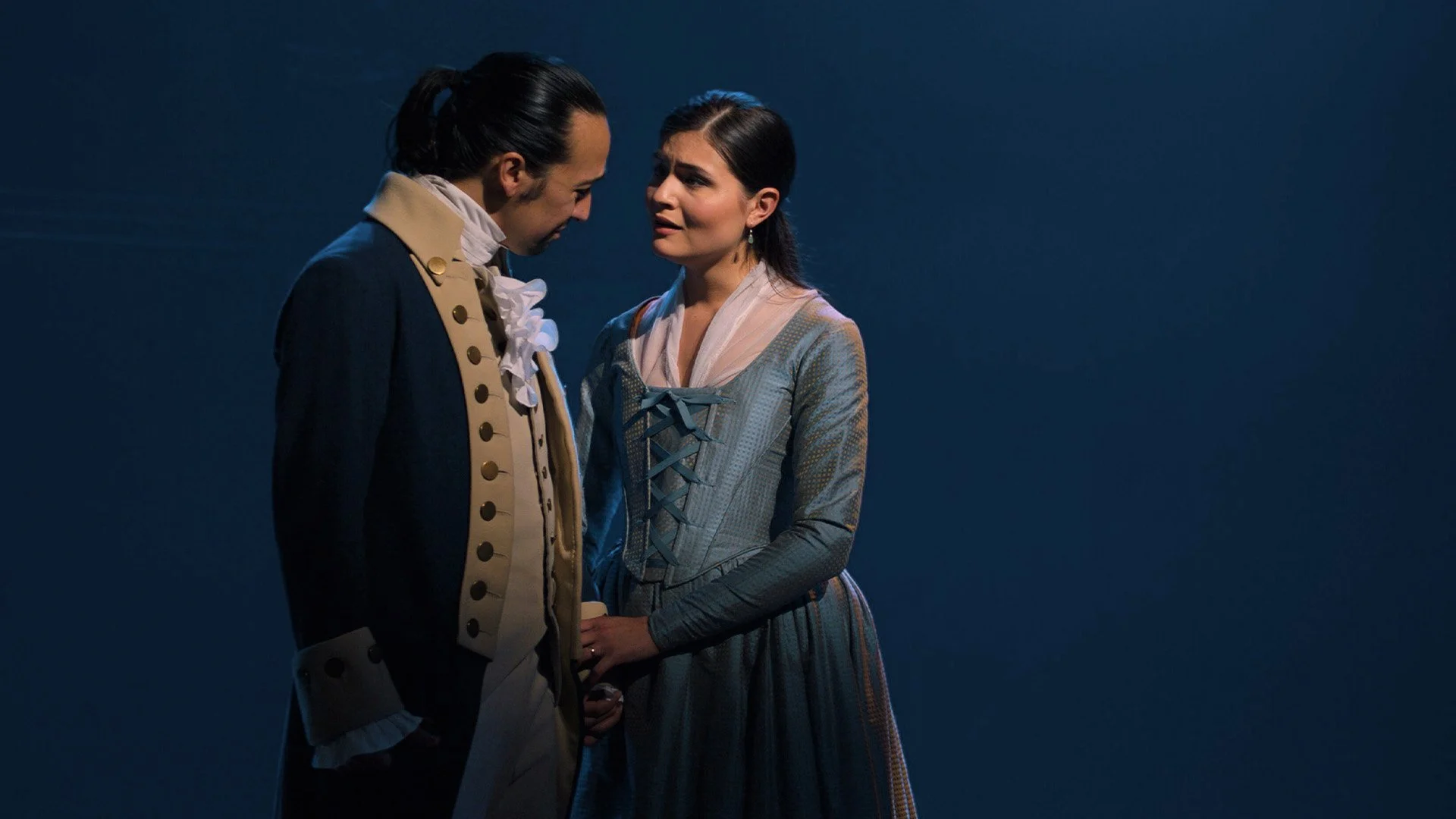
Lin-Manuel Miranda as Alexander Hamilton and Phillipa Soo as Eliza Hamilton
Look around, look around… how lucky we are to be alive right now.
Yes, we are lucky—especially now that Hamilton celebrates its 10th anniversary!
To mark the milestone, Hamilton is coming to Philippine cinemas on September 5. Following its successful live run at The Theatre at Solaire in 2023, which featured Filipina singer Rachelle Ann Go as Eliza Schuyler, the phenomenon continues to make its mark.
While we wait for Hamilton to hit the big screen, why not revisit some of its most iconic tracks from the award-winning piece?
Why are Hamilton's songs so loved?
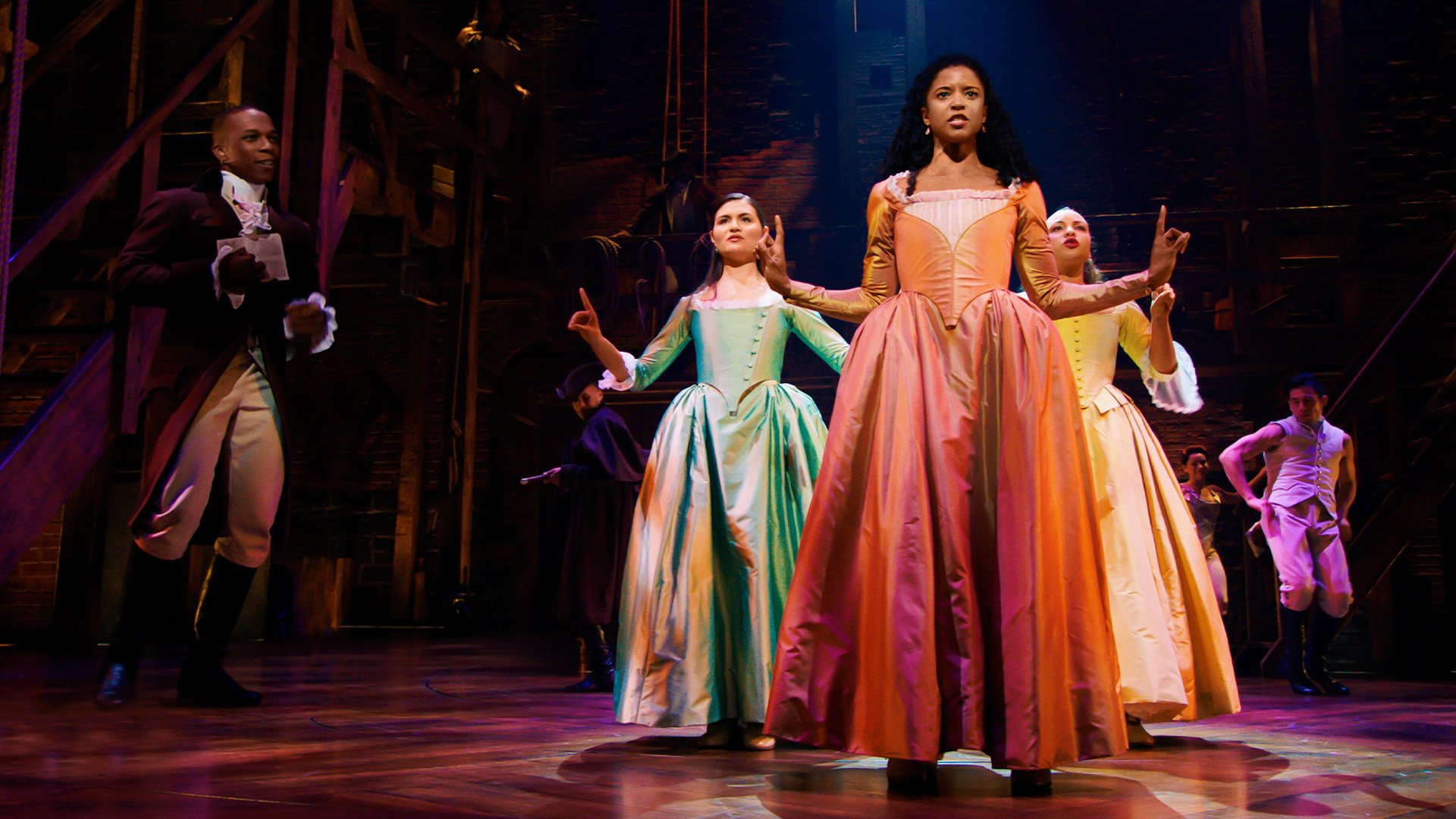
(L-R) Leslie Odom Jr. as Aaron Burr, Phillipa Soo as Eliza Hamilton, Renee Elise Goldsberry as Angelica Schuyler, Jasmine Cephas Jones as Peggy Schuyler
The two-hour musical features 46 official tracks, 23 each from Act I and Act II. However, there’s also a 47th track, performed live but omitted from the album. It has taken on symbolic meaning—not only as a surprise ending, but also because Alexander Hamilton died at the age of 47.
Among fan favorites, “Helpless” and “Satisfied” often top the list—and rightfully so. But beyond these hits lie hidden gems that deserve just as much attention.
Track 1: You’ll be back!
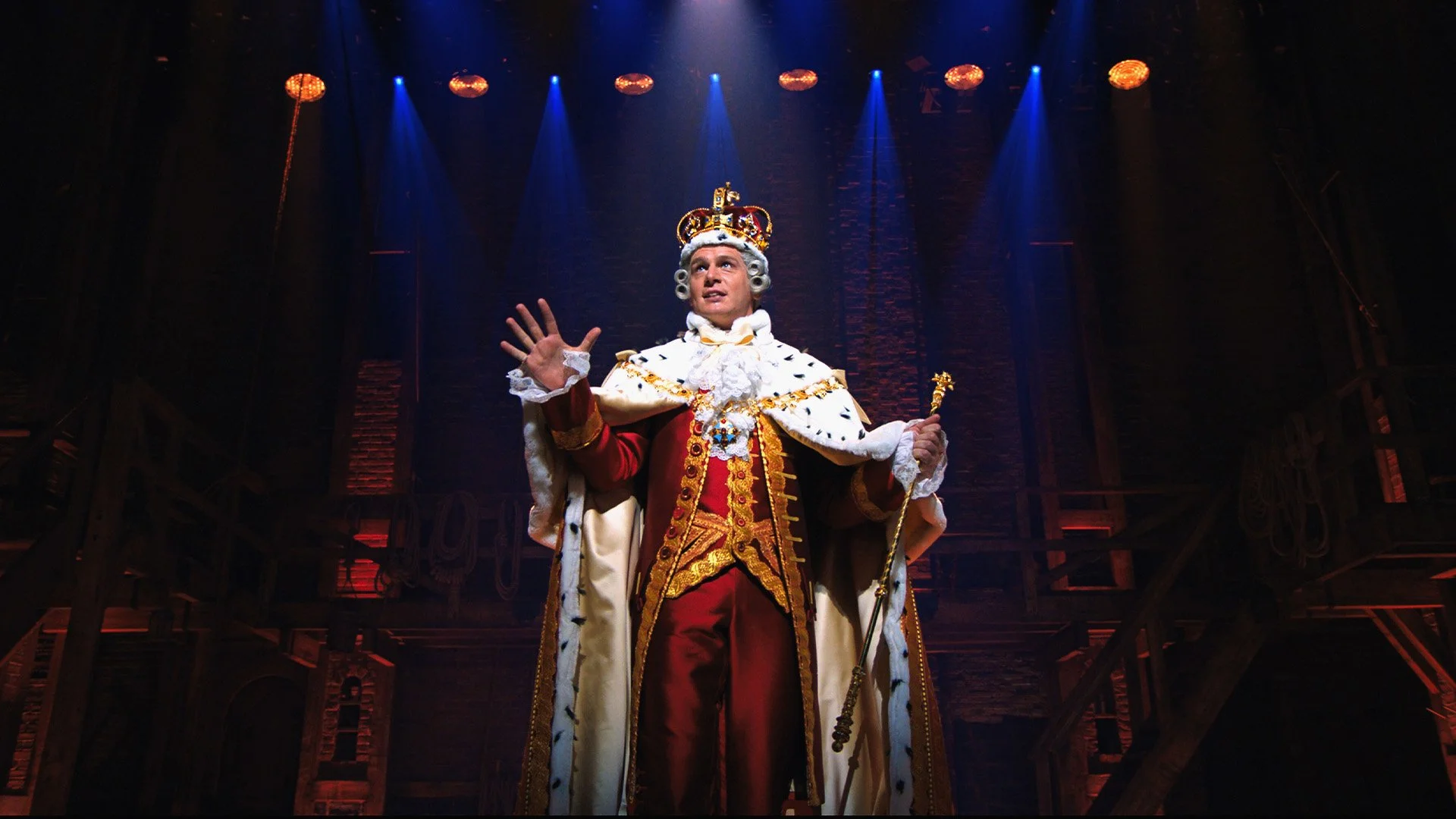
Jonathan Groff as King George III
Performed by Jonathan Groff as King George III, this track is a brilliant blend of satire and menace. On the surface, it’s a catchy, upbeat break-up song—but listen closely, and it reveals something far darker: a warning wrapped in charm.
The king’s lyrics equate loyalty with submission and affection with control, famously singing, “I will send a fully armed battalion to remind you of my love.”
What makes the performance truly unforgettable is Groff’s commitment, especially the now-iconic moment when he drools mid-song. That raw, unscripted detail adds a manic intensity to his portrayal, exposing a ruler barely concealing his rage beneath a polished, almost whimsical exterior.
As Hamilton fan Jazzy puts it, the genius of the song lies in its tonal contrast. King George is clearly threatening the colonies, yet the cheerful “da da da da da da” refrain gives the piece a playful, almost innocent quality. That clash between message and melody is what makes the song so clever—and so memorable.
Track 2: Burn
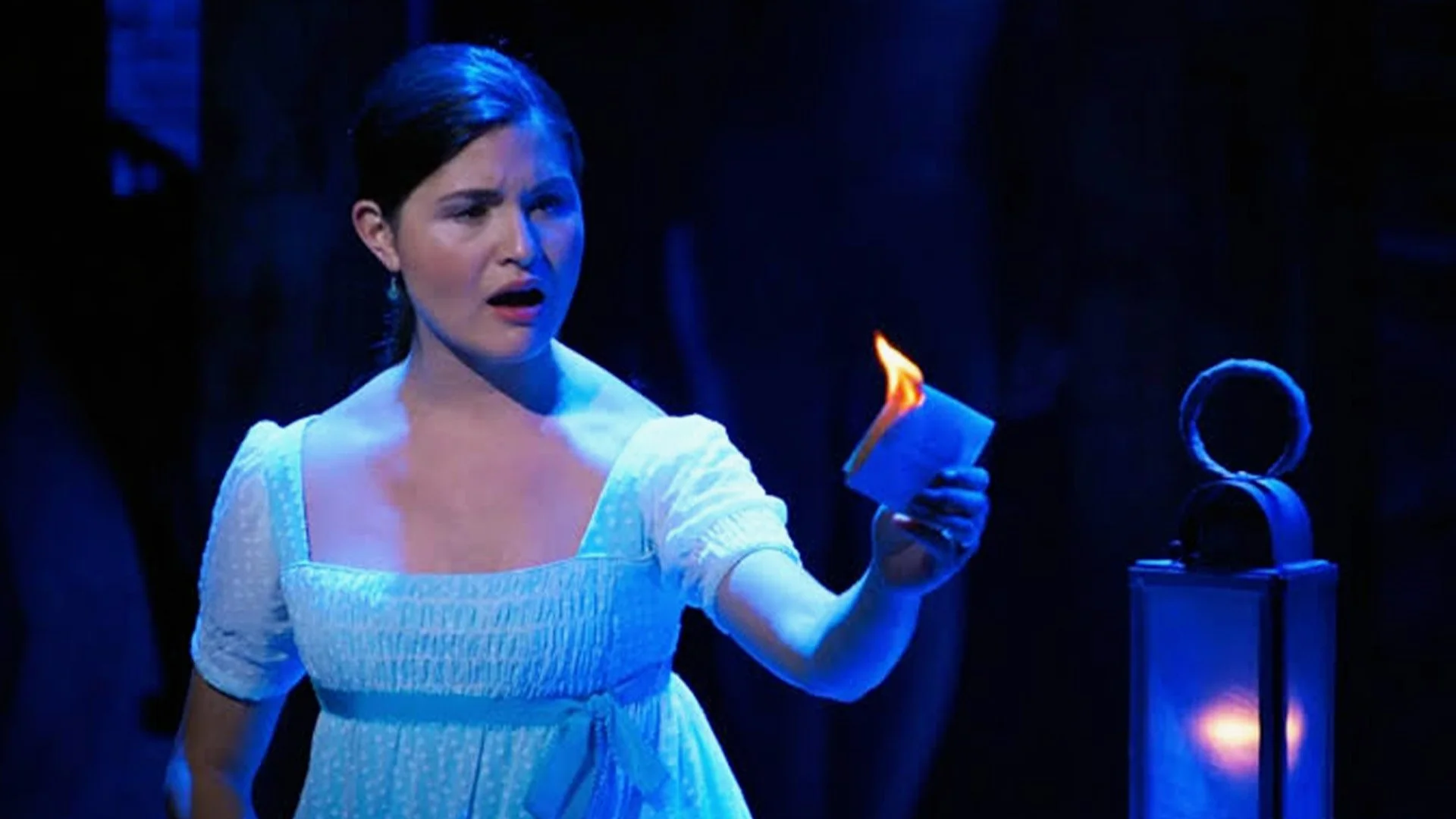
Photo by Hamilton YouTube Channel
One of the most emotionally charged moments in Hamilton comes when Eliza, played by Phillipa Soo, confronts the pain of betrayal in the haunting ballad “Burn.” It’s the moment she learns not only that her husband, Alexander Hamilton, had an affair but that he published the details publicly, even describing her reaction, all without her consent.
But fans of the musical may know there’s an earlier version of this moment: a draft song titled “First Burn.” So what’s the real difference between the two? And why did Lin-Manuel Miranda ultimately choose Burn for the final show?
“First Burn” is fiery and immediate. It captures Eliza’s rage in the heat of the moment—her voice sharp, her words seething with fury. It’s the raw outburst of someone whose world has just collapsed. But Miranda didn’t settle on rage. He chose something quieter and, in many ways, more devastating.
Burn, as it appears in the musical, trades fury for heartbreak. It’s not about confrontation; it’s about retreat. Eliza doesn’t scream. She doesn’t fight. She withdraws. She chooses silence over spectacle, and that silence speaks volumes.
Track 3: Non-stop

Lin-Manuel Miranda as Alexander Hamilton with the Ensemble
At the heart of it all is Alexander Hamilton, writing like he’s running out of time, refusing to rest, slow down, or simply be satisfied (as Angelica so perfectly puts it). The song lays bare his obsession with legacy driven by ego, fear of obscurity, and a relentless need to leave his mark on history.
Then there’s Eliza, pleading with him to stop, to be present, to live in the moment with her.
Burr, still cautious and waiting, watches in envy and disbelief. Why does Hamilton keep rising while he remains stuck, always hesitating?
Even George Washington enters—not just as a general, but as a man nearing the end of his legacy, asking Hamilton to help craft his farewell. Each voice adds new pressure, and “Non-Stop” weaves their ambitions and frustrations into one explosive ensemble number.
As Hamilton fan Queency Mae Rafanan puts it perfectly: “I love this song because it captures the entire essence of Act I. It’s a high-energy ensemble number that perfectly encapsulates the ambition, hustle, and relentless drive of Hamilton. The way it transitions through different perspectives is just incredible, and it feels like a powerful conclusion to the first act.”
Indeed, Non-Stop isn’t just a song. It’s a warning, a thesis, and the perfect setup for everything that’s about to unravel in Act II.
Track 4: Wait for it
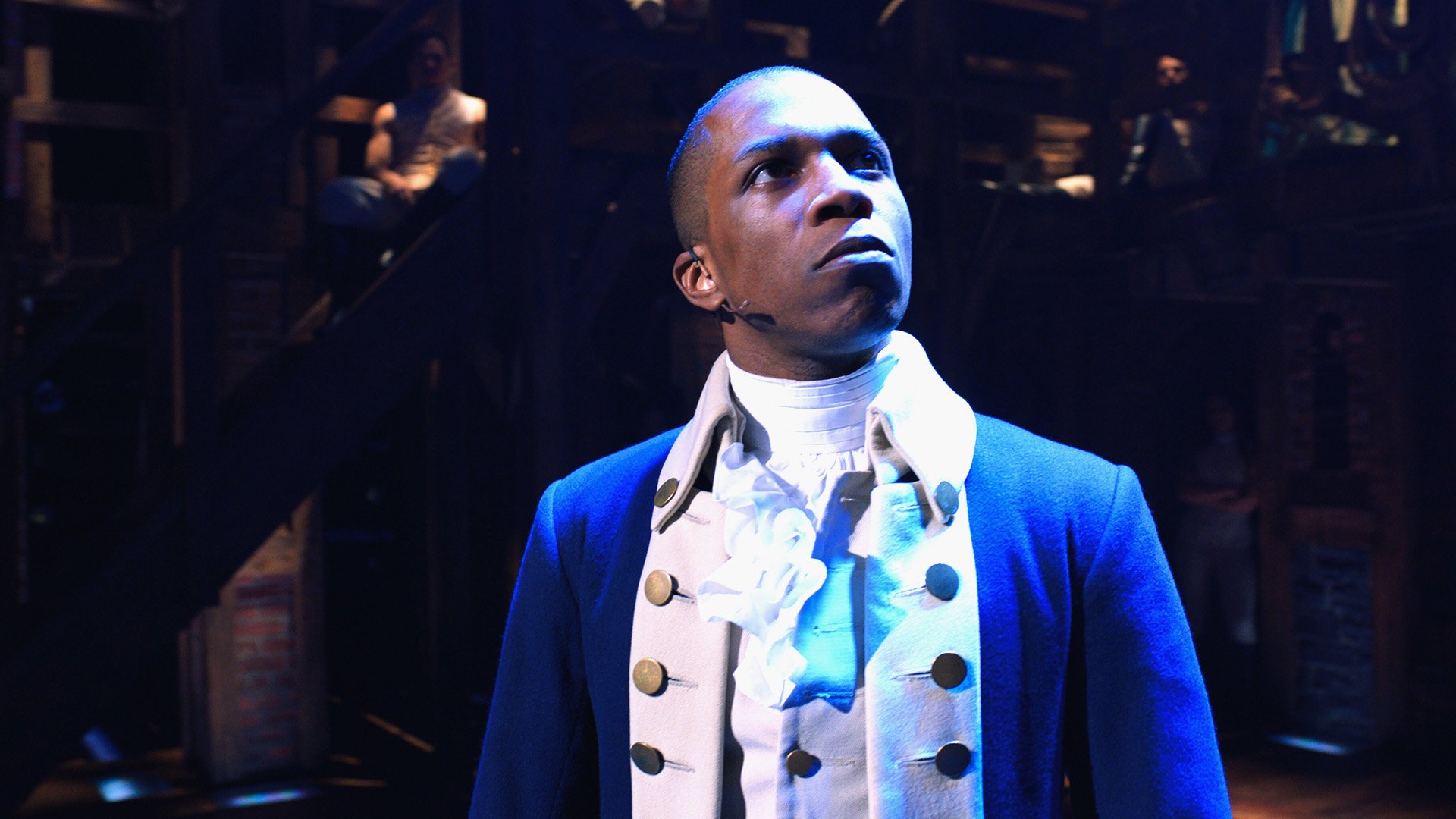
Leslie Odom Jr. as Aaron Burr
What makes Hamilton so compelling is that it doesn’t portray Aaron Burr as a one-dimensional antagonist. Instead, it gives him space to explain why he is the way he is, and nowhere is that more powerful than in the song “Wait For It.”
In this track, Burr reveals himself as Hamilton’s opposite. While Alexander charges forward, taking risks, courting chaos, and making enemies, Burr holds back. His philosophy is simple: wait for it.
Because Burr understands that he can’t control everything—love, death, power, politics. But the one thing he can control is himself.
It’s a haunting admission, and a deeply human one. Burr’s restraint isn’t cowardice. It’s a strategy. It’s survival. But as Hamilton’s star continues to rise, Burr’s patience begins to erode. He watches a man who seems reckless, impulsive, and bold, yet somehow always advancing. And quietly, envy begins to take root.
Burr’s choice to wait starts to feel less like control and more like stagnation. Because while he hesitates, Alexander is already shaping history.
Track 5: It’s quiet uptown
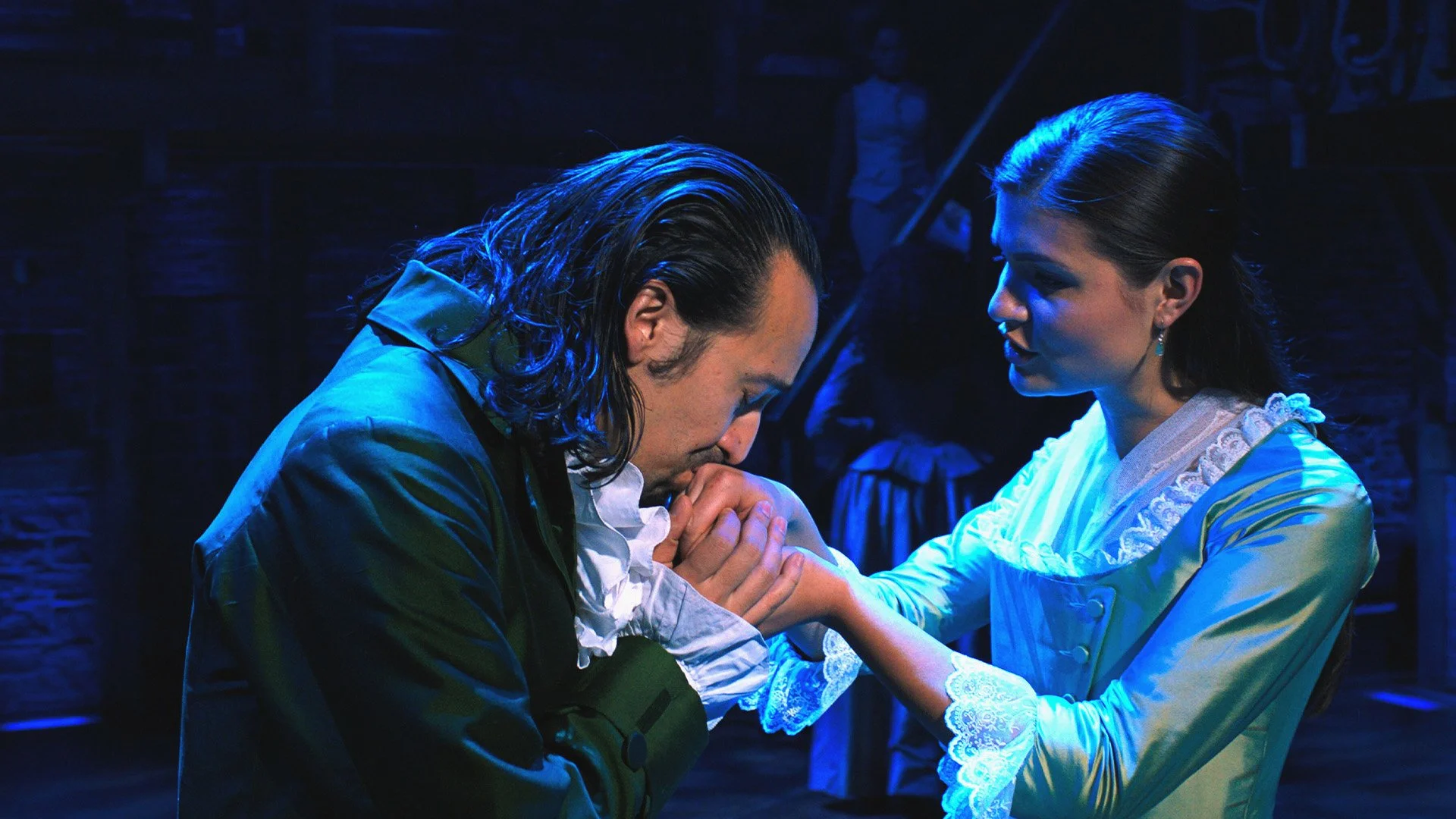
When everything crashes down and Alexander finally pauses, “It’s Quiet Uptown” takes us to the heart of the pain behind the founding father. Far from the battles and politics, this haunting track lays bare the grief of Alexander and Eliza as they mourn the loss of their son, Philip–a tragedy no ambition or legacy can ever undo.
Unlike the rapid-fire rap battles and soaring anthems that fill the show, this song is quiet, still, and aching. It mirrors the heavy silence of mourning. And in that silence, something extraordinary happens: forgiveness.
After betrayal, secrecy, and heartbreak, Eliza chooses to forgive Alexander, a choice so profound it leads directly into the show’s finale, ‘Who Lives, Who Dies, Who Tells Your Story,’ where she steps forward and declares, “I put myself back in the narrative.”
“It’s Quiet Uptown” is the moment the audience stops simply watching history and starts feeling it. It reminds us that behind every founding father was a family wrestling with love, loss, and the fragile hope of healing.
We’ve just scratched the surface with five standout tracks, honorable mentions to “Helpless” and “Satisfied,” but there are still 40+ more songs waiting to be explored.
Because Hamilton isn’t just about Alexander. It answers the question posed in the final song:
Who lives? Burr. Who dies? Hamilton. But who tells the story? It was Eliza all along.
Whether you’re a longtime fan or discovering the magic for the first time, there’s no better time to dive into the songs, the story, and the legacy on the big screen this September 5.
So go ahead, press play, sing along, and remember: history has its eyes on you.