For Art Fair Philippines, The Crowd Is The Constant
Its longevity, now entering its second decade, rests on that widening circle—a steady expansion of who gets to see, ask, and linger.
Words Randolf Maala-Resueño
Photos courtesy of Art Fair Philippines
January 27, 2026
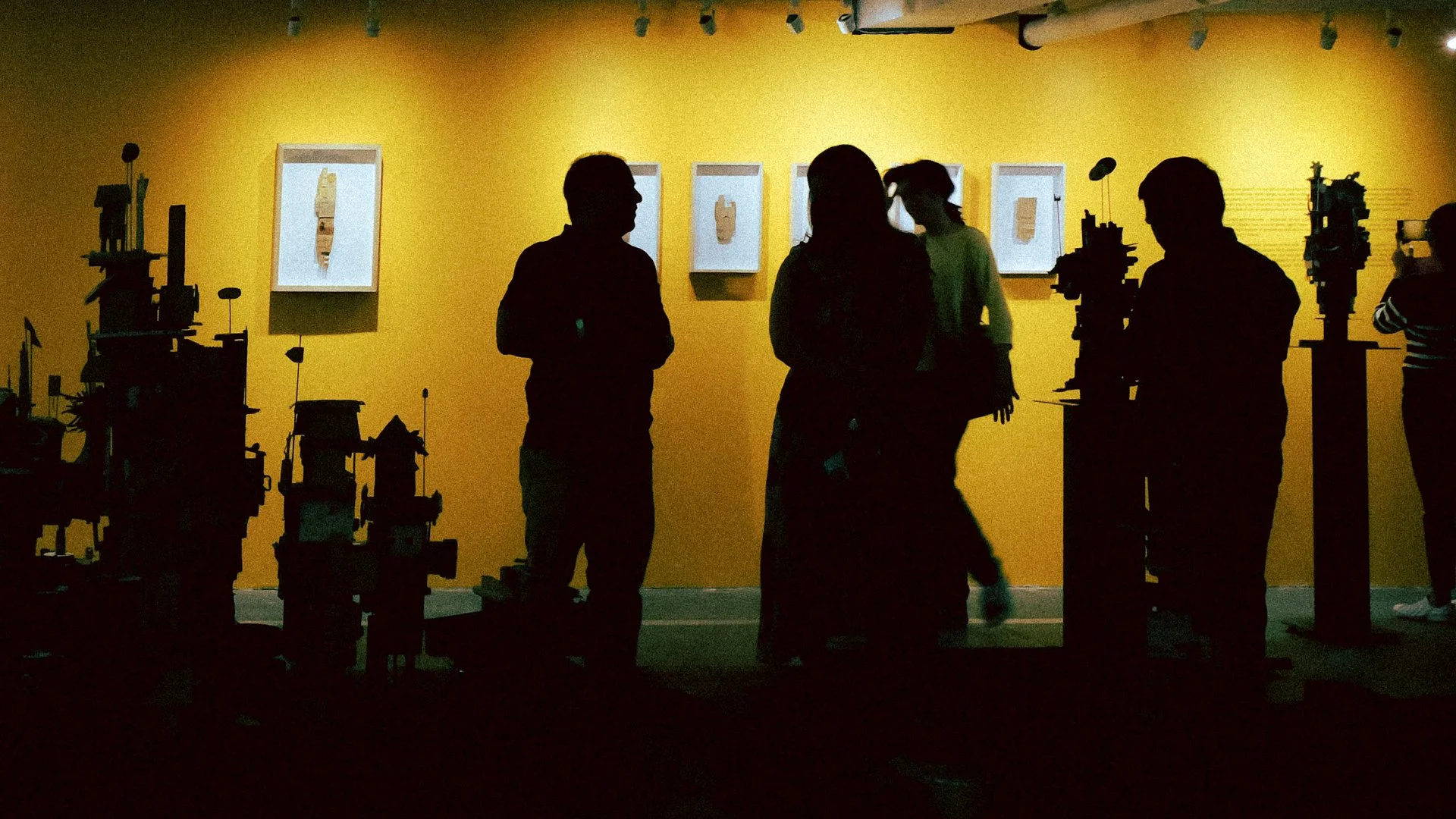
Art Fair Philippines 2024. Photo courtesy of Kim Albalate
The artist arrives early, before the crowds thicken. Circuit Makati still carries traces of its former life, wide paths and open air. For someone used to studios and quiet galleries, the scale feels almost civic. Art Fair Philippines has always had that effect. It invites.
Since its first edition in 2013, the fair has been shaped less by a single look than by a steady expansion of who gets to see, ask, and linger. Its longevity, now entering its second decade, rests on that widening circle.
VENUE TIMELINE: Moving with the city
Art Fair Philippines began in a place not meant for art. From 2013 to 2020, The Link Carpark in Makati became its unlikely home, a vertical maze where viewers learned to climb with curiosity. In 2021, the fair went fully online, a necessary pivot that flattened distance but preserved access.
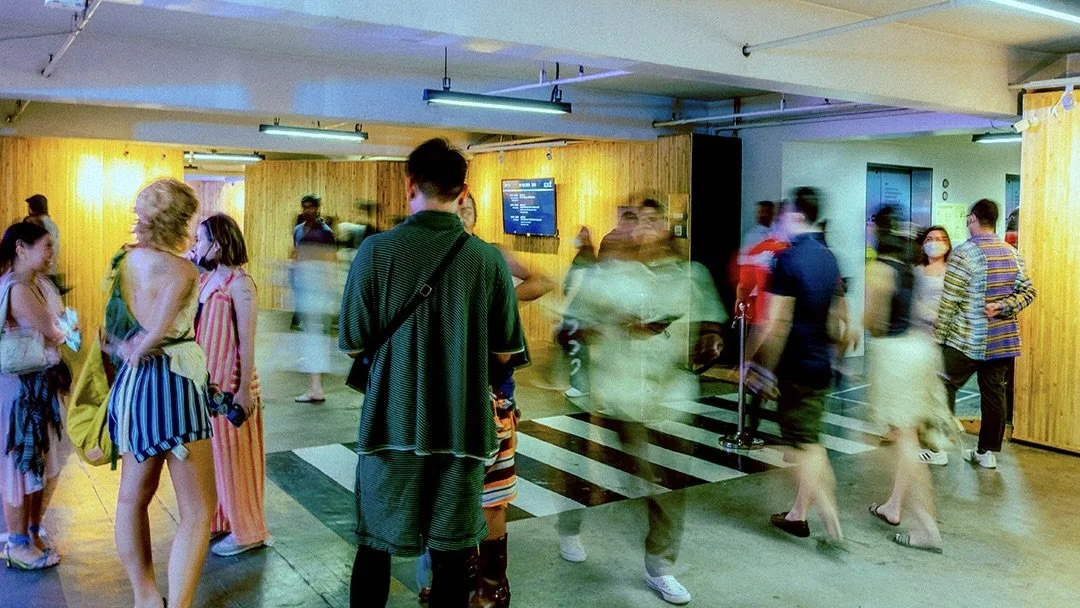
Art Fair Philippines 2023. Photo courtesy of Kim Albalate
Ayala Triangle Gardens followed in 2022, opening the fair to the outdoors. A brief return to The Link in 2023 and 2024 reaffirmed familiarity. By 2025, tents rose again in the Triangle. And for 2026, this coming Feb. 6 - 8, the fair settles into Circuit Makati, finessing the Corporate One’s six-floored, formerly occupied commercial spaces, now reimagined as an arts hub.
For the artist walking these spaces, the changes read like chapters rather than breaks. Each venue tests how art meets the public.
FOUNDERS: Holding the center, widening the edge
Art Fair Philippines was founded by Trickie Colayco-Lopa, Dindin Araneta, and Lisa Ongpin-Periquet. Their shared premise has remained consistent.
“I think it hasn’t shifted so much as we fulfilled it,” Colayco-Lopa says of the fair’s vision. “It was really very important to expand awareness for the visual arts to the Filipino audience.”
Attendance now reaches 25,000 to 30,000 annually, with nearly 30 percent students. For Colayco-Lopa, exposure is only the first step. “We want you to learn. That’s what we really try to do.”
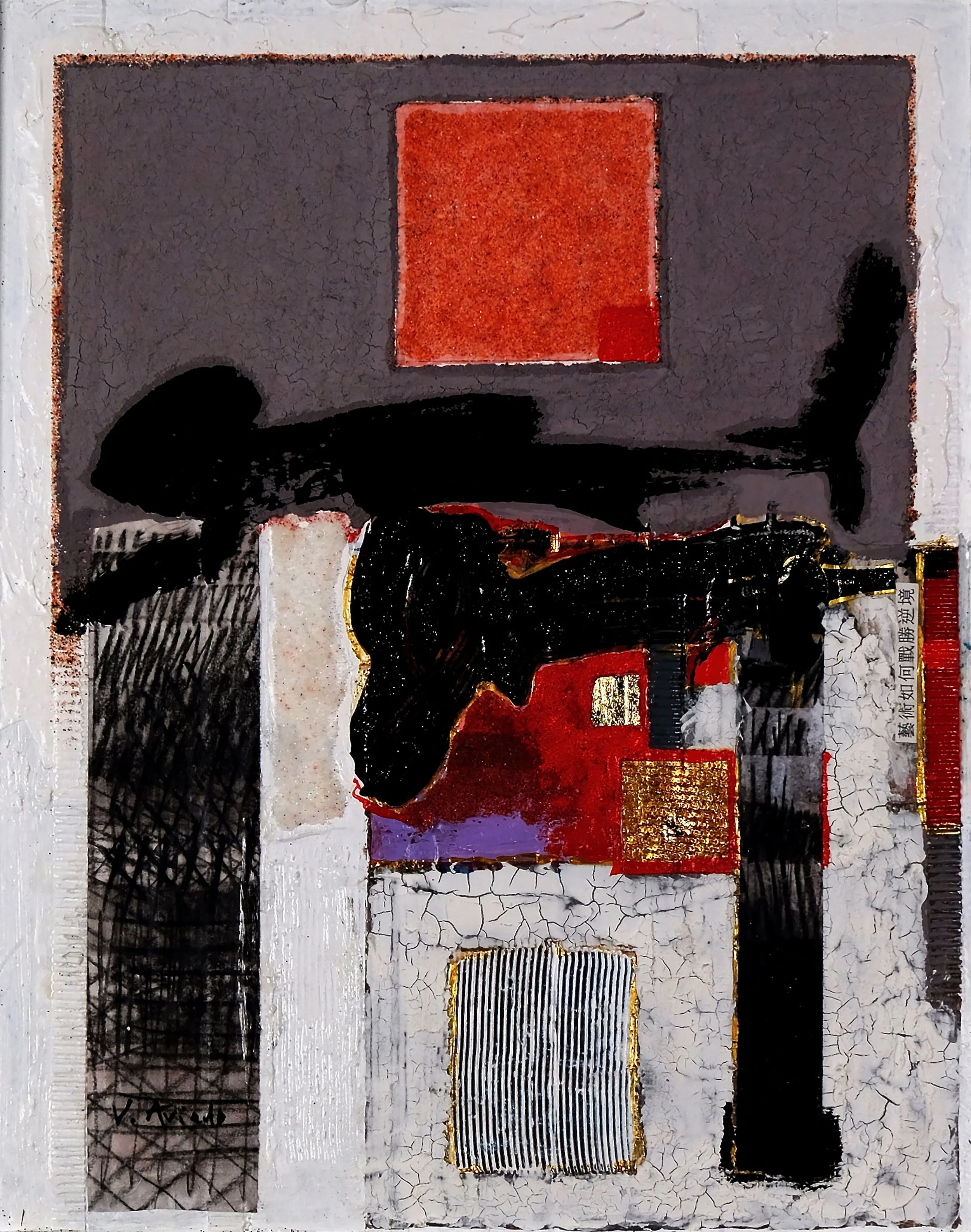
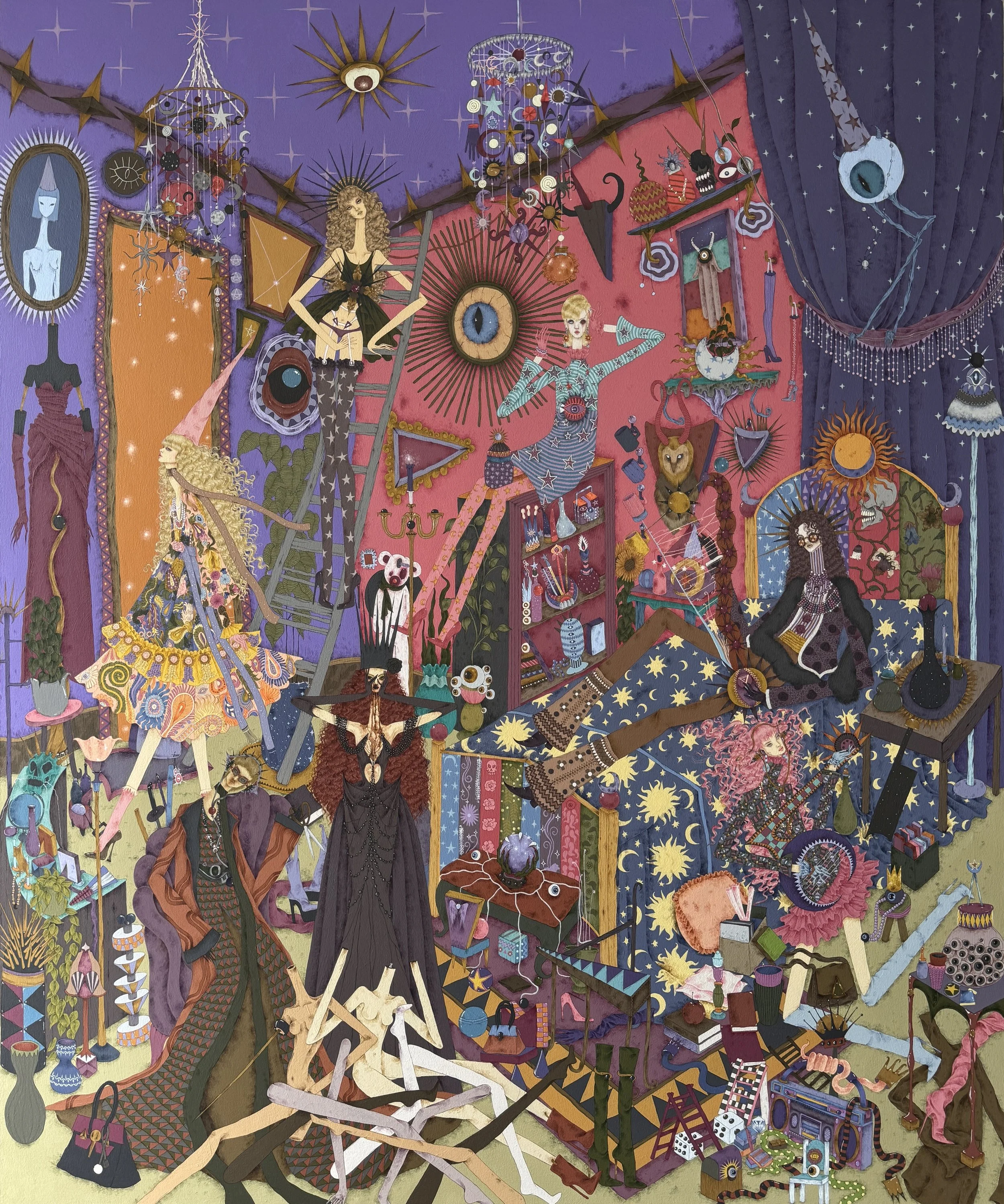
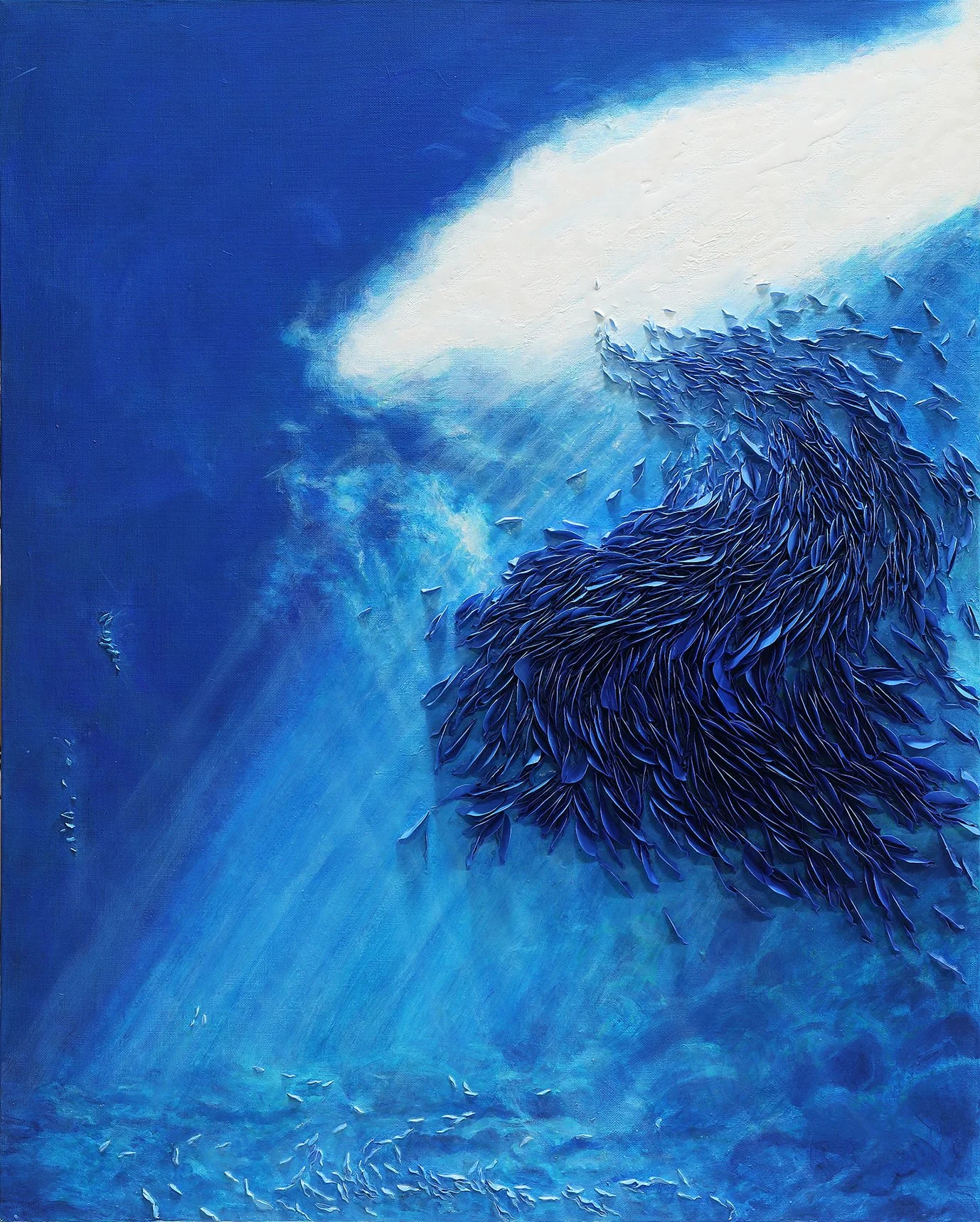
Ongpin-Periquet describes the process as reciprocal. “The main vision we had was widening the audience for art. And as we went along, it was also the reverse. Widening the art available to the audience.”
The artist notices this in the mix of regional, international, emerging, and established names. The fair moves further than assume familiarity. It builds it.
The 2026 edition brings together 50 exhibitors, with 35 percent from abroad. Galleries arrive from across the Philippines alongside participants from France, Hong Kong, Indonesia, Japan, Korea, Malaysia, Singapore, Taiwan, Vietnam, and Spain.
ARTFAIRPH/PROJECTS: Depth over speed
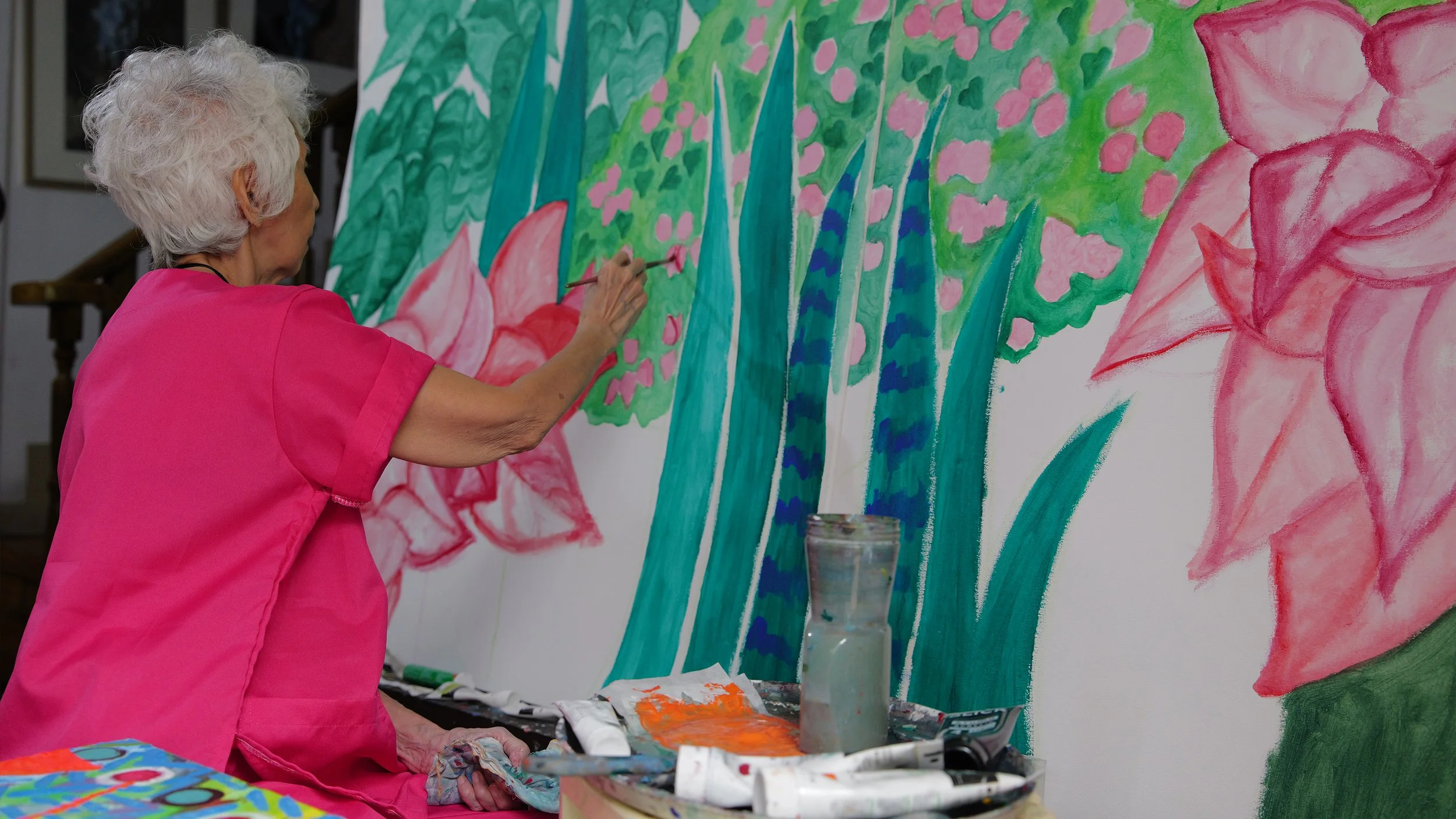
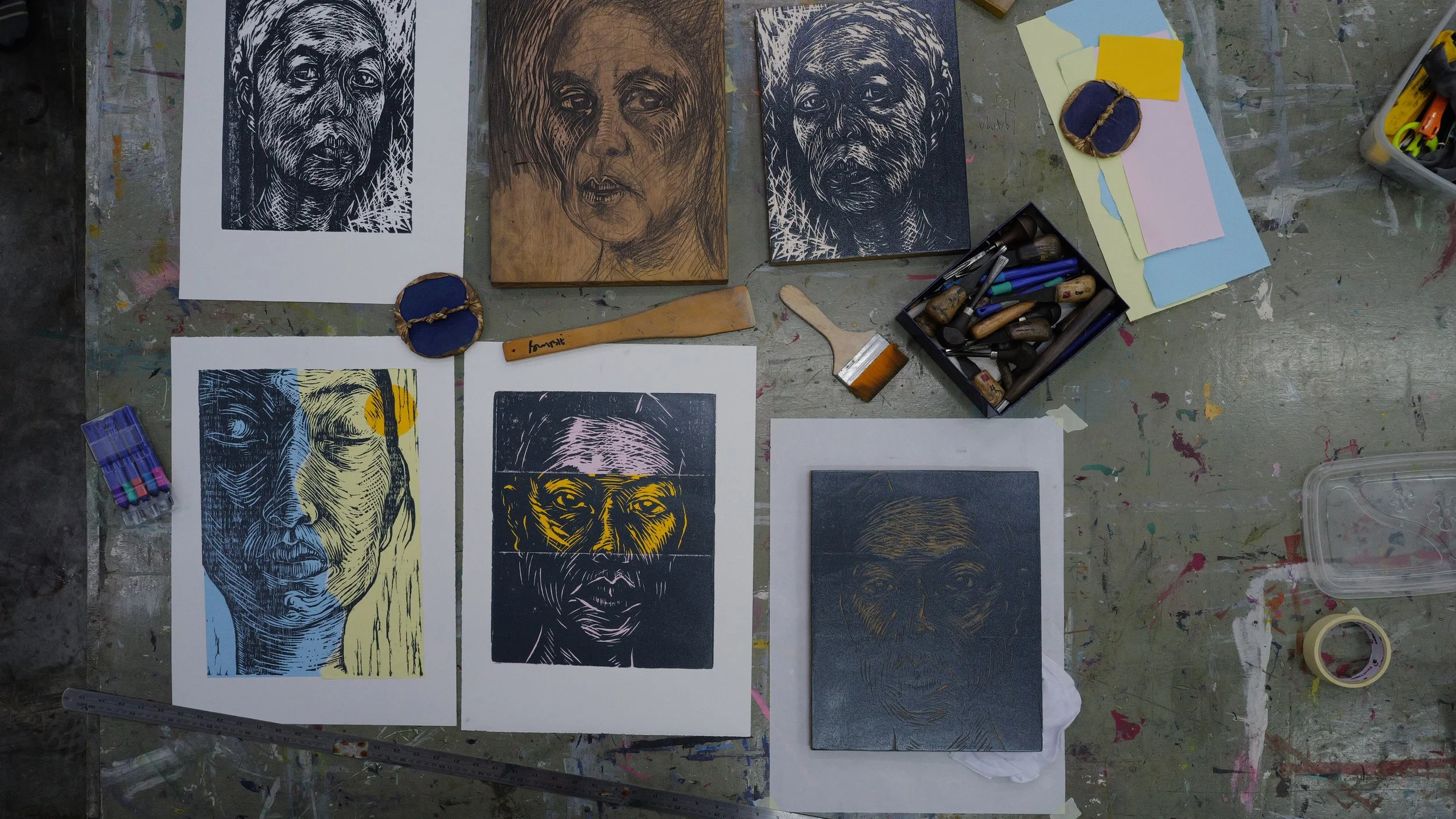
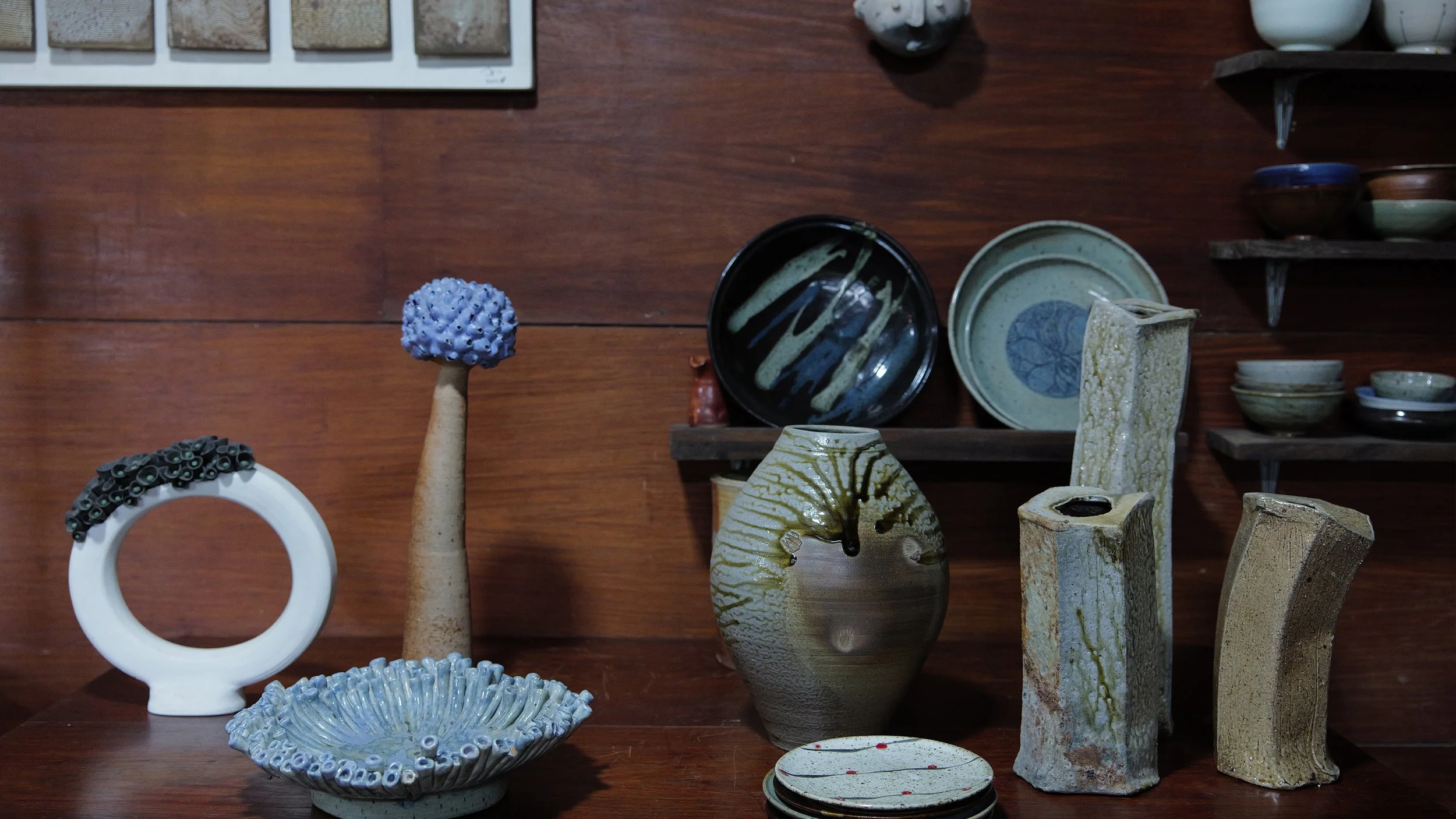
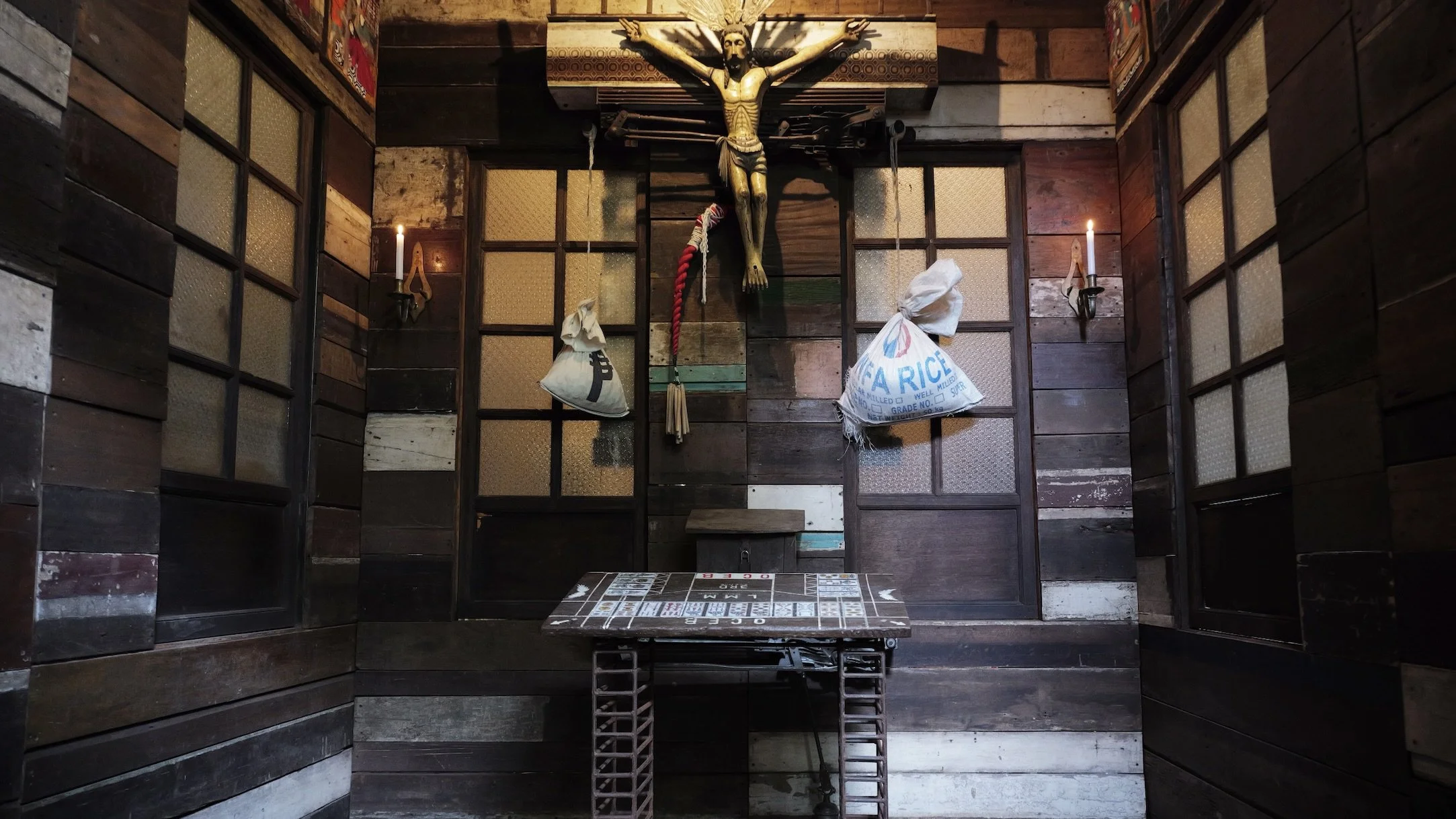
ArtFairPH/Projects remains a cornerstone. Led this year by works from Imelda Cajipe Endaya, the section bridges historical grounding and contemporary urgency. Her presence anchors conversations on domesticity, migration, and women’s empowerment.
Around her are varied practices, from Ambie Abaño’s printmaking to Max Balatbat’s “Kapilya” space, from ceramic pioneers Jon and Tessy Pettyjohn to diaspora artists organized by Sa Tahanan Co. Spanish artist Ampparito offers a shift in scale and perspective. Four late Filipino masters extend the lineage further.
The artist pauses longer here. This is not a section meant to be rushed.
DIGITAL: Learning a new language
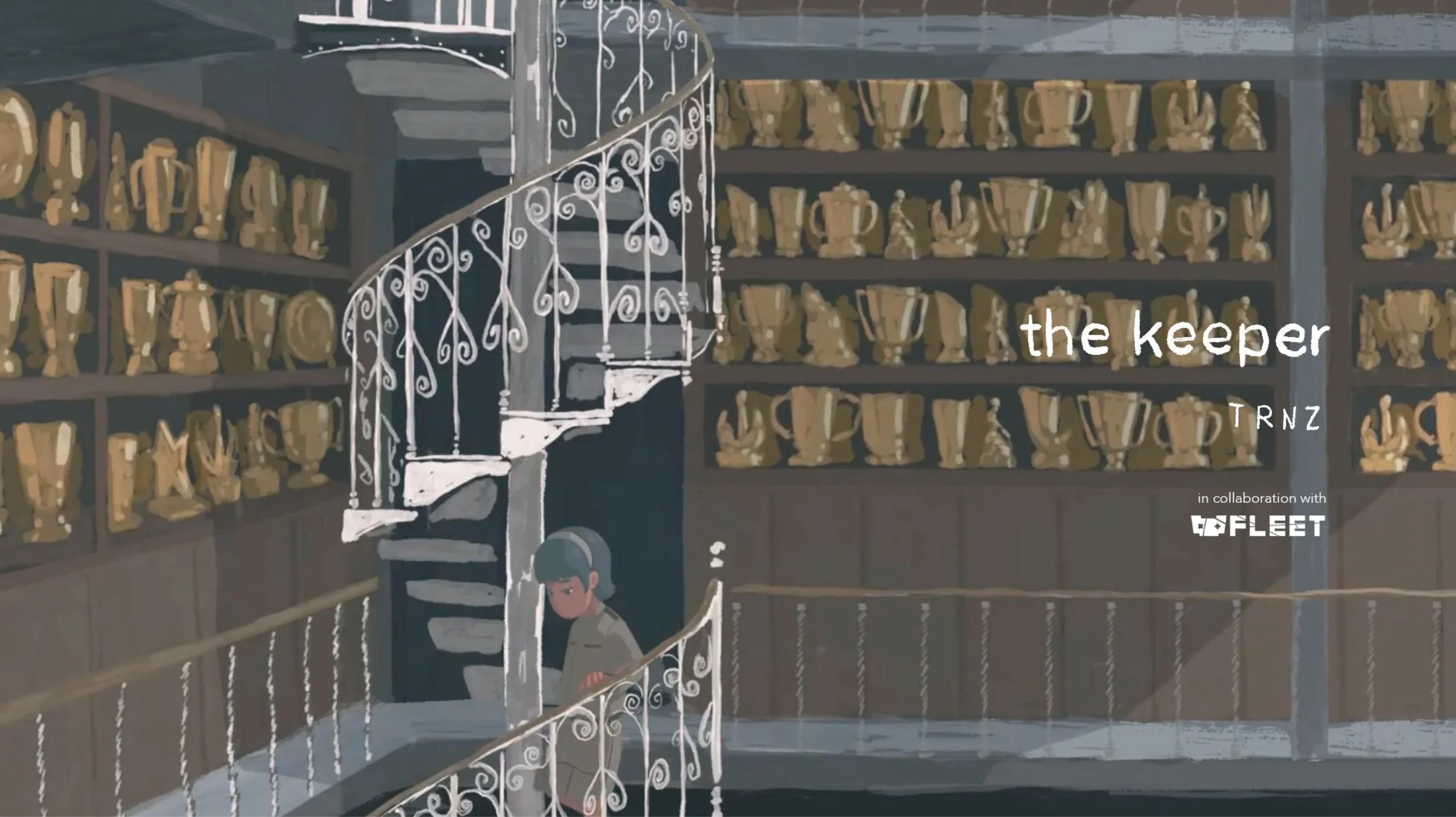
The Keeper by TRNZ
ArtFairPH/Digital continues to stretch the idea of spectatorship. TRNZ’s animated short “The Keeper” assembles fragments of memory and online life into something quietly heavy. The TLYR Collective explores digital alchemy through immersive installations.
For an artist accustomed to physical materials, the section reads of a translation. Meaning travels differently here, but it still arrives.
TALKS, TOURS, and learning out loud
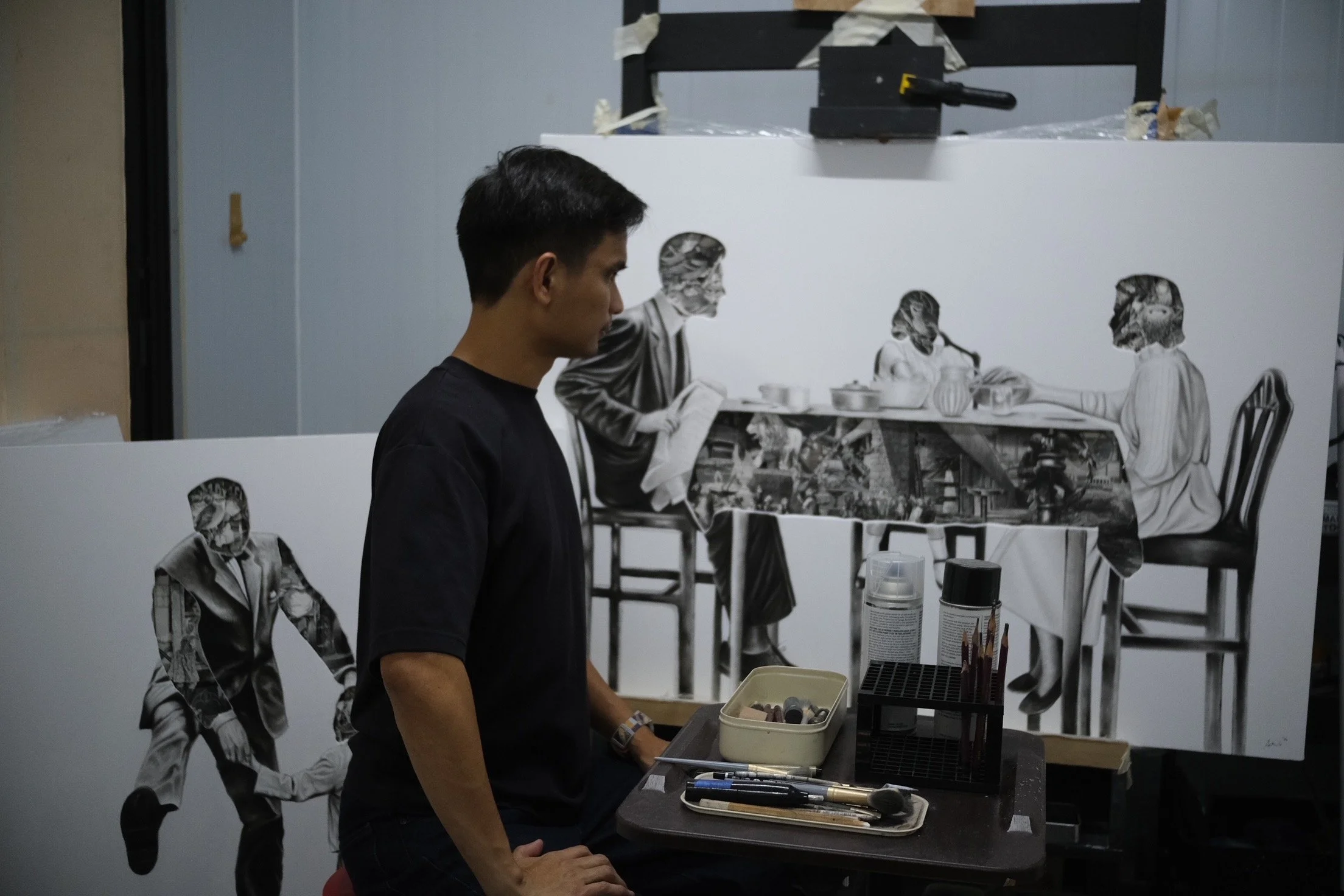
BPI Sponsor Project: AR Manalo
Education is not an accessory. ArtFairPH/Talks, presented with the Ateneo Art Gallery and the Museum Foundation of the Philippines, creates daily moments of pause. Tours run at 11 a.m. and 5 p.m., slowing the fair into something navigable.
This scaffolding matters. As Ongpin-Periquet puts it, the fair is “kind of democratic,” as long as quality holds.
RESIDENCIES and the long view
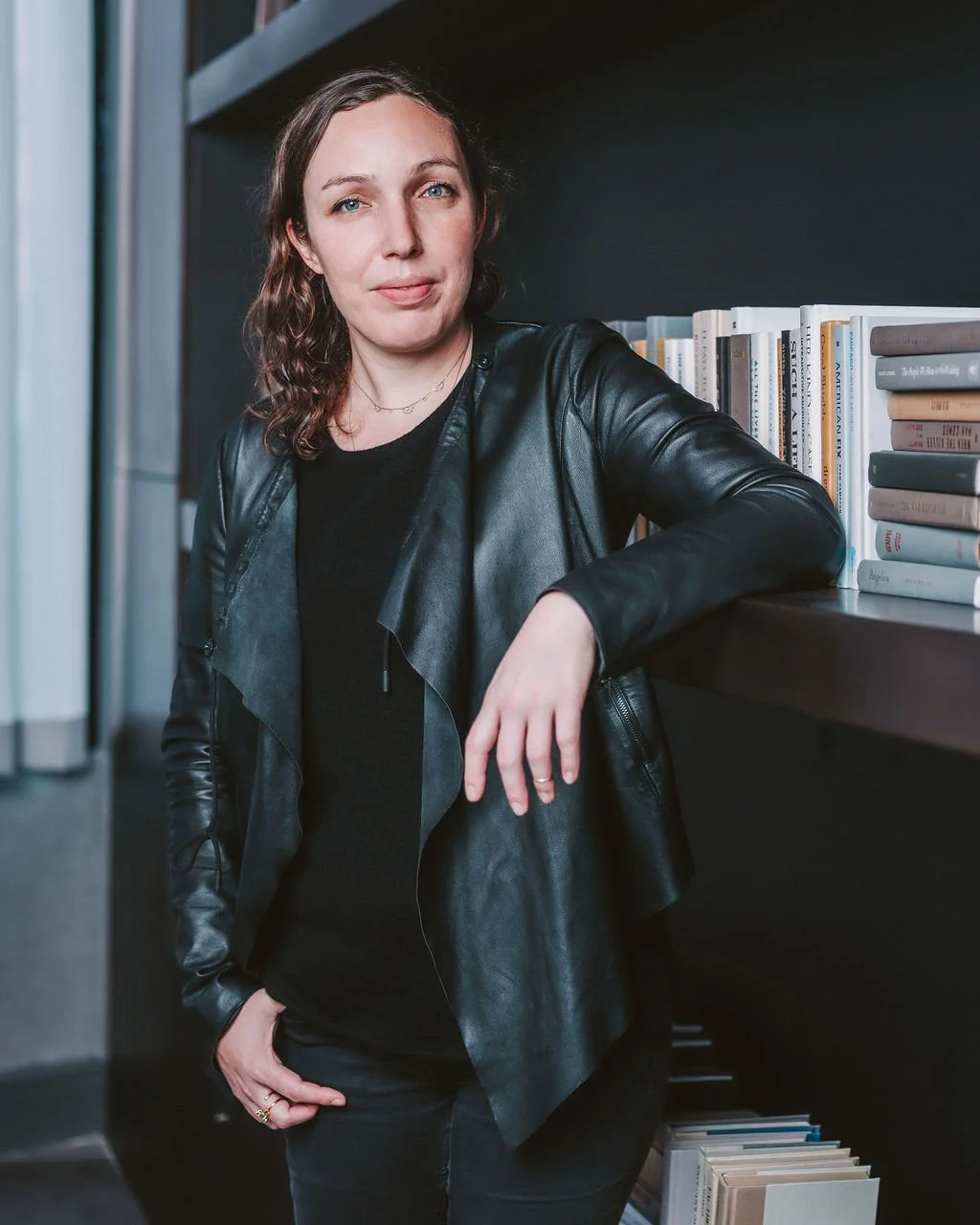
The Curator Residency Grant’s Anne-Laure Lemaitre
The Curator Residency Grant, led in 2025 by Anne-Laure Lemaitre, extends the fair beyond its dates. Applications for 2026 open on February 1. BPI-supported projects and artist initiatives like AR Manalo’s reinforce continuity.
The artist sees this as the fair’s quieter promise. Not everything ends when the booths come down.
10 DAYS OF ART: Art in daily route
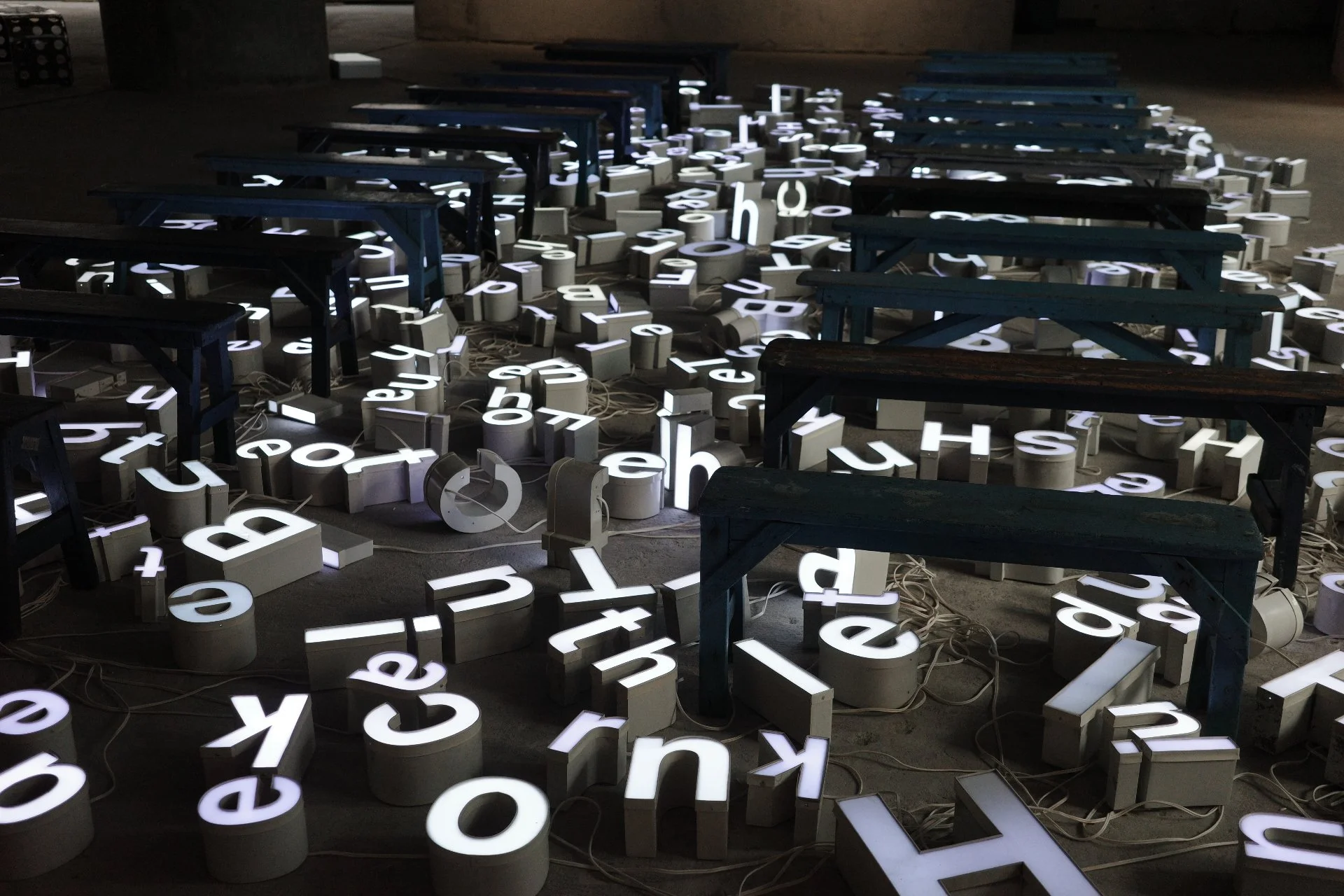
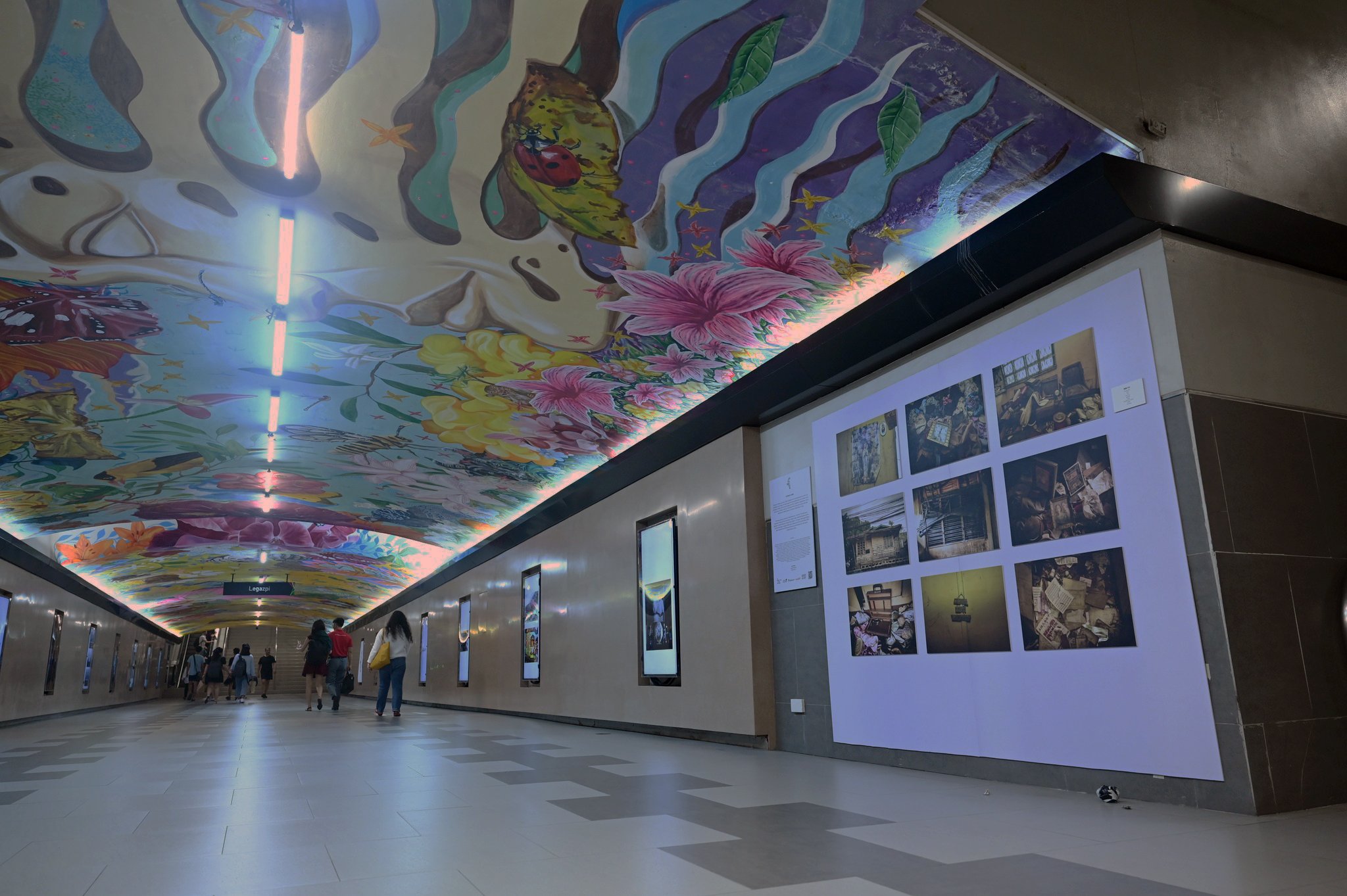
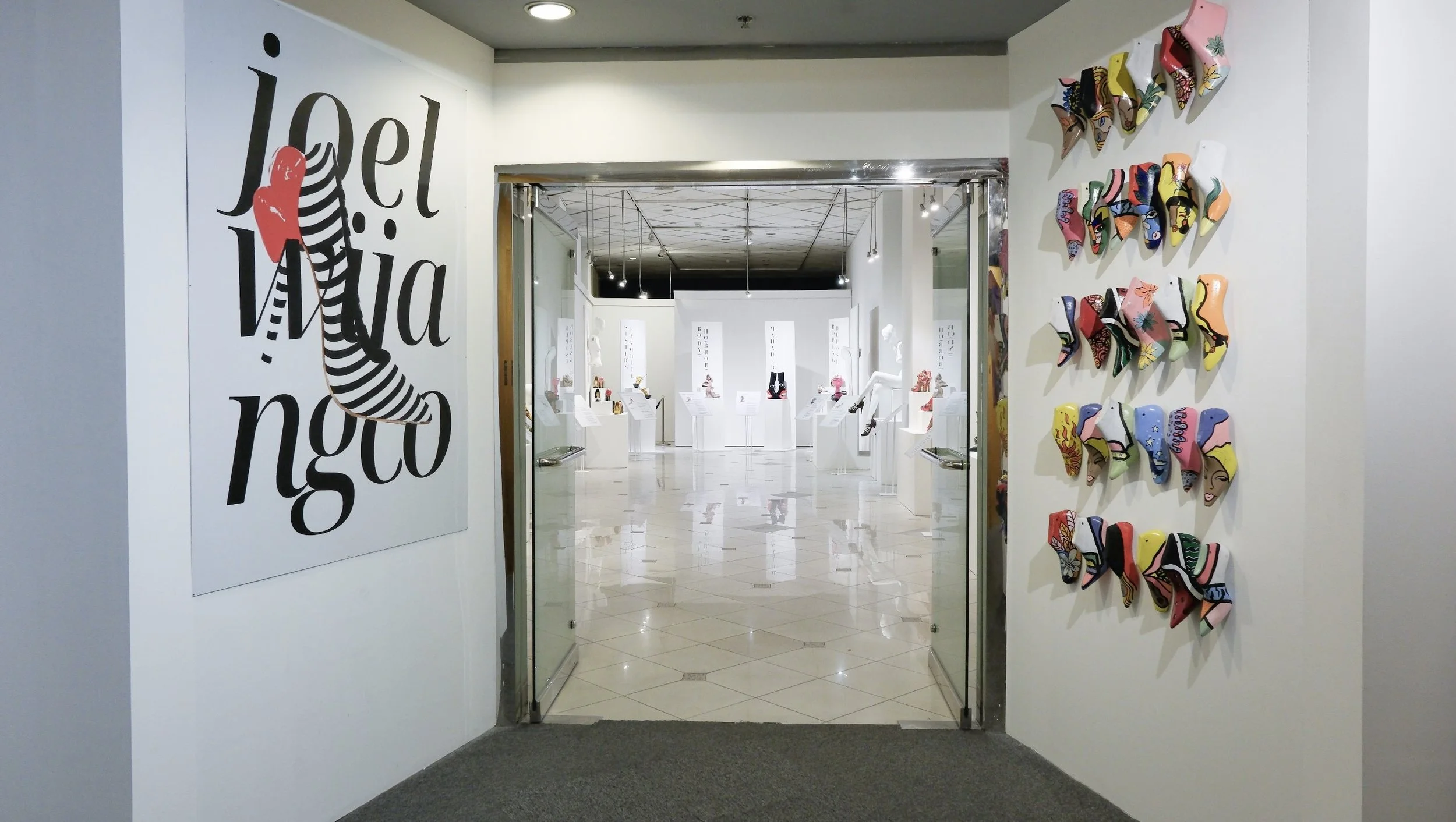
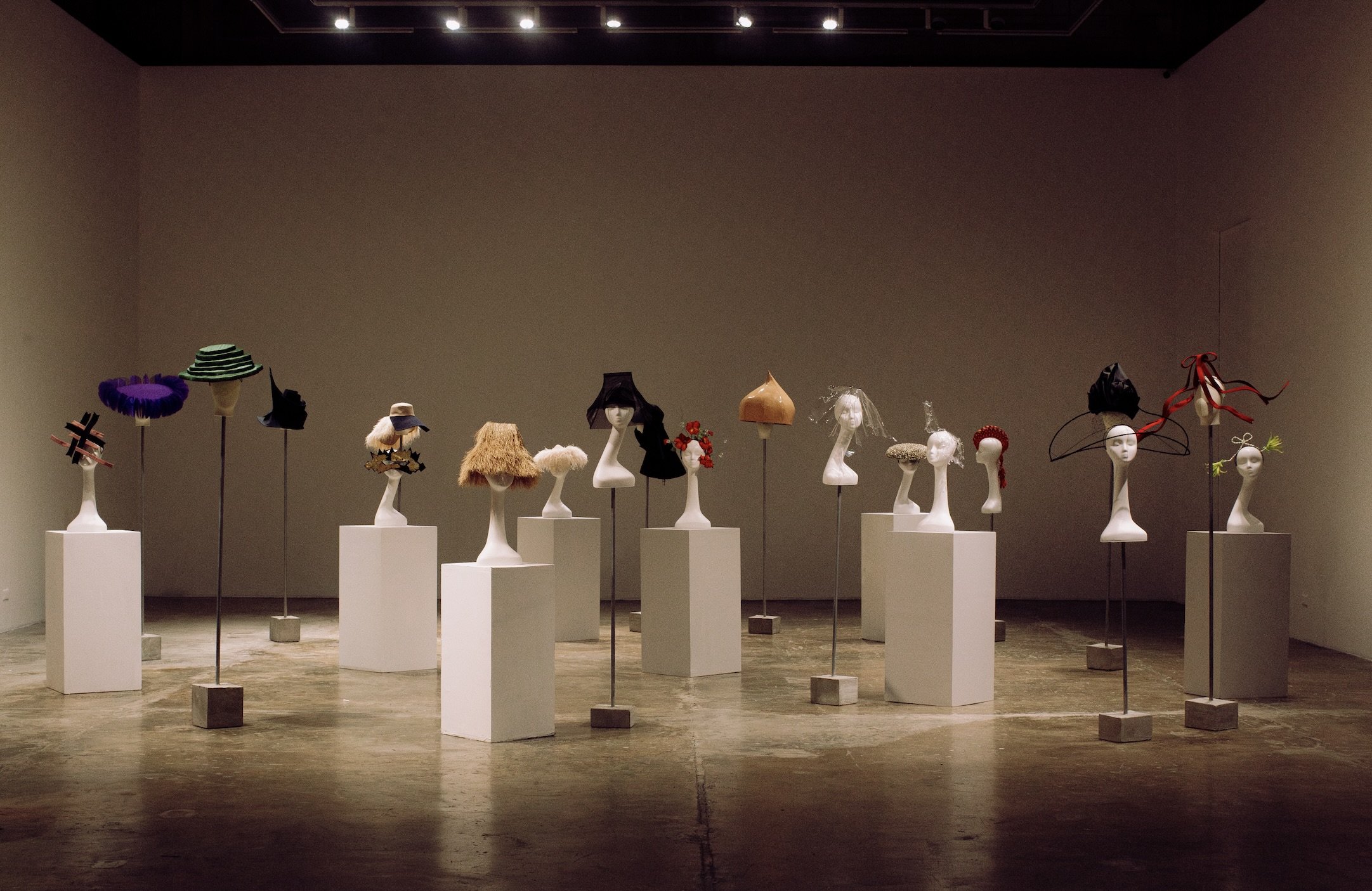
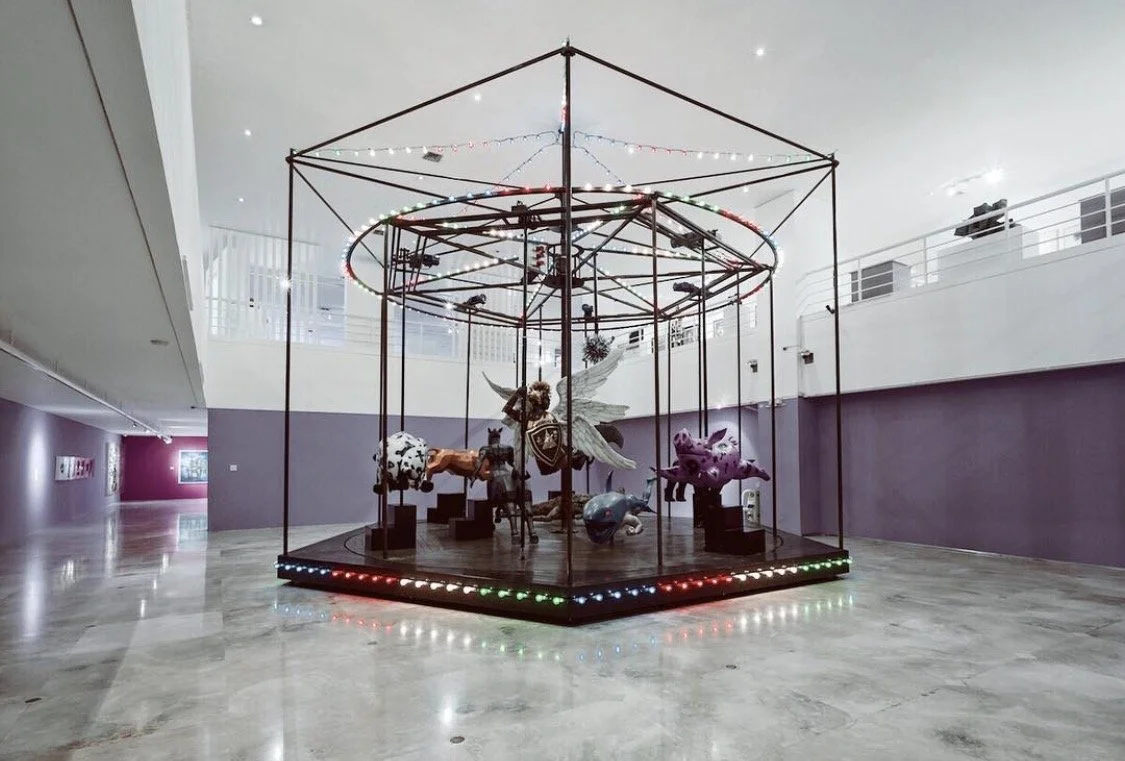
From January 30 to February 8, public installations scatter across Makati. Works by Alfredo and Isabel Aquilizan, Ronald Ventura, Mich Dulce, Joel Wijangco, Fotomoto PH, and Isaiah Cacnio appear along ordinary paths.
Ongpin-Periquet describes it simply. It is about “bringing art into your daily life.”
At the end of the day, the artist leaves Circuit Makati with a sense of scale. Art Fair Philippines endures its edges–and it just keeps widening.
For schedules, tickets, and updates, visit www.artfairphilippines.com.