FASHIONPhilippines Goes Back to Milan
FASHIONPhilippines Milan returns in 2026, opening more global opportunities for Filipino brands.
Words Art+ Magazine Team
Photos courtesy of Manila FAME
May 14, 2026
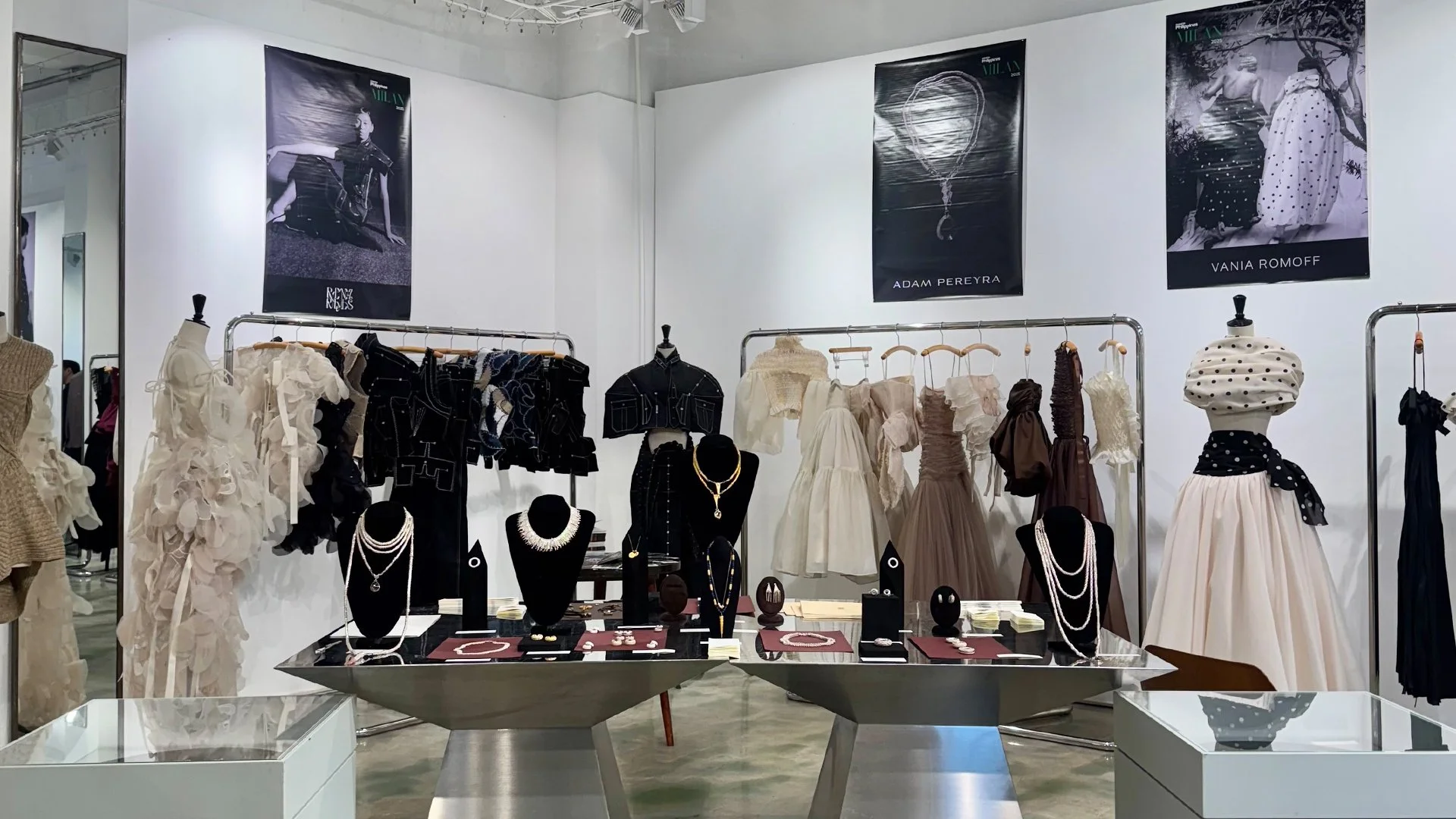
After a successful debut, FASHIONPhilippines Milan returns in 2026 with a stronger and more focused program designed to help Filipino fashion brands expand into the international market.
Led by the Center for International Trade Expositions and Missions (CITEM), in partnership with the Department of Science and Technology – Philippine Textile Research Institute (DOST-PTRI), the Philippine Consulate General in Milan, the Philippine Fashion Coalition (PFC), and LIT Fashion Consultancy, the initiative builds on the momentum of its 2025 launch with a sharper approach to brand development and global market access.
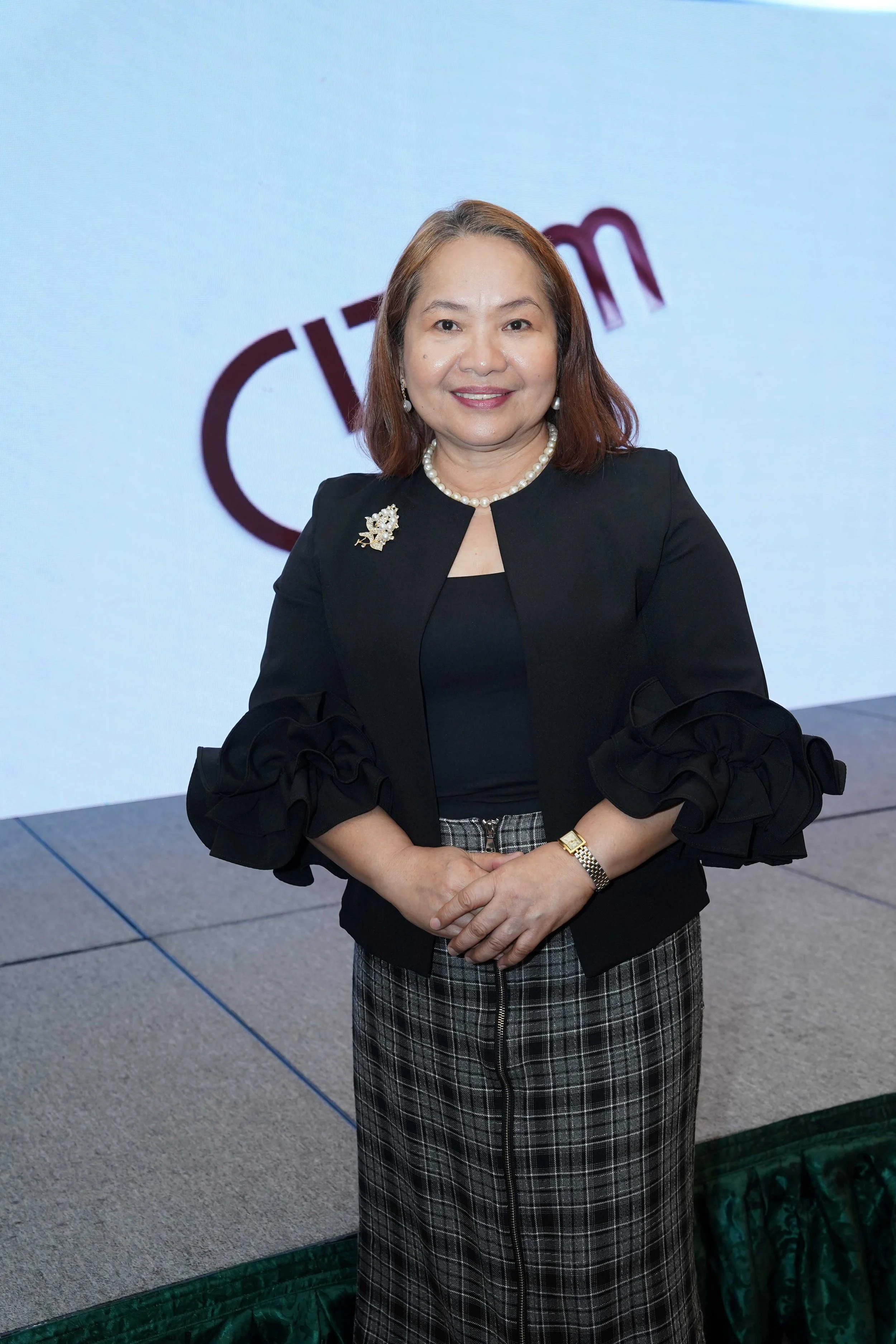
Leah Pulido-Ocampo, CITEM Executive Director
CITEM Executive Director Leah Pulido Ocampo shared that the first edition highlighted both the strengths of Filipino fashion and the work needed to prepare brands for international growth.
“Our experience from the inaugural run affirmed the global potential of Filipino fashion while also showing the importance of strengthening brands’ readiness to compete internationally,” Ocampo said. “For 2026, we are developing a more strategic program that gives equal importance to creativity, business development, and long-term market access.”
Lessons from the First Edition
Lessons from the inaugural program have directly shaped the next phase of FASHIONPhilippines Milan.
For Philippine Fashion Coalition President Jackie C. Aquino, one of the clearest takeaways was the need to treat fashion not only as a creative field, but also as a business.
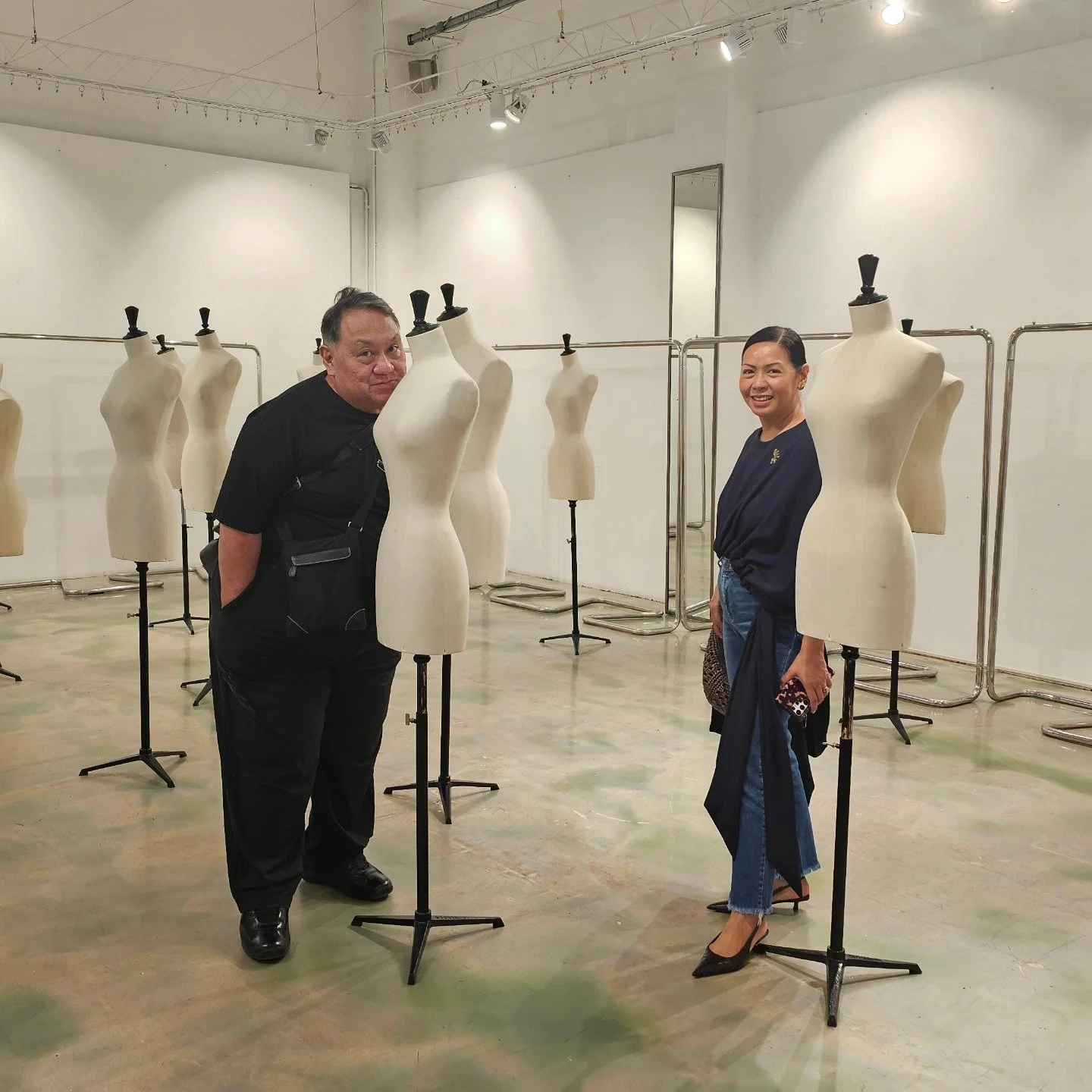
PFC President Jackie Aquino and Carmina Sanchez-Jacob right before the brands set up last September 2025 in Milan
“The business dimension of fashion is paramount,” Aquino said, noting that brands must be prepared operationally—not just creatively—to succeed internationally.
This has led organizers to place greater focus on selecting brands with both strong design identities and the capacity to scale, supported by closer collaboration between industry and government partners.
The broader goal is to help position Filipino fashion as a globally competitive industry by 2035, supported by innovation, textile development, and cohesive industry support.
For 2026, the program will introduce more targeted development sessions based on feedback from mentors and participating brands.
LIT Fashion Consultancy’s Tetta Ortiz-Matera emphasized the importance of understanding how international markets operate.
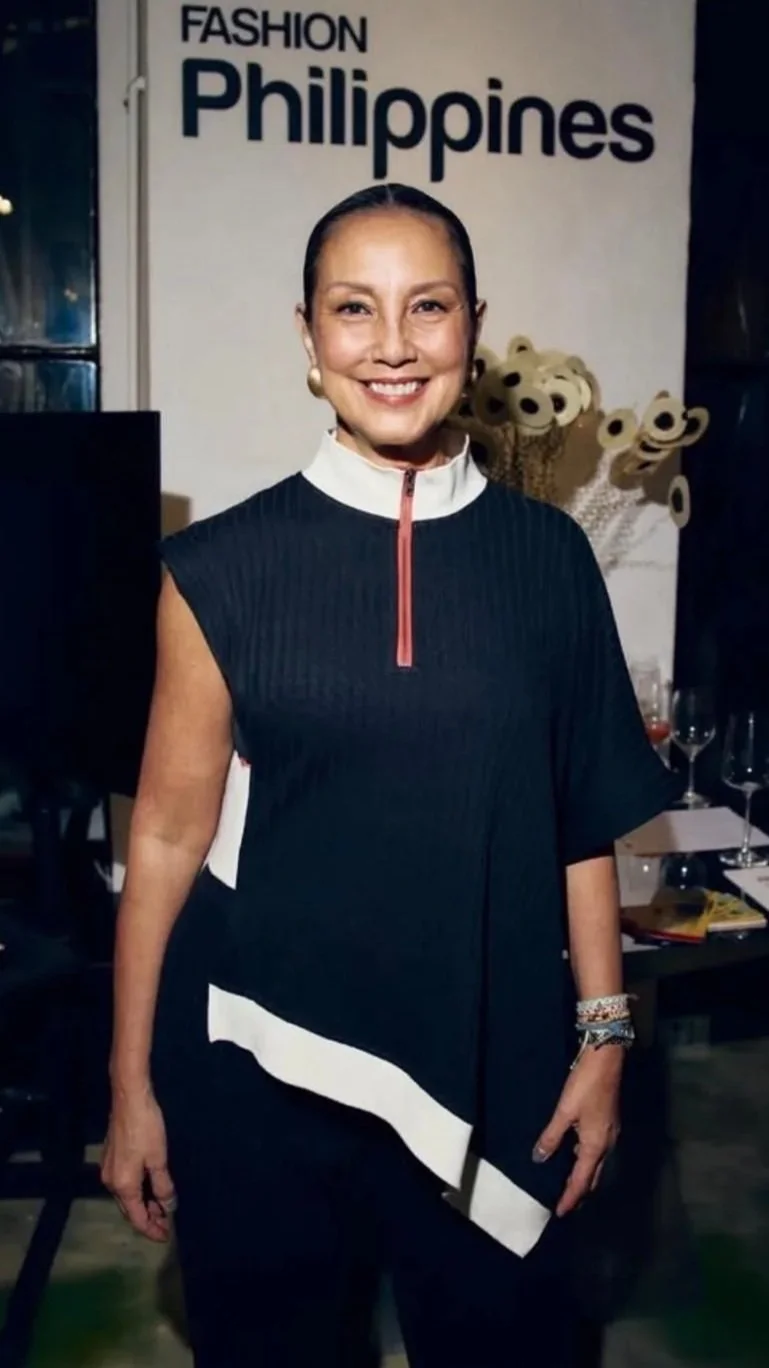
Tetta Ortiz Matera of LIT Fashion Consultancy
“Local brands must understand that doing business internationally requires a different mindset—from wholesale pricing and delivery timelines to collection structure and buyer engagement,” she said.
New modules will cover pricing, line sheet development, market positioning, and international selling strategies. The program is also strengthening its sales and showroom component to help participating brands connect more directly with buyers and distribution channels abroad.
That approach is already showing results. Following the 2025 edition, one Filipino brand secured representation through a Paris-based showroom—an important step toward integrating Filipino fashion into the global market.
Filipino Brands Gain Global Perspective
For participating designers, the experience offered more than visibility. It also challenged them to rethink how they present and grow their brands internationally.
Designer Adam Pereyra described the program as a process of refinement.

Designer Adam Pereyra
“It forced precision—less excess, more intent,” he said. “You’re exposed to global buyers and standards in real time. It’s calibration.”
He added that the experience deepened his understanding of how branding, communication, and material quality shape international perception.
For Ched Dalogaog of Ched Studio, the program clarified the balance between creativity and commercial viability.
“It gave us insights on how to balance design and business discipline—what we need to make more of and where we need to push ourselves creatively,” she shared.
Steffi Cua of Idyllic Summers said the experience encouraged the brand to think more seriously about operations and long-term retail strategy.
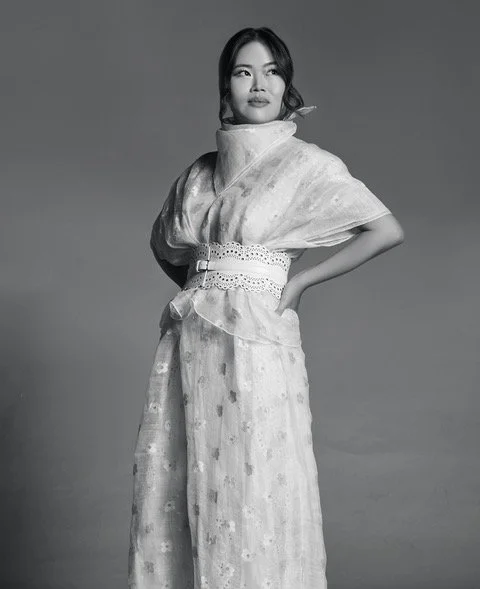
Steffi Cua for Idyllic Summers
“It taught us that growth is just as much about professionalizing our back-end operations as it is about the design itself,” she said.
She also noted the value of being mentored by industry figures such as Sara Sozzani Maino and Helena Boissonnas, and of exhibiting at Fondazione Sozzani in Milan.
For Tessa Nepomuceno of CALLI, mentorship around pricing and product development proved especially valuable in understanding the European market.
“That advice helped us better understand how to position our designs for international buyers,” she said.
She added that the Milan showcase and local PR campaign strengthened CALLI’s visibility and pushed the brand to create collections that remain rooted in Filipino craftsmanship while appealing to a wider audience.
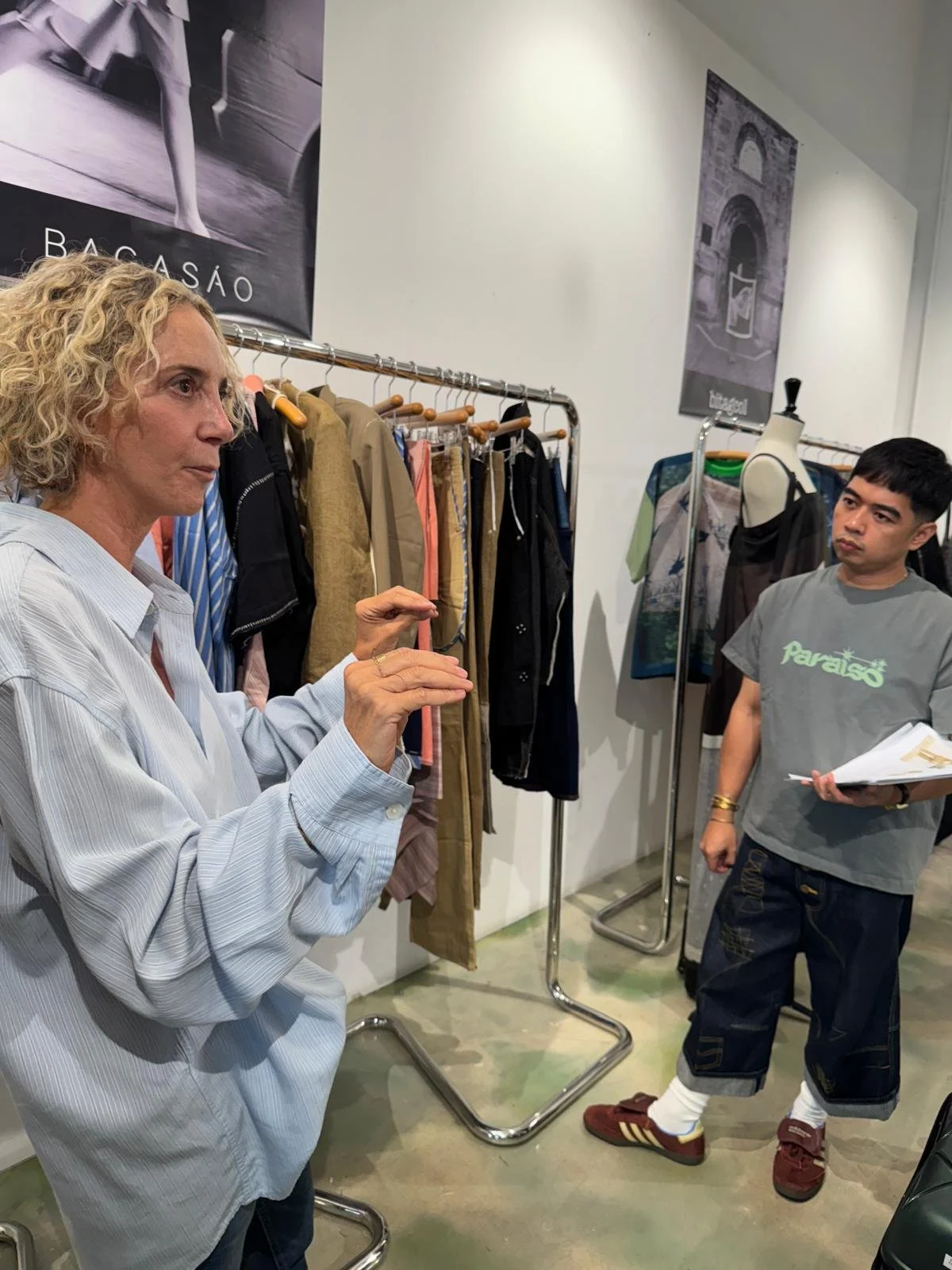
Veronica Bertozzi with Joseph Bagasao
Meanwhile, Joseph Bagasao of BAGASÁO highlighted the importance of initiatives that bridge local fashion practices with the international industry.
“For many Filipino brands, the challenge isn’t just design—it’s access, context, and understanding how to position the work globally,” he said.
Returning to Milan in 2026
The 2026 edition will culminate in a three-day exhibition in Milan from September 22 to 24, held alongside Milan Fashion Week. The showcase will feature returning brands from the inaugural batch as well as newly selected participants.
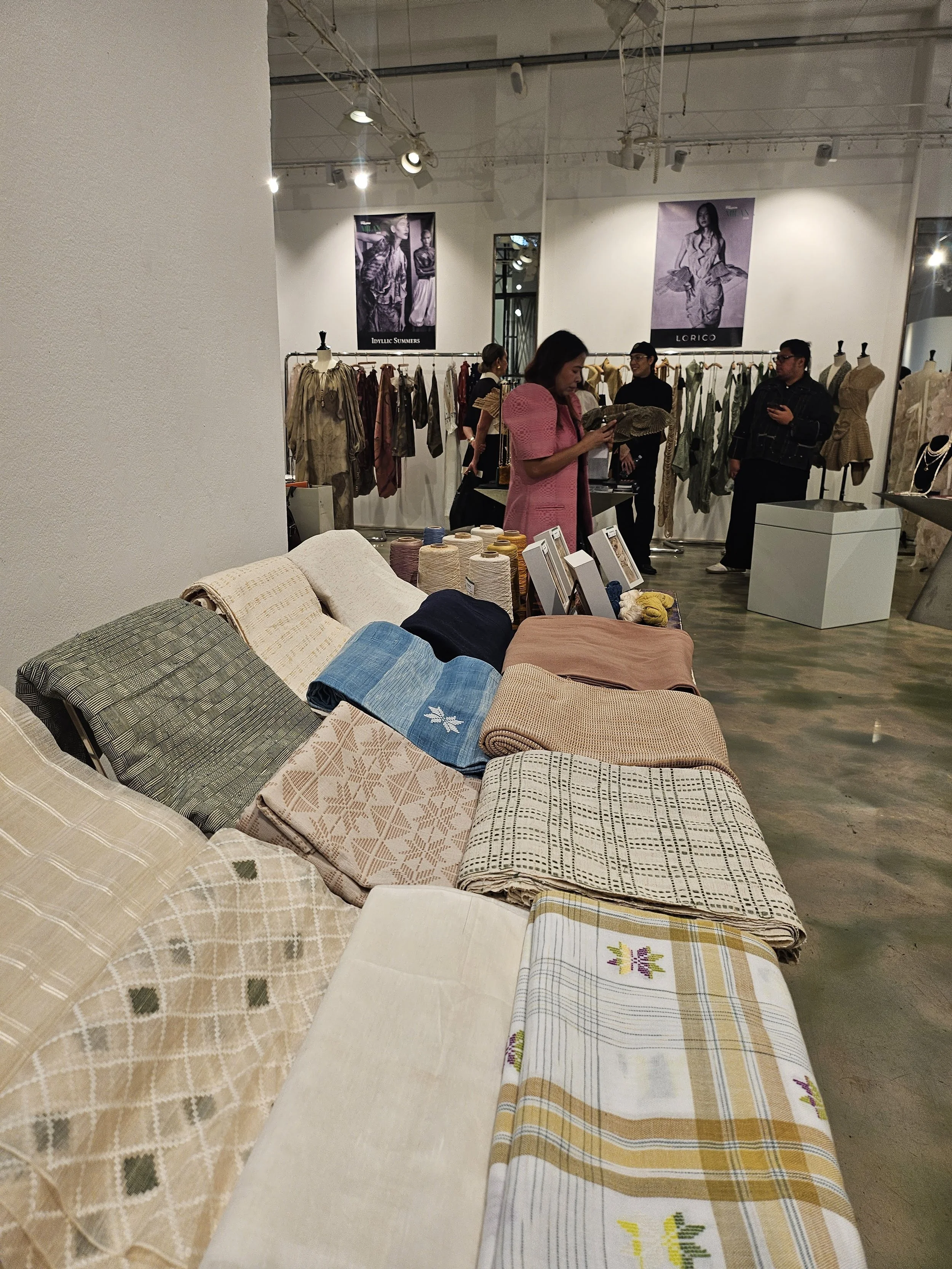
The Filipino Innovation Textiles (FIT), developed by DOST-PTRI, showcased during the 2025 exhibition.
As international interest continues to grow around emerging markets and independent design voices, FASHIONPhilippines Milan aims to position Filipino fashion within a larger global conversation—one grounded in craftsmanship, innovation, and cultural identity.
With a stronger framework, expanded mentorship, and more direct access to international buyers, the 2026 program offers Filipino brands a clearer pathway into the global fashion market.