
Designing and Building Beyond Me
IDx Conversations 2025 gathered designers, educators, and policymakers to discuss the importance of designing not just for oneself, but with and for the community.
Words Bella Dela Merced
Photo courtesy of DTI - Design Center of the Philippines
August 20, 2025
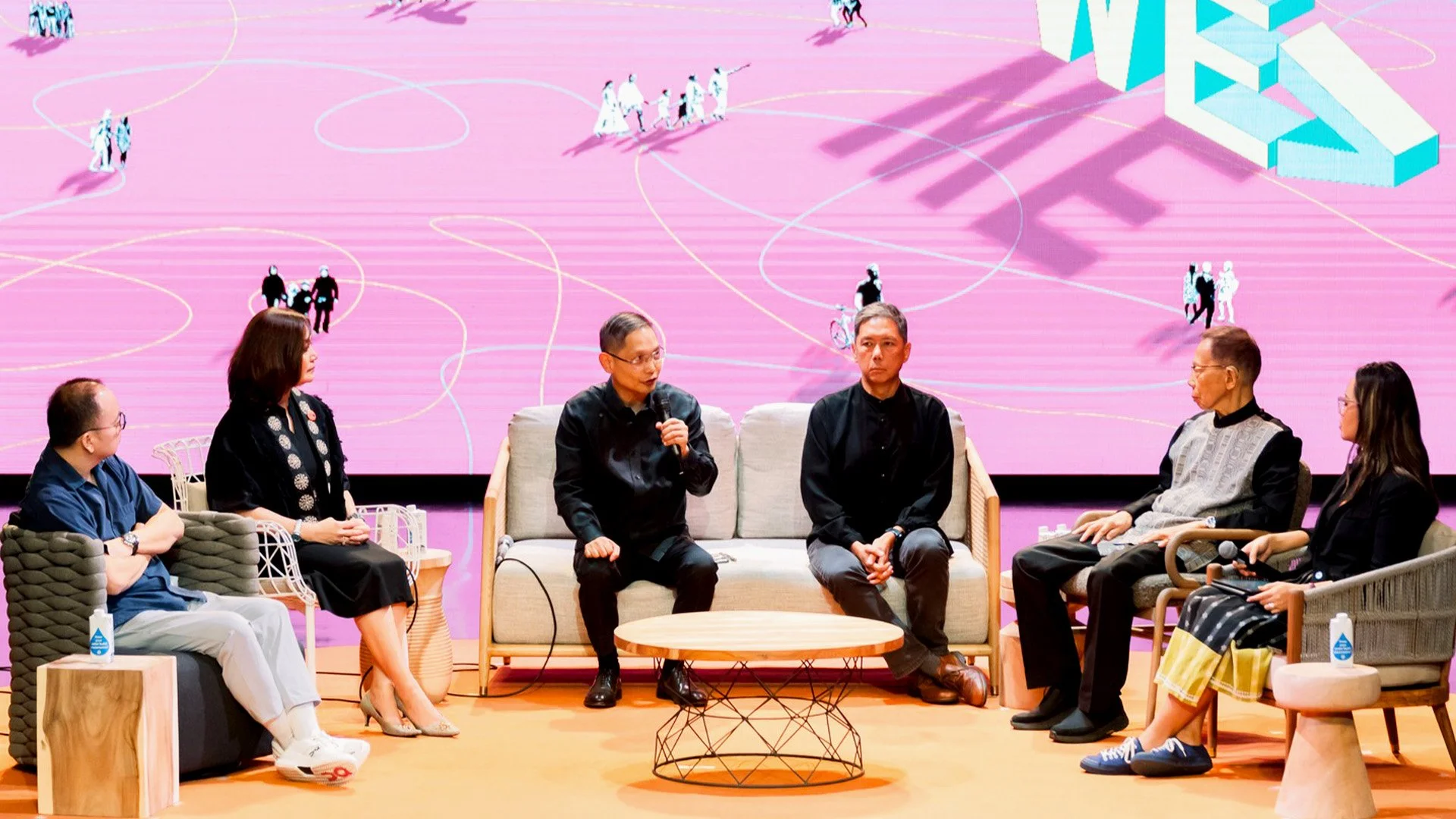
In celebration of World Industrial Design Day, the Design Center of the Philippines, under the Department of Trade and Industry (DTI), hosted IDx Conversations 2025: We > Me—a forum that explored how design can shape inclusive and sustainable futures.
Rooted in the Filipino value of kapwa, the discussion emphasized that design is never neutral: it can either isolate or connect, harm or heal. Drawing from their diverse expertise, the panelists shared perspectives on the role of kapwa and ethical design in building communities and shaping policy.
For cultural scholar Prof. Felipe M. de Leon Jr., kapwa is more than a cultural touchstone—it is the lifeblood of creativity. “Kapwa generates a sense of community,” he said. “The most productive communities are those where people are close to one another. When there is trust, there is openness, [which] makes people more expressive and more creative.”
He further emphasized that the Philippines’ indigenous and communal traditions already offer a model for collaborative creativity. Rooting design in kapwa, he explained, ensures that innovation remains inclusive and culturally grounded.
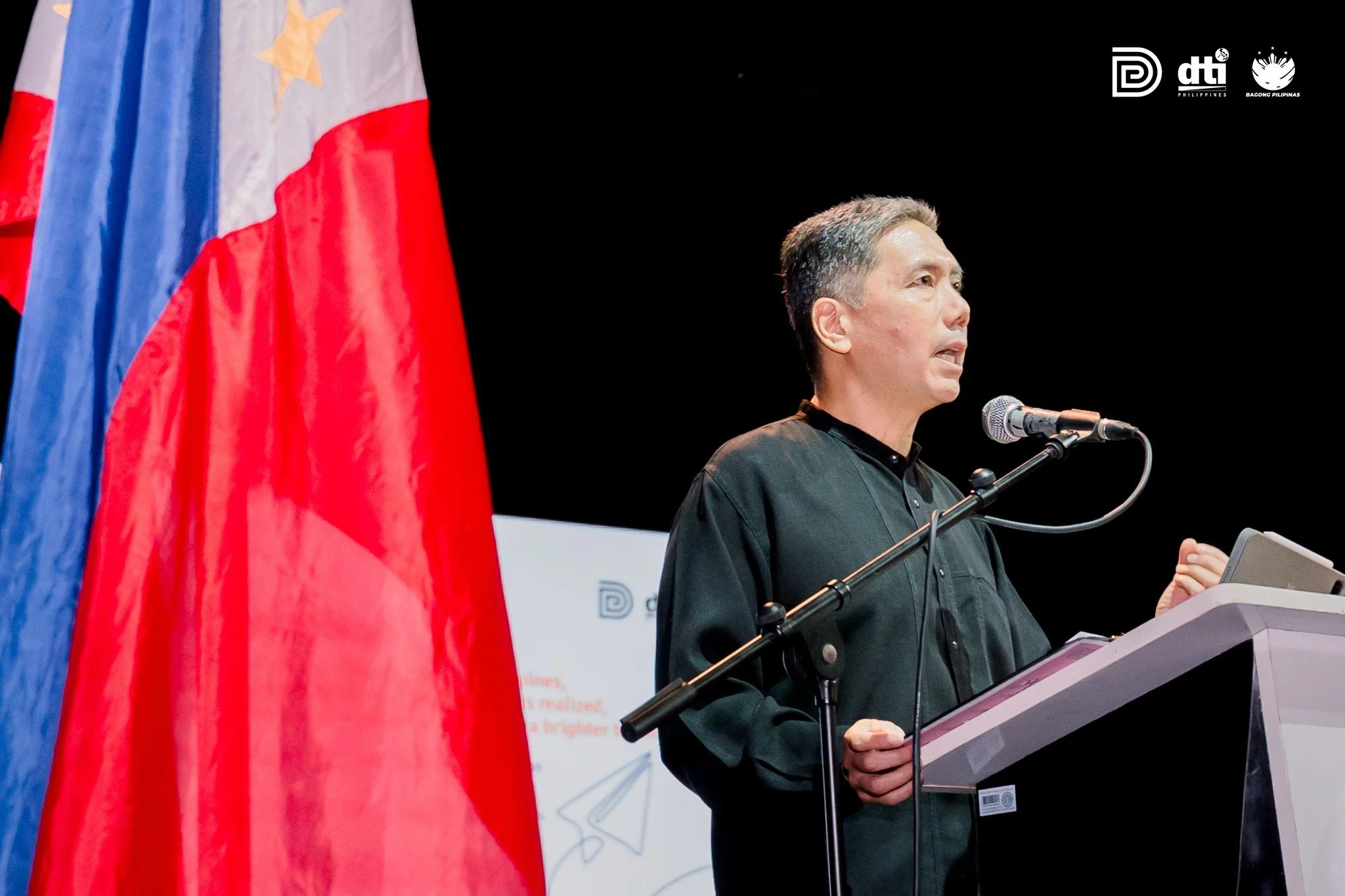
Paolo Mercado, National Design Policy lead expert and founder of the Creative Economy Council of the Philippines
While De Leon focused on cultural foundations, Paolo Mercado, National Design Policy lead expert and founder of the Creative Economy Council of the Philippines, highlighted how these values can be translated into ethical, user-centered design practices. “Ethical design is about good design and bad design–and knowing the difference,” Mercado explained.
He stressed that design must always begin and end with the user in mind. “Empathy [is] at the core at the beginning. If you embrace the design thinking process through and through, the start is really empathy. Understanding what the need is on a deep level. Not dictating the need, but truly understanding what the need is, what the gap is, and what the job to be done is.”
Mercado also pointed out that ethical design must go beyond individual users to include the broader community. “Our culture, in its current modern urban decay, is broken. That our sense of Kapwa is becoming smaller and smaller. And I think the need is how do we expand that back to understand this is the place where we live. This is common. This is ours. And we have to work together for it.”
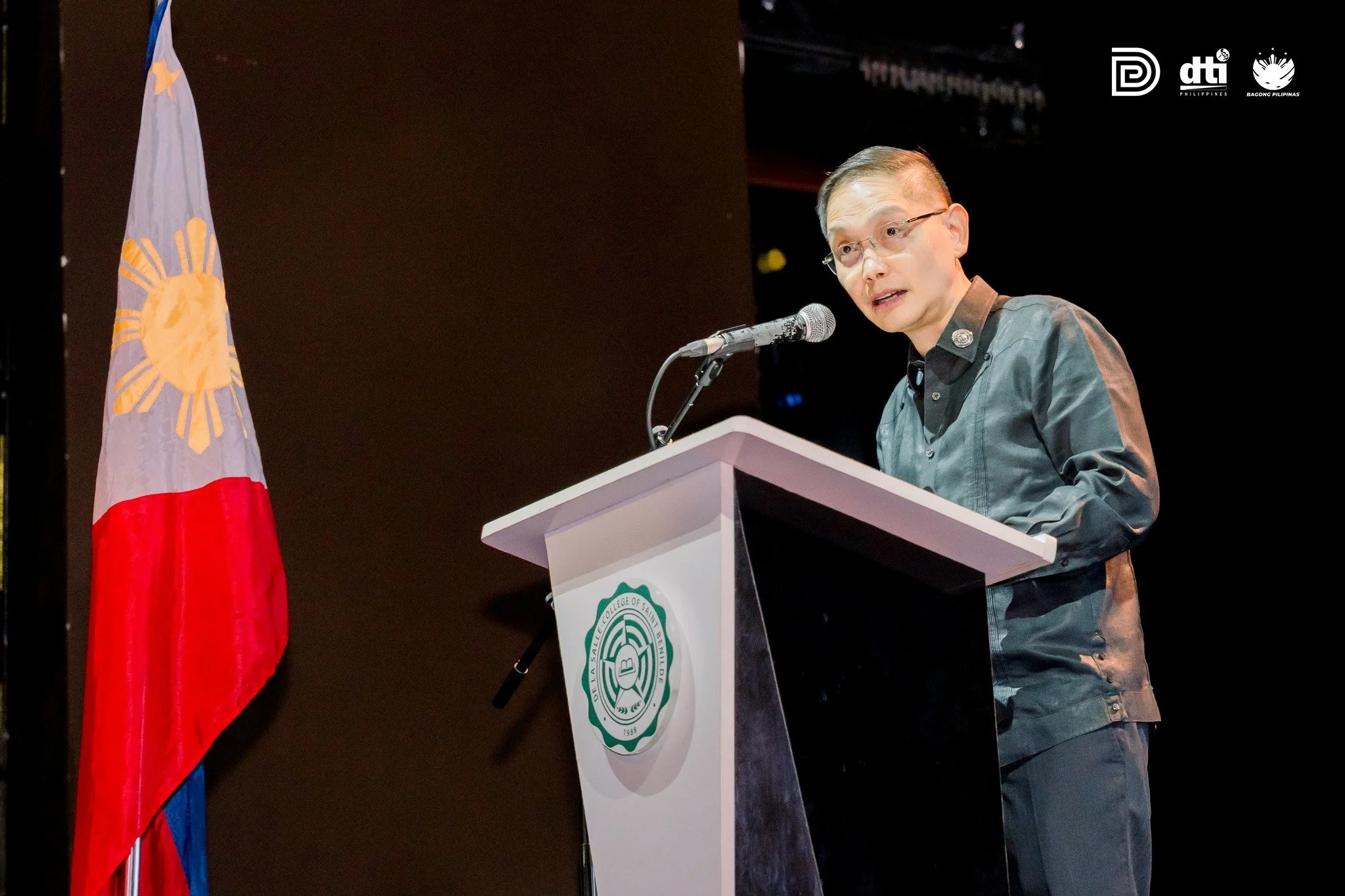
TESDA Director General Kiko Benitez
Bringing the conversation to policy and education, TESDA Director General Kiko Benitez shared how design thinking is being integrated into Technical and Vocational Education and Training (TVET) across the country. “With the help of the Design Center, we hope to make clear that training includes not just the hands, but also the heart and the mind,” Benitez said. “We are moving from teaching people how to produce towards teaching them how to imagine, how to solve problems, and how to create value rooted in their culture, community, and identity.”
As IDx Conversations enters its eighth year, the message is clear: design’s power lies not only in shaping objects and spaces, but in shaping relationships, systems, and futures.
In the Philippines, that power is strongest when grounded in kapwa—connecting people, communities, and the possibilities they create together.