
Craft, Cruising, and the Cordillera: A Holiday Encounter at Mt. Camisong
In the heart of Itogon, Mt. Camisong blends forest-first living with thoughtful art-driven holiday dining.
Words Mian Centeno
Photos courtesy of Mt. Camisong Forest Park and Mirrorball Asia
December 06, 2025
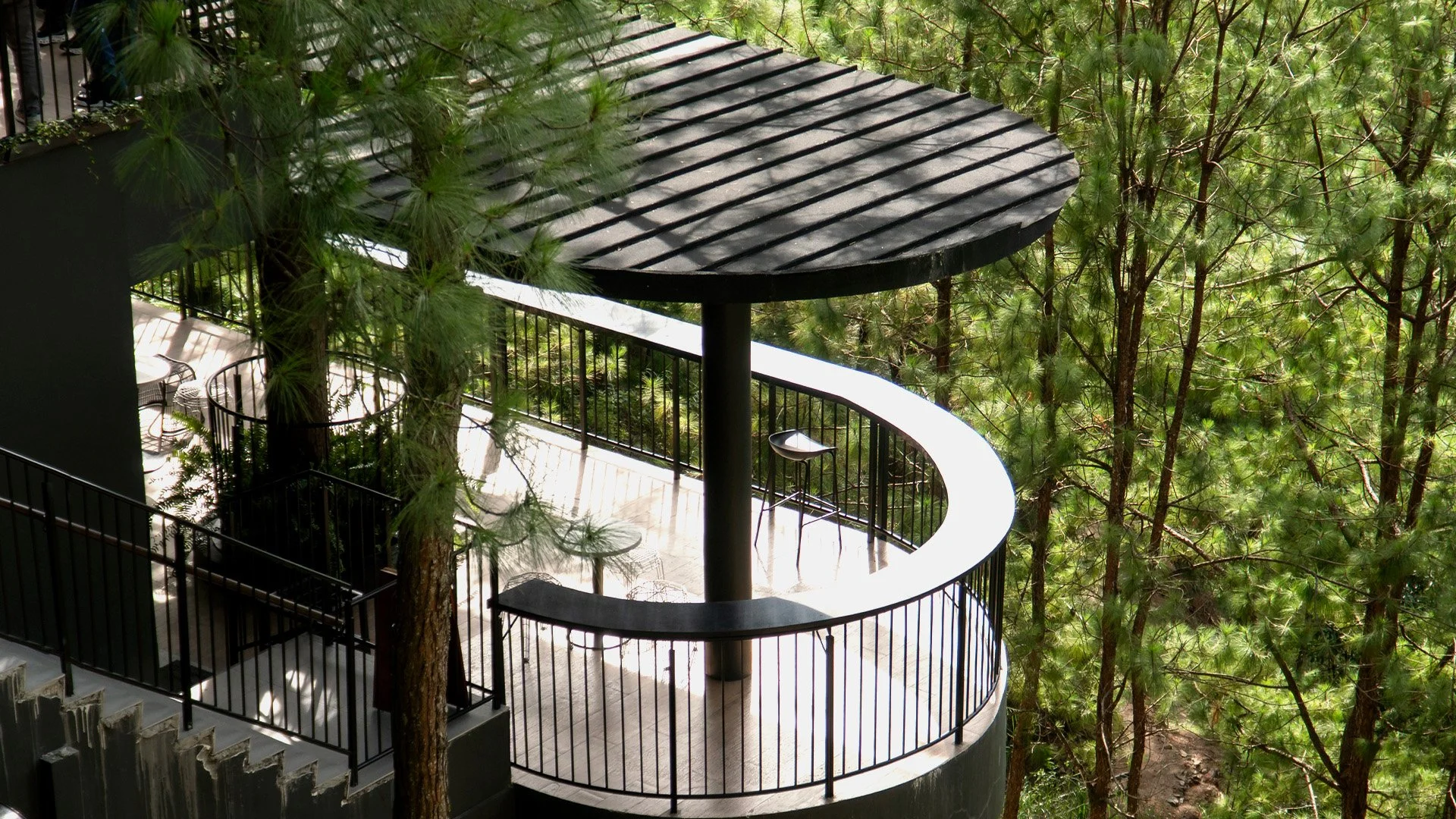
Mt. Camisong Forest Park rises gently from the slopes of Itogon, but never at nature’s expense. Every path, deck, and structure bends to the trees, not through them. More than a park, it stands as a promise: sustainable architecture is possible, and development doesn’t have to cost the land its peace.
A wildlife-first policy anchors that promise. The park keeps a no-pet policy to protect the animals that claimed the forest long before visitors arrived. Instead of making nature adjust to people, Mt. Camisong asks people to match the forest’s quieter rhythm.
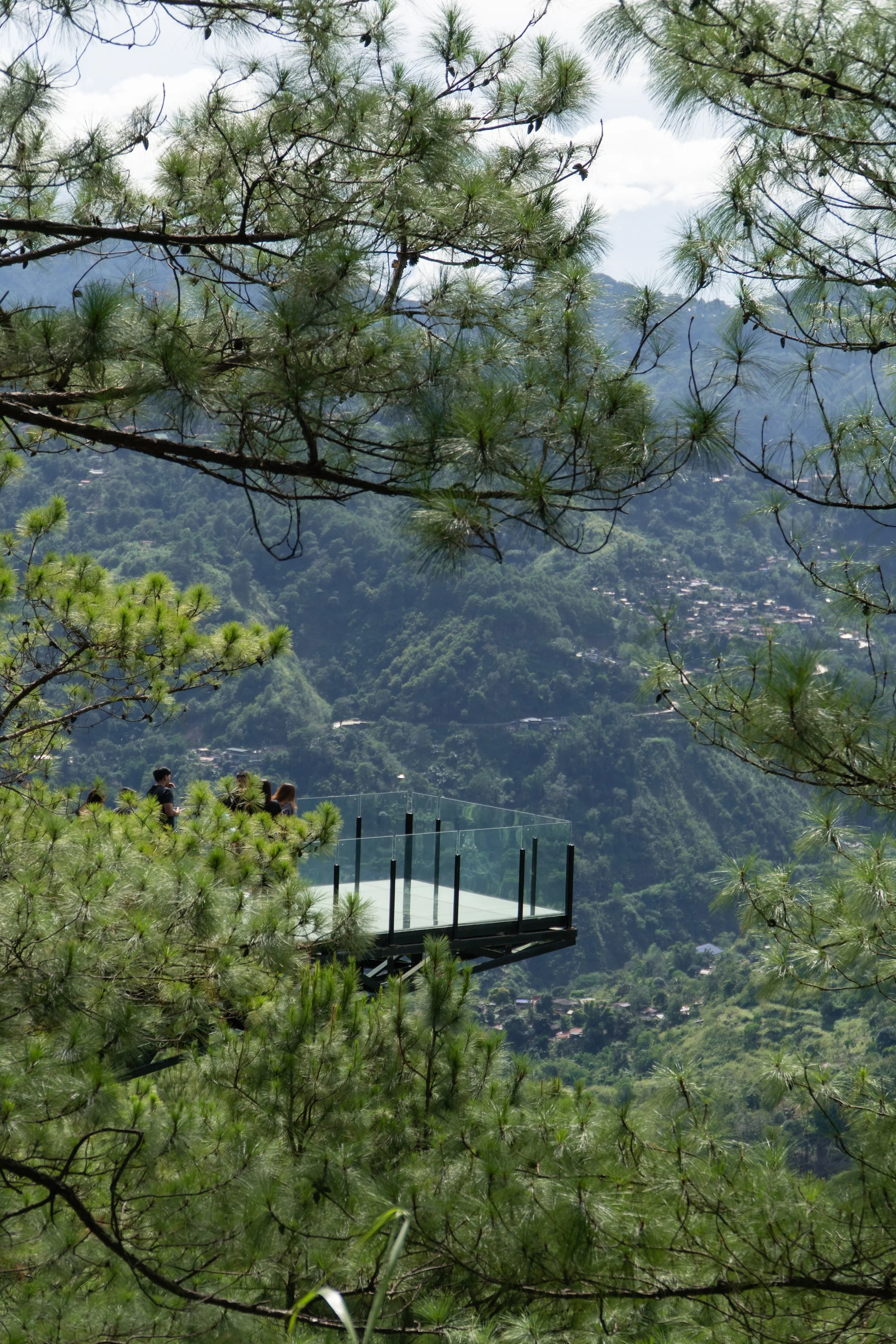
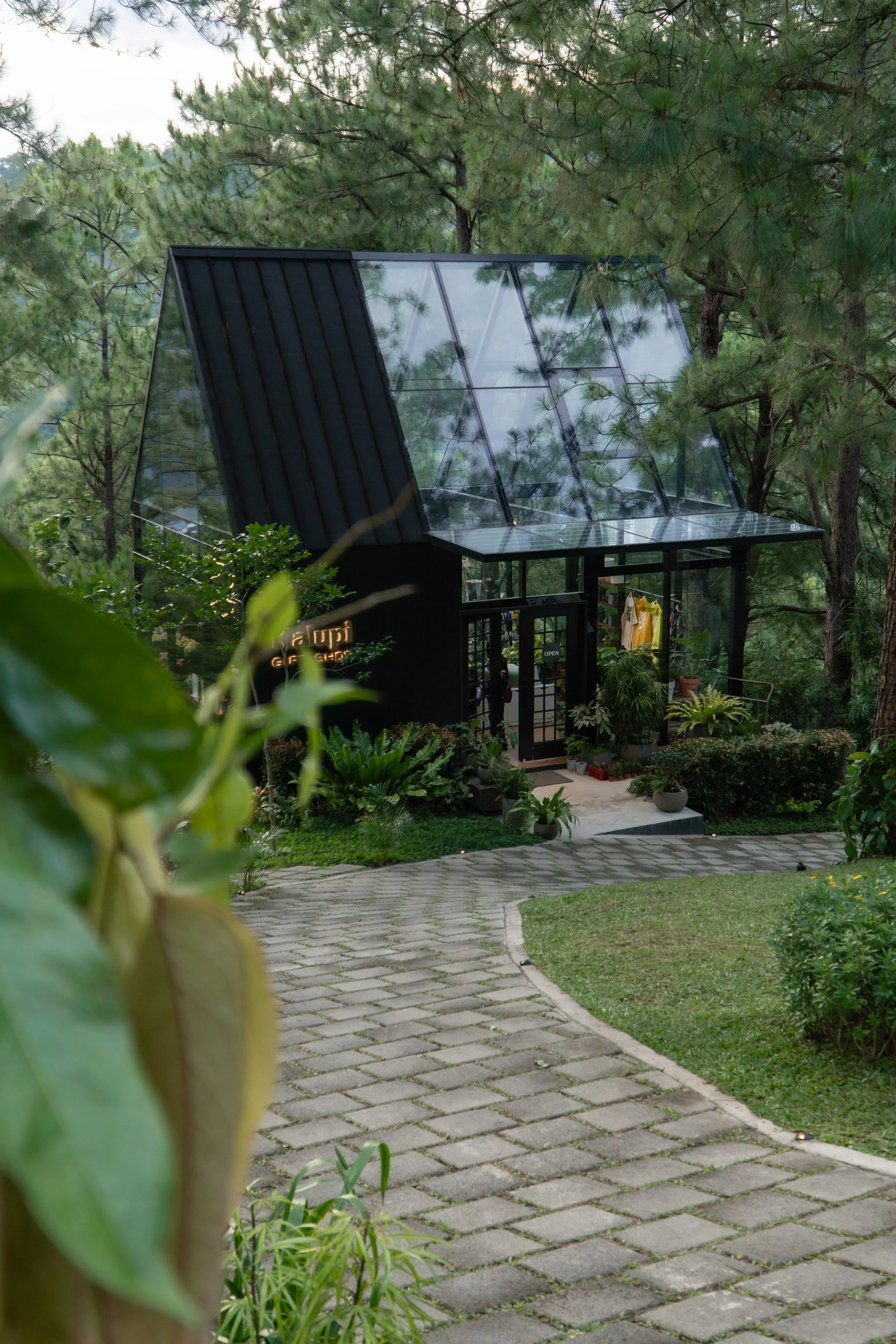
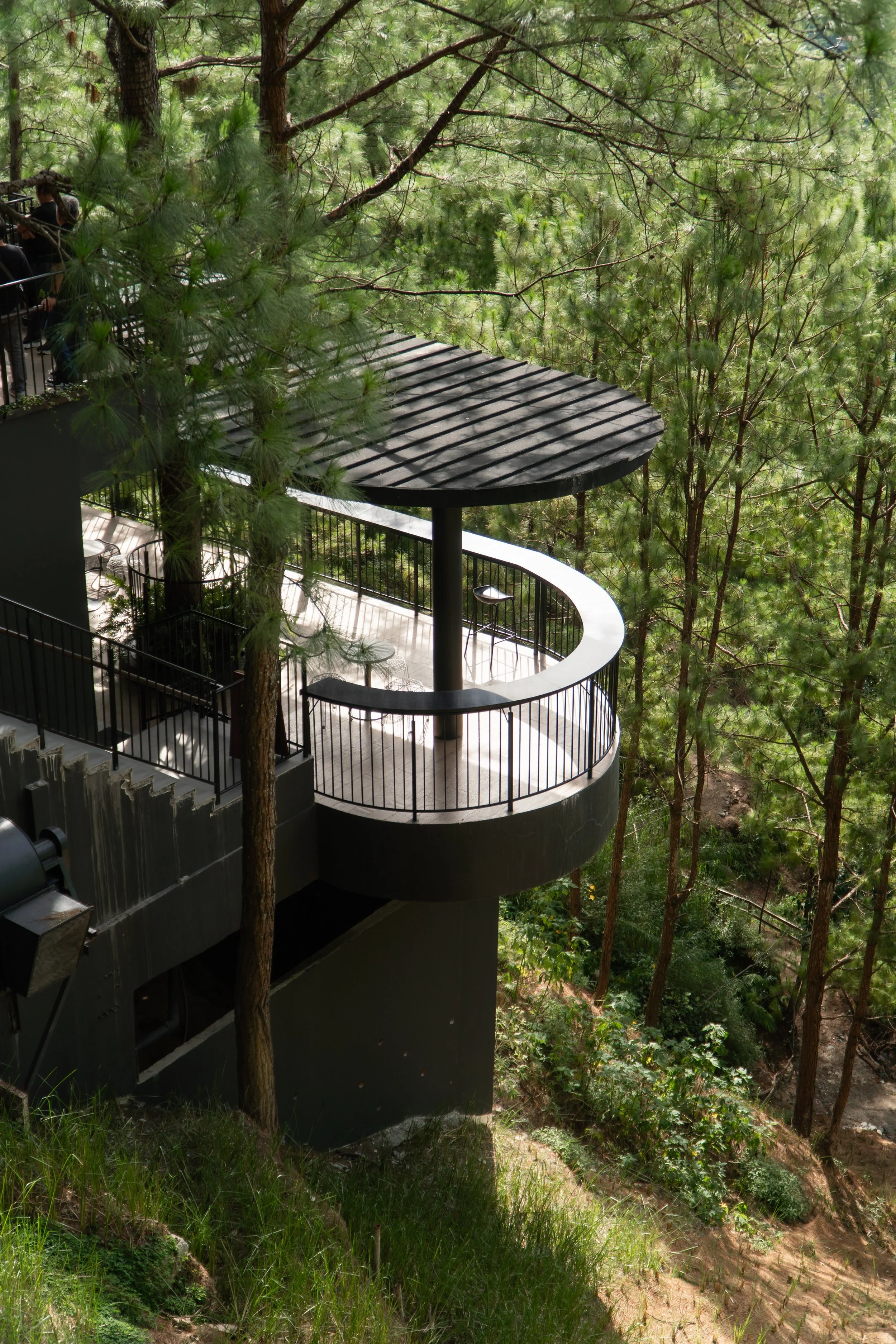
At its core is community. Local craftsmen shape the structures. Cordilleran artists lend cultural character. Baguio creatives keep ideas moving. The result feels less like a destination and more like an extension of the region’s living identity.
Holiday Tasting Menu: Festive, Familiar, Elevated
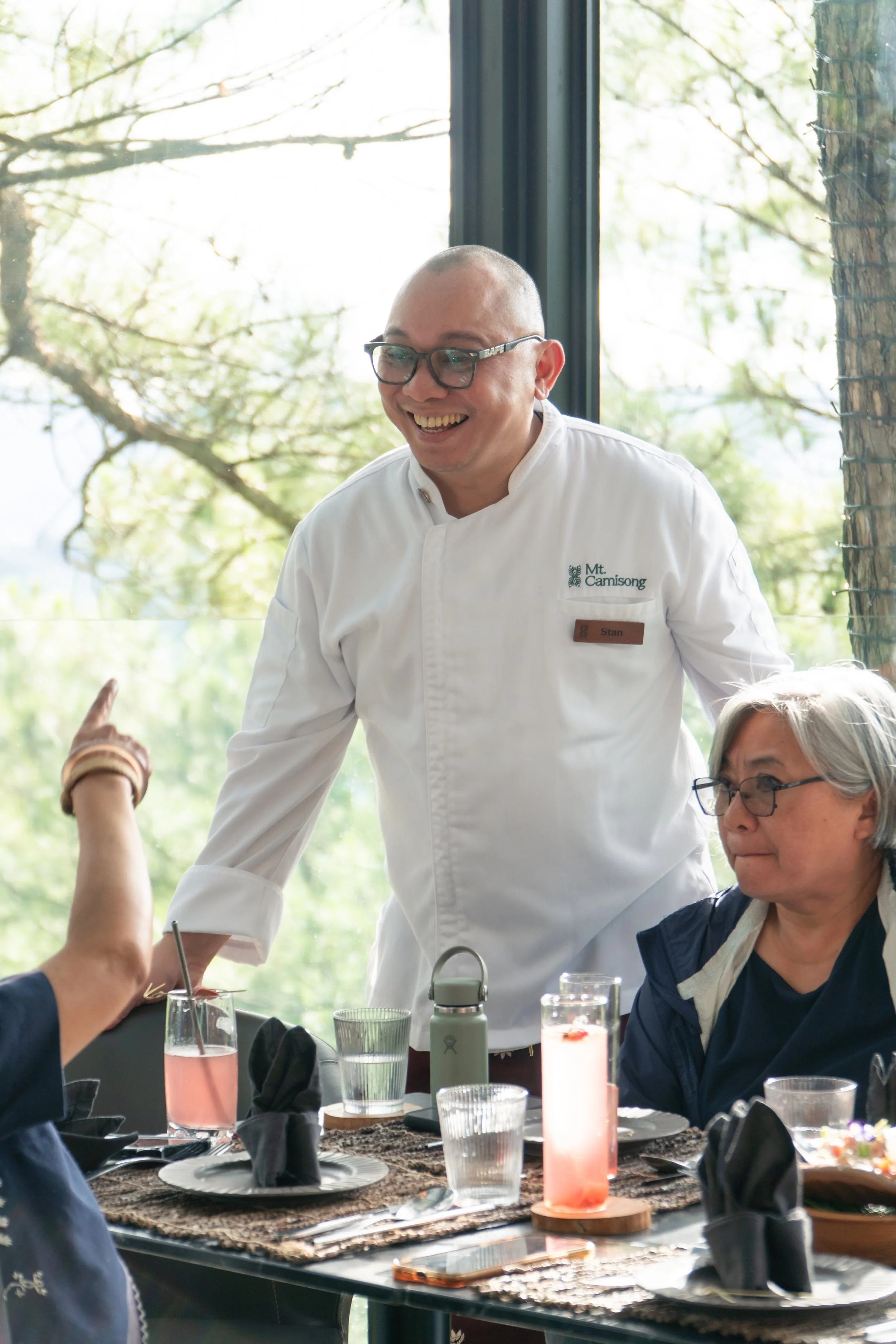
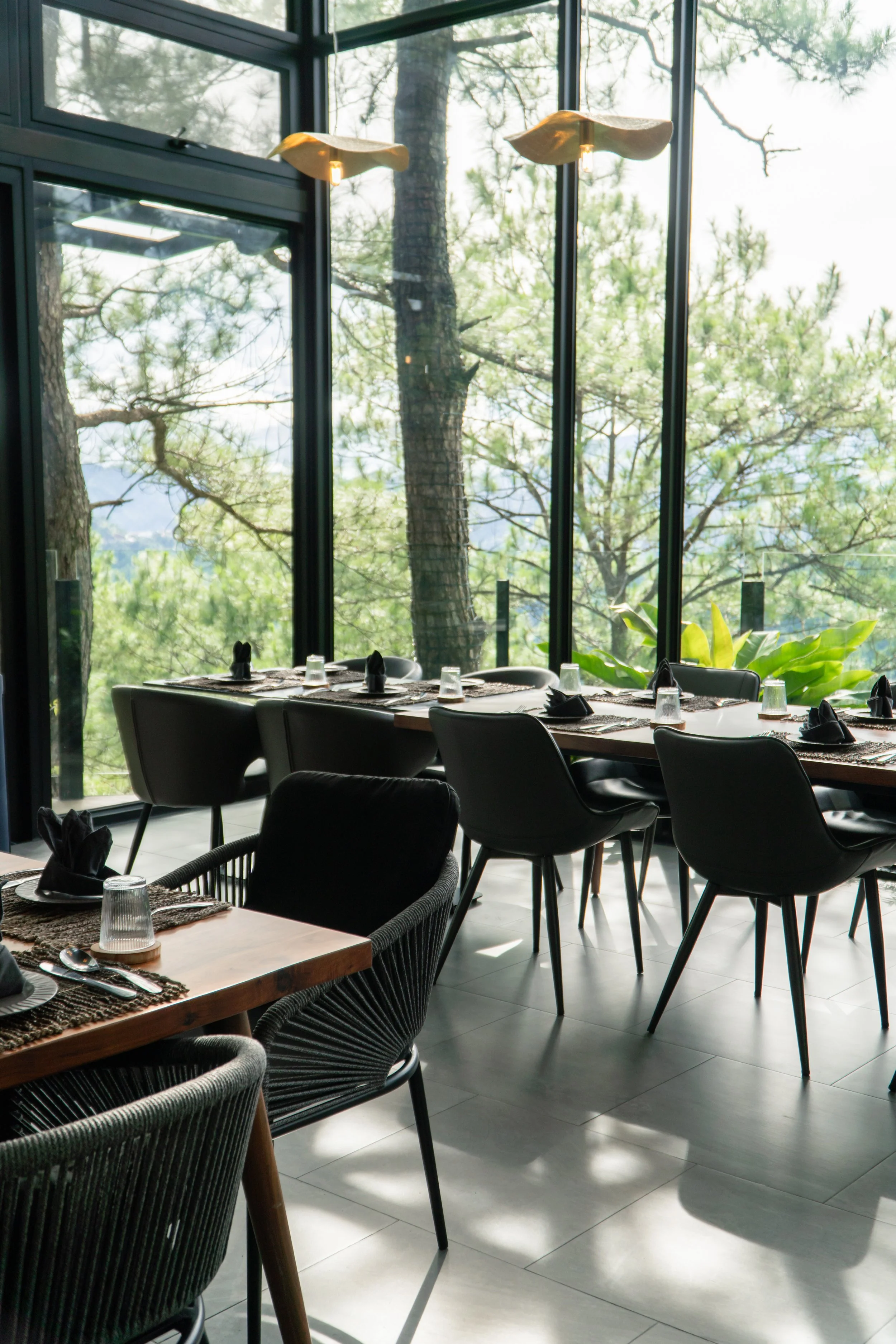
Inside Alapaap, tall glass walls frame the trees as the Benguet breeze slips through. Here, Chef Stanley “Stan” Suva, known for his love of open-fire cooking and mountain-born ingredients, presents holiday dishes that feel familiar yet artfully elevated.
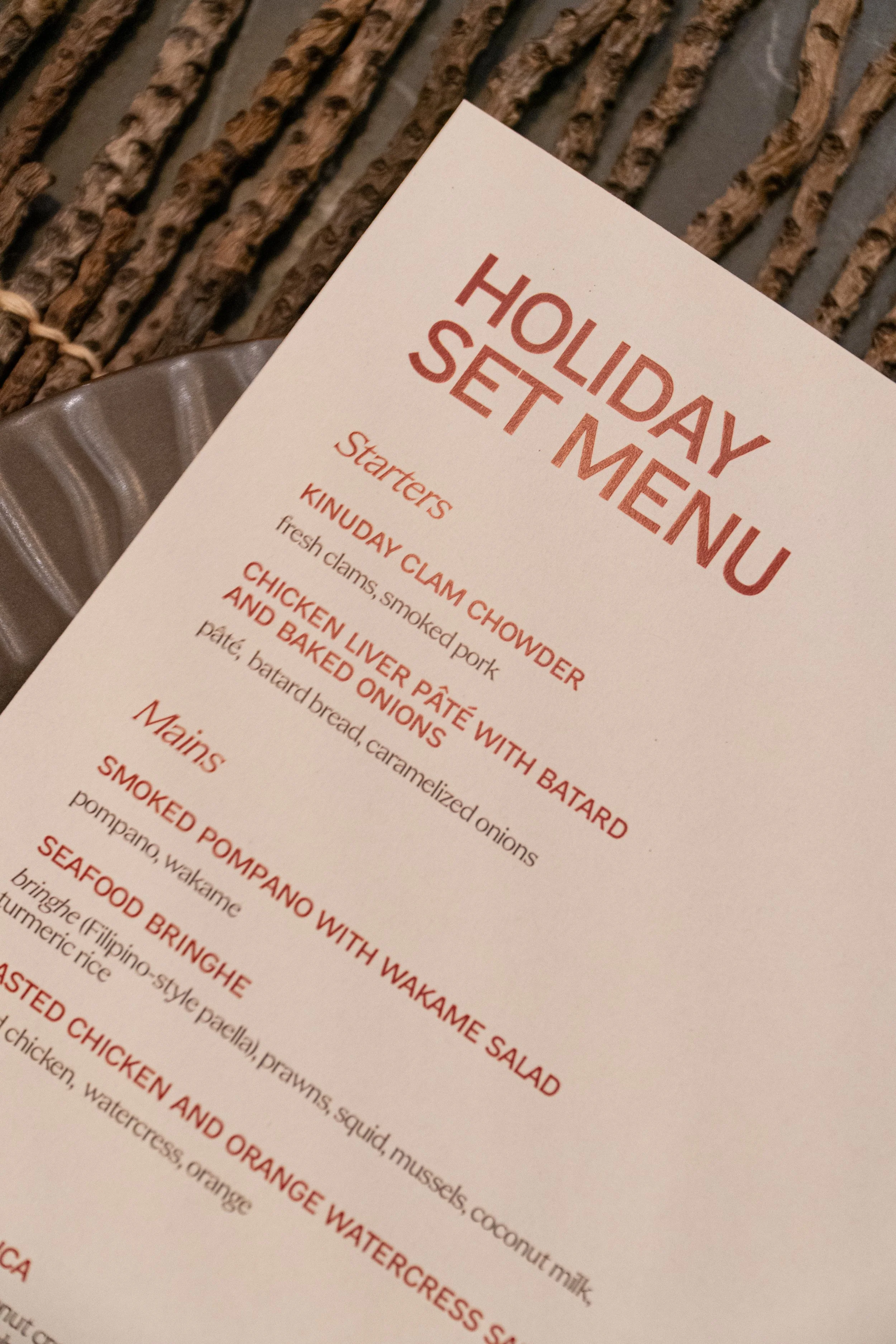
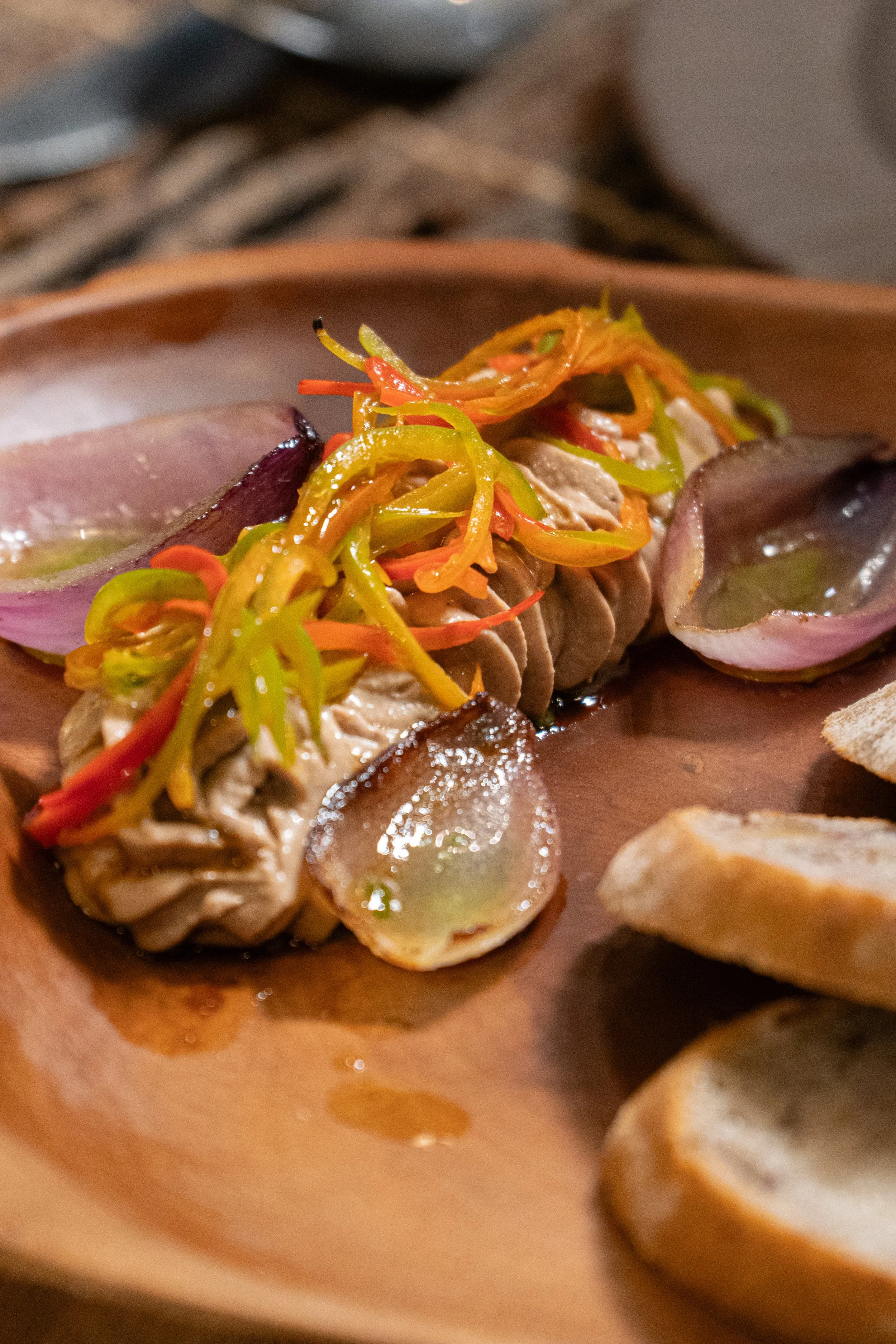
The Kinunday Clam Chowder opens the meal with warmth, while the Chicken Liver Pâté with Batard and Baked Onions delivers a clean, bright punch—rich, fresh, and balanced.
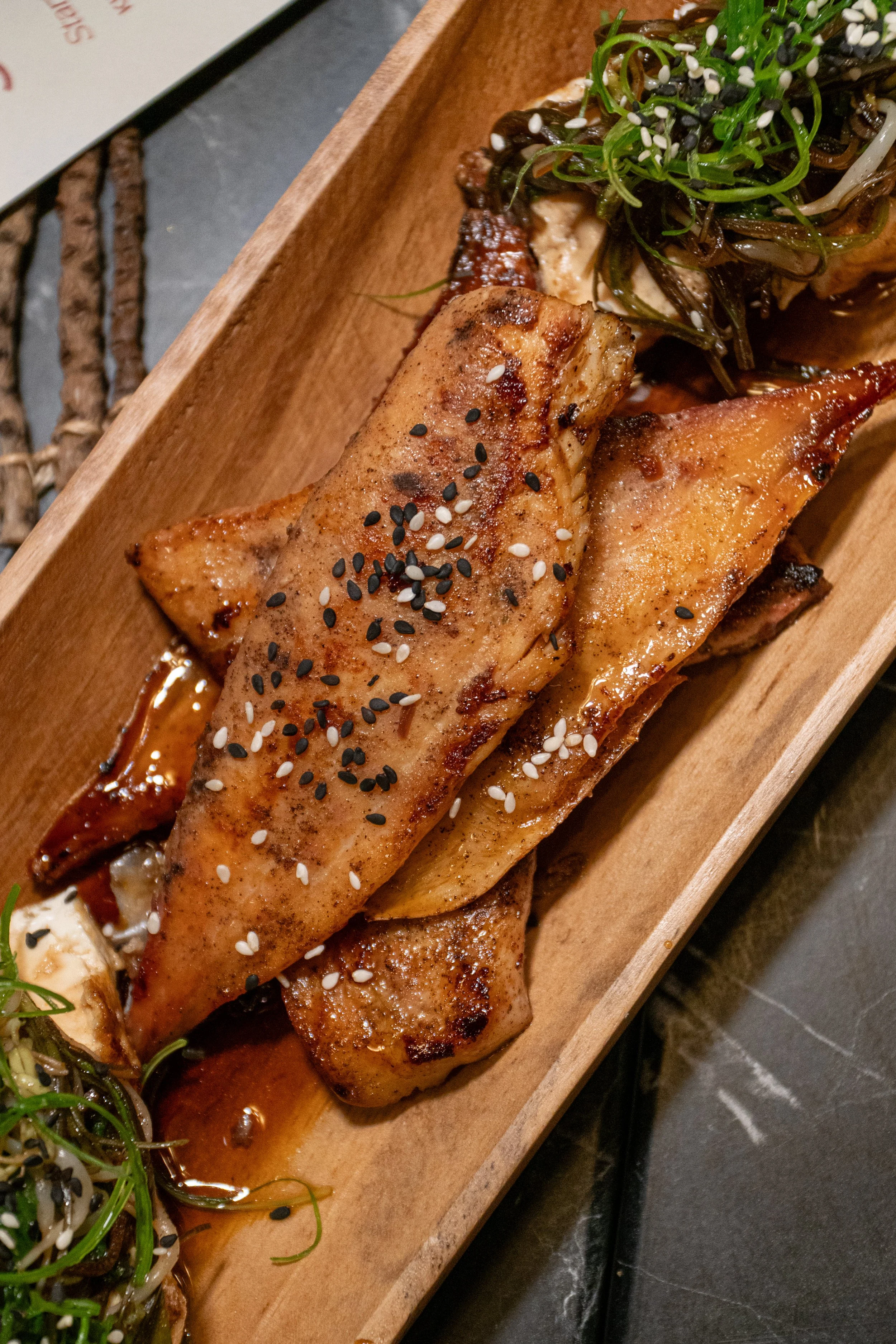
The mains follow with quiet confidence. Smoked Pampano with Wakame Salad brings coastal notes and subtle char. Seafood Bringhe arrives with lush aromatics, a comforting centerpiece that feels both rooted and refreshed. The Roasted Chicken with Orange Watercress Salad brightens the table with citrus that cuts cleanly through richness.
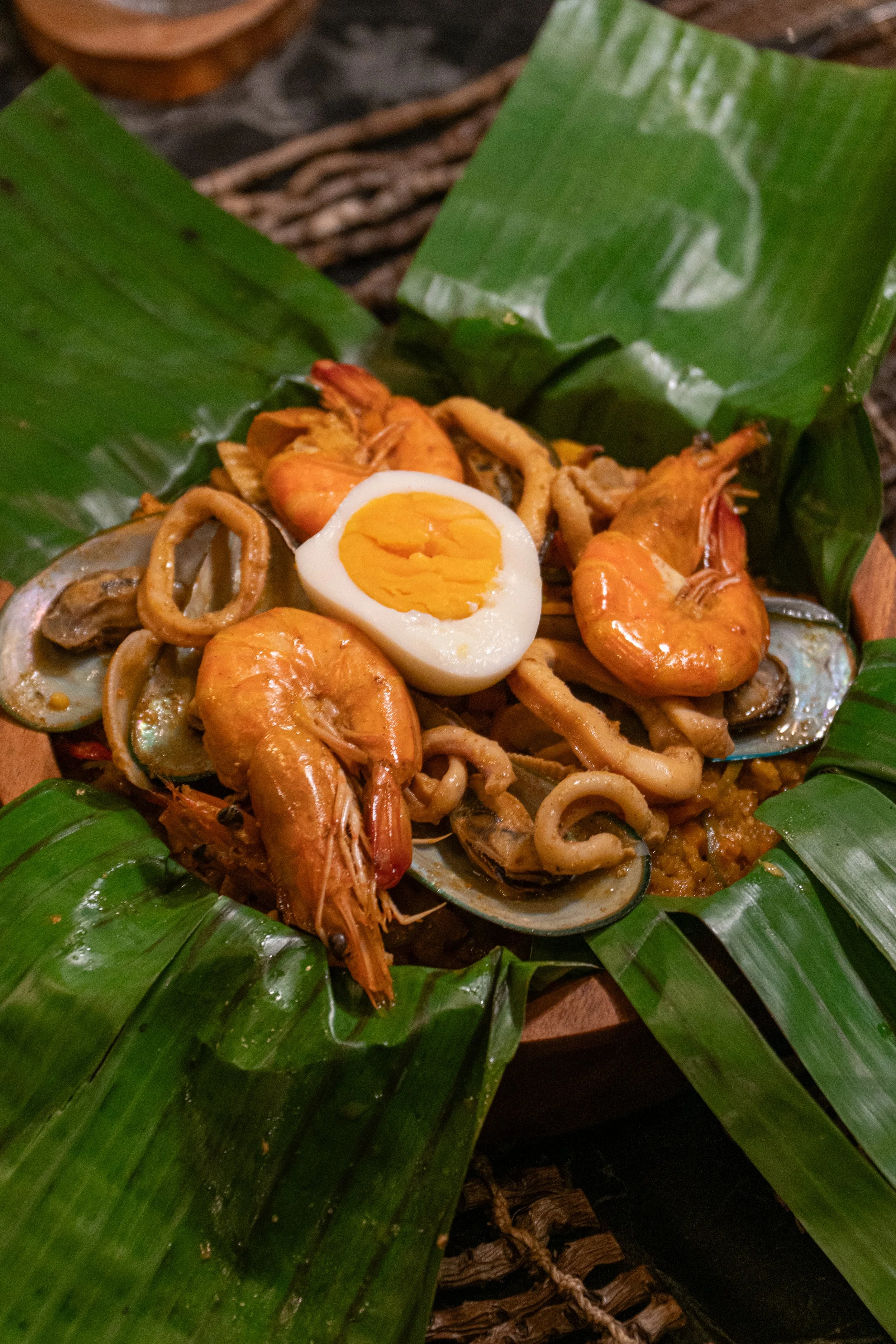
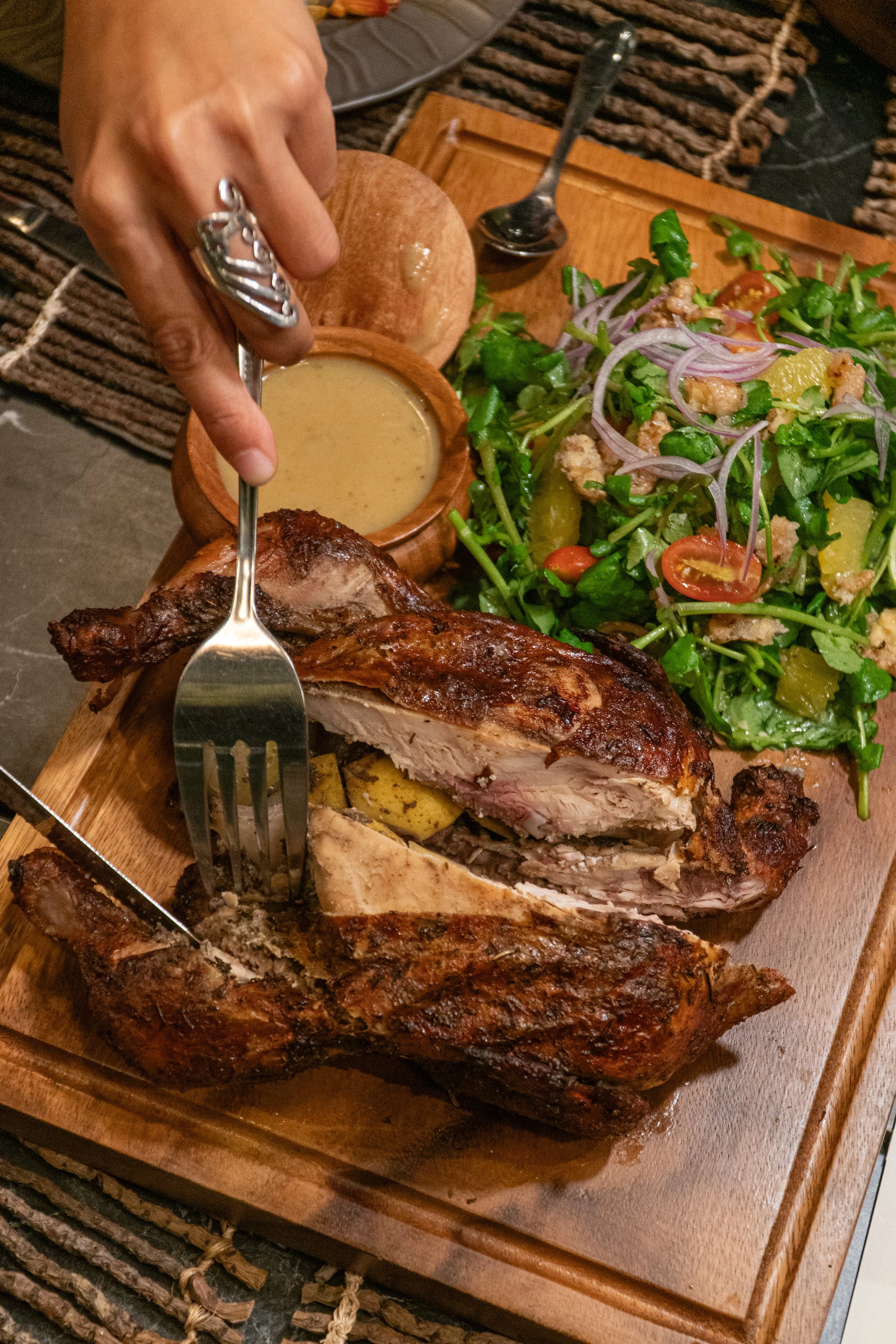
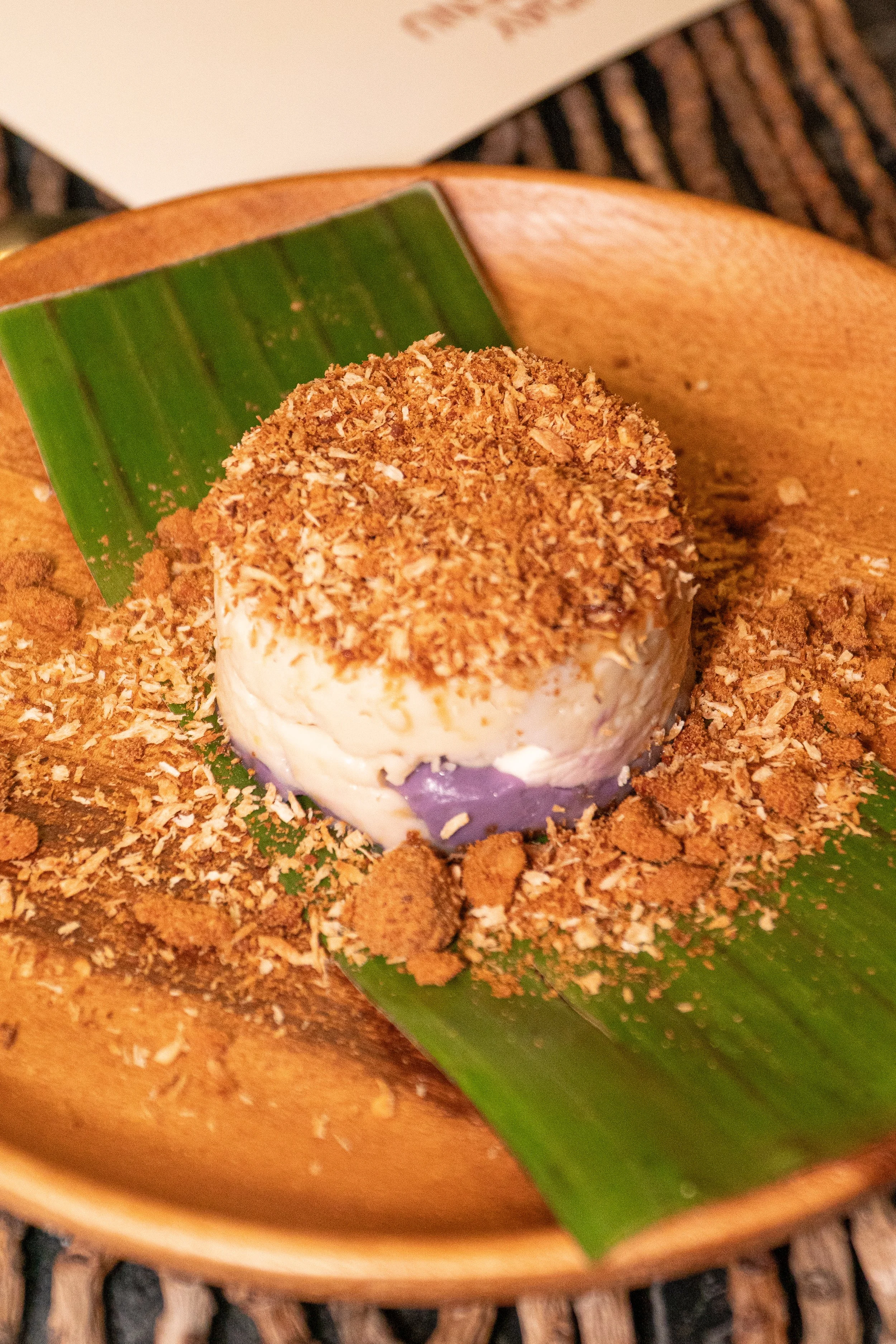
Dessert plays on Filipino nostalgia. The Ube Maja Blanca is silky and modern in its finish, while the Pinoy Fruit Cake offers a dense, celebratory bite—a familiar favorite given thoughtful refinement.
Culinary Homage to Cordilleran Art
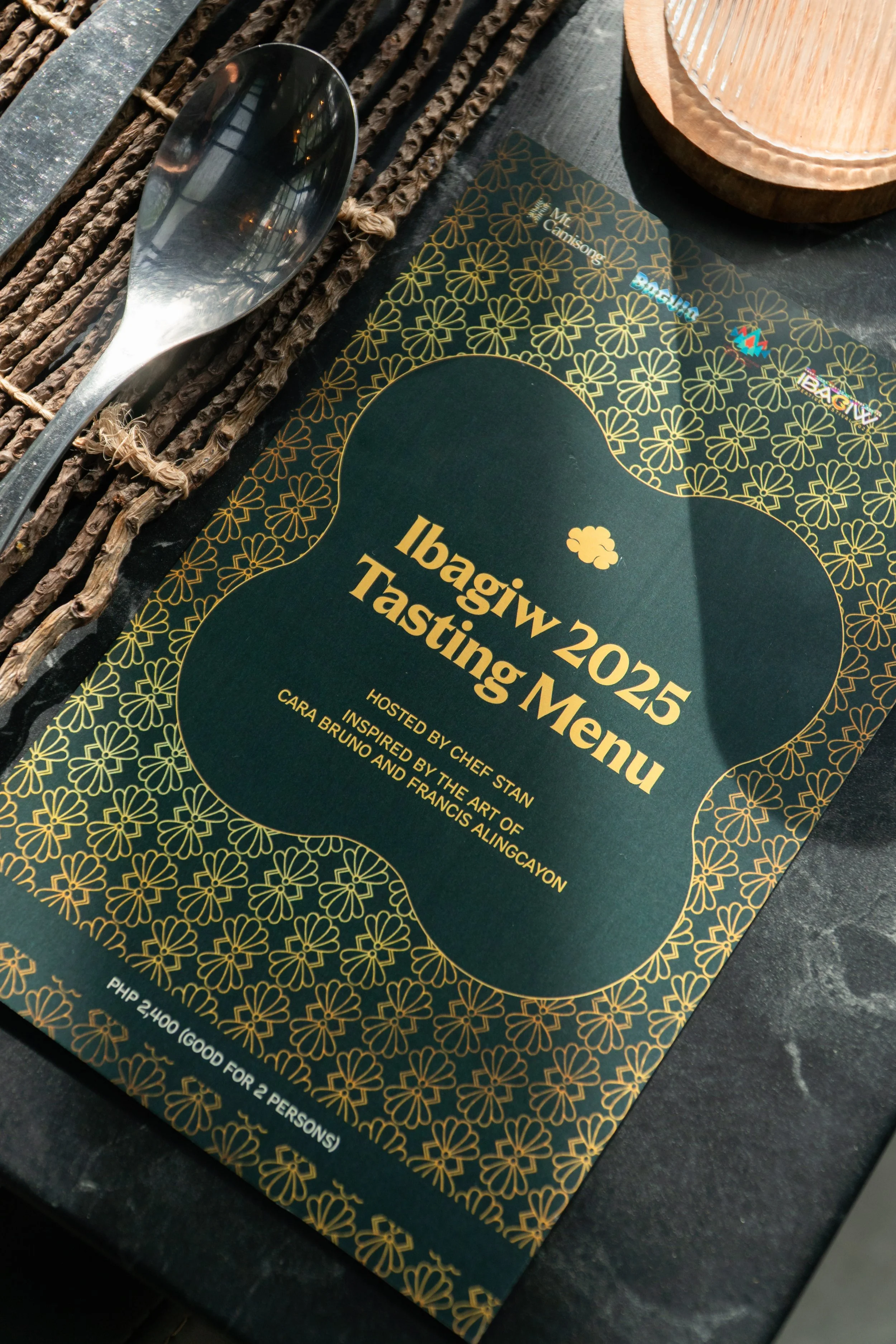
Guests arriving before December 15 can experience the Limited Ibagiw Tasting Menu, which deepens the encounter by turning Cordilleran art into flavor. Inspired by the works of Cara Bruno and Francis Alingcayon, Chef Stan translates color, texture, and story into a full sensory narrative.
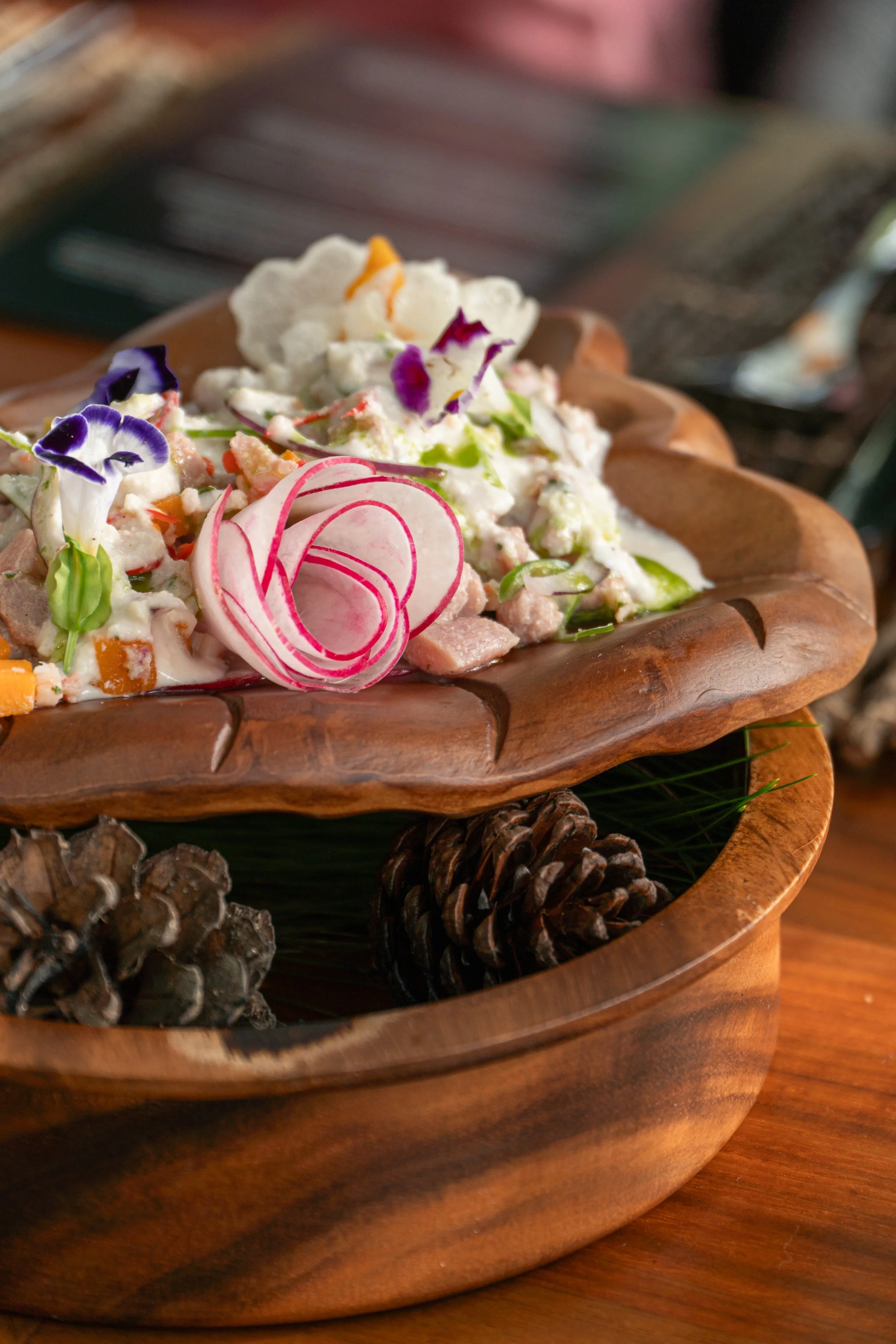
“Pagsibol: Kilawin in Bloom” opens with acidity and vivid color—petals, microgreens, and fresh tuna arranged like a living echo of Bruno’s floral pieces. The interplay of citrus and coconut milk captures both delicacy and depth.
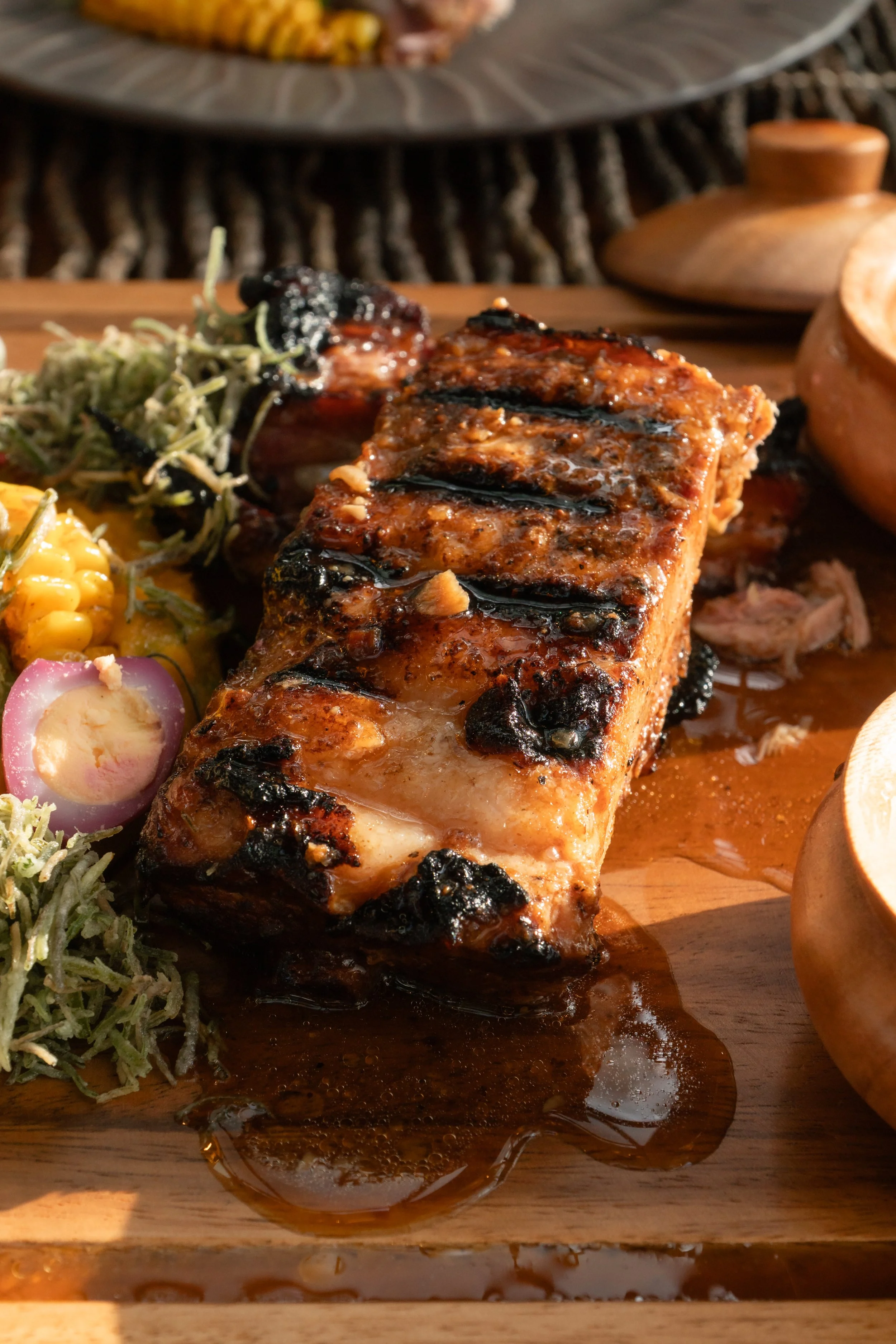
“Tadhana: Convergence of Canvas & Craft” presents smoked local pork ribs glazed with adobo- and pares-inspired sauces. It pays homage to fate, contrast, and craft—the same tensions found in Bruno’s and Alingcayon’s work.
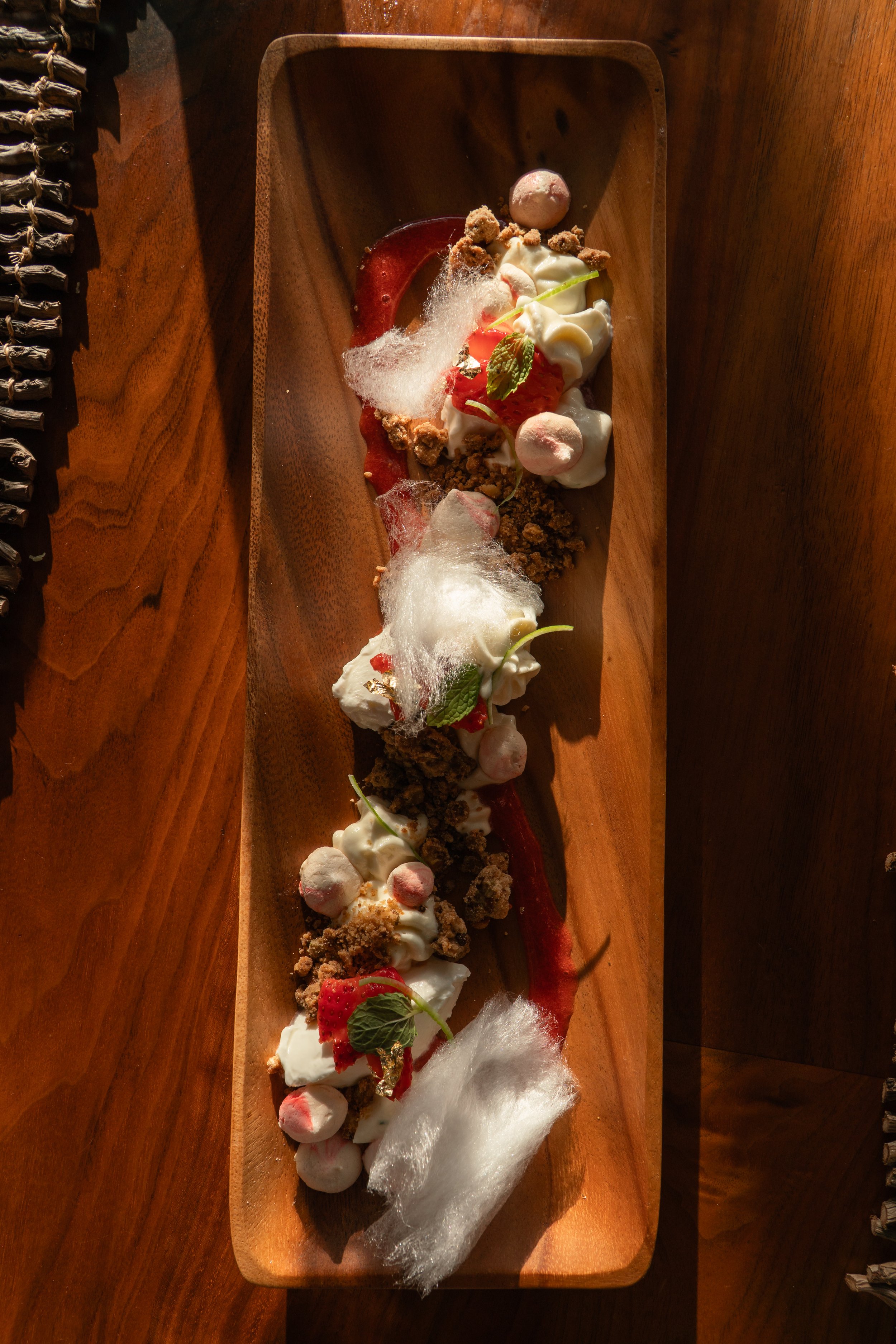
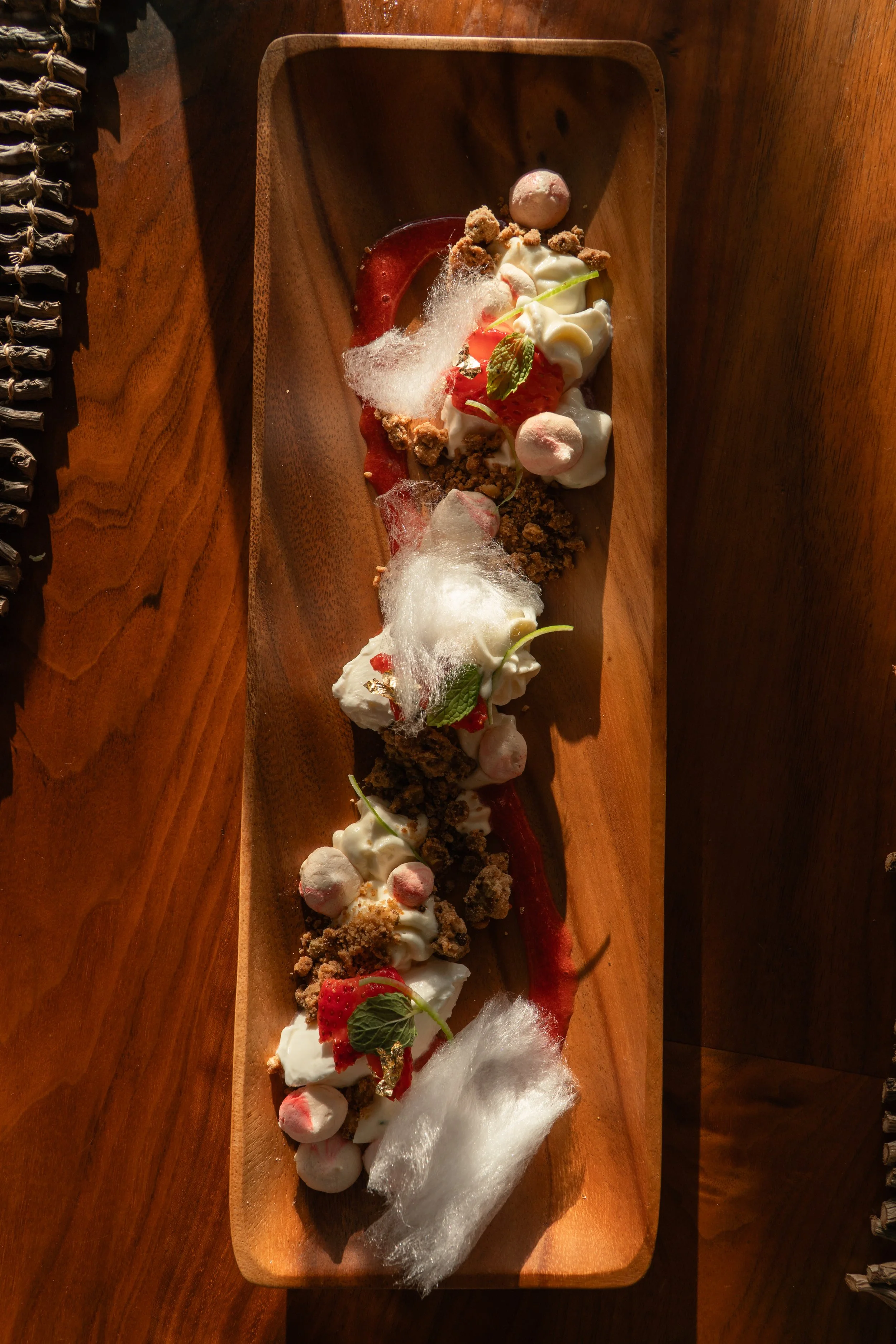
“Walang Hanggan” closes the meal with a strawberry mascarpone dream. Mousse, macerated berries, and freeze-dried flakes evoke Alingcayon’s abstract textures—airy, layered, and quietly emotional.
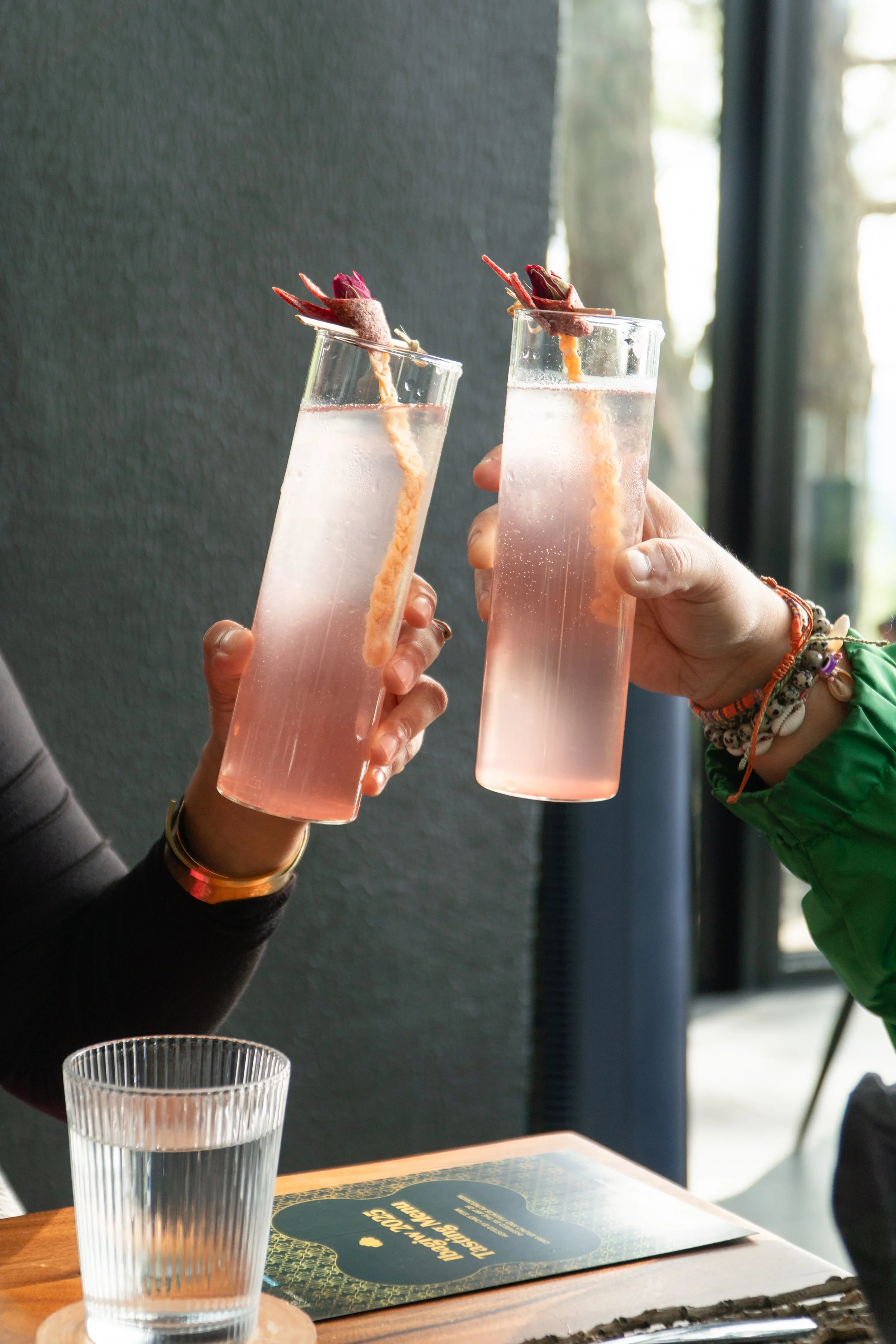
The experience was elevated by “Maharlika ng Alapaap,” a drink crafted from foraged grapes and apples, its delicate bubbles inspired by Michelle Camolo’s sculptural wirework. Light, bright, and celebratory, it serves as an artistic overture in a glass.
Together, these menus transform Alapaap into more than a dining hall—it becomes a cultural encounter shaped by memory, craft, and the quiet majesty of the Cordilleras.
Beyond the tasting menus, glass walkways, and forest trails, Mt. Camisong offers something rarer: a place where time slows, and the mountain breathes. Every experience is rooted in respect for the land and the people who tend it.
Here, culinary creativity moves with the mountain’s rhythm, turning a holiday visit into something deeply sensory and meaningful. For those seeking a haven where nature, culture, and flavor meet with quiet elegance, Mt. Camisong awaits.