
Childhood Isn’t Over (Yet)
Reimagining innocence as rebellion, SAIS dares that growing up doesn’t mean giving up imagination.
Words Randolf Maala-Resueño
Photos courtesy of Gail Geriane
November 21, 2025
A tender yet haunting figure stares. A boy–wide-eyed, chopped bangs, and an unintelligible grin. Quite an enduring symbol of innocence in a monochromatic façade.
Cathartically, SAIS redefines guileness, a quiet defiance of purity and the achromatic into a bleeding requiem of emotional color. In his world, innocence is never lost but reimagined–a resolution against adulthood’s numbness.
Time changes us anew, and much like our childhood, the innocence of the truth grows with life itself.
Between nostalgia and the now
Known for his black-and-white portraiture, SAIS, humbled by a deterrence in academic path, trekked his beginnings in childhood fascination. He did not dream of the stencils and the easel, he quests to become one through curiosity and connection.
His medium, devoid of color, much less of vibrancy, glows of graphite kindle. Soot at first glance, ash gray to some. Yet the charcoal now jots down every childhood toil, brushing through textures reminiscing the rugged pavements we played as children; shading that mimics the shadows of a sun-soaked palm tree.
These emotional pigments—or the lack thereof—traditionally challenge viewers of SAIS’ diptychs, and, in turn, showcase his unparalleled ability to transform colorful references into monochromatic stories. Ultimately, it is that absence of color that invites introspection—an amplification of truth, nostalgia, and intimacy.
It draws you in, on the emotion, the texture, and the atmosphere it prolongs.
Children, ghosts, and growing pains
In a glimpse, SAIS, the character, may often feel like a mirror. Maybe SAIS masks the harshest of demands of the real world with innocent eyes.
Maybe SAIS wears a crown so we can feel like royalty in times when we were not the prettiest, the richest, or the most magnificent. Maybe SAIS wears sweets as a reward for the bittersweet journey. The paper planes, the teddy bears, the messy sketches, the stickers—iconography that once embodied youthfulness—may now feel dated, yet they heal our inner child, per se.
SAIS, perhaps, is the incomplete us; a puzzled being among the sea of lost humans. A metaphor of imperfection and play.
This idea of mirrors and memories, of extensions and echoes, carries much of SAIS’s, the artist, visions of transfiguring his trials into fragments of feelings that resonate to his audience: “I want viewers to feel nostalgia—like they’re looking into a mirror of their own past.”
Softness and innocence as rebellion
When confronted to feel everything, SAIS produces more art. When feeling a bit less, he figures out a way to express more. A cathartic balance of pulling back and pushing through, the softness and grit teaches us the emotional depth art can provide. The risks may turn to rewards; injustices to revolution; and the innocence into rebellion.
But for the larger picture, SAIS lest not remind of letting go of–nor escape–adulthood, but confronting it with childlike courage.
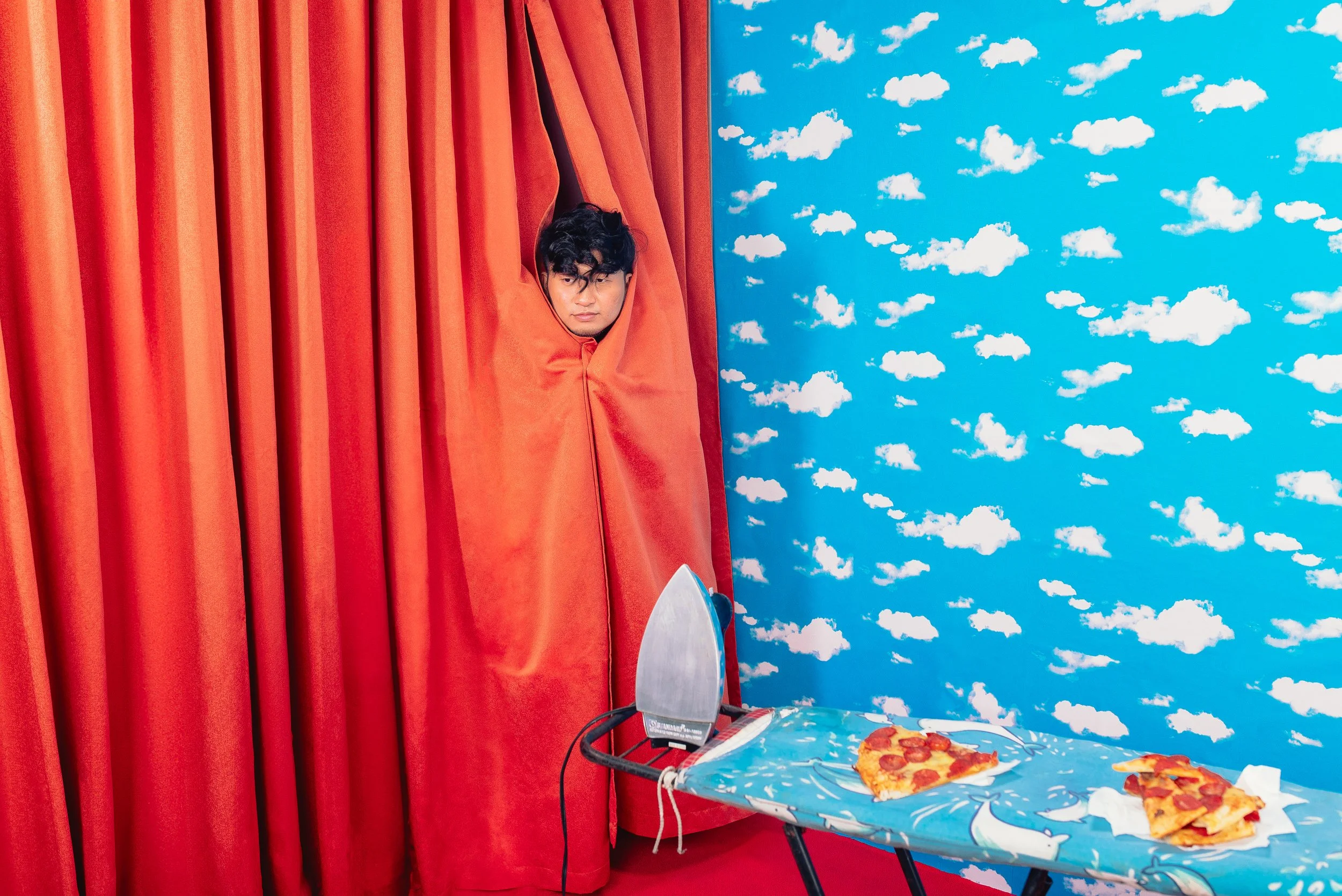
“Growing up” in such a fast-obsessed society, where the quick means success and the slow indicates the lesser, SAIS’s endures the fade. The black and white protests to the noise of contemporary life, where being innocent is not being naive, but radical.
In his words, “art serves as a vessel for healing, imagining, hiding, and more.”
The boy who stayed
Like many of us, SAIS never stopped playing. His overt exploration of the child within proves that imagination can be serious, and seriousness can still feel like a dream.
Now, look back to your childhood. Your smiles endured plenty, your fragileness equipped you with a body worthy of strength and celebration. The innocence, once telling of foolish chagrin, is now a powerful mace that bites back.
And by exploring this with SAIS’s works, we echo the same reflection: childhood isn’t over—not yet, not never