
Beyond The Green Facade
Slater Young’s ‘The Rise in Monterrazas’ is a perfect example of what makes good things go bad: commodification
Words Marc Nathaniel Servo
Art by Martina Reyes
November 24, 2025
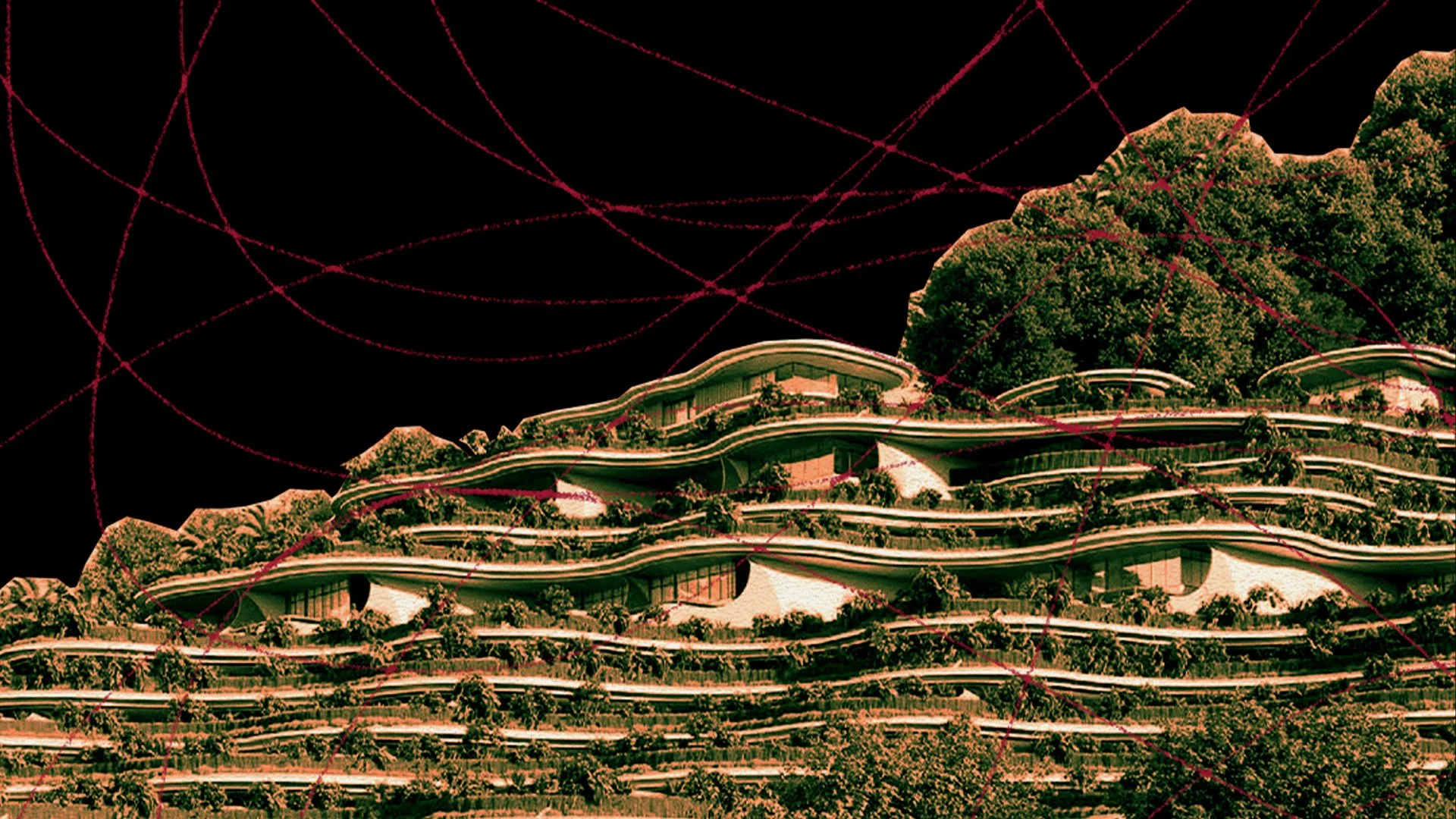
During the onslaught of Typhoons Tino (Kalmaegi) and Uwan (Fung-wong) in Visayas earlier this month, the floodwaters revealed dirt worse than unpreparedness—the vile nature of human conduct—from corrupted flood control projects to greenwashed infrastructures that put thousands of lives in jeopardy.
After the crisis, fingers were immediately pointed to questionable infrastructures that riddled the region, especially Slater Young’s ‘The Rise at Monterrazas’ in Cebu City, the eco-luxury condominium project foretold by experts and activists to be nowhere as sustainable as it branded itself to be.
Sustainable architecture is a design that integrates living spaces with the environment, making a habitable ground without compromising nature. It is marked by using modern technology to reduce consumption, creating harmony between man and nature.
In the Philippines, we’ve been embracing this development in order to beef up climate resilience and address environmental issues. From Building for Ecologically Responsive Design Excellence (BERDE) to the Philippine Green Building Initiative (PGBI), our country exercises green certifications that ensure the effectiveness of these infrastructures.
However, the problem with sustainability in the Philippines, just like any other trend, is how mob jumps into the bandwagon without truly understanding its meaning. Sustainability is lightly thrown around like a buzzword, when it carries a significant weight on a country battered by climate change.
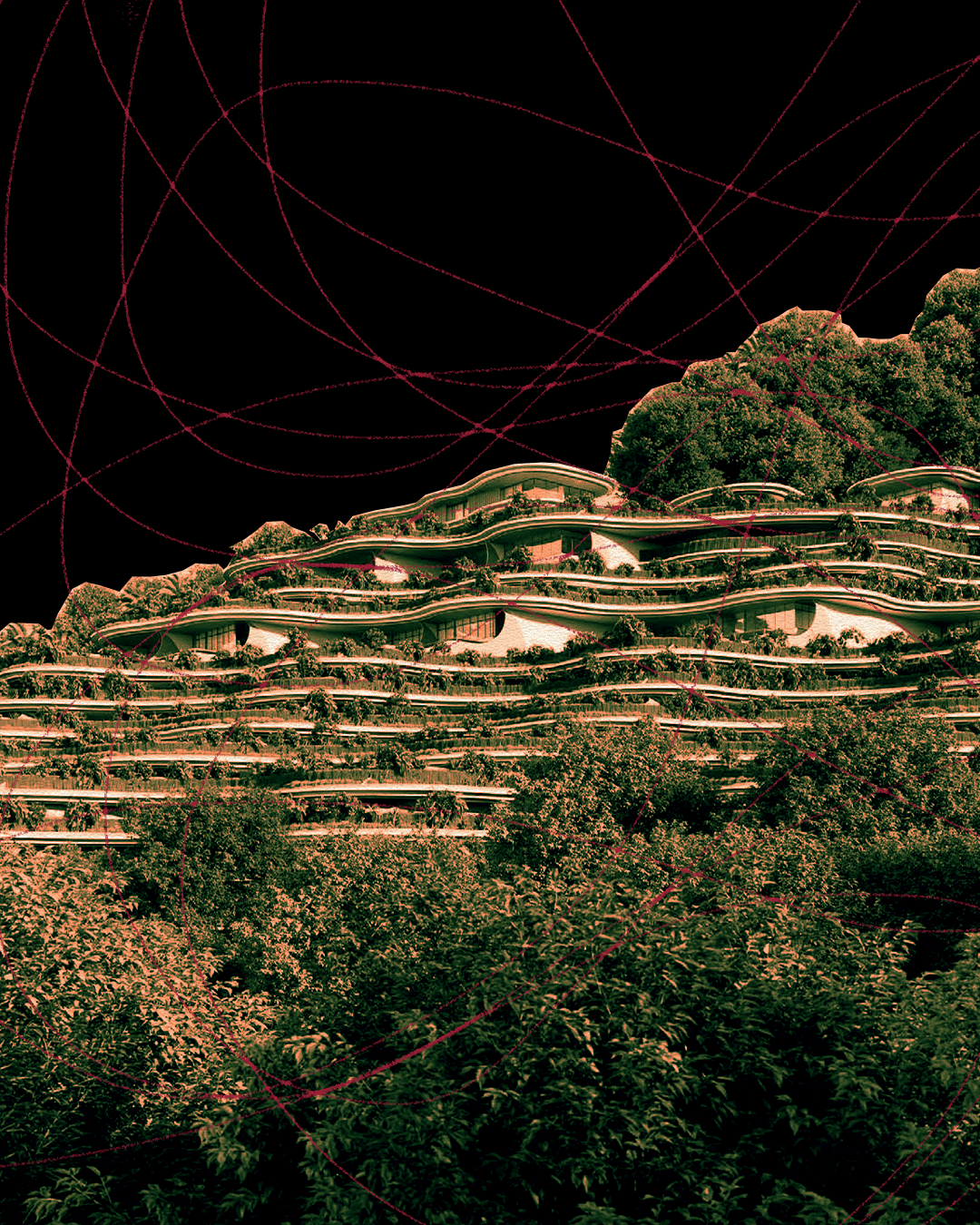
This is the case for Slater. It must have been real comfortable to use “sustainable” to bring clamor to an upstart condominium, but sustainability is more than just a word, it is a responsibility.
Once we use sustainability as a branding, it becomes a commodity, instead of a goal that every construction project must attain. It turns into a facade, a selling point that always falls short from what is expected. This is the lie that built The Rise, and the truth that led to its downfall.
So, what went wrong with this supposedly sustainable project?
It’s ironic that a supposedly sustainable structure built itself out of destroyed mountainside and cleared forests. A truly sustainable project should not destroy natural ecosystems but integrate with them, expanding greens to the cityscape where nature is slowly fading. By destroying a mountain to build a condominium, the idea of sustainability is long lost in the translation.
This is how Mt. Camisong Forest Park & Georeserve of Benguet managed its green architecture: instead of cutting down trees, they worked their way around them, focusing on how infrastructures could embrace the forests surrounding the area, conserving approximately 90% of forested terrain.
This is the underlying mistake behind the greenwashed condominium: it’s a cash grab for the rich who want to live in a Banaue Rice Terraces-like home. Sustainability was never the goal, but a perfect cover-up for a destructive architecture.
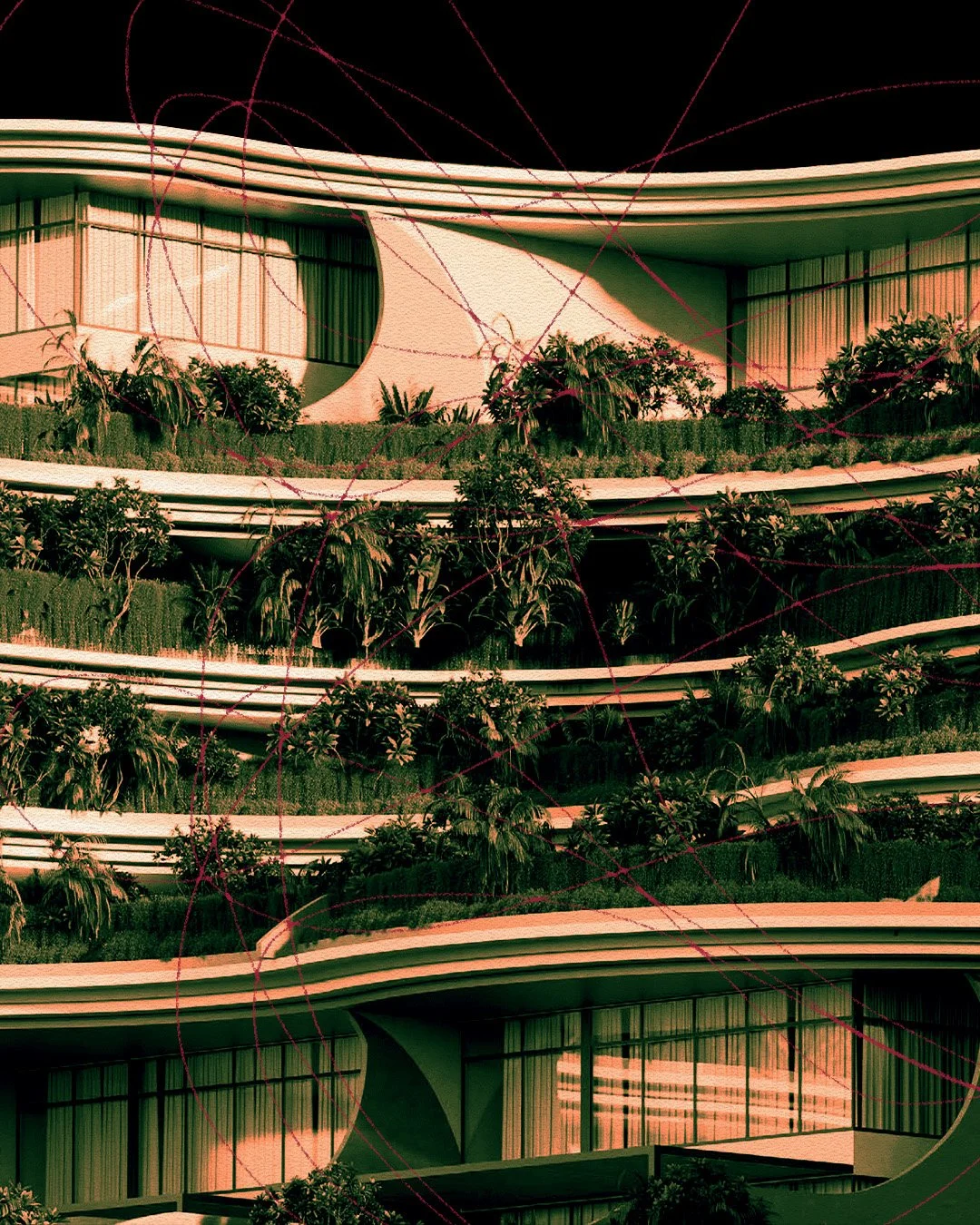
Furthermore, the sustainability aspect raised by Slater only caters to reduced water consumption derived from a rice terraces-styled construction. In Slater’s viral video way back 2023, he explained how they carved the mountains to follow the structure of rice terraces to create a natural irrigation that would help bloom fauna.
Is reduced water consumption enough reason to destroy a mountain? No. It is never justifiable to destroy natural terrains for paltry gains. More so since reducing water consumption isn’t directly correlated to carving a mountainside.
Worse, Slater even believes that their acts of deforestation are worth it, and would be recovered in a few years time—except climate change doesn’t wait for anyone. He mentioned in his vlog that these trees will mature in three years, but Typhoon Tino certainly made an example on what happens within that timeframe, and Cebu City suffered the brunt of it.
This is not how you do a sustainable condominium. Sustainability comes from real concern for our environment, allowing our living spaces to be in tune with nature, and the Philippines have already proven itself capable of this: like Mandaluyong’s Asian Development Bank, Zuellig Building in Makati, and the Robinland Business Centre in Cebu.
The challenge then, is how we could turn sustainability beyond branding, beyond a punchline, into a standard. After all, in a country threatened by climate change, sustainability should never be a marketing trick, a shoddily-practiced concept just to get brownie points, but a true campaign brought to life by builders who truly embrace nature.