
Between Payday and Bad Luck
For Filipinos, luck is both earned and dodged, often in the same breath.
Words Piolo Cudal
Art by Martina Reyes
December 16, 2025

What does it say about a country when the same number can trigger both celebration and caution? In the Philippines, thirteen is exactly that paradox as it can make you smile before it makes you nervous.
The 13th-month pay serves as the country’s unofficial holiday mascot, reviving bank accounts and funding personal indulgences. But if a Friday lands on the same number, we suddenly reconsider our plans. It is part superstition and entirely Filipino: the belief that luck is both earned and dodged, often in the same breath.
A Lifeline and Unlucky Thirteenth
The 13th-month pay was not always a cultural event. When it was first mandated in the 1970s, it was merely a policy tool meant to help workers cope with rising living costs. But Filipinos, as they often do, transformed it into something bigger and meaningful.
By November, people are already planning what the bonus will fix, fund, or fulfill. Some mentally divide it: pambayad ng utang, pang-regalo, pang-handa, and pambakasyon. Others dream of long-delayed appliances, a family outing, or that one purchase always postponed during “petsa de peligro.” And then there are also the stories proudly tagged “katas ng bonus.”
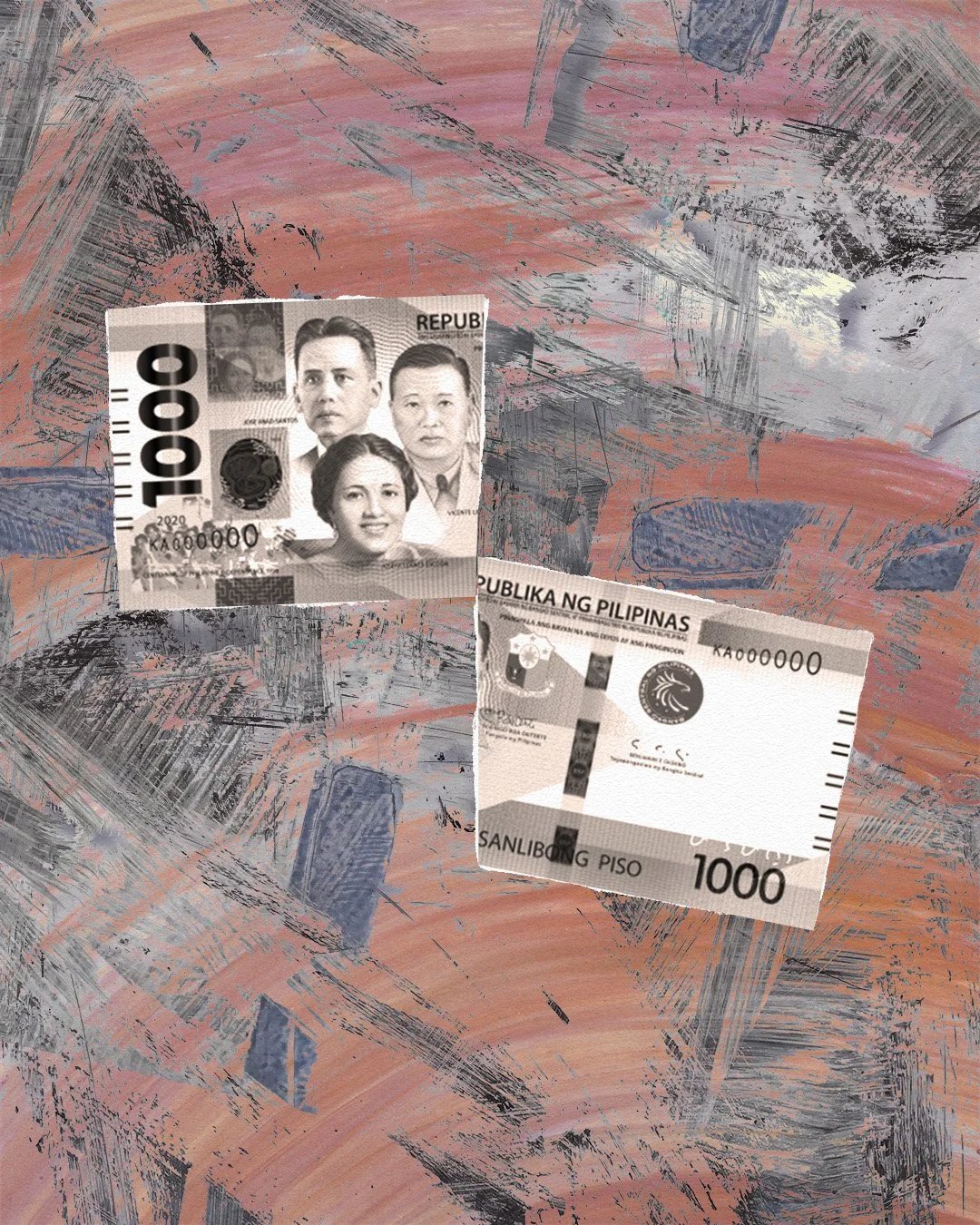
For many families, the pay is more than just extra earnings. It is, in fact, a breather. A situation when the math finally adds up, if only for a little while. It presents stability in a year where finances often feel like a race one is always half a step behind. In a very Filipino way, it is a form of hope made tangible.
In contrast, Friday the 13th resides in the realms of warnings. Imported from Western culture but easily woven into our local beliefs, it fits easily beside other Filipino ideas of unfortunate events like hesitating to travel during graduation season or avoiding a black cat.
Most Filipinos don’t take it seriously, but they also don’t dismiss it entirely. In fact, a minor inconvenience can trigger a playful “Ah kaya pala, Friday the 13th kasi!” It becomes a way to make sense of mishaps by pinning them to a date we collectively agreed is a little cursed.
But, why do such superstitions endure? Perhaps because they offer a kind of order amid uncertainty. When life throws unfortunate events at us, a myth can be strangely comforting. After all, Filipinos are deeply interested in signs. We read into gestures, horoscopes, and even dreams.
Living in between

The economic precarity many Filipinos face makes the 13th-month pay feel monumental. At the same time, the unpredictability of daily life makes superstition feel strangely relevant. That is why when resources are tight and tomorrow is uncertain, the number 13 adds deeper emotional weight.
Going back to its roots, the 13th month pay is the small, viral relief that stretches across the end-of-year pressures and debts. For many, a single extra month’s wages can make the difference between stability and hardship.
On the other hand, Friday the 13th reminds us that in fact, misfortune is never far behind, unexpected expenses, lost income or emergencies that no superstition can ward off.
Both, these thirteenths reveal the everyday Filipino navigating precarity with hope. And perhaps the lesson is urgent. If a nation relies on a single month’s pay to survive, we must question the systems that make it so, and advocate for economic structures that do more than offer luck–they offer security.