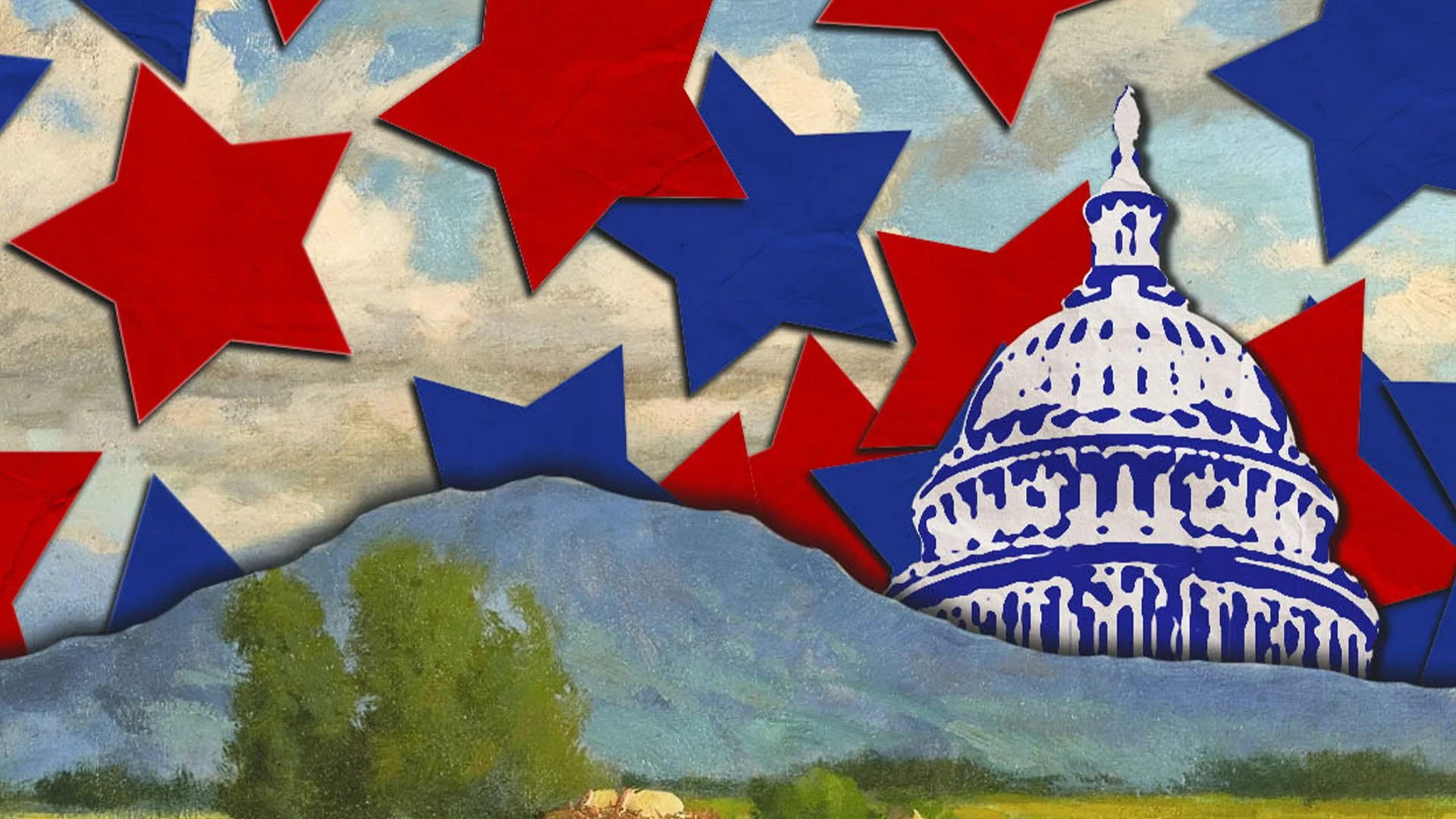
American politics does not make Philippine art, but its institutions can influence where Filipino artists go, whose work gets seen, and which cultural conversations receive international attention.
Words Randolf Maala-Resueño
Art by Tristan Talon
November 11, 2026
Art by Tristan Talon
The results of the November 3, 2026, US midterm elections have changed the country’s political landscape, with Democrats winning control of both the House of Representatives and the Senate.
According to the Associated Press, the victories mark a significant shift in congressional power and introduce a new period of legislative resistance to President Donald Trump’s administration. Beyond the immediate political implications, however, the outcome raises another question: What happens to the international cultural networks connecting American institutions with artists elsewhere, including the Philippines?
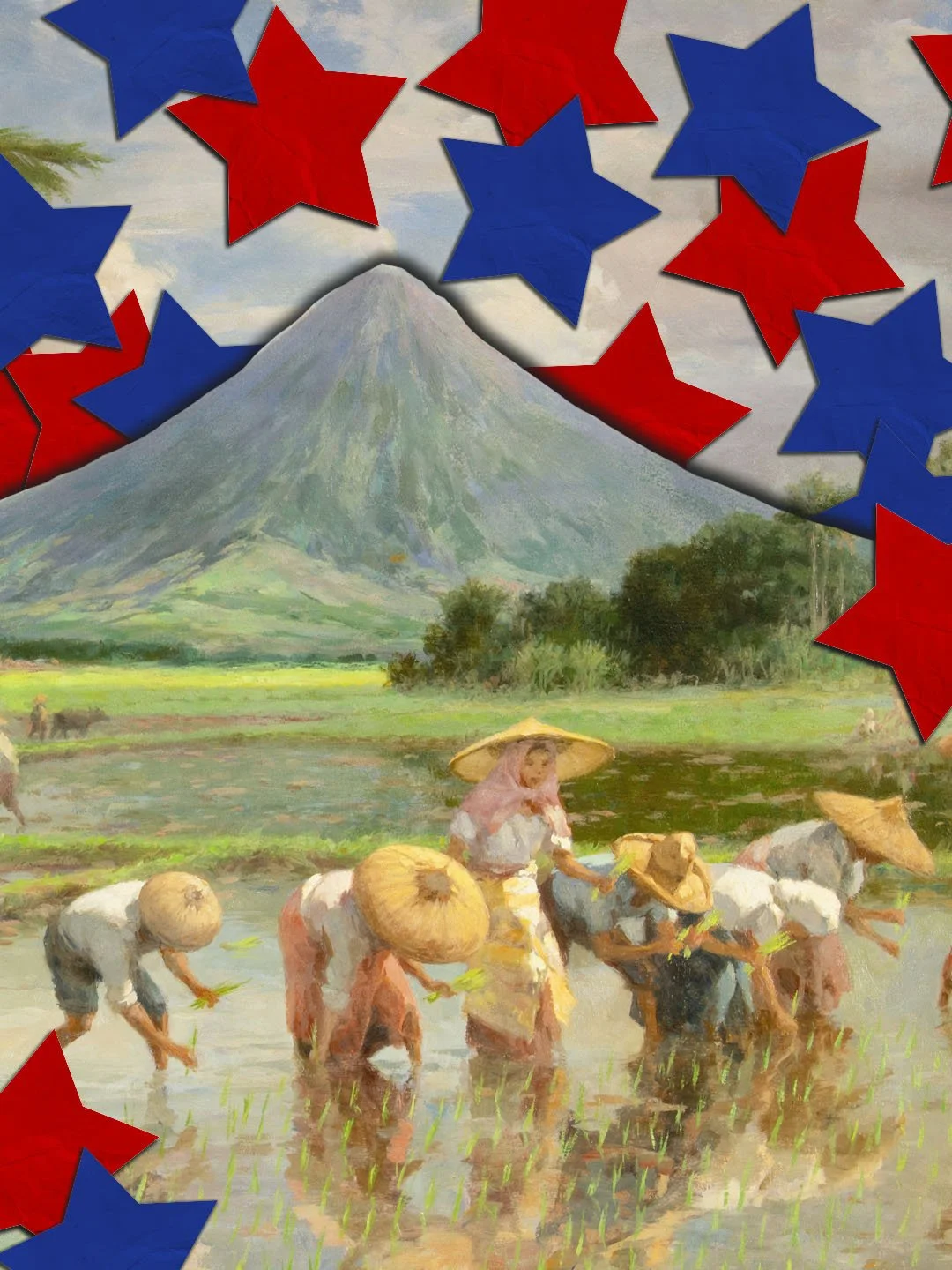
For Filipino artists, the United States is more than an exhibition destination or commercial market. It is also an institutional gateway. Through programs such as the US-Philippines Fulbright exchanges, the Smithsonian Artist Research Fellowship, and the State Department’s international arts initiatives, American institutions provide opportunities for artistic research, professional exchange, collaboration, and access to collections and scholarly resources.
Art by Tristan Talon
These opportunities are documented in the institutions’ own programs. The Smithsonian’s Office of Academic Appointments and Internships describes its Artist Research Fellowship as a one-month residency that connects international visual artists with Smithsonian collections and scholars, offering a $5,000 stipend and travel assistance.
Meanwhile, the Fulbright Scholar Award for US-Philippine Relations provides grants to American researchers to explicitly include Philippine studies, culture, arts, and humanities. This is a stronger example of reciprocal cultural exchange than presenting the relationship as a one-way American endorsement of Filipino artists.
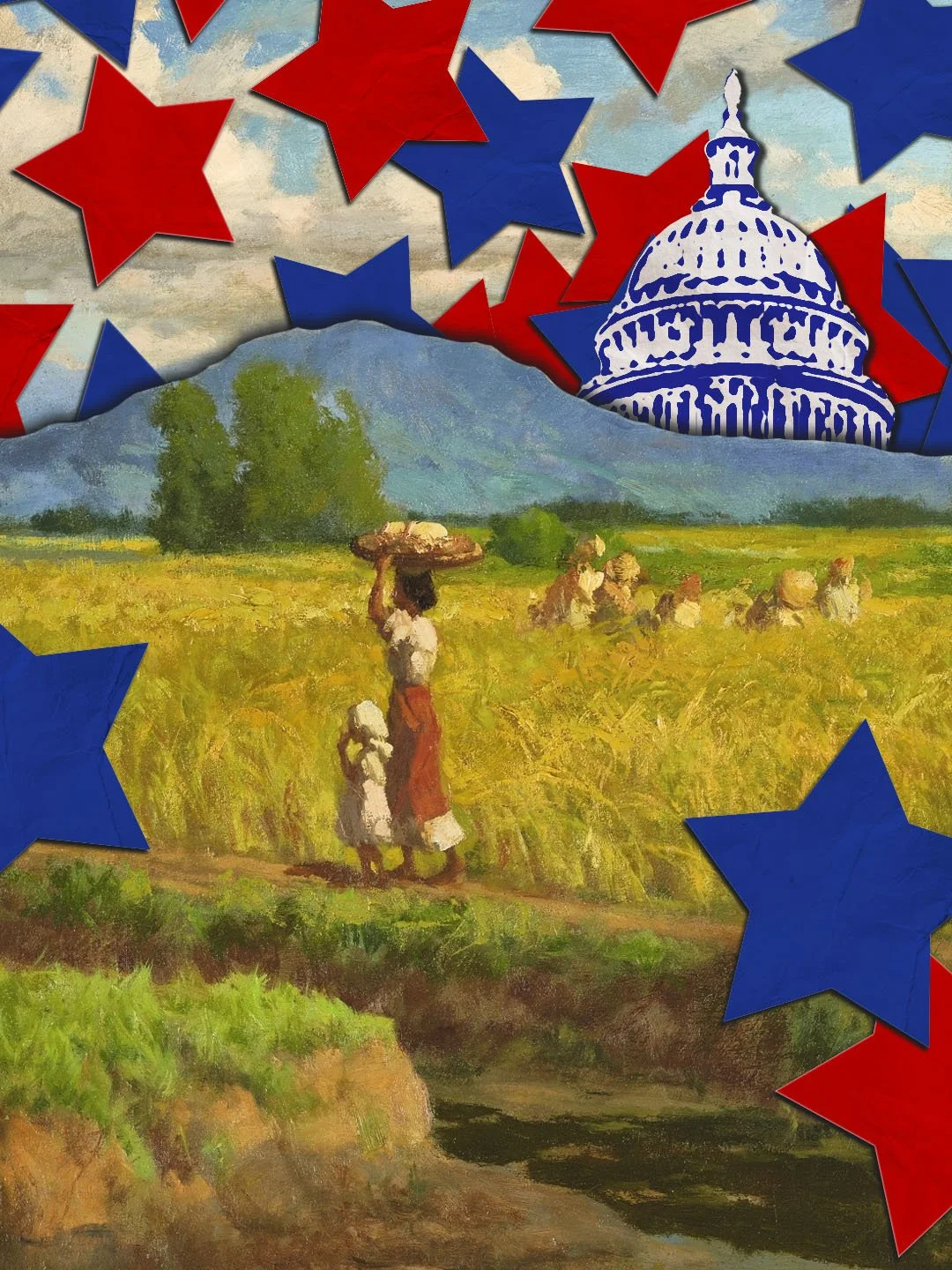
This is where the midterm results become relevant. With Democrats taking control of both congressional chambers, the balance of power over legislative oversight and federal appropriations will change when the new Congress convenes in January 2027.
According to the Congressional Research Service’s July 15, 2026 report on foreign-affairs appropriations, Congress allocated approximately $16.63 billion for FY2026 State Department and related-agency accounts, substantially exceeding the administration’s $11.94-billion request. These accounts include educational and cultural exchange programs, illustrating how congressional decisions can influence the resources supporting international engagement.
Art by Tristan Talon
However, a change in congressional control does not automatically translate into expanded cultural funding or restored programs. The administration retains considerable authority over foreign policy, while individual institutions maintain their own governance and funding arrangements.
For the Philippine art community, the more consequential issue may be the vulnerability of cultural exchange itself.
Artist residencies, research fellowships, museum collaborations, and university partnerships require more than artistic merit: they depend on institutional continuity, accessible funding, administrative support, and the political willingness to sustain international relationships. Even without outright program cancellations, changes in priorities can affect the opportunities available to artists.
There is also a question of visibility. American museums, universities, galleries, and cultural organizations participate in determining which artists enter international conversations, whose histories receive scholarly attention, and which cultural narratives reach wider audiences. Their influence is not absolute, but their resources and institutional reach can substantially affect an artist’s professional trajectory.
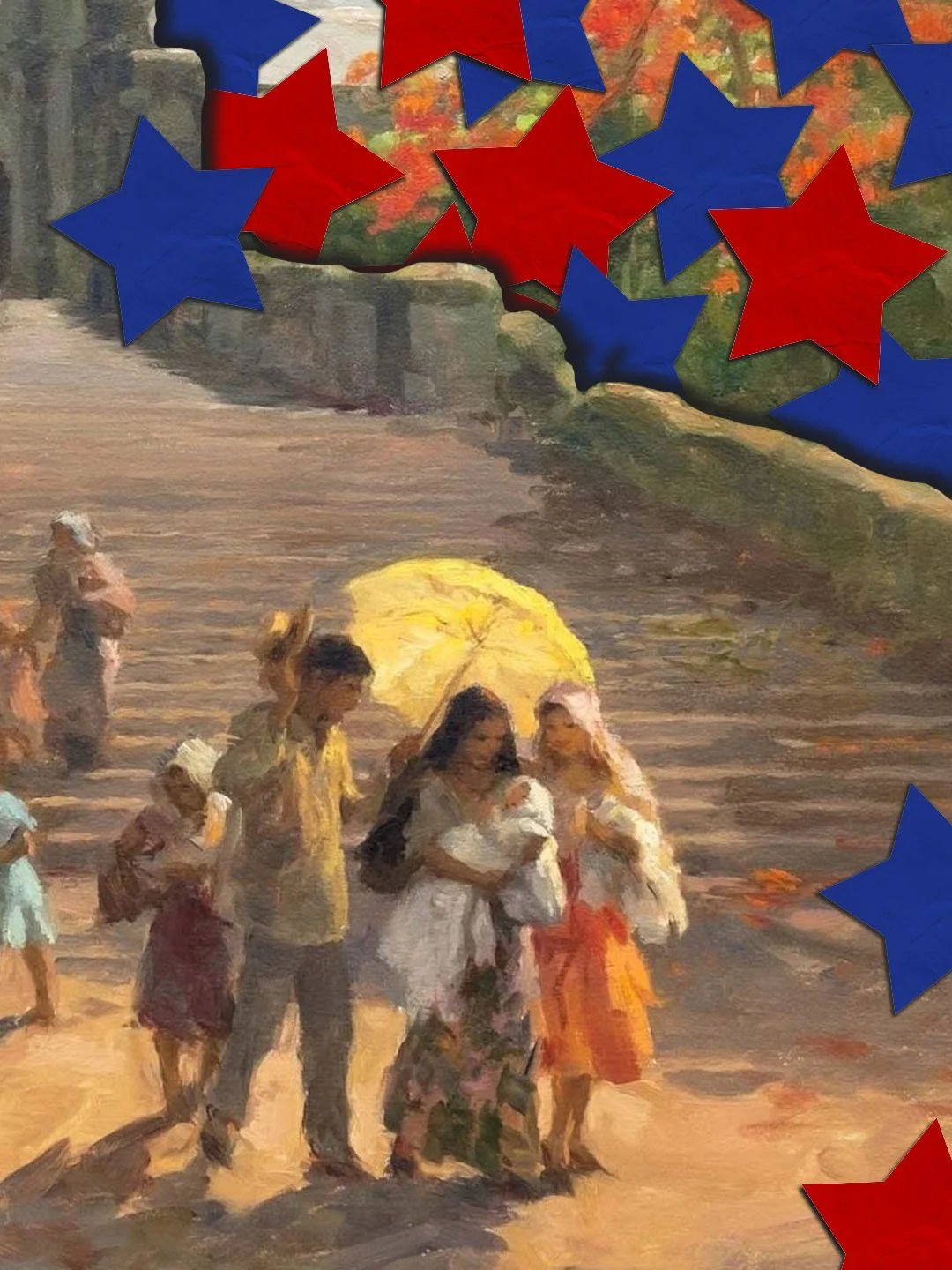
Art by Tristan Talon
Yet examining this relationship should not reduce Philippine art to its dependence on American validation. Filipino artists, independent spaces, local institutions, and regional networks have their own histories of producing, circulating, and preserving culture. The challenge is to recognize international partnerships as valuable opportunities without mistaking them for the foundation of artistic legitimacy.
Perhaps the more urgent question is not whether Philippine art needs America, but whether its international future is sufficiently diversified to withstand changes in American political priorities. As Washington recalibrates, Philippine cultural institutions have an opportunity to strengthen Southeast Asian collaborations and invest in exchanges that do not depend on a single geopolitical center.
American elections may determine who controls the country’s institutions. They should not determine the limits of where Filipino art can go