
A Southeast Asian First: Quezon City Joins UNESCO’s Creative Cities of Film
Beyond the honor, UNESCO’s designation signals a commitment to empower filmmakers in the Philippines.
Words Piolo Cudal
Photo courtesy of Quezon City Film Commission
November 14, 2025

The city that once served as the cradle of Philippine cinema has just earned a title worthy of its legacy. On October 31, Quezon City officially became a UNESCO Creative City of Film, joining a prestigious global network that celebrates innovation, culture, and the arts.
With this designation, the city stands shoulder to shoulder with other global film capitals like Sydney, Busan, and Rome, making it one of the first cities in Southeast Asia to receive such recognition.

Beyond the honor, it signals a commitment to empower local filmmakers, ensuring that stories reach audiences around the world.
Milestone for PH cinema
For Mayor Joy Belmonte, the designation is more than just an accolade. It is a tribute to generations of artists who built the foundations of Philippine cinema.
“QC Film City is now a name that will forever be etched in the legacy of every filmmaker, artist, and storyteller who has shaped our city’s vibrant film heritage,” Belmonte said.

“From the golden era of Sampaguita Pictures and the brilliance of icons like Lino Brocka, Dolphy, Nora Aunor, and Fernando Poe Jr., to the new generation of creators bringing our stories to life today–this recognition honors each and every one of them,” she added.
More than the prestige, it also reinforces the city’s mission to champion fair and ethical working conditions for film workers and ensure that creativity continues to uplift communities.
Where stories thrive
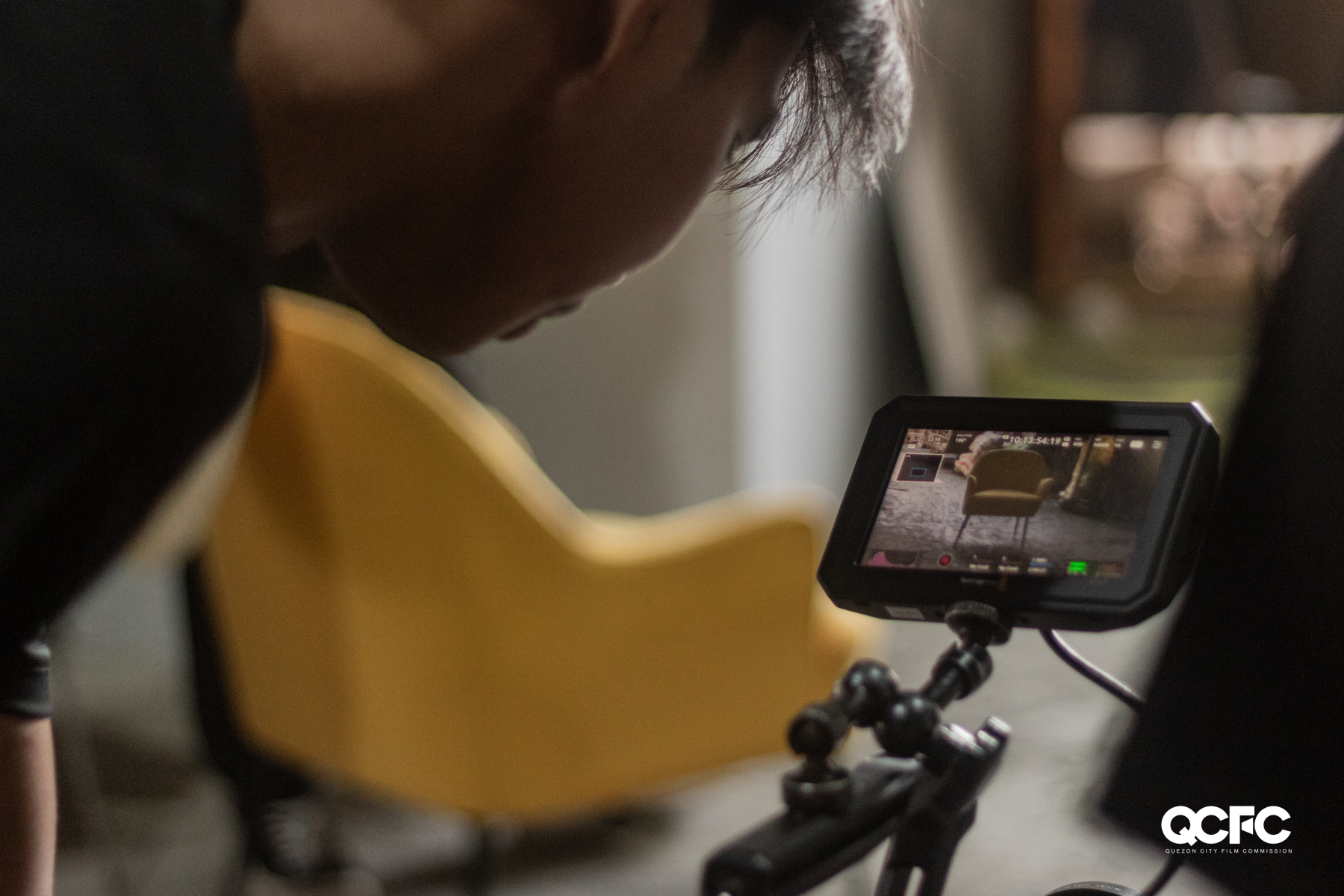
The recognition came at a perfect time. Earlier this year, Quezon City declared itself the “Heart of Philippine Cinema” during the QCinema International Film Festival, adopting the theme “QC Film City.” With UNESCO’s recognition, the vision is now official and global.
The Quezon City Film Commission (QCFC) led by Executive Director Liza Diño has laid out a roadmap to harness the opportunities that come with this designation. Among its flagship initiatives are:
QC Screen Academy: A public training hub designed to professionalize and empower the city’s film workforce. From technical skills in production and distribution to creative development and marketing, the Academy will be a space for both aspiring and seasoned professionals.

Global Producers Exchange (GPX): A networking platform connecting producers from Southeast Asia and other creative cities.
Southeast Asian Film Summit: An annual gathering of filmmakers, film commissions, and policymakers to discuss cooperation and growth in the industry.
Diño describes the milestone as a culmination of “years of collaboration, vision, and belief in the power of storytelling.”
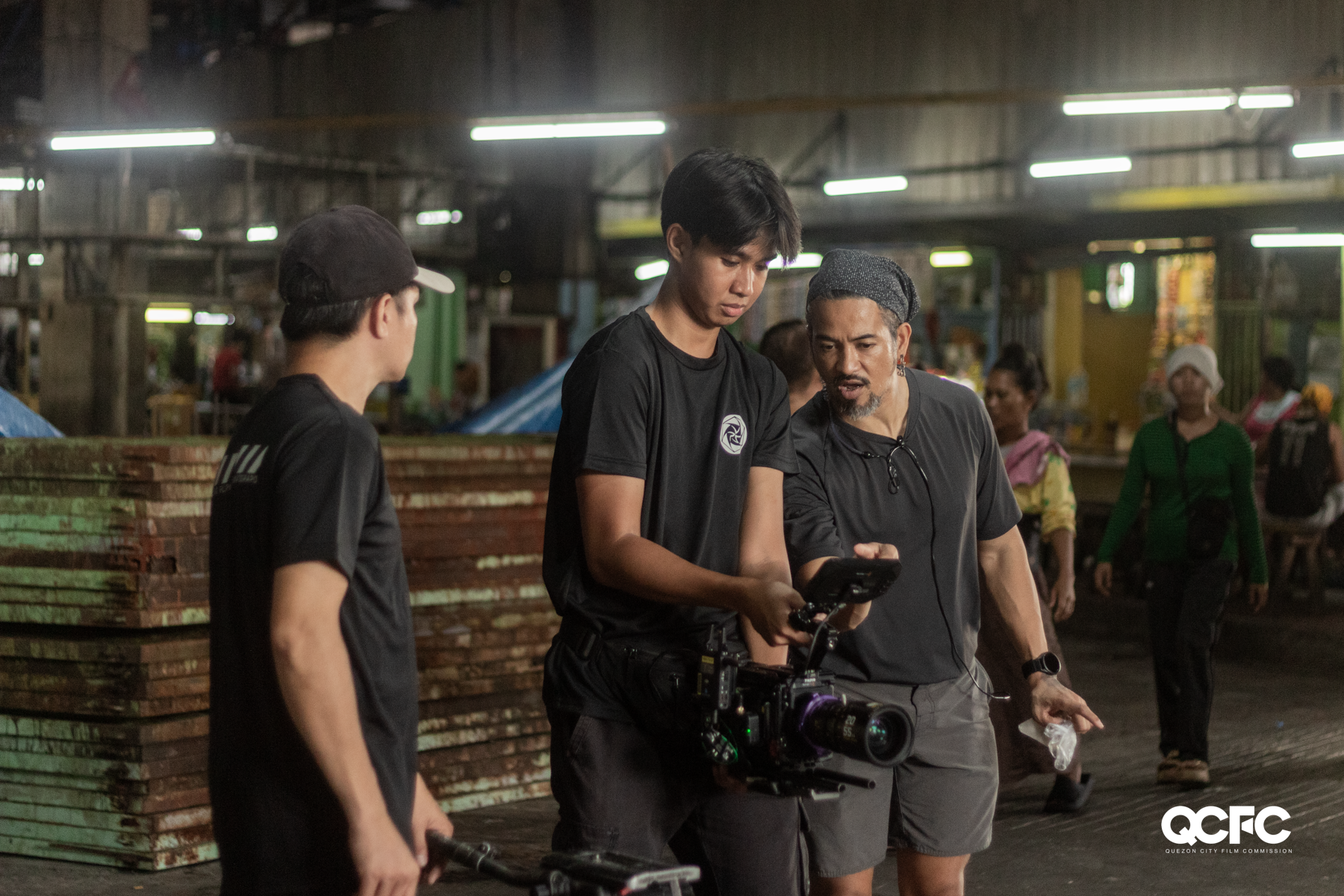
“This is not just a recognition of what we have achieved—it is a call to deepen our commitment to creative governance and cultural sustainability,” she said. “We are ready to take on this responsibility, to open our doors to collaboration, and to continue building a city where stories thrive and creativity empowers every citizen.”
Moving forward
Beyond the glitz of film festivals, this recognition is a pledge to protect and elevate the people who make filmmaking possible.
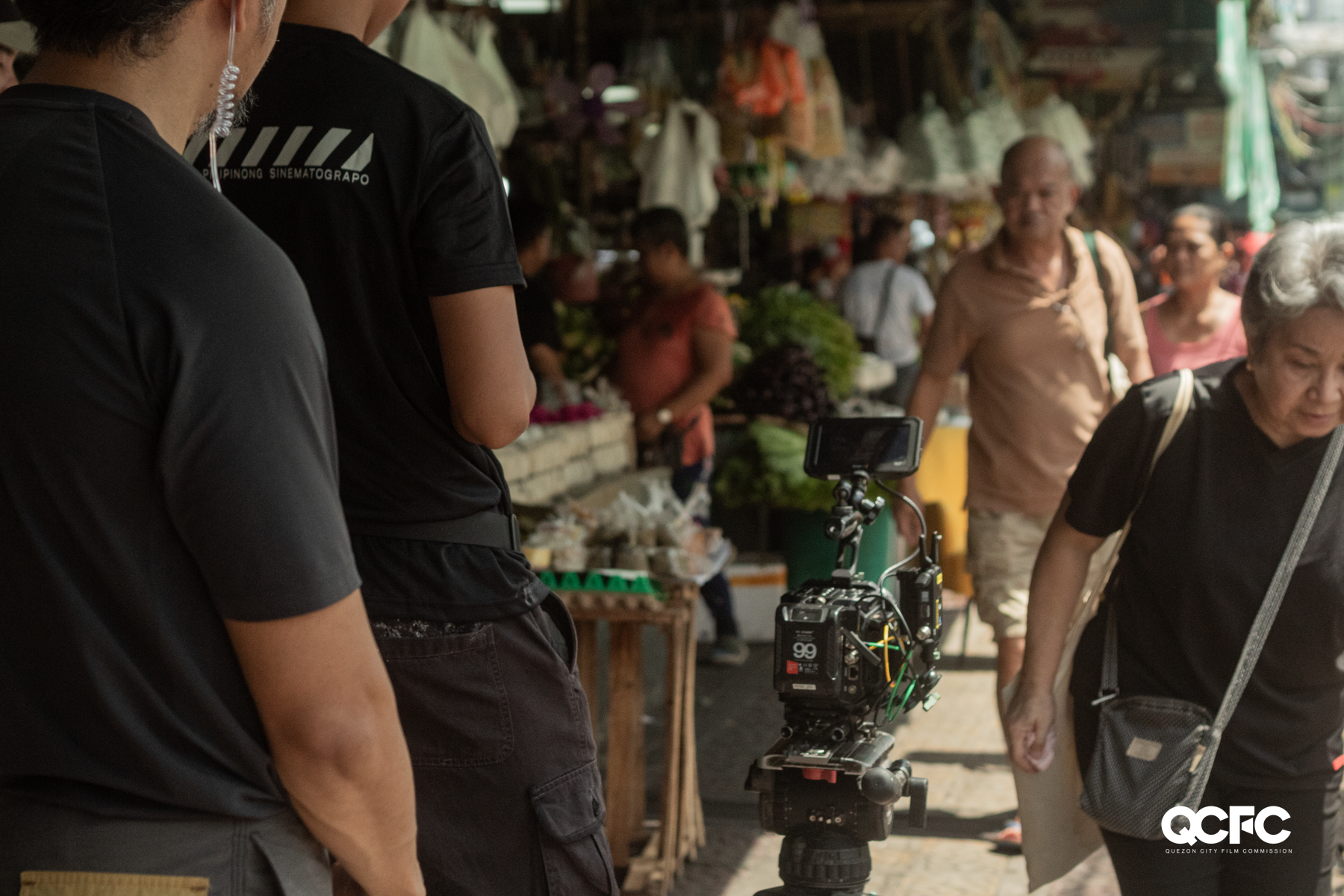
Worker protection laws such as the Eddie Garcia Law, which ensures fair wages and safe working conditions will be fully enforced. Skills training and mentorship programs will also open doors for young creatives.
As the lights dim, there is a certainty that Philippine cinema is ready to share its voice with the world stronger and more creative than ever.