A Monastic Modernism
The ARTHOUSE presents saliNlahi: Connecting the Dots, an exposition honoring Philippine modern art master Nena Saguil, featuring works from her estate and private collections.
Words Gerie Marie Consolacion
Photo courtesy of ART HOUSE
September 24, 2025
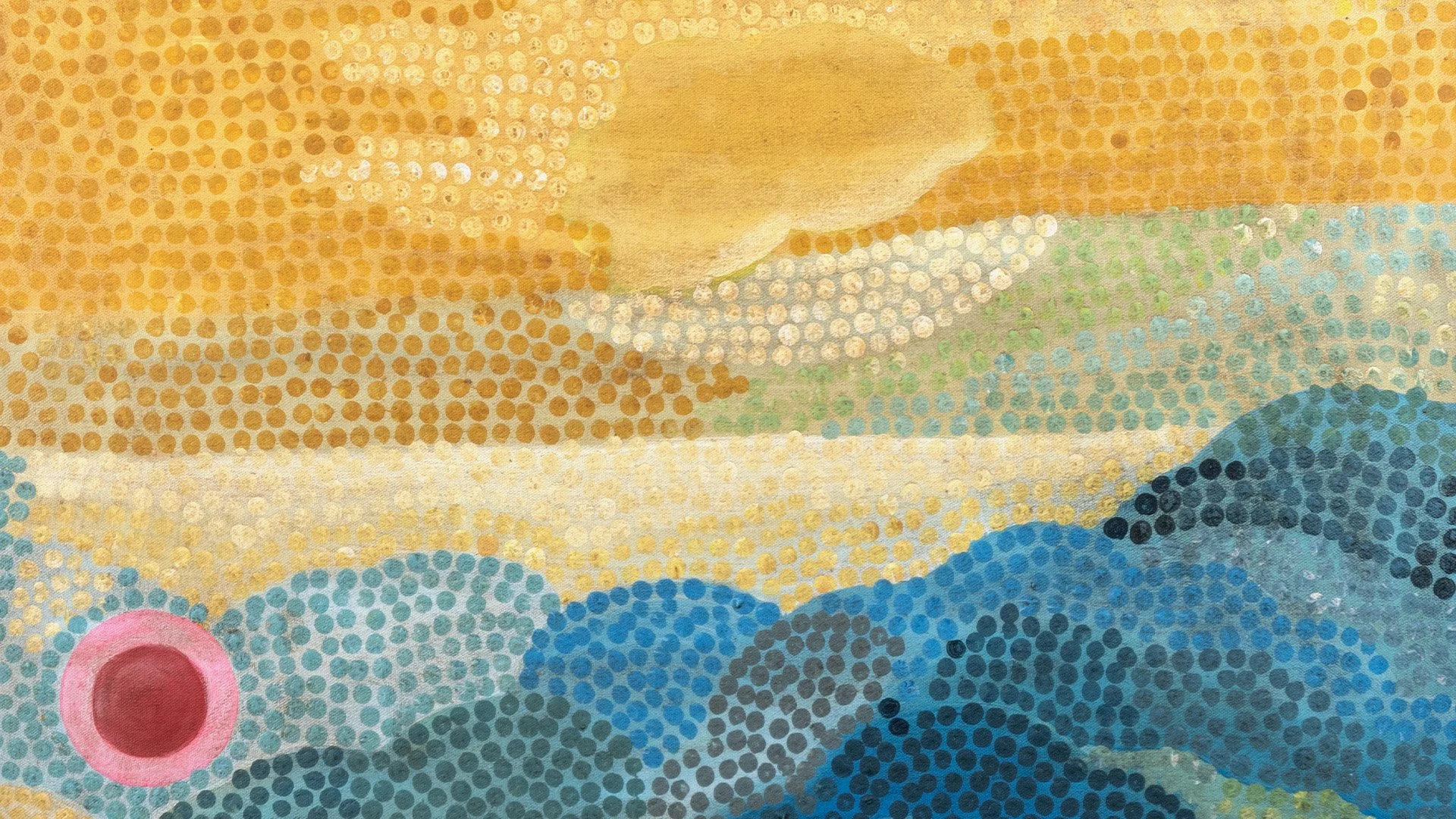
Long before the age of the global creative, there was Nena Saguil. A solitary Filipina artist navigating a male-dominated world, she left the comfort of her home for a self-imposed exile in Paris.
There, on Saint Germain des Prés, she lived what one curator describes as a “monastic life,” channeling a profound personal discipline into a five-decade-long artistic journey that would cement her as a master of Philippine modern art.
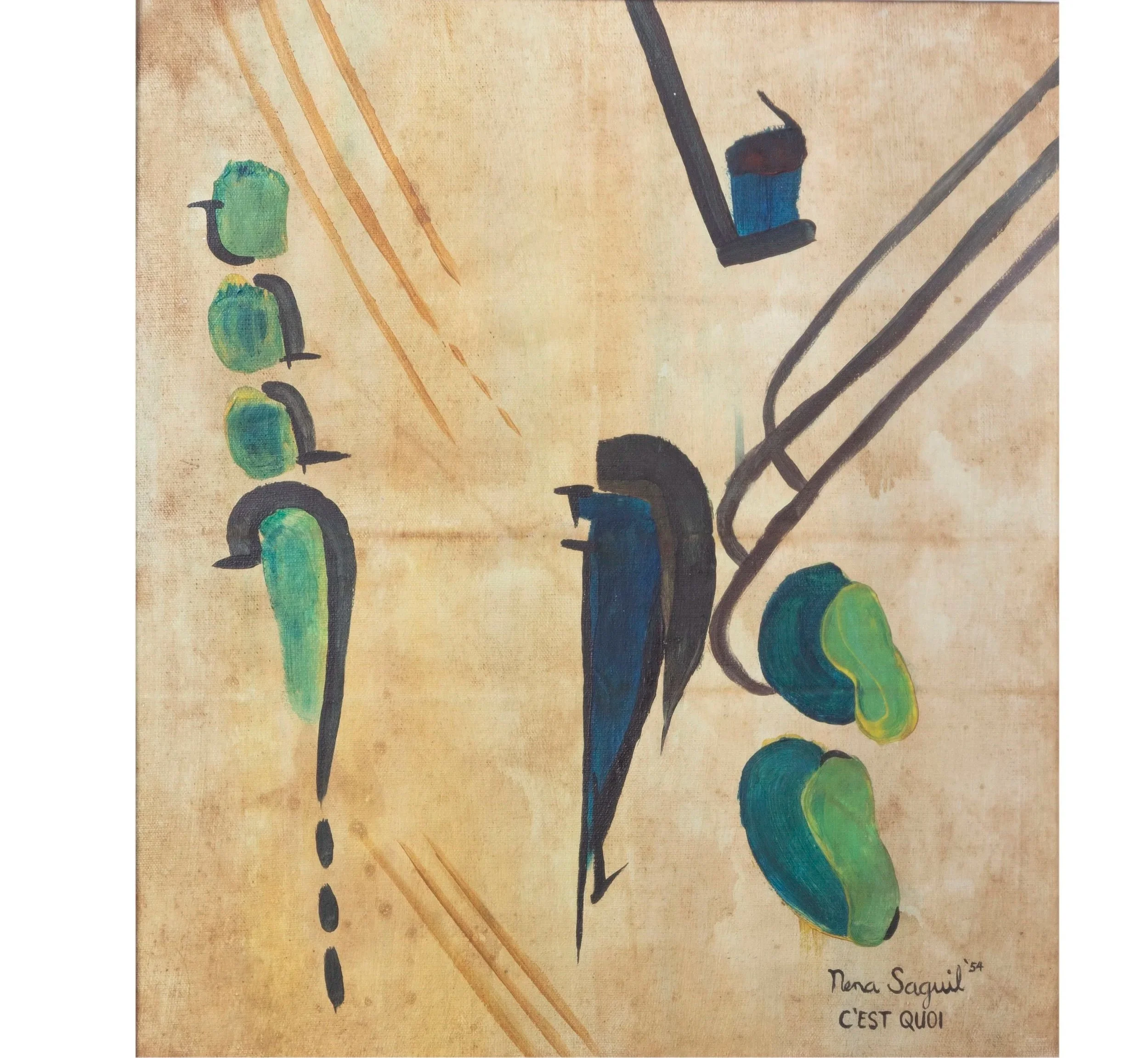
Untitled (1954), Oil on canvass
This September, a new exhibition by ARTHOUSE, titled saliNlahi: Connecting The Dots, seeks to go beyond her iconic spheres and celestial terrains to explore the very source of her creative power: her unwavering, focused practice.
From Lakbay to saliNlahi
The show, running from September 26 to 28 at the Discovery Primea Hotel, is the result of a deep collaboration between ARTHOUSE and the Saguil estate. But its conceptual roots trace back to an earlier project that tested Saguil's resonance with contemporary artists.
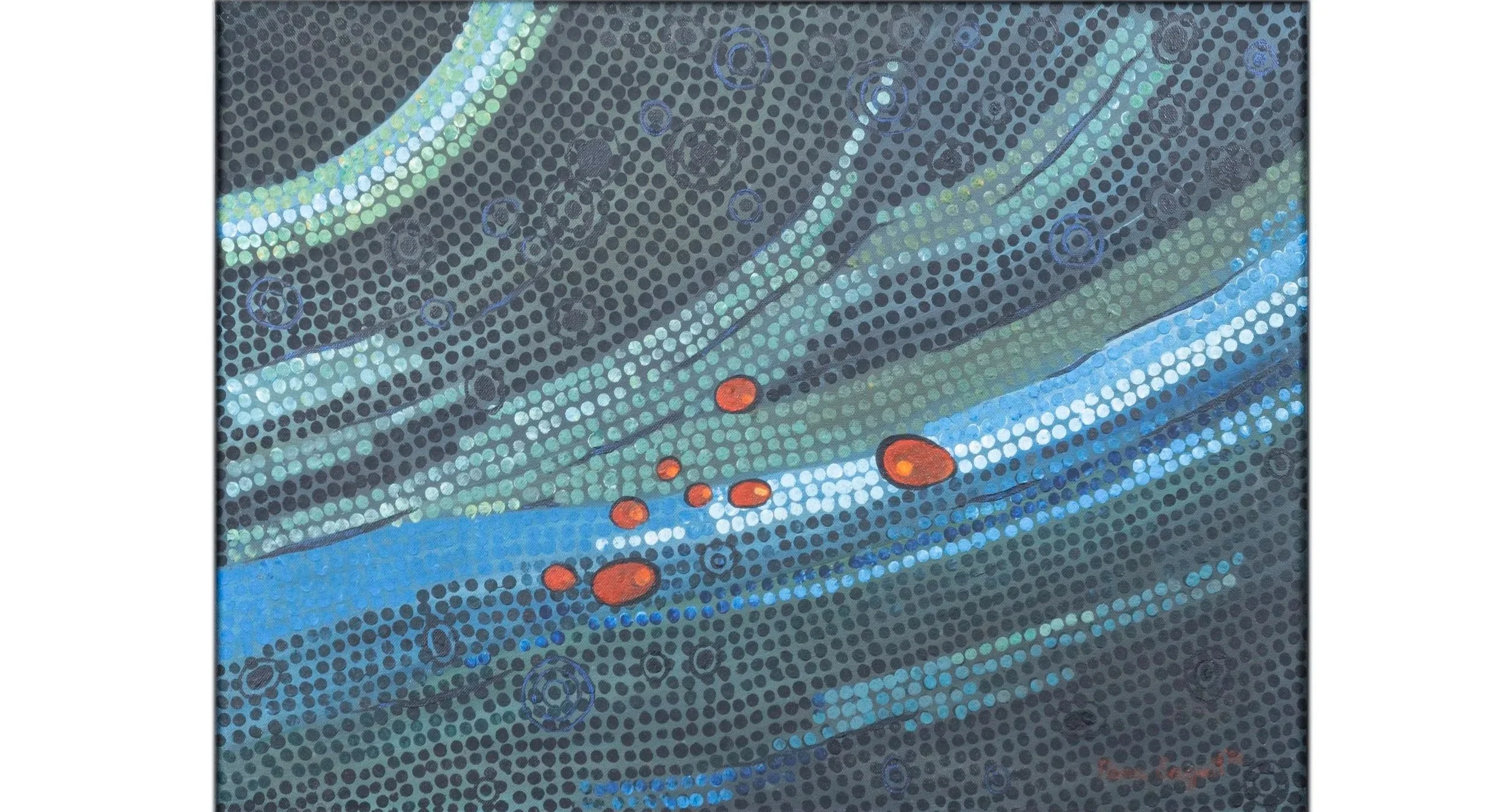
Untitled (1986), Oil on canvass
That first show, ‘Lakbay,’ placed Saguil's work in conversation with nine Filipino artists from the diaspora. The experiment was a resounding success. A curator for the project revealed how artists, even those unfamiliar with Saguil, "found Nena Sagil relatable," which helped to “solidify and further the knowledge about Nena Sagil and her works.”
This discovery of her enduring relevance laid the groundwork for saliNlahi. “Ultimately, our goal is to amplify the significant contributions and impact of Nena Saguil on Filipino creativity and identity,” says ARTHOUSE Founder Carlo Pineda.
An inner compass: On identity and discipline
For Saguil, that identity was a quiet truth, not a loud declaration. In an exclusive interview of Art+ with Marika Constantino, curator for the saliNlahi, shared a crucial insight into Saguil's philosophy on her heritage.
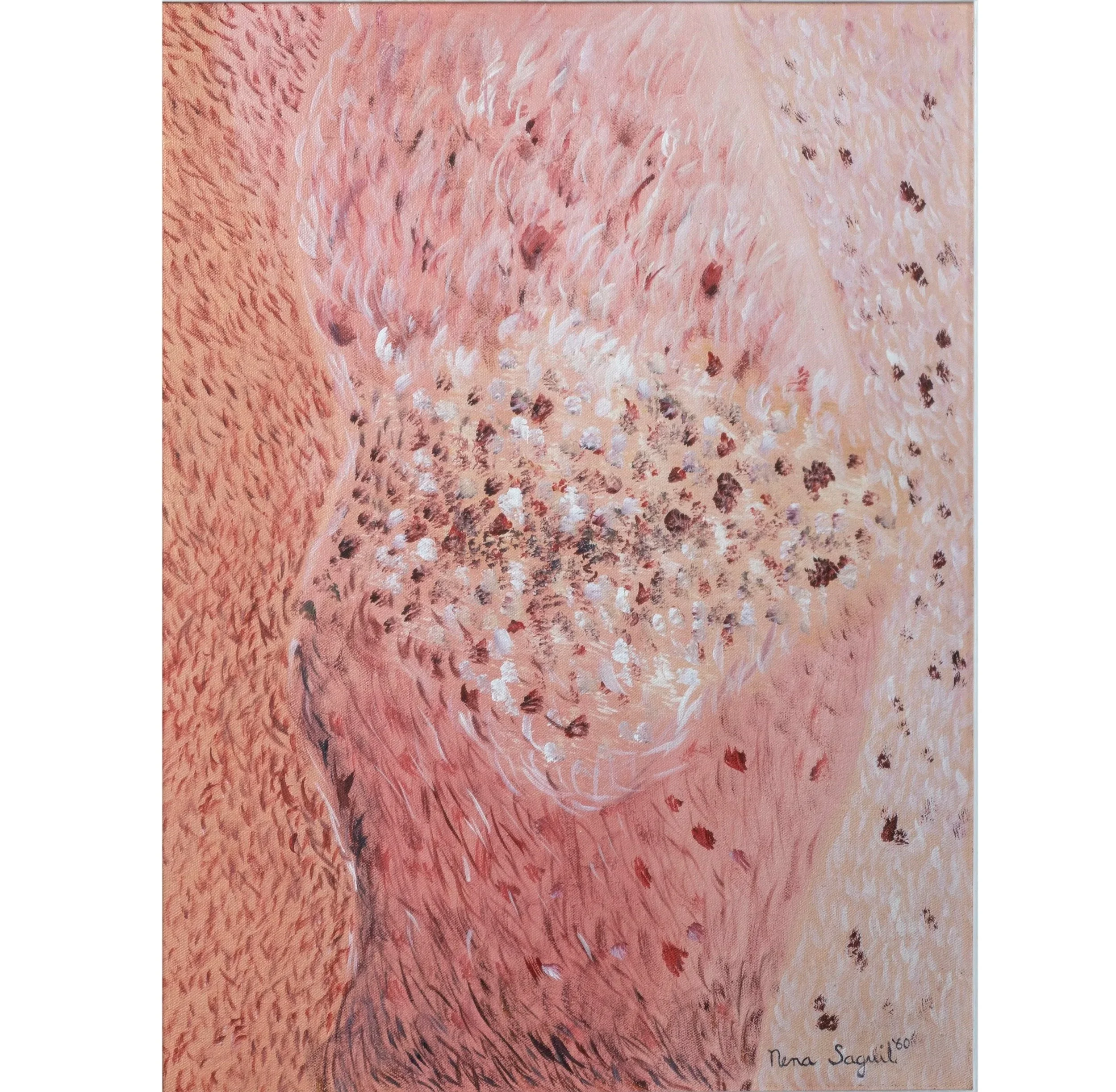
Untitled (1960), Oil on canvass
“I remember in one of her quotes from one of the books, she was like saying you don't have to be overtly Filipino in your imagery. You being Filipino will come out in terms of whether you're conscious about it or not. So, to her, that was clear”.
This quiet confidence was forged through immense personal discipline. Saguil’s life was her art, a daily commitment to growth and focus. Constantino emphasizes this as a key to understanding her entire body of work.
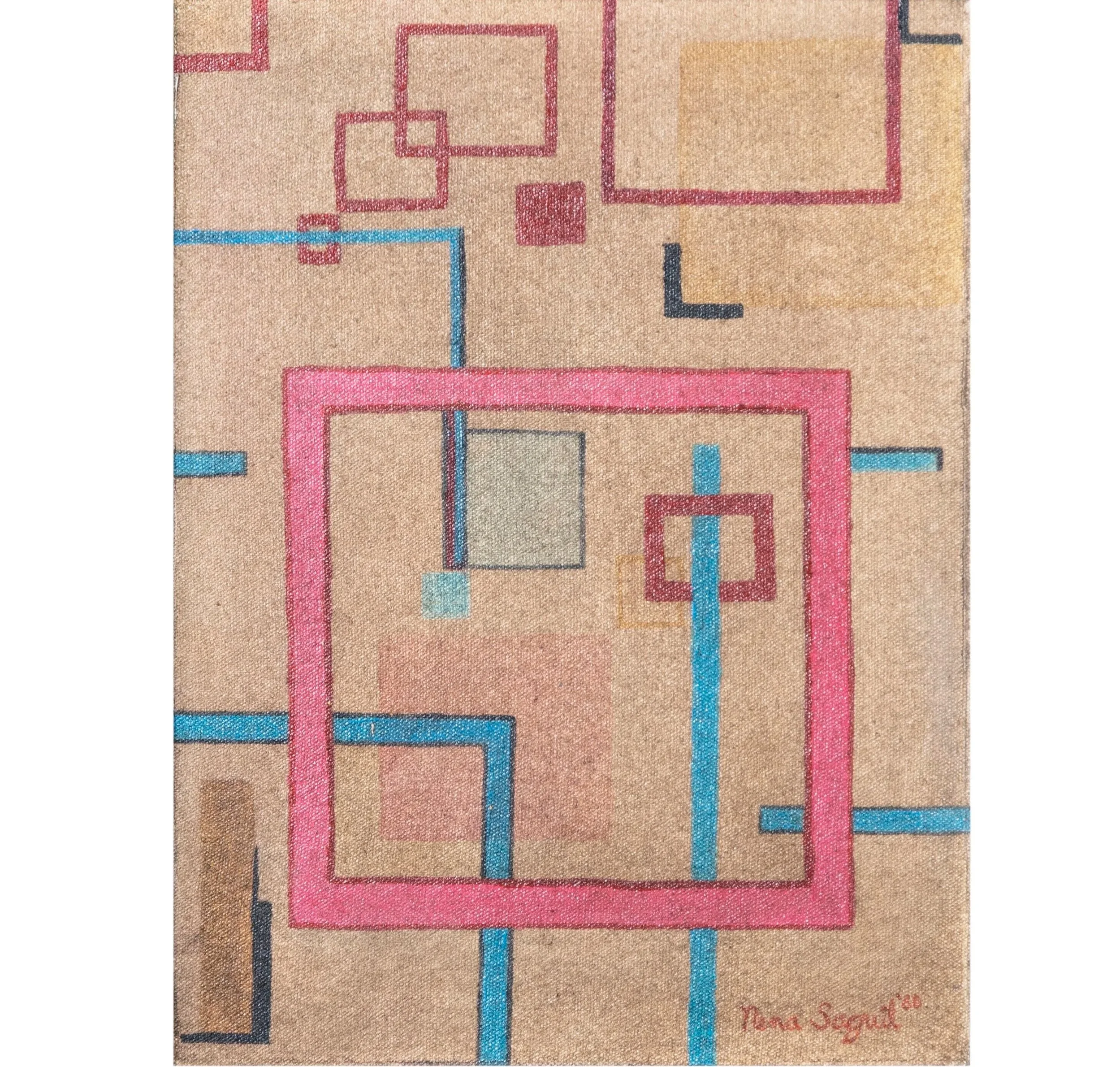
Untitled (1960), Oil on canvass
“I think the other thing that I really like about her, the more that I'm discovering her life, it's the discipline that she put in terms of her practice. Na every day is a day of acquiring more knowledge. Every day is a way to better herself. And she lived a very monastic life. She was very focused on her practice. And I think the fact that she was living her life the way she wanted to, that showed in her artworks.”
A journey through five decades
saliNlahi aims to showcase the fruits of that monastic focus across her entire career, from 1946 to 1994. The exhibition will feature a wide array of Saguil's explorations, including figurative works from the 40s and 50s, experimental abstract pieces, and her development of a signature style using “spheres, circles, space and pointillism.
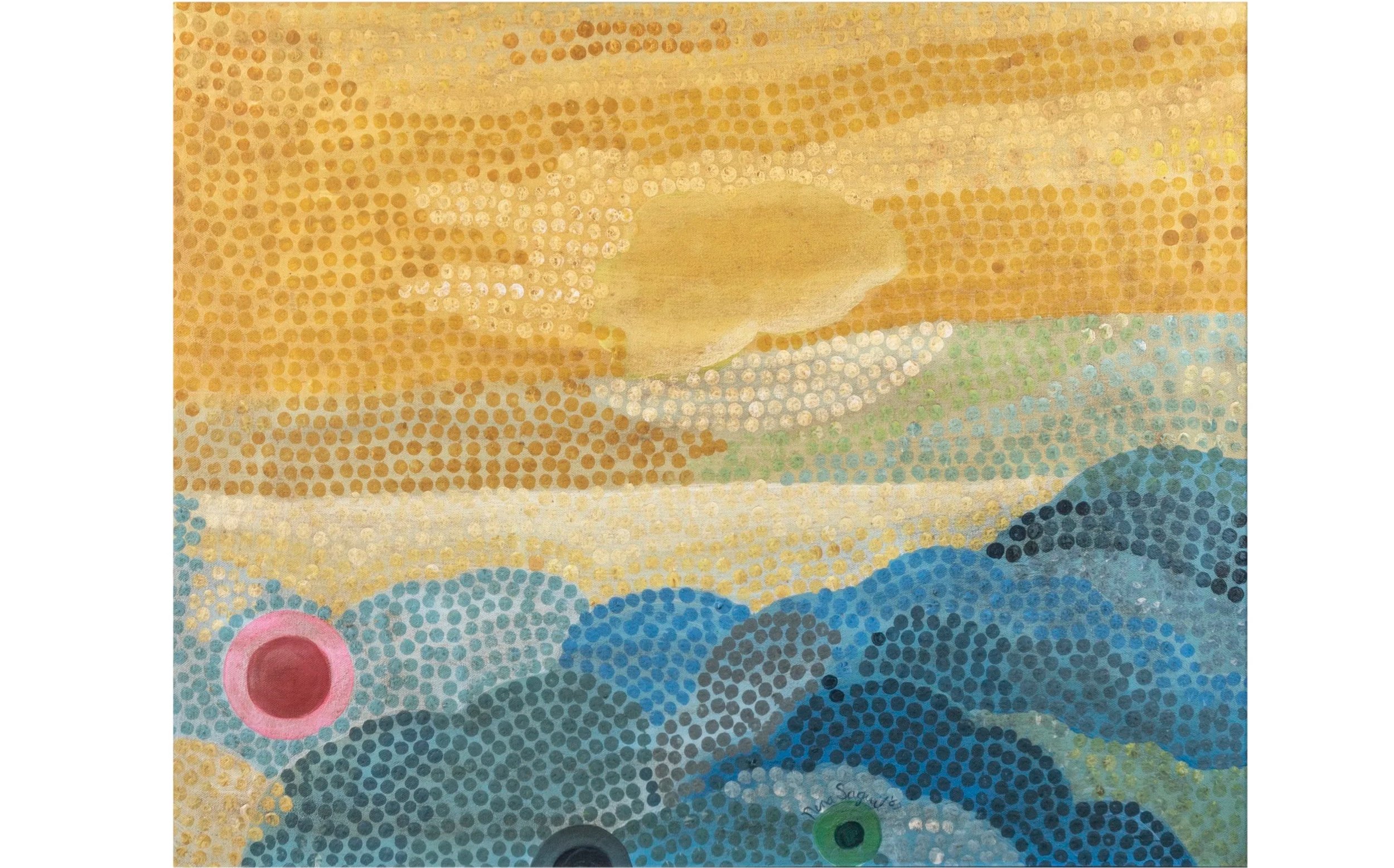
Untitled (1967), Oil on canvass
Constantino notes that the show will present a holistic view of the artist. “Apart from the blue celestial terrains she is identified with, saliNlahi: Connecting the Dots also showcases stylistically unique pieces in various colors and figurations,” she explains.
By bringing together a rare quadriptych from the estate with works from both seasoned and new-generation collectors, the event serves as a platform to connect her admirers and highlight her “resonance across generations.”
A resonance across generations
Ultimately, the exhibition is more than a retrospective; it is a vital act of preservation and knowledge-sharing.


As the curator involved in these projects asserts, “any and all projects related to Nena Sagil will always be important. I do want the knowledge about her and of her to be more spread out. That is not just for Filipino artists, but Filipinos in general.”
saliNlahi is the next crucial step in that mission, inviting a new generation to discover the quiet power behind Nena Saguil's monastic modernism.
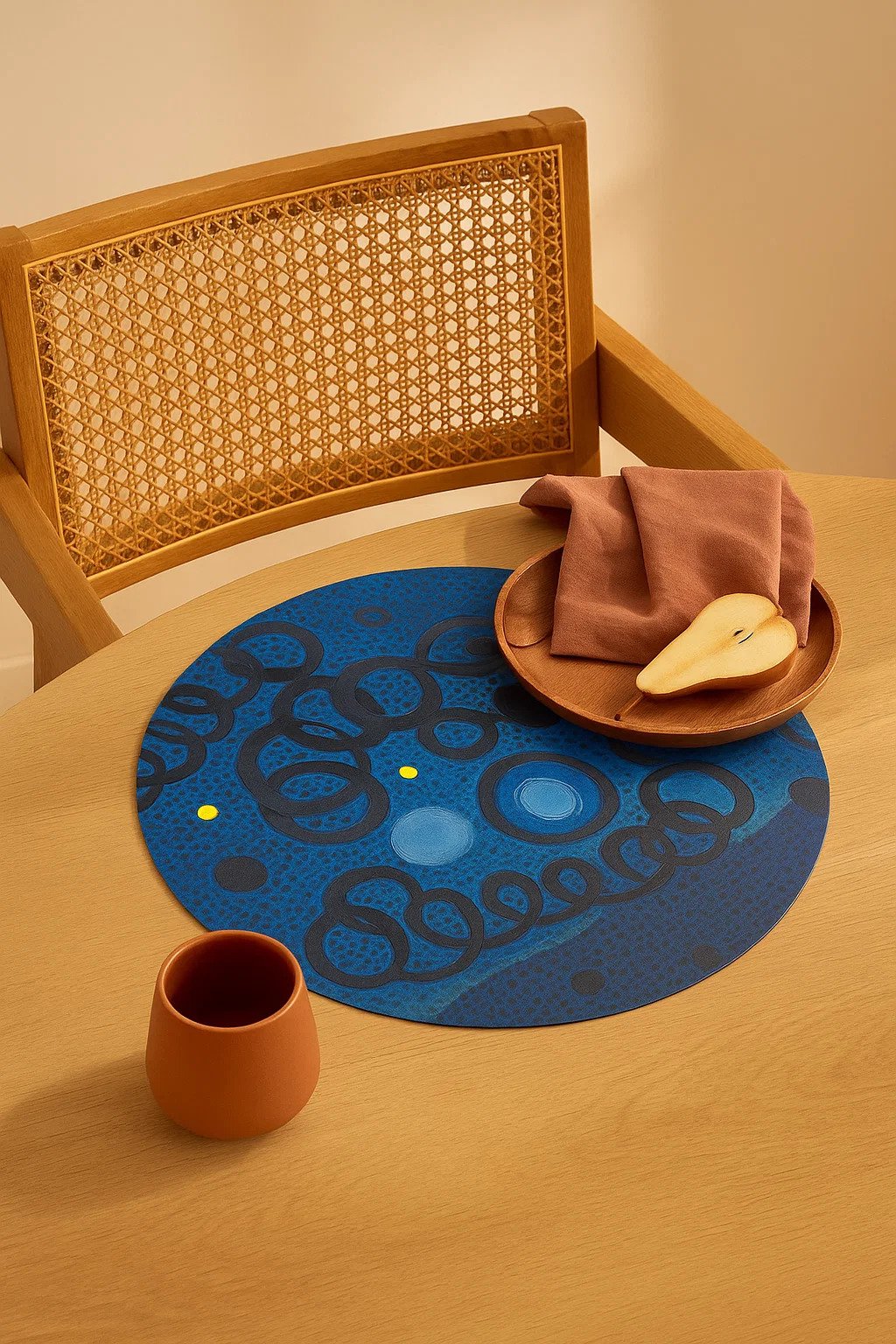
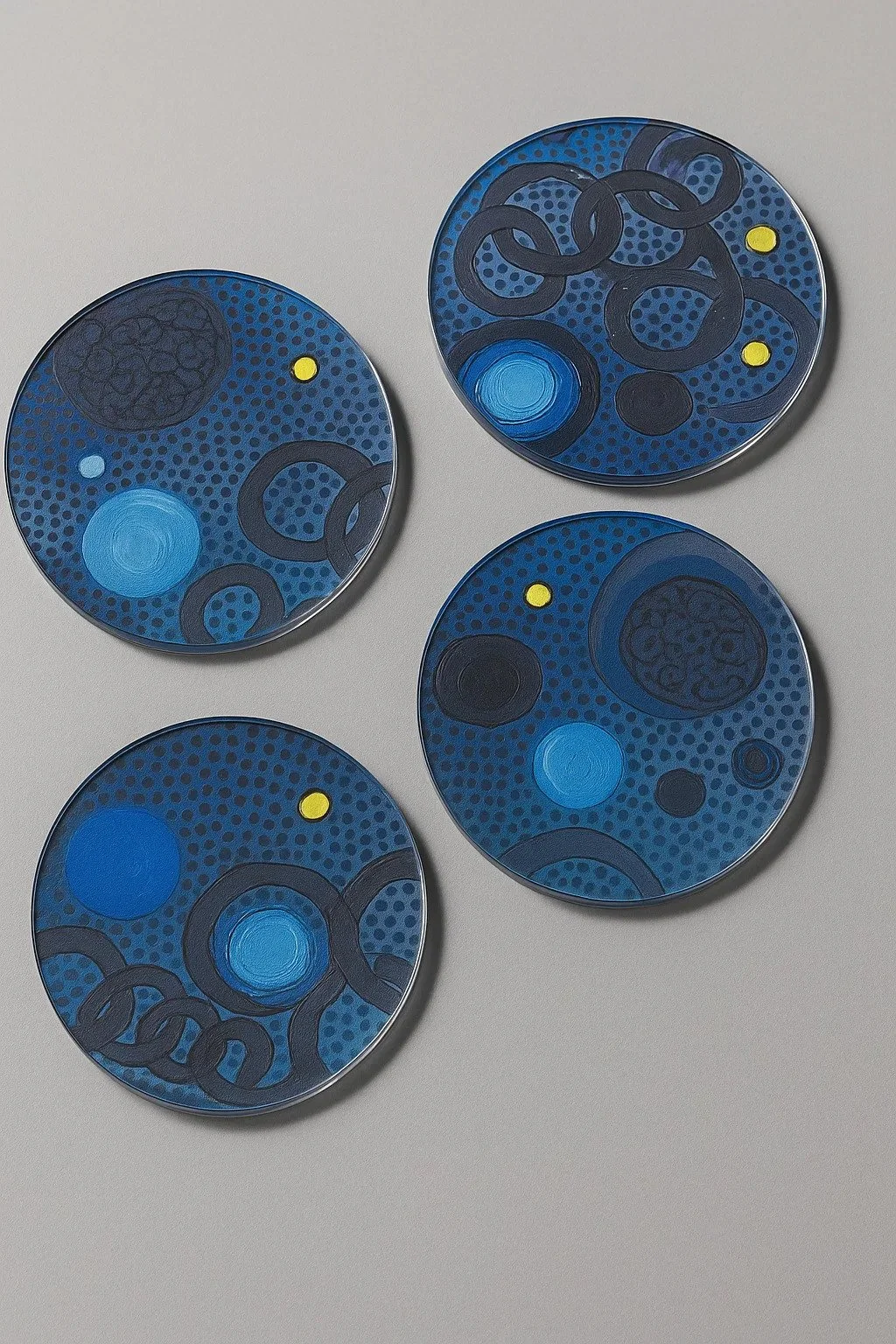
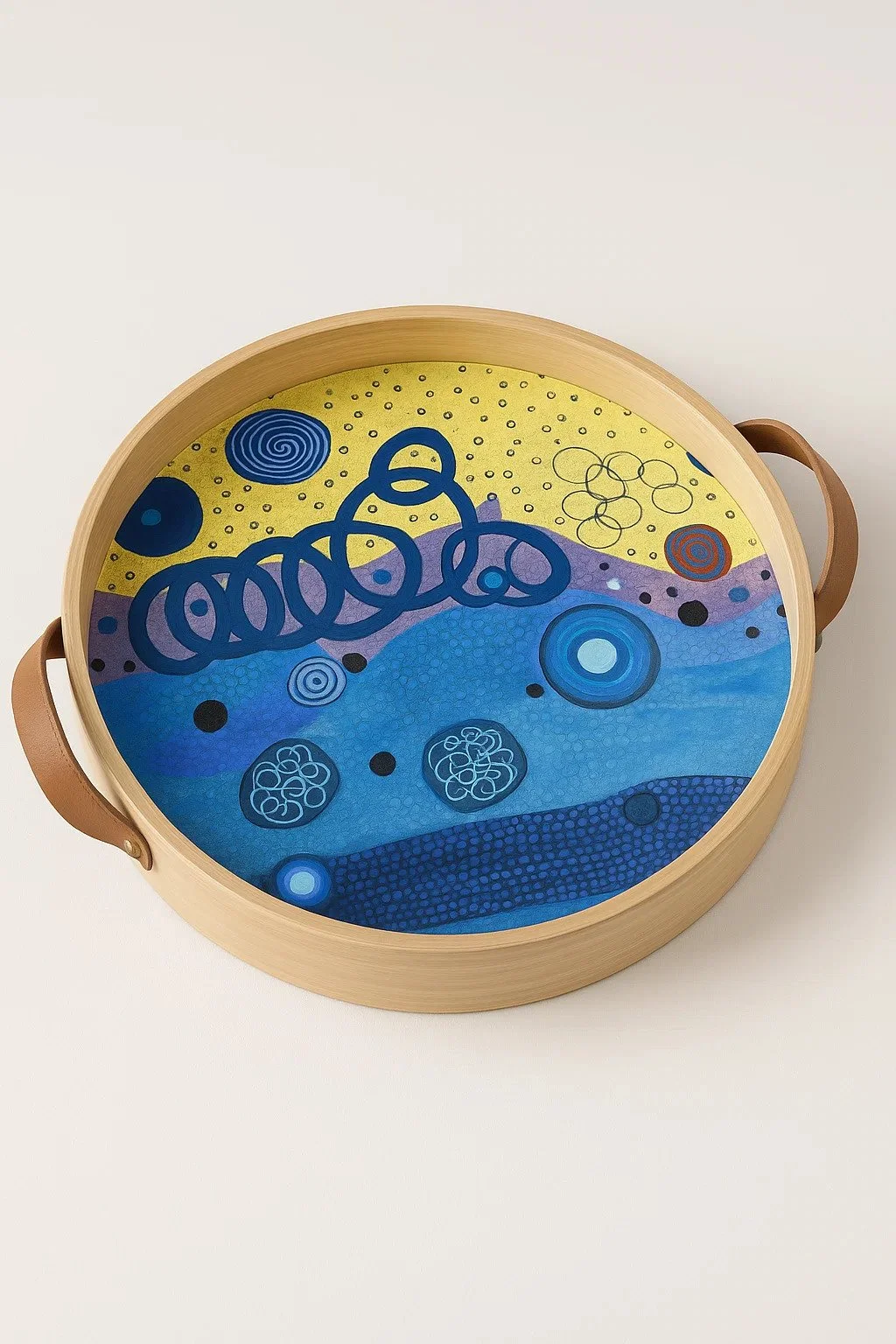
During the private preview for saliNlahi, ART HOUSE founder Carlo Pineda announced that, to promote Saguil’s works and connect with younger audiences, they will make her art more accessible through official merchandise.