
A Dance About Dancing, and Everything It Costs
In its staggering 2026 restaging, Mari Dance transforms the Doreen Blackbox Theater into a living archive of exhaustion, tenderness, trauma, and survival—proving that contemporary dance, at its most potent, does not merely move bodies, but excavates them.
Words Randolf Maala-Resueño
Photos courtesy of Mari Dance,Cesar Morales, Steven Bermudez
May 20, 2026
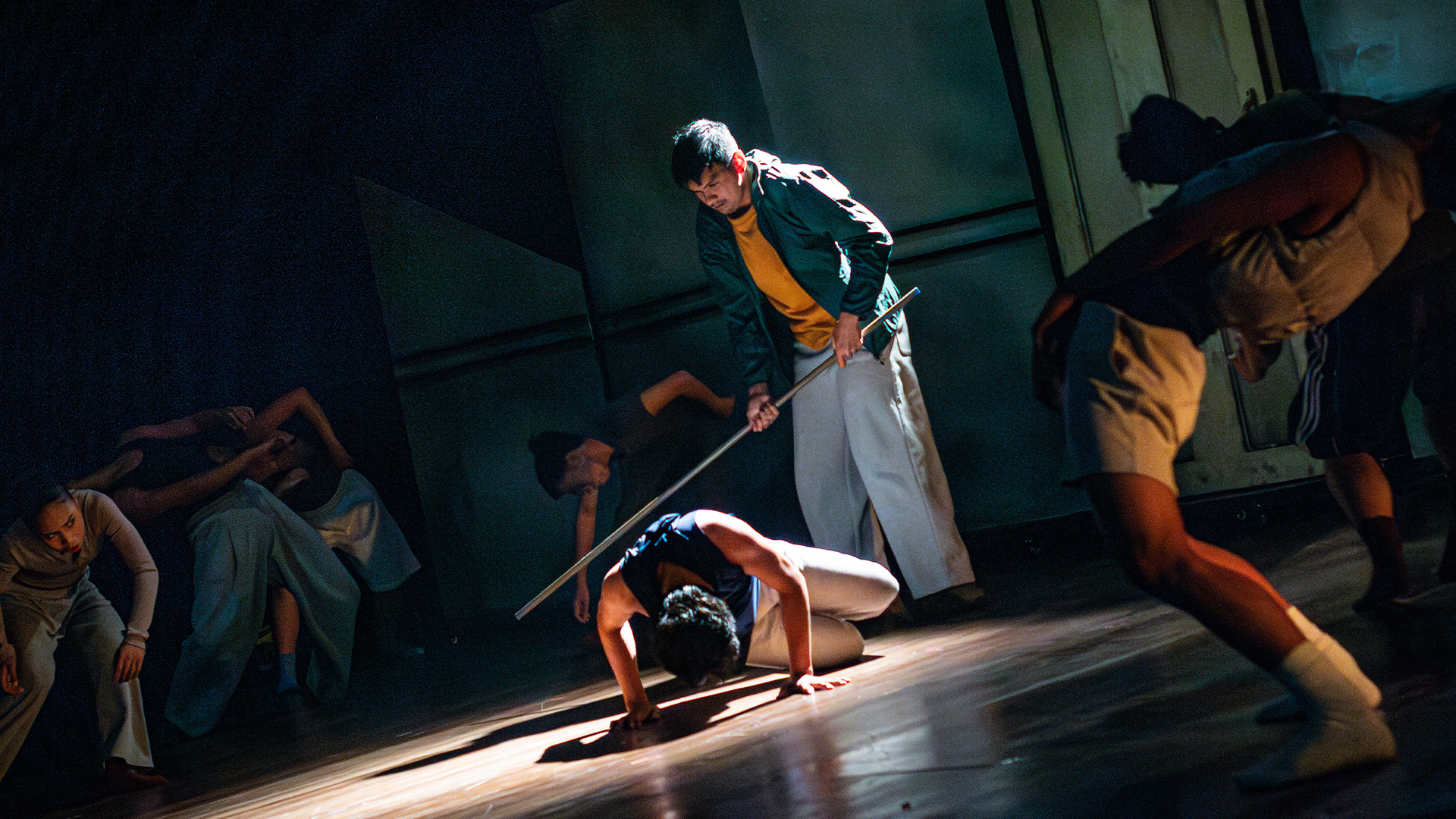
There are productions that ask audiences to watch. Then there are productions that swallow audiences whole.
Mari Dance’s a dance in a day in a dance, restaged this May at Areté’s Doreen Blackbox Theater, belongs firmly to the latter.
Under the choreographic brilliance of JM Cabling, the work unfolds less like a conventional dance concert and more like a feverish meta-world where dance becomes language and choreography itself becomes dialogue.
The result is a deeply intelligent and emotionally volatile evening of contemporary dance theater—crafted with uncommon sensitivity for dancers, theater obsessives, and anyone who has ever tried to survive the violence of becoming.
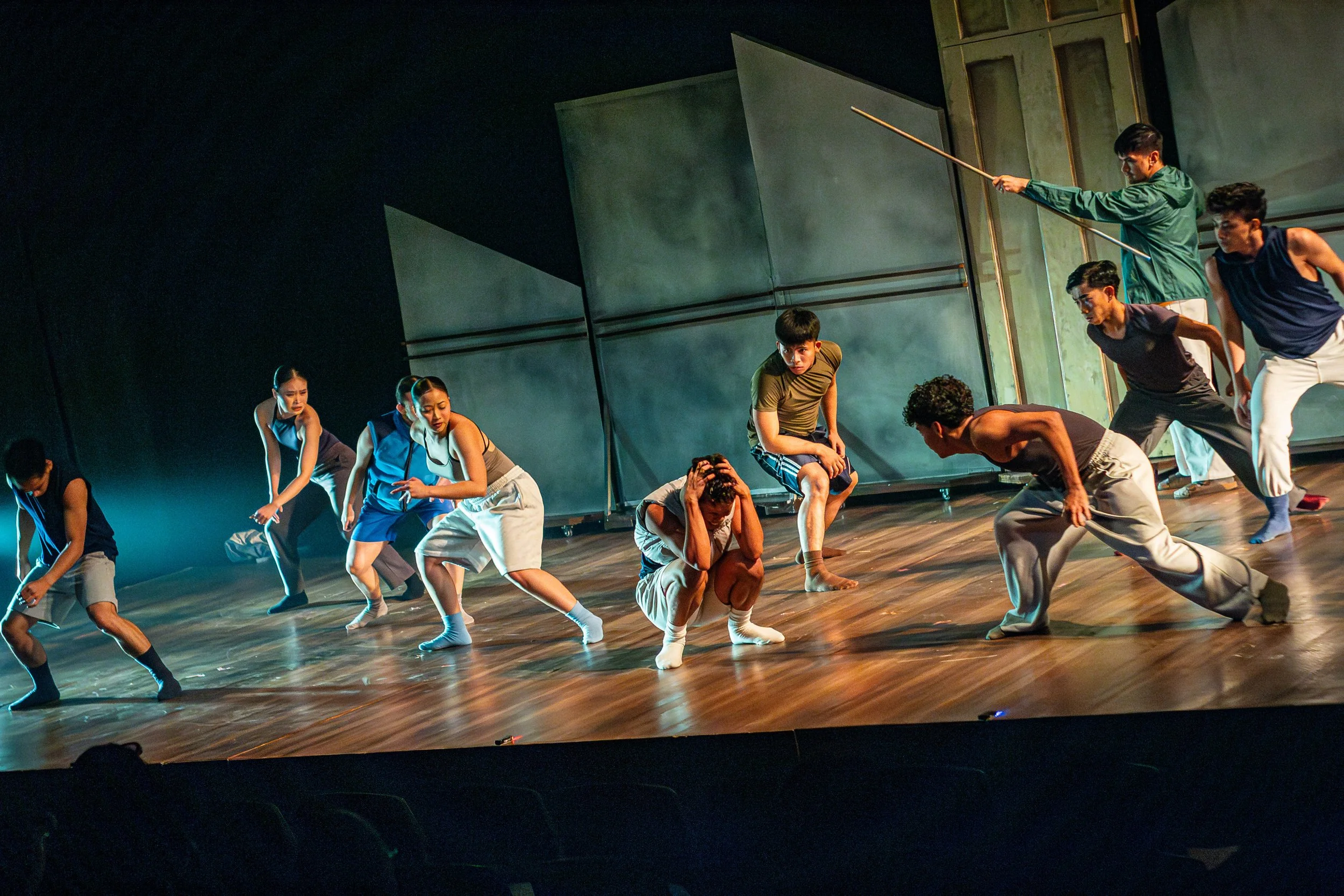
Photo by Steven Bermudez
From its opening moments, the production pulses with startling intentionality. Every cue feels conscious; every silence weaponized.
The lighting design cuts through the stage with sculptural precision, accentuating the emotional architecture of the body rather than merely illuminating it.
Bodies emerge and disappear like unresolved memories. Timing is treated not simply as rhythm, but as psychology.
And what bodies these are.
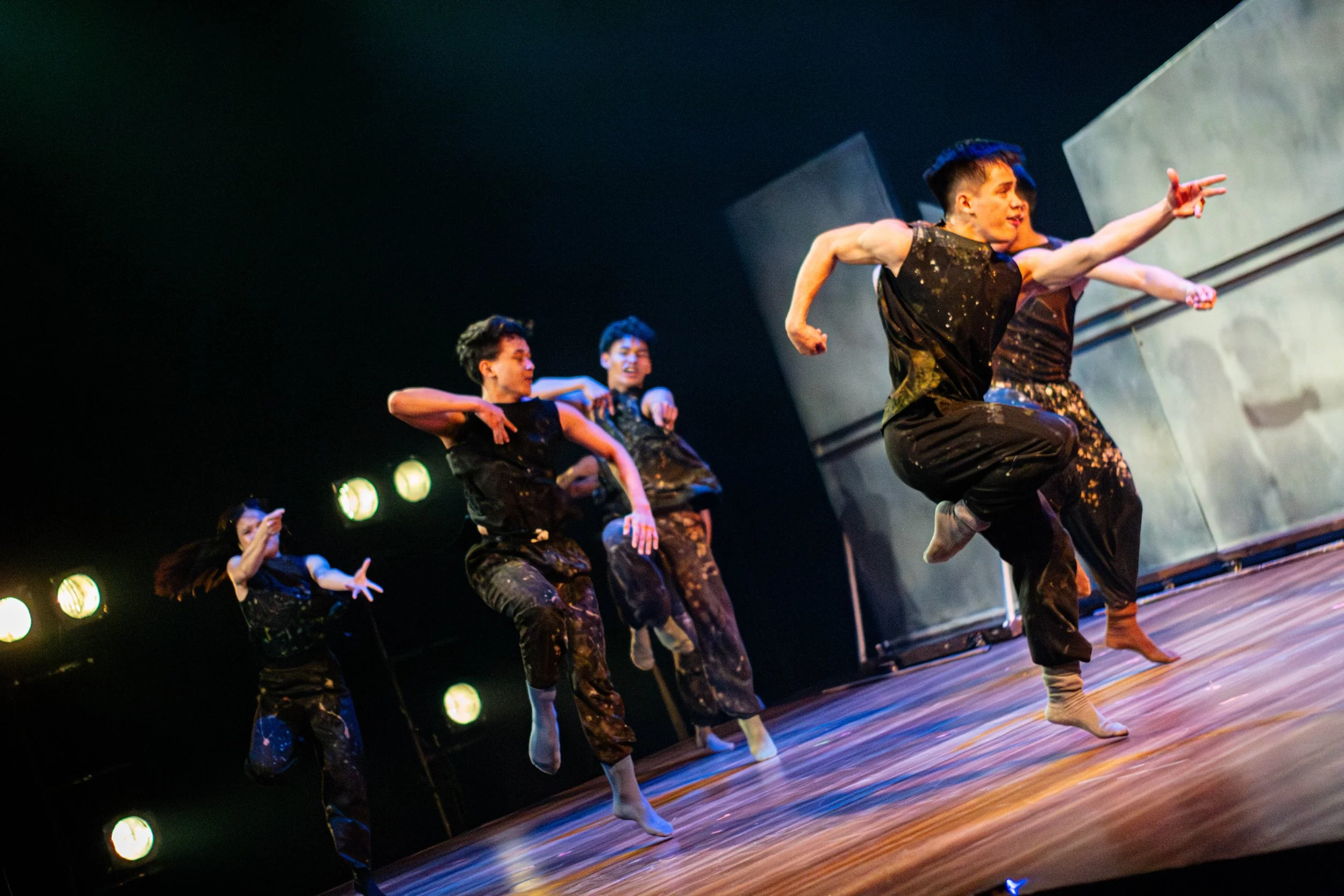
Photo by Steven Bermudez
Mari Dance’s ensemble performs with frightening rigor, executing Cabling’s choreography with beast-like stamina and exactitude. The dancers hurl themselves across the stage with a muscular ferocity that never loses emotional specificity.
Anchoring much of the production’s gravitational pull is Al Garcia, whose commanding presence lends the ensemble both discipline and emotional coherence.
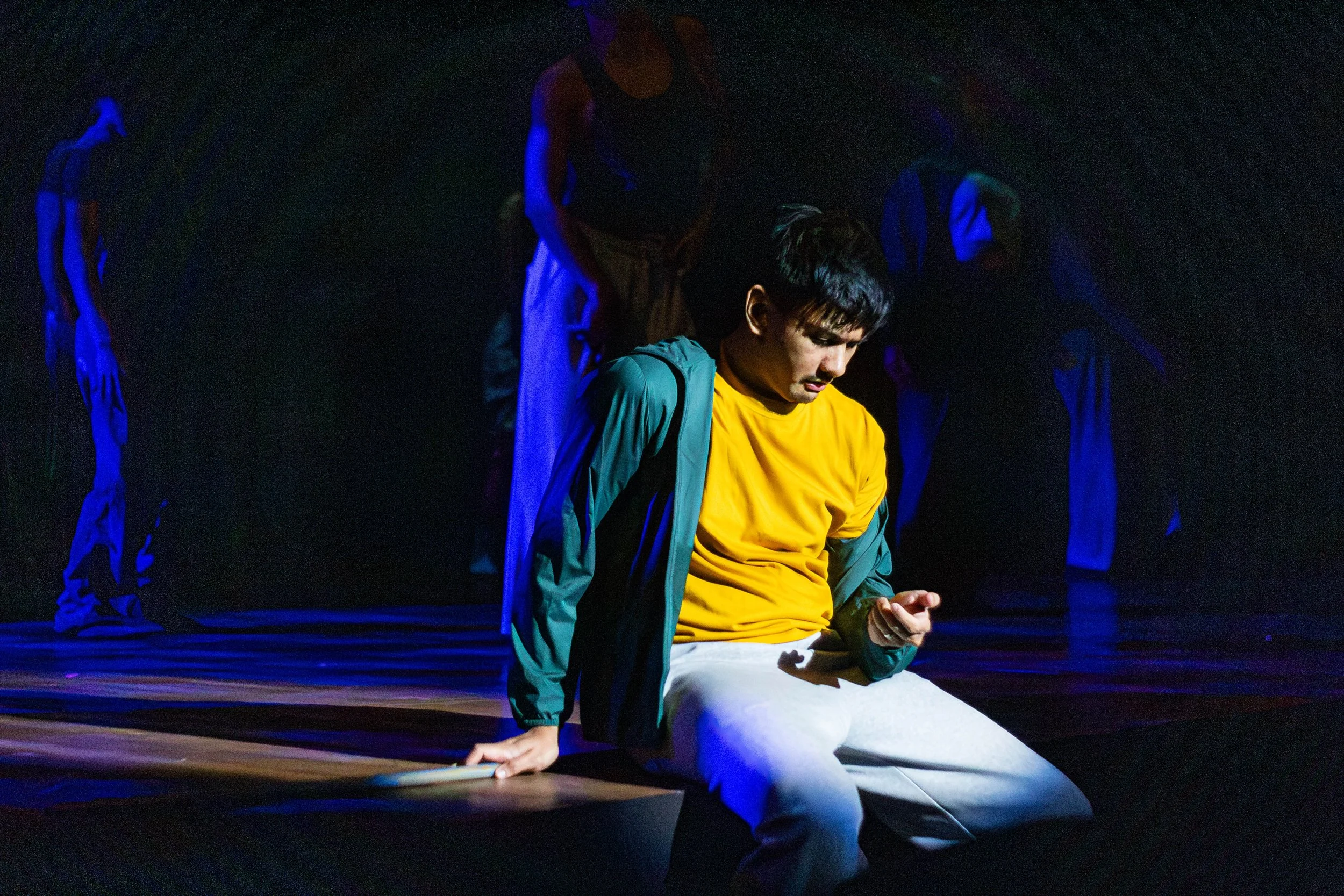
Photo by Steven Bermudez
This restaging feels far more expansive and assured than the production’s October 2025 premiere—less tentative, more fully realized in scale and emotional ambition.
Act II, I Wanna Say Something, becomes a revelation largely through Michael Que, whose performance is a masterclass in bodily articulation and stage presence. Que moves as though language itself has failed him and only the body remains capable of confession.
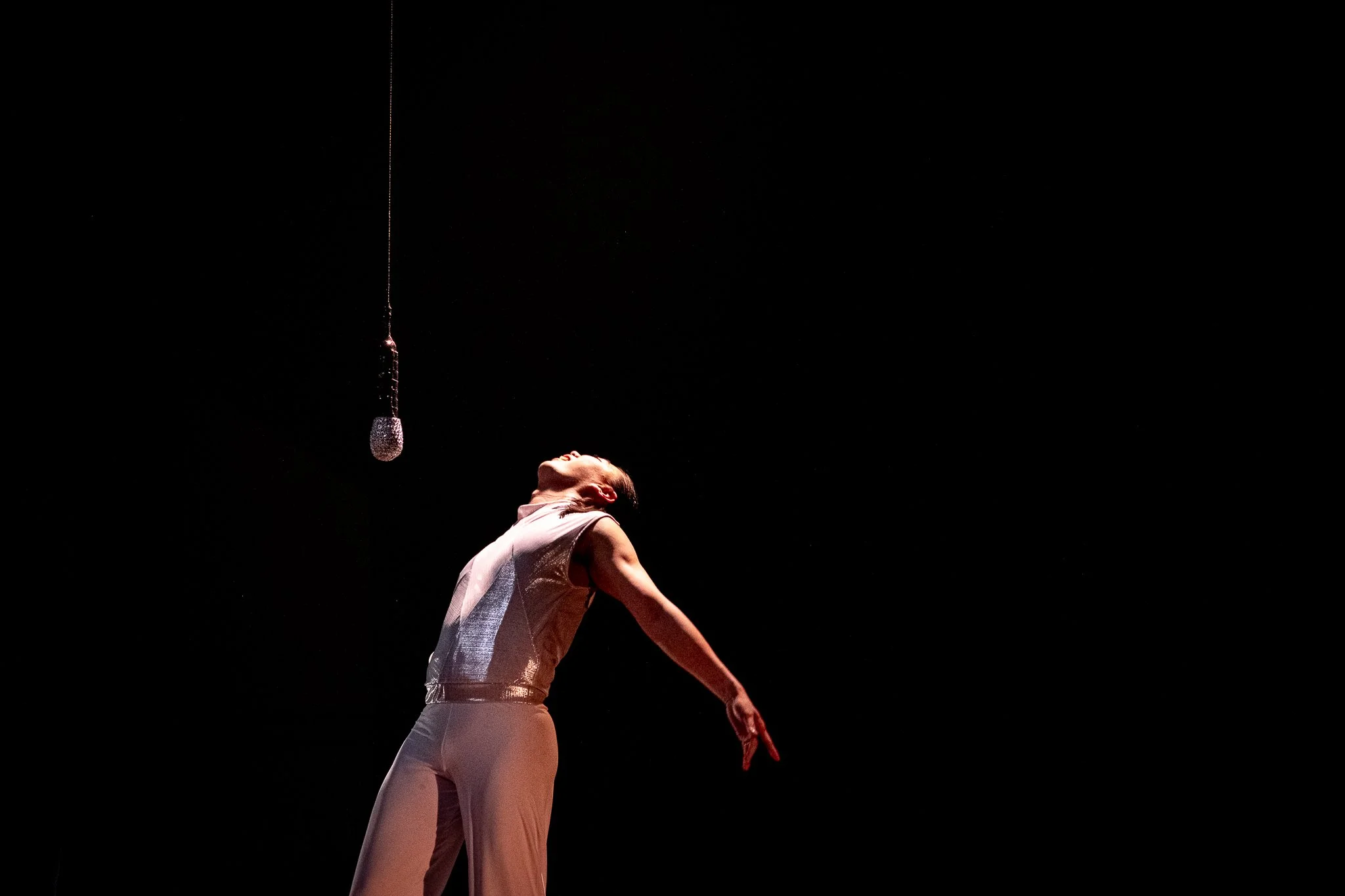
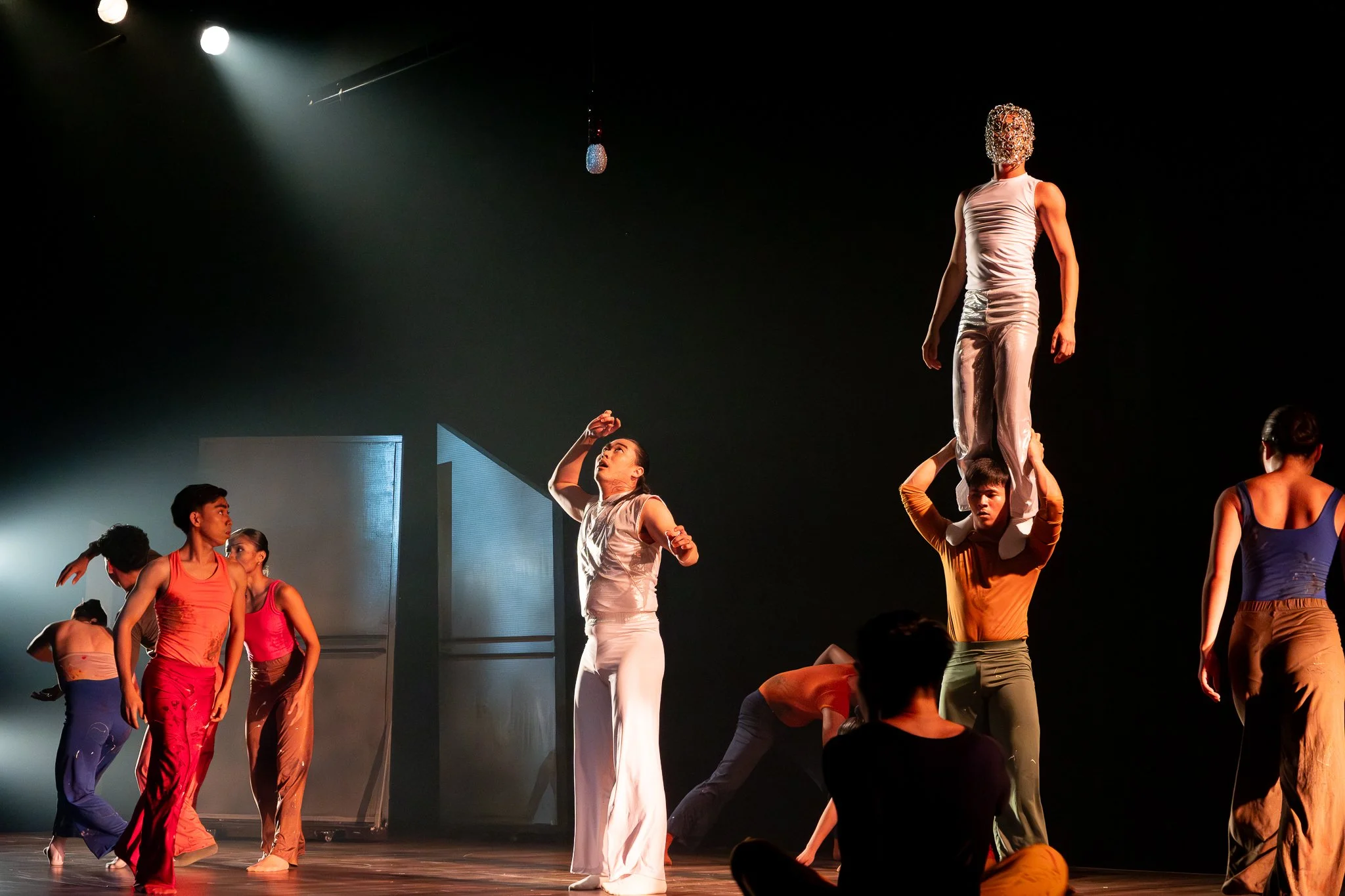
But it is Act III, Ang Lihim ni Lea, that devastates most profoundly. Whimsical and nostalgic on its surface, the piece quietly ruptures into meditations on maternal longing, memory, and cycles of violence.
Performed by ballet educator Janine Arisola-Cabrera as Lea opposite Sarah Samaniego as the mother—a role alternated throughout the run with Ea Torrado and Georgette Sanchez-Vargas—the work aches with unbearable tenderness. Beneath its dreamlike theatricality lies something painfully simple: a daughter missing her mother.
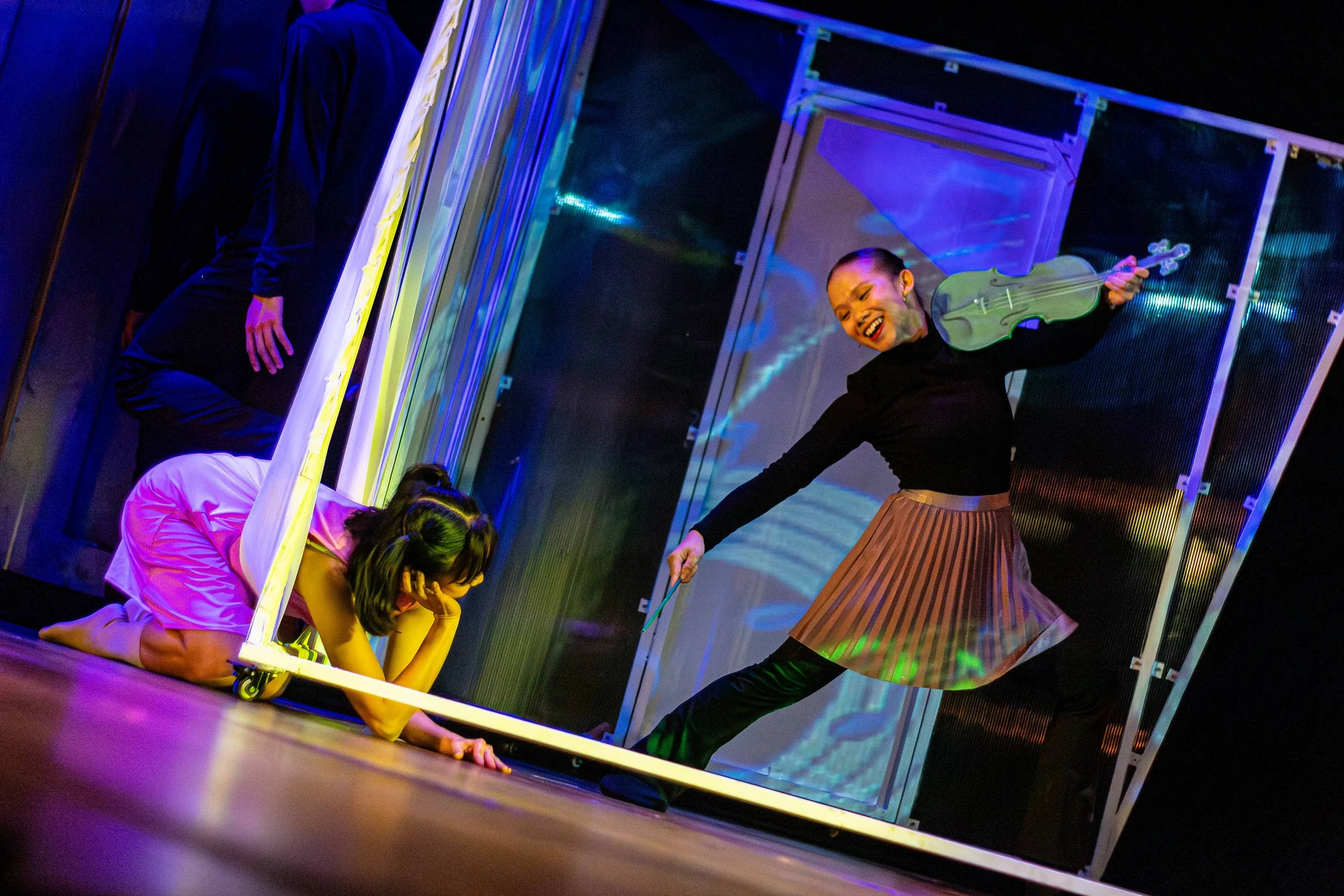
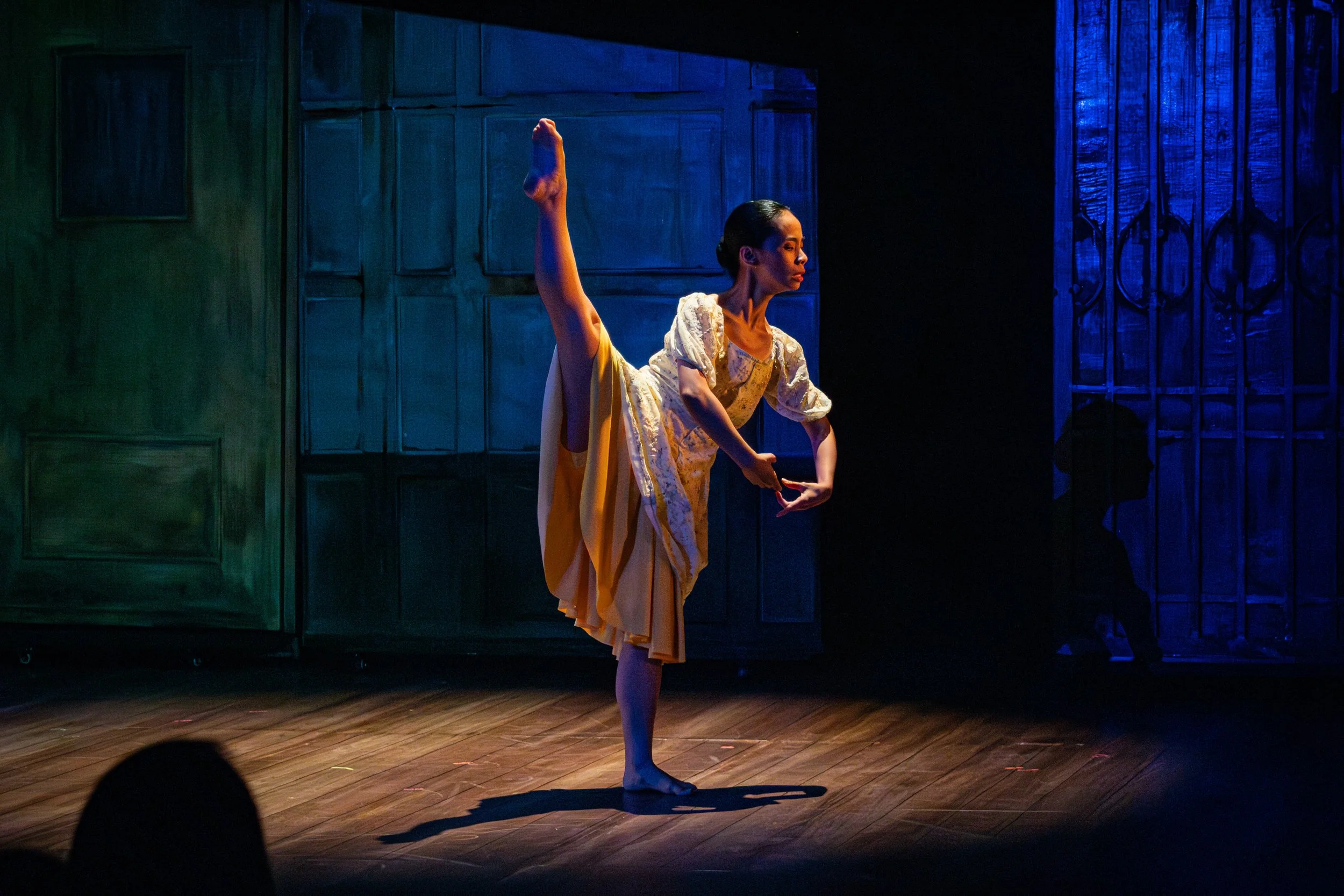
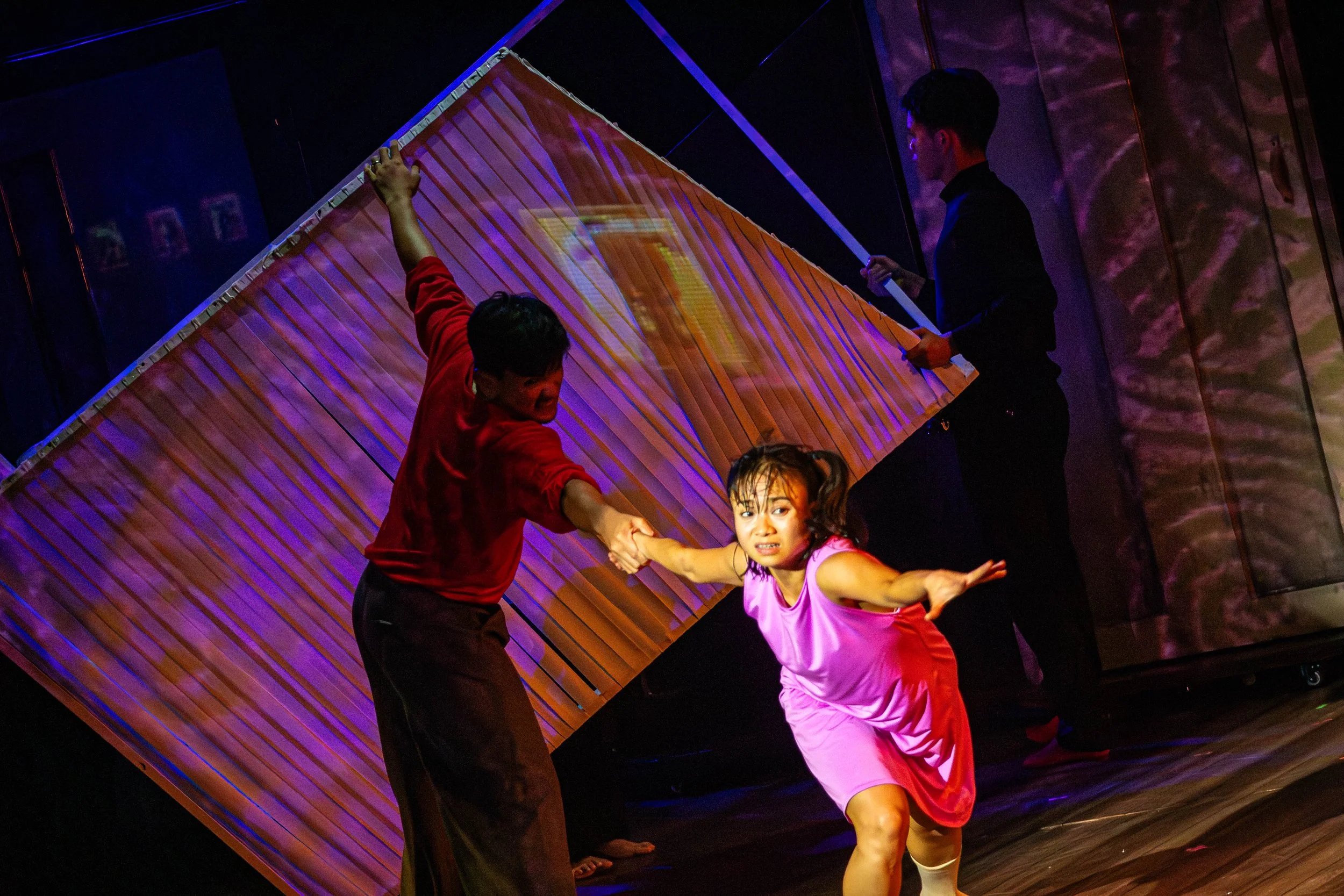
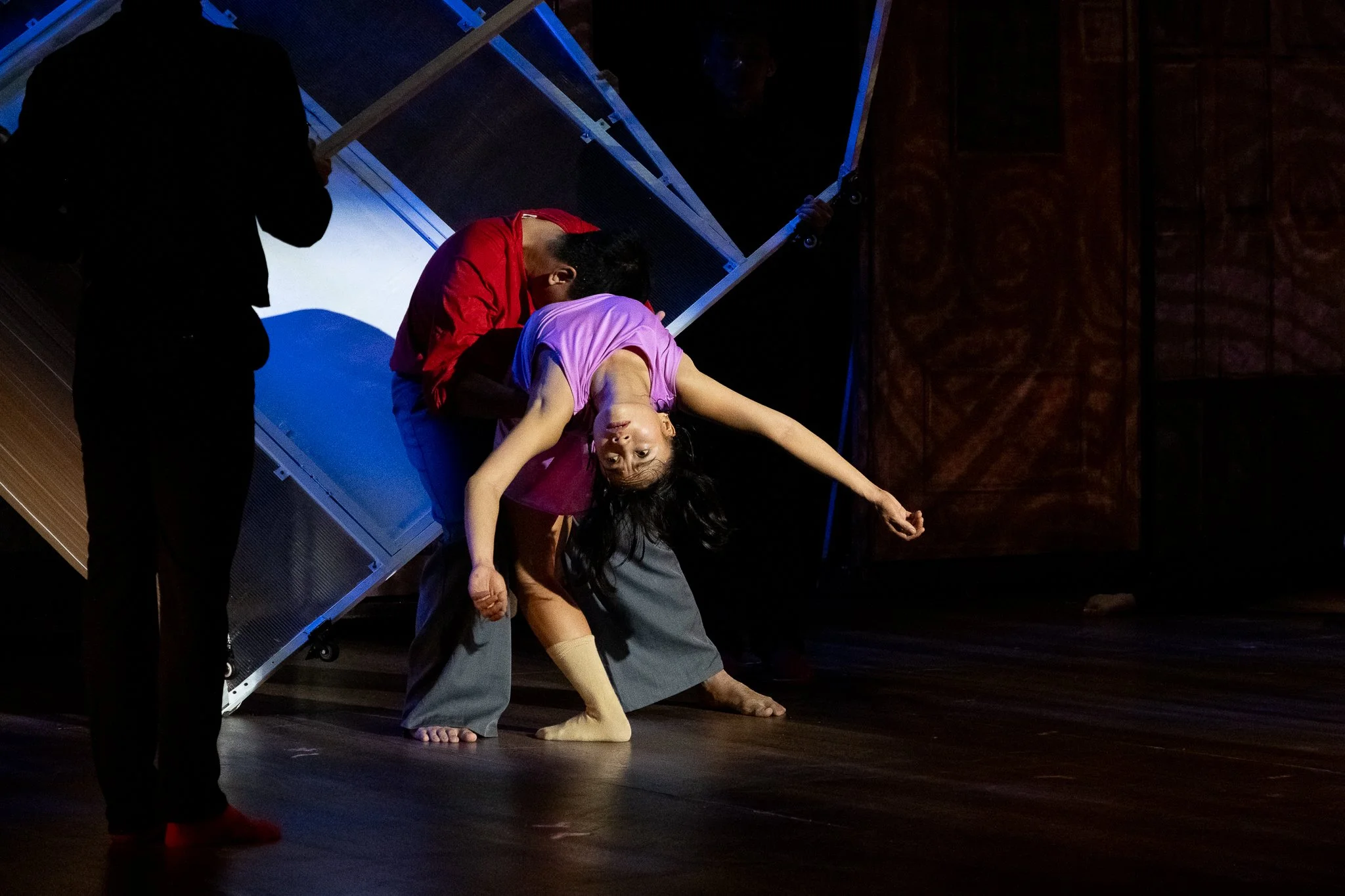
The duet between the mother and teacher, portrayed by Yna Arbiol, is among the evening’s most haunting passages, moving delicately through implications of domestic violence and sexual trauma without surrendering to spectacle.
Then comes Bent, a dynamically humorous and surprisingly heartfelt duet performed by Mari Dance stalwarts Arnel Sablas and Sheanne Montesclaros. Here, Cabling’s gift for tonal elasticity fully emerges.
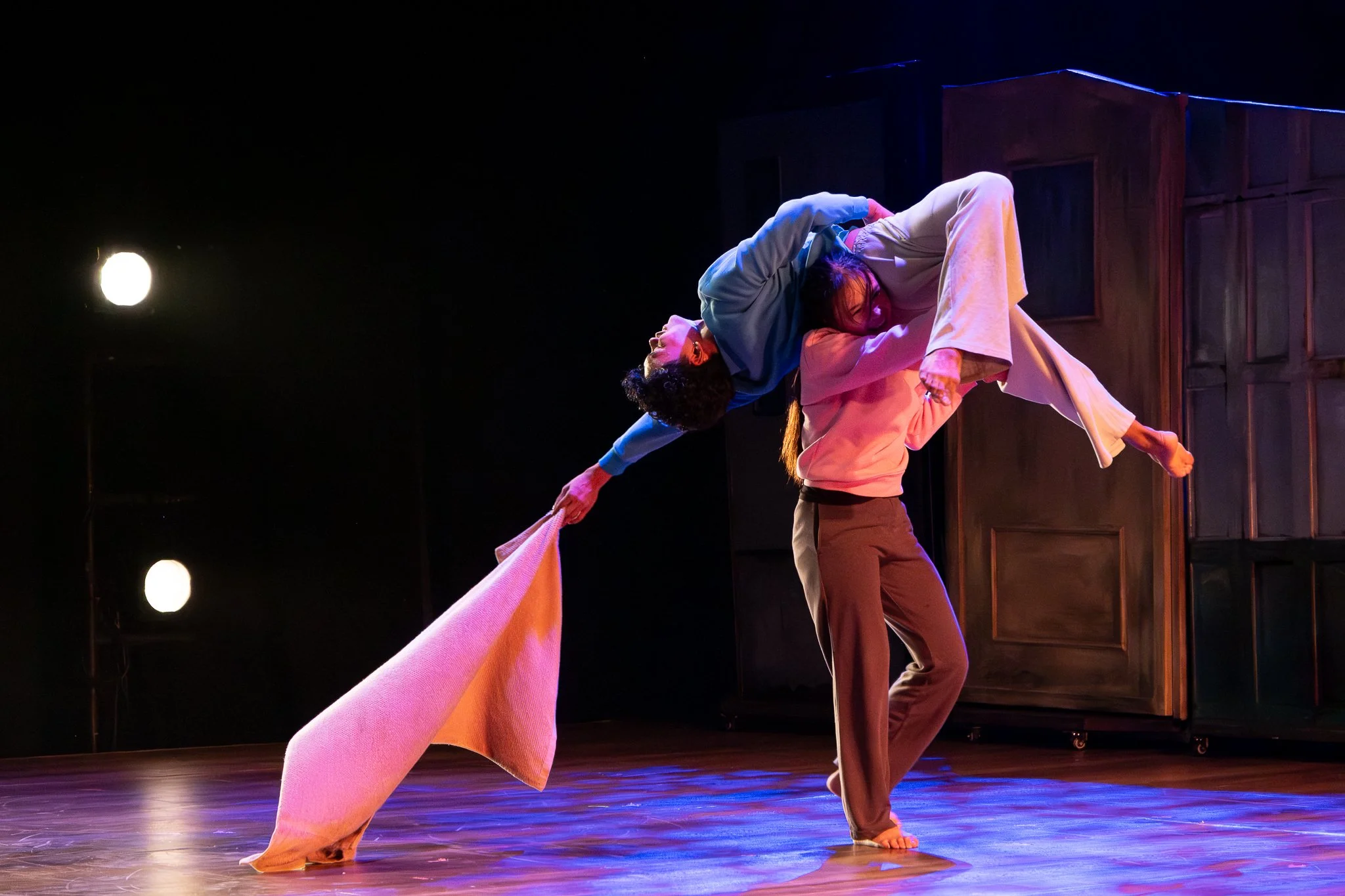
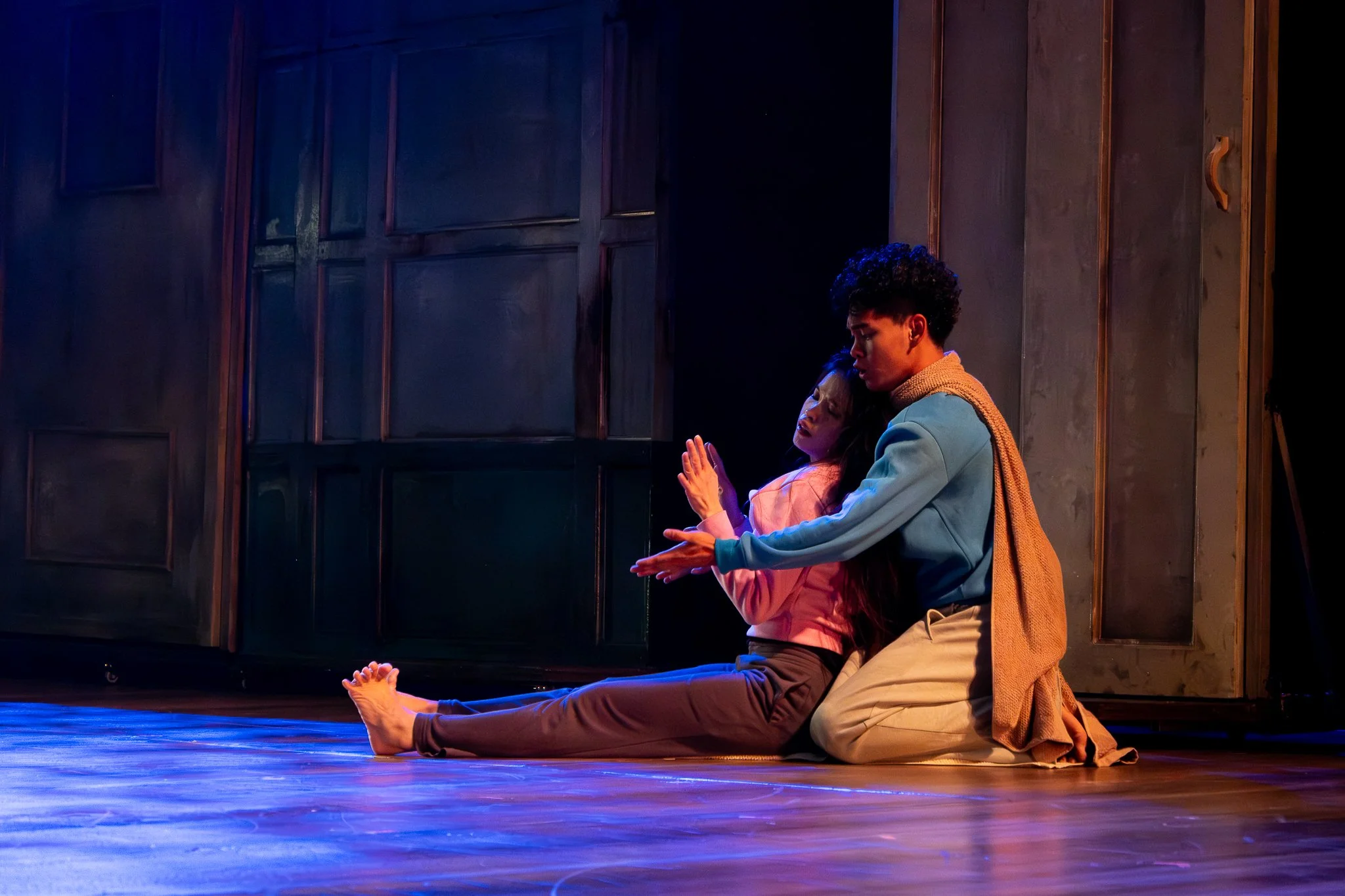
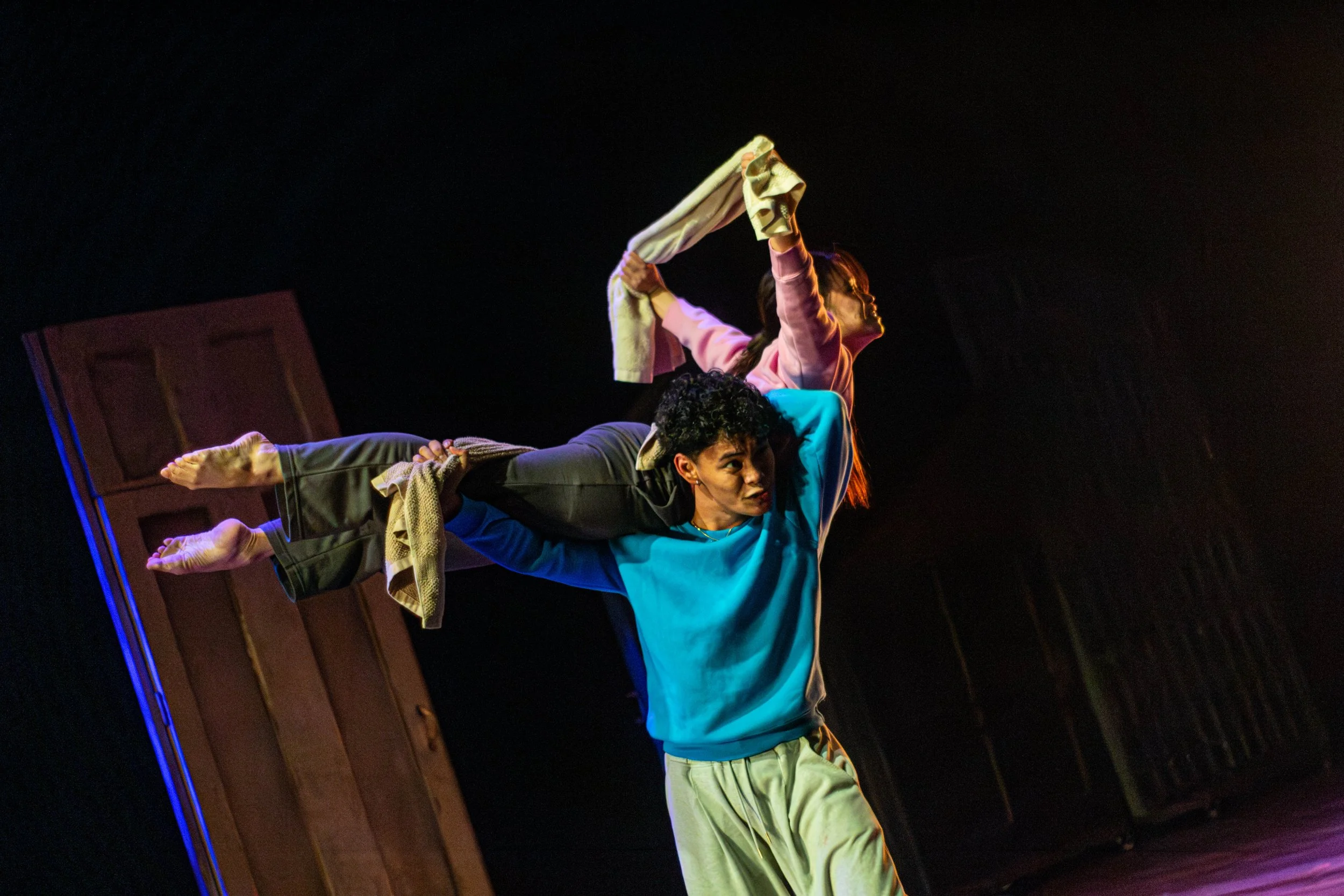
The piece is witty and exploratory, tracing friendship and the absurdity of growing older through comedic physicality that never undercuts emotional truth.
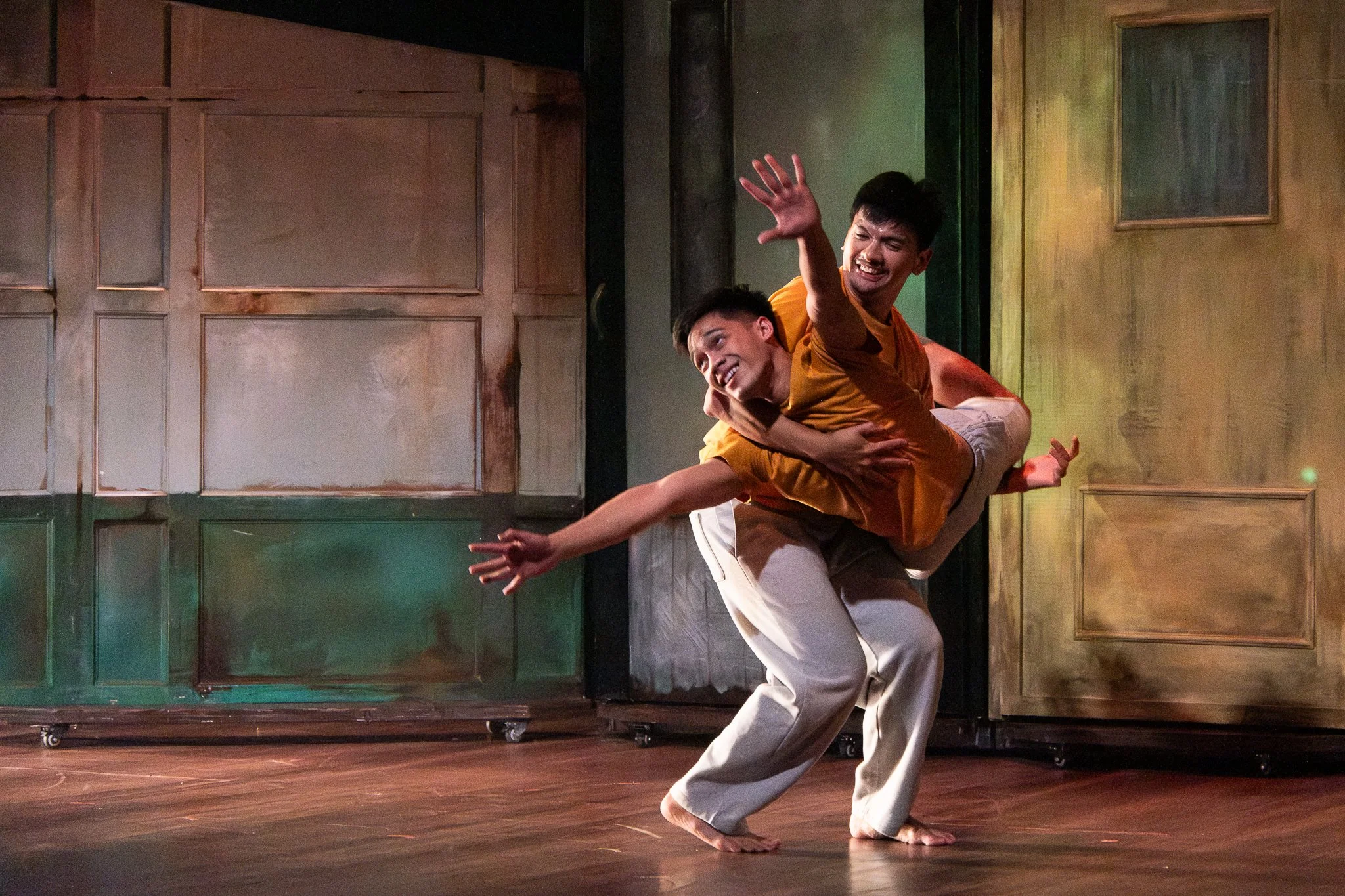
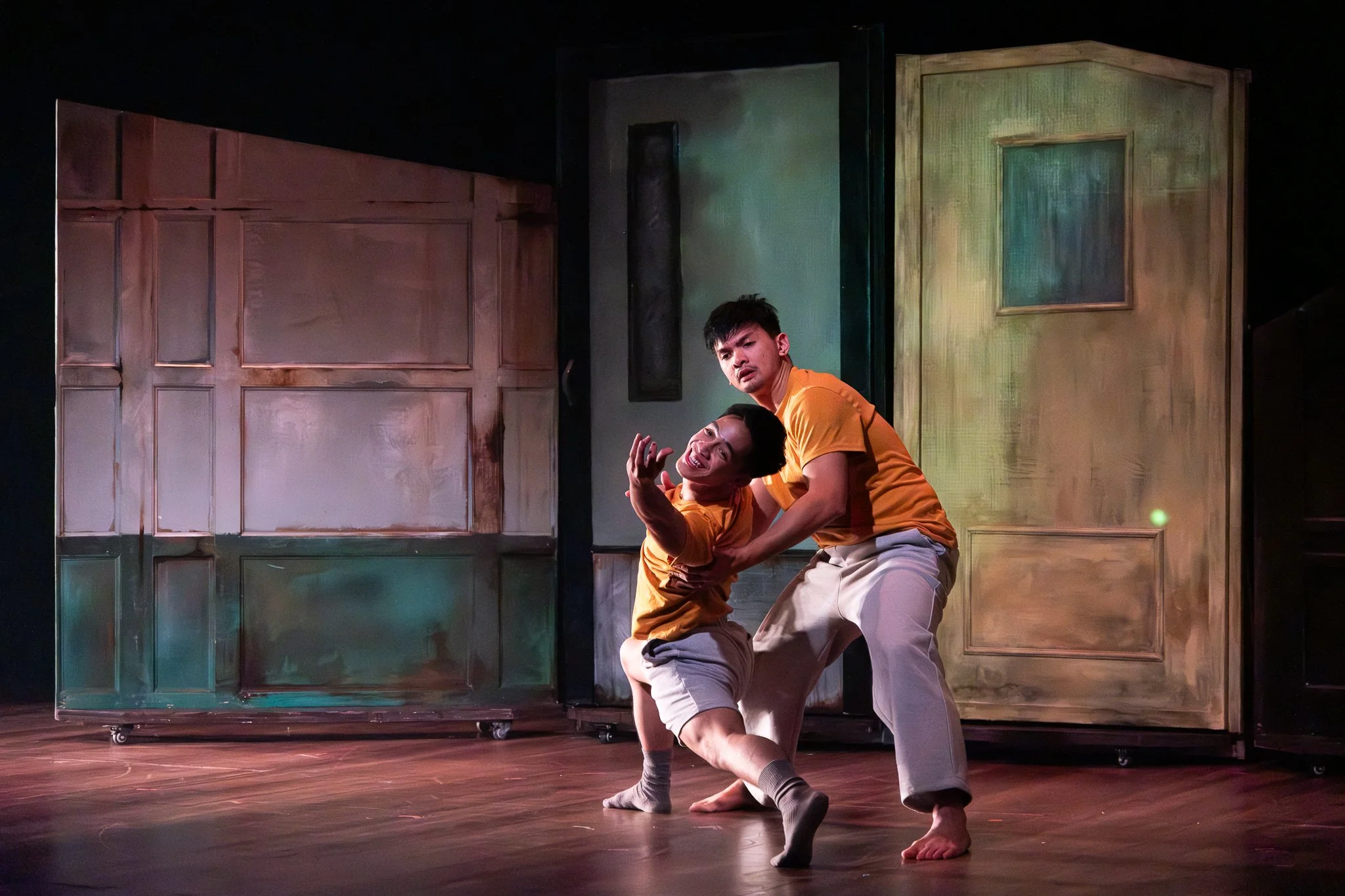
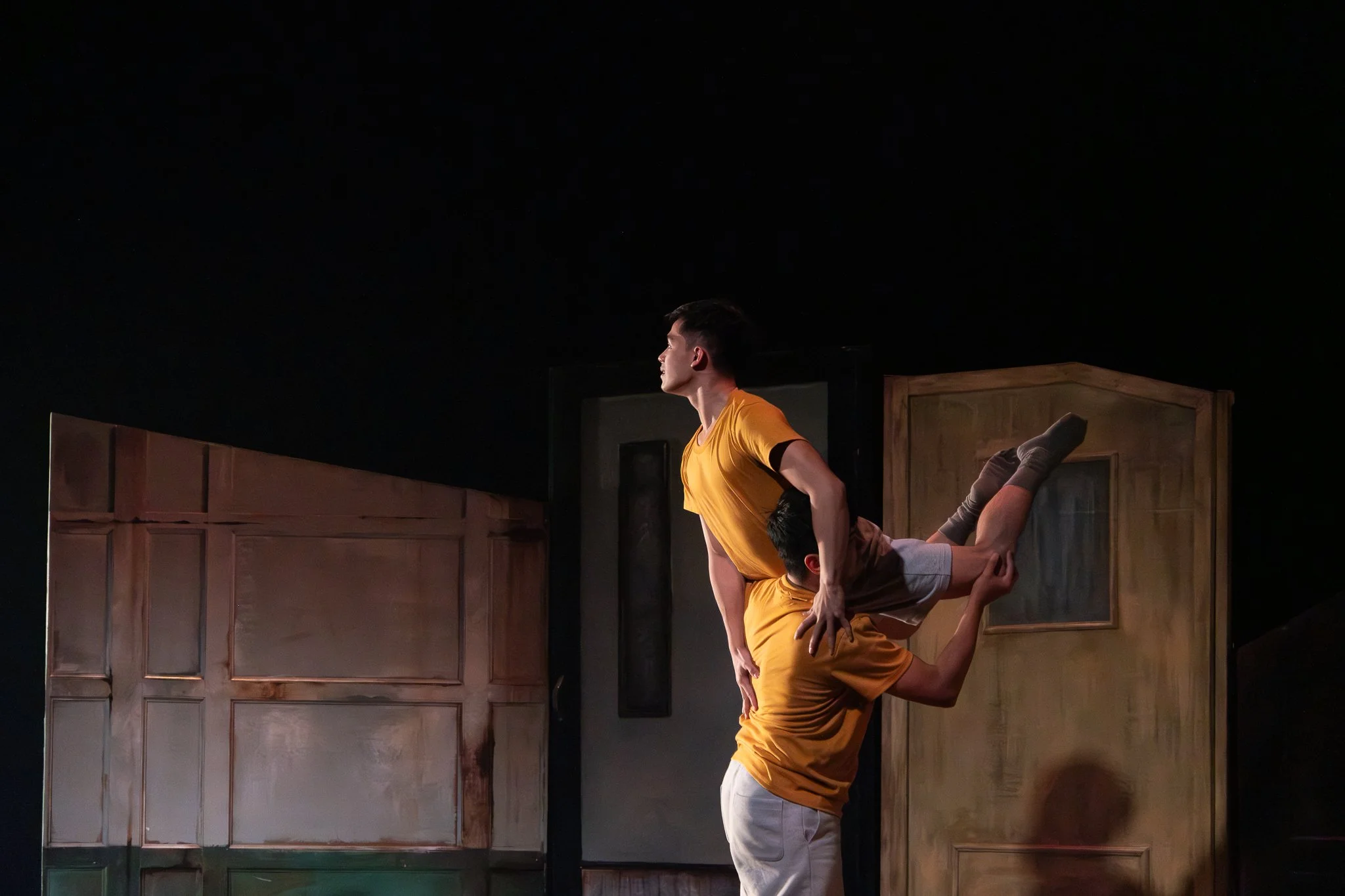
By the time Nothing Special arrives, the production turns inward. Performed by Al Garcia and Jenris Garcia, the piece stages a confrontation between self and self: innocence versus survival, younger body versus older memory.
Jenris Garcia’s movements possess astonishing cleanliness and precision, embodying youth not as naïveté but as something sacred worth protecting. The work’s emotional thesis quietly emerges here: healing begins when one learns to speak gently to oneself.
The final act resolves not with triumph, but with release.
a dance in a day in a dance ultimately argues that cycles of hatred, trauma, and self-erasure are not inevitable inheritances. Self-worth becomes an act of resistance. Healing becomes choreography.
Founded by Cabling alongside Michael Que, Abbey Carlos, Sarah Samaniego, and Ricca Bautista-Verzosa, Mari Dance has steadily positioned itself as one of the most vital forces in Philippine contemporary performance.
Their commitment to original Filipino work and artistic sustainability is embedded into the very marrow of this production, particularly through its collaboration with Guang Ming College scholars whose lived realities shape the work’s emotional terrain.
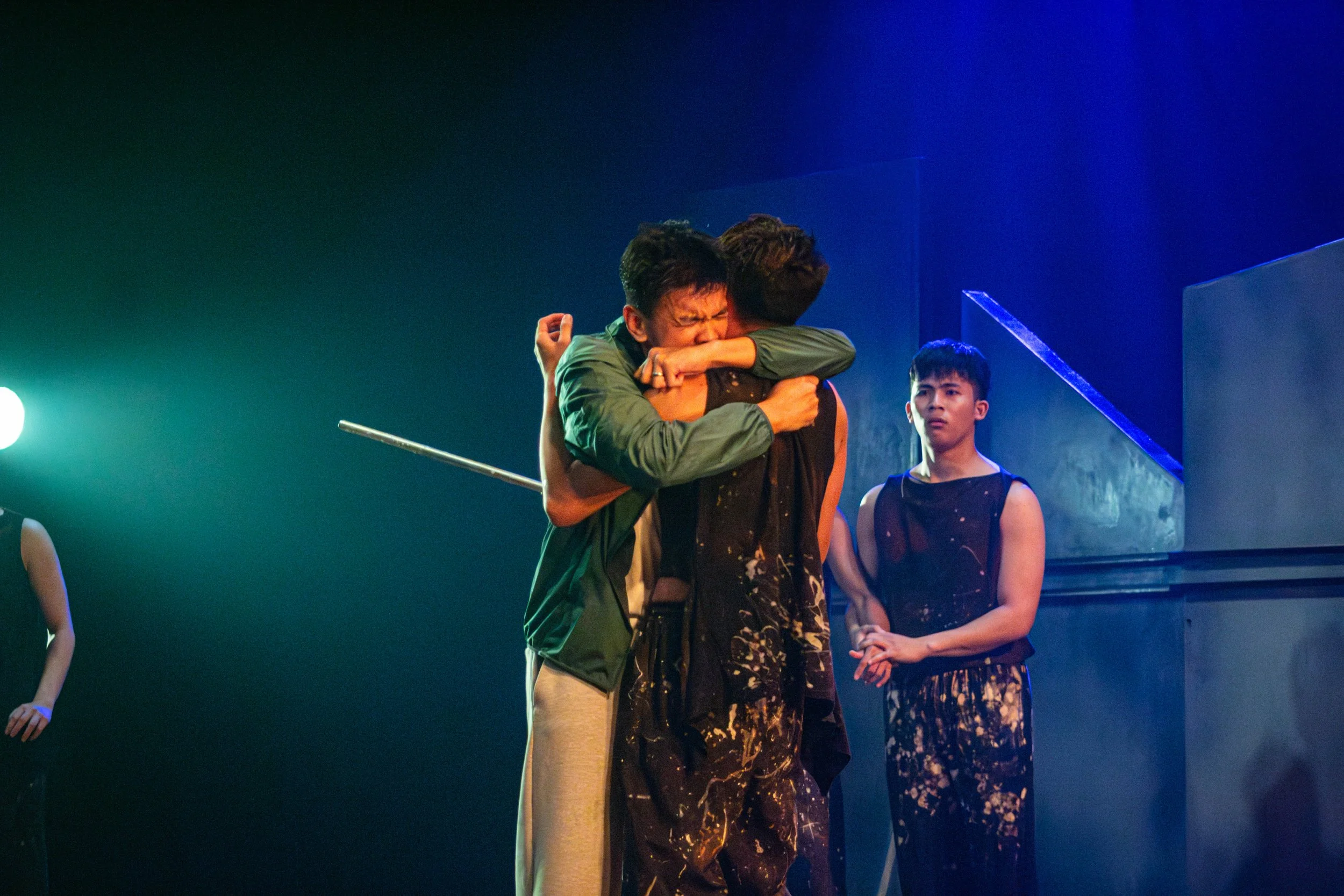
Photo by Steven Bermudez
What Mari Dance achieves here is exceedingly rare: a production about dancers that refuses to romanticize suffering while still honoring the terrifying beauty of the art form. It reveals the bruises beneath performance without reducing dancers into martyrs.
By turning movement into testimony, Mari Dance delivers one of the most emotionally intelligent contemporary dance works in recent Philippine theater memory.
For tickets, visit maridance.com and collaborate with Mari Dance's Sponsor the Youth Program here.