
What Would You Leave Behind?
If you died tomorrow, which piece of your art would haunt the world in your absence?
Words Piolo Cudal
Photo courtesy of Randzmar Longcop, Jiana de Juan, and Glaciane Lacerna
November 04, 2025
When one thinks about death, the central thought would be the end of it all, accompanied by candles flickering, names whispered in cemeteries, and the air thick filled with remembrance.
For ordinary individuals, it is instinctive to recall the life lived and made by those who departed. However, for artists, they may ponder a different kind of afterlife—the one that was preserved through their work.
Through all, this begs the question: If you died tomorrow, which piece of art would haunt the world in your absence?
In making a name
In making a piece of art, most artists have different approaches and styles. On one hand, some artists prioritize the beauty and aesthetics of their work. On the other hand, some artists chase meaning in their pieces. Amid these differences, one truth remains: their art always becomes a vessel for memory.
But artists meet halfway on the mortality aspect of their practice, which leaves them to be either a legacy or a dishonor.
As the phrase goes, “art immortalizes,” explaining how paintings, songs, or sculptures can outlive their creators. To understand how artists confront this thought, Art+ spoke with three creatives about mortality, memory, and the haunting echoes of their work.
Echoes after the canvas
In a life where nothing is permanent, the after death would make you think of its beyondness. In these interviews, each artist carried a story that felt half in this world and half in the next, lingering like spirits in their words.
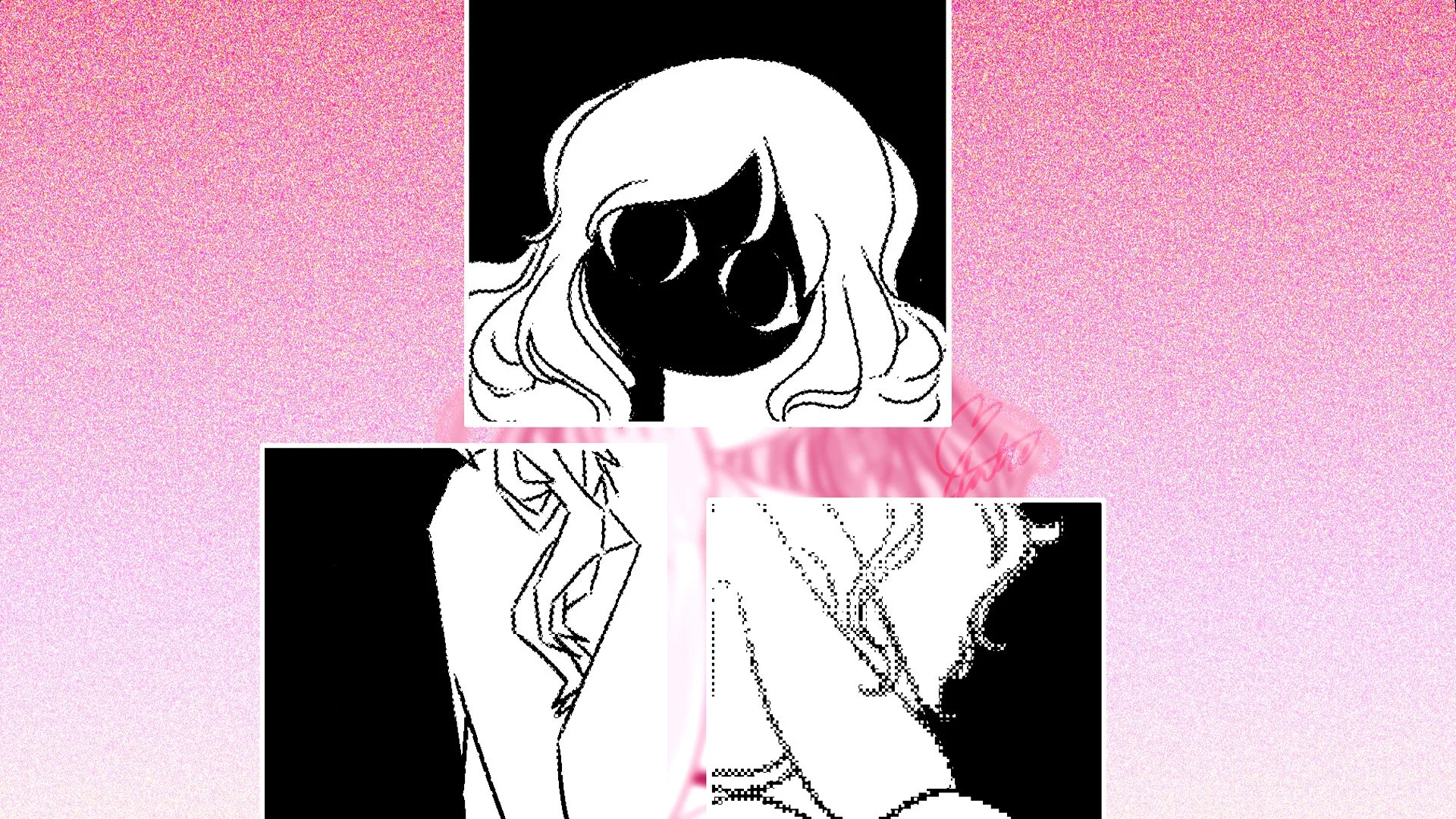
Digital animator Glaciane Lacerna said artworks do not die with artists, as it outlives them. “If you create something and you share it, it is no longer yours. Once something is perceived it is no longer yours,” said Lacerna. Every piece carries a fragment of herself that no longer belongs to her, as it was surrendered to time and interpretation.
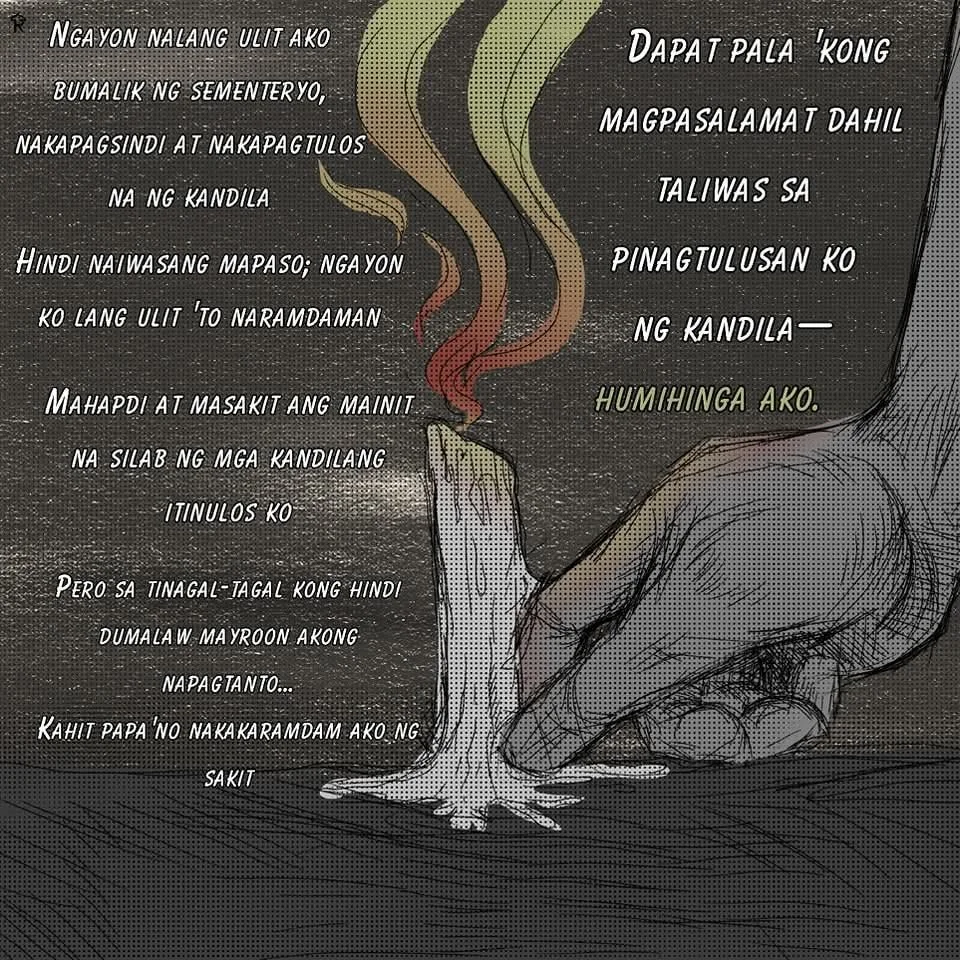
Photo courtesy of Randzmar Longcop
Unlike her, Randzmar Longcop, a multimedia arts student, has not dwelled on the subject of death much. “But maybe art immortalizes you in a way. If you did your best, if you left something behind—that is remembrance enough,” he said in vernacular.
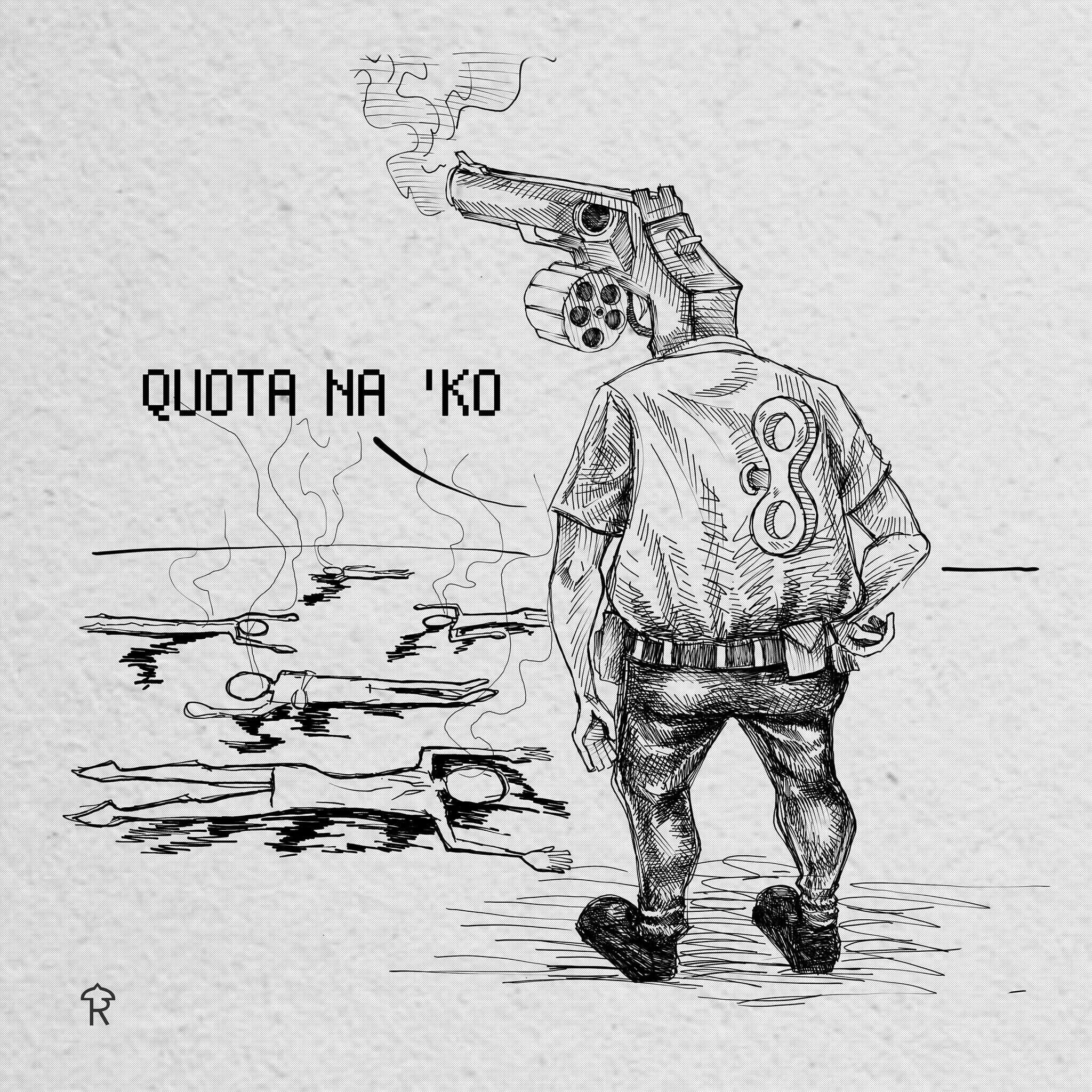
Photo courtesy of Randzmar Longcop
Both young artists create as if they already understand that every stroke of brush is a kind of offering, both to life and to what lies beyond it. When asked which piece of art they want to remain, their answers arrive like offerings left at an altar.
Freelance artist Jiana de Juan ventured her answer with the portrait of her and her beloved dog, hoping this piece will cling to the living after she’s gone.
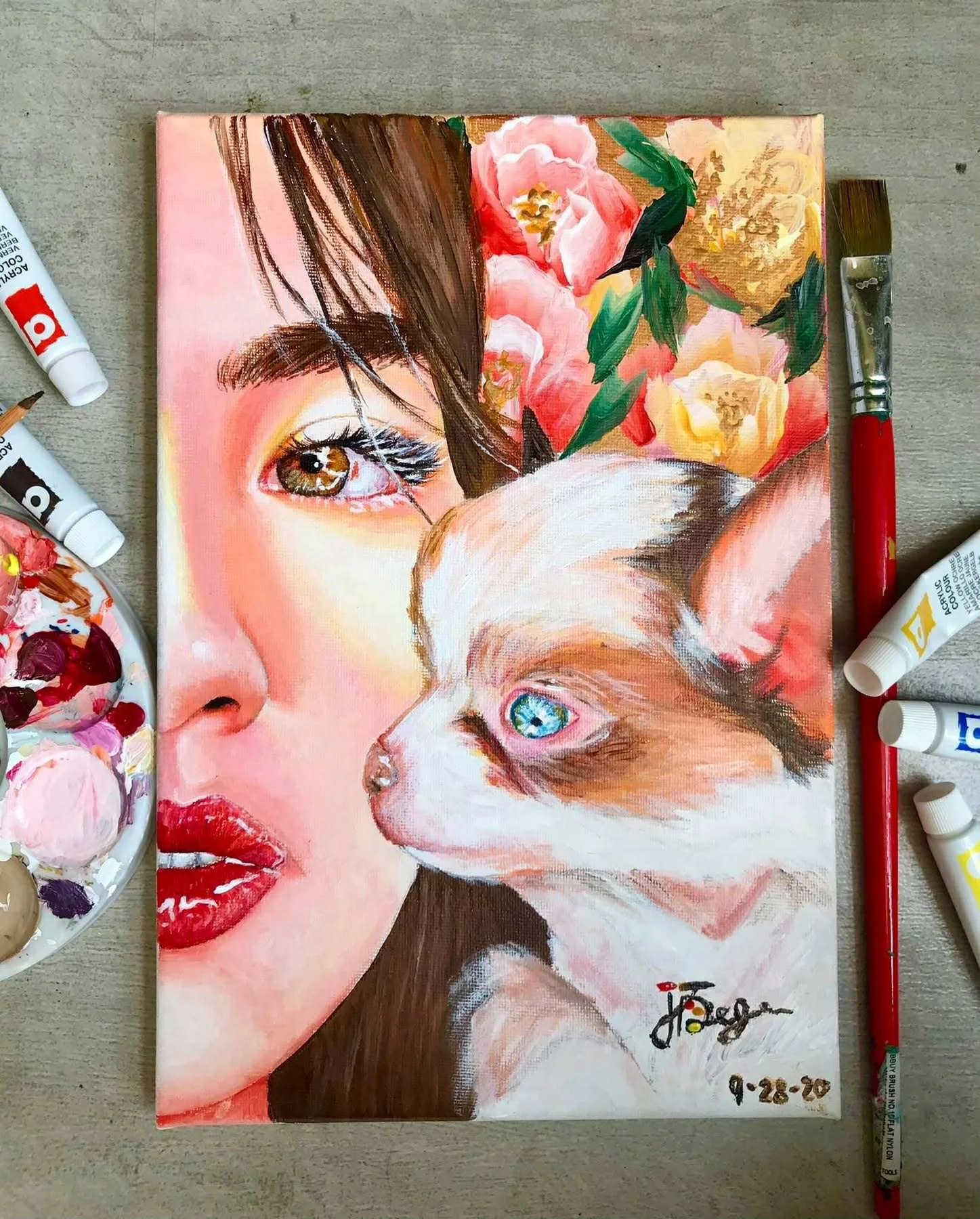
Photo courtesy of Jiana de Juan
For Lacerna, it’s a horror game still in progress about a girl whose influence becomes self-destructive. Her art serves as an invitation to sit with fear, making horror her way of remembrance.
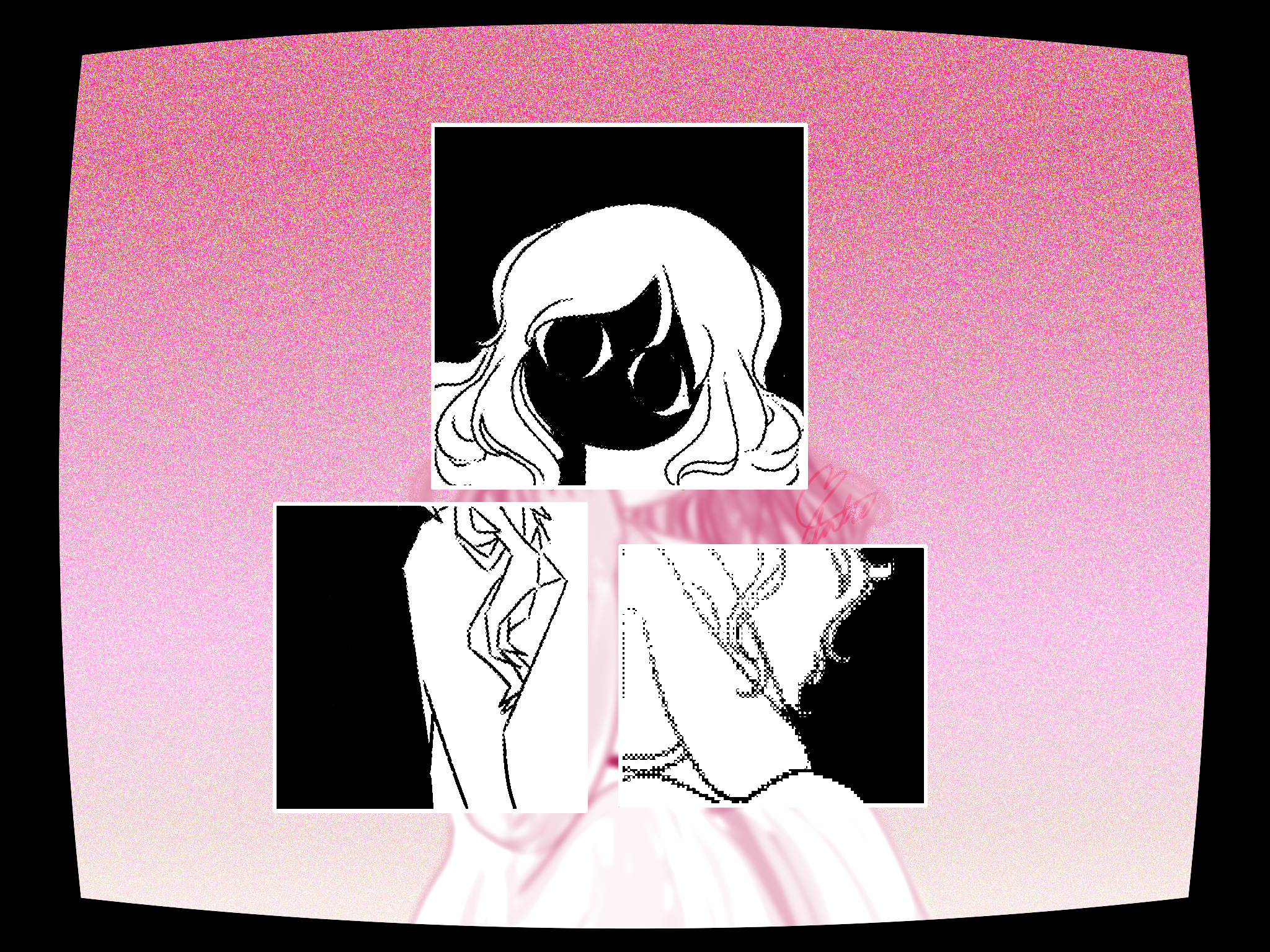
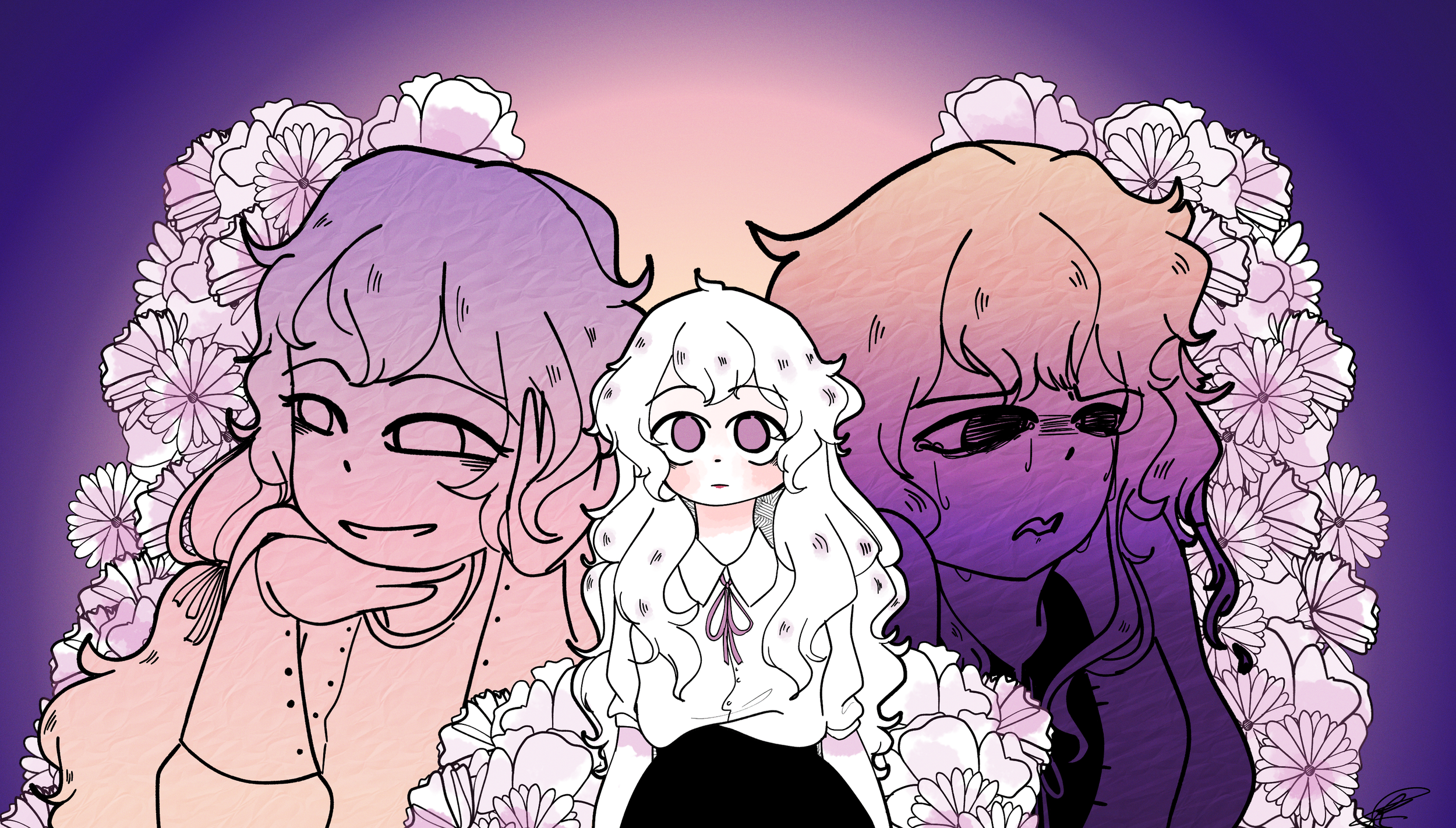
Meanwhile, Longcop finds his immortality in his Monokromatiko works, serving proof of his existence.
Though different in styles, their creations become the same thing in the end: relics of the living. Their art is like a message to the world that says, I lived and I was here.
What remains
Even in creation, there is fear not of dying but of disappearing. But these artists understand that once their art leaves their hands, it starts living on its own.
For de Juan, life is undeniably short so it pushes her to pour something genuine in every piece she makes. In that way, she leaves a small part of herself that can still be felt even when she’s gone.
“I want them to feel that life is worth living. If my art can remind people of that warmth, then I think that is how I'll continue to speak to them, even after I am gone,” she explained.
Their last masterpieces, still unseen, promise not to only speak of their lives but their philosophies. And maybe that’s what all artists secretly hope for. Not for their work to rest like them, but to linger. To haunt gently.
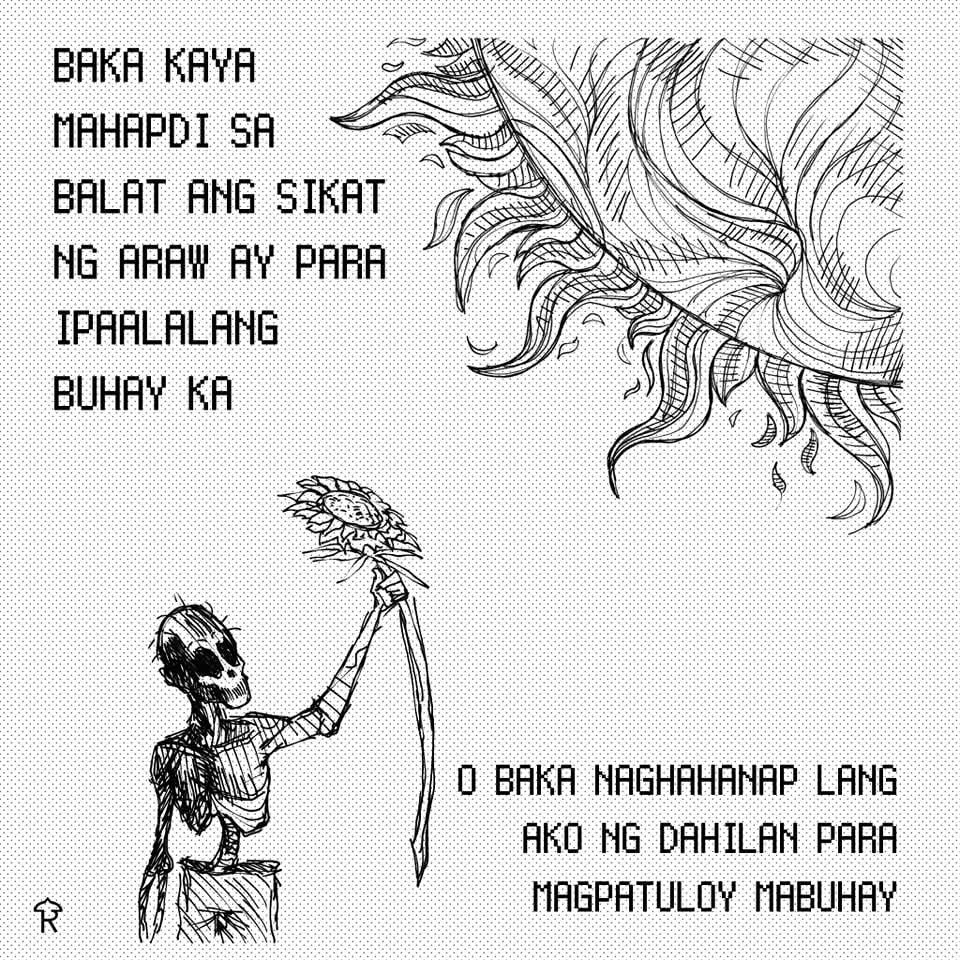
Photo courtesy of Randzmar Longcop
In the end, death may put an end to life, but not to the pieces of themselves they left behind. These pieces become the offering to the living and their echo to the dead. Even when the flowers withered and the prayers fades, it will continue to whisper through brushtrokes, bleed through paint, and haunt anyone who wants to remember.
For the three of them, grief is not the sound of death when it comes knocking. But in the strange comfort of knowing that some souls never leave. They simply learn new ways to be remembered.