
Vanishing Architecture
As Manila’s heritage buildings vanish one by one, urgent action is needed to protect the stories and history they hold.
Words Gerie Marie Consolacion
Photo courtesy of Manileños for Heritage, Flickr, and Society of History
September 02, 2025
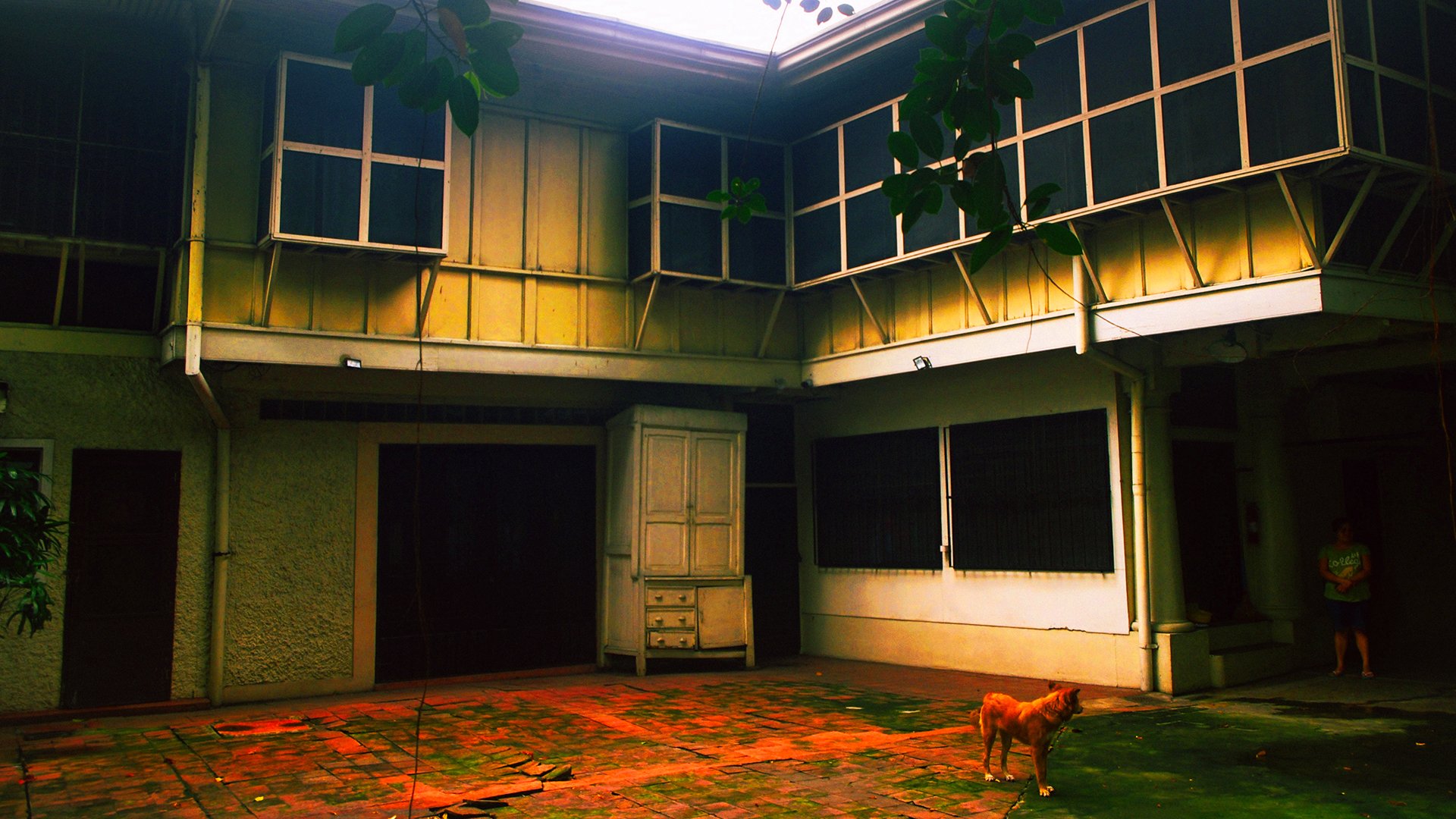
Lichauco House, Photo by Flickr
Manila is a city that never stops changing. Stores come and go, sidewalks clear out, and new spaces take shape, while old districts like Intramuros, Binondo, and Escolta remind us of the city’s long history.
But beyond these well-known spots, there are also the streets of Recto and Quiapo. Their buildings may look worn and forgotten, yet they carry stories just as important to our past.
This raises a question: in a city that keeps reinventing itself, what does it really mean to “save architectures?” And when old buildings disappear, what else do we lose along with them?
Understanding heritage structures
During an exclusive interview with Art+ Magazine, heritage advocate Stephen Pamorada said saving old buildings means saving Manila’s memory.
Leading the Heritage Collective and Manileños for Heritage, he pushes for citizens to see the city as a living museum—from Spanish-era bahay na bato to Art Deco theaters, neoclassical halls, and postwar modernist landmarks. Each structure, he says, carries not just architectural beauty but also the stories of generations.
Yet many of these buildings are slipping away. In Recto and Quiapo, once-thriving cultural hubs now seen as rundown, heritage structures face constant threats of neglect and demolition. And with every loss, Manila isn’t just losing walls and facades, it is slowly losing pieces of its soul.
Endangered and lost heritage structures
While traveling along Recto Avenue, you’ll come across the fading traces of what were once proud landmarks of Manila’s past. The Azcarraga Textile Market, a post-war building from 1965 near Divisoria, has been mostly torn down. Only its facade remains, holding on to memories, while a new structure rises in its place.
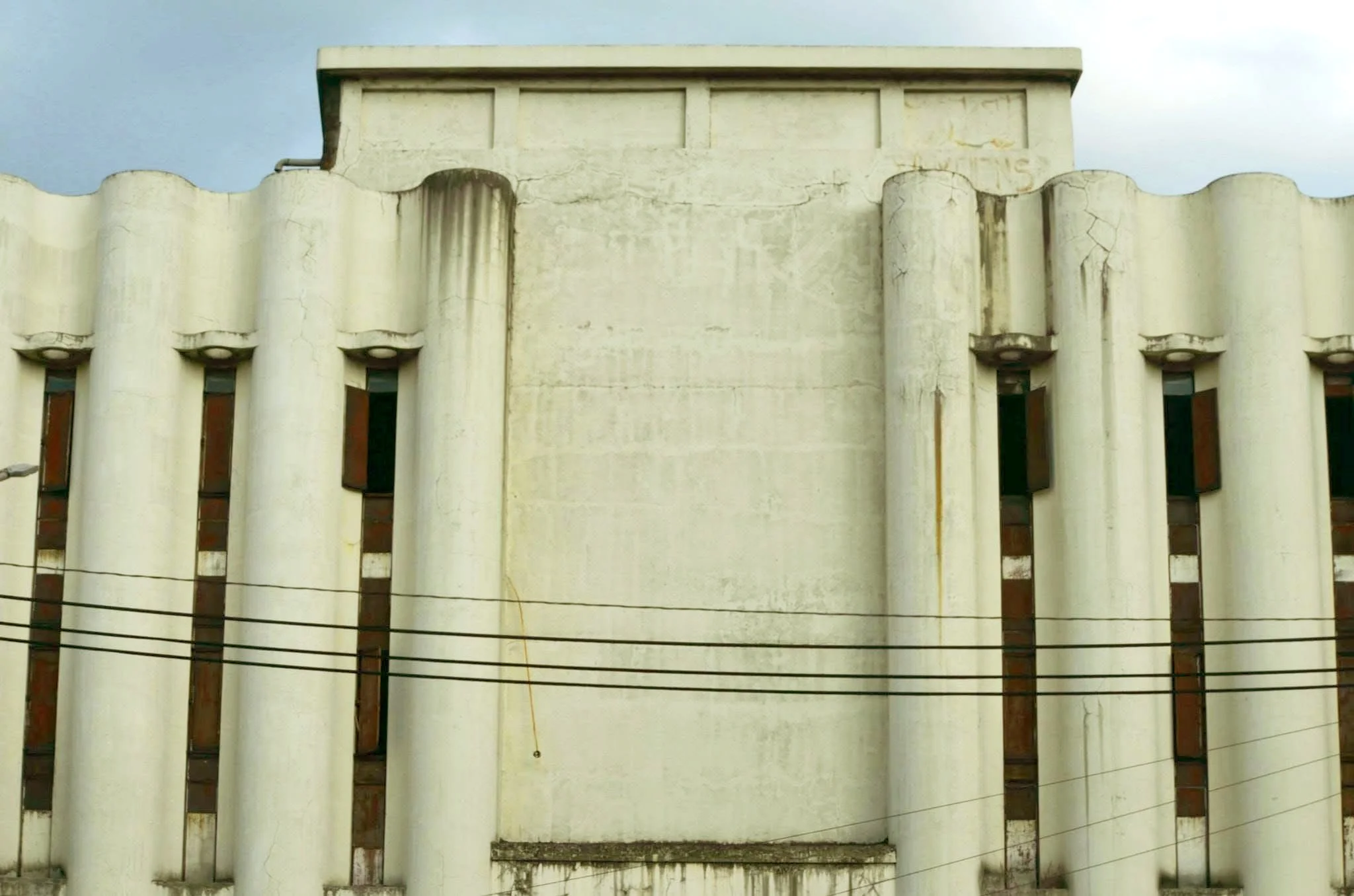
Times Theater, Photo by Society of History
Nearby, the Lichauco Heritage House, a beautiful 1920s bahay na bato near San Sebastian College, still stands as the last of its kind along Recto. But it is now under threat, caught in the middle of family disputes that may soon lead to its demolition.
The Hollywood Theater, once a lively 1960s movie house on the same avenue, has already been lost. Its recent demolition has sparked a renewed urgency to document and protect other heritage sites before they disappear as well.
Over in Quiapo, the story is just as troubling. The T. Villonco Building, also known as the Life Theater and designed by National Artist Pablo Antonio, was once a symbol of modern Filipino architecture. Today, only its facade is left, while a tall building rises behind it, now blocking the view of the Quiapo Church.
Not far from there, the Boix House on E. Bautista Street, where President Manuel L. Quezon once stayed, still standing though in poor condition. It is currently occupied by informal settlers, and its Jesuit owners have shown little effort in restoring it. The house, rich with history, remains neglected and slowly falling apart.
Finally, there's the Times Theater, the last stand-alone movie house in Quiapo before the pandemic. Now unused and crumbling, it reflects the fading cultural character of the area and the quiet loss of the city's once vibrant spirit.
Major forces behind the loss
Pamorada points to three main reasons why heritage structures in Manila are rapidly disappearing: economic pressures, weak enforcement and public awareness, and the lack of people and tools to properly protect these sites.
First, many property owners choose to sell their land to developers, especially when old buildings no longer attract tenants or generate income. For them, it often makes more sense to tear down historic structures and replace them with modern developments like condominiums. The cultural value of these buildings is often overlooked in favor of profit.
Second, there's a serious lack of awareness when it comes to laws meant to protect heritage. Republic Act 10066, or the Amended National Cultural Heritage Act of 2009, requires the preservation of structures that are at least 50 years old. Yet, many people don’t know about this law, and even when they do, enforcement is weak. Agencies tasked with protection are sometimes slow to act, even when communities raise the alarm.

Hollywood Theater , Photo by Manileños for Heritage
Lastly, there simply aren't enough trained professionals or resources to carry out the massive work needed to save these places. Cultural mapping, site assessments, and building an updated inventory of heritage structures are time-consuming and labor-intensive. Unfortunately, both the national heritage bodies like NHCP and NCCA and the Manila city government are understaffed and under-equipped for the task.
What does Manileños for Heritage do?
The demoltion of heritage structures in Manila represents more than just the loss of old buildings. Each one that disappears takes with it countless memories, stories, and pieces of the city’s identity—fragments of history once held within their walls. These structures are not just bricks and wood; they are silent witnesses to Manila’s past, bearing the weight of generations. Their destruction is a deep loss to the cultural soul of the city.
Manila’s rich and diverse blend of architectural styles, ranging from Spanish colonial houses to post-war buildings, is slowly vanishing. Often, these buildings are torn down without proper documentation, leaving heritage advocates frustrated and heartbroken.
As Pamorada emphasizes, the purpose of heritage preservation isn’t just to protect buildings for their own sake, but to safeguard the larger narrative of Manila’s layered and vibrant history.
In response to this growing crisis, Manileños for Heritage has stepped up to protect what remains.
They work closely with public officials by sending petition letters and memoranda to the Mayor of Manila, local government units, and national agencies like the NHCP and NCCA.
Through these efforts, they urge leaders to become “proactive champions for heritage,” taking immediate action to protect structures that are at risk of being lost forever.

T. Villonco Building, Photo by Manileños for Heritage
Beyond well-known landmarks, the group also shines a light on lesser-known heritage sites such as old houses tucked away in neighborhoods and forgotten post-war buildings. They believe that preserving these overlooked places adds depth to the city’s historical narrative.
One of their major initiatives includes lobbying for Quiapo to be declared a heritage zone, promoting a more inclusive and community-based approach to conservation.
As a volunteer-driven movement, Manileños for Heritage is also building a strong network of “local champions” across Manila’s 16 districts. These individuals, often residents, students, and heritage enthusiasts, are encouraged to explore and celebrate their own neighborhood histories.
Through cultural mapping, digital storytelling, and community outreach, they are helping reconnect people with their roots while fostering a sense of pride and responsibility.
Heritage preservation is not just about saving old structures, it is about remembering who we are, honoring where we came from, and protecting the stories that make Manila truly unique.
The work of Manileños for Heritage reminds us that if we shift from being reactive to being proactive, there is still hope. Through collective effort and strong public-private partnerships, the spirit and story of Manila can still be saved, promoted, and celebrated for generations to come.
Quoting Pamorada’s statement: “We’re all storytellers, we’re cultural bearers,” and every vanishing architecture is a tear to Manila’s story.