
Unraveling the Busukawaii Craze
In a land of Sanrio and perfect plushies, meet the monsters who are stealing the spotlight with their “so ugly it’s cute” allure.
Words Donavil Angeles
Photos courtesy of Popmart, Kasing Lung, Fugglers, Nelson Molina Sr.
October 18, 2025
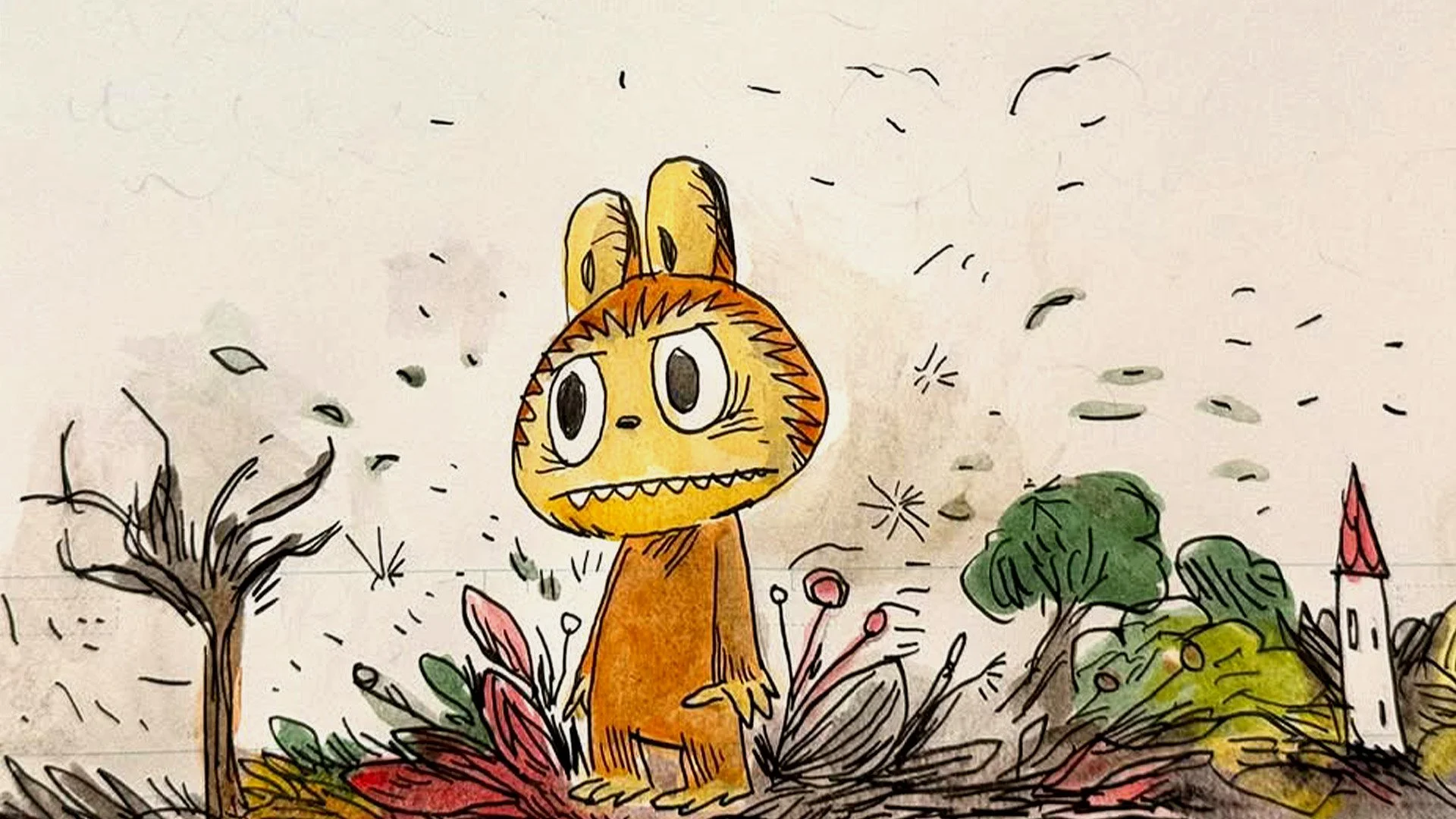
The term kawaii is widely recognized, even by those who may not be deeply familiar with the concept. Originating from Japan, kawaii, which translates to “cute,” describes anything that embodies softness, innocence, and charm by Japanese cultural standards.
In recent years, however, kawaii culture has evolved, giving rise to subcultures that deviate from its traditional notions of softness and innocence. From gurokawa (grotesque-cute) to erokawa (erotic-cute), the Japanese continue to explore and redefine what qualifies as “cute,” often blending it with unexpected or contrasting elements. Enter busukawaii, literally translated as ‘ugly cute.’
Chances are, you’ve already encountered the busukawaii concept—even if you didn’t know what it was called. These are quirky, odd-looking little creatures that are, quite simply, adorably ugly.
From furry-bodied beings with mischievous, gap-toothed grins to plush toys sporting unsettling human-like dentures, they look more like they’ve crawled out of the depths of hell than sweet, doe-eyed companions vying for your affection.
From global sensation Labubu to the recent TikTok virality of Fugglers, these ugly-cute misfits are strangely irresistible and hard not to take home.
Misfits
Let’s admit it: we don’t really get why these oddballs are so popular. Granted that their less generic exterior pulls a niche group of people in, it is still questionable what exactly makes them so fascinating, even with their non-adherence to the ‘standards of cuteness.’
After all, they’re either classified by many as cute or straight-up demonic. Yet we can still agree that they have something in common: they’re quirky, meme-able, and incredibly weird.
And that’s simply a part of their charm!
In a world striving for perfection, these ‘hideous’ plushies are precisely the type that people are drawn to. There is something inherently desirable to us about having an item that doesn’t conform to mainstream aesthetics.
Their ‘wrong’ appearance has made them a staple for the rebellion against the culture of cuteness, and their flaws evoke a sense of authenticity that the polished, cutesy plushies lack. They mirror our identically flawed reality, and because of this, their imperfections tend to appear relatable and endearing.
Baby monsters
In reality, busukawaii toys are not all that different from the conventionally adorable things we are fascinated by. Our love for the former and the latter is essentially rooted in the same concept: the ‘Kindchenschema.’
Kindchenschema refers to the perception of infantile features, such as a large head, eyes, and a tiny, rounded form, as adorable. When present in the external form of toys, animals, and other things, it naturally evokes the same affectionate response we give to babies, triggering our instincts to nurture and protect.
Labubus instantly checks out on each qualification, as, despite their seemingly odd looks, they possess the same attributes as babies, making them appear childlike. But Fugglers are horror incarnate. So, how exactly do they fit into this bracket?
Underneath their terrifying amalgamation of human-like teeth and drowsy eyes, Fugglers actually have a huggable body and a disproportionate head-to-body ratio. Therefore, they own the same infantile qualities regardless of their ugly appearance, and lead us to envision that they are babies who require care.
Likewise, they invoke our sense of empathy, especially given the ‘outcast’ vibe that ugly toys convey in comparison to popular, cute ones, prompting us to go on the defensive whenever they are criticized.
This is also precisely why the Fugglers’ marketing tagline leans towards inviting fans to ‘adopt’ them, instead of a simple beckon to purchase their “funny, ugly monsters.
The roots of busukawaii
Long before the Labubus, there were Fugglers. And despite their recent upsurge in popularity, Fugglers were actually created in 2010 and expanded into a massive toy collection in 2018. Tapping into our desire for something distinct, these toys may seem like a sole Gen Z or millennial quirk, but the phenomenon has, in reality, existed ever since, primarily in the form of nostalgic childhood toys.
From Troll Dolls to Gremlins, Uglydolls, and Furbies, every era has had its own ‘ugly-cute’ toy. Although not as widespread as today’s Labubus or Fugglers, their existence proves that the concept is not truly a new and fresh idea. Regardless of whether these toys are marketed as disarmingly adorable, their rejection of polished cuteness, paired with their ‘off’ look, still earns them a spot in the busukawaii category.
For centuries, it seems like this phenomenon has continued to evolve by merely adopting different forms with the same formula and selling points.
The busukawaii’s appeal lies precisely in their lack of any. Because ultimately, these ugly-cute toys are not competing to look the best among the sea of predictable aesthetics: they’re just making sure to look unique and weirdly sweet enough to be extra memorable and seem worthy of your purchase.