This is How to Enjoy CCP’s Pasinaya 2026
An open-house ritual for the arts at 20, PASINAYA 2026 turns the CCP and its partner venues into a living map of Philippine creativity.
Words Randolf Maala-Resueño
Photos courtesy of the Cultural Center of the Philippines
February 05, 2026
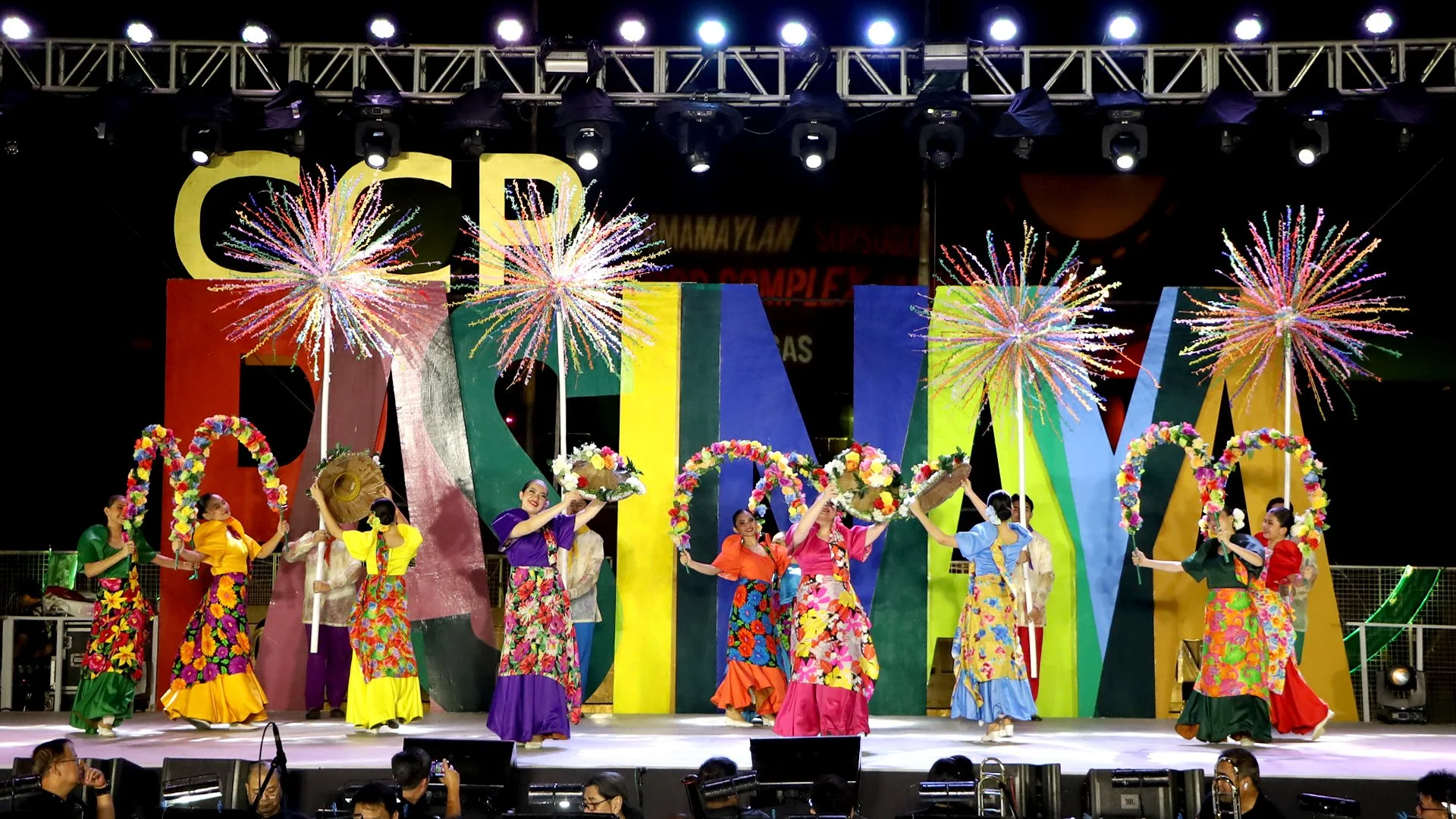
For two days every February, the Cultural Center of the Philippines (CCP) opens its doors—sometimes literally, sometimes across entire cities—and invites the public to wander inside Philippine art as it exists right now.
Pasinaya 2026, marking its 20th year, arrives less as a festival you “finish” but as a shared ritual you step into, shaped by curiosity, energy, and the sheer abundance of choices.
This year’s edition, slated for February 7 and 8, ushering in National Arts Month, carries the theme “Paglikha sa Kinabukasan.”
It’s an apt frame for a festival that has long been about access: making space for audiences not just to watch, but to try, talk back, and imagine themselves as part of the country’s creative future.
Pasinaya 2026 fans outwardly, with the festival stretching into Rizal Park Luneta, Calle Wright, the Metropolitan Theater, Circuit Makati, and regional partner venues in Iloilo, Tagum, and now Roxas City, Capiz, all while the CCP Complex remains a gravitational center.
Start with making, not watching
If your instinct is to learn by doing, the first day’s Palihan is an open invitation.
Think of it as a workshop-all-you-can experience—hands-on sessions that let participants dip into different disciplines without committing to mastery.
You don’t need prior training, only a willingness to experiment. In the context of National Arts Month, Palihan quietly insists that creativity isn’t reserved for professionals; it’s a muscle anyone can exercise.
See the full Palihan workshop list at CCP’s official Instagram page @culturalcenterph
Let performance overwhelm you—in a good way
Day two shifts the spotlight to Palabas, featuring performances by 169 participating groups, from the National Performing Arts Companies to independent artists.
It’s impossible to see everything, and that’s part of the design. Pasinaya rewards drifting: stumbling into a performance you didn’t plan to watch, catching only half of another, realizing how varied the country’s artistic languages have become. The abundance isn’t excess; it’s a portrait of scale.
Walk your way through culture
Running alongside both days is Paseo Museo, a hop-on, hop-off experience across 17 museums and galleries in Metro Manila.
With free shuttle services linking venues, the city itself becomes a movable exhibition space. Some museums fold in special performances or workshops, while others simply invite slower looking.
A new walking tour of the CCP Complex, led by the Heritage Collective, adds a layer of historical grounding—useful reminders that today’s art grows from layered pasts.
Watch how art meets industry
Not all exchanges are public-facing. Palitan, Pasinaya’s business-to-business platform, brings artists into conversation with embassies, programmers, and cultural stakeholders.
It’s quieter, more strategic, but crucial. Here, Philippine art negotiates its future reach, testing how local practices might travel—and what gets carried along with them.
Play is also participation
New this year is Paligsahan, a suite of participatory competitions that lean into contemporary modes of engagement.
From cosplay and TikTok challenges to photo contests, stamp rallies, mobile gaming, and vertical short films, Paligsahan recognizes how audiences already interact with culture: through phones, fandoms, and fast-moving formats. It may look lighter on the surface, but it’s a serious expansion of who gets to join the conversation.
Pause, eat, browse
Between venues and events, Pamilihan offers food, crafts, and small pleasures that keep the festival grounded. It’s an unspoken but essential part of Pasinaya’s rhythm—supporting local vendors while giving festivalgoers space to rest, refuel, and talk about what they’ve seen.
What distinguishes Pasinaya, two decades on, is not just its scale but its attitude. It remains a “workshop-all-you-can, watch-all-you-can, pay-what-you-can” affair, lowering barriers without diluting ambition.
As CCP President Kaye C. Tinga notes, the festival continues to introduce new experiences even for longtime audiences, while CCP Artistic Director and Pasinaya Festival Director Dennis N. Marasigan frames it as a move toward active co-creation, especially among the youth.
Pasinaya 2026 doesn’t ask you to consume Philippine art neatly. It asks you to enter it—through a workshop, a performance, a museum hallway, a game on your phone—and leave changed, however slightly. In the context of National Arts Month, that might be the most future-facing gesture of all.
To learn more, visit www.culturalcenter.gov.ph or follow CCP on their social media pages.