
The World from the Lens of a Woman
From France’s Agnès Varda to the Philippines’ Marilou Diaz-Abaya, these women paved the way for the evolution of Philippine cinema.
Words Erika Anne Sulat
Photo courtesy of Cine Tamaris, Wig Tysmans, Film Grab, ABS-CBN's Sagip Pelikula
September 23, 2025

When a movie lover thinks of the French New Wave, a few familiar names usually come to mind: Jean-Luc Godard, with his use of discontinuity editing, and François Truffaut, known for his seminal essay “A Certain Tendency of the French Cinema.”
But when it comes to the filmmaker who truly pioneered the movement, many point to Agnès Varda. Having directed some of the most influential films that defined the New Wave, Varda is a must-know figure for any film fan or student of the art form.
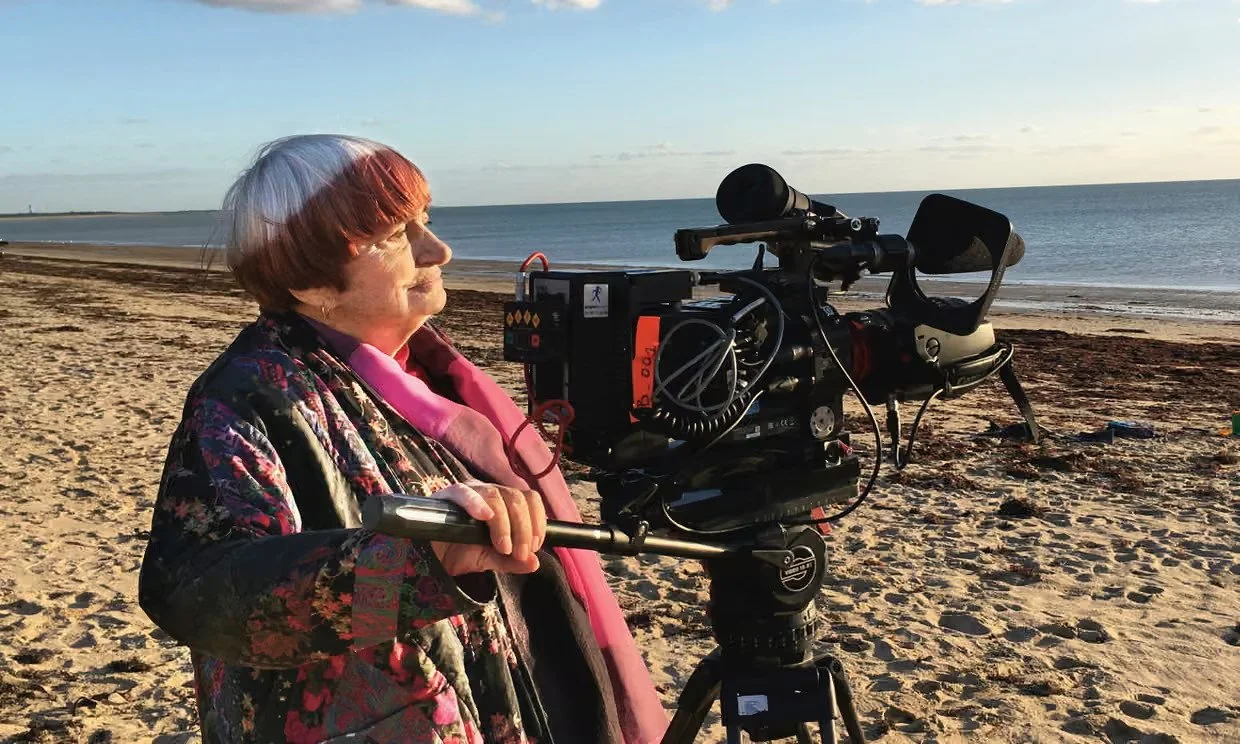
Agnès Varda, Photo from Ciné-Tamaris
In the Philippines, one of the most notable directors of the country’s Second Golden Age of Cinema, and the first and only female filmmaker to be named a National Artist, is Marilou Diaz-Abaya. Best known for her feminist trilogy in collaboration with screenwriter Ricky Lee, Diaz-Abaya’s Moral (1982), Brutal (1980), and Karnal (1983) are essential viewing when discussing Filipino feminist cinema.
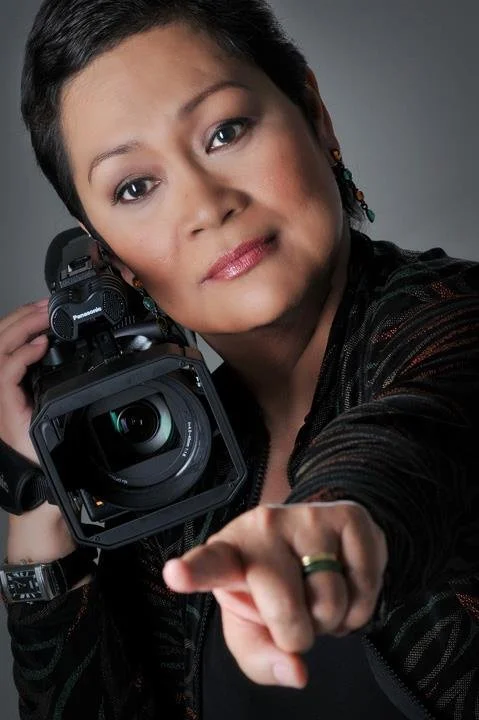
Marilou Diaz-Abaya, Photo by Wig Tysmans
A study of technique
Varda’s body of work, in terms of technique, contrasts heavily with Diaz-Abaya’s. The Filipino quality of melodrama and conventional narrative is much more apparent in Marilou Diaz-Abaya’s films, while Agnès Varda explores a more experimental form of film, with aspects that characterize the New Wave’s films like fourth-wall breaking and non-continuity editing.

Cleo from 5 to 7, Image Still from FilmGrab
However, they share a similar message from their films: that the world run by men continues to be hostile to women. This similarity is apparent in Varda’s Le Bonheur (1965) and Diaz-Abaya’s Karnal (1983).
Varda subverts typical narratives that situate women as mere plot devices, as a technique to critique and parody the phallocentric nature of male-centered cinema. She positions a married man who has an affair as the main character, treating the women in the film as plot devices.
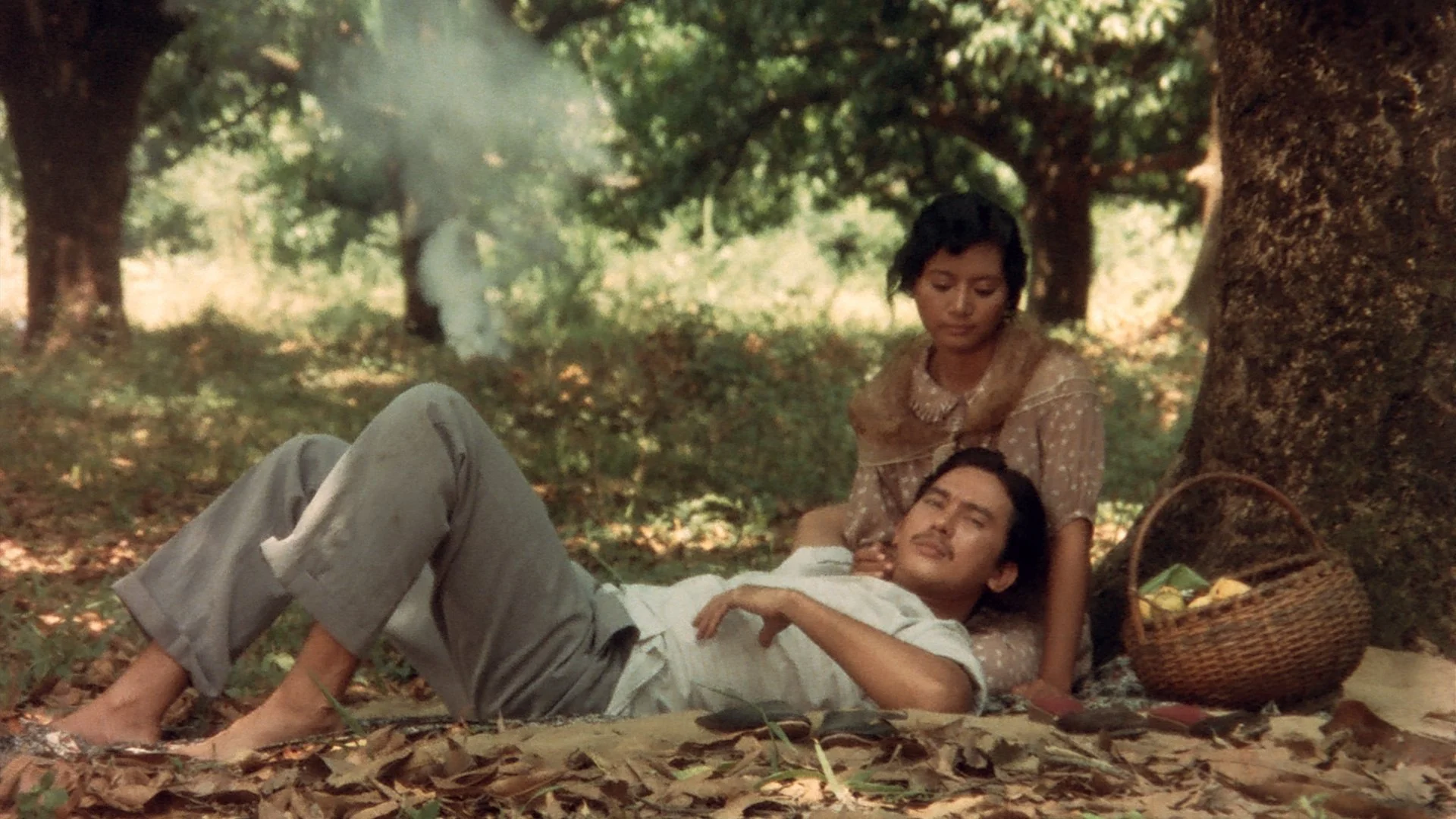
Karnal, Still from ABS-CBN Sagip Pelikula
The bright color grading and beautiful cinematography contrast with the horror of the film’s plot. Similarly, Diaz-Abaya’s Karnal (1983) is set in an idyllic rural countryside, despite its dark plot that features patriarchal-induced patricide and the cycle of abuse.
A needed representation

Le Bonheur, Image Still from FilmGrab
The humanization of their women characters is a core strength in each of their films. Women are not perfect, but they make their own choices, and these choices have consequences that they face, whether the outcome is good or not. Like Cléo in Varda’s Cléo from 5 to 7 (1962), who makes a pivotal choice to relieve herself of the societal burdens of vanity, or the women in Diaz-Abaya’s Moral (1982), who each make their own choices and grow from them by the end of the film.

Moral, Screen grab from ABS-CBN Sagip Pelikula
Varda and Diaz-Abaya didn’t only contribute to cinema’s progress in terms of technical ability, but also in terms of portraying women’s stories authentically from the eyes of another woman.
In their films, women’s issues weren’t viewed through a voyeuristic lens that seeks to exploit their struggles, but rather through one that seeks to understand and empathize with them.