Sugar, Soot, and the Surreal
SAIS as a pop surrealist who paints softness with shadows, crafting bittersweet worlds that linger long after you look away.
Words Gerie Marie Consolacion
Photos courtesy of Gail Geriane
November 29, 2025
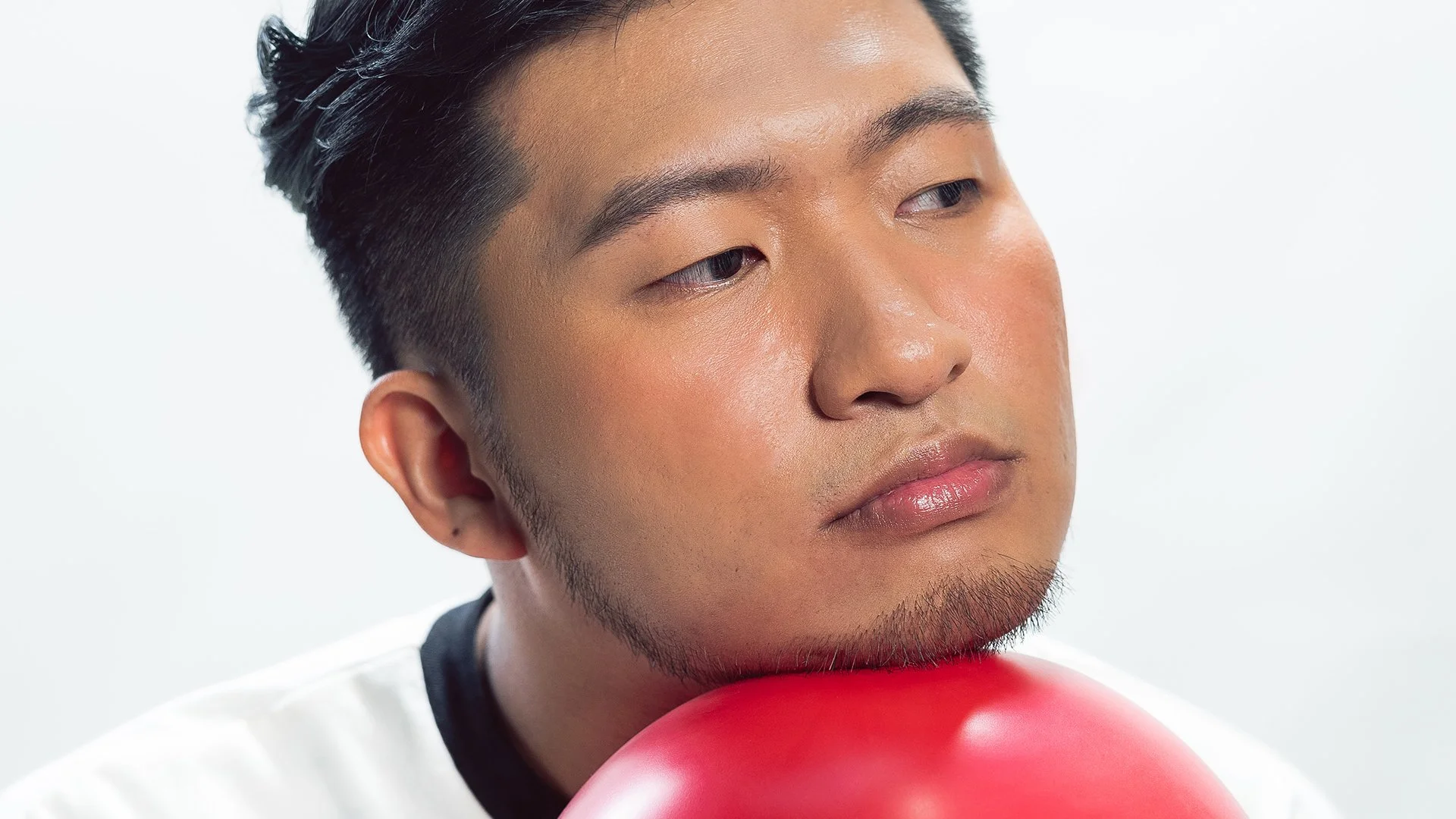
At 25, Carlos Daniel Magleo Bermas, known professionally as SAIS, is not just an artist—he is a master of paradox.
He builds entire universes in shades of black and white, yet his work radiates a kind of emotional color that words can’t quite name. Blending lowbrow art and portraiture with a surreal, introspective edge, SAIS draws viewers into spaces where imagination and memory coexist. But his journey—and even his name—suggest that sometimes, the most powerful artistic identities are born from beautiful mistakes.
Architect, Almost
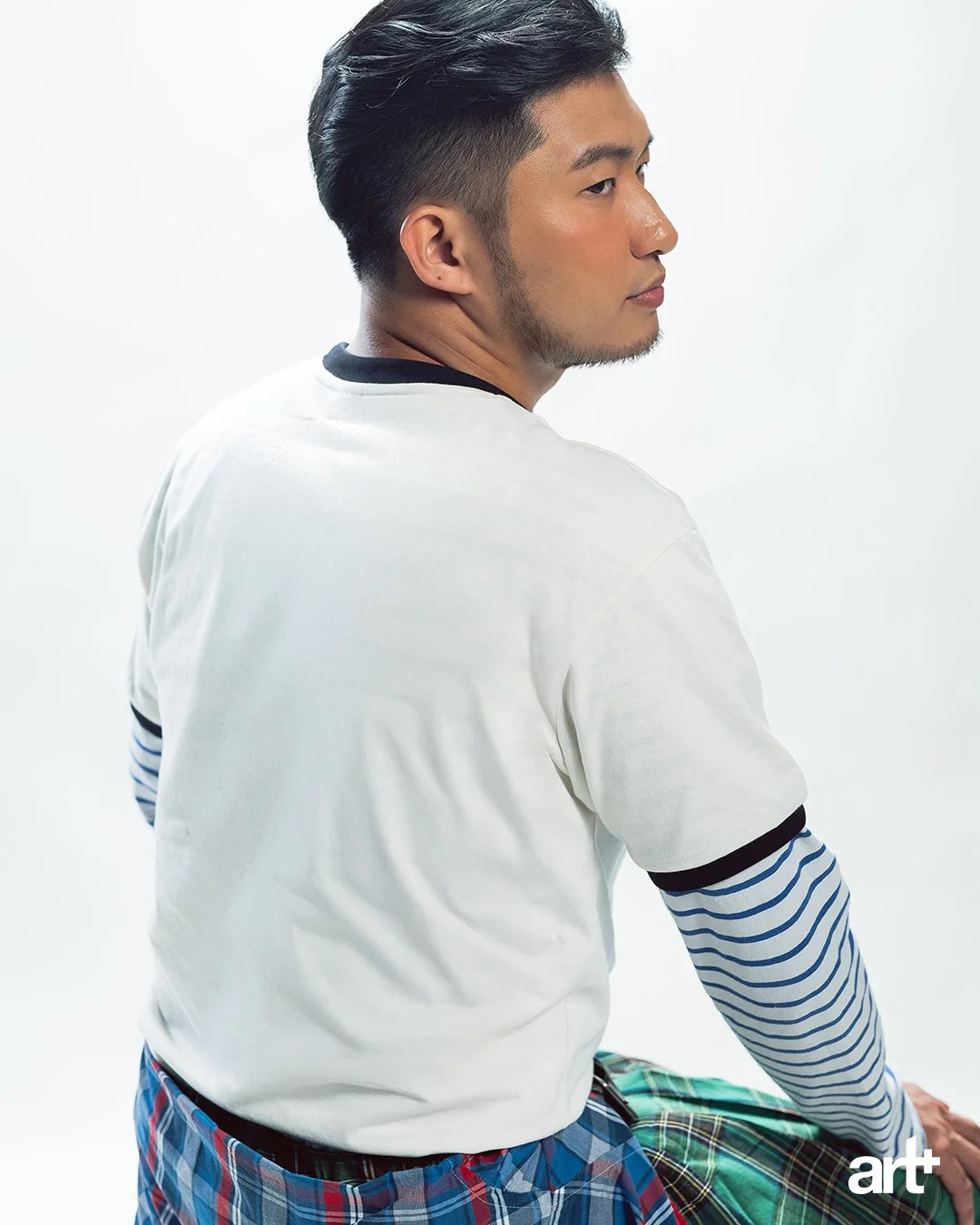
In an exclusive interview with Art+, SAIS shared that his path to becoming a full-time artist was anything but linear. Though he fell in love with art during junior high school, joining poster-making contests and working as an editorial cartoonist, his original plan was to design buildings, not drawings.
“Architecture was really my first choice,” he recalls. But fate intervened when the Architecture program at the Technological University of the Philippines was full. As a second option, he enrolled in Fine Arts, majoring in Advertising—a redirection that, in hindsight, revealed where he should really be.
“I didn’t really dream of becoming a full-time artist,” he says. “It just happened that I got the opportunity for my art to connect and resonate with people.”
Even his artist name, SAIS, has a serendipitous backstory. Aside from each of his full names having six letters, (Carlos Daniel Magleo Bermas) the moniker was born from a playful mistake: “I once drew my character with six fingers—‘sais’ means six in Filipino. Since then, it has become a unique part of my character.”
That unexpected moment, like much of his art, carries the charm of imperfection and the truth of instinct.
Charcoal, Softness, and Soot
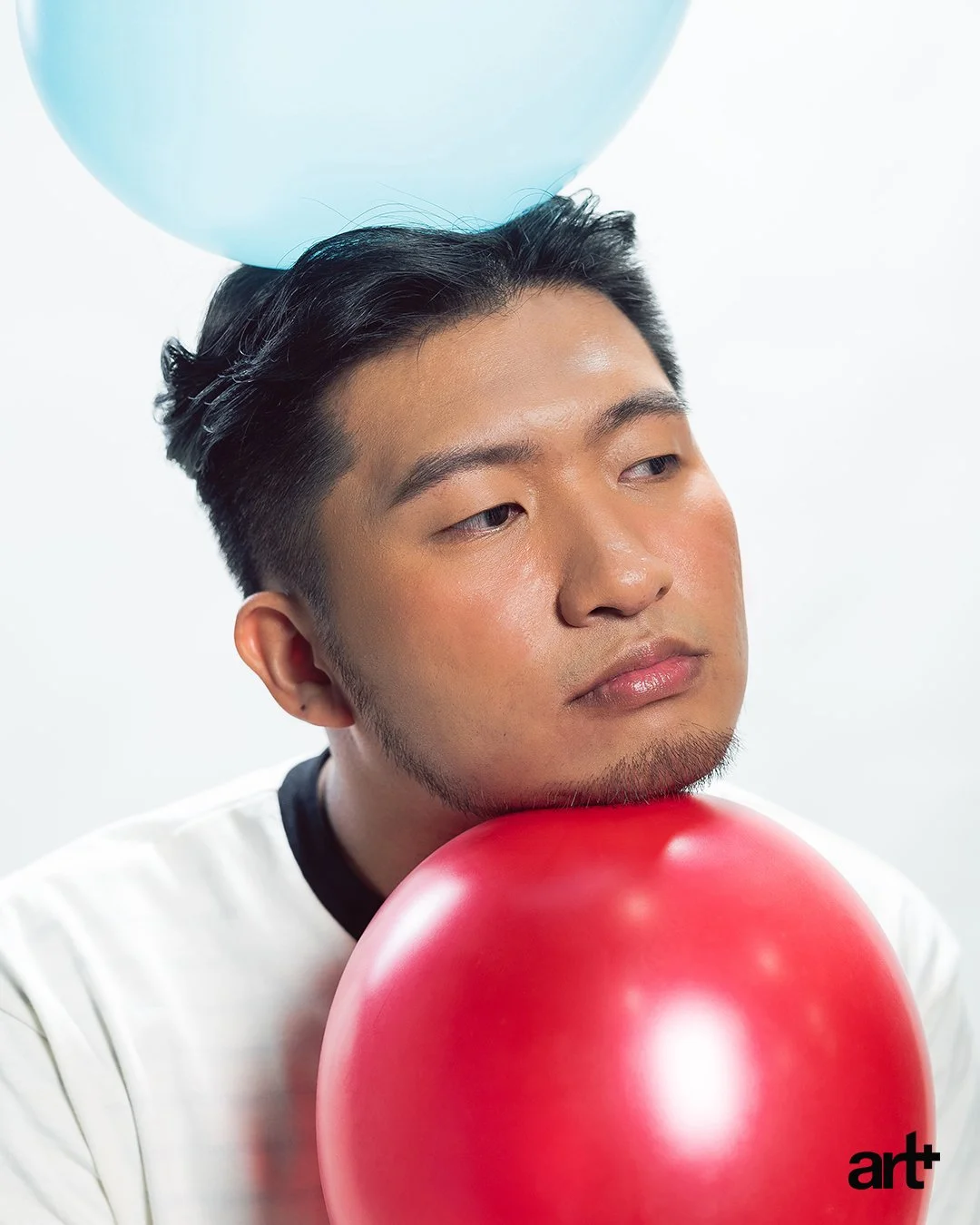
SAIS describes his style as semi-realistic—an evolution from his earlier cartoon-like drawings into textured, dimensional portraits that hover between surrealism and realism. His main weapon: the charcoal pencil.
He first used graphite, but soon found charcoal’s grain and depth irresistible. “Color isn’t just pigment,” he explains. “It evokes emotion and atmosphere. In my case, I express color through shading and texture.”
Each piece becomes an exercise in balance between softness and shadow, comfort and tension. “I do it by literally looking at the piece and letting both exist naturally,” he says. “I want my works to look real from afar, but when you get close, you see the raw lines and textures of the medium.”
This duality of polish and imperfection, light and darkness is what makes his drawings feel alive.
The Honesty of Nostalgia
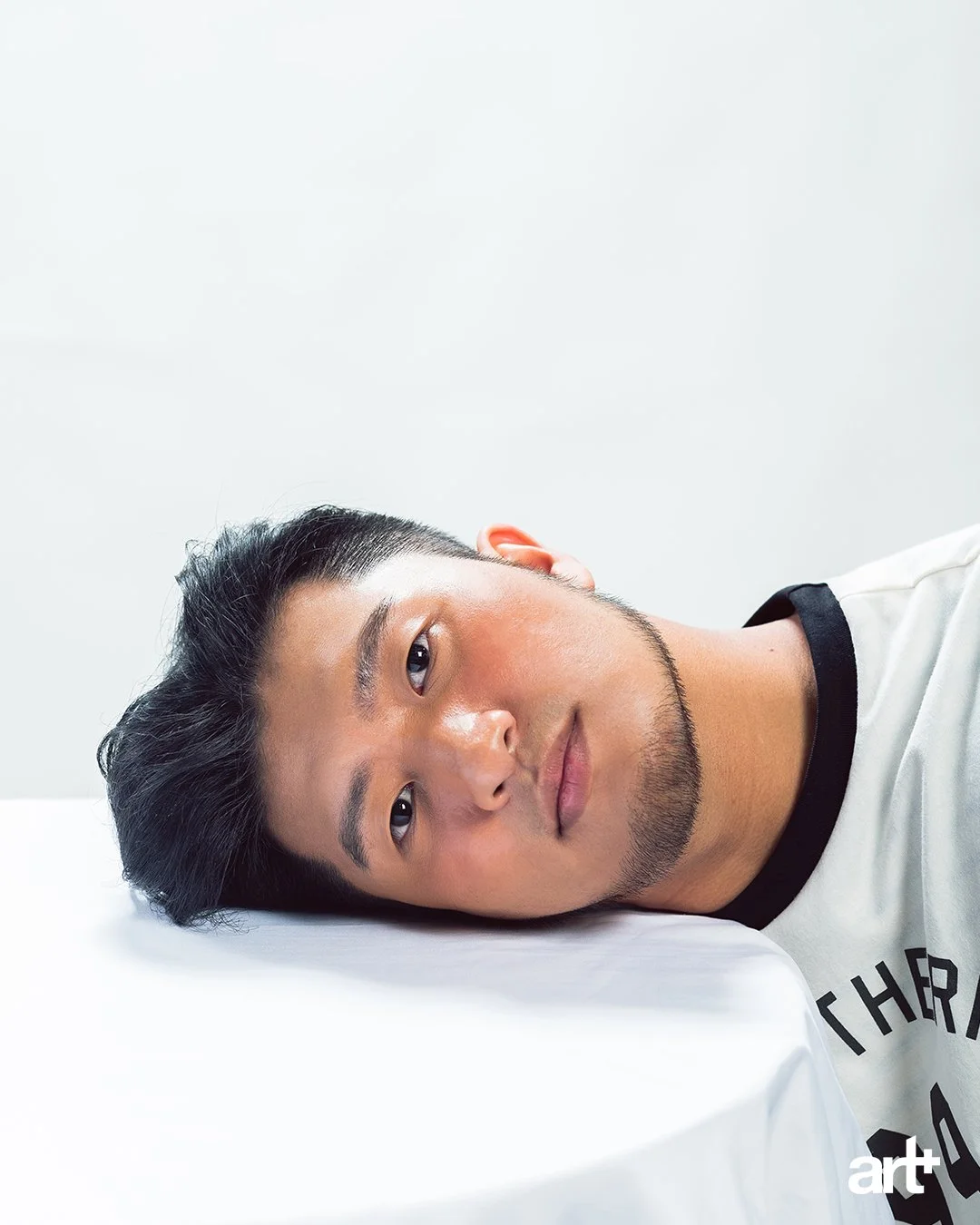
In the absence of color, SAIS finds truth. His grayscale world is a deliberate choice, a visual language that heightens emotion rather than diluting it.
“Nostalgic memories often appear in monotone,” he reflects. “Without color, the story focuses more on emotion and texture instead of distraction.”
Many of his works feature a child as the central figure: “a symbol of innocence and truth,” he explains. These portraits become quiet reflections on time, memory, and change. “It’s like a nostalgic reminder of our origins.”
Monochrome, to him, is both vulnerable and honest. “It feels raw like sketches. It feels innocent,” he says. “Since my subjects are often children, the absence of color gives a nostalgic purity and sense of memory.”
His viewers often tell him that the simplicity of his tones pulls them emotionally. “We see it as simple,” he admits, “but when you connect emotionally—through nostalgia or even eeriness—it becomes deep. It carries a mood and weight that color sometimes hides.”
The Mirror and the Refuge
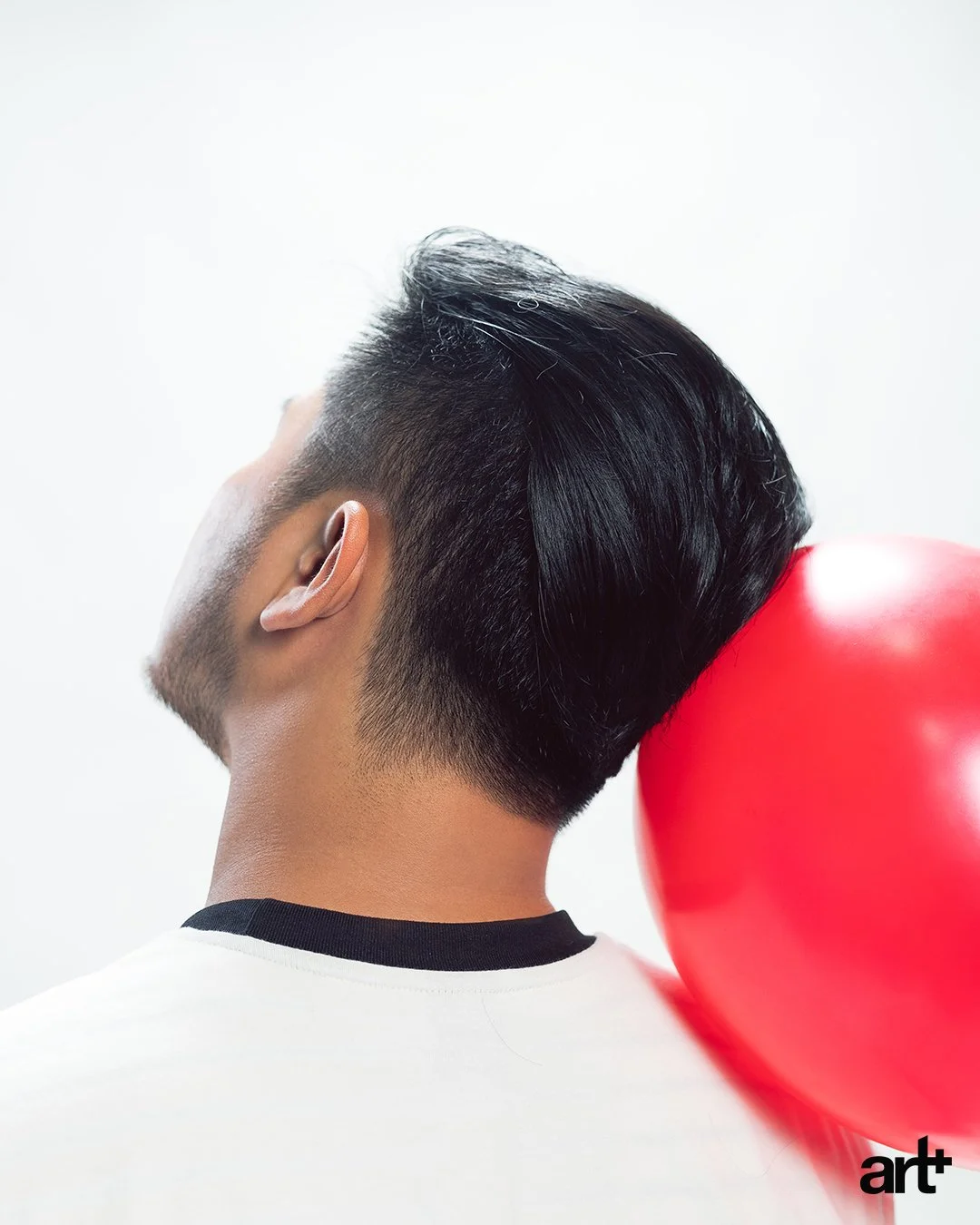
For SAIS, art is a reflection—and a refuge. His works shift with his emotional landscape, “sometimes darker, sometimes softer,” depending on where he is internally.
“I could say both,” he admits when asked if his pieces mirror him or offer escape. “Some feel like reflections of me; others are places I run to when reality feels too heavy.”
He creates the most when emotions swell. “When I’m feeling everything, I make more art. I let it out.” But even in calm moments, art remains his way of challenging silence, of translating what can’t be said.
The ‘sais’ figure, often childlike and searching, is not purely autobiographical. “It can be anyone,” he explains. “It’s not just my story—it’s a mirror for others who’ve felt the same.”
Ultimately, he hopes that even without context, his art speaks directly to the soul. “I hope they feel something quiet, nostalgic, and deep—that they sense honesty, emotion, and a bit of mystery.”
In the charcoal worlds of SAIS, emotion breathes through the absence of color. His figures may dwell in grayscale, but the feelings they evoke, tenderness, solitude, longing, are anything but muted. They remind us that sometimes, the rawest forms of beauty live in shades between light and shadow—when words can’t speak, but art can.
Through the silence of monochrome and charcoal, SAIS teaches us that even in black and white, the heart remembers in color.