
Resurrection and the Cost of Never Ever Dreaming
Bi Gan’s latest film Resurrection envisions a future where immortality is the ultimate dream, but the ultimate death sentence for your imagination
Words Elle Andrea
Photos courtesy of Bi Gan
June 25, 2026
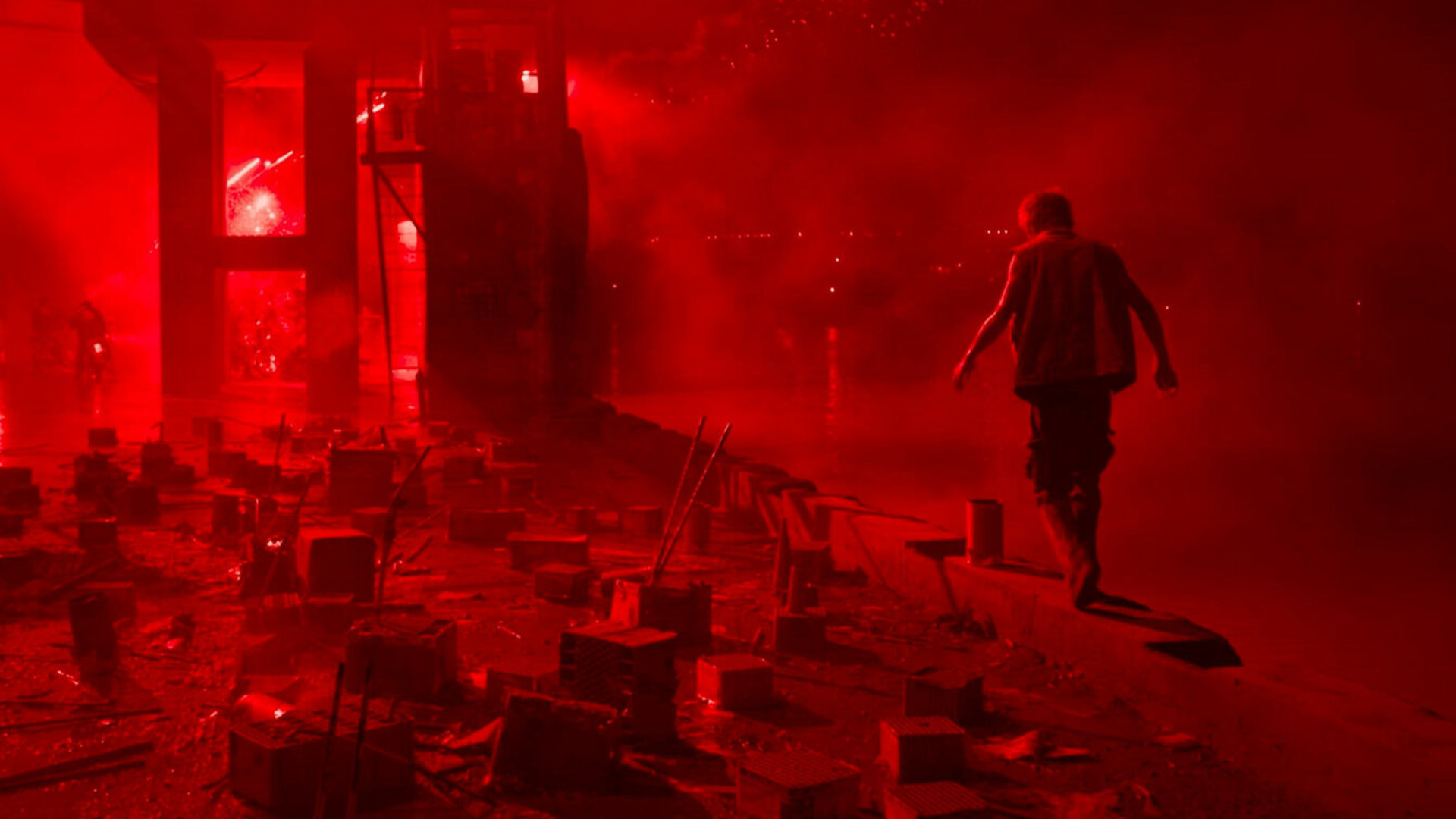
The long wait is over. Seven years after his last feature film, Long Day’s Journey Into the Night, Chinese filmmaker, Bi Gan is finally back with Resurrection, a film that feels worth the wait, because it isn't anything like we’ve seen this year.
The film secured the Prix Special (Special Award) at the 78th Cannes Film Festival, leaving its mark as the one of the festival’s most talked about films.
Awards aside, Resurrection is the kind of film that sticks with you long after the credits roll. It's so immersive in a way that you’re unsure if you watched a movie or you lived through one of the characters’ subconscious for two and a half hours straight.
The Last Dreamers
Its concept does sound a bit ridiculous at first.
Considering it is set in the future, where humans finally found a way to stop ‘death’. In this world, everyone can be immortal. The only catch? You have to give up your dreams.
You can't dream, you can't imagine things, and your mind isn't allowed to wander. Basically no soul. And in exchange you’ll get to live forever.
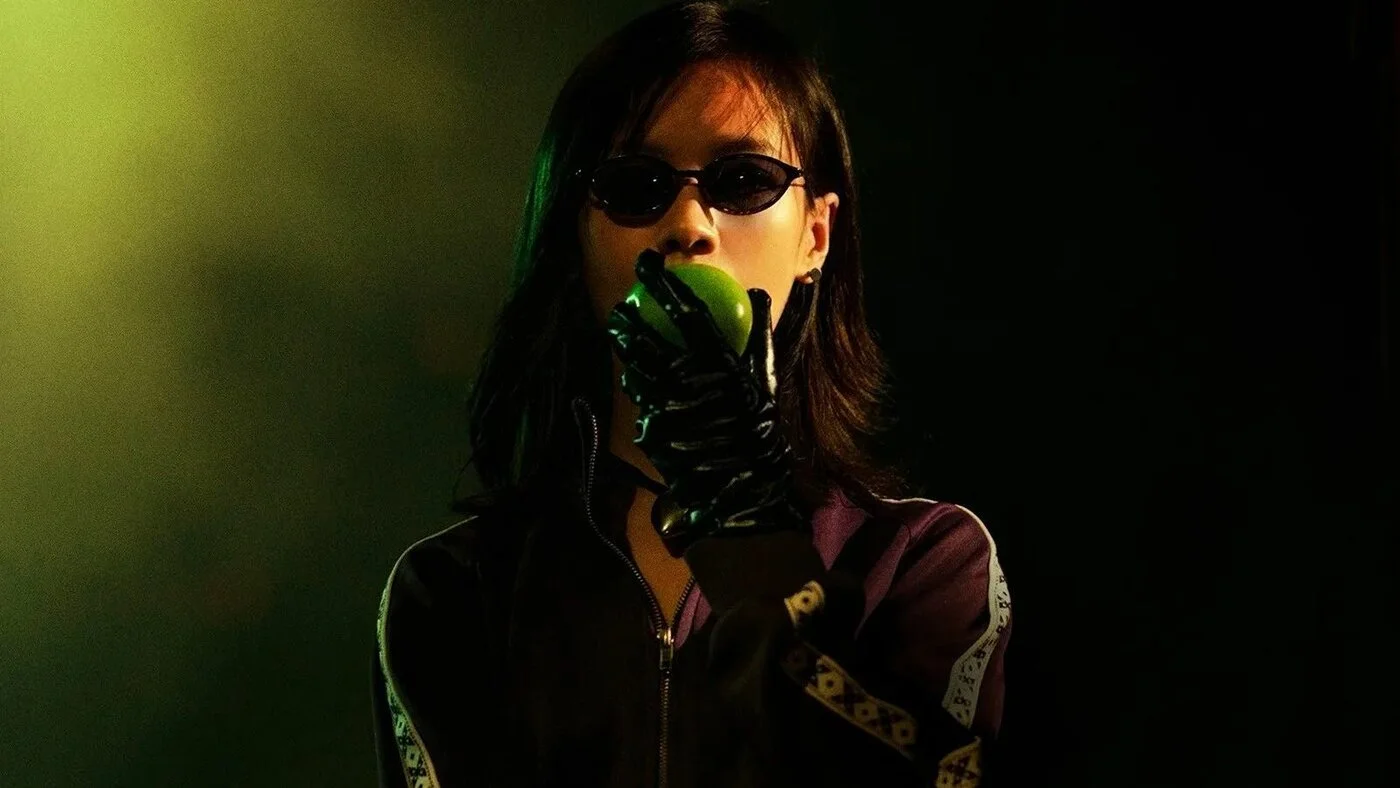
Most people took the deal with no fuss, the only holdouts? The Deliriants.
They’re a small group of people, who would rather dream than live forever. To them, a life without dreams and imaginations isn't life at all.
The ‘Cinema’ inside him
Here comes Miss Shu.
A character played by Shu Qi, an ‘enforcer’ that was given the task to hunt down the remaining Deliriants. During one of her missions, she bumps into a mysterious fugitive played by Jackson Yee, who has vampire-like characteristics. Pale, bald, and ghostly white like he just came straight out of Murnau’s Nosferatu.
Instead of killing him, Miss Shu places a film projector inside of him.
SIX SENSES, SIX WORLDS
From that point forward, Resurrection’s plot opens up completely. The fugitive’s memories, fantasies, dreams and his inner world became the film’s focal point.
The story follows six chapters, with each one plotted around the ‘six senses’ – sight, hearing, taste, smell, touch, and mind inspired from Buddhist Philosophy.
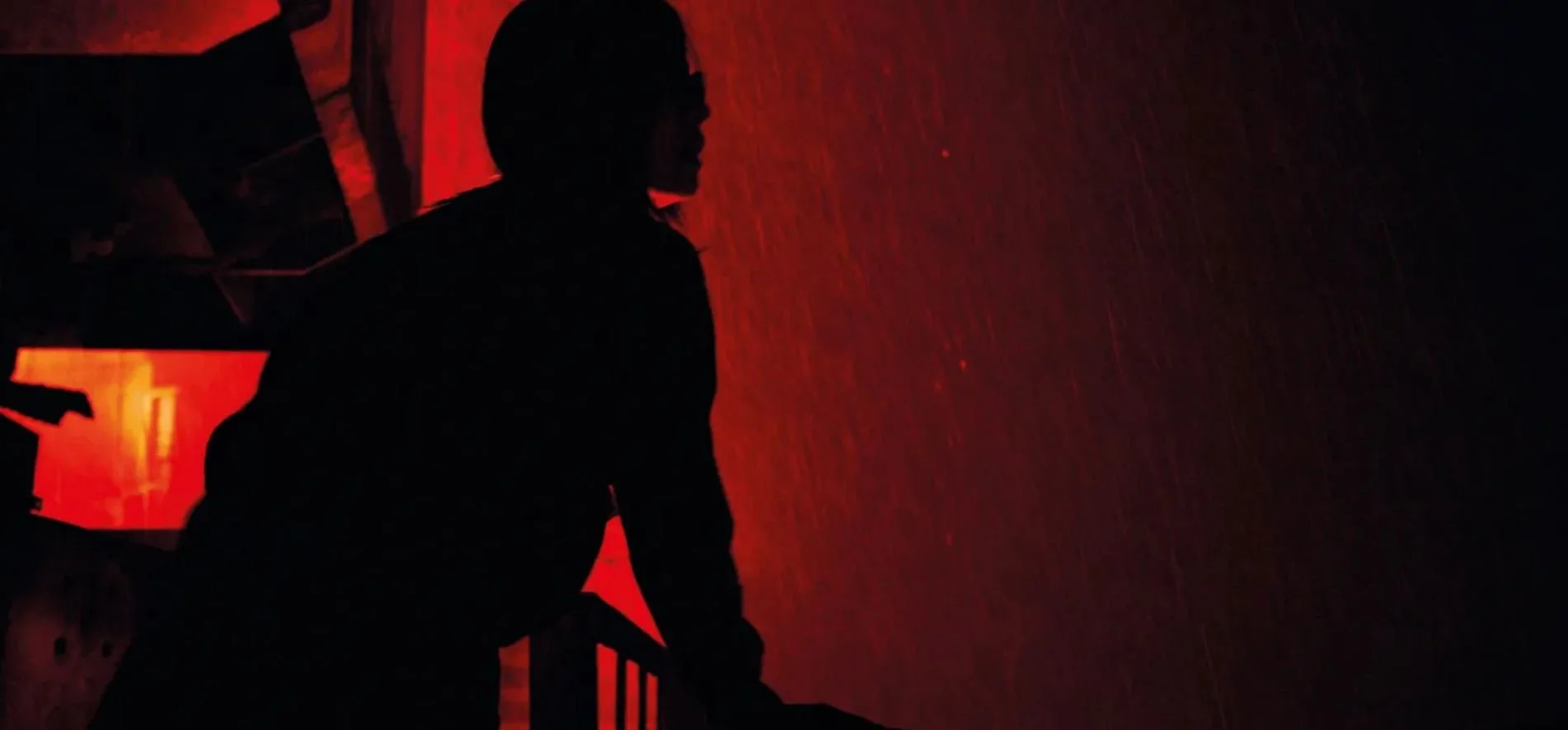
Instead of it going down the ‘overly conceptualized’ road, it balances it beautifully by shifting between different cinematic styles and genres.
With sight, the scene begins with warped buildings and heavy shadows. Mostly drawing inspiration from German Expressionism without overly complicating it. The scene feels unstable in a way that it seems like you’re trying to pull something out of memory ?
From there, sound takes over. Changing the scene to black and white, transitions into more of a Noir vibe, where the music cuts through the silence where everything echoes.
Then it transitions into something much more old and ‘folklore-ish’ set inside a temple. Here is where the plot gets unpredictable. Like stories are chopped into pieces like fragments, where not everything is stated in the obvious.
And then another shift, where the mood is lighter, a world of con men, orphans and hustlers, where it feels much more fluid and less serious in terms of its tone. And then New Year’s Eve, 1999 happens. This is where chaos takes over, it weans off of the stylized sequence we had in the beginning.
And finally, everything breaks down. Chapters don't apply anymore. The shifts between each genre is washed away and the film starts collapsing into itself where scenes are blending into one another in a continuous flow.
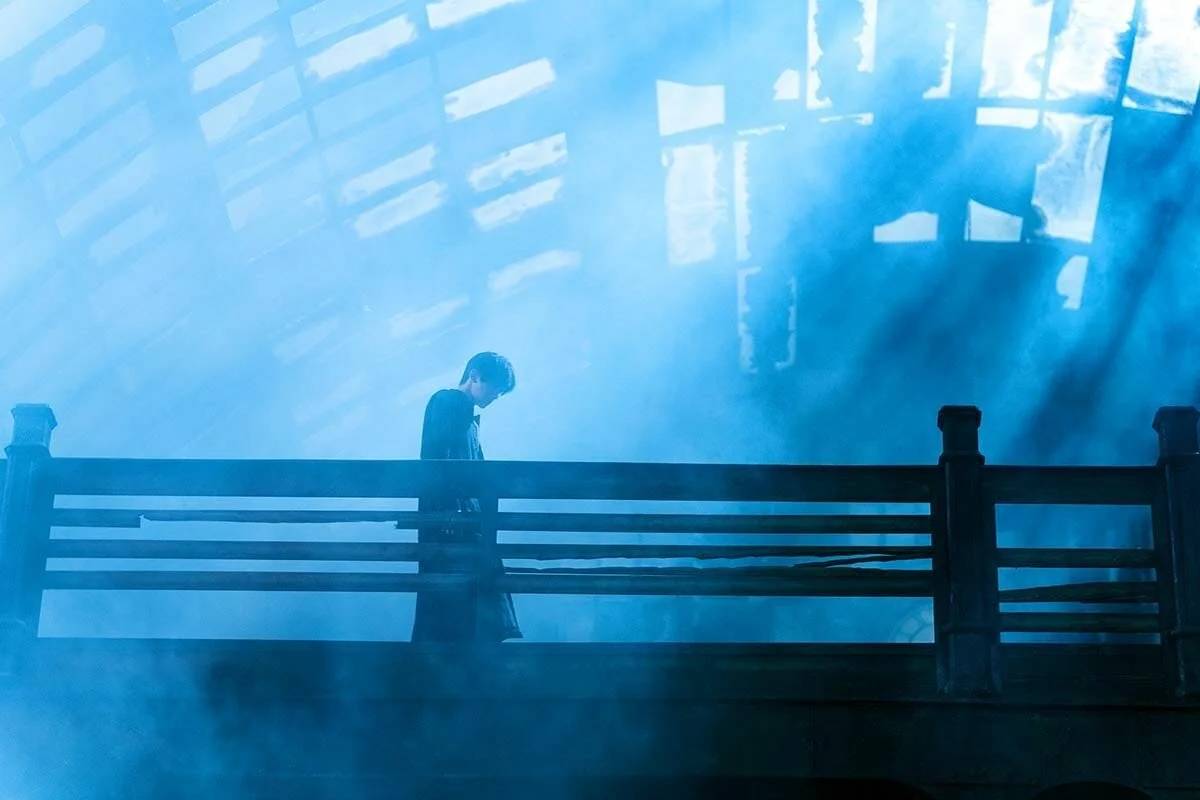
By the time the film reaches its final stretch, Bi Gan abandons a conventional structure where there's a 40-minute continuous take that brings together most of the film’s ideas and concepts.
Why dreams matter
Though most critics describe Resurrection as more of a museum of references of filmmakers, genres, and cinematic traditions rather than a proper film because of the amount of external influences it had
It's not entirely fair though. The film’s obsession with cinema is what gives it its purpose.
Its main theme is that dreaming is what makes us human, and that cinema may be one of the last places where collective dreaming still survives.
In a world where people would trade their dreams and imagination for immortality where it doesn't feel like living, Bi gan's answer is simple. Dreams matter more.
You may not love Resurrection. You may even find parts of it frustrating. But weeks from now, long after you’ve seen it. You’ll probably still be thinking about it.