Reframing Filipina Narratives Through CCP’s Film, Theater, and Dance
The Cultural Center of the Philippines peels back the layers of Filipina experience—small gestures, big truths.
Words Bernadette Soriano
Photo courtesyof Cultural Center of the Philippines
March 23, 2026

Stories of women rarely stay still as they move, collide, and unfold. This March, CCP Channel traces Filipina lives across film, theater, and dance, where grief, humor, and tradition are all in motion.
Virgin Labfest 2022: Lives in Movement
Absurdo: Event Day
Theater is breath and body, where the unsaid finds shape in gesture.
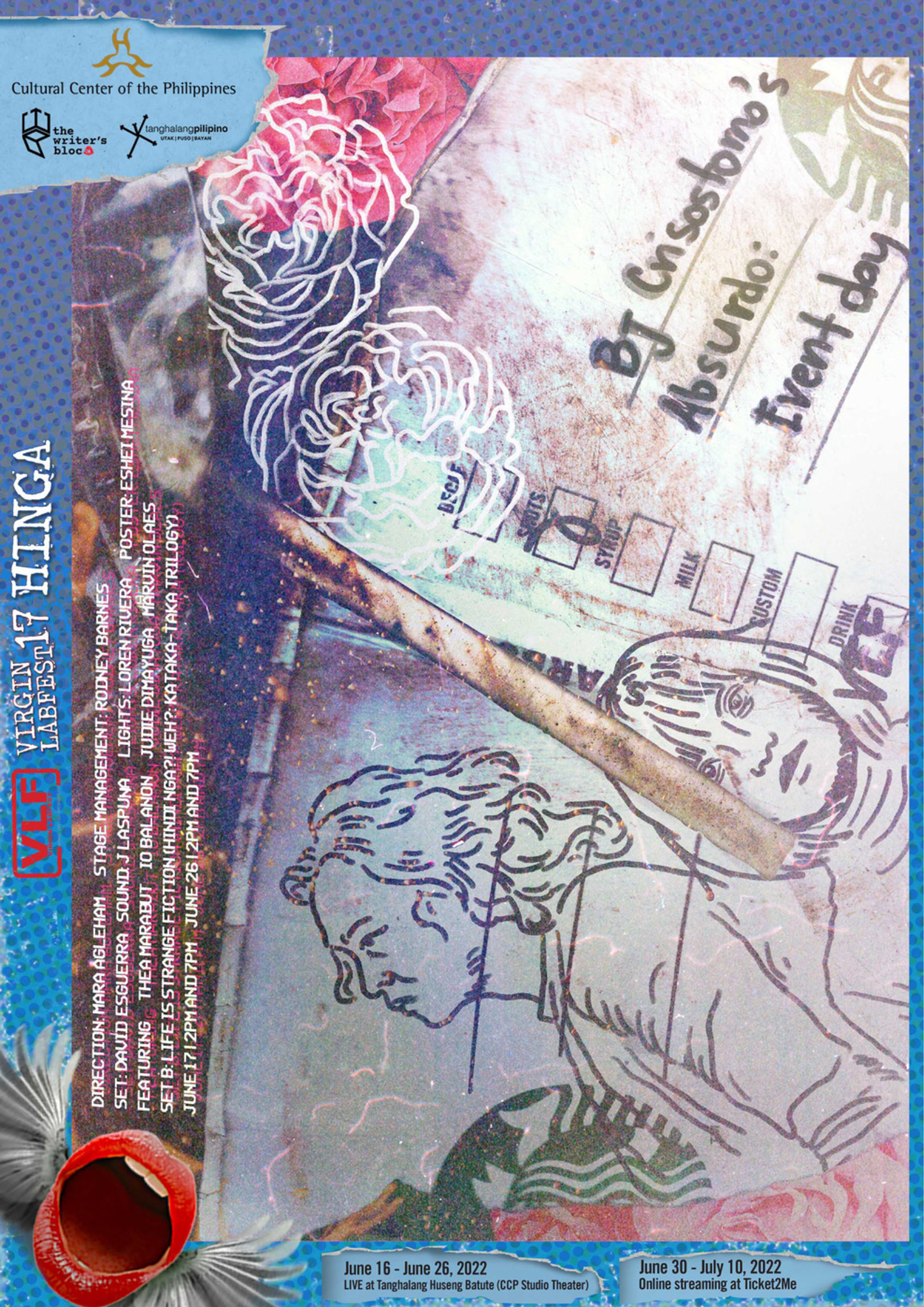
The stage of Absurdo: Event Day cracks open not with the polished decibels of theater-as-entertainment, but with the ragged rhythms of hustle culture—the sort most try to scrub out of view before guests arrive. In BJ Crisostomo’s play, a frantic rush at Virgin Labfest 2022, the show isn’t so much performed as survived: a hyper-charged drift through to-do lists, last-minute emergencies, shouted apologies, and glitter likely to end up in the carpet forever.
Cinemalaya 2023: Home, Grief, and Desire
Cinemalaya 2023 renders absence tangible, memory persistent.
Mga Dayo (Resident Aliens)
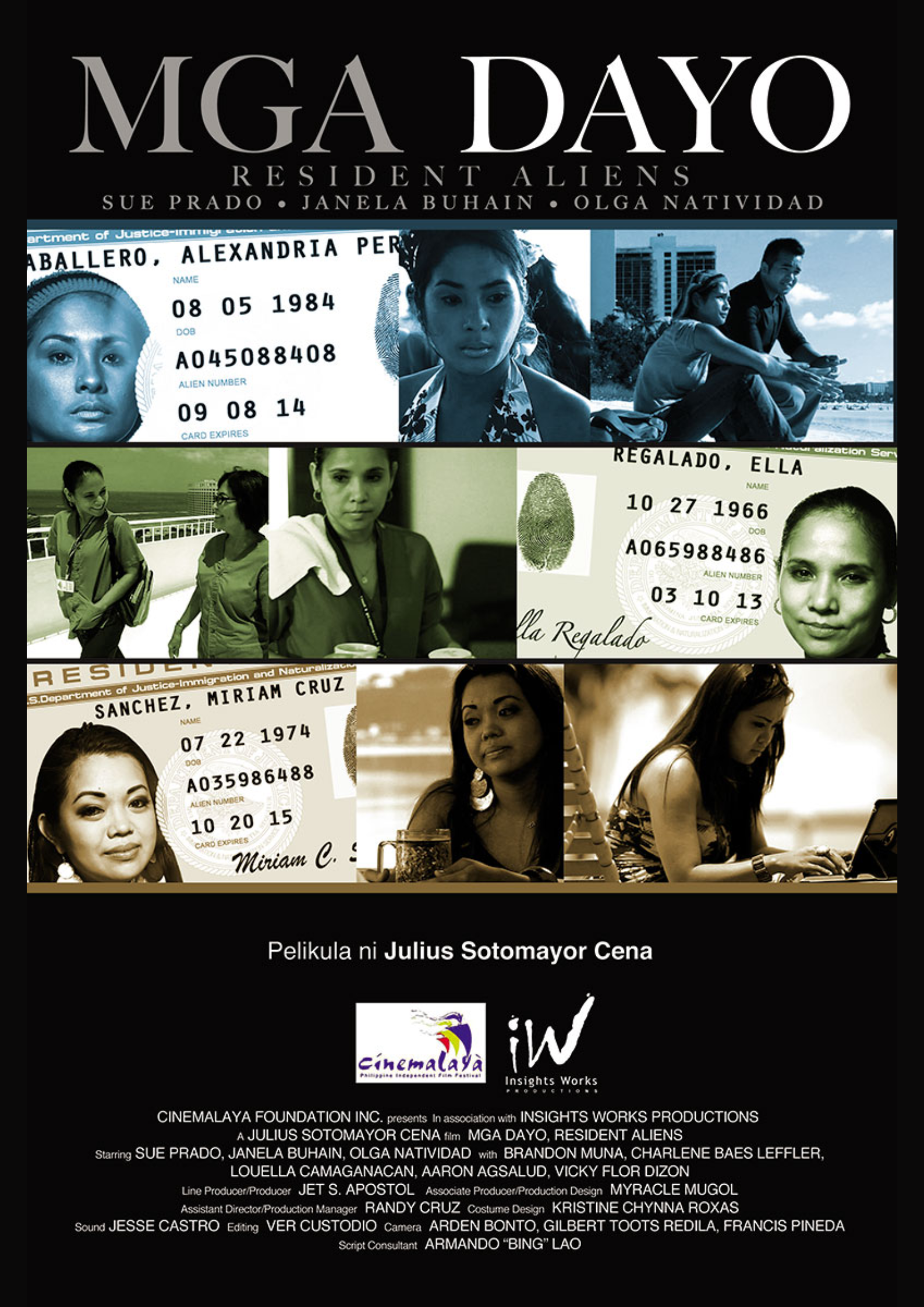
Julius Sotomayor Cena’s Mga Dayo (Resident Aliens) traces three Filipina immigrants in Guam during Thanksgiving—a holiday of proximity, yet also of distance. Green card marriages and frayed family ties drift through the film, always teasing “home” into something less a place than a feeling stitched from longing.
Kargo
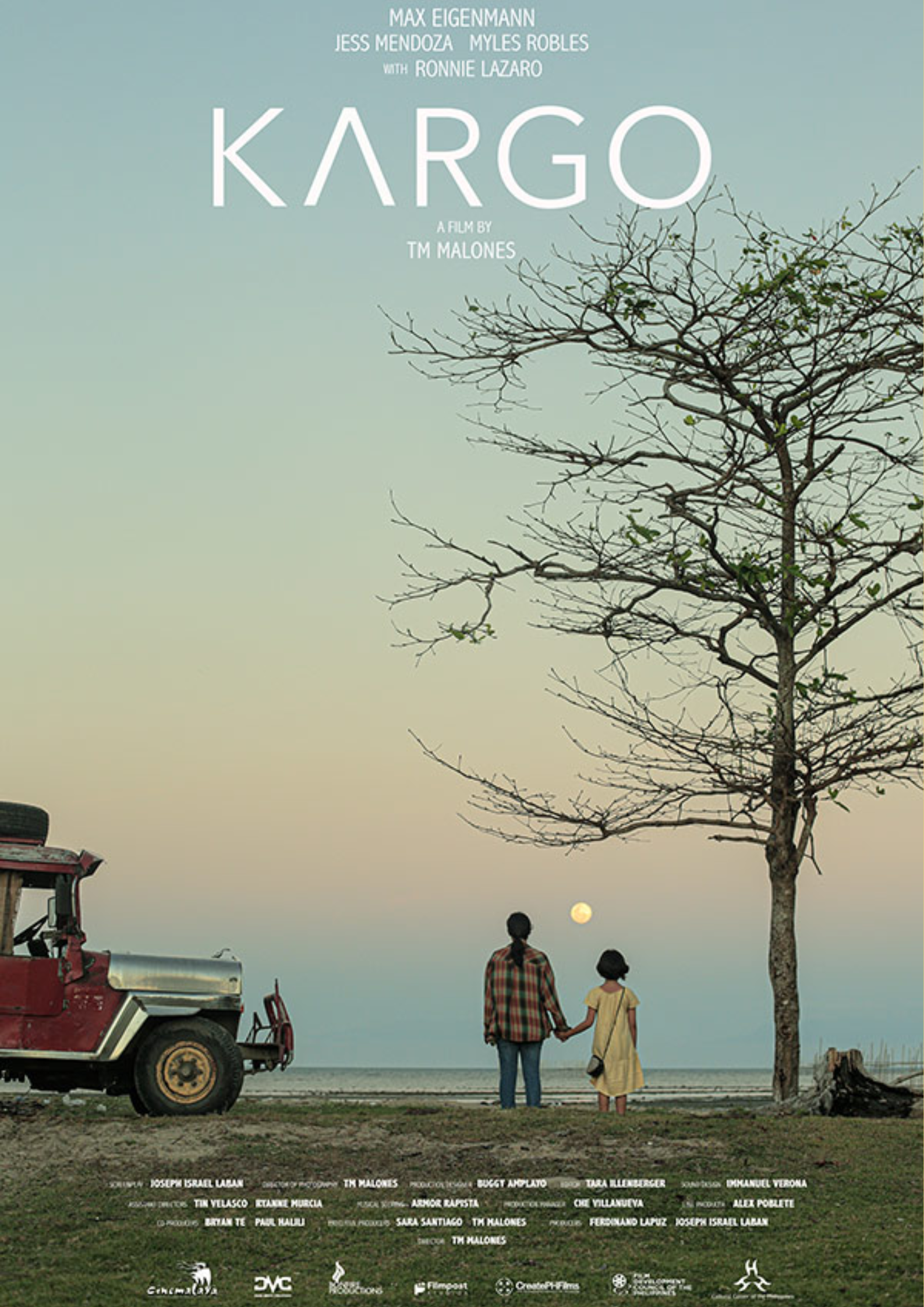
Kargo, directed by TM Malones and the 2023 Audience Choice Award winner, treats lament like sediment—elemental and unavoidable. Sara, carrying the loss of her family from a motorcycle accident in Maasin, Iloilo, doesn’t chase vengeance. Instead, the camera stays with her in memory and unravels desire—less a plot engine than a texture of life itself.
Gawad Alternatibo 2025: Tradition and Autonomy
The 2025 Gawad Alternatibo entries turn inward, mapping the subtle negotiations of selfhood.
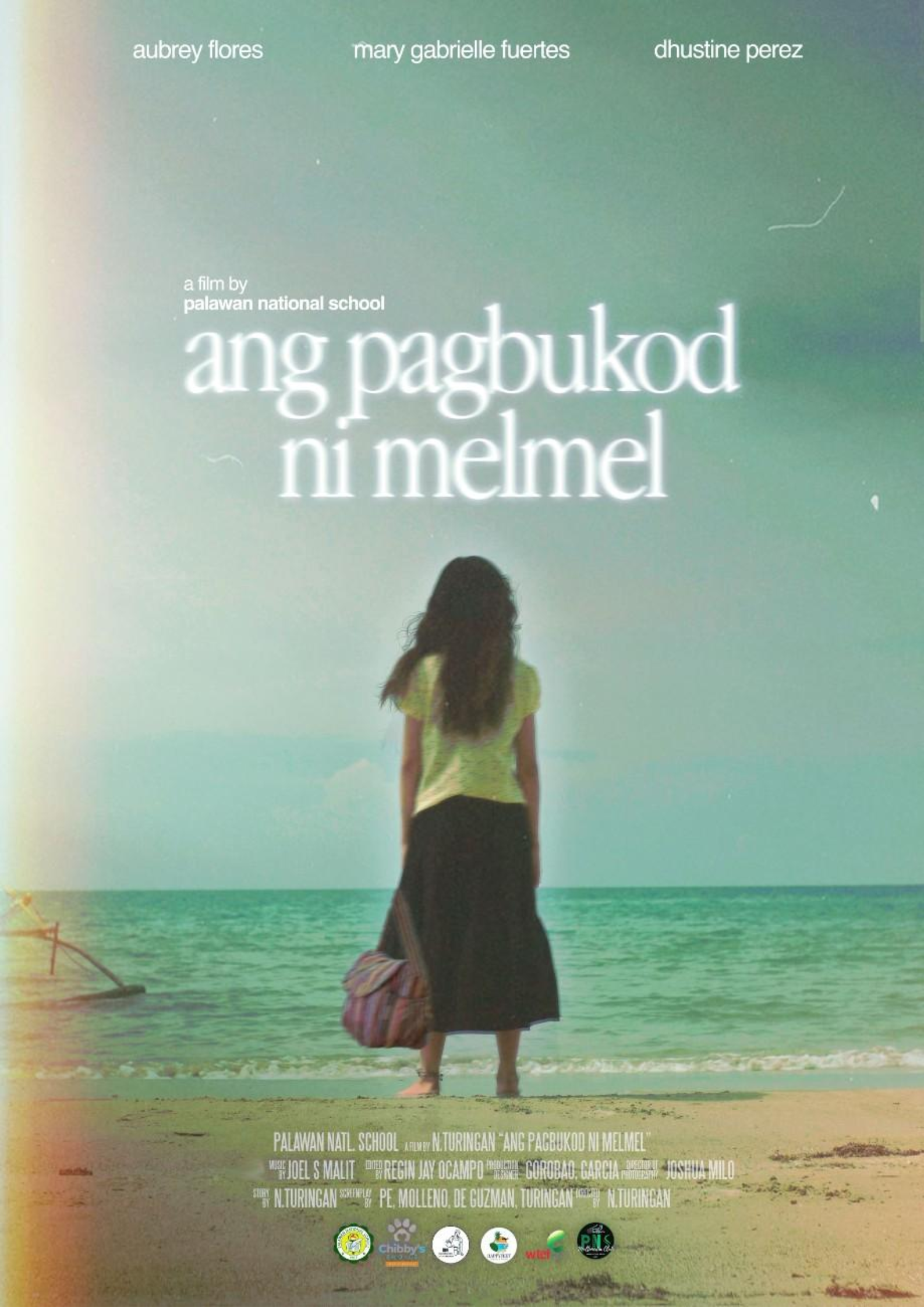
Ang Pagbukod ni Melmel
In Ang Pagbukod ni Melmel, Nathaniel Tulingan lets meaning accumulate in the spaces between words. A young Palaw’an girl faces an arranged marriage, and the film’s attention to what isn’t quite said, the flicker of an eye, a hesitated breath, makes agency fragile and provisional.
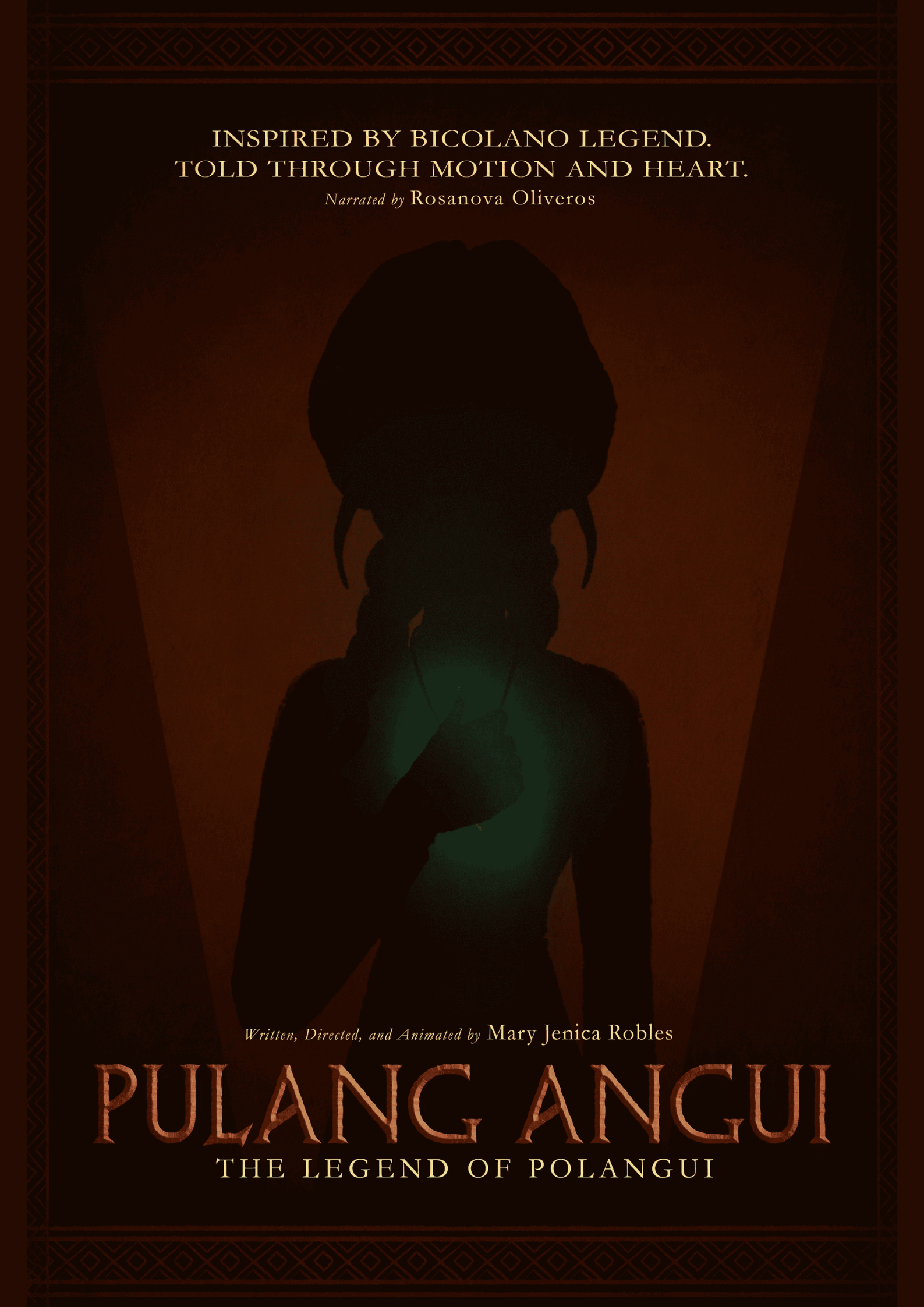
Pulang Angui
A village stirs to half-remembered forces in Pulang Angui, guided by Mary Jenica Robles’ arcane touch. Folklore hums beneath everyday rhythms, and her young protagonist moves through legend like sediment: grainy, resonant, unforced.
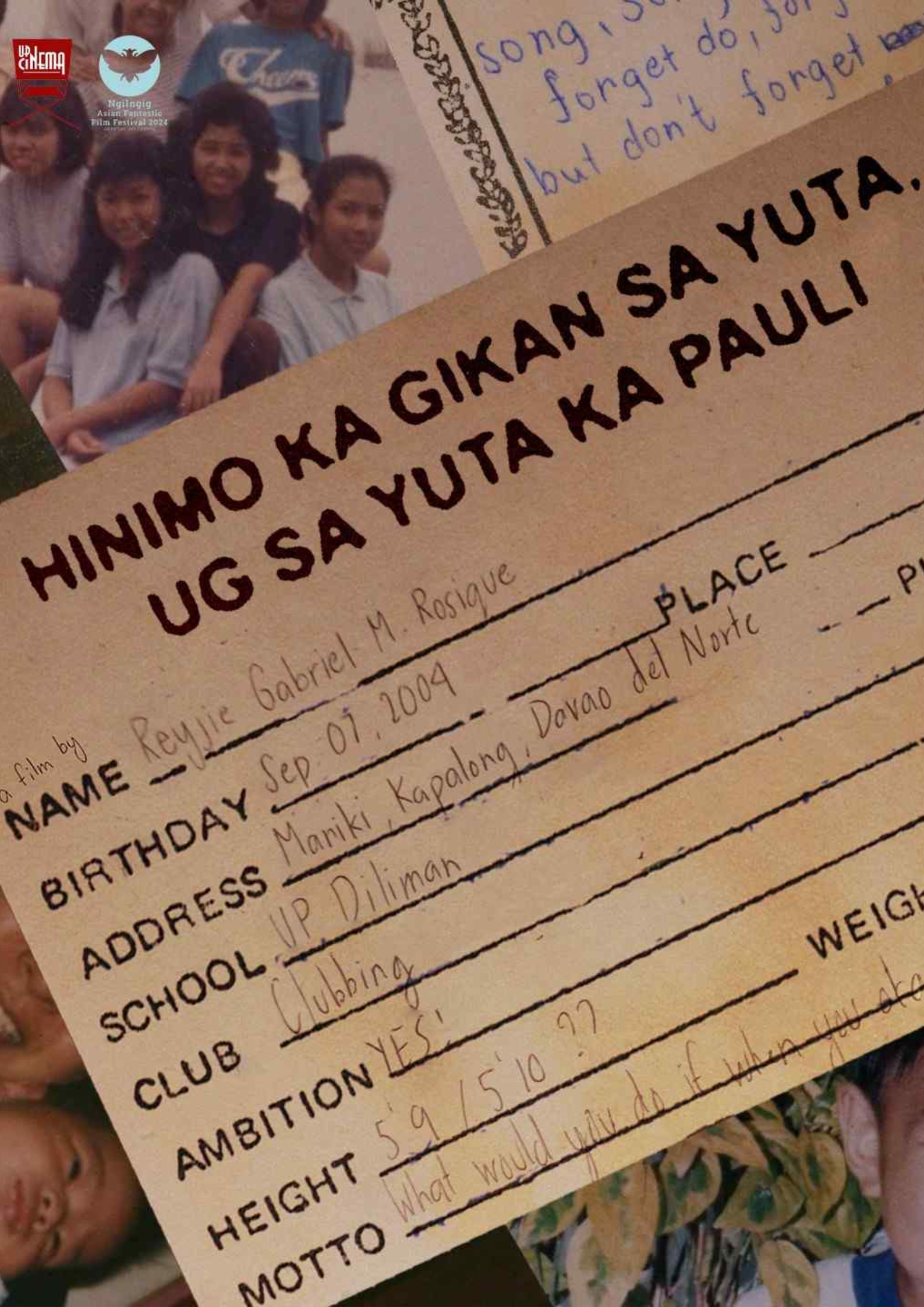
Hinimo Ka Gikan Sa Yuta, Ug Sa Yuta Ka Pauli
Gab Rosique’s Hinimo Ka Gikan Sa Yuta, Ug Sa Yuta Ka Pauli threads archival fragments through the present, refusing tidy periodization. Urban bustle and rural stillness bleed together, as memory, land, and lineage bind mother and son in an ongoing encounter with the past. The film lets its logic accrue through images and reveries.
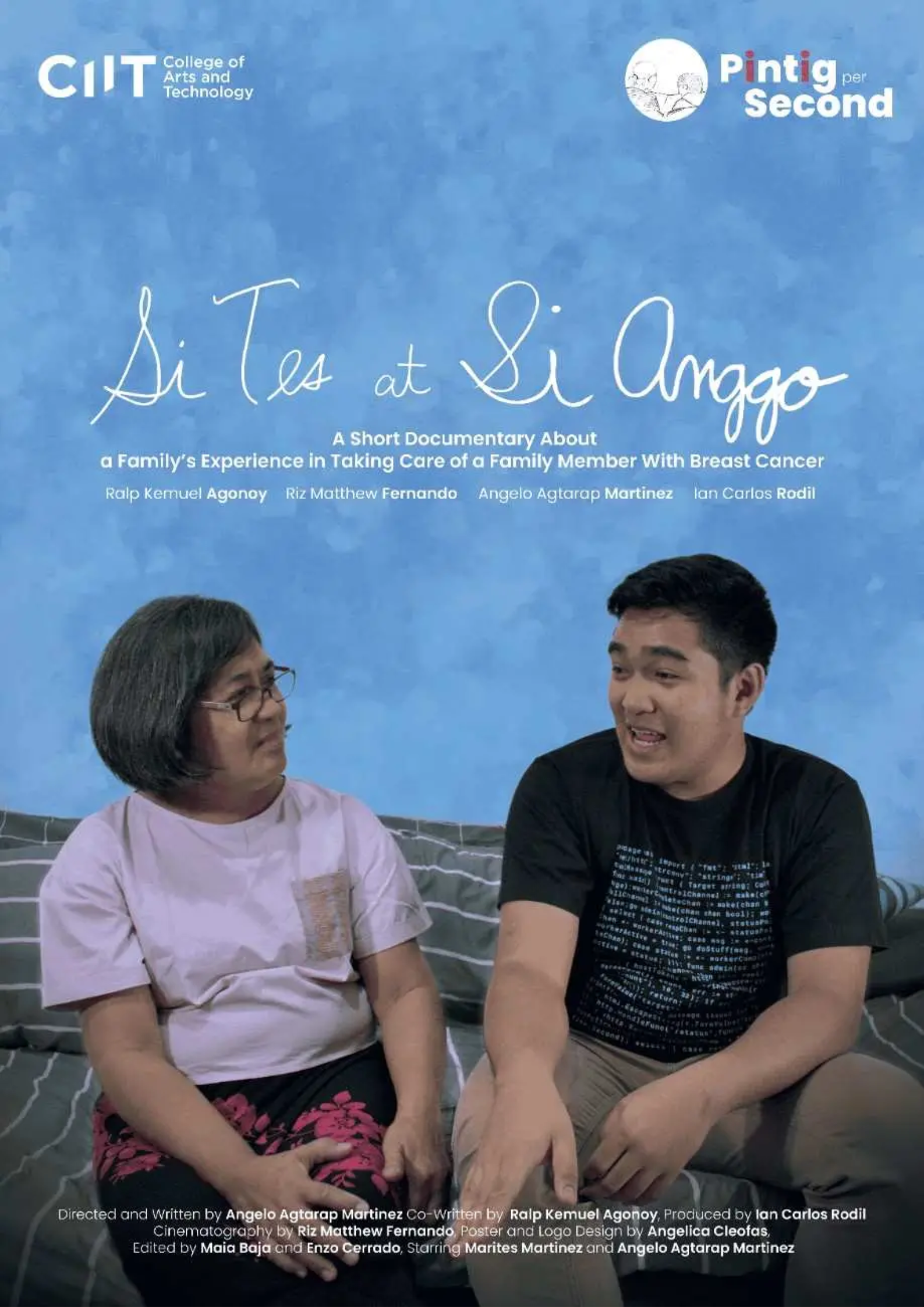
Si Tes at Si Anggo
Helmed by the vision of Angelo A. Martinez, Si Tes at Si Anggo charts a decade of illness, care, and the slow shifting of family roles. Beginning in archival textures before settling into the unsparing now, Tes confronts breast cancer as Anggo steps into caregiving. What emanates is a patient's insistence that resilience isn’t a climax but a series of everyday enactments—from small shifts in gaze and gesture to the transformed contours of home.
Regional Dance: Memory, Myth, and Body
The body becomes a storyteller in CCP T(A)YONG Dalawa Project performances.
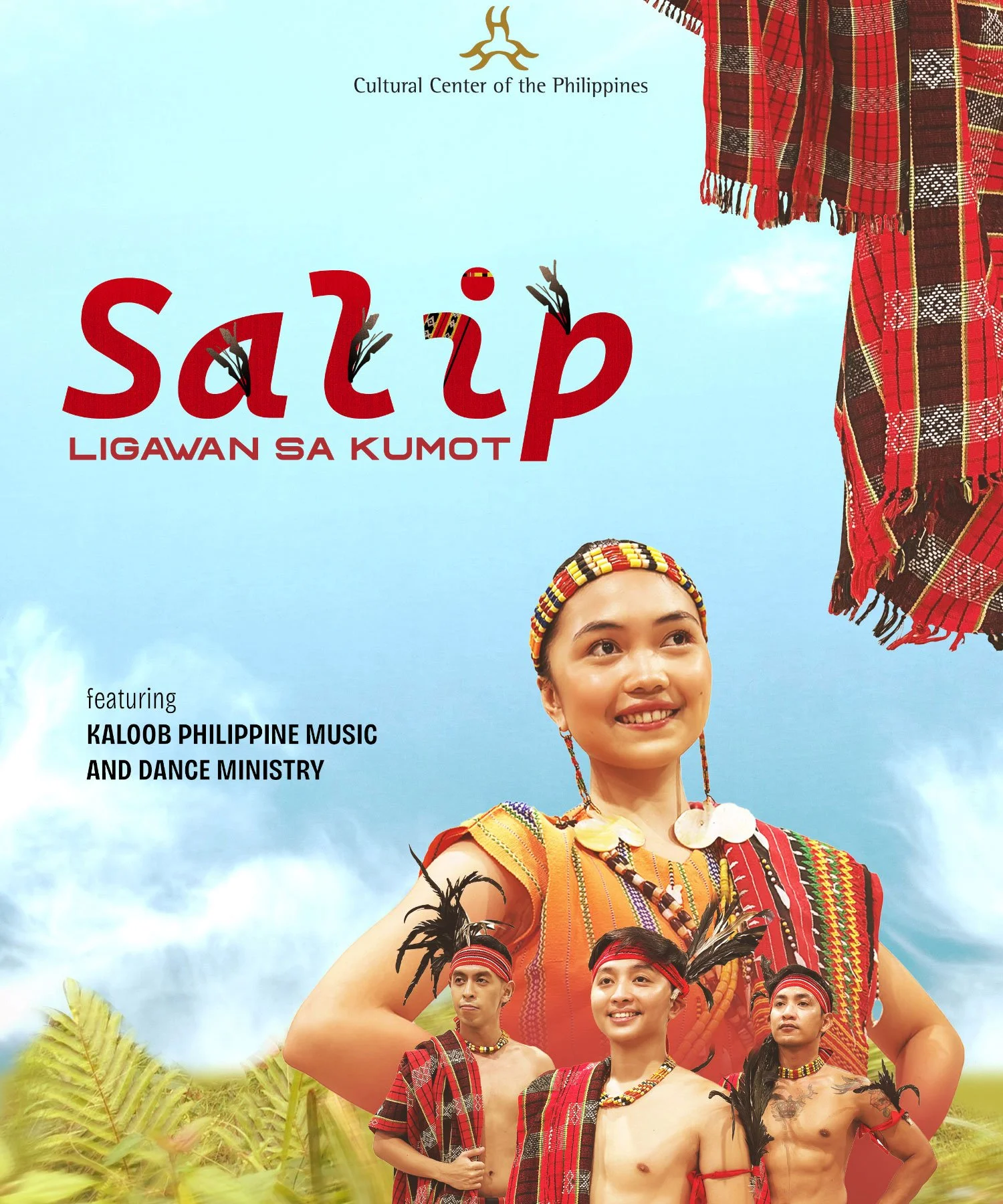
Salip: Ligawan sa Kumot
In Salip: Ligawan sa Kumot, the Kaloob Philippine Music and Dance Ministry stages courtship as choreography—fabric passed, steps deliberate, evasion rendered as a kind of cunning play.
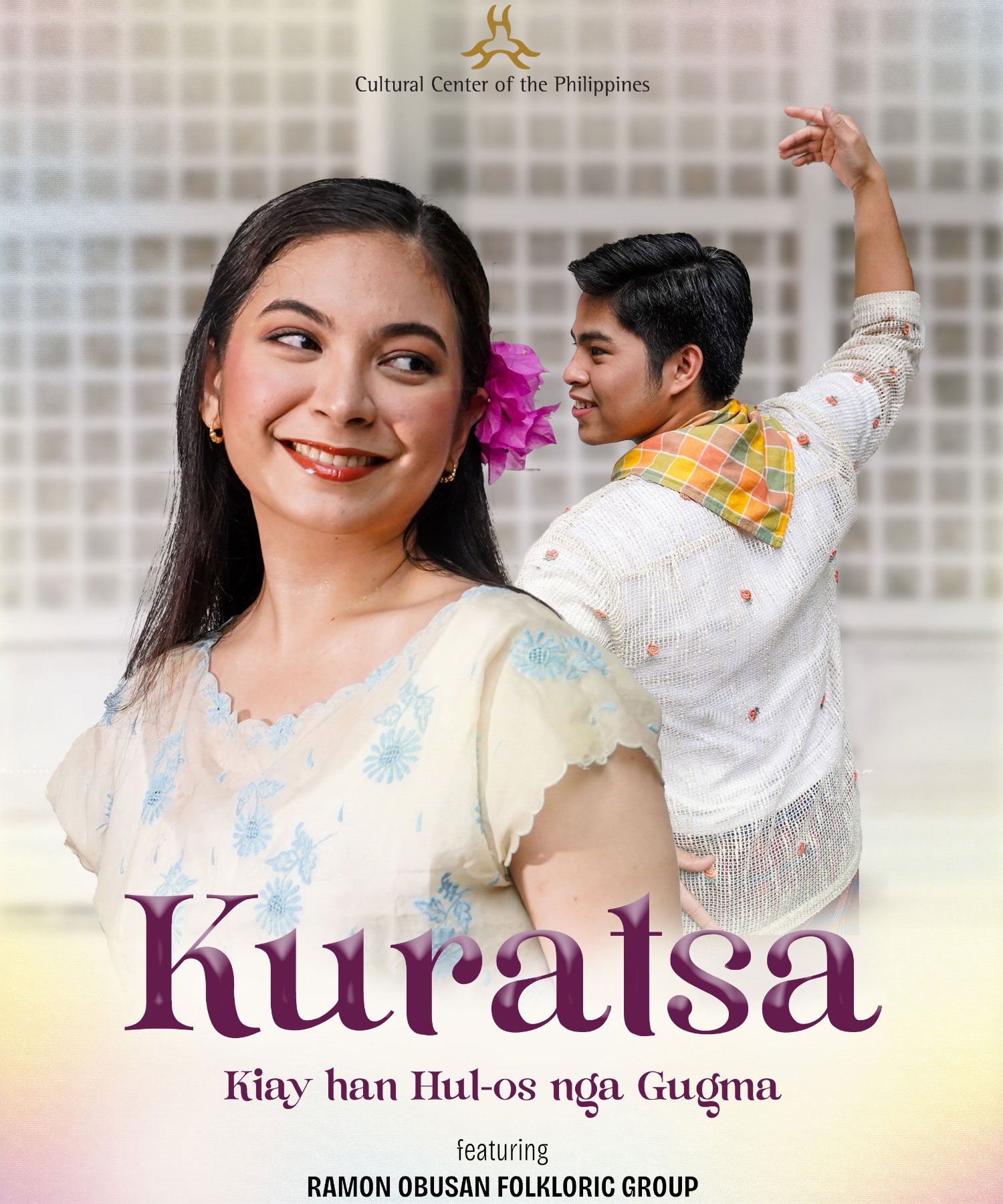
Kuratsa: Ki-ay han Hulos na Gugma
Through the work of the Ramon Obusan Folkloric Group, Kuratsa: Ki-ay han Hulos na Gugma lays love bare, yet its intimacies are always measured under communal eyes.
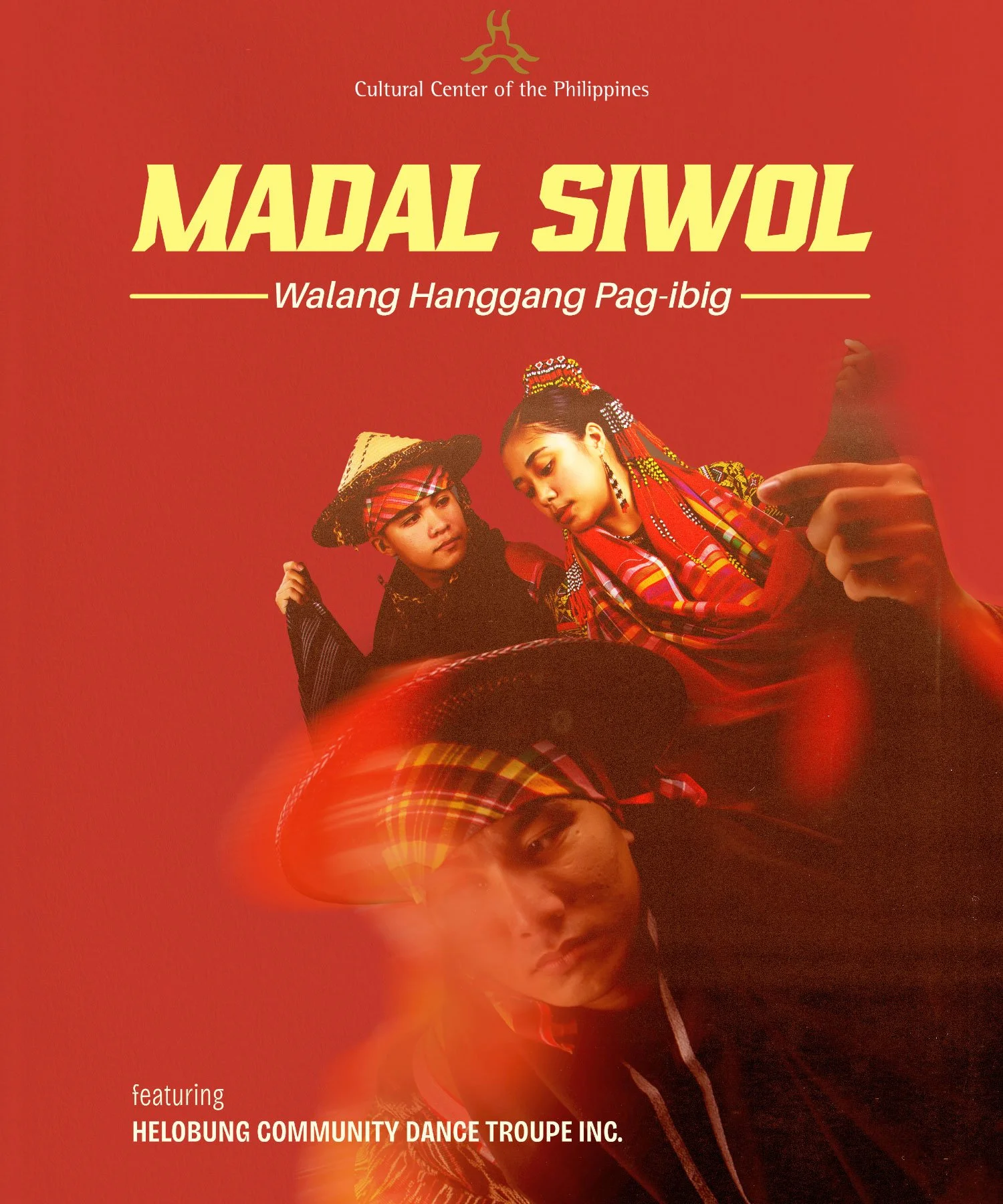
Madal Siwol: Walang Hanggang Pag-ibig
The Helobung Community Dance Troupe Inc. brings Madal Siwol: Walang Hanggang Pag-ibig to life, uniting T’boli ancestral vows with a tragic love story. S’lel and La Muhin’s journey evades sentimentality, ending with a heart carved as a symbol of endurance beyond the bounds of place, in weal and woe.
Together, these works resist definition, refusing tidy boundaries. Womanhood flows through them—continuous, layered, and uncontainable.
CCP Channel offers access to this constellation of stories for Php 99 a month or Php 599 annually at ccpchannel.culturalcenter.gov.ph.