Queerness and the Radical Pride that Shaped MoCAF 2025
From drag discourse to gender-fluid fashion and artist-run spaces, MoCAF 2025 proved that queerness in Philippine contemporary art is no longer confined to representation—it has become part of the festival’s very language of pride, community, and creative freedom.
Words Randolf Maala-Resueño
Photos courtesy of MoCAF Manila
June 10, 2026
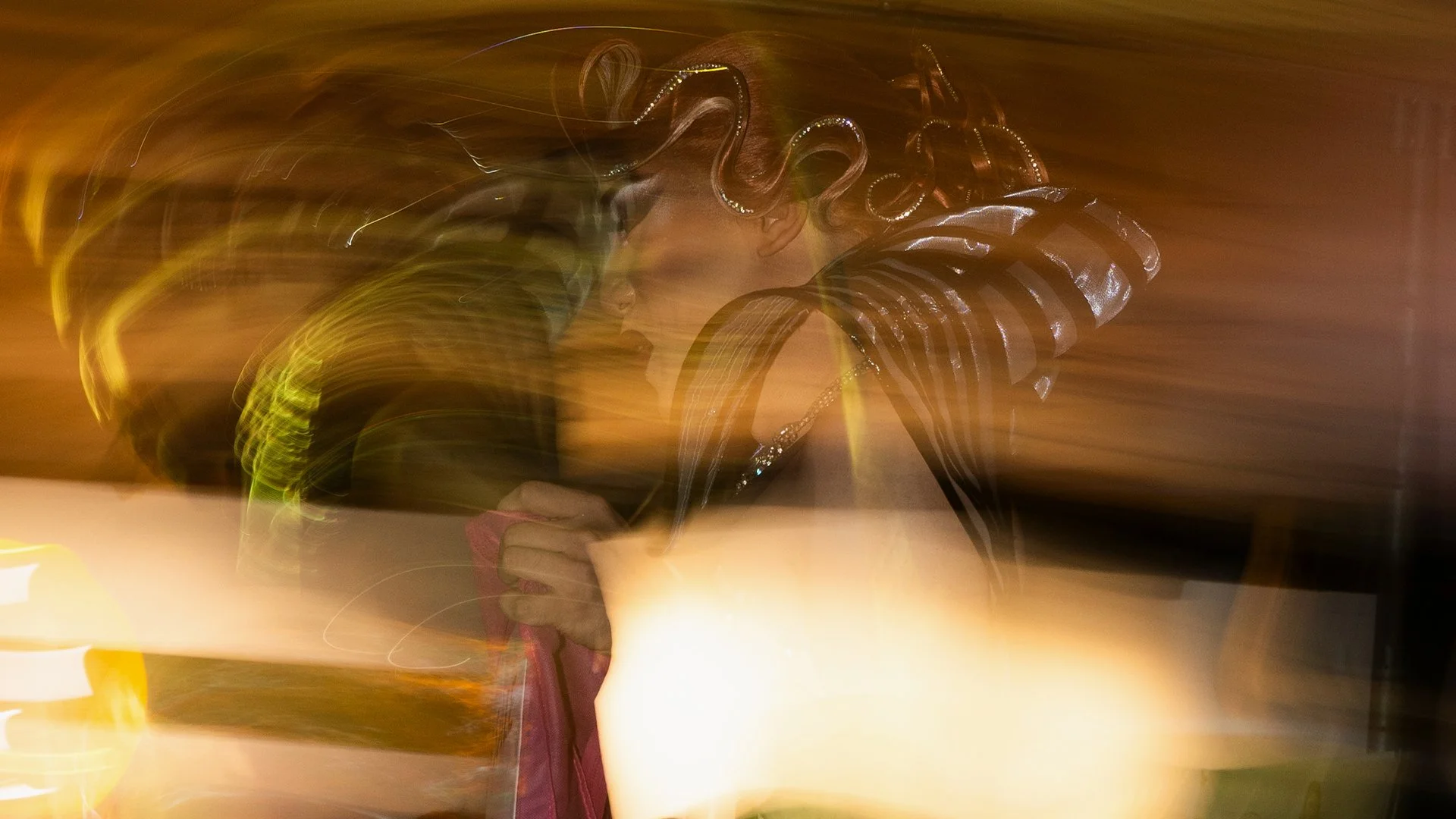
During last year’s MoCAF (Modern and Contemporary Art Festival) stint, queerness did not exist in isolation.
It lived in the seams of clothing racks, the warmth of artisan booths, the irreverence of risograph prints, the softness of community spaces, and the laughter that filled MoCAF Dialogues during drag artist Tita Baby’s talk, The Art of Cariño Brutal, with a special day-ender from Lumina Klum.
For a festival that consistently champions accessibility and inclusivity, MoCAF 2025 quietly became one of the most affirming cultural spaces for queer creativity in the country.
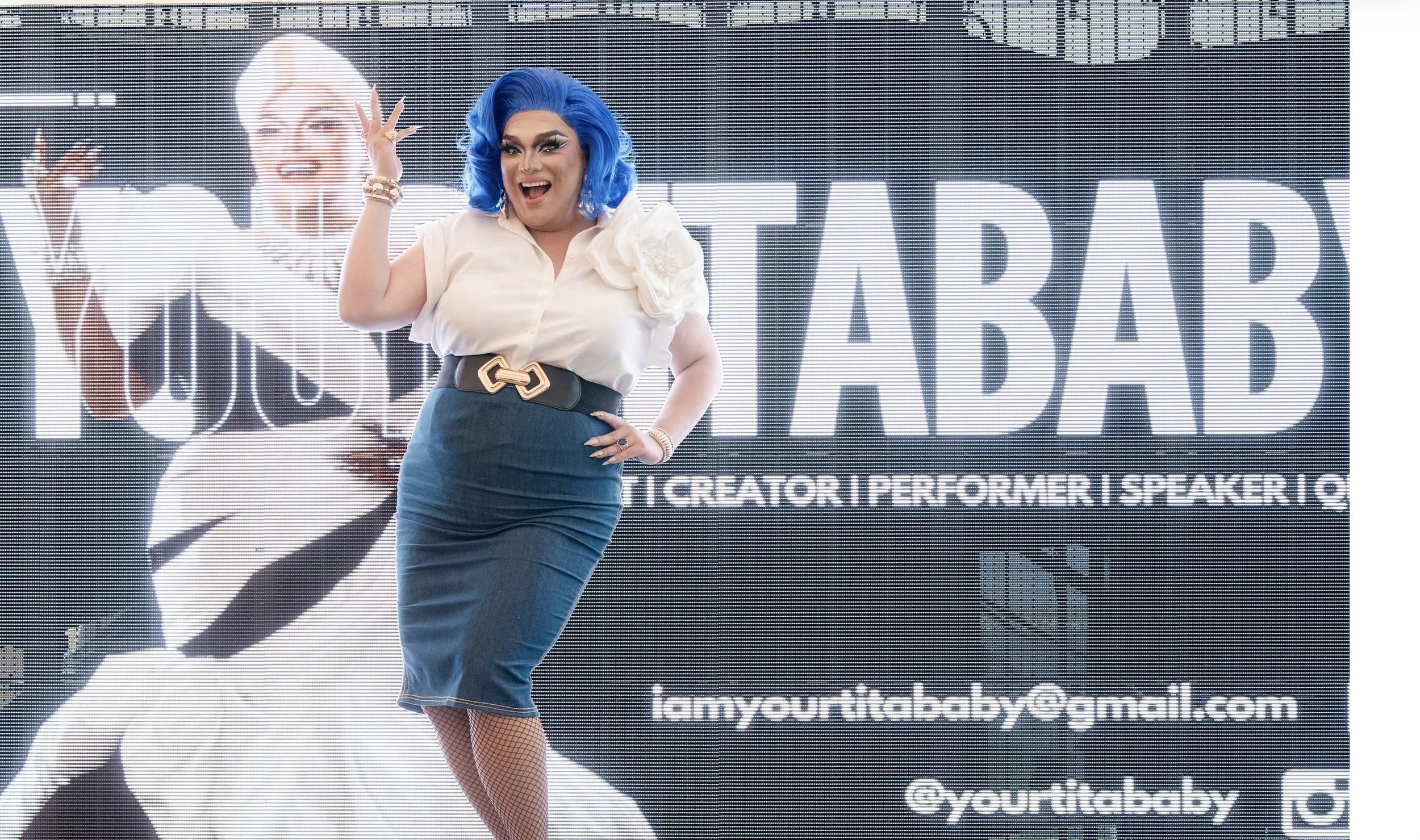
The Art of Cariño Brutal by Tita Baby
What made the experience especially powerful was that Pride was not treated as seasonal decoration or token representation. Instead, queer identity permeated the festival’s ecosystem itself.
The clearest example emerged through MoCAF Dialogues, where Tita Baby reframed the Filipino concept of “cariño brutal” into a language of queer survival.
Equal parts tenderness and confrontation, humor and vulnerability, the discussion explored how Filipino queer communities have long used wit, camp, and performance as emotional armor.
In the context of an art fair, drag became its own cultural theory.
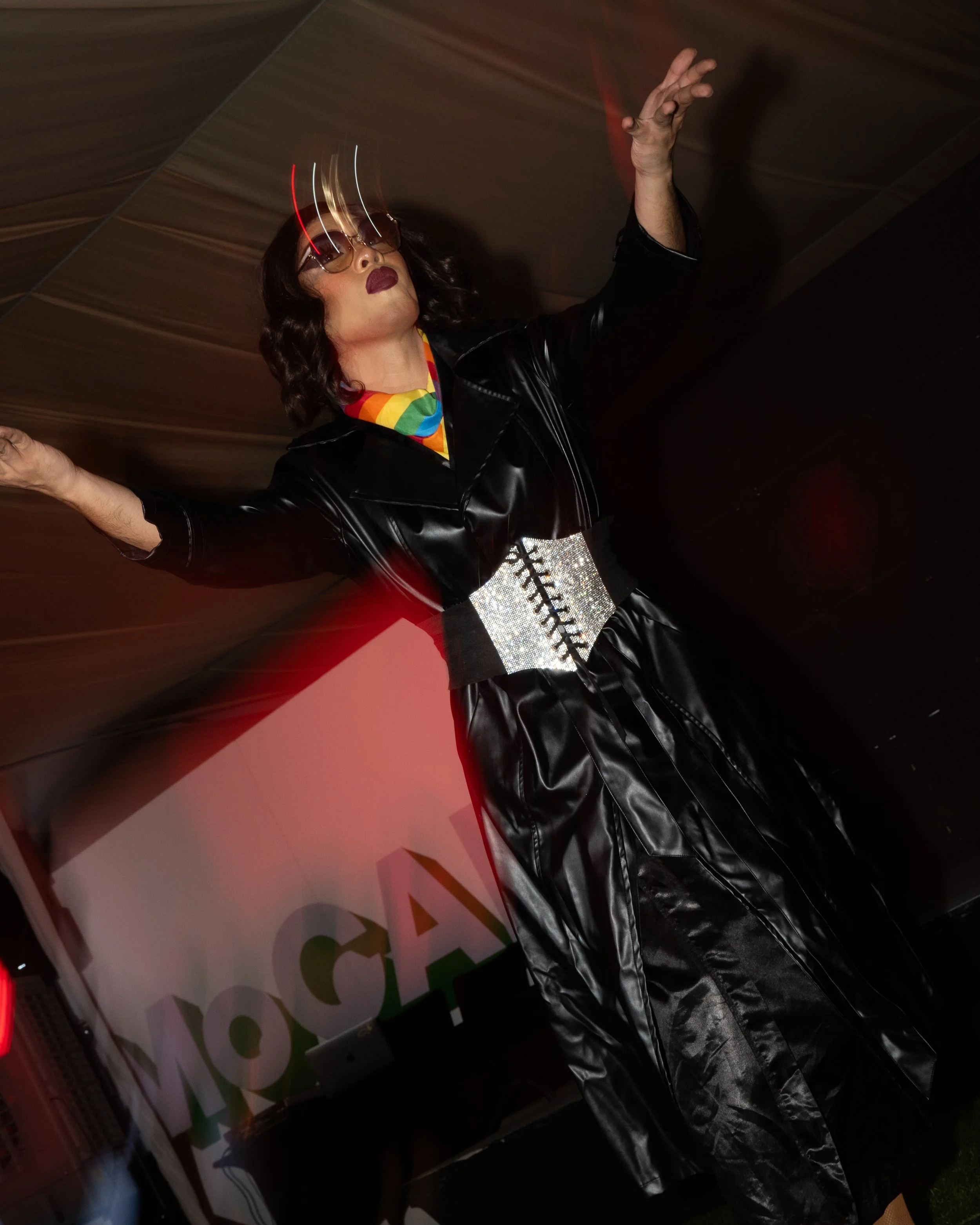
Drag Artist Lumina Klum
That same spirit extended across the festival floor. Queer-owned and queer-affirming brands like Milkwear, and Space Encounters Gallery transformed fashion and design into forms of self-authorship.
Milkwear founder Carlo Chu emphasized storytelling and visibility as essential acts of community-building, proving that garments can carry narratives as much as aesthetics.
Elsewhere, galleries like Vinyl on Vinyl and VeryGood Gallery expanded the visual language of queerness through play, experimentation, and emotional openness.
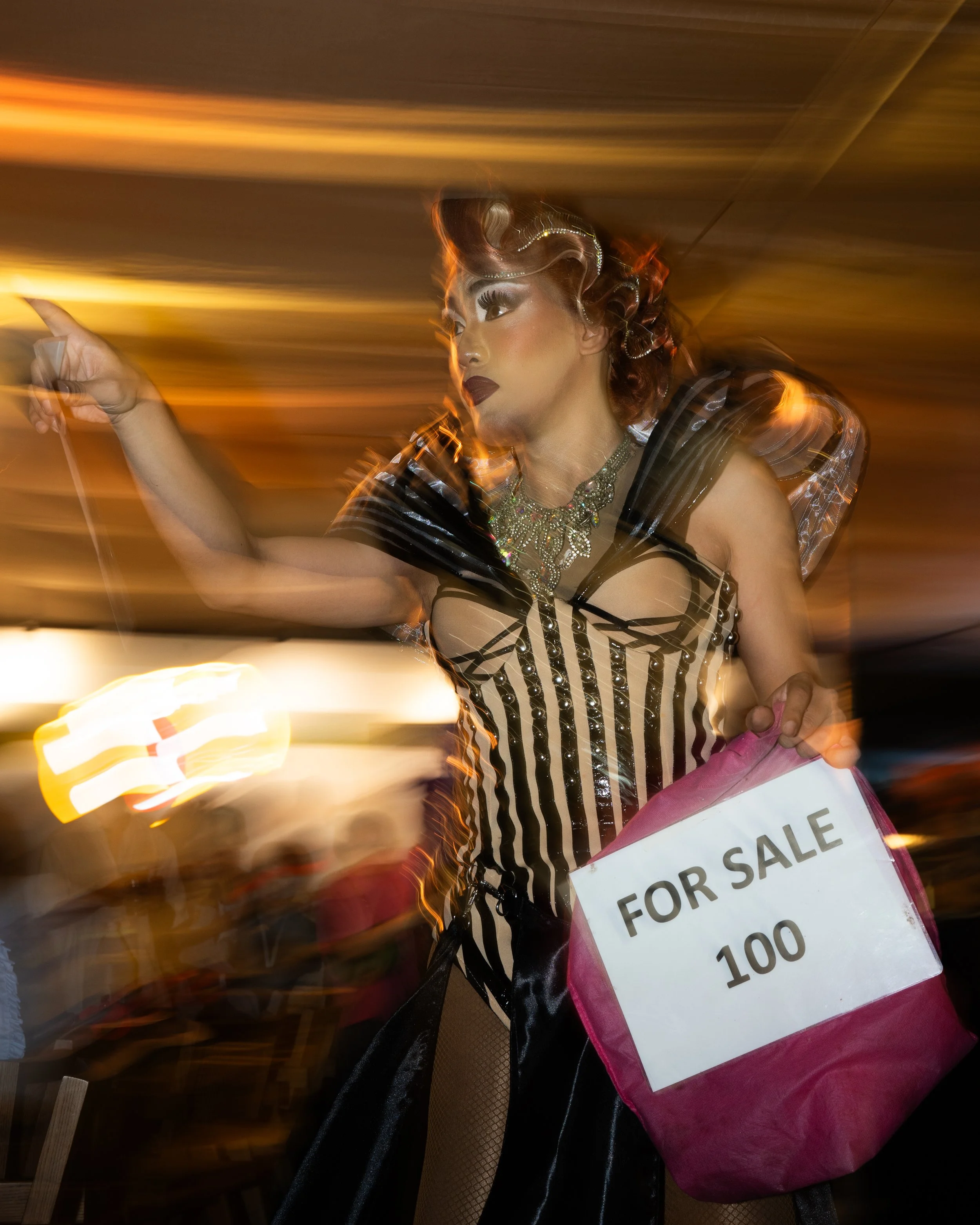
Drag Artist Lumina Klum
Their booths challenged traditional notions of “serious” art by embracing illustration, character culture, immersive installations, and internet-age visuality.
Even MoCAF’s broader structure reflected queer values of collaboration and chosen community.
Through initiatives like MoCAF Discoveries and MoCAF XTN and its growing network of artisans, workshops, and independent creatives, the festival dismantled the intimidating exclusivity often associated with traditional art fairs.
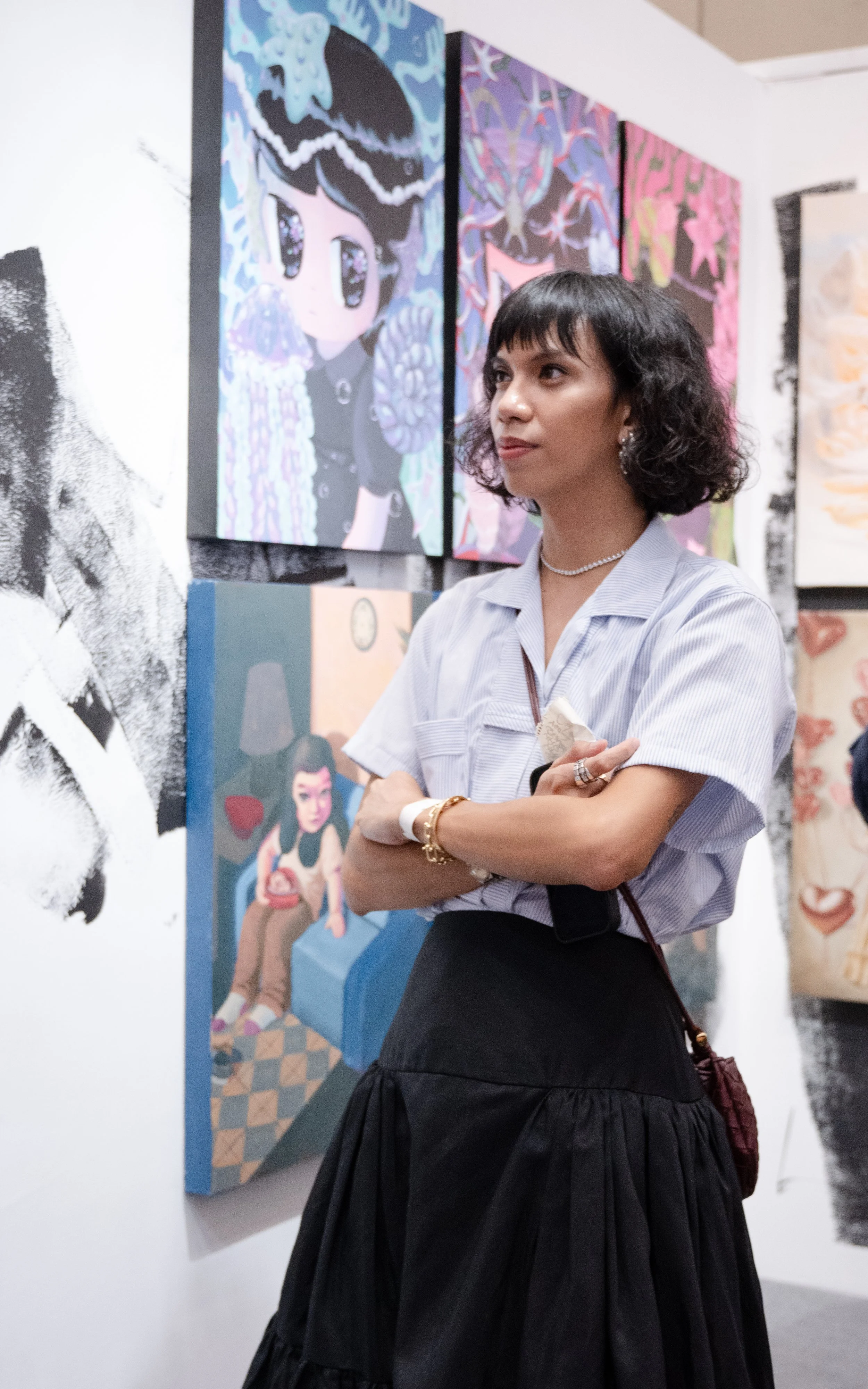
Guest Mimiyuuuh
In many ways, MoCAF 2025 demonstrated that queerness magnifies identity represented in contemporary art, all the while being a methodology for building spaces rooted in empathy, experimentation, and collective becoming.
As Pride Month 2026 calls upon us to celebrate communities that continue to shape culture with courage and care, MoCAF stands as proof that contemporary Philippine art is at its strongest when it allows more voices, aesthetics, and identities to take up space.
That conversation continues in MoCAF’s 5th run—in its biggest and most dynamic yet—returning on July 3 to 5, 2026 at Marquis Events Place in Bonifacio Global City, promising another gathering where art, community, and inclusivity converge.