Mother Mary Reveals a Relatable Take on Devotion for Filipino Artists
A story of devotion, where creative bonds linger through faith, memory, and loss.
Words Chlarine Gianan
Photos courtesy of A24
April 23, 2026
Note: This review contains a few spoilers.
“This is not a ghost story. This is not a love story.”
Right off the bat, the trailer already warns you about what not to expect from Mother Mary. While the film claims to be neither of the two, it is definitely a story of devotion that haunts you—the kind that only a ghost and some type of love can.
In David Lowery’s latest psychological drama-thriller, Anne Hathaway and Michaela Coel play two artists connected by the tangled threads of their estranged friendship. In the process of weaving through their unresolved feelings towards each other, they begin to understand how one’s own passion can connect you with others as much as it can do the opposite.
As the movie premieres in Philippine theaters, Mother Mary is worth a watch for more than the curious thriller enjoyers, A24 followers, and Anne Hathaway fans. This is a tale that also explores the ways passion manifests in our lives as Filipinos. Because if there’s anyone who can empathize with shedding blood, sweat, and tears for doing things out of dire desire, it’s definitely us.
Fashioning a Total Performance
When we’re talking about the identity of Filipino artists such as BINI and Regine Velasquez, the conversation doesn’t just stop with their music nor their dance moves. Fashion and beauty are part and parcel of a performance that gets you into your alter ego as an artist. Think Vice Ganda donning different wigs of varying color and style—from her Jose Marie Viceral core, she transforms into her popular public persona once she is all made up.
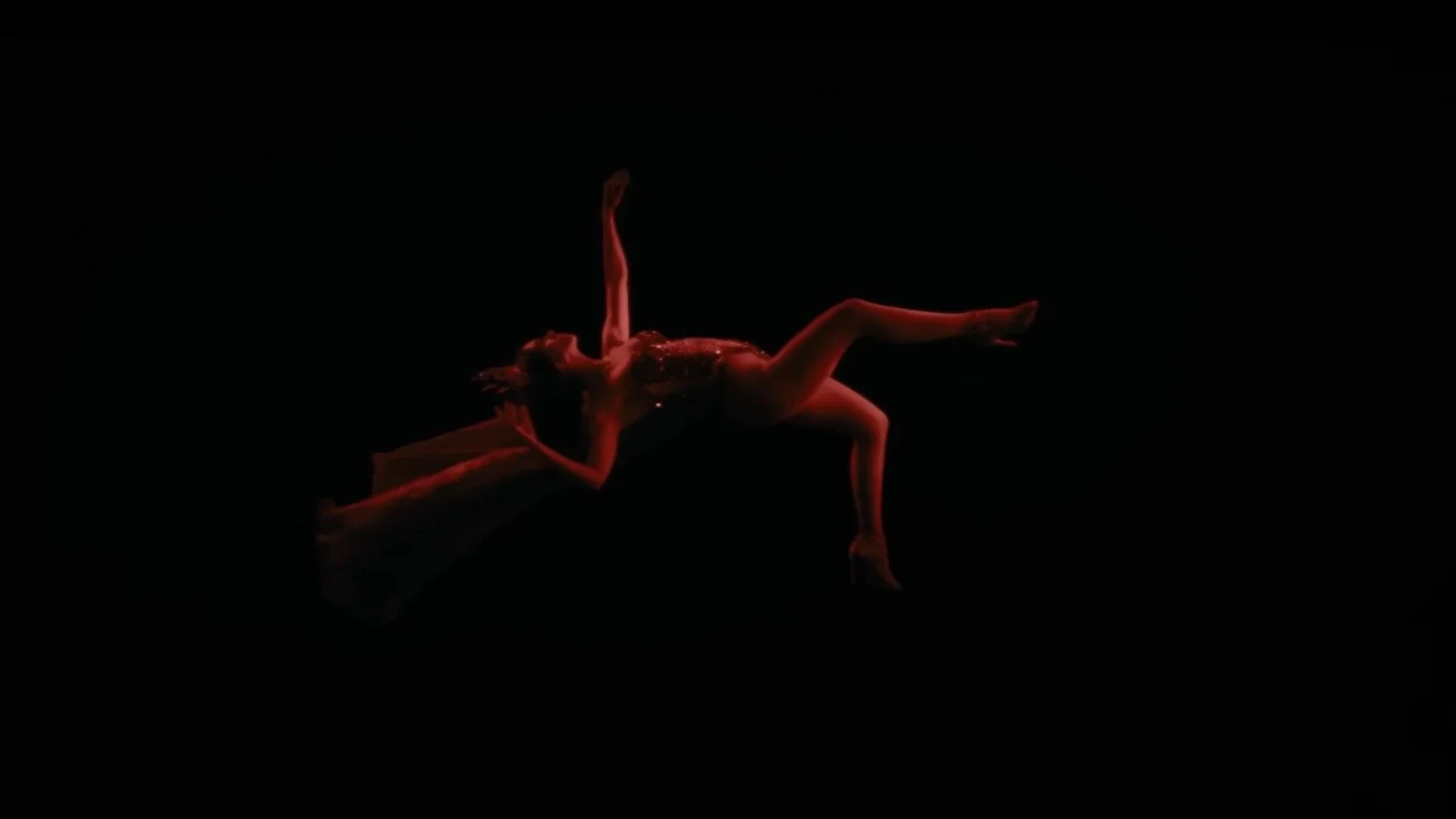
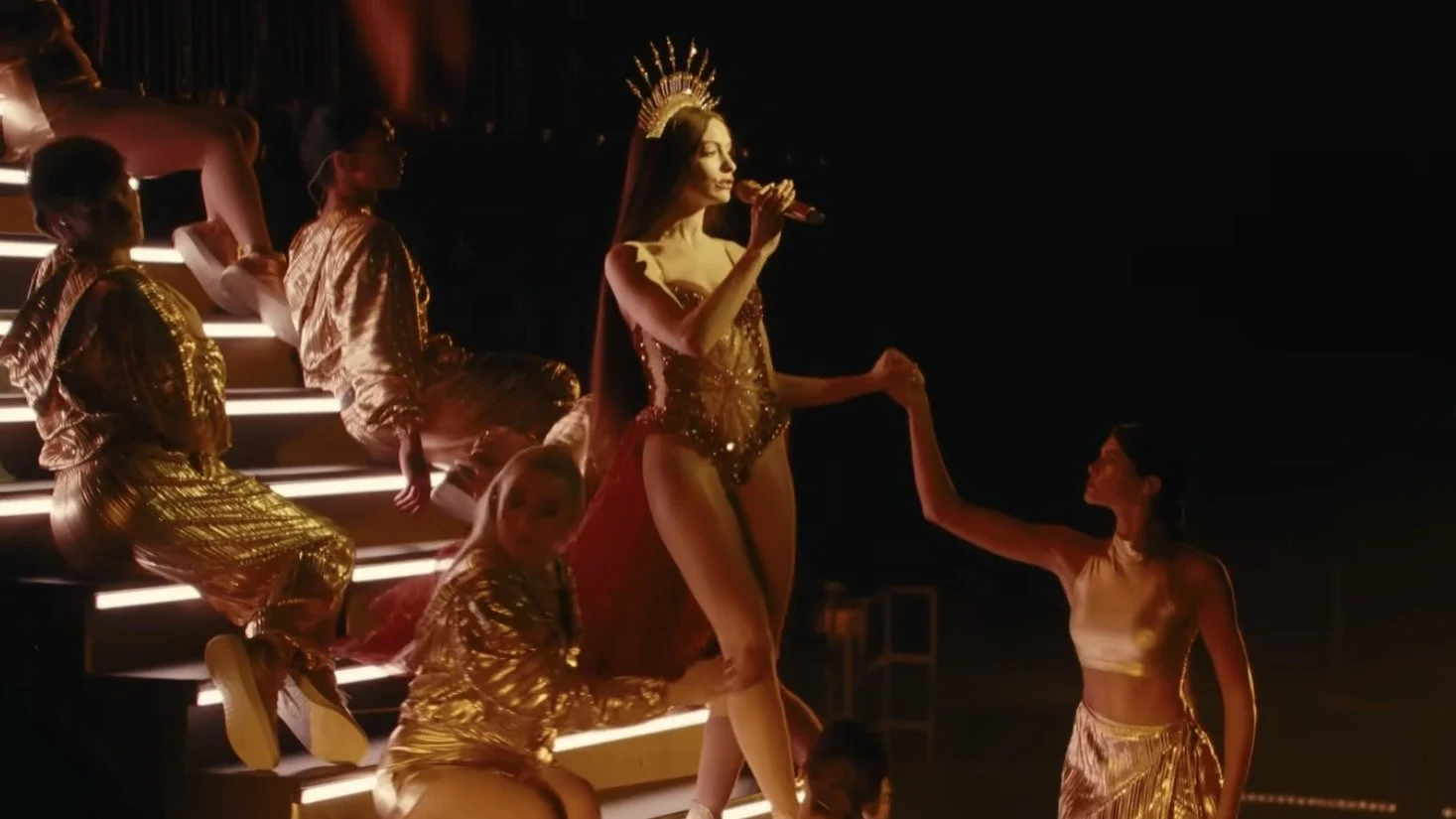
And if the Nation’s Girl Group has the likes of Marian Zara, and Asia’s Songbird with her go-to designers Cary Santiago and Neric Beltran, then Mother Mary (Anne Hathaway) had Sam Anselm (Michaela Coel). In one riveting scene, the designer wanted to see Mother Mary’s choreography before sketching and chose the fabrics of the new dress she’s supposed to make.
Once artists come out of stage, they are not only carrying their own dedication to their craft. They are vessels of their fellow artists’ work, becoming not just the muse but the medium and the message, too.
Bringing Faith in the Picture
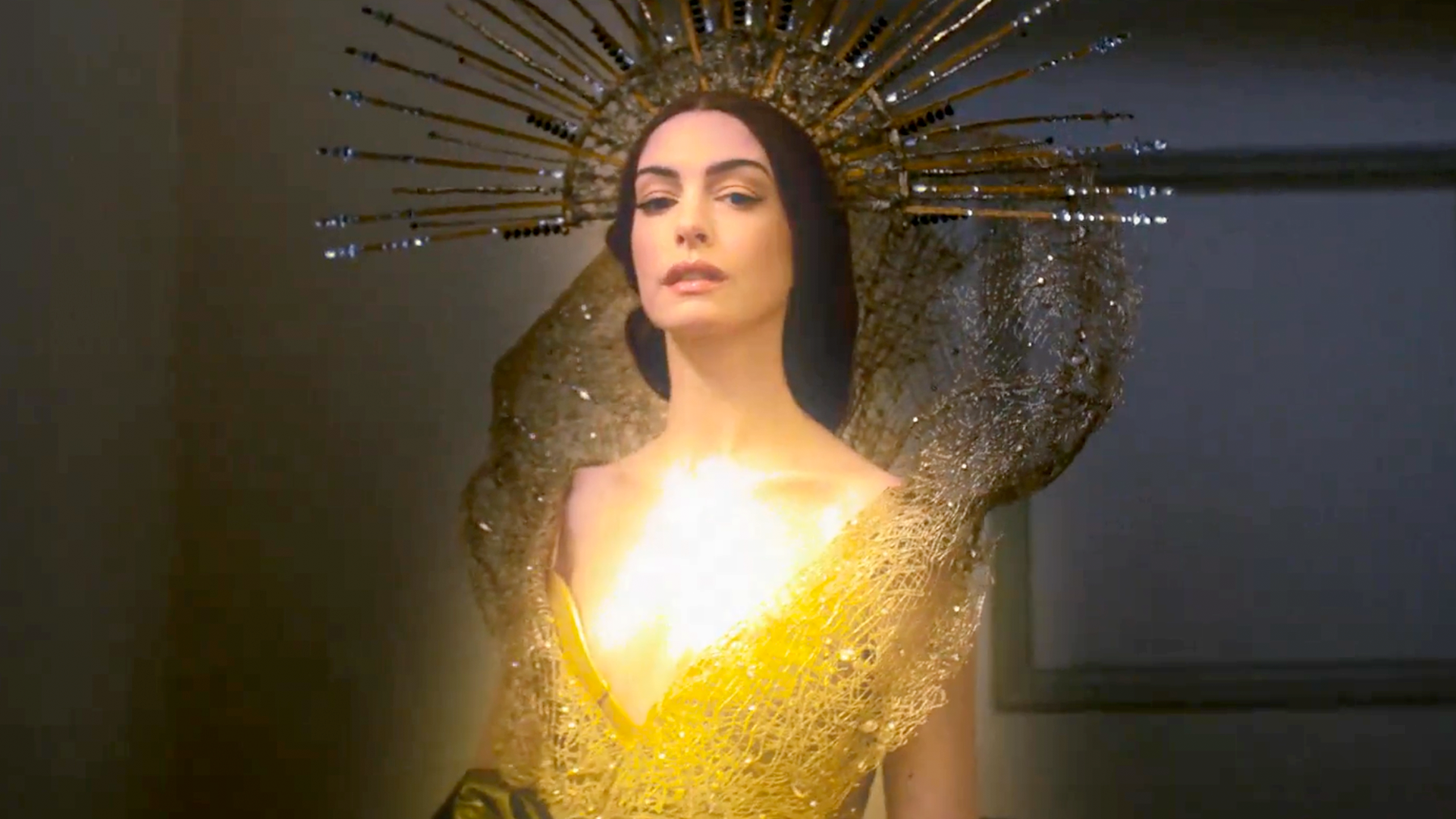
Just by its title alone, Mother Mary already gives us a glimpse of its references to Catholicism—one of the most dominant religions in the country. In the popstar character’s style, her ever-present headdresses seemed to have been inspired by Mary’s, Mother of Jesus, haloed images.
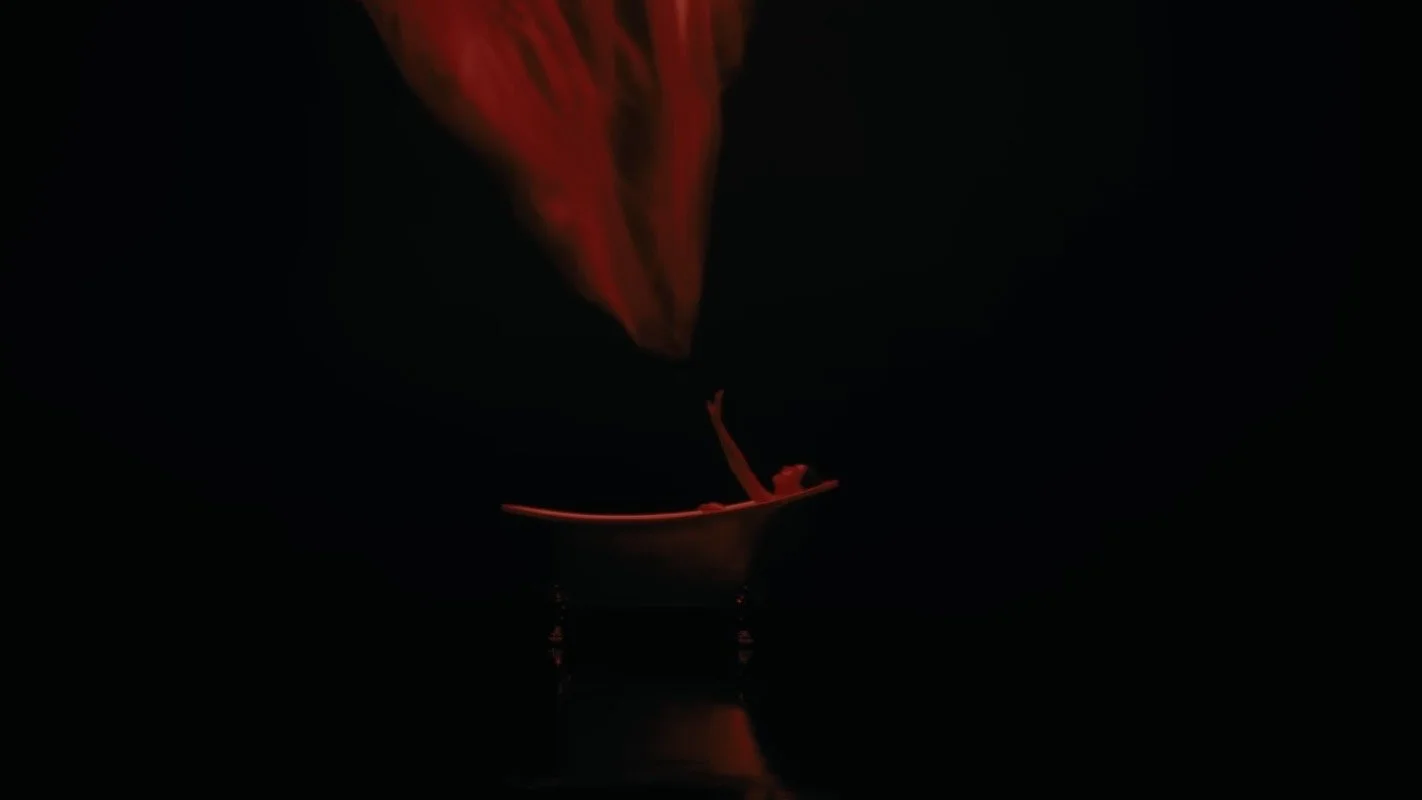
A few more symbolisms give the Catholic homage away, such as wine turning into blood, a halo of “thorns” and even the numbers 7, 9, and 22 which, in the Bible, were related to passages on exorcism. In the film’s friendship exorcism scene, which can only be described as cathartic and freeing for both characters and the audience, the piercing of Sam and Mother Mary’s hands feels both like a blood compact and a take on stigmata, too.
Filipino religion, which Catholicism plays a huge part in, has always inspired creatives to adapt and interpret their personal relationship to faith and share it with their audience. When we see these reminders of Christianity in art, our appreciation for the film exceeds understanding but reaches familiarity, too. And in a way, we tend to appreciate stories like Mother Mary more, too.
Wearing Utang na Loob on Our Sleeve
The concept of acknowledging and repaying kindness may seem such a universal concept of being good, but Filipinos call it in such a way that it becomes etched deeply within our being—utang na loob or “debt of the inner soul.”
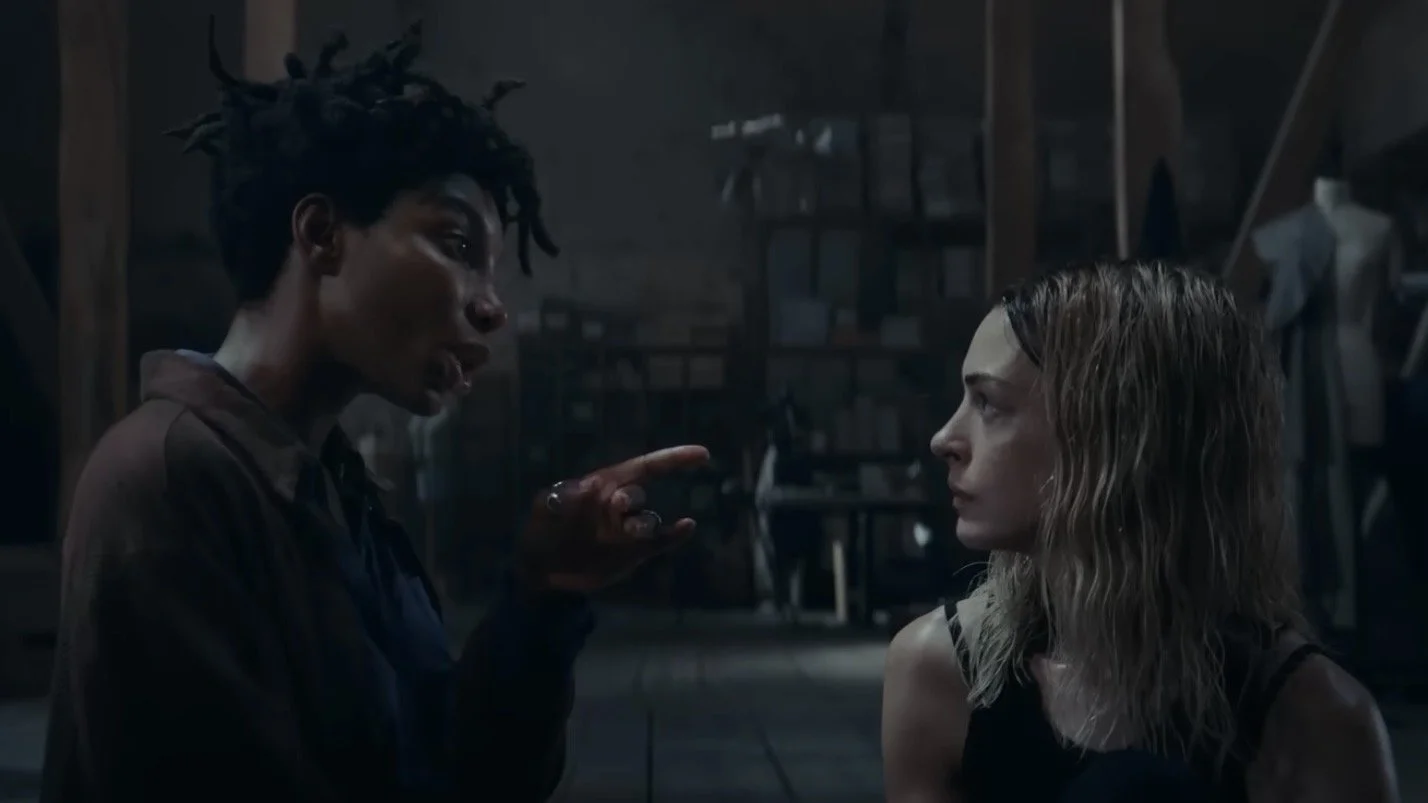
Delving into the estranged friendship of Mother Mary and Sam, theirs is a story that indeed captures utang na loob quite literally. As the film wraps up, the audience begins to comprehend the meaning of the red fabric, which is comparable to the red string of faith. It serves as the bond that haunts both characters throughout the time that they had spent apart.
In one way or another, we have felt this familiar feeling of owing another person. It’s true that it builds a connection and forms a community. This is shown in the movie when Mother Mary and Sam’s journey as muse and maker, respectively, were immortalized in a story for Vogue and the former’s concert looks.
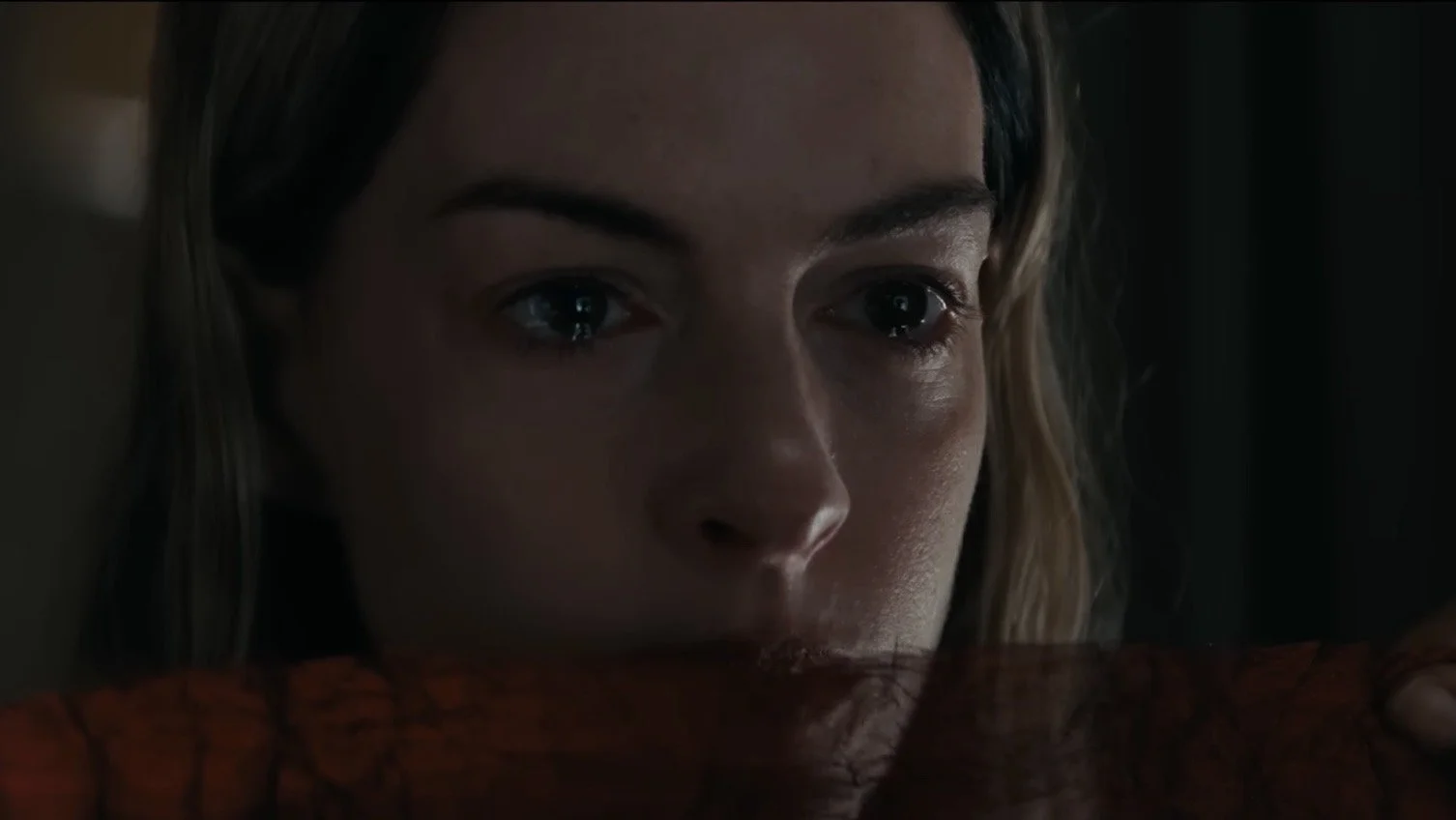
But the tricky thing about utang na loob is figuring out how much we owe and until when we are paying for this intangible debt. How much of an actor’s life should be lived by the terms and standards of their fans? Can creatives feel free to air their concerns and grievances even towards abusive publications that have given them exposure or platform for their artistry? When an artist starts growing, how can she reconcile the changes within her—one that may or may not be aligned with the people she has once shared a part of her life with; say a group, her team, or even her supporters?
Collaborators in the creative artistry are truly no strangers to defining and drawing this line. But in a relationship such as Mother Mary and Sam in the story, perhaps the first step to settling this so-called debt is acknowledging and addressing each other’s side. “You went somewhere I couldn’t follow,” Sam said to Mother Mary in one of their conversations.
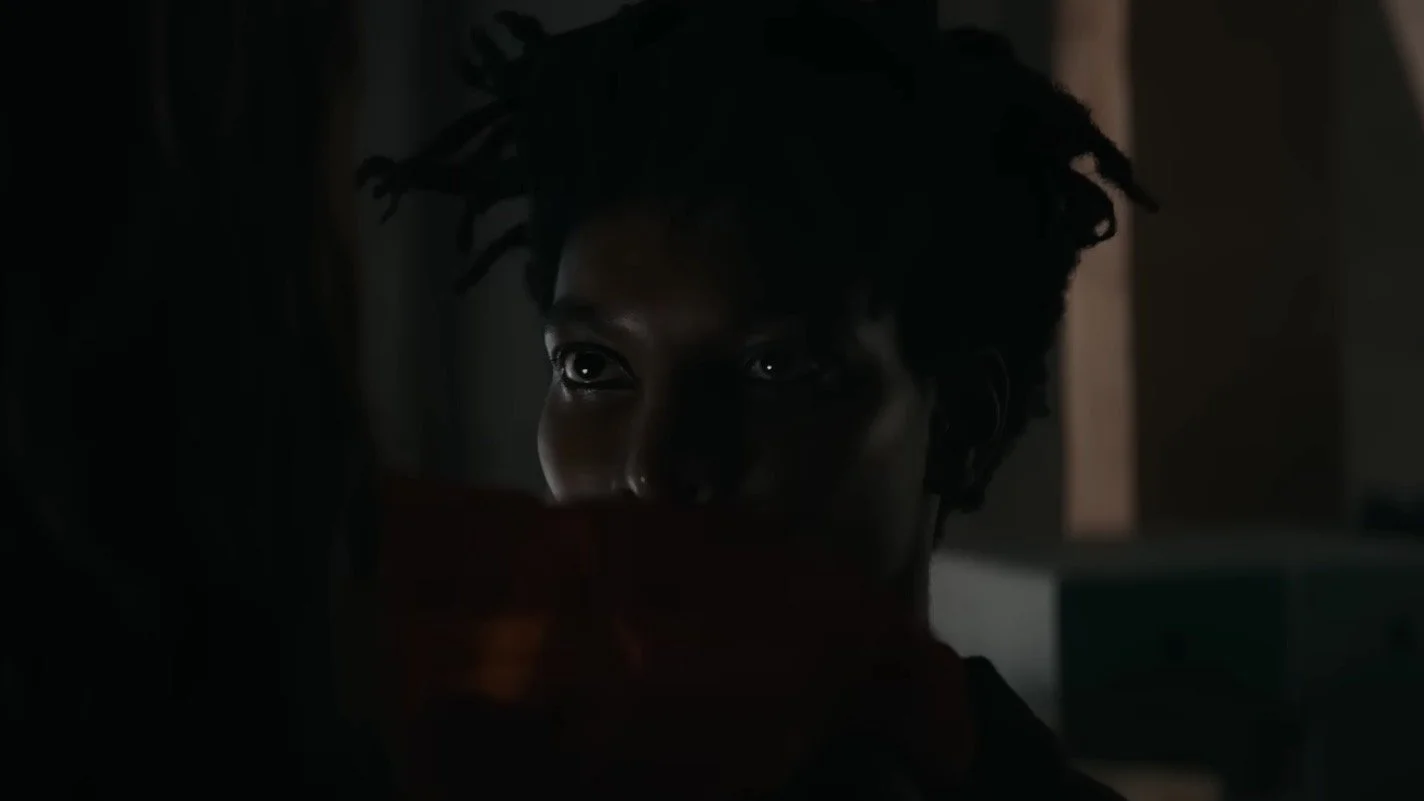
Only then could both find true peace. And if for old times sake this bond is worth rekindling once again, it results in a beautiful creation. To some bands or actors, it’s a reunion project. For the protagonist of the film, it was a beautiful red dress.
Definitely, this is not a ghost story. There are no ghosts—just ghosts of pain, misunderstandings, and regret.