
May The Force Be With The Galaxy's Favorite Foundling
A glorified side quest powered almost entirely by Pedro Pascal’s exhausted sighs and Grogu committing adorable acts of terrorism.
Words Bernadette Soriano
Photos courtesy of IMDb
June 09, 2026
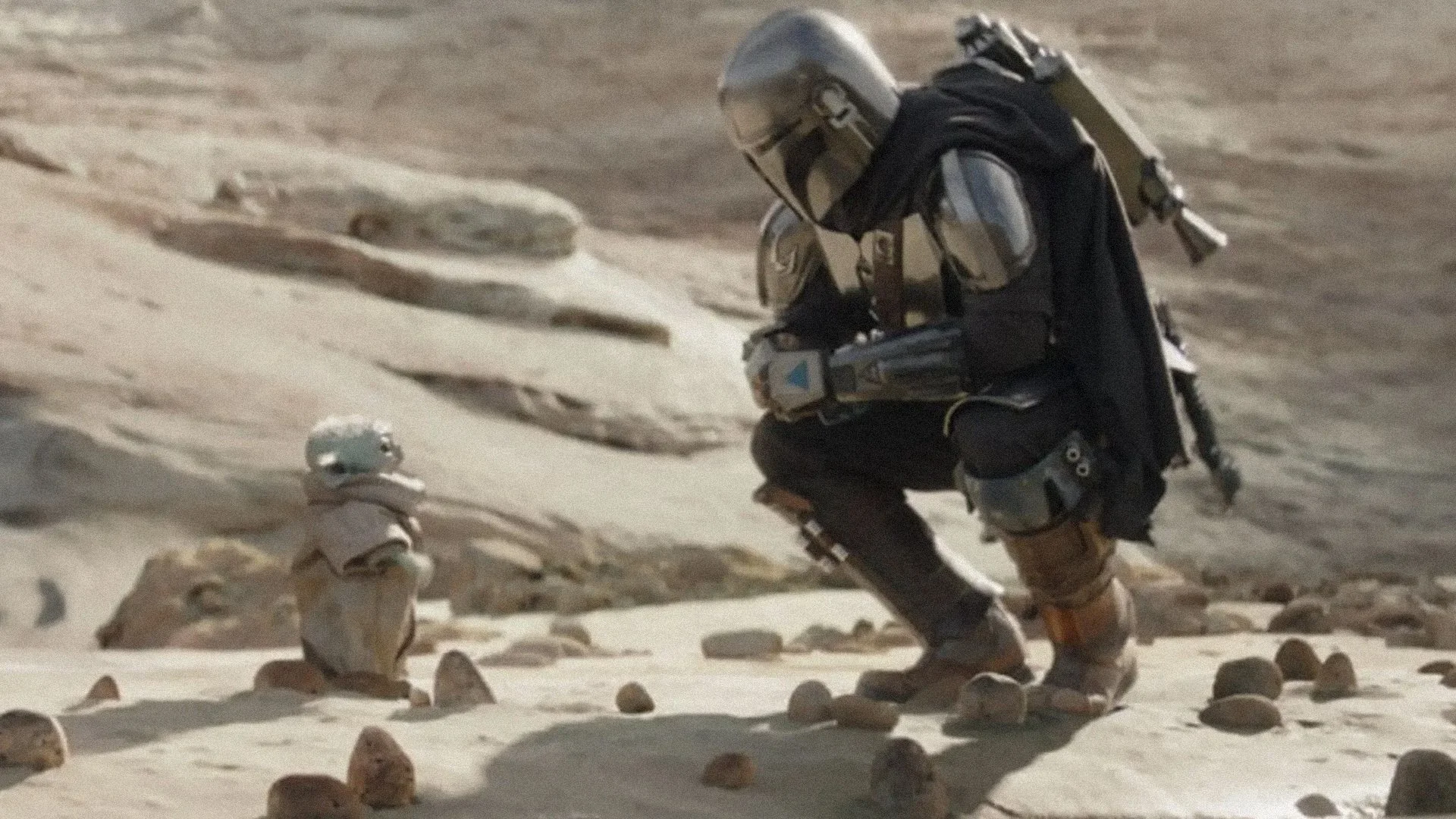
Somewhere along the way, Star Wars stopped behaving like a film franchise and started functioning like a family argument that accidentally acquired a merchandising empire.
Every new release now arrives carrying several impossible assignments at once: heal fandom divisions, justify Disney+, resurrect theatrical spectacle, preserve nostalgia, introduce fresh mythology, avoid upsetting Reddit, sell toys, and somehow still remain “cinema.”
So perhaps the strangest thing about The Mandalorian and Grogu is that it sidesteps all those expectations by simply shrugging at them.
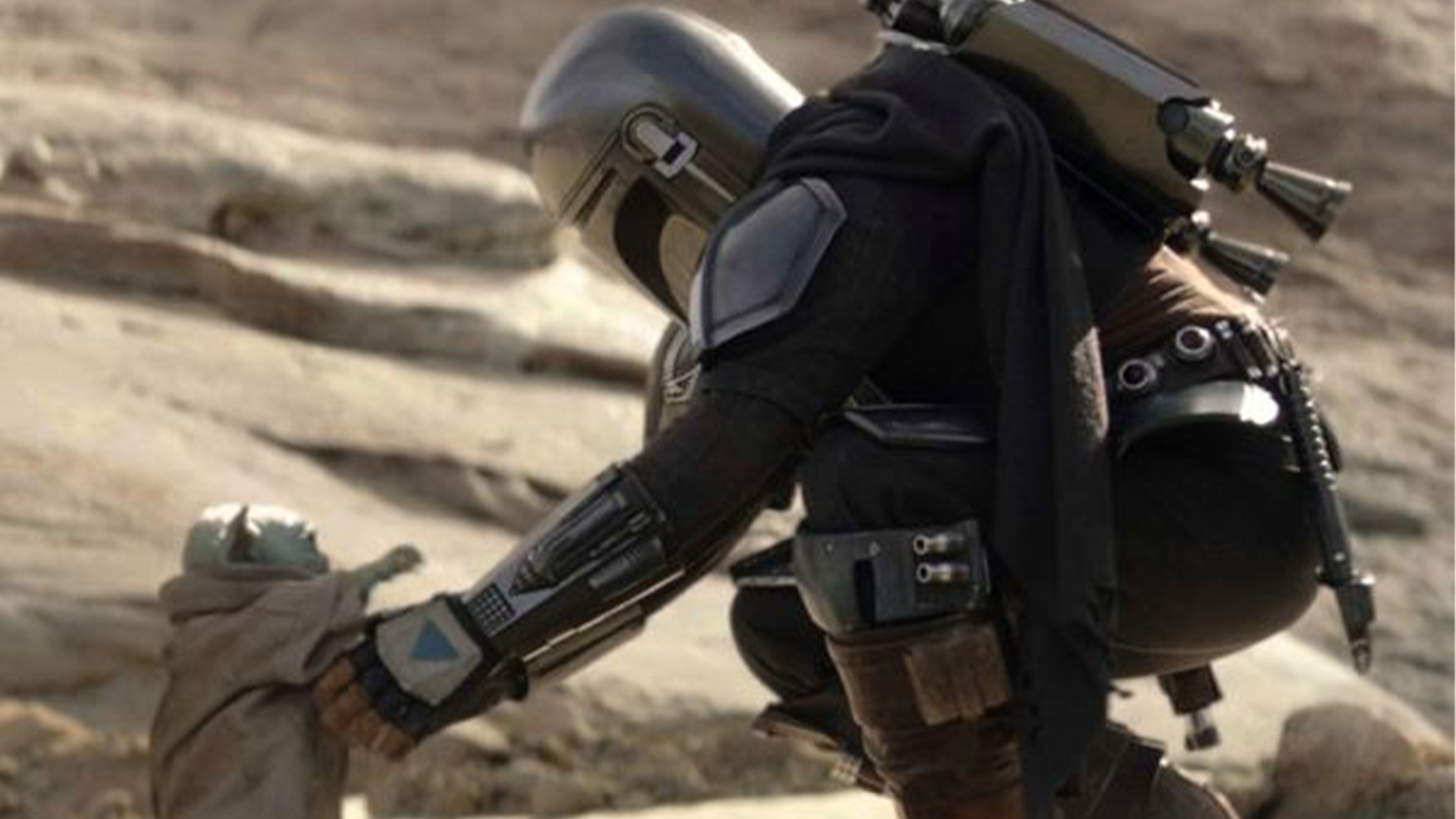
Jon Favreau’s long-awaited return to the galaxy far, far away is a far humbler affair than the operatic heaviness of Andor or the mythic grandiosity of the original trilogy: a space-western roadtrip starring an emotionally constipated father and his telekinetic goblin son. And honestly? For large stretches, it works, buoyed by enough ragged charm, lived-in warmth, and chaotic Grogu energy to keep the enterprise airborne, because narratively speaking, this thing runs almost entirely on vibes.
Space Dad Finally Learns He is, Unfortunately, a Space Dad
The film picks up after Season 3 of The Mandalorian, with Din Djarin now operating as a contractor for the New Republic while formally raising Grogu, whose primary hobbies continue to include Force-assisted vandalism and behaving like a toddler moments away from licking electrical outlets.
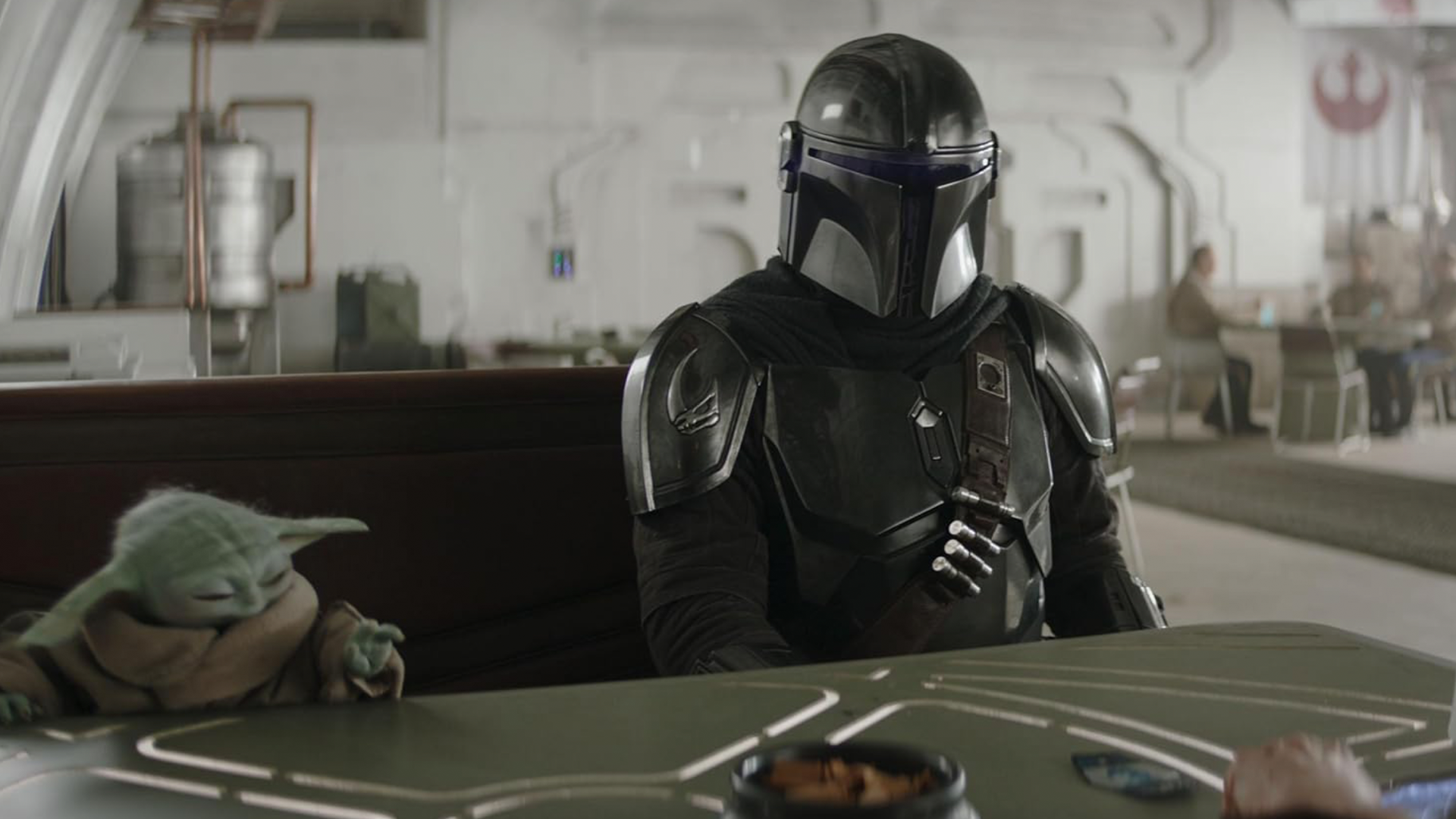
Pedro Pascal, still spending half his screentime hidden behind enough beskar steel to survive a kitchen appliance explosion, somehow continues making Din emotionally compelling through posture alone.
The man has mastered the art of exhausted sigh-acting. One shoulder slump from him now communicates the entire psychological burden of reluctant fatherhood.
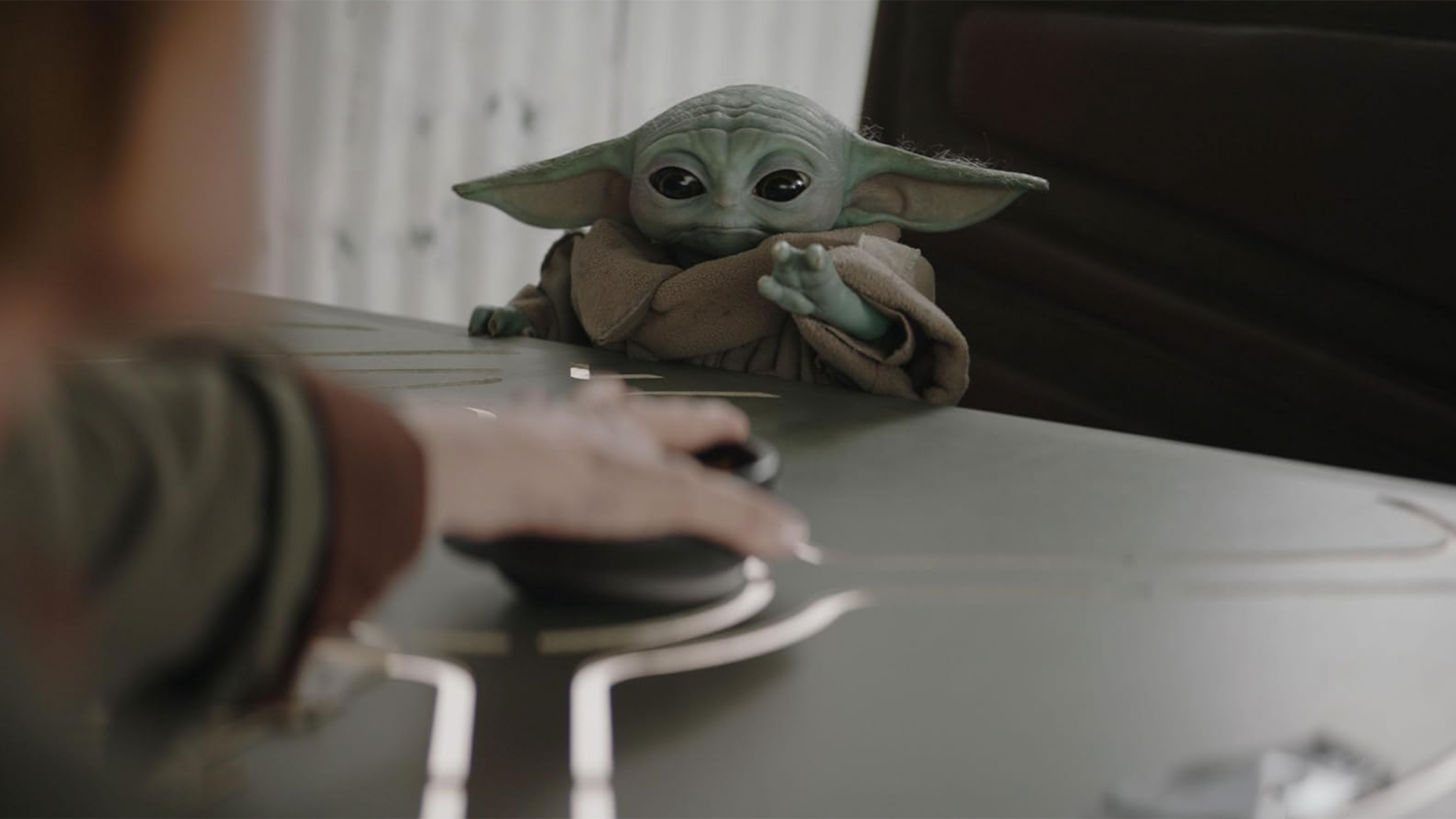
Grogu, meanwhile, graduates from adorable mascot into the film’s actual emotional engine.
The groundwork for that shift has been quietly building ever since Luke Skywalker asked him to choose between the lightsaber and returning to Din.
On paper, the moment resembles a familiar Jedi lesson about discipline and attachment. In practice, it increasingly plays like Luke taking one long look at this tiny green child, remembering how catastrophically under-parented Anakin Skywalker was, and deciding Grogu perhaps required a father more urgently than further instruction in mystical restraint.
Luke himself, after all, grew up with the relative emotional stability of Owen and Beru Lars before entering Jedi mentorship, which likely explains why Grogu choosing Din never feels framed as failure.
If anything, it recognizes that emotional grounding may do considerably more for a person than spending several decades suppressing every feeling in a remote stone temple, which is why the film’s emotional pull works as well as it does.
And this is both its greatest strength and one of its sneakiest weaknesses.
Because Grogu works spectacularly in short bursts. His tiny grunts, impulsive Force tricks, and aggressively chaotic decision-making remain deeply funny.
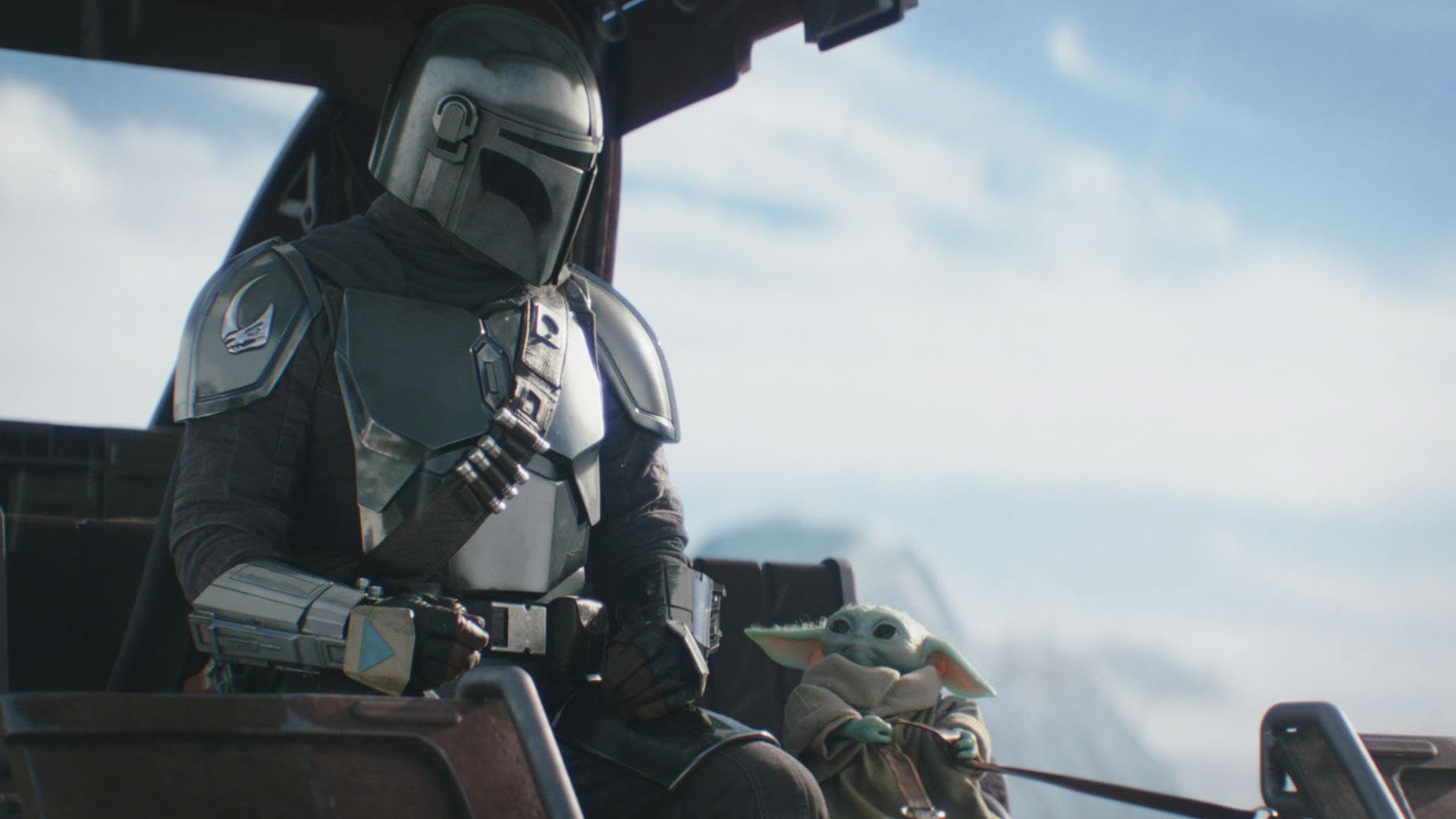
Entire sequences derive their momentum from the fact that everybody in the galaxy underestimates him until everything starts coming apart at the seams. The audience in the theater laughed every single time he behaved like a feral Victorian child accidentally gifted supernatural abilities.
Disney knows exactly what it is doing here, naturally. Grogu no longer feels like a character so much as intellectual property scientifically engineered in a laboratory beneath Disneyland. Somewhere, a marketing executive is probably calculating how many lunchboxes can emerge from one close-up reaction shot.
Yet even cynicism begins melting under the sheer effectiveness of the performance. Grogu’s appeal persists because the film wisely understands he cannot remain merely cute forever.
He now carries genuine narrative weight. Certain quieter scenes—especially moments where Din gradually realizes Grogu will not remain perpetually helpless—give the movie its surprisingly tender center.
Unfortunately, the screenplay occasionally mistakes affection for dramatic progression.
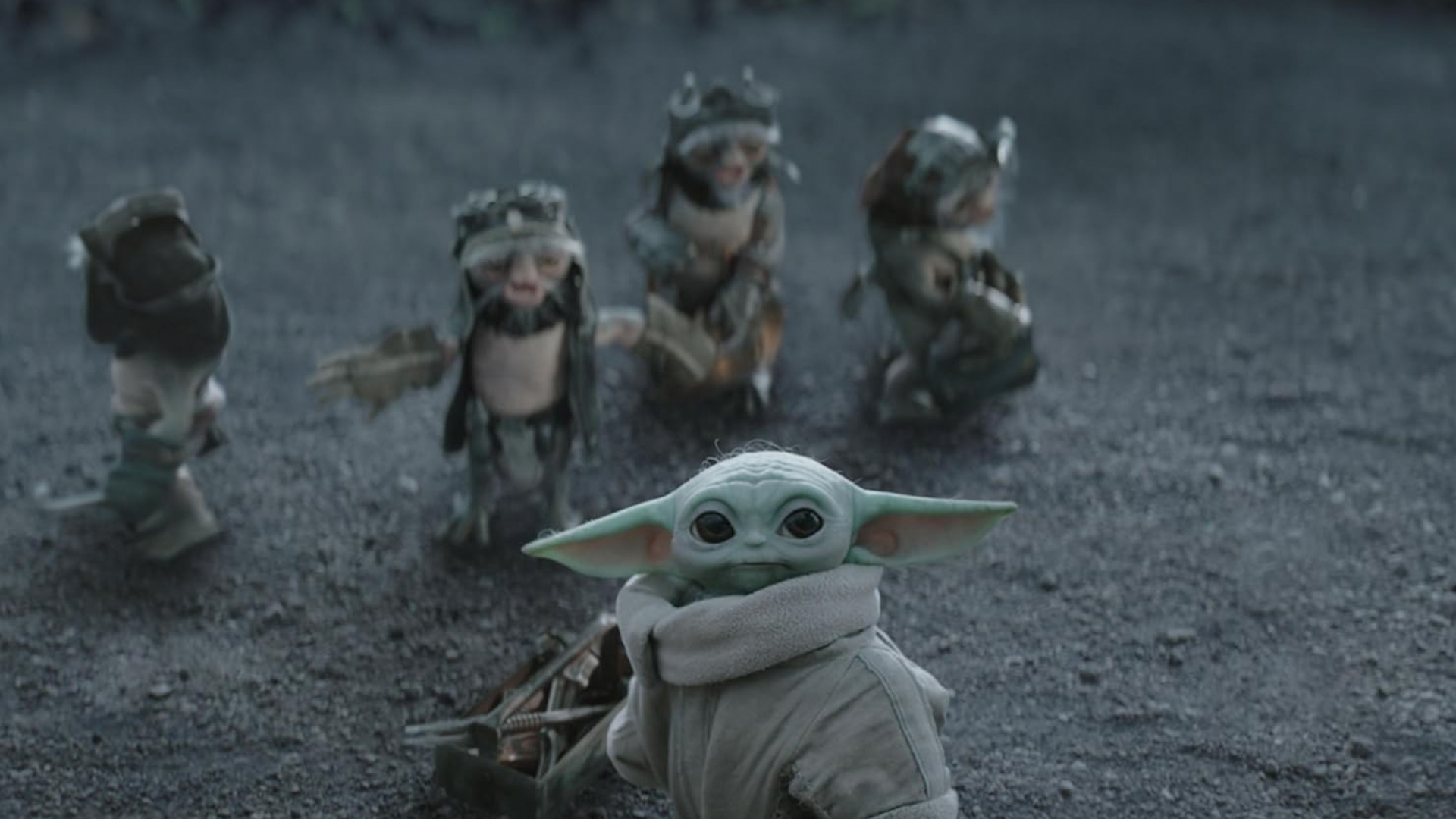
The stakes remain intentionally low-scale, which could have been refreshing had the film compensated with stronger emotional excavation. Instead, the story often coasts on familiarity. Din and Grogu travel somewhere dangerous. Side characters appear. A mission goes sideways. Grogu commits adorable crimes. Repeat until climax.
It is fun. Persistently fun, even. But somewhere beneath the spectacle lingers the nagging suspicion that Star Wars has become dangerously comfortable charting the same hyperspace lanes.
The Franchise Finally Escapes Lore Prison—Then Wanders Aimlessly Anyway
One genuinely admirable choice: the film aggressively resists drowning itself in continuity sludge.
After years of Disney+ entries that began to resemble interlocking homework assignments—each series politely raising its hand to remind you that it once met a character from another show in passing—The Mandalorian and Grogu finally exhales.
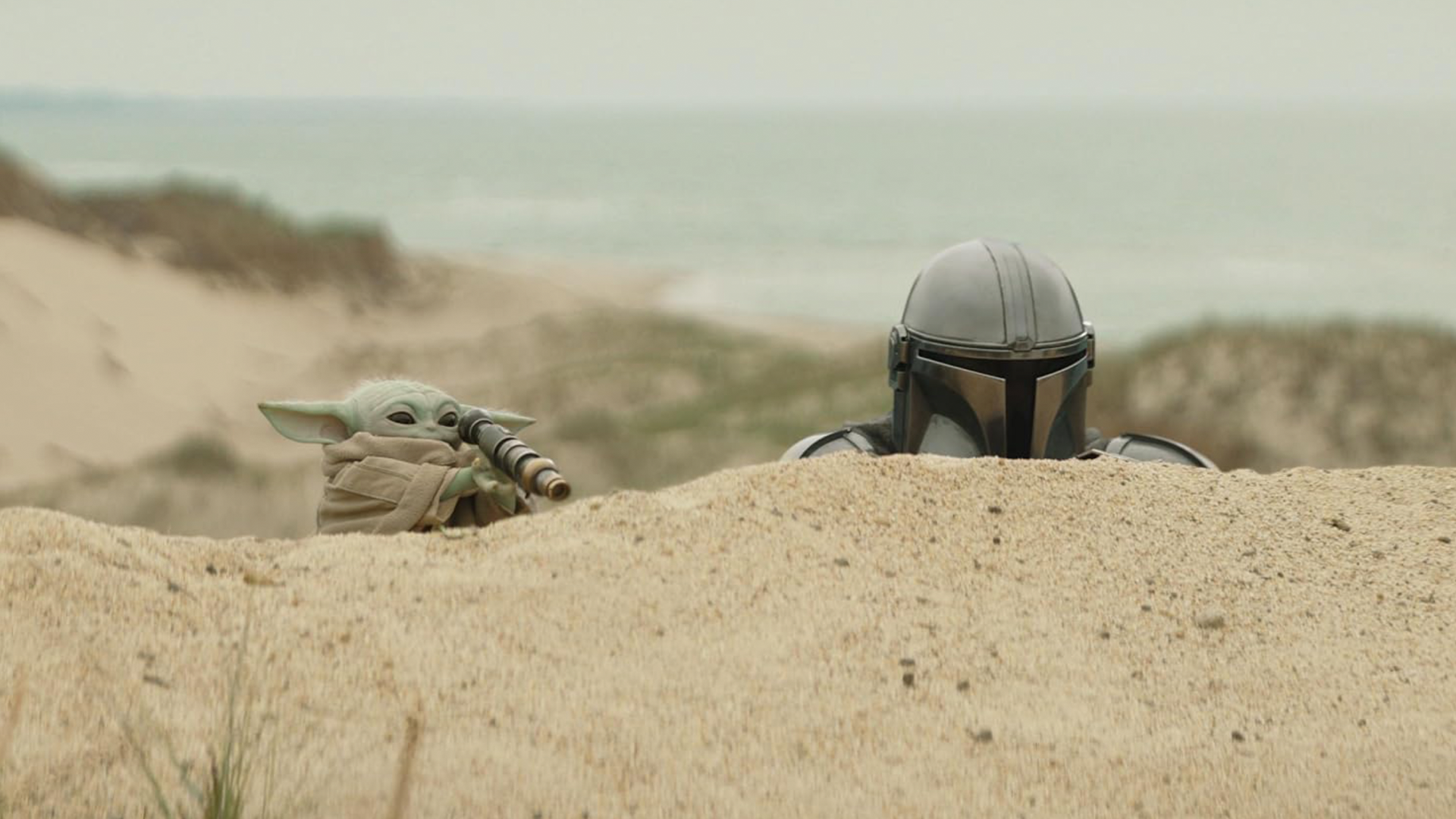
It trims the mythology back to something almost legible, even welcoming. Yes, familiar faces still drift in and out like old acquaintances at a reunion you didn’t fully RSVP to, but Favreau keeps the narrative aperture narrow enough that newcomers are not required to consult a twelve-hour YouTube dissertation narrated by a man named Kyle, illuminated exclusively by LED strip lighting and unwavering conviction.
For a moment, it feels refreshing. Liberating, even.
But it also exposes another issue. Once stripped of lore obligations, the film suddenly has nowhere to hide.
The original trilogy, for all its space-opera flamboyance, rested on something deceptively simple beneath the lasers and mysticism: archetypes rendered with emotional clarity sharp enough to cut through even the camp.
This lone gunslinger tale, meanwhile, feels almost suspiciously conflict-averse. It does not particularly want to challenge viewers, disturb them, or leave emotional bruises. The film wants everybody to be comfortable. Smiling. Mildly nostalgic. Preferably purchasing popcorn-shaped Grogu buckets on the way out.
Which is perfectly acceptable entertainment, though occasionally frustrating art.
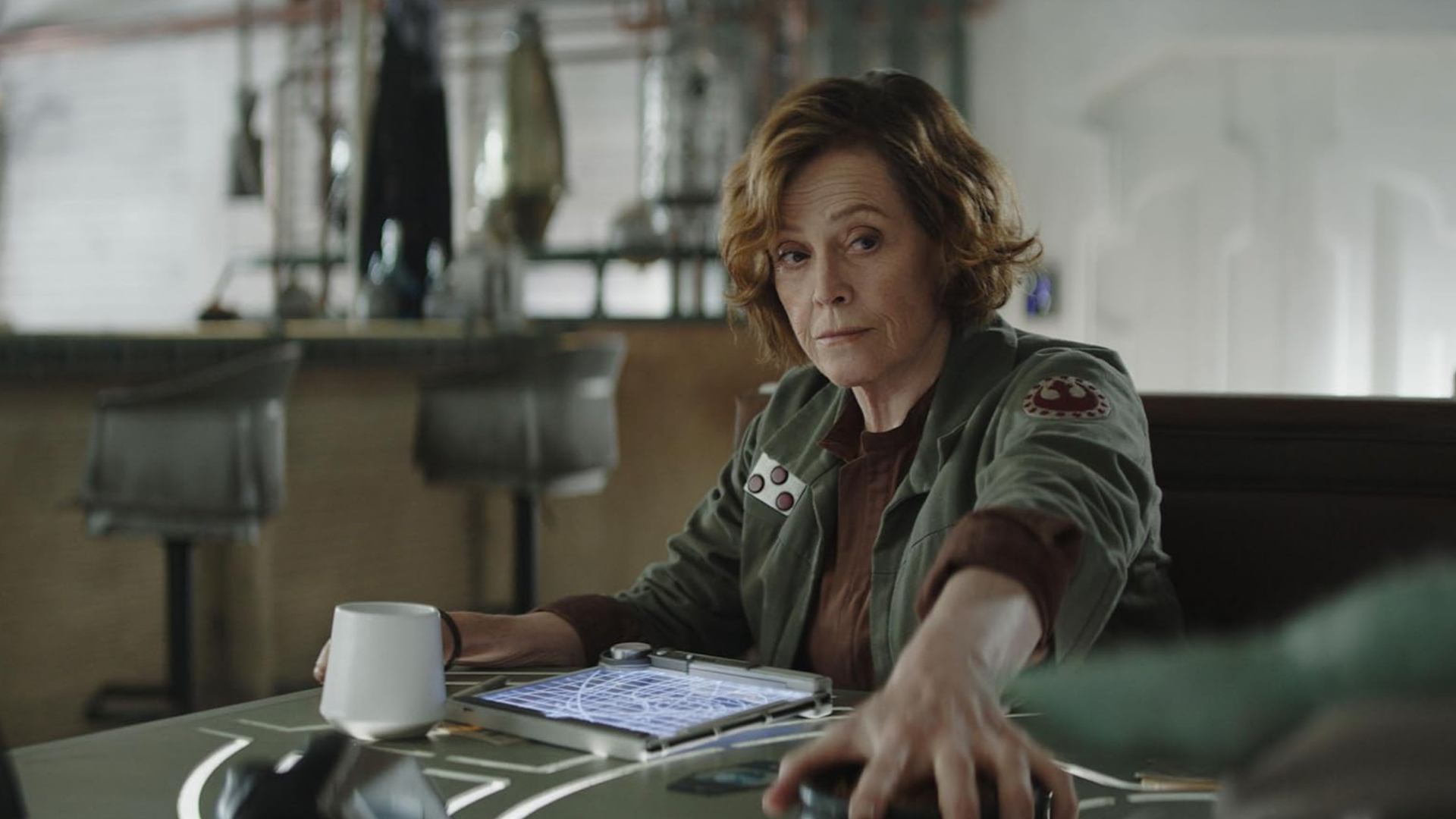
Sigourney Weaver’s Colonel Ward embodies this tension with almost accidental clarity. Weaver arrives on screen carrying the kind of gravitational authority that suggests she could stabilize a collapsing narrative simply by adjusting her posture.
And yet the film, somewhat bewilderingly, never quite decides what to do with her beyond allocating exposition duties and a rotating schedule of military briefings. She is present, she is capable, she is distinctly interesting—and still, the script keeps her at arm’s length, as though afraid that fully engaging her might accidentally introduce stakes that require follow-through.
The same pattern extends outward. Supporting characters spark momentary intrigue only to recede before anything resembling interiority can take root.
Even the antagonistic forces—such as they are—feel less like existential pressures and more like logistical inconveniences, briefly interrupting what increasingly takes a semblance on an extended father-son travelogue with occasional explosions.
And perhaps that is the real tension haunting modern Star Wars.
For years, audiences complained the franchise had become too obsessed with galaxy-ending stakes. Now Lucasfilm delivers a deliberately smaller-scale adventure, only for critics and fans alike to realize scale was never the actual issue. Emotional urgency was.
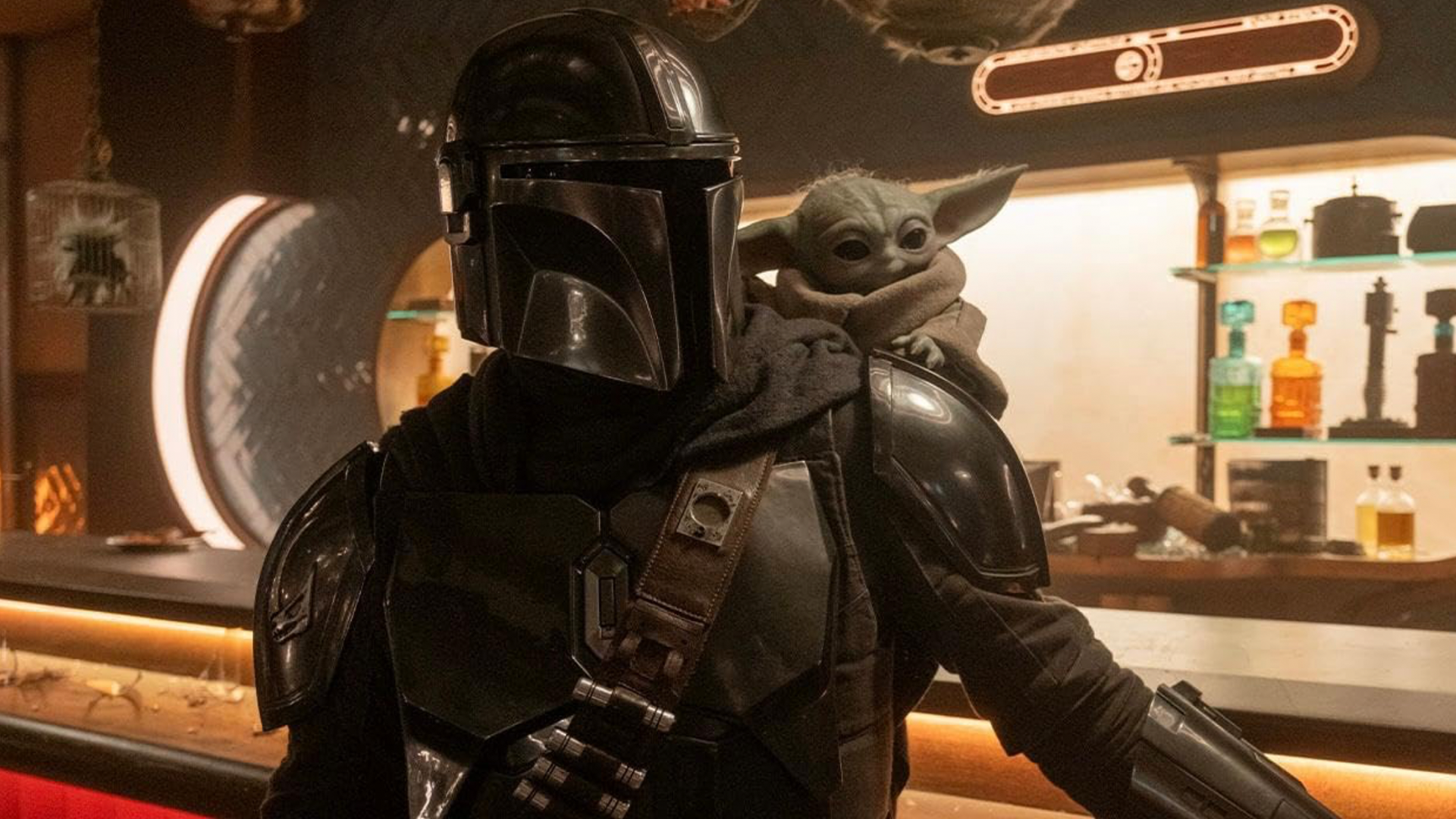
The film frequently mistakes “low stakes” for “dramatically frictionless,” which are not remotely the same thing.
Still, There is Something Weirdly Endearing About its Refusal to Pretend
Yet despite all these reservations—the episodic drift, the narrative sparseness, the occasional overindulgence in nostalgia I swear we’ve already emotionally digested three trilogies ago—I cannot honestly claim I had a bad time. That would feel like a lie told out of aesthetic obligation rather than lived experience.
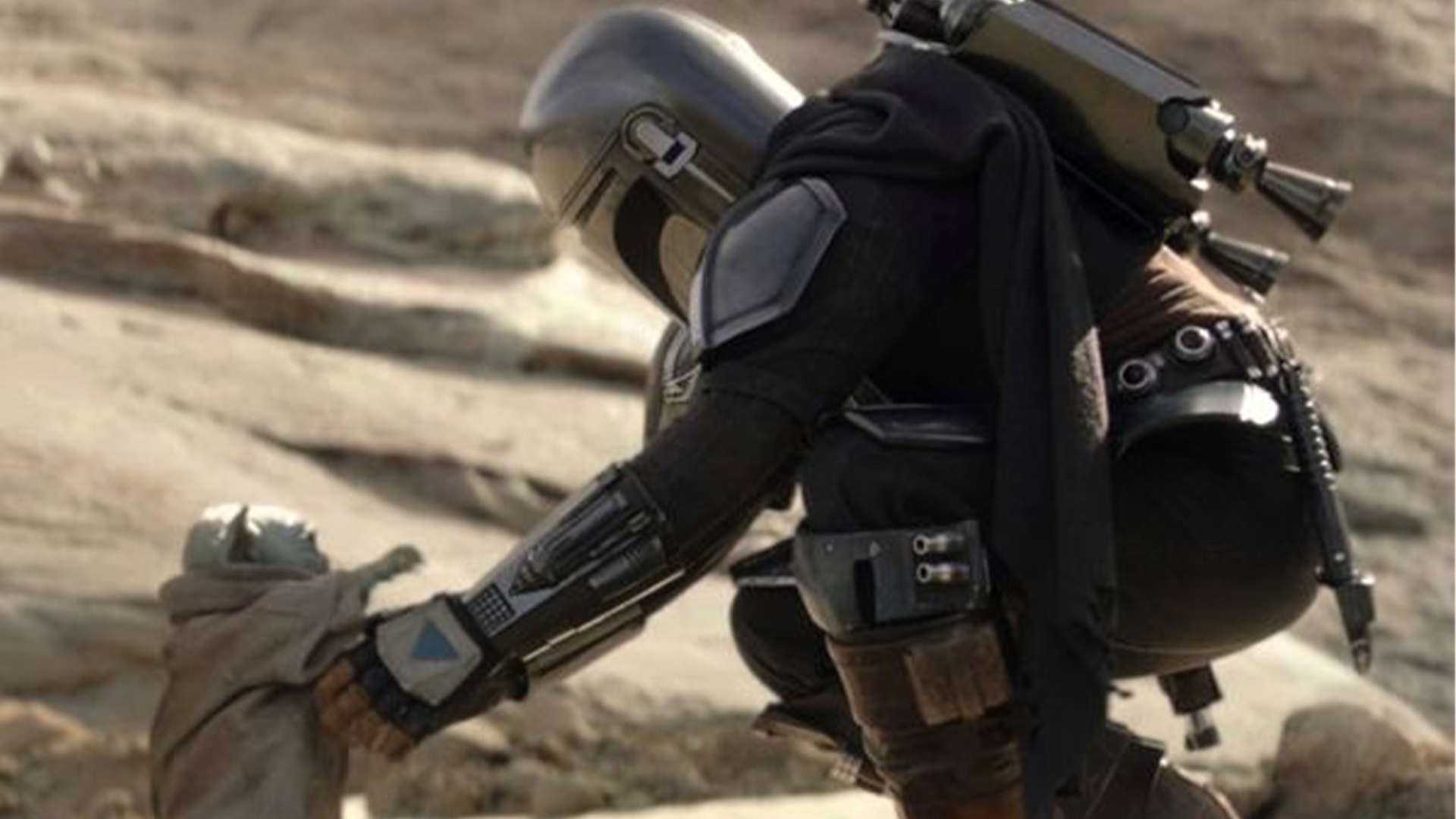
Visually, the film leans into a pleasingly tactile texture–none of that hyper-polished, algorithmic sheen that makes modern blockbusters look like expensive smartphone commercials. Ships creak, aliens crowd frame edges, and creatures move with that gloriously awkward physicality of an actual puppetry. Ludwig Görranson's score, meanwhile, supplies the film's mythic pulse, keeping even its weaker moments hovering–imperfect, but strangely assured.
And yet, the film’s most unexpected trait has little to do with craft and everything to do with attitude.
The Mandalorian and Grogu seems almost defiantly unconcerned with its own cultural “importance.”
In an era when franchise filmmaking routinely arrives burdened with self-awareness—each entry attempting to be simultaneously a thesis, a meme factory, an awards-season audition, and a multiverse breadcrumb trail—it is oddly disarming to encounter something that simply refuses to perform intellectual grandeur.
Watching contemporary studios chase prestige while still selling popcorn often resembles someone showing up to a laser tag arena in a tuxedo, insisting the lighting be flattering. This film declines the performance entirely.
Its ambitions are almost disarmingly straightforward: move the characters forward, stage a few well-composed set pieces, let Pedro Pascal communicate entire emotional arcs through sighs and posture alone, and allow Grogu to commit small-scale acts of adorable chaos with what can only be described as intergalactic impunity.
A dangerous amount of modern criticism undervalues that skill.
Yes, it will not fix Star Wars’ identity crisis. It most probably will not resolve debates that have been raging since 1999. It will not convert skeptics who believe the franchise has been running on nostalgia fumes and recycled DNA.
But it does offer a temporary reprieve from all that intellectual baggage.
Just a story willing to remain a story, content to stay within its own narrative skin sans pretending to be anything loftier or more self-important than that.
And sometimes, a story simply needs to let a weary space cowboy and his tiny adopted gremlin of chaos wander from one misadventure to another, making questionable life choices in beautifully lit environments.