
In the DJ Booths of Southeast Asia
Funkot, Vinahouse, and our very own Budots, meet some of the genres that make up Southeast Asian EDM.
Words Erika Anne Sulat
Photos courtesy of Khristiandt, Sherwin Calumpang Tuna (DJ Love)
November 19, 2025
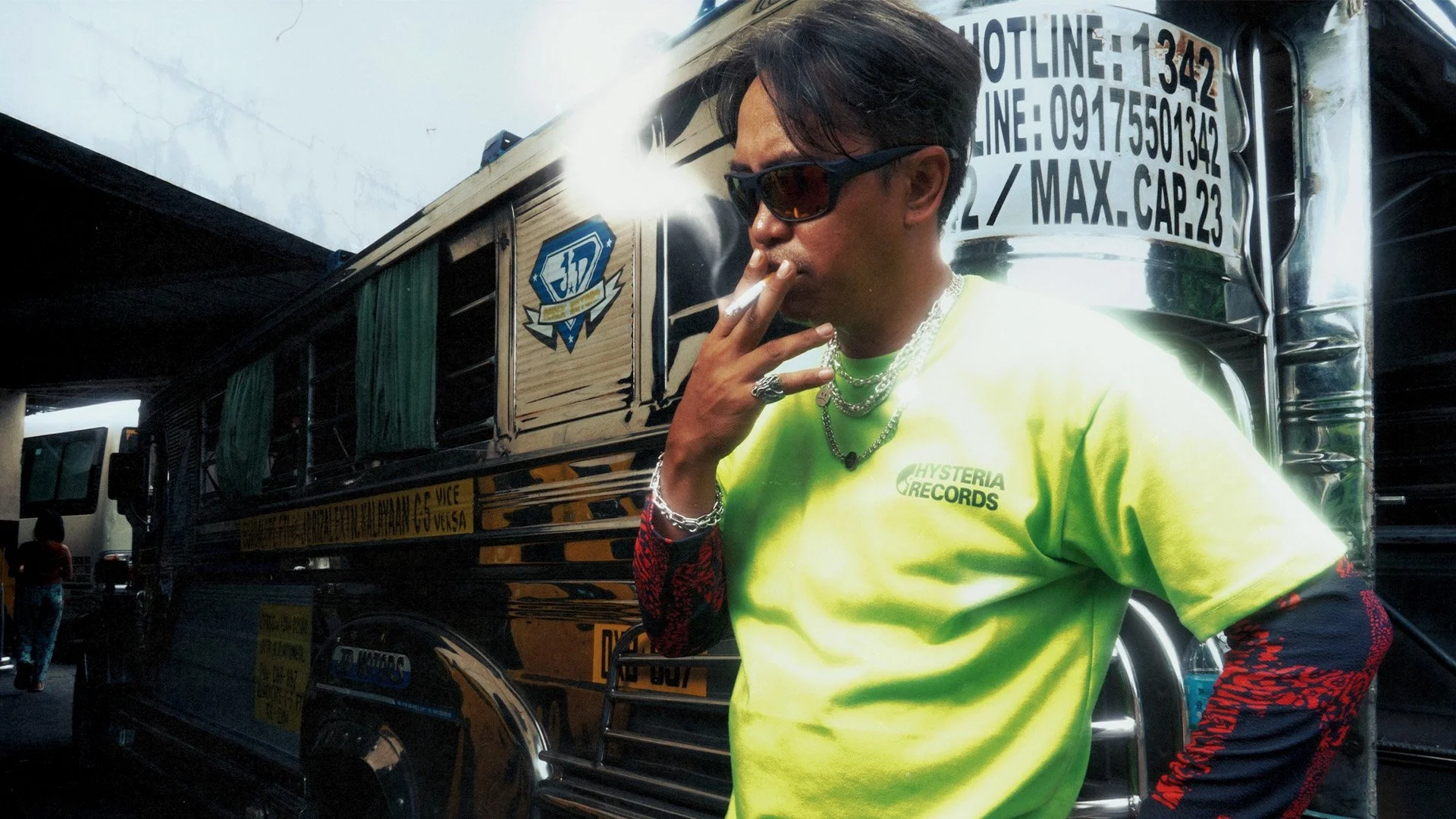
From the early to mid-2000s, Budots emerged as a genre of techno music originating from Davao City. Characterized by loud, fast, and piercing techno sounds, the genre is typically heard in street shops, local clubs, and, where the genre started taking off, social media. For an outsider, the genre is hard to describe and may even sound overwhelmingly too much at times.
The best way to describe Budots is that it represents what Felipe M. De Leon Jr. writes as the Filipino brand of maximalism. The amalgamation of different unique beats and samples taken from pop culture soundbytes is reminiscent of the Filipino nature of gathering things we love and putting them on display, whether in our homes or our personal items.
In fact, in Budots: The Craze (2019), a documentary about the origins of the music genre, one of the pioneers of the genre, DJ Love, reveals that the sound was inspired by the general sounds heard in our surroundings, combining all of them together in a single mix.
In the documentary, DJ Love mentions that the music genre of Budots was created for a dance trend rather than vice versa. These steps were inspired by elements from Mindanaoan, Davaoeño, and other Filipino dances. From there, DJ Love created the sound of Budots.
Sounds of Southeast Asia
Budots isn’t the lone house genre that emerged from the region of Southeast Asia. Vietnam has Vinahouse, Indonesia has Funkot, and dozens of other genres and microgenres sprawling across the region. Like Budots, these two genres are a uniquely Southeast Asian variant of house music.
Vinahouse blends the terms Vietnam and House. Gig Life Pro describes Vinahouse as fast-paced remixes of songs featuring “simple beats and loud bass,” with DJs playing them in special events and clubs through long mixes.
Funkot, on the other hand, according to an article written by Mike Steyels for Pioneer DJ, is a subgenre born from a remix of another Indonesian genre named Dangdut that emerged from the Kota district in Jakarta.
Heritage Amidst Globalization
Slowly ascending to worldwide fame, Budots traveled from Davao, to the entirety of the Philippines, to the entire world, with the genre gaining fame through videos of people dancing on social media. Later on, it began to be featured in TV shows and viral dance trends on social media. A notable example is DJ Johnrey Masbate’s Emergency Budots, which recently made rounds on TikTok.
These genres aren’t technically “new” in the sense that they have existed long before the world discovered them. And while similarly emerging from the same region, they have more variations that set them apart from one another, all contributing to their countries’ vast cultures. One thing that brings these genres together is that social media definitely helped introduce these sounds to patrons all over the world.
And while these genres have gained worldwide popularity through the help of social media, it’s important to look back at the roots of the genre and where it came from. Doing so helps us acknowledge and give proper attribution to the artists and communities that have worked on the genres we now know and love.