
HINGA: A Space For Inner Restoration
HINGA is a sustainable, modular design concept that challenges fast-paced modern architecture by offering an intentional space for pause, breath, and inner restoration
Words Rebelyn Beyong
Photos courtesy of Cecil Ravelas and Red Interior Design
April 16, 2026
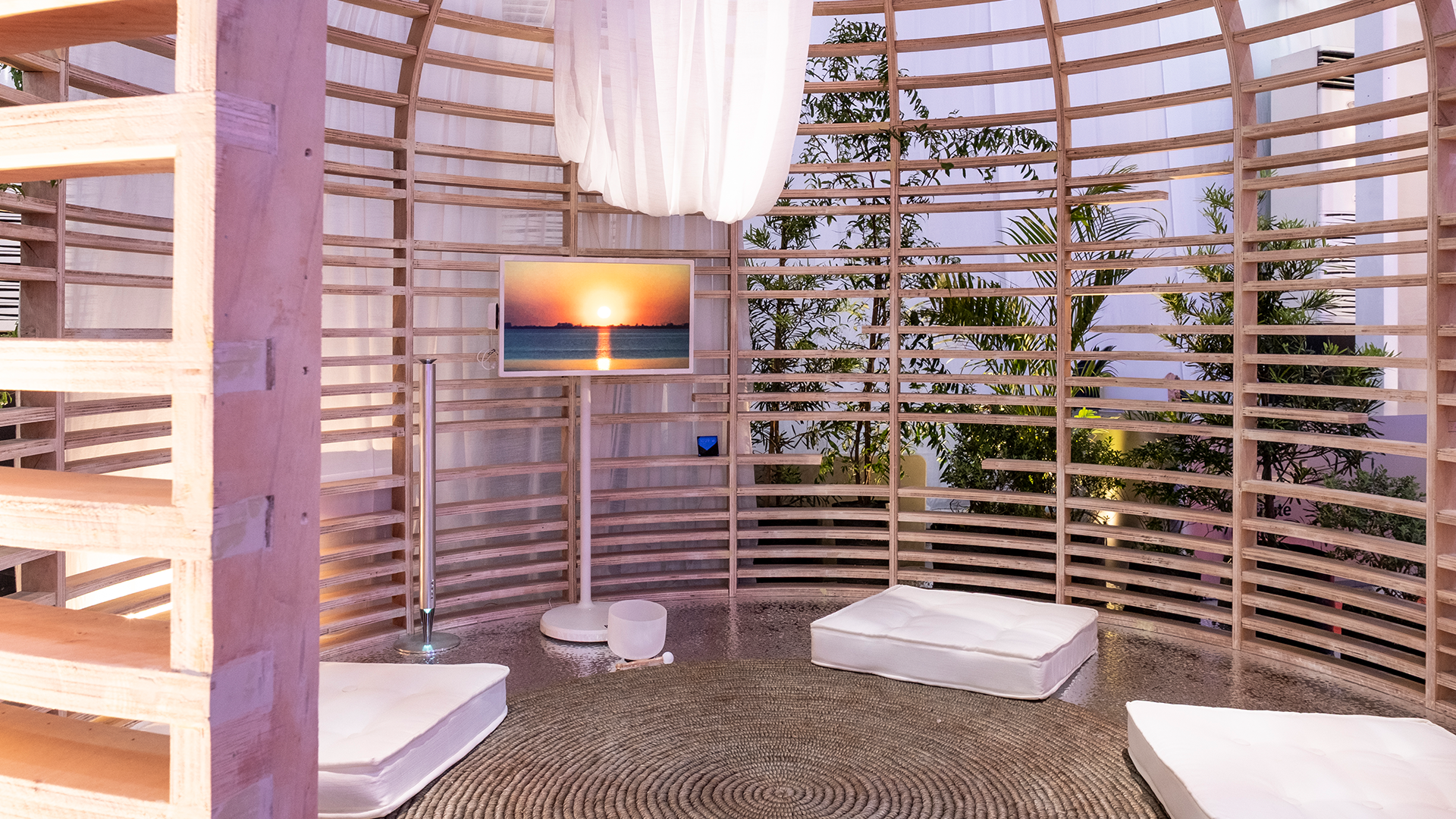
In the hyper-connected, fast-paced environments we navigate daily, moments of true stillness are incredibly rare.
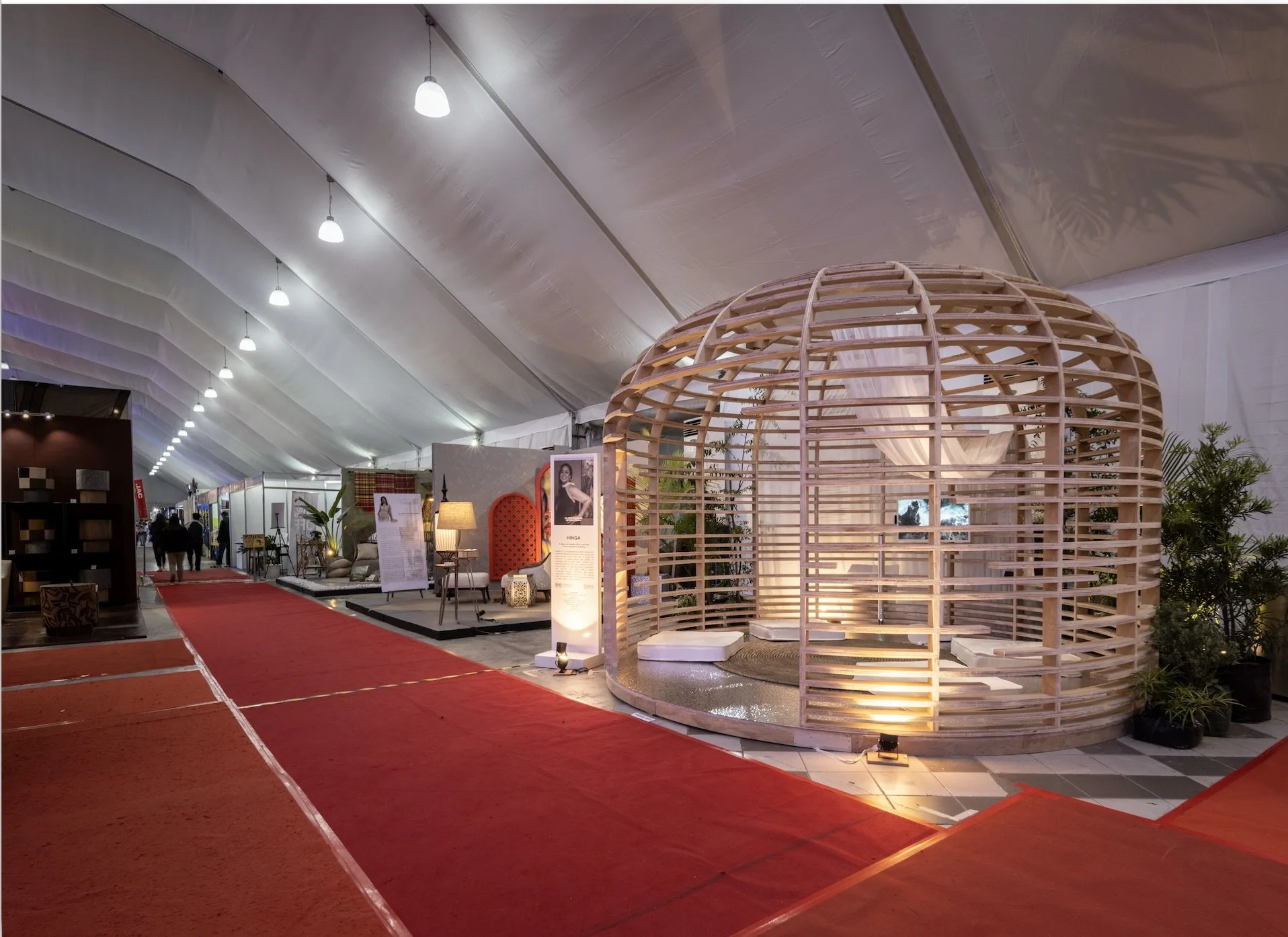
This reality was on full display amidst the bustling activity of the World Trade Center during the recently concluded three-day WorldBex 2026. Yet, tucked away in the east wing stood a striking anomaly: a small, dome-like sanctuary known as HINGA.
Designed by interior designer Cecil Ravelas for Red Interior Design, the conceptual installation served as a vital, open invitation for exhibit-goers and exhibitors alike to step out of the noise and experience profound stillness, reflection, and restoration.
A Hidden Sanctuary
Modern architecture often prioritizes productivity over peace. “Many of the environments we inhabit today are designed for speed, efficiency, and constant stimulation,” observes Ravelas. She notes that “very few spaces allow us to pause.”
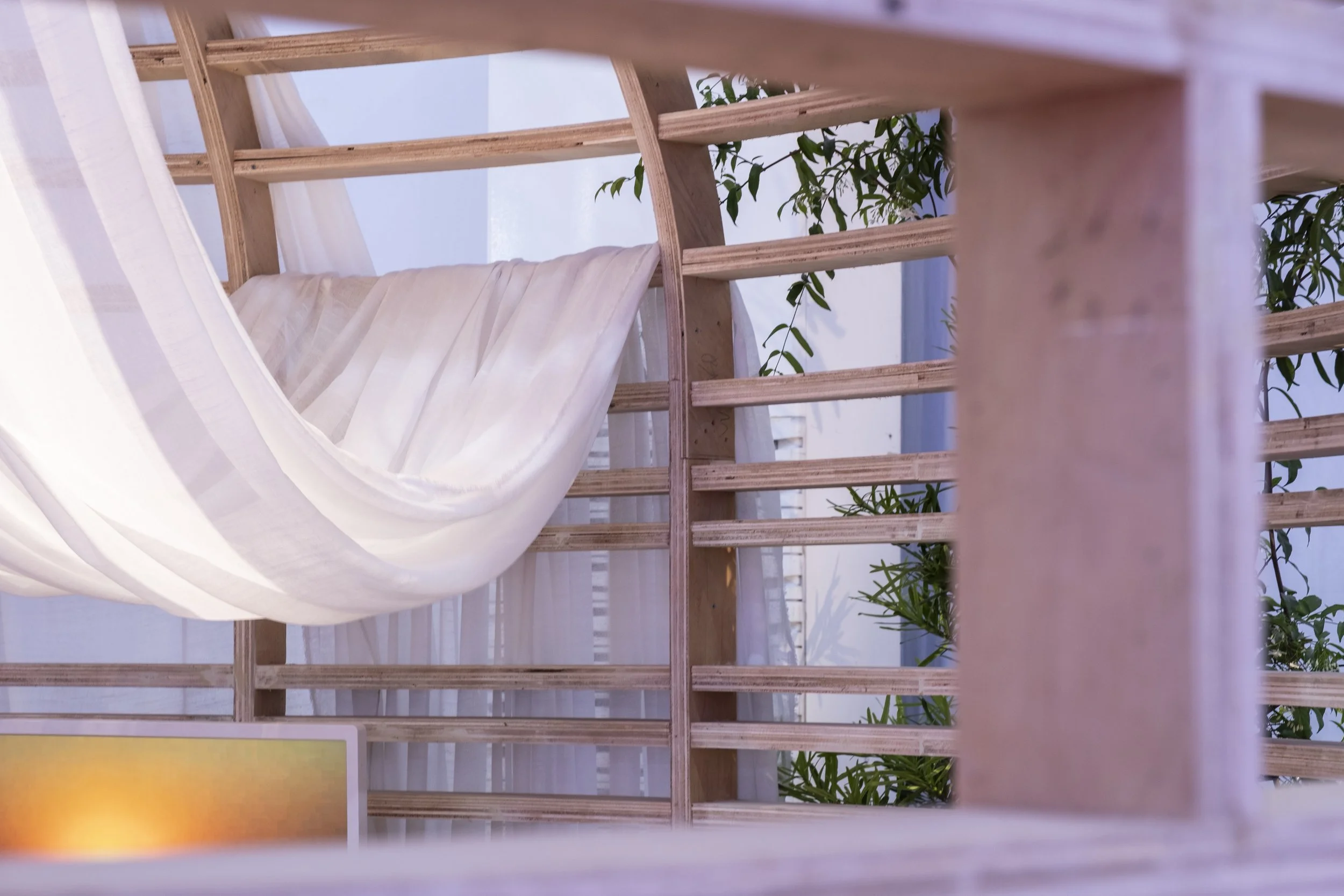
Driven by an inner desire to create environments that inspire people to slow down, breathe, and reconnect with themselves, Ravelas conceptualized HINGA.
She explains her deep-rooted design philosophy: “I have always been interested in how spaces influence how we feel, think, and move through the world. I believe spaces carry energy, and they shape our inner state in ways we often do not immediately recognize.”
HINGA is a direct response to this ethos, acting as a deliberate refuge engineered to help people step out of the relentless rhythms of everyday life, even if only for a fleeting moment.
Materiality and Emotional Resonance
Constructing HINGA was, in itself, a deep meditation on materiality and its emotional resonance. Ravelas intentionally gravitated towards raw, simple, and natural textures, allowing the physical space to take precedence over distracting visual noise.
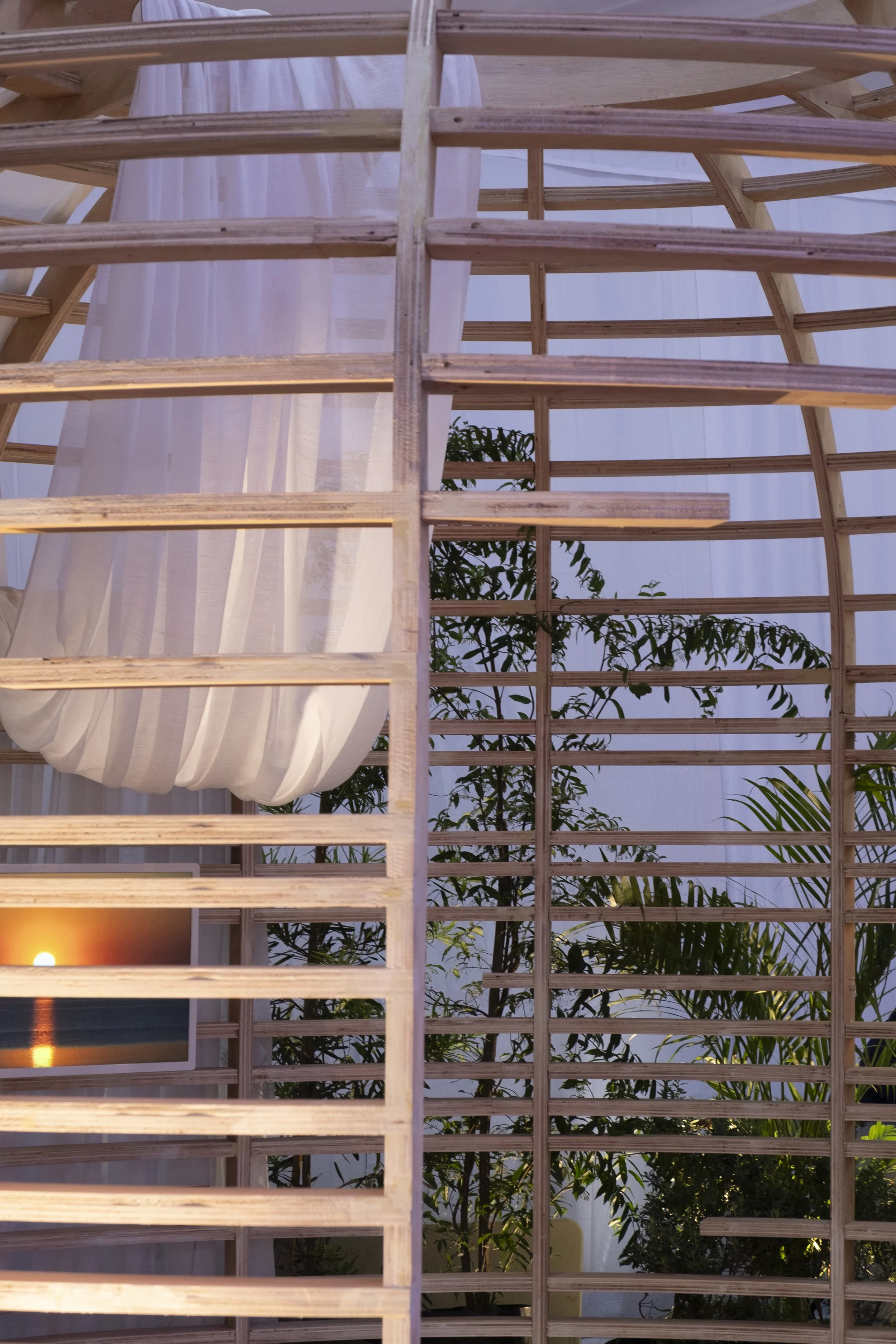
“We primarily used plywood, which is one of the most common and accessible building materials in the Philippines,” she details. This deliberate choice powerfully affirmed that when executed with clarity and intention, truly meaningful spaces do not require rare and expensive materials to evoke a sense of calm.
Instead, the gentle interactions encouraged within the pavilion, such as meditation, breathwork, sound healing, quiet reflection, and journaling, are framed as gentle invitations rather than rigidly programmed activities.
Sustainable Spatial Principle
Beyond its immediate calming effect, HINGA is firmly rooted in the vital pillars of sustainability and circularity: reuse, repurpose, and reimagine. Utilizing a modular construction system, the installation can be easily dismantled, reused, and reconfigured for future presentations rather than being discarded after a single exhibition.
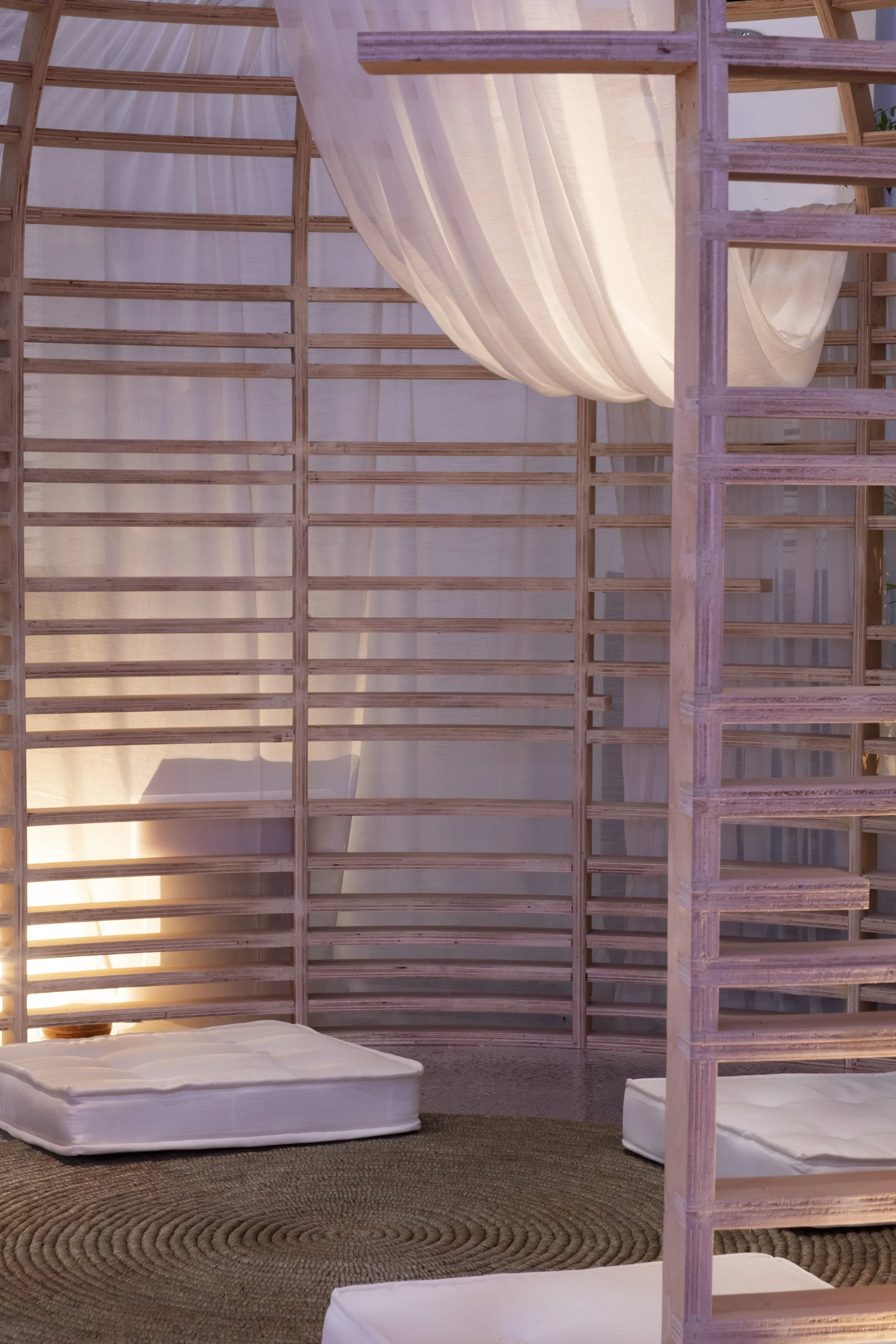
Ravelas elaborates, “For me, responsible design is not just about aesthetics. It is also about how we work with materials thoughtfully and how we extend their life while creating spaces that support wellbeing.”
Because of its adaptable nature, the concept can seamlessly integrate into diverse environments like wellness destinations, offices, hospitals, cultural institutions, schools, and residential enclaves. What truly matters is the intention behind the space, not its scale.
As our urban landscapes continue to prioritize speed over serenity, HINGA poses a quiet but radical question: “Where in our built environments do we allow people to pause and breathe?”
By proving that architecture can transcend mere utility, Ravelas issues a compelling challenge to developers, designers, and communities to intentionally build moments of care, reflection, and restoration.
Set to return on show this coming May following its successful launch at WorldBex last March 12, HINGA is more than just a modular pavilion—it is a gentle revolution, inviting us all to reclaim our inner peace, one breath at a time.