From Galleries, For The Galleries
As ALT ART 2026 concludes, its gallery led model reveals a new blueprint for art fairs in the Philippines.
Words Randolf Maala-Resueño
February 16, 2026
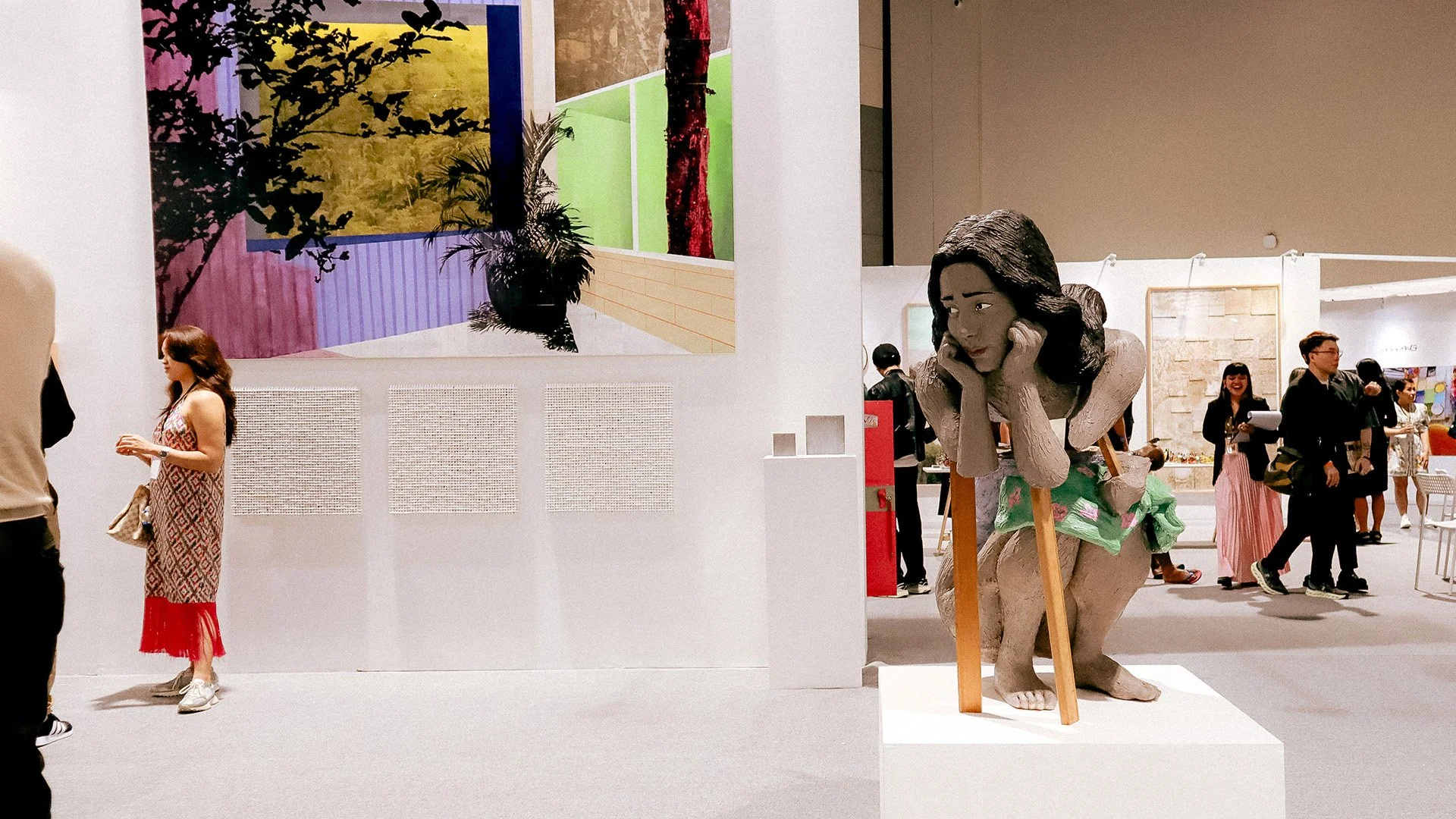
ALT ART 2026 has closed its doors, but what lingers cap the scale of SMX Convention Center’s halls filled with work. What remains is the framework. A structure built not by nine galleries who chose to author their own fair.
This was never only about staging an event, but reconfiguring who holds the center.
Artists in focus
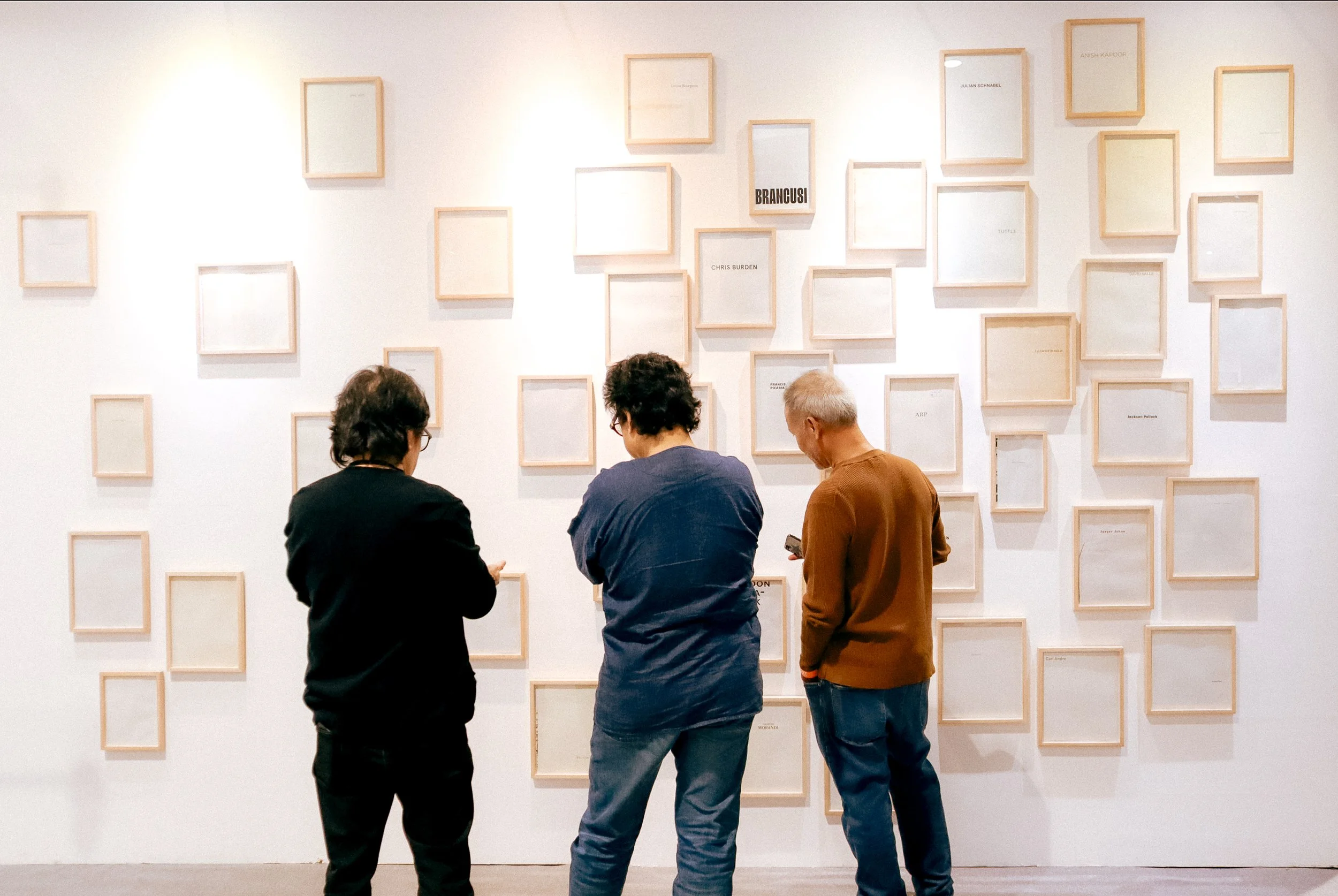
From the moment visitors entered and saw a single wall listing all artists across nine galleries, the message was clear. The emphasis was on the artist. The galleries happened to be the organizers. That distinction matters.
Vinyl on Vinyl’s Gaby Dela Merced describes ALT as a showcase first. “We see ALT as a showcase more than anything. The fair format is there, but the priority is really the artists and how their works are experienced,” she explained. The format may resemble an art fair, but the intent is to foreground artistic vision. Each space looked different because each gallery adapted architecture to the needs of its artists. Booths were the definitive responses.
At Galleria Duemila, decisions were made collectively before any gallery customized its section. “Before we designed our own booth, we agreed as a group on the layout, the flow, and the overall experience. That shared structure comes first,” noted Assistant Art Director Lars Salamante.
Layout, architecture, flow, and programming were discussed as a group. Only after the collective framework was set did individual curatorial identities take shape. Creative control was shared before it was exercised.
The result: uniformed coherence.
Methodical risks
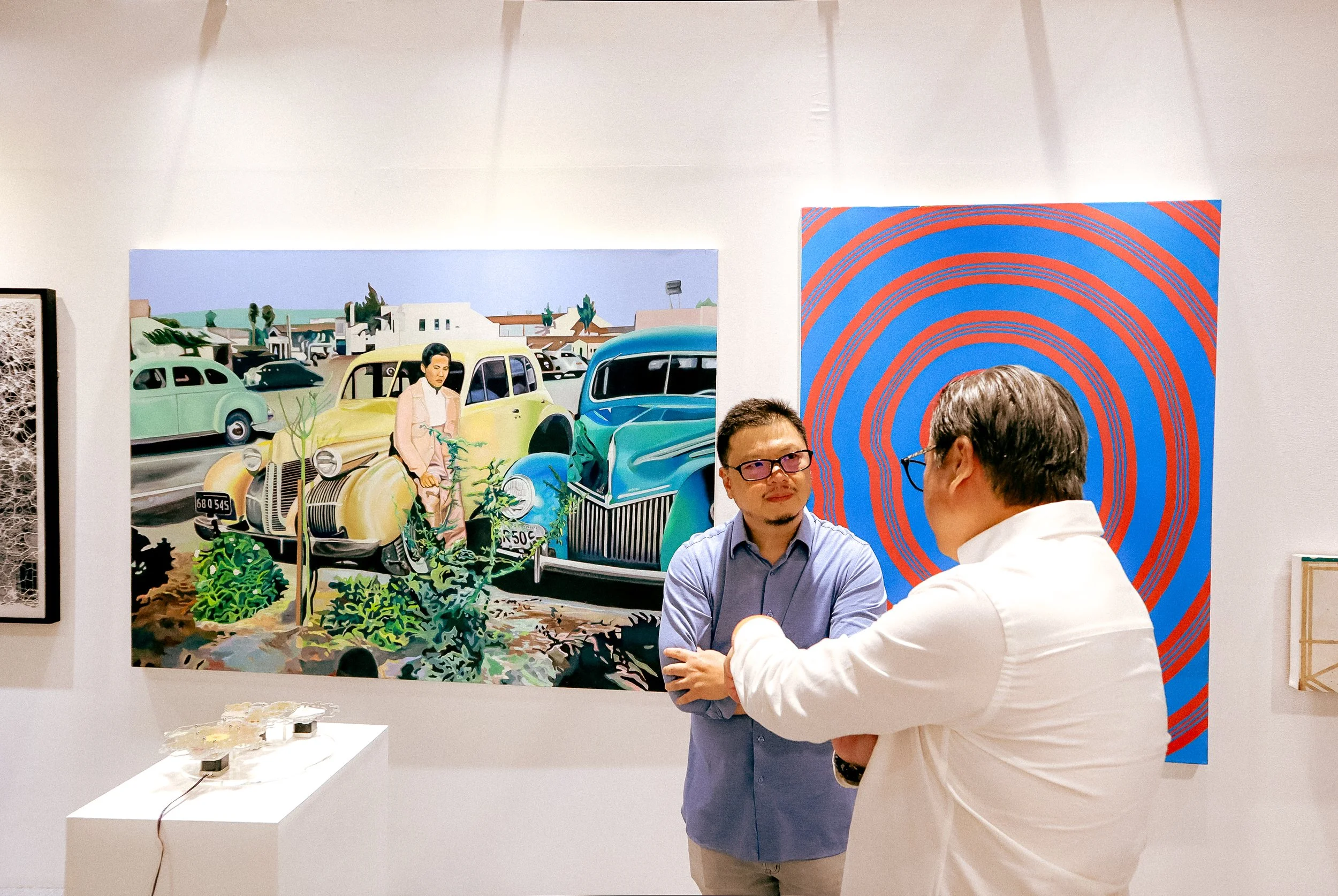
If ALT feels expansive, it is because risk is embedded in its method. Expanding to two halls doubled the logistical pressure. Each gallery now mounted a main booth, a project space, and a Discoveries section. Production timelines multiplied. Artists created new works specifically for the fair.
Risks became an artistic commitment.
For Vinyl on Vinyl, selecting artists like puppeteer turned fine artist Iwan Effendi and kinetic sculptor Marco Ortiga was about aligning with a visual language that is evolving. “We wanted to present artists whose practices are evolving in exciting ways, even if that means stepping outside what audiences expect from us,” Dela Merced added.
For Galleria Duemila, presenting Julie Lluch in conversation with her daughter Kiri Dalena and collaborator Ben Brix was a statement about lineage. “The intergenerational dialogue was important for us. It reflects how artistic inquiry is passed on and transformed,” the gallery shared.
Each gallery asked itself what it wanted to contribute to the next phase of contemporary practice. Not what would sell fastest, but what voice deserved amplification. “Sales are important, of course, but shaping discourse is equally part of our responsibility,” Salamante emphasized.
An ecosystem in motion
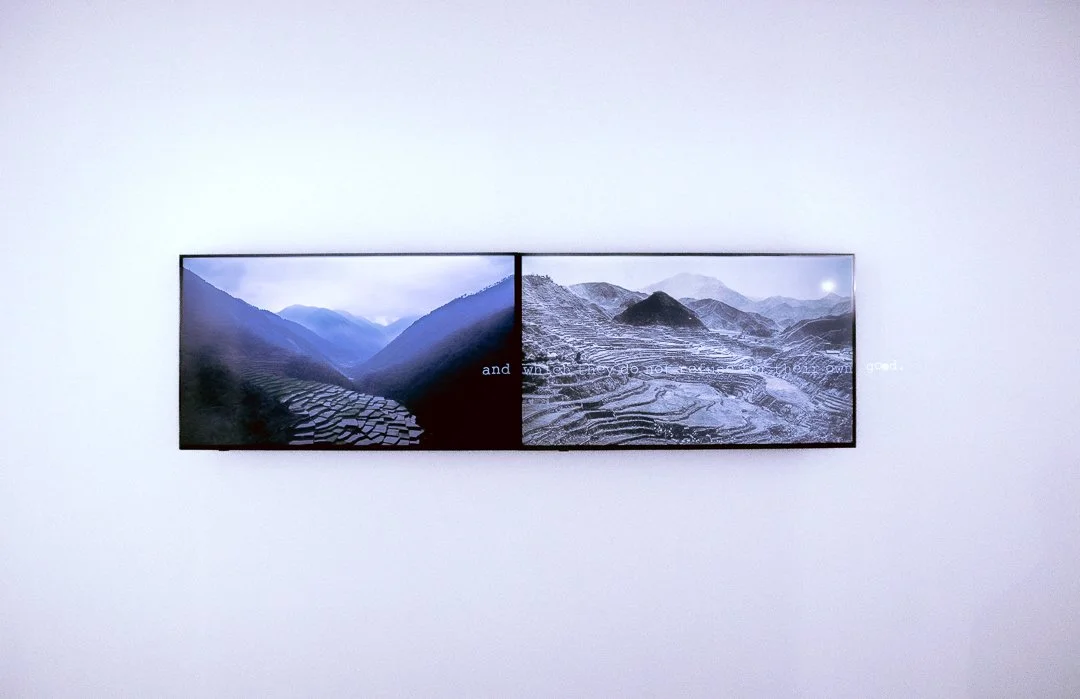
One of the most resonant additions this year was ALT Discoveries. It was framed not simply as an emerging artist section, but as a social contribution. A reminder that galleries are stewards, not just exhibitors.
Panel discussions with Discoveries artists revealed how instrumental such platforms are in shaping direction and discipline. The fair became a site of cultivation—art as an ecosystem. Gallerists, artists, collectors, critics, students, all occupying the same space.
Accessibility was not rhetorical. Multi generational audiences moved through the halls. Senior collectors stood beside students who entered with discounted tickets. Established names shared walls with artists from the periphery. Conversations unfolded between masters and new voices, between women artists, queer practitioners, regional and international presences.
Competition softened into dialogue.
Strength in negotiation
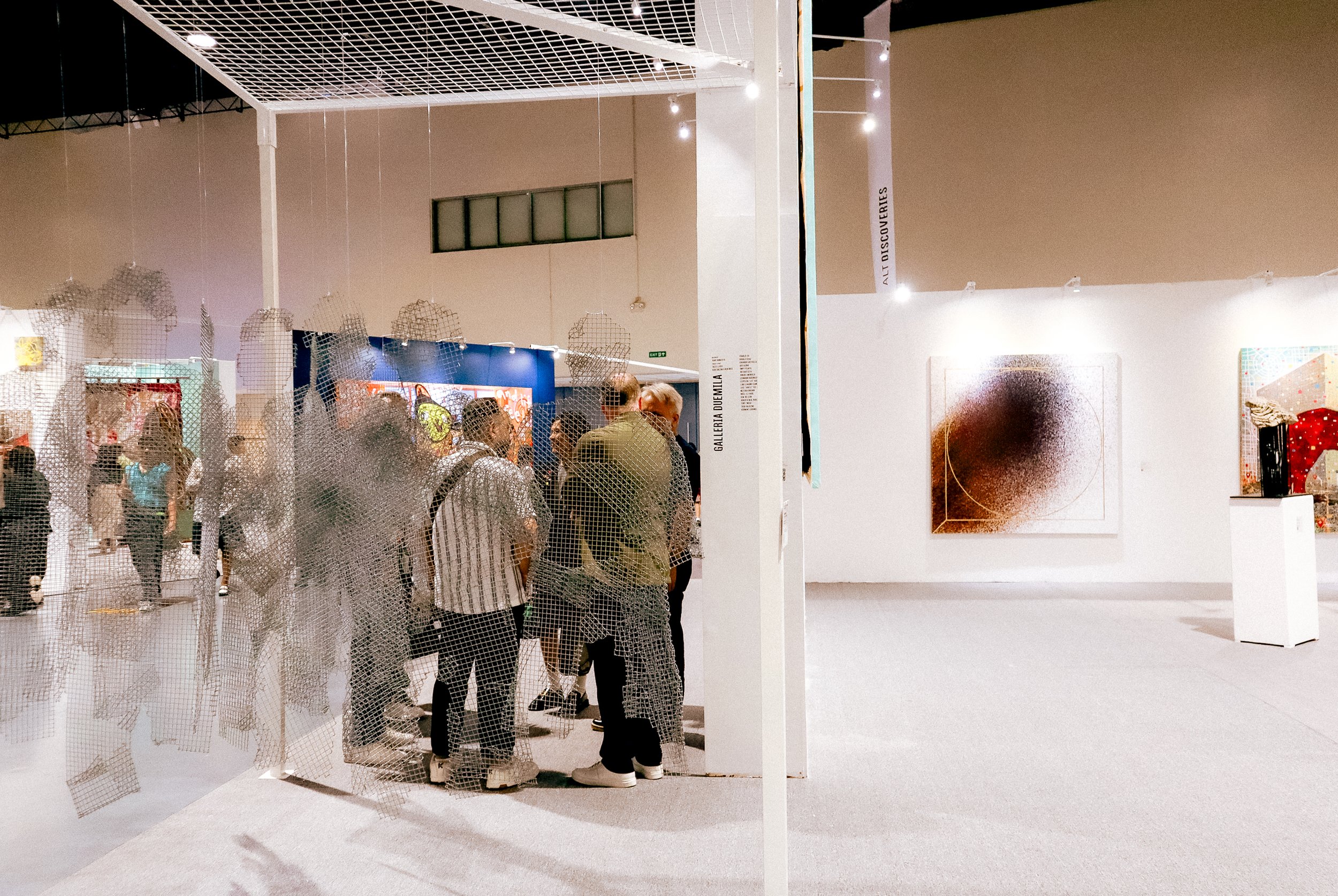
Nine galleries with distinct programs do not arrive at consensus easily. There are strong opinions. Strong aesthetics. Strong histories. Yet what tied them together, as Dela Merced notes, was respect.
Communication became infrastructure.
The most challenging aspect was scale and coordination. The most rewarding was witnessing how audiences received the work. Seeing old collectors bring their children. Watching new viewers encounter art in one concentrated geography. Realizing that accessibility can be spatial and political.
ALT ART did not attempt to outshine others. It attempted to outgrow itself.
Toward the next edition
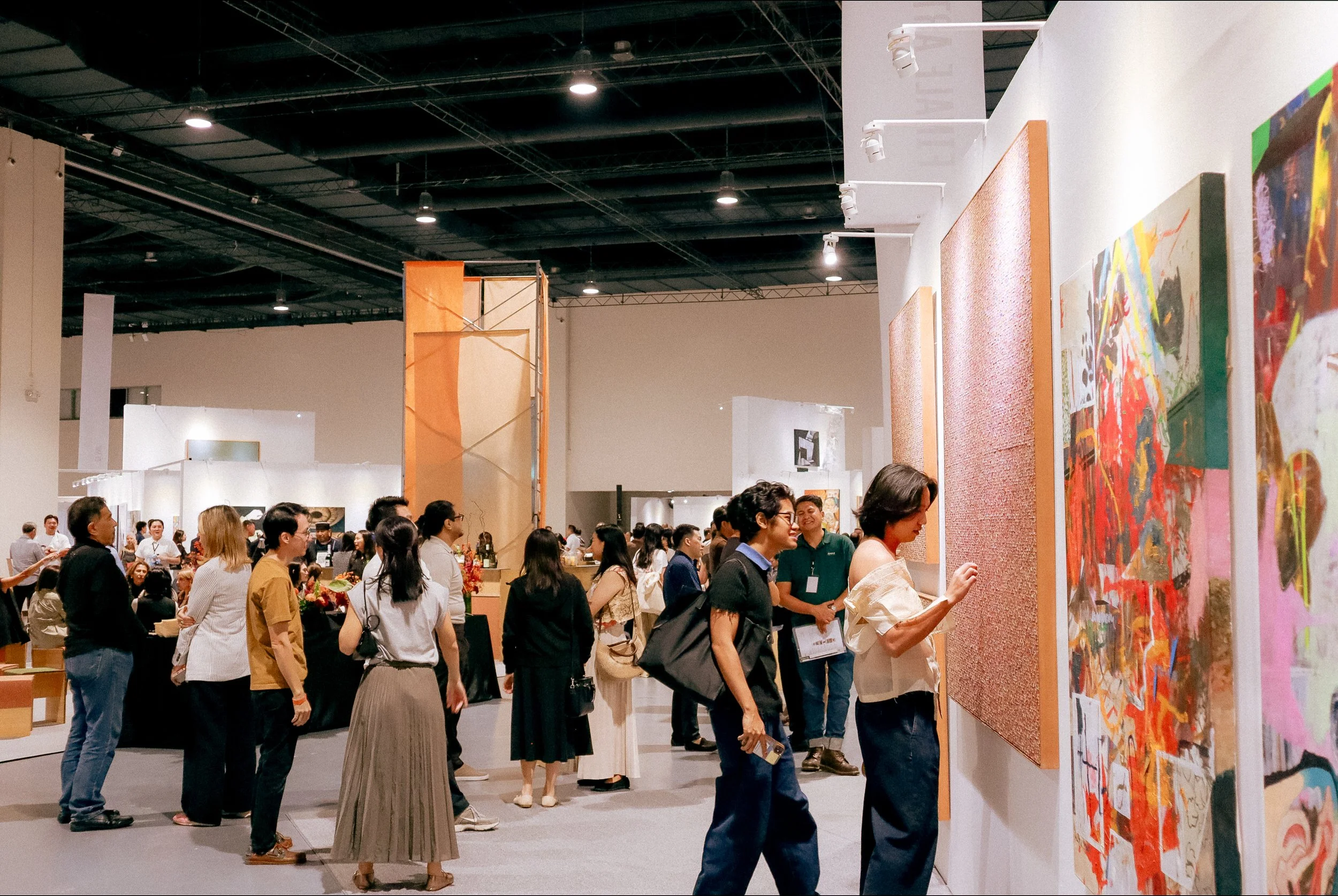
Now that the halls are empty, the real question surfaces. What does a gallery led fair become when it matures?
If 2026 proved that collective authorship can hold this scale, the next editions may push even further into experimentation. Deeper cross gallery collaborations. Expanded Discoveries. Stronger intergenerational dialogues. New geographies.
ALT has positioned itself more from its marketplace roots, but as a working model for how galleries can shape their own conditions. It suggests that the future of fairs may lie beyond competition for visibility, but in shared authorship.
From galleries, for the galleries. And ultimately, for the artists who anchor them.
The framework is set. The next iteration begins now.