Creative Grounds: Thirteen Artists Awards Celebrates Creative Excellence
The Thirteen Artists Awards 2024 marks a pivotal moment as it shifts venues, highlighting creative practices rooted in the Philippine contemporary art scene.
Words by Piolo Cudal
Photo courtesy of Cultural Center of the Philippines, Geric Cruz, Dane Terry
October 21, 2025
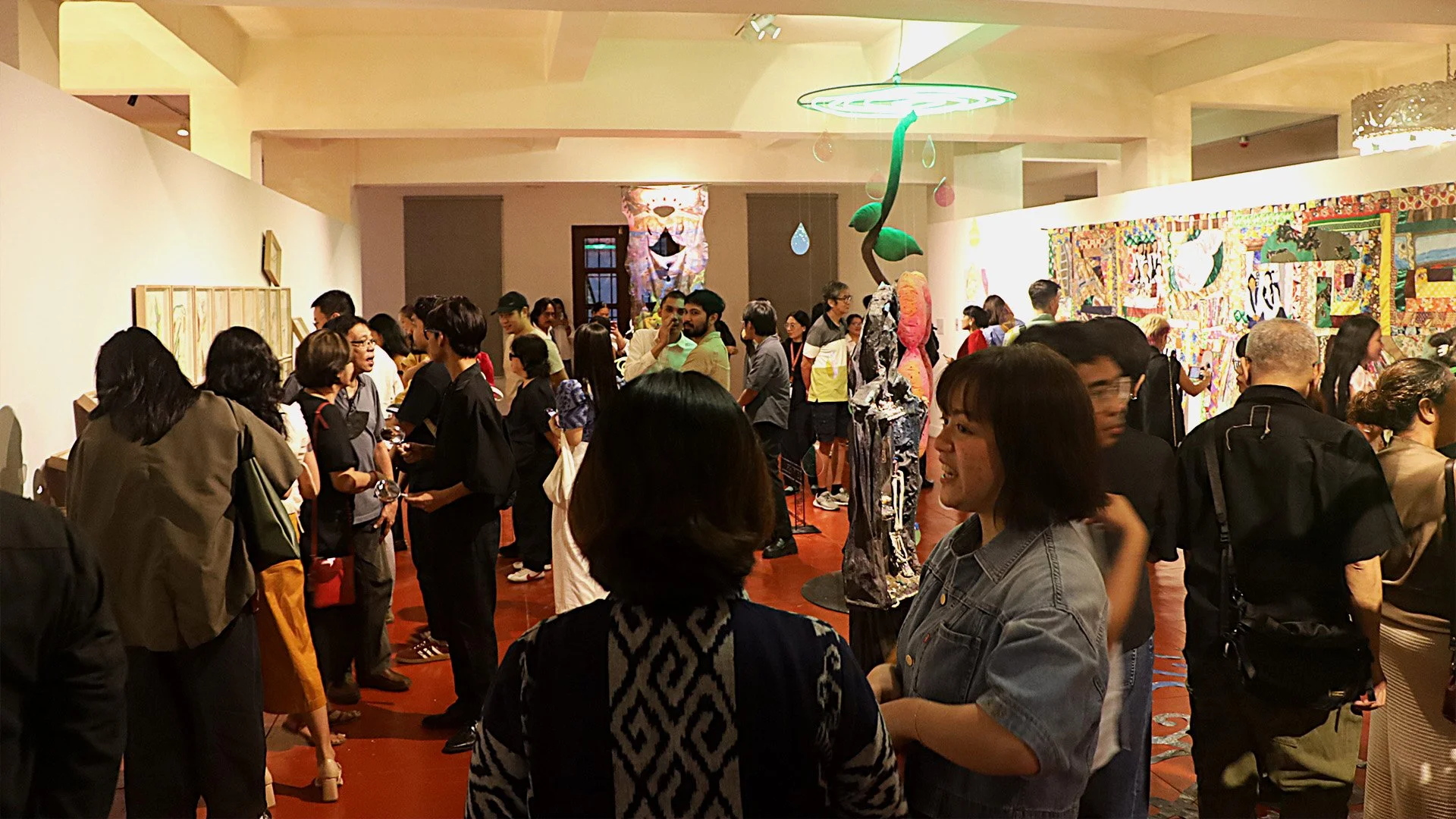
The Cultural Center of the Philippines (CCP) officially opened the 2024 iteration of the Thirteen Artists Awards (TAA) and its accompanying exhibition on October 7 at the National Museum of Fine Arts, marking a landmark collaboration between two national cultural institutions.
Established in 1970 by curator and artist Roberto Chabet, the Thirteen Artists Awards has remained a consistent platform for emerging contemporary artists in the Philippines. Originally a curatorial initiative under the CCP Museum, it evolved into a triennial recognition program under the leadership of Raymundo Albano, designed to spotlight artists who pose social and cultural questions through their work.
This year’s awardees were selected from a pool of over 100 nominees, with an emphasis on artistic practices that reflect an acute awareness of contemporary issues and offer critical engagement with both form and subject matter.
“These artists will redefine and provoke social order, while reflecting their truths and realities,” said CCP President Kaye C. Tinga.
Creative, Collective Articulation
Curated by Mervy Pueblo, the TAA exhibition brings together a range of practices across various media, including installation, performance, textile, print, and video, that explore contemporary concerns such as memory, ecology, and cultural identity.
Artist and performer Russ Ligtas employs performance and installation to confront memory as a site of negotiation. His work, ‘The Last Hapi,' blends ritual and autobiography, referencing the 1972 Martial Law as a historical rupture that continues to haunt the present.
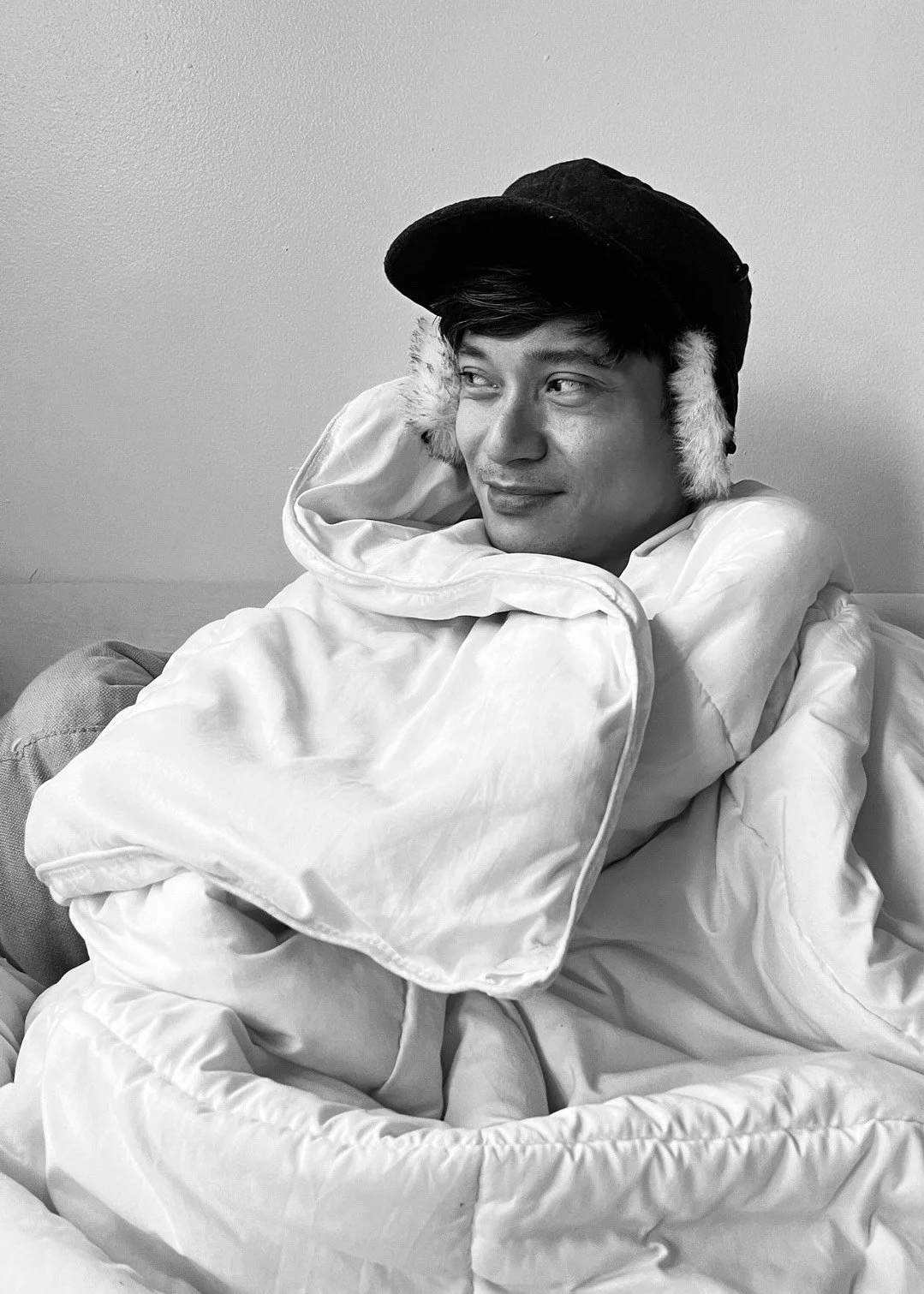
Russ Ligtas, Photo credits Dane Terry
Printmaker and illustrator Hanrielle Baltazar Pagkaliwangan presented prints and artist books that investigate identity as a continuous, process-based construction. Her work ‘Becoming, In Fragments’ engages in archival dialogue with the museum's collection, using typologies and everyday objects to destabilize historical canons.
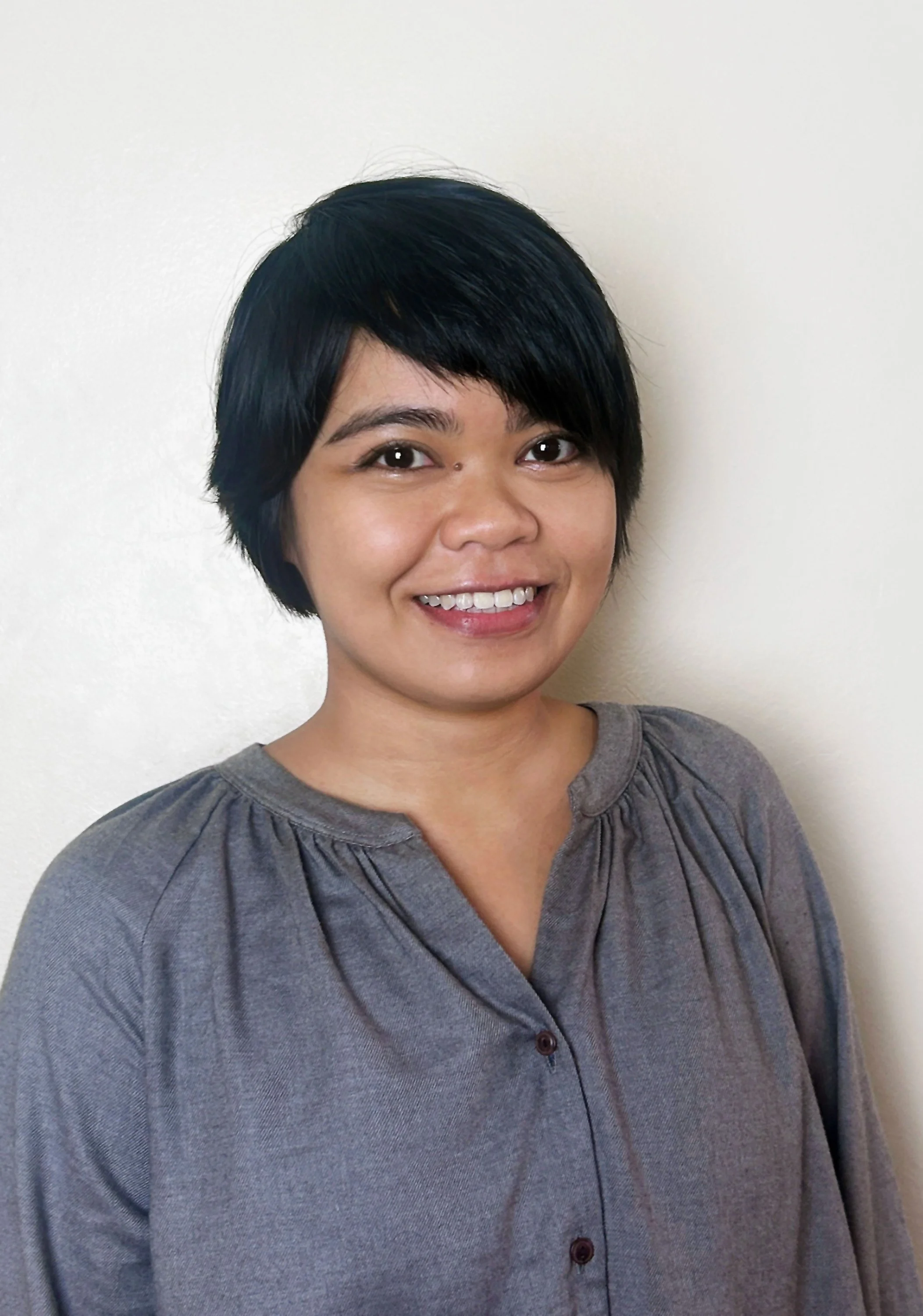
Henrielle Baltazar Pagkaliwangan
Tekla Tamoria reintroduced weaving as both technique and critique, focusing on the social histories of Filipino women and traditional craft as a form of resistance.
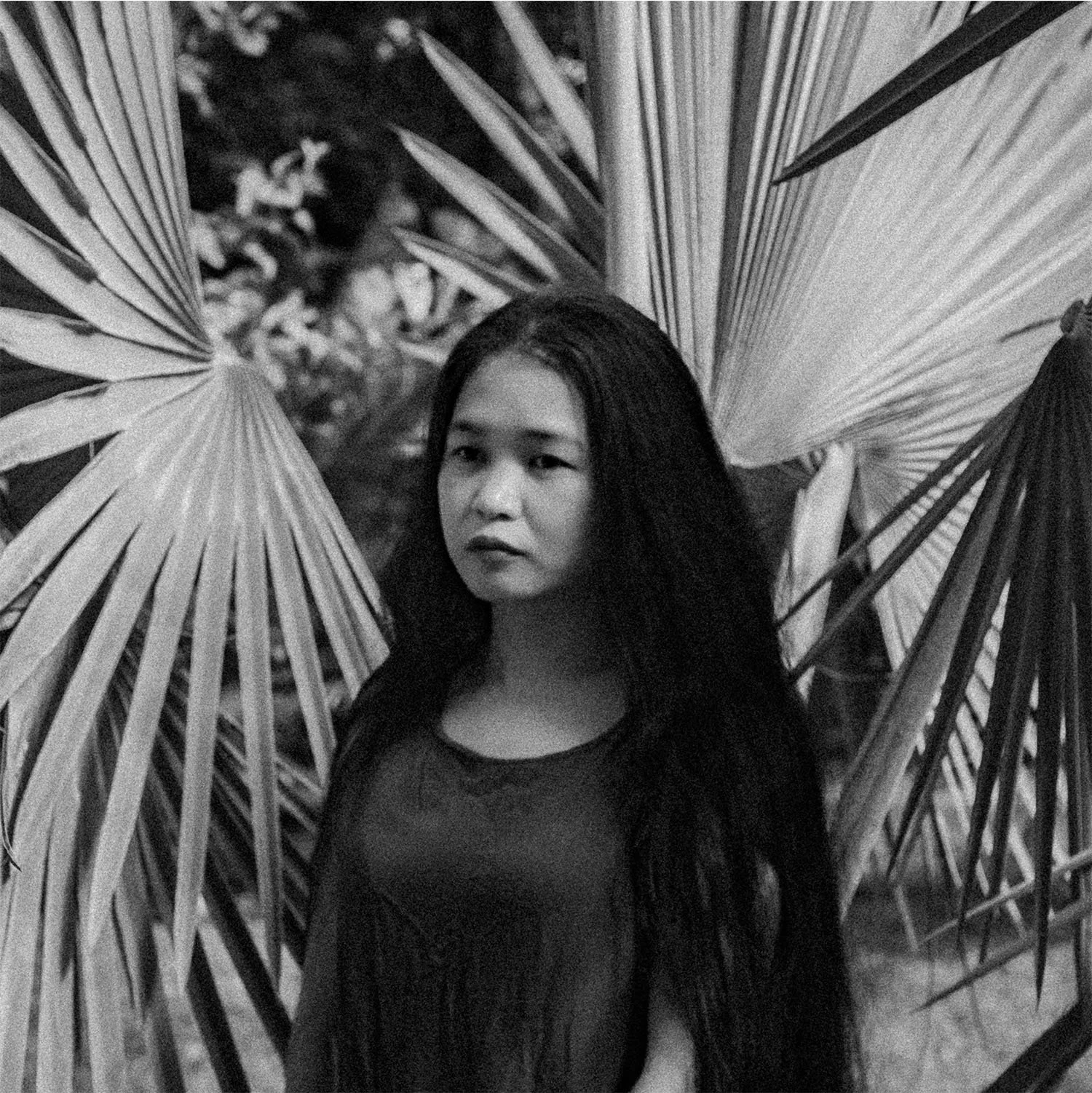
Tekla Tamoria
Multidisciplinary artist Catalina Africa constructs sculptural environments shaped by what she describes as a “personal cosmology,” prompting viewers to reconsider notions of individual and collective identity. In her installation, Earth Spirit Body Portals and Dreaming, towering flowers and elemental materials form a dreamlike landscape that invites awe and imagination as pathways to reconnect with the Earth.
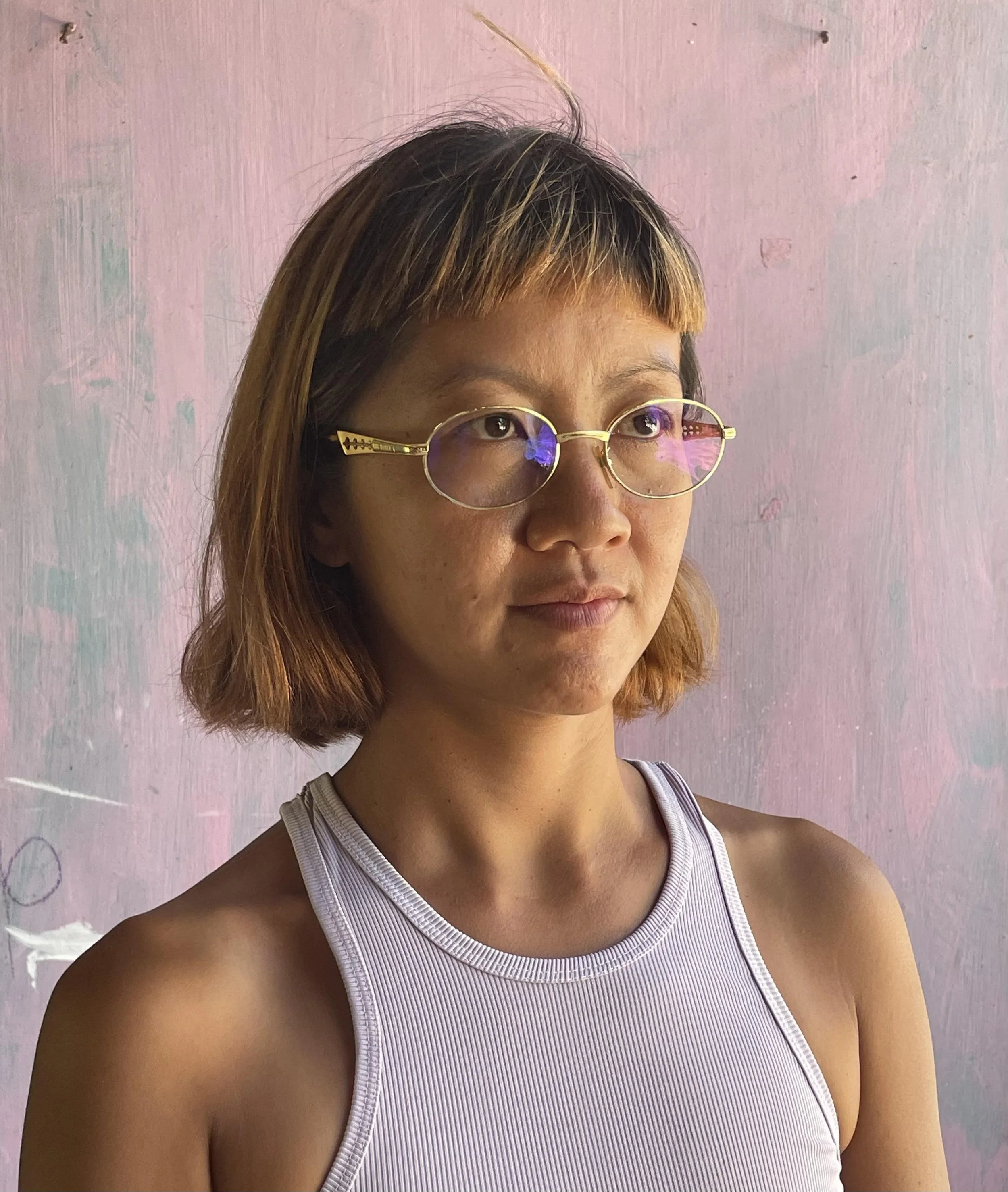
Catalina Africa
Educator and interdisciplinary artist Issay Rodriguez intersected science and art through installations that integrate ecological themes. In Star Eater, Soil Healer, she visualizes storytelling and poetics in a call for environmental responsibility.
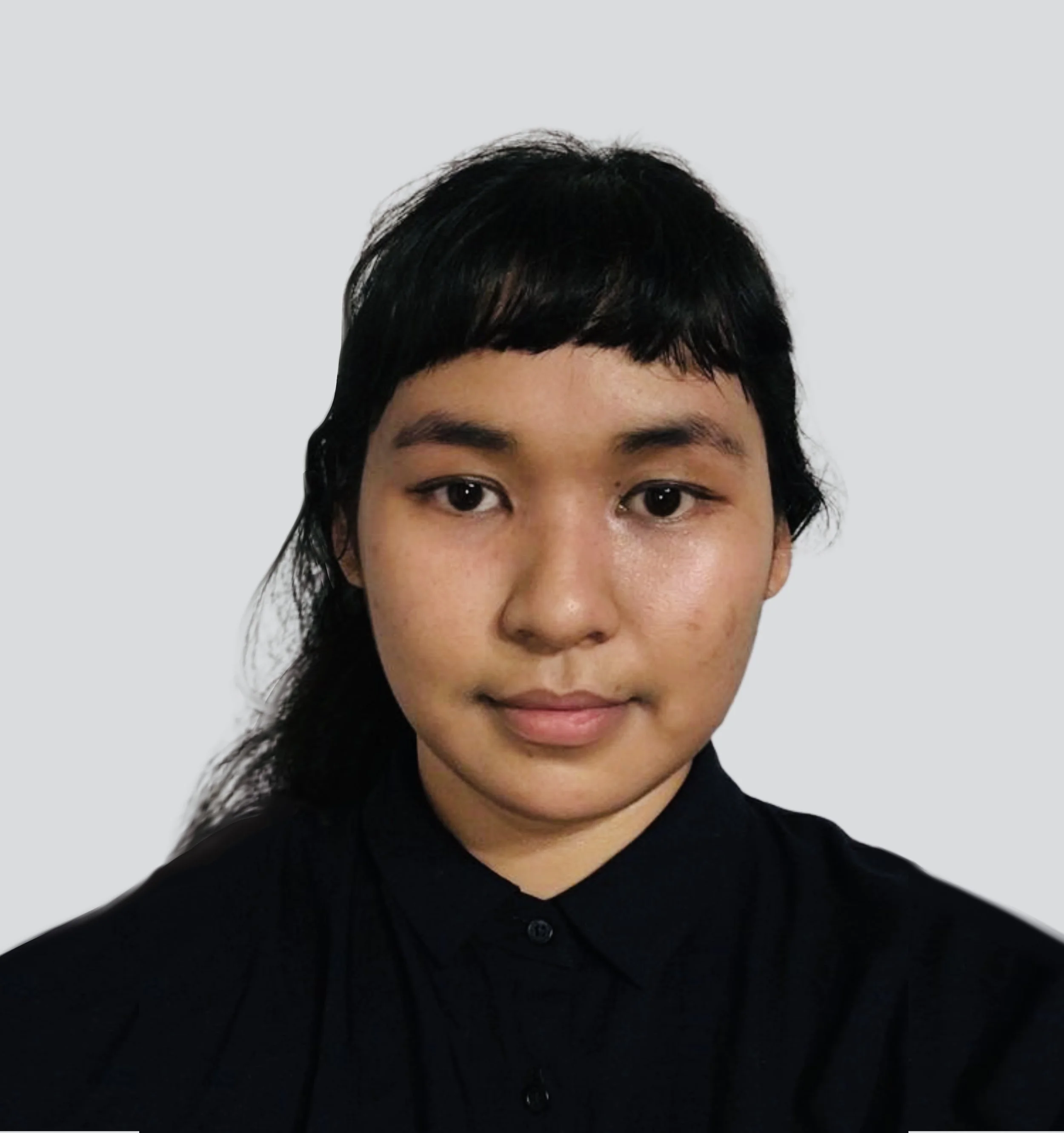
Issay Rodriguez
Liv Vinluan explores the visual memory of flora, particularly endangered and extinct species. Reckoning with Change reimagines colonial botanical illustrations through fragile watercolors, presented with magnifying lenses and archival notes as a mourning archive of ecological loss.
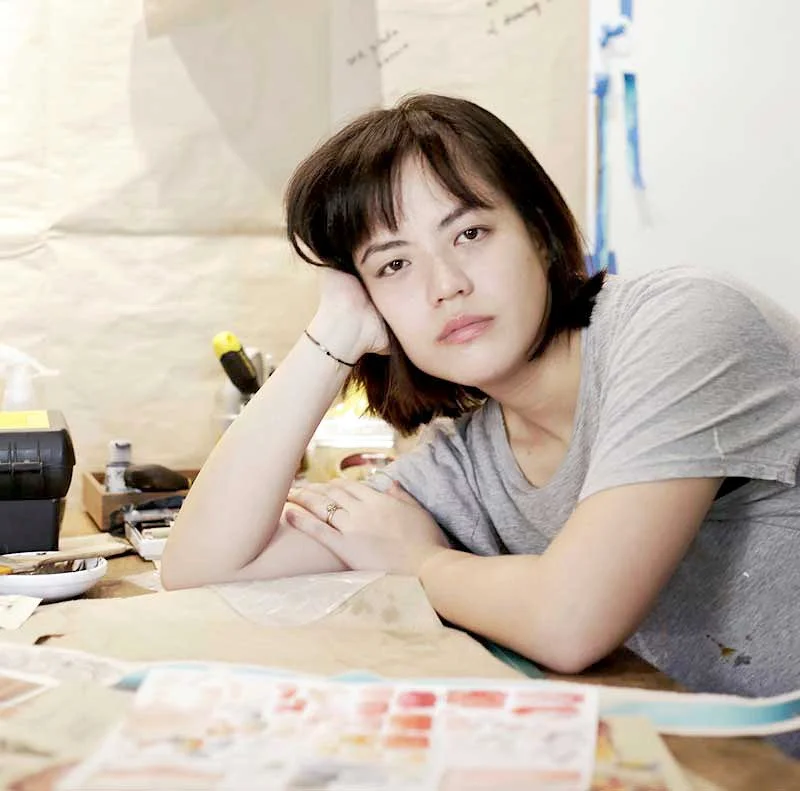
Liv Vinluan
Ella Mendoza presented a spatial critique of violence by foregrounding silence, not as absence but as complicity. In Comfort of Contradiction, it stages how societies absorb harm through abstraction and denial.
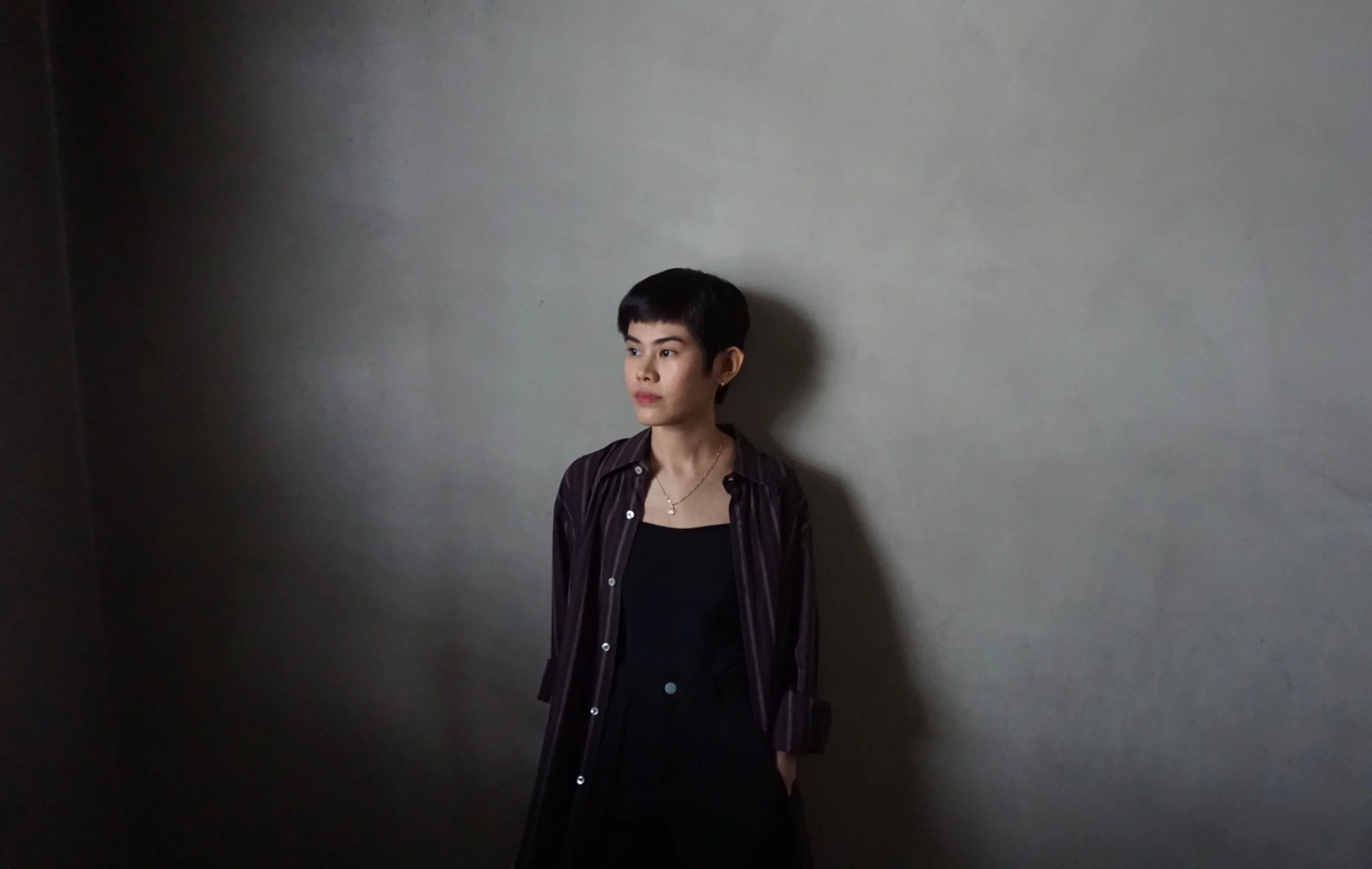
Ella Mendoza
Luis Antonio Santos worked with galvanized iron sheets as material memory, marking layers of wear and visibility. His work reflects on memory and erasure and has been shown extensively across Southeast Asia and beyond.
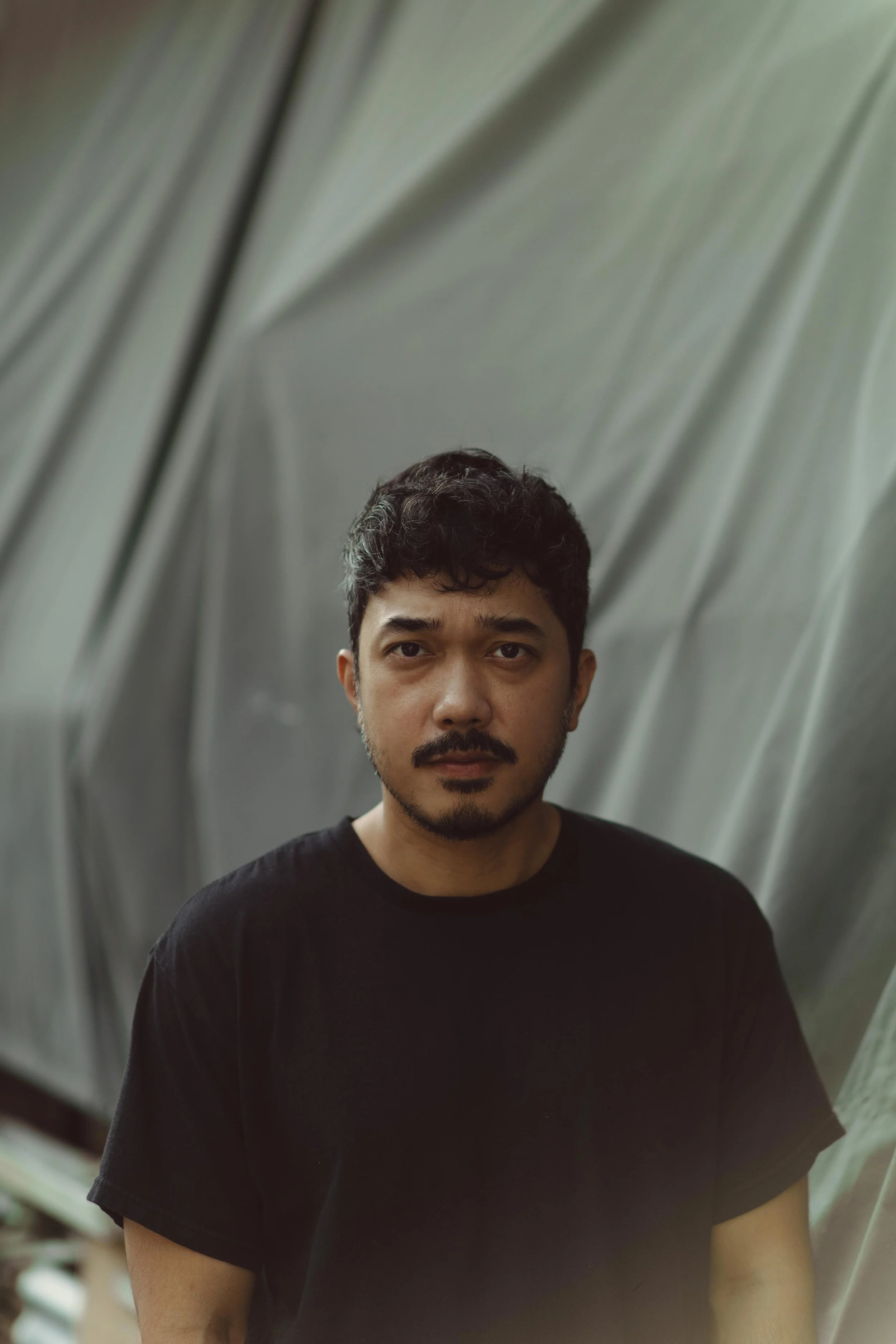
Luis Antonio Santos, Photo credits Joseph Pascual
Vien Valencia foregrounds movement and spatial negotiation in relation to personal autonomy, highlighting physical presence as a site of power and vulnerability.
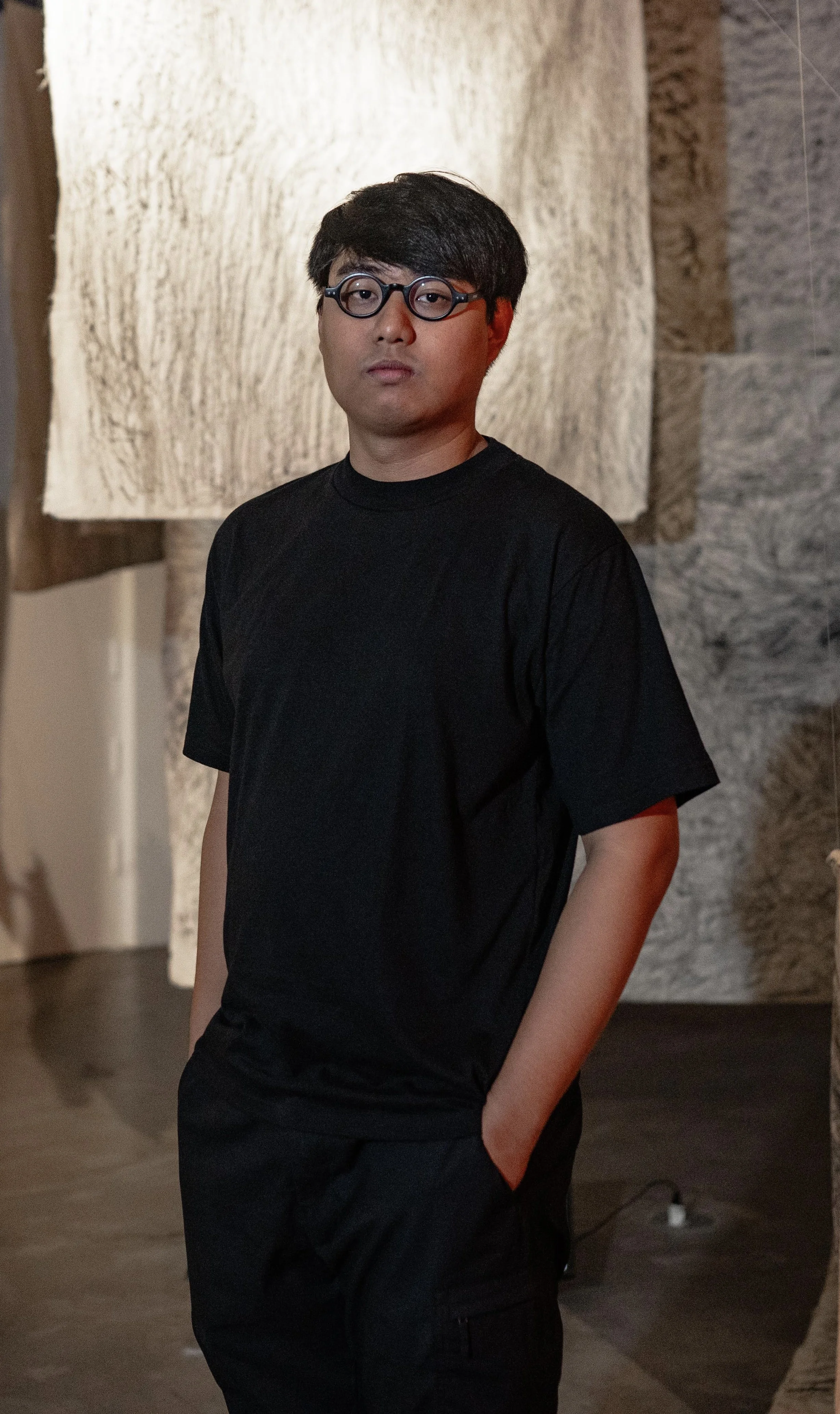
Vien Valencia
Self-taught artist Jel Suarez worked with paper fragments, composing specimen-like collages that explore fragmentation and reconstruction. Her work reflects on domestic labor and illness, and has been exhibited widely in Asia and Europe.
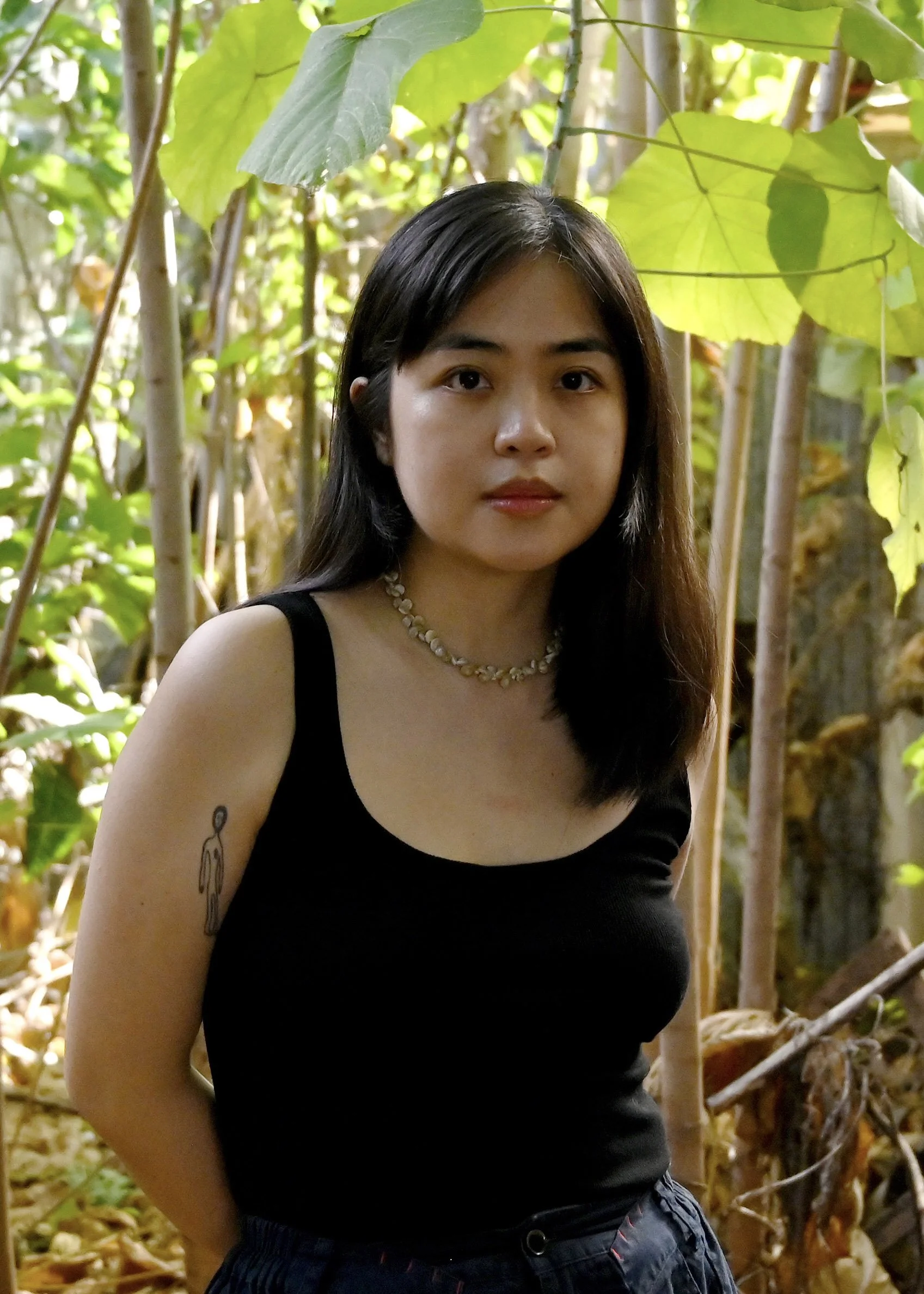
Jel Suarez
Choreographer and visual artist Joshua Serafin draws from precolonial mythologies to perform and visualize Filipino identities. In Cosmological Gangbang, Serafin fuses video, dance, and ritual to reimagine trans and queer cosmologies erased by colonial histories.
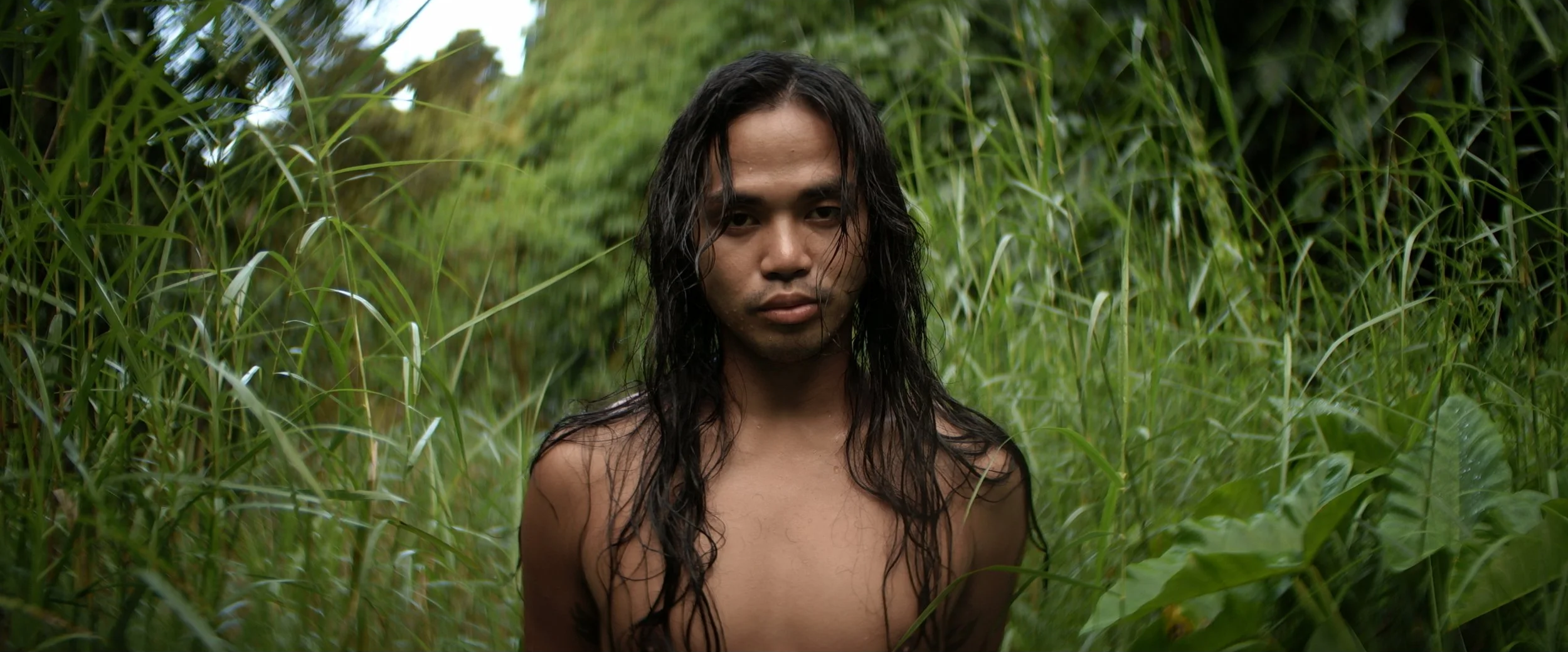
Joshua Serafin
Visual Artist Derek Tumala’s Vanishing Tribe addresses ecological fragility through installation, establishing a link between endangered species and the precarious condition of contemporary cultural life.
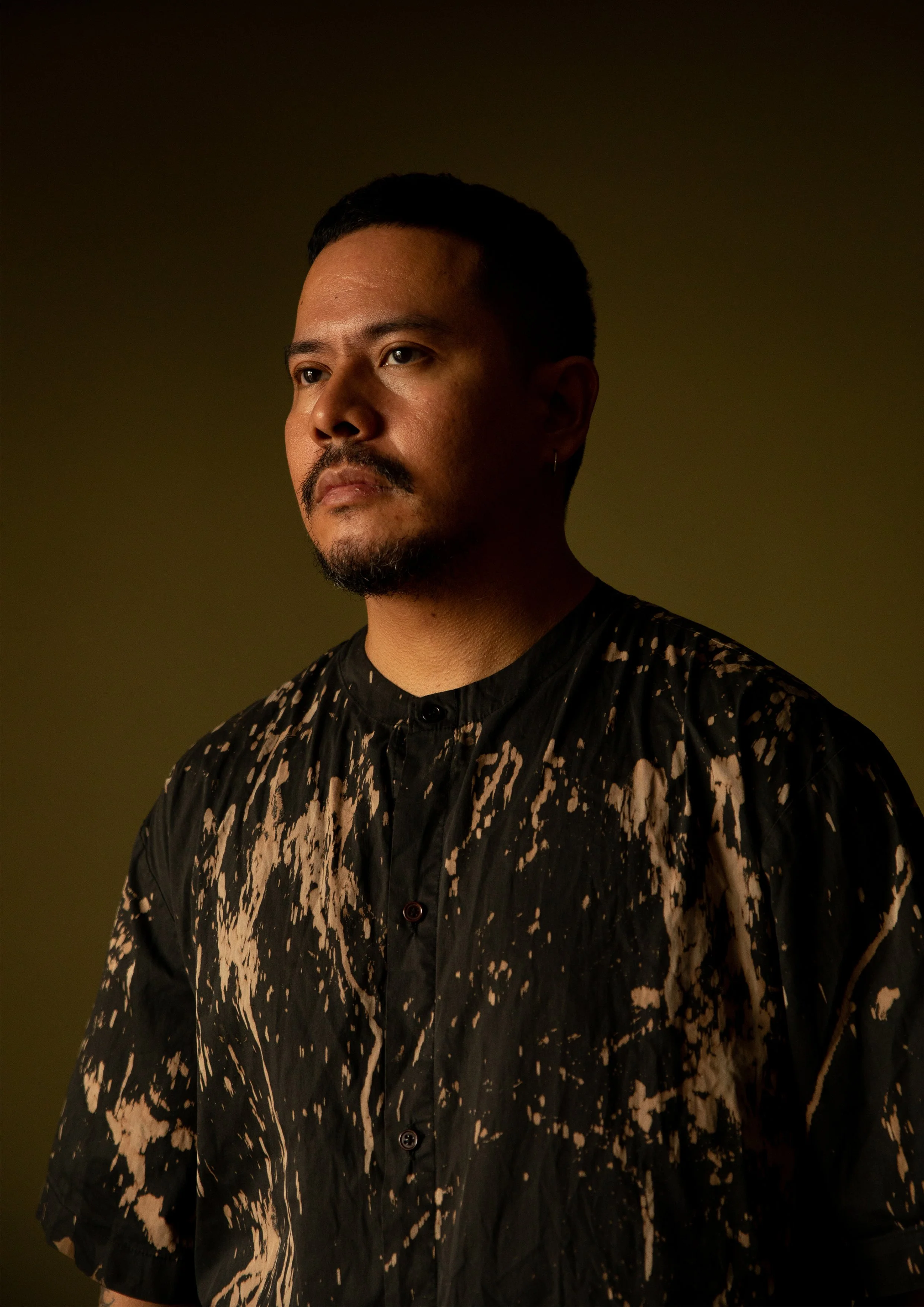
Derek Tumala, Photo credits Geric Cruz
Denver Garza created participatory installations that allow viewers to engage in collective acts of remembrance and healing. His work, An Unfinished Monument of Cares, combines canvas and fabric to accumulate burdens, hopes, and gestures of care.
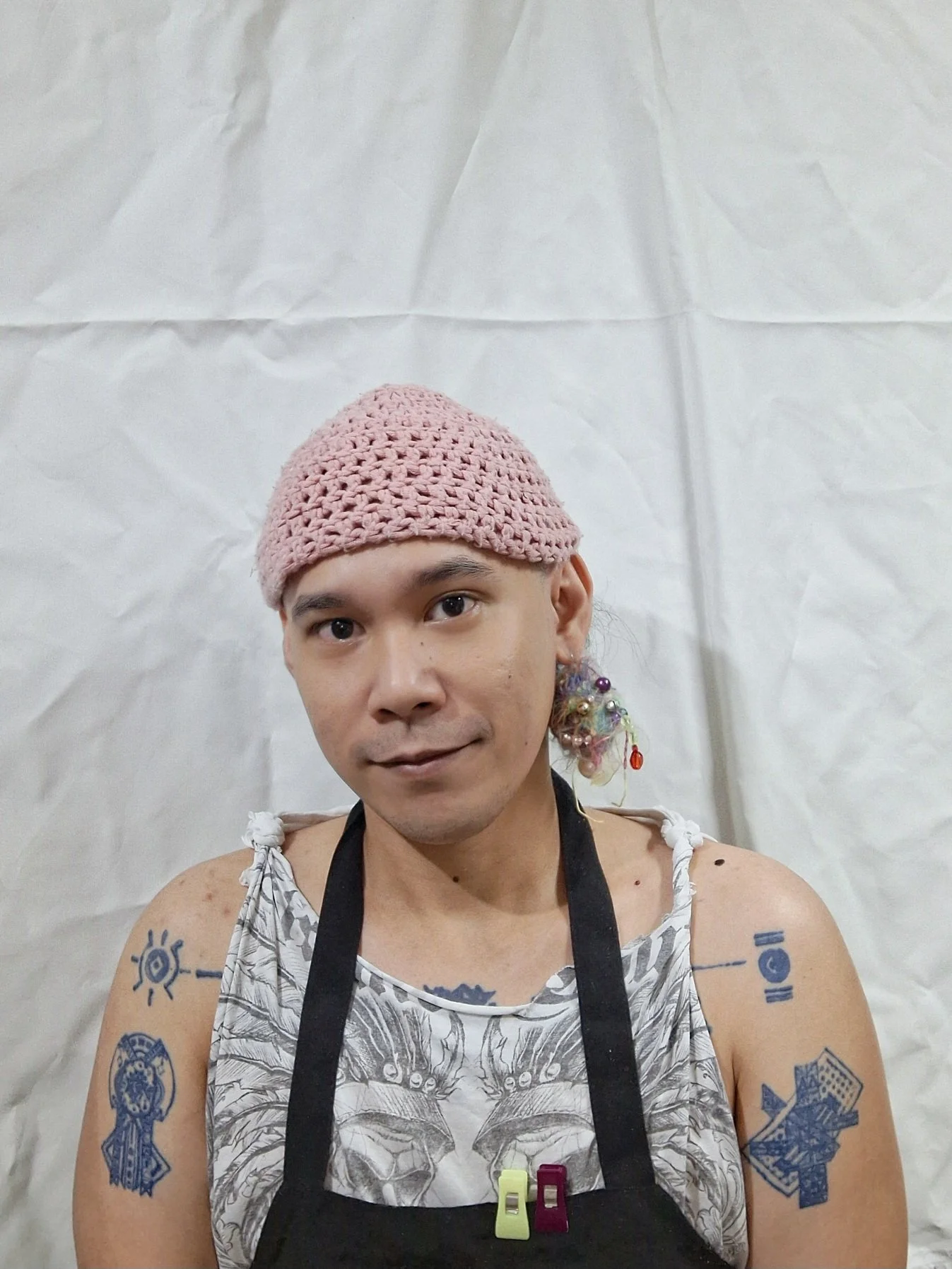
Denver Garza
According to Pueblo, the collective exhibit is an articulation of a generation of artists who are “awake, attentive, and insistently present,” operating with care, curiosity, and an awareness of the intersecting systems in which they work.
Reimagining the history
Due to the temporary closure of the CCP's main complex for infrastructure upgrades, the exhibition is being held at the Sandiganbayan Reception Hall of the National Museum of Fine Arts.
Despite these limitations, the collaboration of two cultural institutions signals a continued commitment to artistic programming and institutional partnerships.
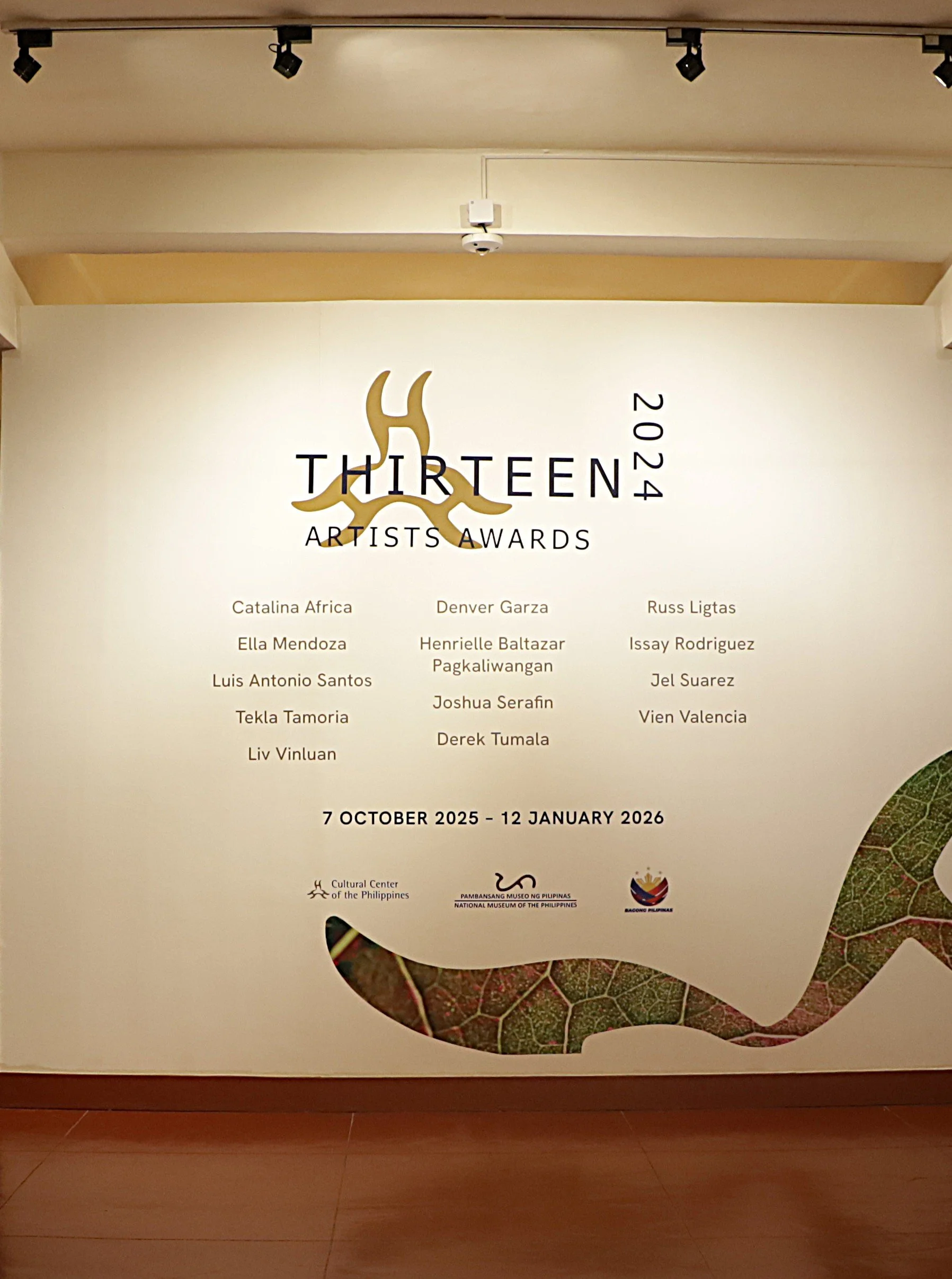
Thirteen Artists Awards exhibit at the Sandiganbayan Hall, National Museum of the Philippines
“We’re very proud to do what we can for the CCP during this period,” said Jeremy Barns, Director General of the National Museum. “We’re all progressing, kahit papaano, together with the CCP and the National Museum, and that’s evident in collaborations such as this one today.”
Since its inception, the TAA has recognized artists whose work is positioned at the intersection of aesthetic experimentation and socio-political engagement. This year, it reinforces this shift toward interdisciplinarity and participatory crafts, reflecting the complexity of contemporary art in the country.
As the exhibition continues through January 2026, it offers viewers an opportunity to engage with visual practices that document, dissect, and reimagine the present. Each work functions not only as an artwork, but as a representation of a particular moment in Philippine art history.