
Chopin laureate Kate Liu delivers a hypnotic Manila debut, captivating audiences at the Ayala Museum with her profound emotional depth and masterful interpretations of classical titans.
Words Rebelyn Beyong
Photos courtesy of Veniccio Productions
May 19, 2026
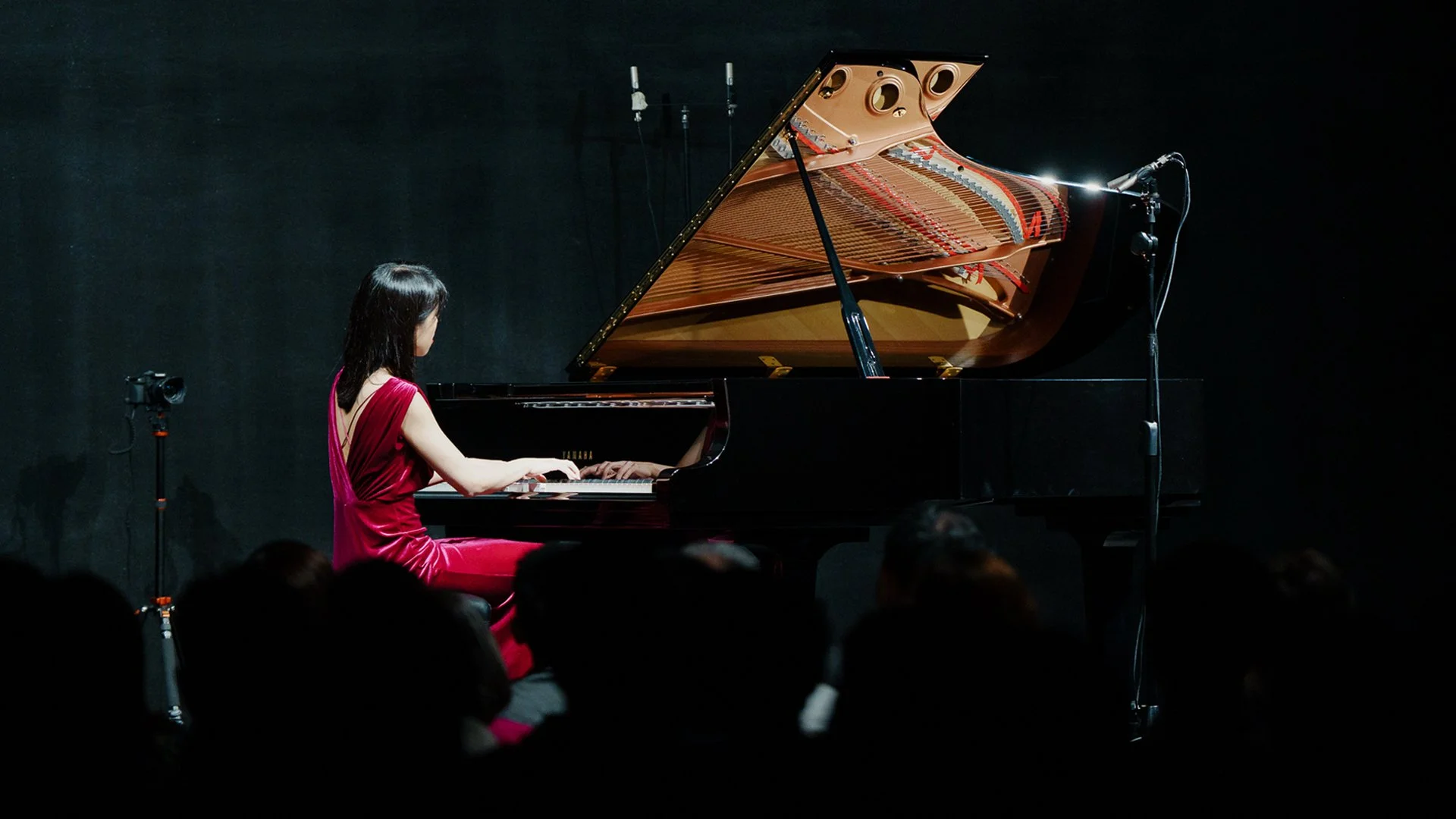
The atmosphere inside the Ayala Museum usually commands a sense of quiet reverence, but last May 2, the air crackled with anticipation. Local classical music fans gathered for the long-awaited Philippine debut recital of Kate Liu, and you could feel the excitement as you walked in.
If you knew her from the 2015 International Chopin Competition—where she won Third Prize along with the Audience Favorite and Best Mazurka awards—you already knew to expect something extraordinary.
Born in Singapore, raised in Chicago, and trained at Curtis and Juilliard, Liu regularly performs at major venues such as Carnegie Hall and the Warsaw National Philharmonic. Seeing an artist of her caliber in the intimate setting of the museum felt like a rare privilege.
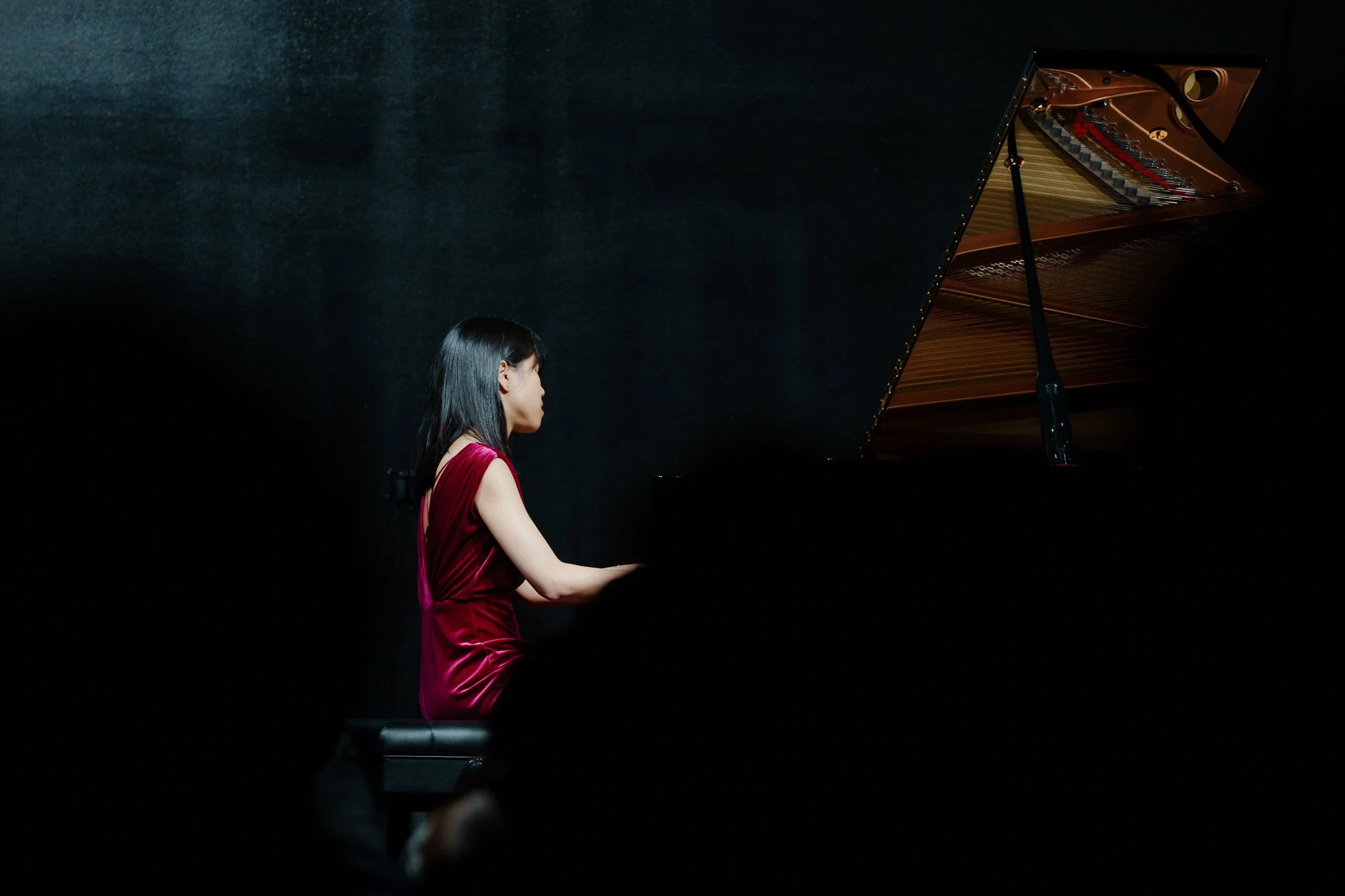
When the lights dimmed and she took her seat at the piano, the noise of Makati traffic outside just faded away. She opened with Frédéric Chopin’s 4 Mazurkas, Op. 30, and immediately proved exactly why the notoriously tough Polish audiences fell in love with her.
Her touch is incredibly nuanced. She managed to balance the earthy rhythm of the traditional folk dance with this profound, almost aching lyricism. You didn't just hear the notes; you felt the emotional shifts in every delicate phrase. It was so deeply introspective that it almost felt like we were eavesdropping on a private confession.
Then came the heavyweight: Chopin’s Piano Sonata No. 2 in B-flat Minor, Op. 35. We noticed people instinctively holding their breath during the heavy, familiar tread of the Funeral March.
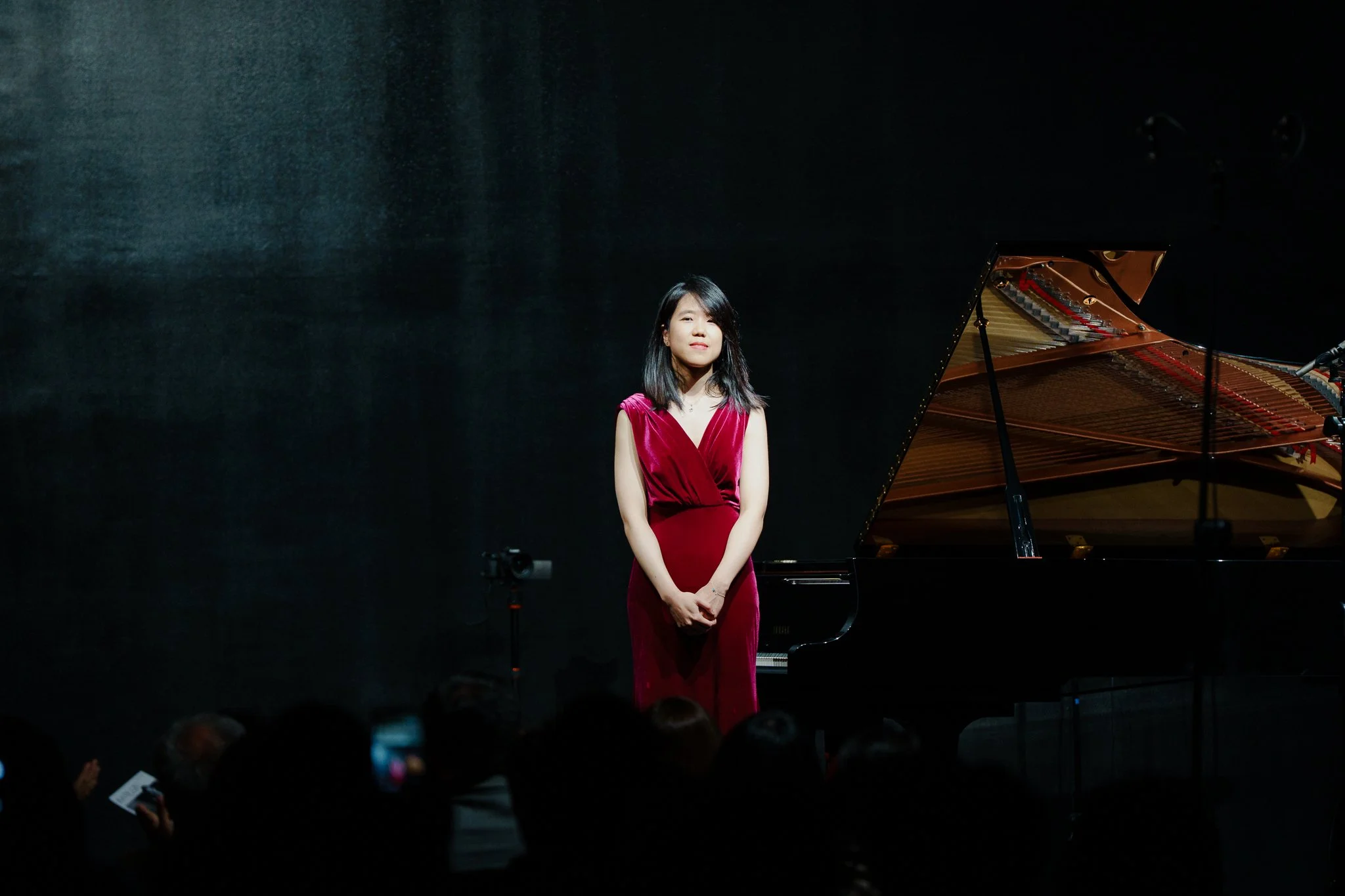
The emotional weight she pulled from the keys was staggering, but her technique remained so transparent that the complex chords never sounded muddy. It instantly reminded of what the great pianist Garrick Ohlsson said on a podcast once—that listening to her leaves him "in a dream state."
By the time she tackled the strange, fleeting Presto finale (often compared to wind howling over graves), the ghostly whispers of the sonata had the entire room caught in that exact same trance.
After a quick pause to let everyone breathe, Liu shifted gears to Robert Schumann’s Arabeske in C Major, Op. 18. This was a masterclass in poetic phrasing.
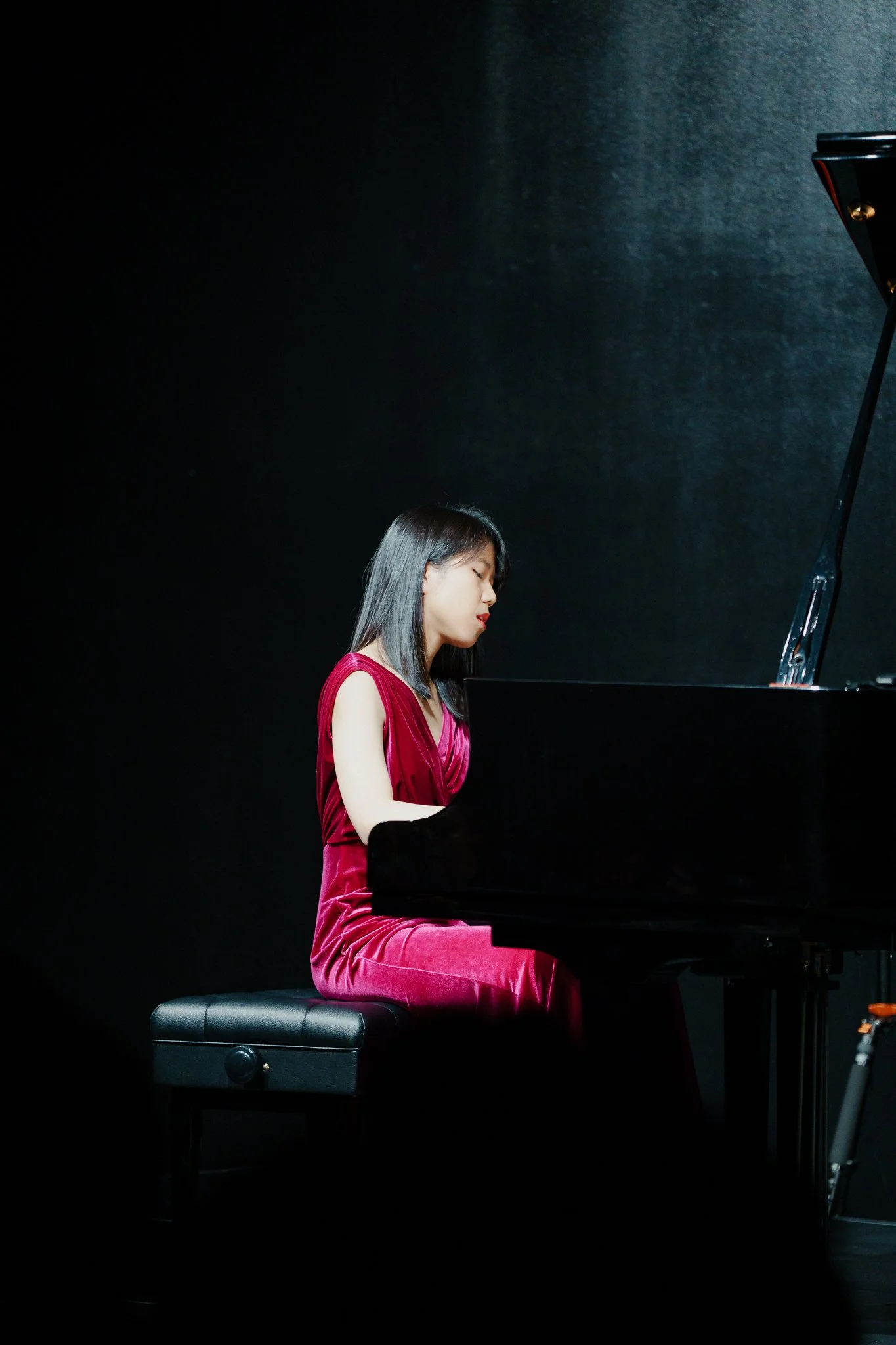
We watched her navigate those wistful melodies with such fluid grace, her expressions mirroring the gentle ebb and flow of the music. It served as the perfect palate cleanser, setting the stage for the night's formidable finale.
To close the program, she launched into Johannes Brahms’s Piano Sonata No. 1 in C Major, Op. 1. If you thought she only played with ethereal delicacy, you're wrong.
Liu unleashed a surprising, thunderous power here, completely enveloping the audience in the symphonic, muscular scale of the young Brahms. Her dynamic range was huge, commanding the piano with fierce intensity.
She navigated the dense chords with both athletic stamina and intellectual clarity, ultimately bringing a breathless crowd to its feet for a massive, roaring standing ovation.
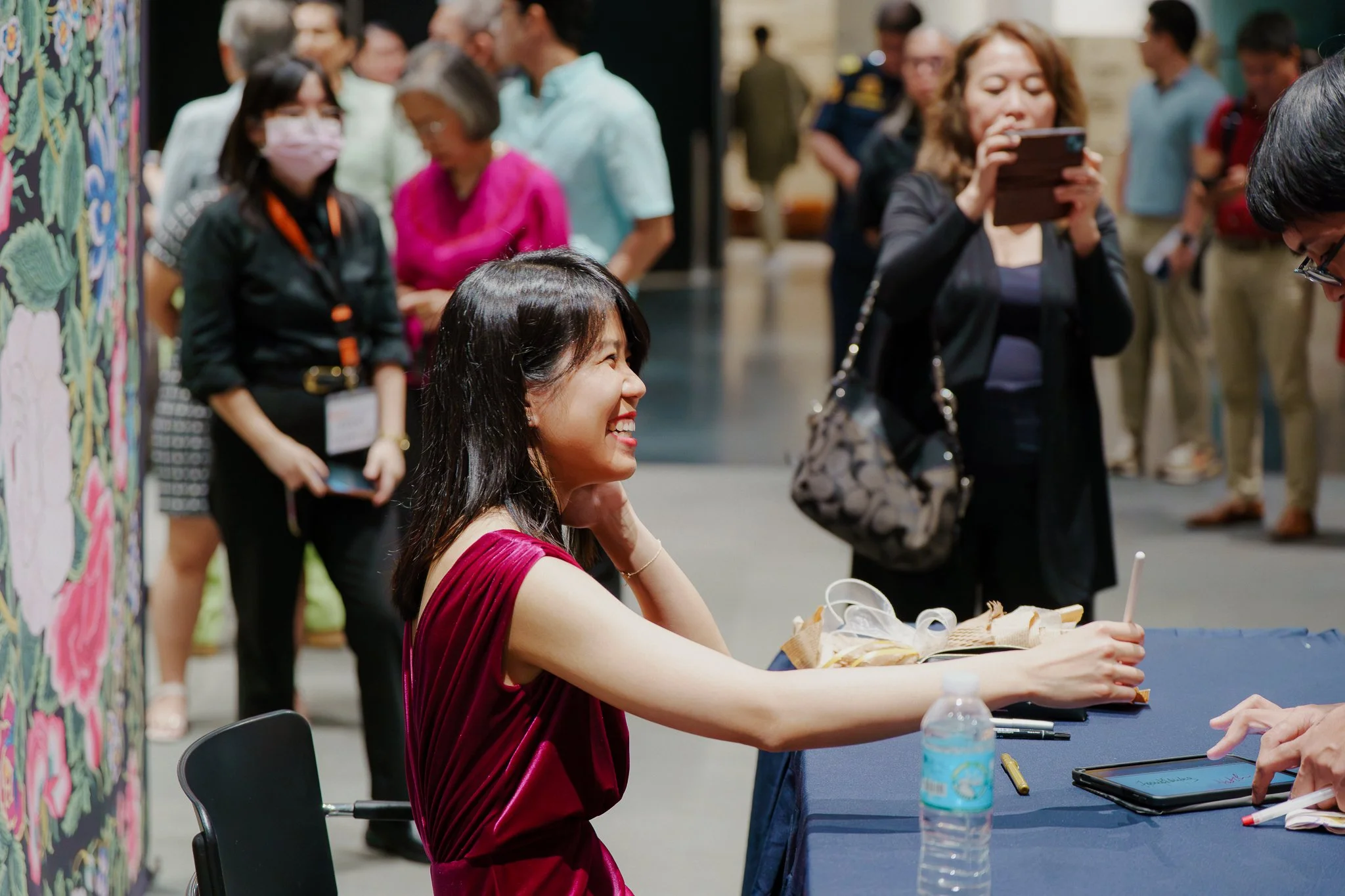
The magic didn't end with the final chord. Standing in line outside the hall for the post-concert signing, clutching the printed programs, the buzz was still electric.
Meeting her briefly as she signed the program and taking photos, it was striking how soft-spoken and gracious she was after delivering such a powerhouse performance.
We left the museum knowing we’d just witnessed a defining moment in Manila’s classical arts scene.
Of course, evenings like this do not come together by chance. Veniccio Productions deserves immense credit for mounting the recital with such polish and care. In bringing a world-class artist like Kate Liu to Manila, they offered local audiences not only a memorable performance, but also a meaningful contribution to the city’s growing cultural life.