
Cacao Leaves Take Over the Runway
More than a design challenge, Drag Race Philippines promotes sustainability, craftsmanship, fashion, and the Filipino culture through cacao leaves.
Words Katrina Clarice F. Abella
Photo courtesy of Drag Race Philippines
September 16, 2025

When nature meets couture, excellence rustles the runway.
In Episode 3 of Drag Race Philippines: Slaysian Royale, which aired on August 27, 2025, the queens faced a unique design challenge unlike any before. This time, there were no fabrics, papers, or traditional craft materials. Instead, they were tasked with creating their runway looks using dry, fragile, and vibrantly dyed fossilized cacao leaves.
The production supplied a total of 9,000 pieces of these delicate leaves, challenging the queens to craft couture for the aptly titled runway theme: ‘Holy Cacao!’
This challenge wasn't just about design—it was an exercise in storytelling, reinvention, and pushing the boundaries of creativity using the unexpected materials provided.
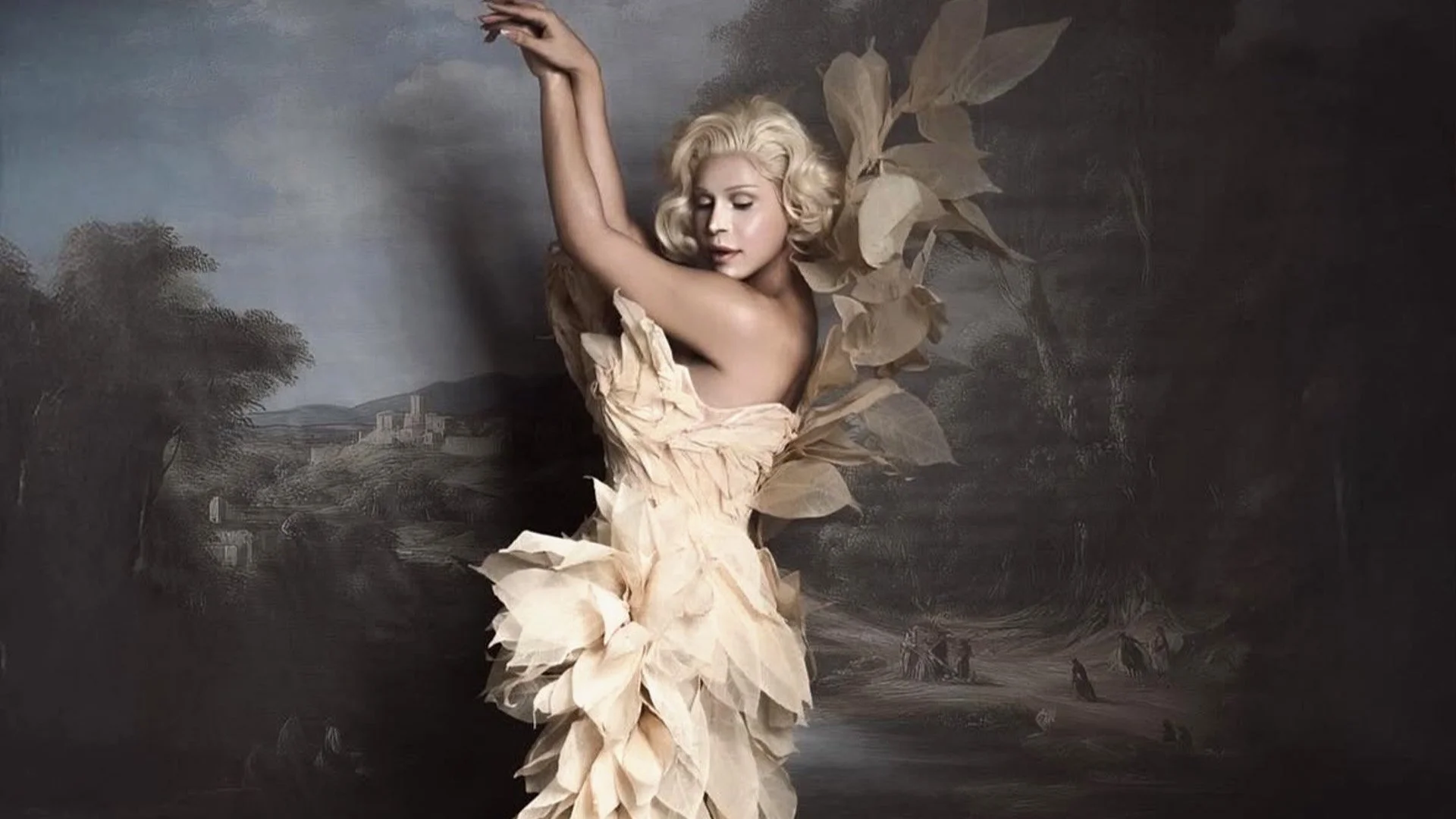
Viñas Deluxe, Photo by Dennis Sulit, More on Viñas’ Instagram (@vinasdeluxe)
“Ang ganda pala nitong mga cacao leaves na ‘to no? Hindi ko in-expect na pwede pala maging art yung mga [cacao] leaves,” said Viñas Deluxe in the episode, the winner of the challenge.
Using cacao leaves was a fitting and meaningful tribute to the show's sponsor, Auro Chocolate—a proudly Filipino, tree-to-bar chocolate brand that sources its cacao directly from local farmers.
Auro’s mission is to uplift the local farming community by transforming locally harvested cacao into products that bring recognition to the Philippines on the global stage.
In the episode, host Mama Pao explained that the cacao leaves were fossilized through a careful process that preserves their natural structure. After treatment, the leaves were dyed in ten vibrant colors by the skilled farmers of Barangay Paquibato in Davao City.
According to the Department of Science and Technology’s Forest Products Research and Development Institute (DOST-FPRDI), fossilizing leaves involves boiling them in a caustic soda solution to dissolve the soft tissues, leaving behind a delicate leaf skeleton. These are then bleached and dyed, resulting in a unique material ready for artistic use.
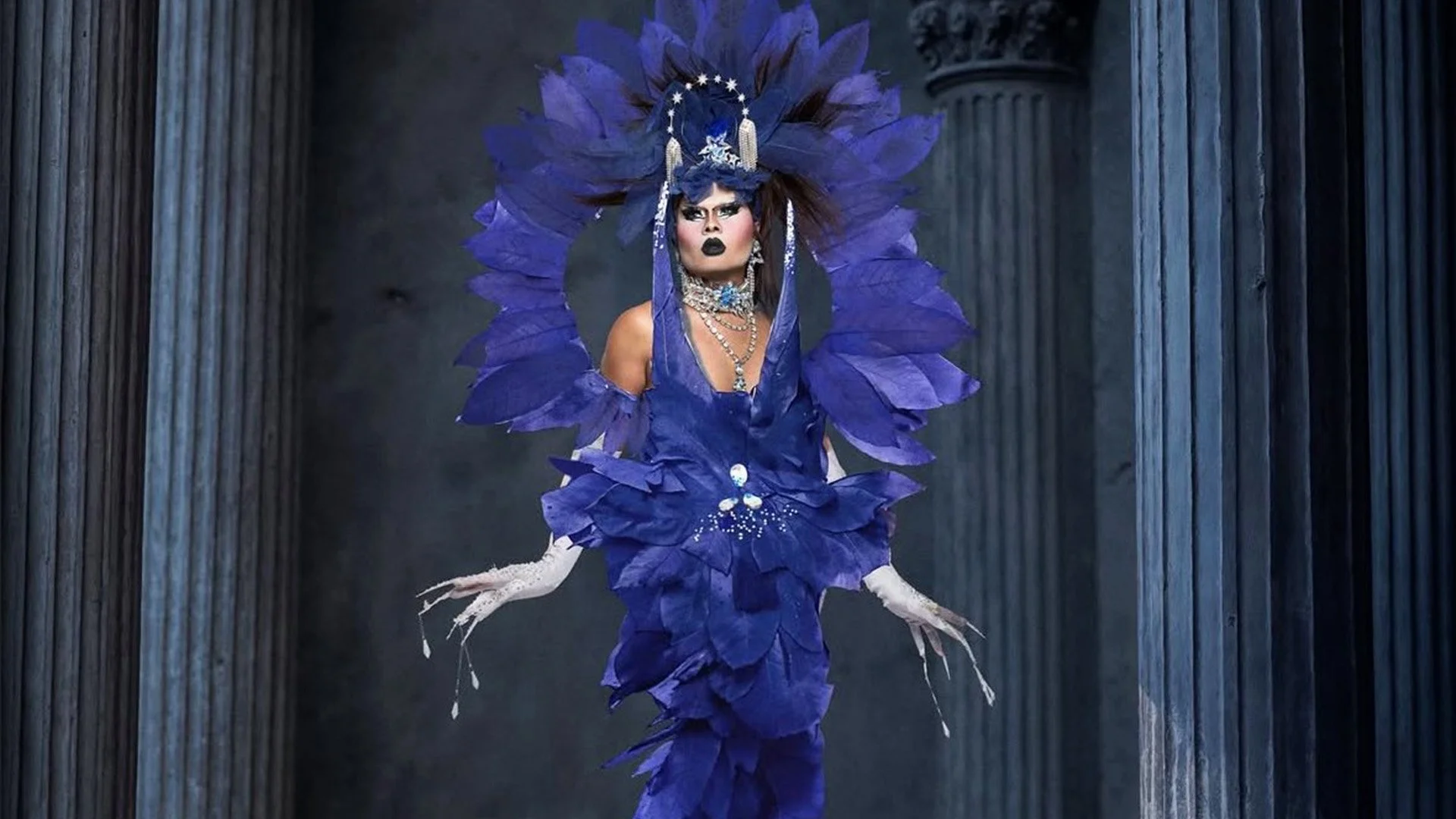
Kitty Space, Photo by Jean Ranobrac, More on Kitty Space’s Instagram (@kitty___space)
Cacao thrives in the Philippines’ warm and humid climate, making it deeply embedded in Filipino culture and memory. From drinking tsokolate made with tablea to enjoying a warm bowl of champorado during the rainy season, cacao is more than a crop–it’s a taste of tradition.
This challenge wasn't just about using a Filipino-made material. It highlighted the Filipino spirit of creativity and resourcefulness, proving that even fossilized cacao leaves can be transformed into couture through skill and imagination.

Brigiding, Photo by Ennuh Tiu, edited by JJ Galang, More on Brigiding’s Instagram (@brigiding)
The drag queens folded, sculpted, and layered the leaves into stunning silhouettes, turning the runway into a stage for wearable art. Their creations became a celebration of craftsmanship, community, and culture.
This challenge proved that fashion and sustainability can sashay hand in hand, forging something both innovative and beautiful.
And while the runway was graced by a diverse group of queens from across Asia, that night, they all walked with the essence of Philippine culture stitched into every leaf.