
Breathing Contemporary Life into Iloilo’s Historic Heart
For National Heritage Month 2026, the Tropical Research Institute of Panay (TRIP) breathed new energy into Iloilo City's 104-year-old Celso V. Ledesma House with Signs of Life, a crowd-sourced contemporary art activation that reimagines historical spaces as vibrant, living hubs of modern culture
Words Rebelyn Beyong
Photos courtesy of Tropical Research Institute of Panay (TRIP)
June 08, 2026
History often feels trapped behind velvet ropes, but in Iloilo City, it is currently vibrating with fresh, creative energy. For National Heritage Month 2026, the Tropical Research Institute of Panay (TRIP) proudly presented "Signs of Life," a contemporary heritage activation staged inside the stunning 104-year-old Celso V. Ledesma House in downtown Iloilo.
Held exactly one year after the unveiling of the house's National Historical Commission of the Philippines (NHCP) heritage marker, the dynamic project brought together artists, musicians, writers, cultural workers, students, and locals to temporarily reactivate the ancestral home.
Culturally dormant space awakens
The initiative began with a straightforward observation: many heritage structures survive physically, but remain culturally dormant. "Signs of Life" deeply explored what it means for a historical structure to function not only as an object of preservation, but as an active civic and cultural space shaped by contemporary use.
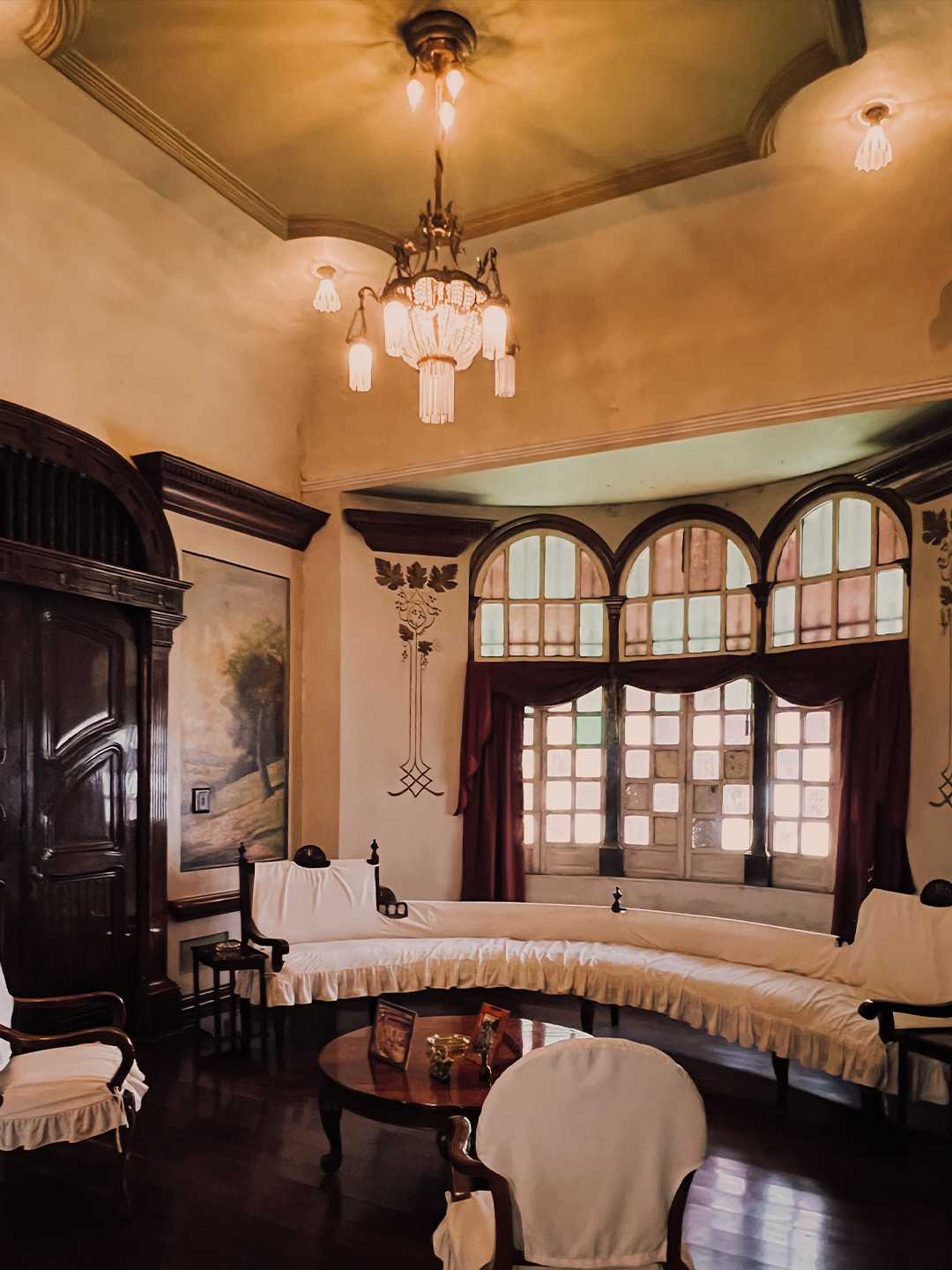
For one full day, rooms throughout the house became immersive sites for sound, projection, conversation, ritual, and temporary occupation.
The artistic approach was intentionally light-handed; rather than transforming the house into a stark white cube or an over-the-top spectacle, the project focused on subtle forms of activation that allowed contemporary works to seamlessly coexist with the existing architecture and atmosphere of the structure itself.
Redefining heritage through street culture
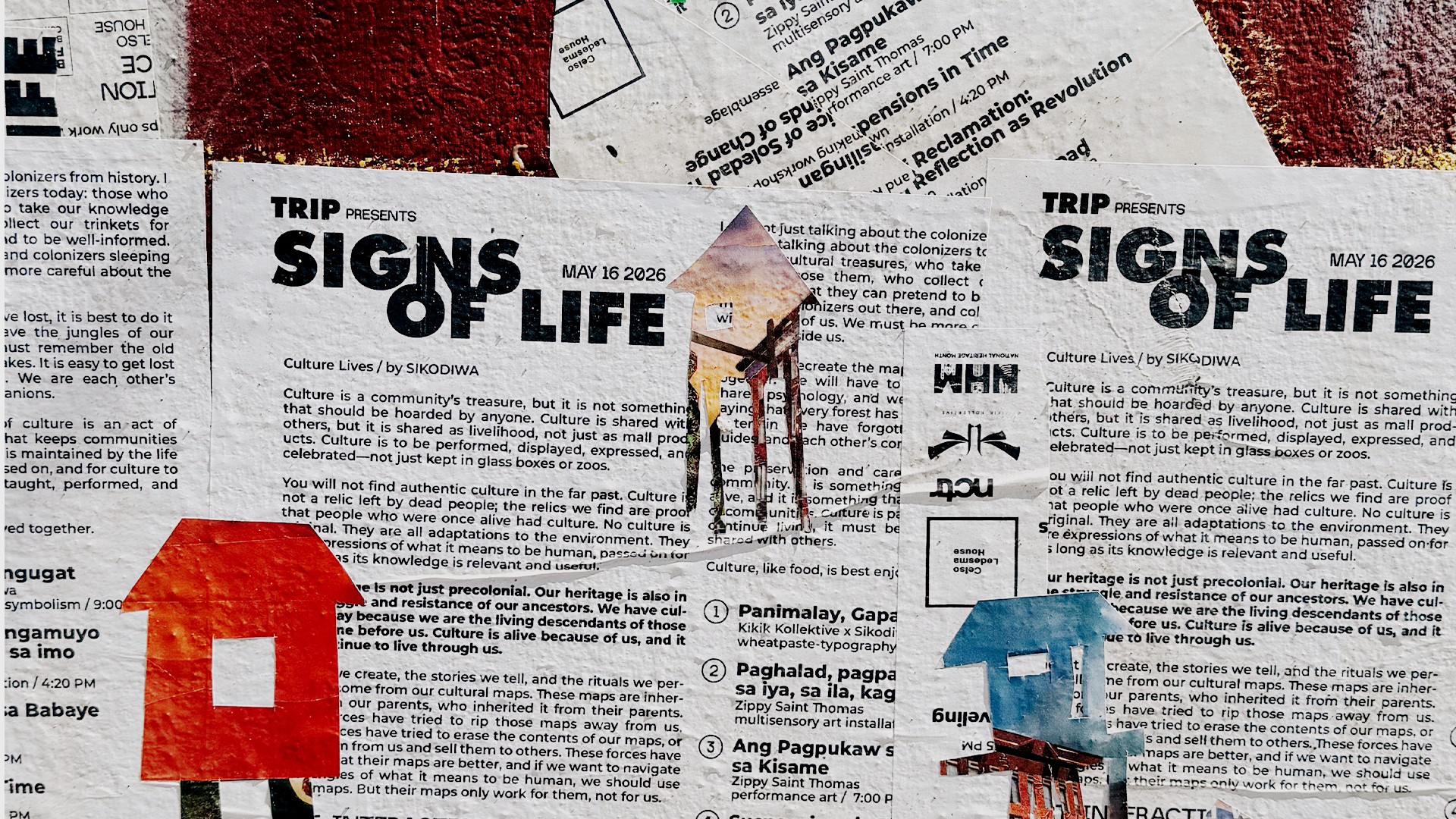
Among the project's most visible and striking interventions was a large-scale Hiligaynon paste-up collaboration by Kikik Kollektive and Carl Lorenz Cervantes (Sikodiwa). Installed boldly on an exterior wall facing one of downtown Iloilo's busiest streets, it featured a translated excerpt from Cervantes' essay titled “Culture Lives”.
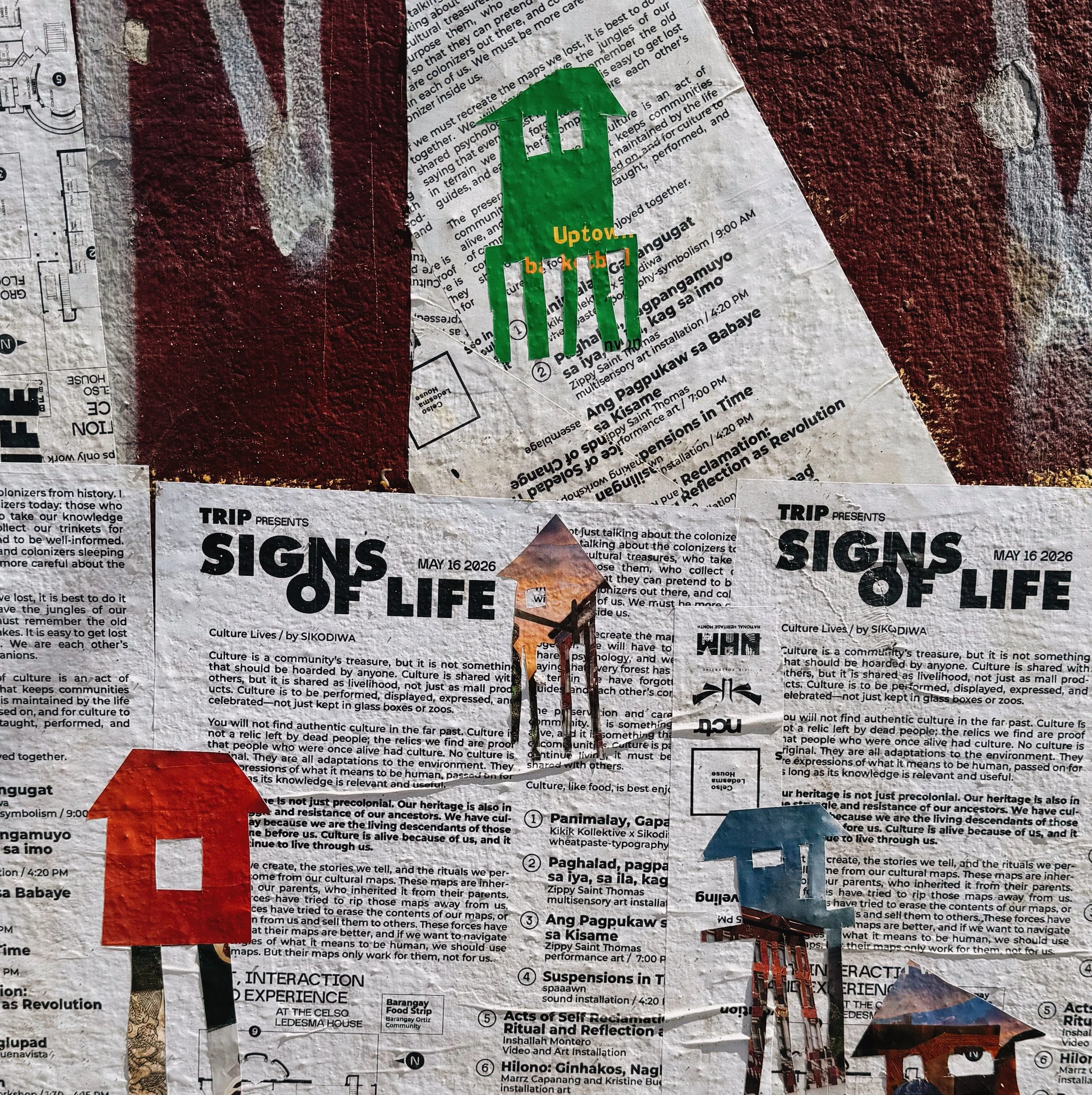
“Panimalay, Gapangugat” by Kikik Kollektive x Sikodiwa
An excerpt from the essay, "Ang kultura ginapanubli, kag para magpadayon ini nga buhi, kinahanglan ini itudlo, ipakita, idihon, kag ipaambit sa iban".
In English, this translates to: "Culture is inherited, and for it to remain alive, it must be taught, shown, expressed, and shared with others".
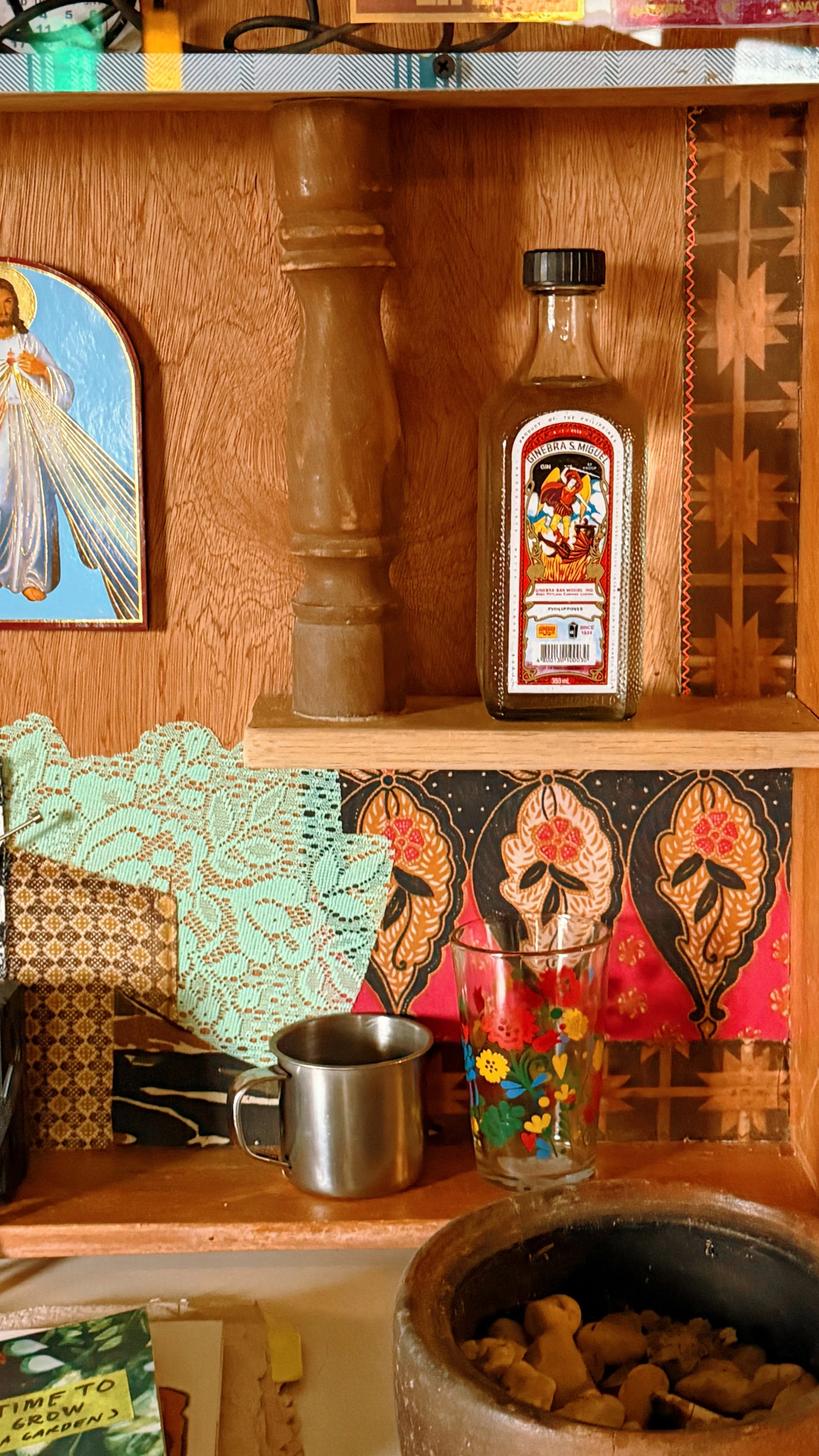
“The Dynamic Voice of Soledad Traveling in the Amihan Winds of Change” by Margaux Blas
By utilizing forms of expression more commonly associated with urban intervention and street culture, the work quickly became one of the defining images of the activation, successfully reframing public conversations around heritage through language and visibility.
A community-driven cultural revival
This activation was entirely crowd-funded and crowd-sourced, assembled collectively through contributed labor, materials, equipment, documentation, food, technical support, and passionate volunteer work from the local community.
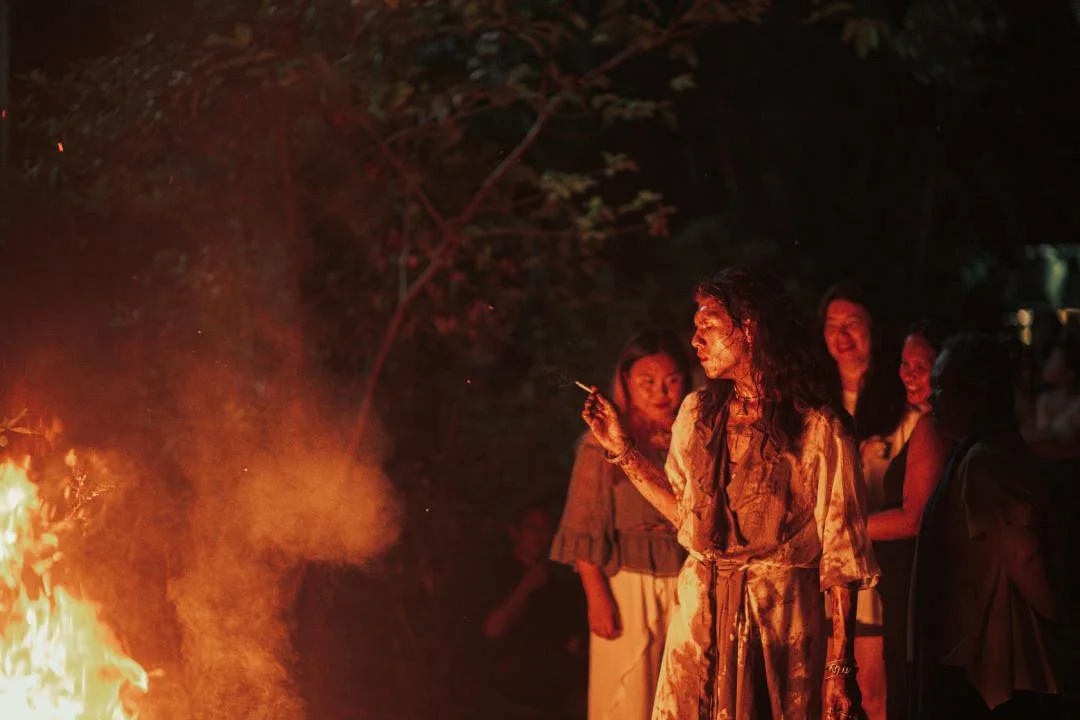
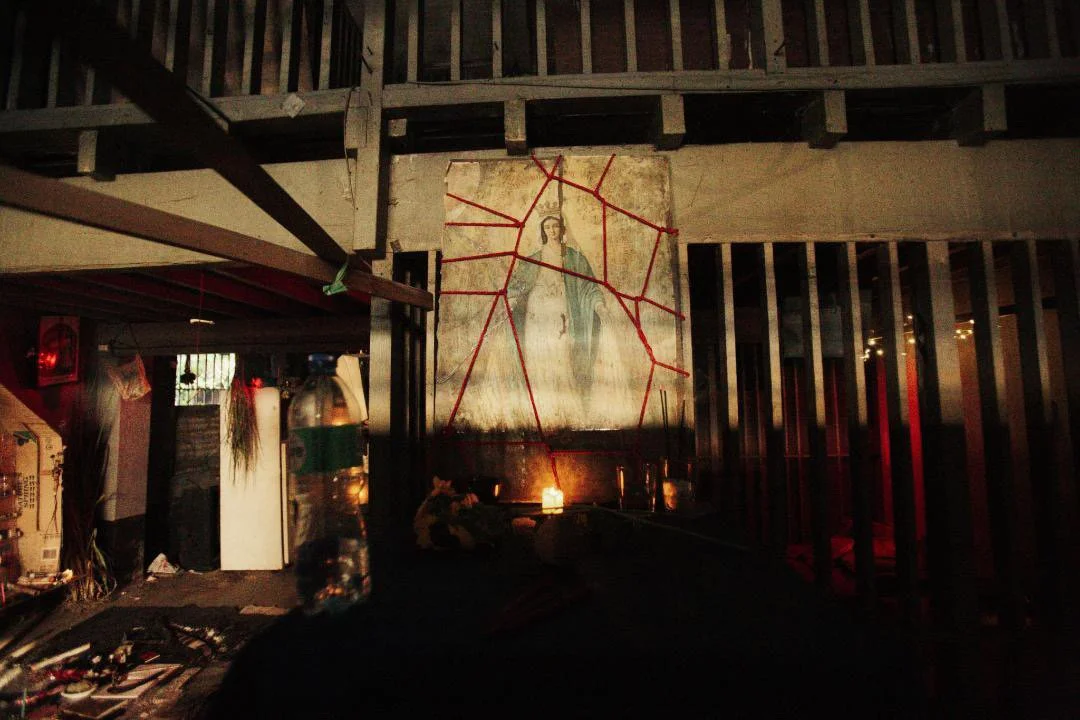
Participating artists and collaborators included 3pmsiesta, Carl Lorenz Cervantes, Cupster, Inshallah Montero, Kikik Kollektive, Kristine Buenavista, Margaux Blas, Marrz Capanang, Miguel Lopez, spaaawn, and Zippy Saint Thomas.
The vibrant energy seamlessly extended into the house's azotea, where music throughout the afternoon was provided by Sound Advice, Jazzy Jesus, and Job Hablo.
Drinks were served by NCTR, while food was generously prepared by local vendors from Barangay Ortiz with the direct support of the Barangay Captain, further grounding the project within the surrounding community rather than separating it from everyday public life.
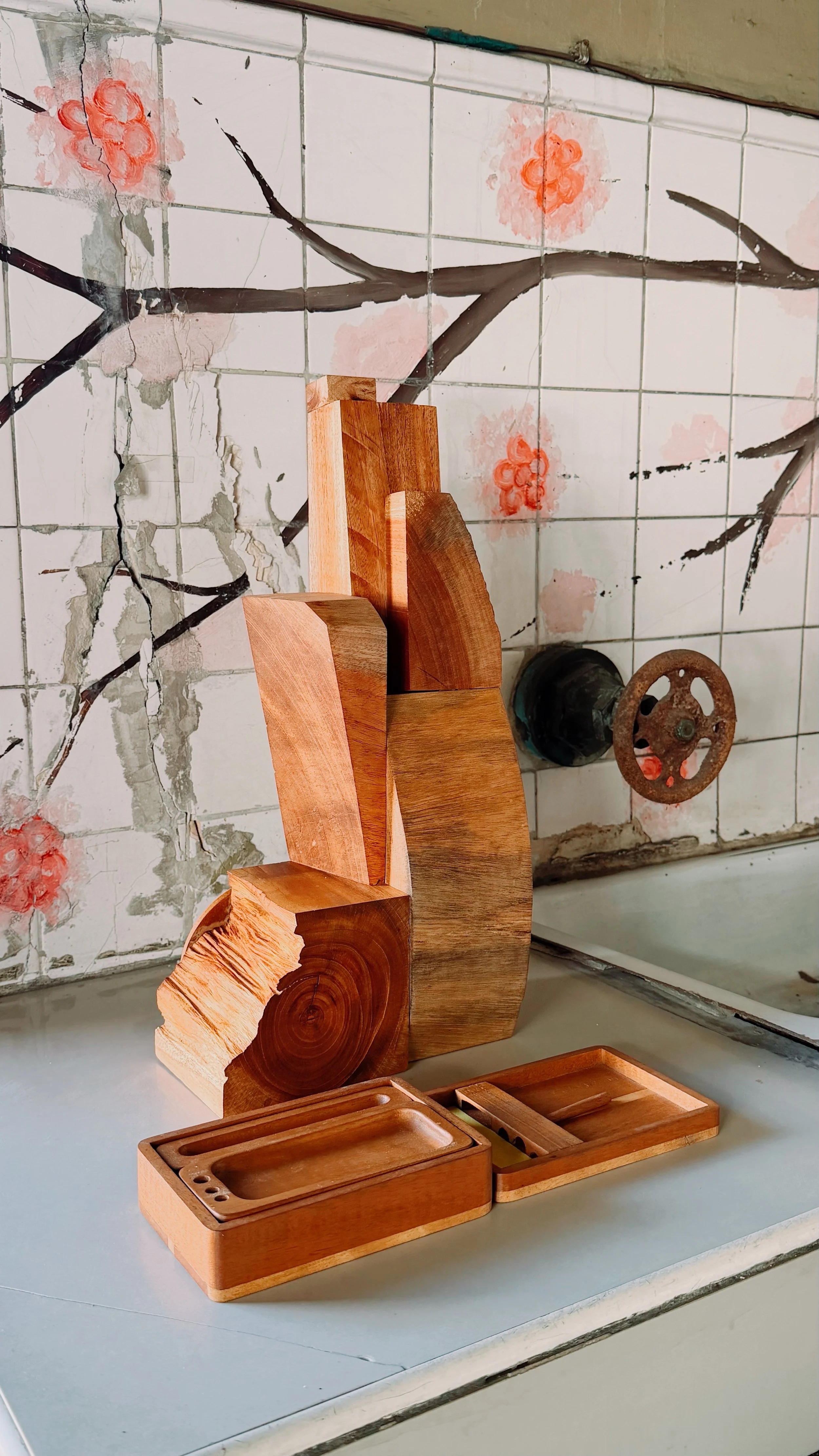
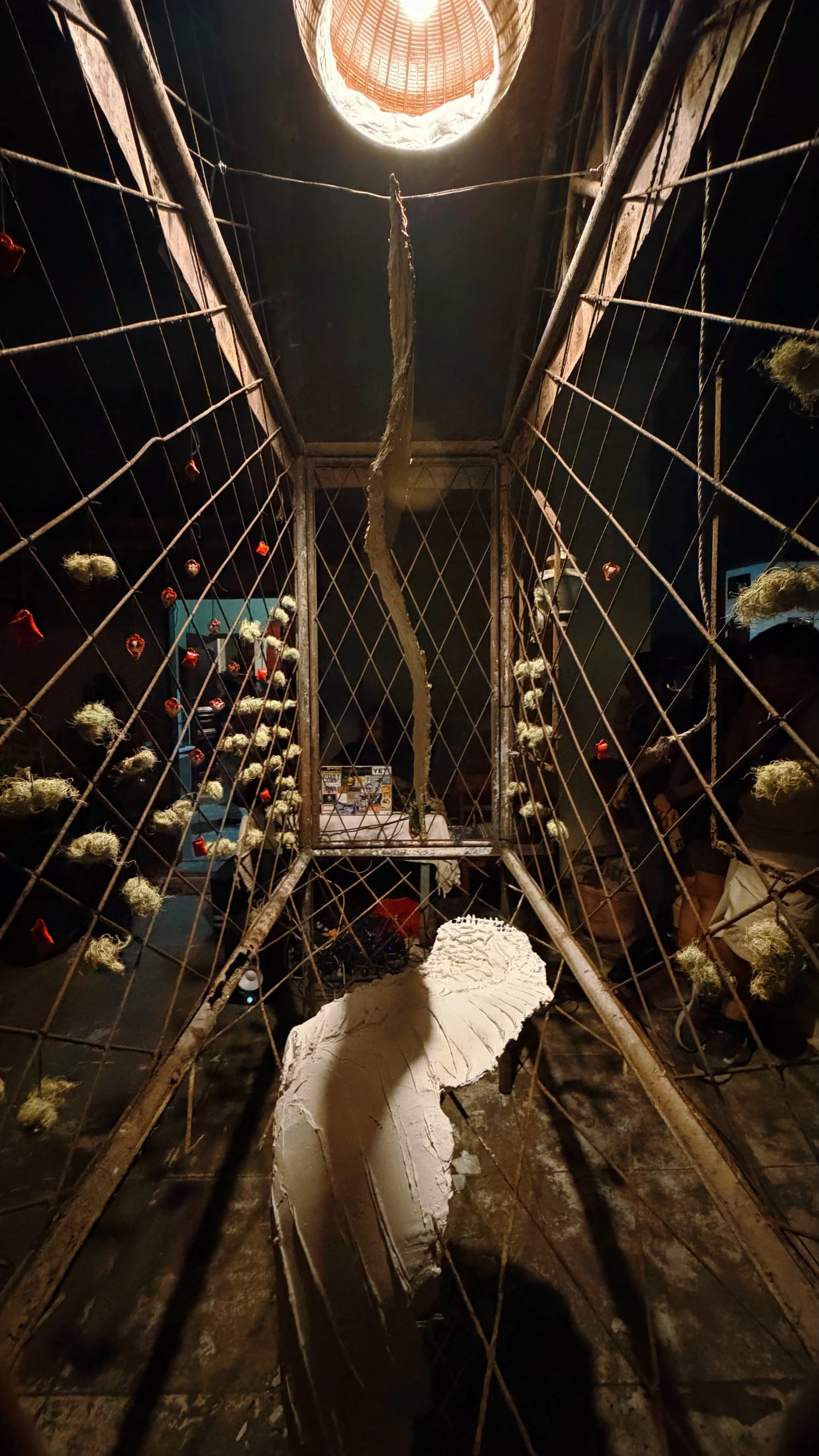
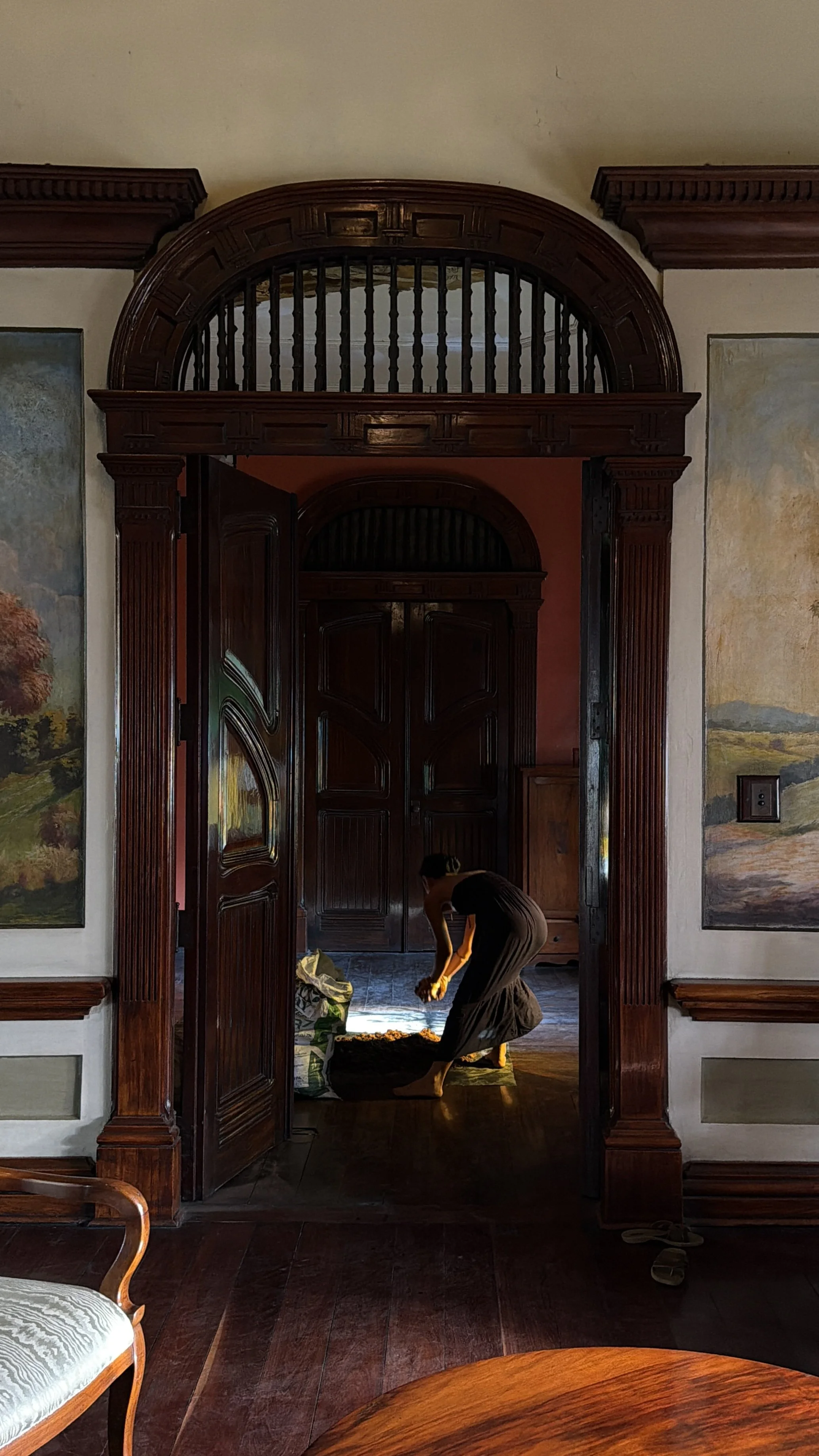
Ultimately, for TRIP, the activation served as an ongoing proposition for how heritage structures in the Philippines might enthusiastically support new forms of public cultural life.
Rather than isolating heritage from modern creativity, Signs of Life suggested that continued relevance may depend precisely on allowing these spaces to remain open to reinterpretation, participation, and evolving forms of use.
In a city where ancestral houses are often framed through strict nostalgia or passive viewing, this exhibition offered a brilliant alternative possibility: heritage as something inhabited, negotiated, and continuously produced in the vibrant present.