Behind the Scenes: How MoCAF Comes to Be
Have you ever thought about what it takes to bring MoCAF to life?
Words Mikaelah Bianca Panopio
Photos courtesy of Coleen Wong and MoCAF
December 18, 2025
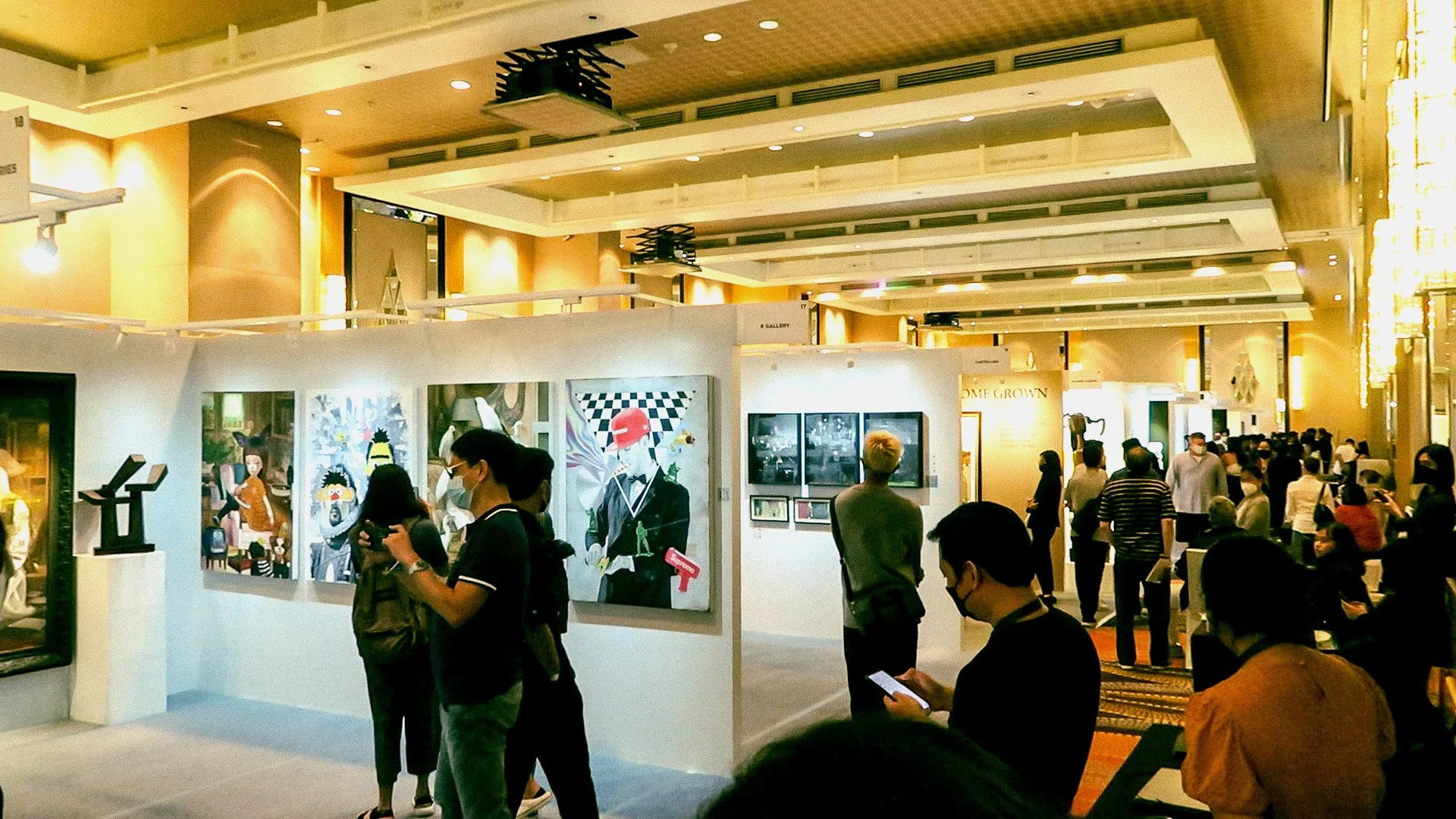
It’s the opening day. Wall panels stand in place, lighting fixtures are up, and diverse, vibrant artworks are installed throughout the venue. Finally, crowds fill the space.
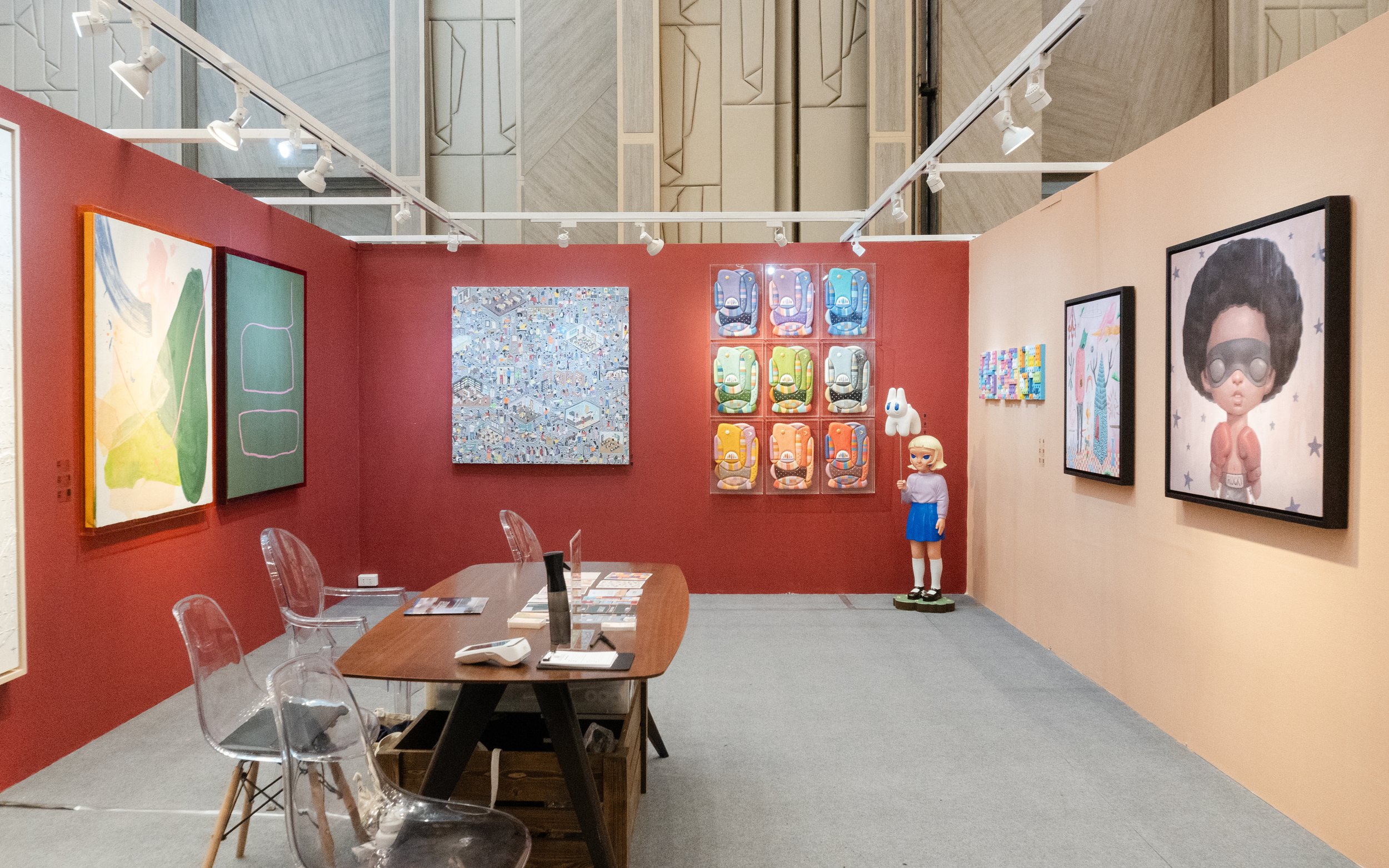
In every edition of the Modern and Contemporary Art Festival (MoCAF), guests are greeted with a thoughtfully curated mix of styles, mediums, and voices that shape a seamless festival experience.
But have you ever thought about what it takes to bring MoCAF to life?
Behind every description card are staff members who print and carefully place them on the wall panel, and behind the festival itself is a small group of dedicated people who spend months preparing every detail.
From vision to reality
Starting out as a flagship project of Art+ Magazine, the idea of MoCAF was born out of the publication’s constant desire to expand and branch out.
From initially focusing on visual arts to expanding into lifestyle content, publishing coffee table books, and eventually venturing into events, the Art+ team sought to go beyond print and digital, executing something experiential.
“There are art fairs focusing more on modern art. There are other fairs focusing more on contemporary art. We want to showcase the best of both worlds in the art scene,” MoCAF Festival Director Coleen Wong shared in an interview with Art+, highlighting the team’s effort to bring something refreshing to the local art festival landscape.
In 2022, the first-ever MoCAF was launched at the Fairmont Hotel in Makati City. It started as a small art festival, featuring 16 galleries, several special exhibitions, talks, and workshops.
Wong explained, “It was still an experimental phase. And also, that was just fresh out of the pandemic. So we weren't sure yet how it would be received by the audience.
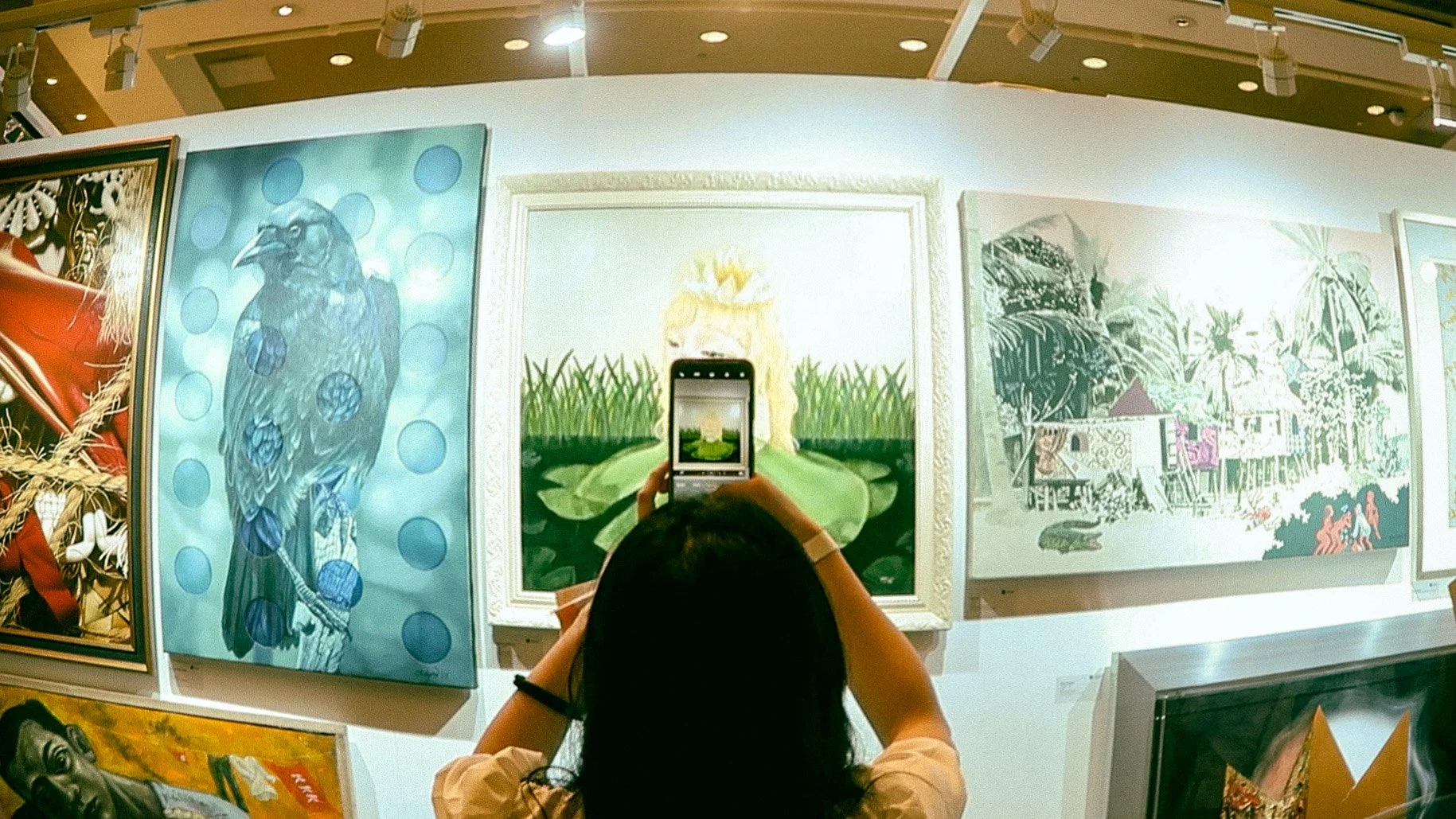
Four years later, MoCAF has grown significantly and has become a beloved and eagerly awaited presence for artists, collectors, art enthusiasts, and visitors alike. This July, the festival showcased over 50 galleries, each presenting a unique and diverse range of works.
Behind every panel
Although it unfolds over just a few days, MoCAF takes around 10 months of hands-on preparation, from team brainstorming sessions and venue site visits to back-to-back meetings with sponsors and partners, and the installation of art pieces.
As the Festival Director, Wong oversees every aspect of the festival, from shaping its vision to planning and execution, and all stages in between. She shared that planning for the next MoCAF typically happens right after the previous one.
“We were already preparing what else we can improve on. Or like, what else can we get ahead on so that it wouldn't be rushed for us. We just take like a short breather, then evaluate what worked and what didn't,” said Wong.
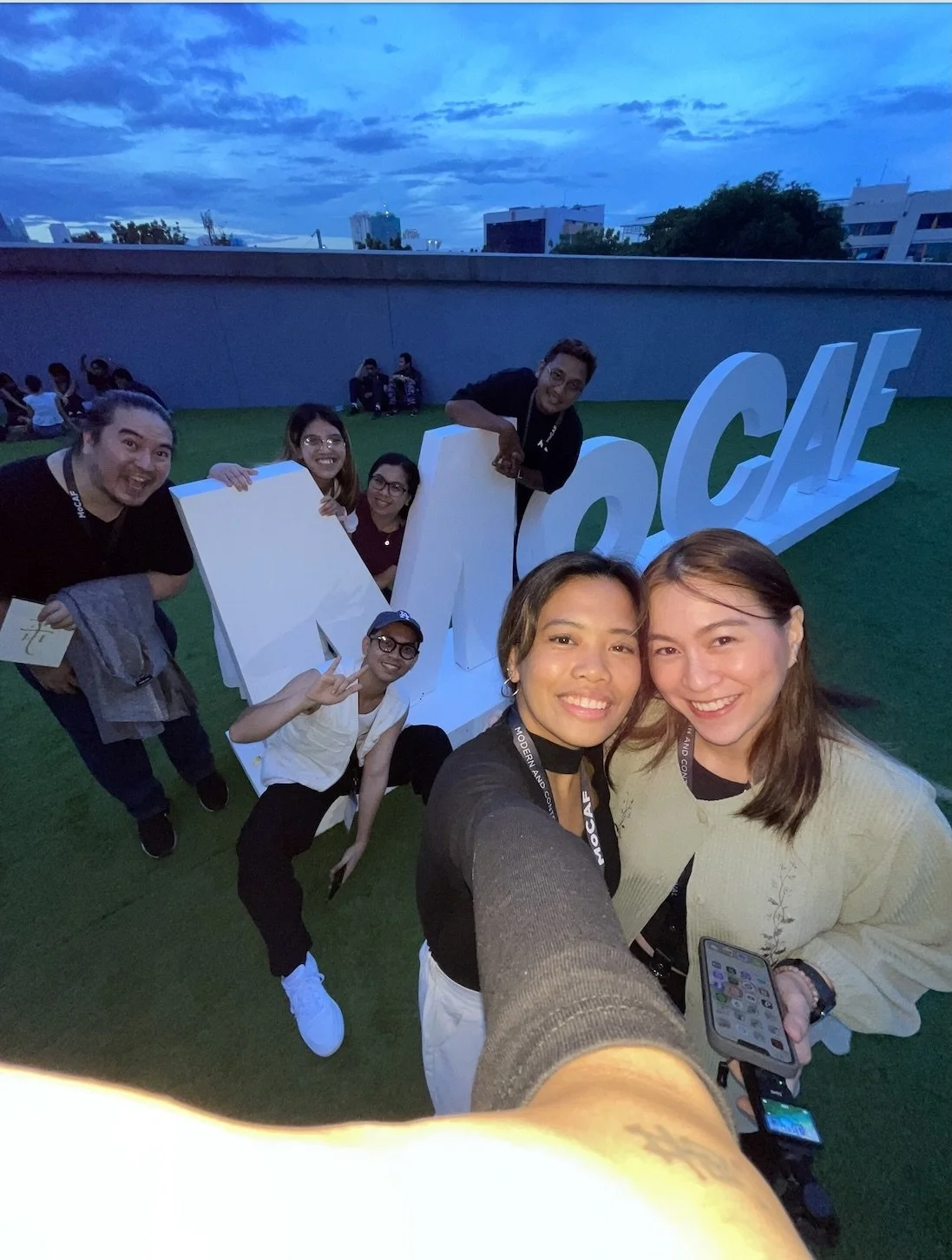
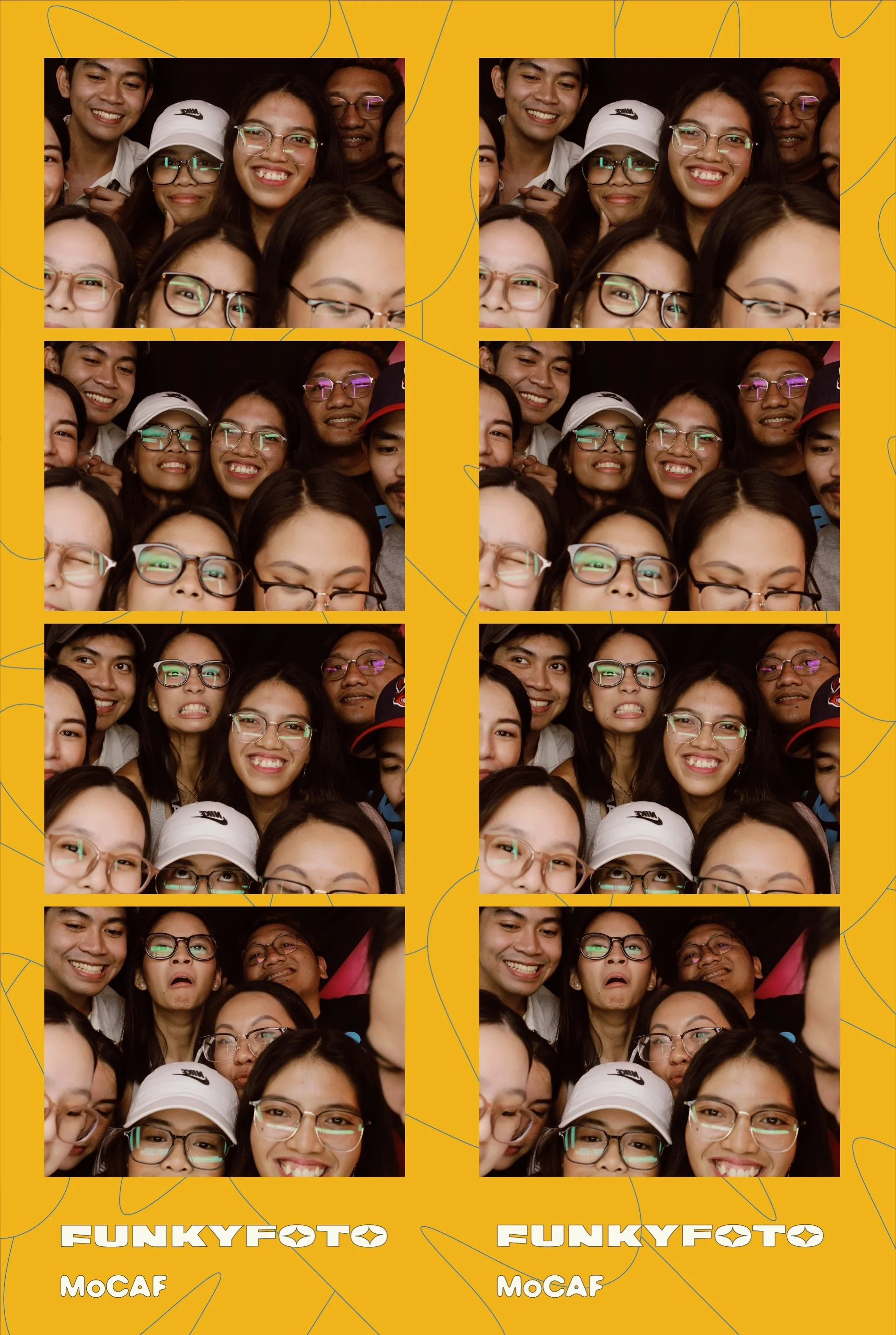
At the heart of this process is MoCAF’s dedicated, tight-knit core team: Kim Albalate, the fair’s creative director; Angel Mojica, who coordinates with galleries, suppliers, and logistics; project coordinators Denise Gutierrez and Chesca Lesaca; Angela Juan, who oversees volunteers across all departments; and Alyssandra Regala, in charge of artisan coordination.
Other key members include Jonna Genosas, who handles administrative tasks alongside Arlyn Flores, the finance manager; Patricia Lanzagarita, who oversees editorial work; Jeferson Dumangon and Kevin Español, the on-ground runners; and Ricky Francisco, former festival chairman and a guiding mentor for the core team.
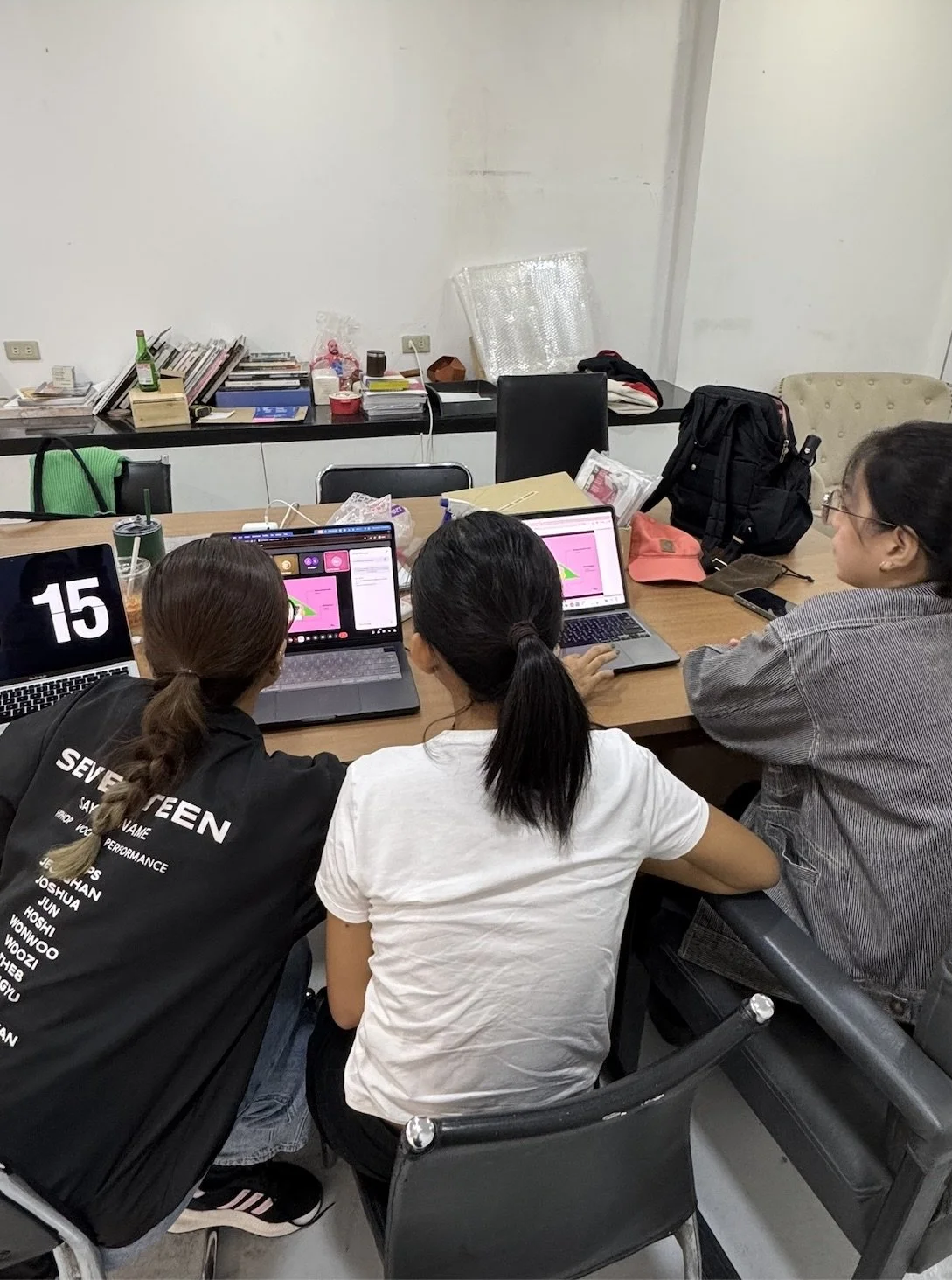
MoCAF is committed to inclusivity and diversity. The goal of the festival is to encourage people that art is accessible to everyone, approachable rather than intimidating.
When it comes to choosing participating galleries, the team looks for credibility, shared vision, and an openness to nurturing new yet passionate talent. For artists, they invite those who show promise and an eagerness to grow, creating a mix that’s both fresh and inspiring.
Curating the experience
Bringing MoCAF to life requires coordination between the core team and the participating artists and galleries. OpenArt Gallery, a consistent participant since 2023, sees this collaboration as essential to both the festival and the gallery’s success.
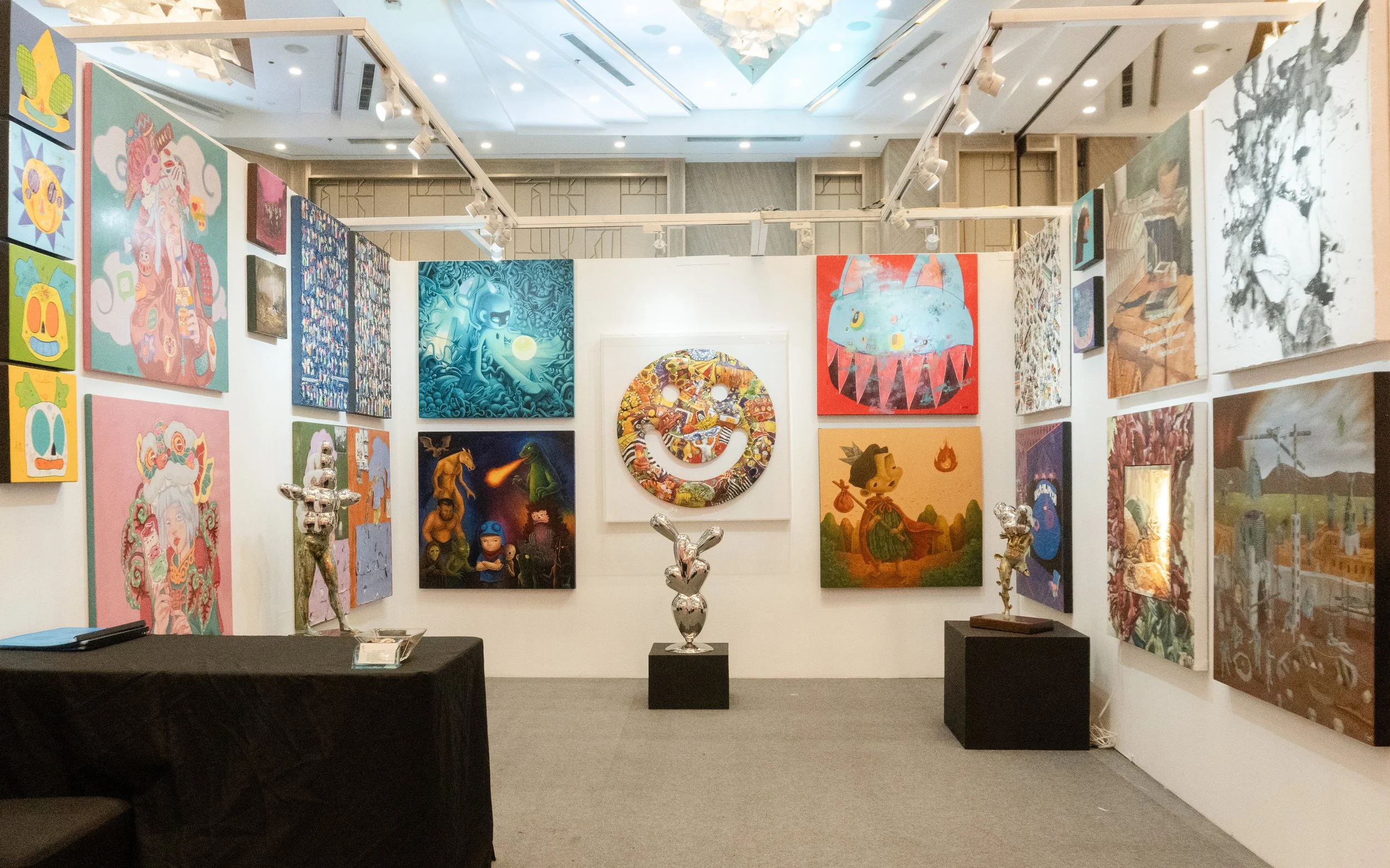
“There is consistent communication with the MoCAF team, particularly regarding logistics, schedules, and booth requirements. Their support helps ensure a smooth setup and overall fair experience,” OpenArt Gallery Director Desly Go said to Art+.
Planning for the festival also takes months, starting with selecting artworks to be featured and working closely with each artist to ensure both visions are fully aligned. Beyond the visual aspect, Go also seeks pieces that are conceptually grounded, capable of sparking conversation, and accessible to a diverse range of collectors.
In setting up their booth at MoCAF, OpenArt Gallery carefully considers the flow, visibility, and balance, creating not just a display but an immersive experience for visitors. “We hope visitors leave feeling inspired and curious, whether that means discovering a new artist, starting a conversation, or seeing contemporary art in a new light.” Go added.
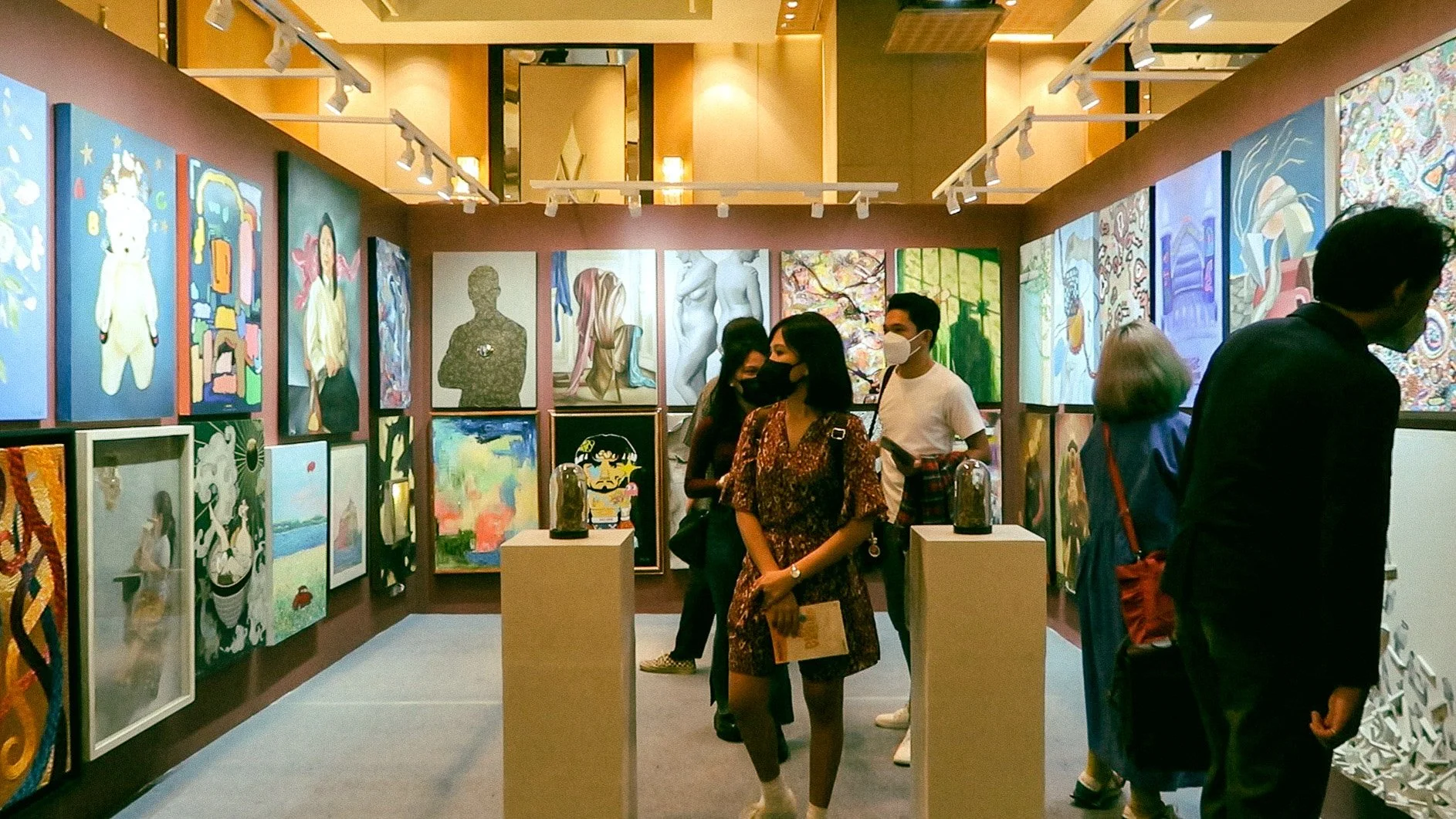
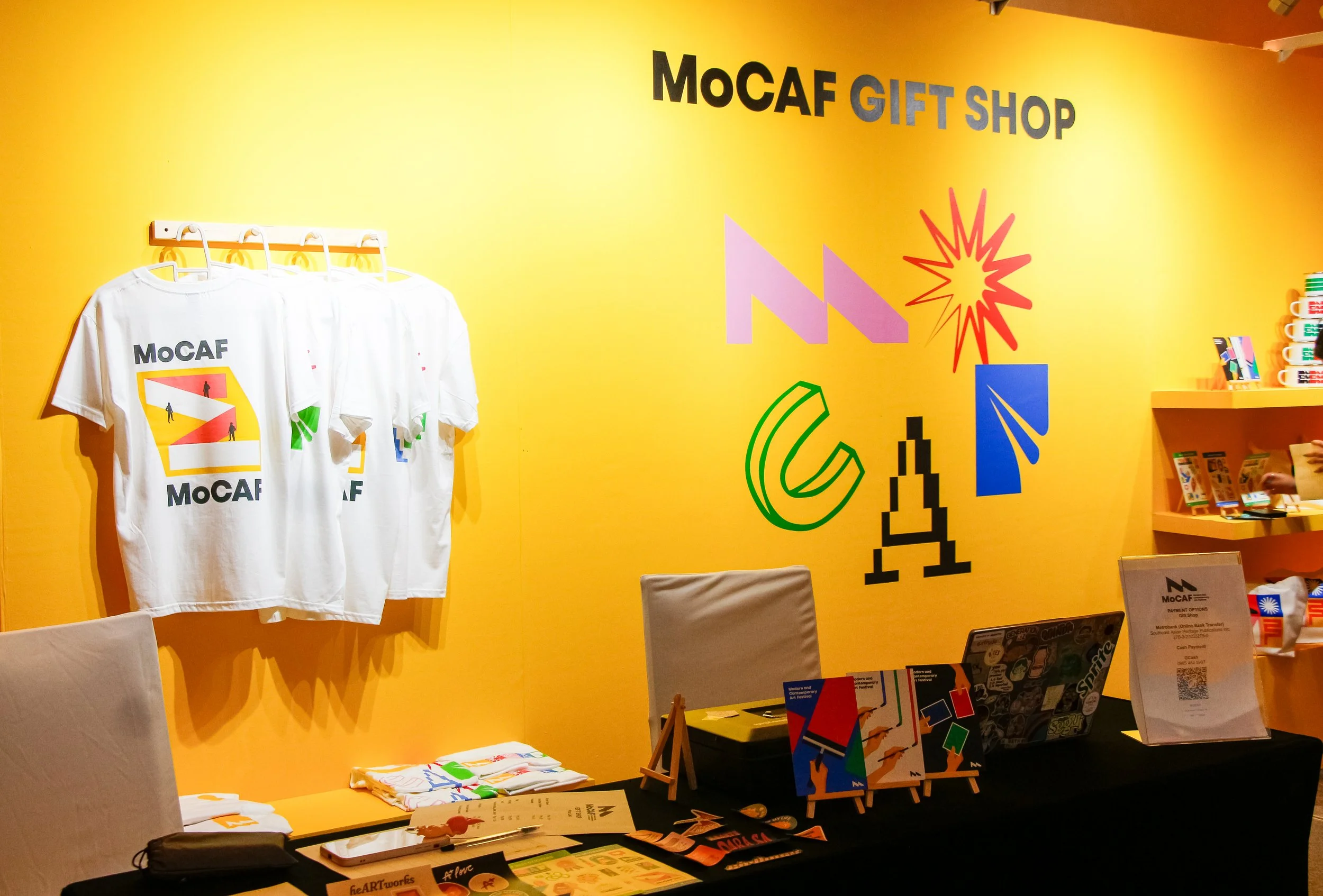
By the time guests enter MoCAF, the months of preparation, back-and-forth revisions, and unexpected adjustments are no longer visible. What they experience is a festival that’s immersive and effortless, the result of countless decisions and unseen problem-solving behind the scenes.
In the end, MoCAF is not only made up of artworks, but also of the quiet moments of hard work, shared vision, and collective passion that bring the festival to life.