
Beauty in Every Shade
Colorism in Filipino households often hides behind humor and backhanded compliments, shaping perceptions of beauty and worth, masking a deeper issue that demands change.
Words Katrina Clarice F. Abella
September 22, 2025
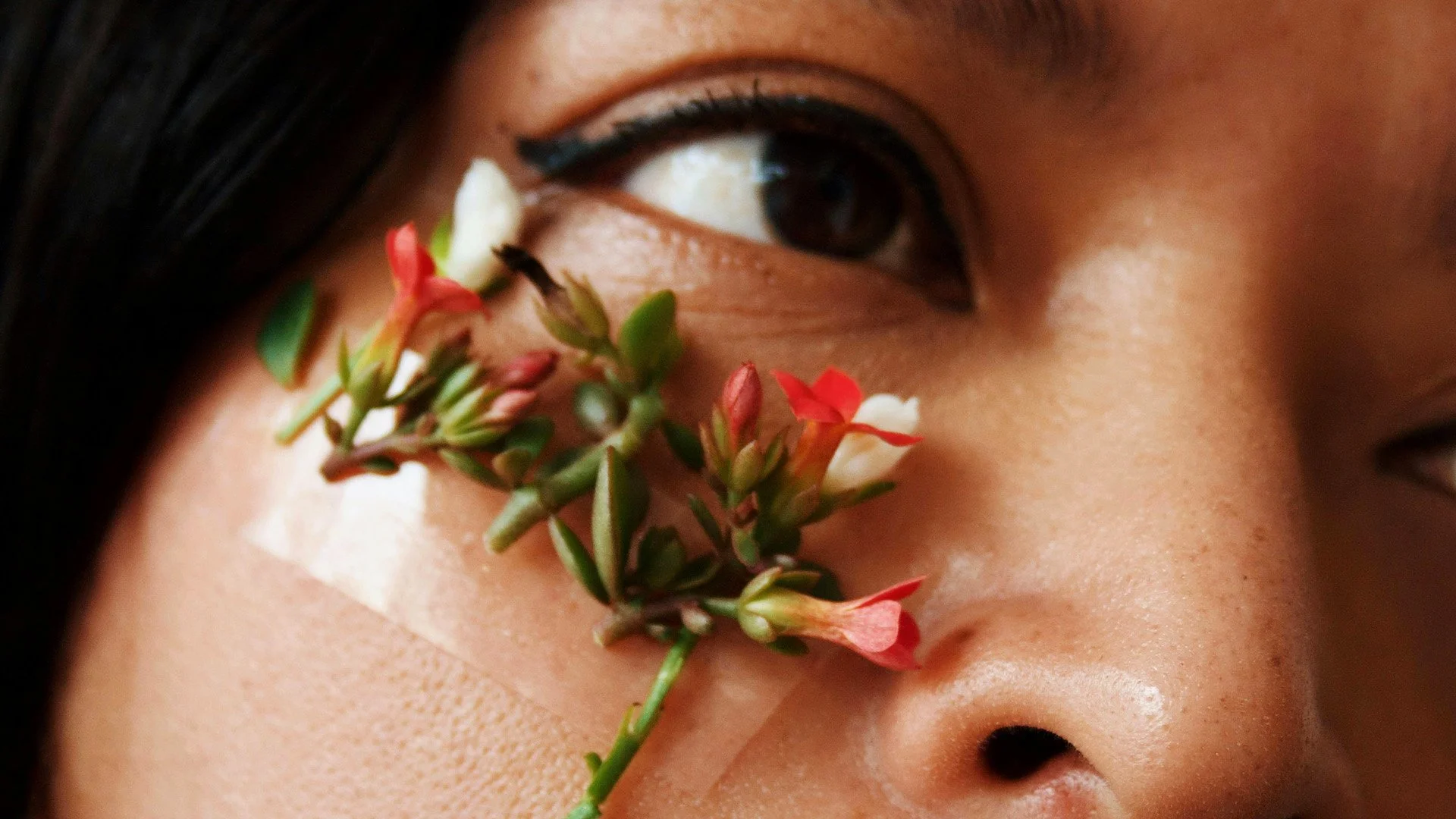
“Oh, umitim ka yata?”
A line often heard at family gatherings—spoken with a smile by titos, titas, or grandparents after not seeing you for a while. The same words are repeated to a child as she grows up. Often said with laughter, as if it were just a harmless joke to brush off and forget.
Our families say, “Maganda ka naman kahit anong kulay mo.” But why do their jokes say otherwise?
In many Filipino households, skin color isn’t supposed to matter, yet it always seems to. Whether it’s subtle whitening tips or casual jokes at the dinner table, colorism is deeply embedded in everyday conversations.
Family members talk about skin tone as if it’s a measure of beauty or worth, often without realizing they’re doing it. This is how colorism quietly takes root in Filipino culture: hidden in humor, masked as concern, and passed down through generations. It isn’t always loud or hateful, but it leaves a lasting mark.
We grow up being told that having morena or moreno skin is okay, but “wag masyadong umitim” or “hindi na maganda tignan.” Meanwhile, lighter-skinned family members are praised with, “Ang puti-puti mo! Buti nagmana ka sa nanay mo.”
Over time, these remarks plant seeds of insecurity, teaching children that being maputi is somehow better than their natural complexion.
And it doesn’t stop there. Even potential partners are judged through this lens. Bring someone home, and you might hear, “Maganda siya... kaso maitim.”
There’s nothing wrong with having fair skin. But the harm lies in the belief that being morena or moreno makes someone less beautiful. On social media, people are speaking up. Voice talent and content creator Inka Magnaye, known for her beautiful morena skin, recently responded to a TikTok video of a parent asking for whitening recommendations for her child.
“This is why you need to heal as a parent before your insecurities get projected onto your child,” she said.
Because these comments, no matter how subtle, shape how children see themselves. A child comparing their skin to others. A teenager spending on whitening products to “fix” their complexion. An adult still carrying that insecurity, believing their color defines their worth.

This mindset didn’t come from nowhere. It traces back to centuries of colonization, leaving us with beauty standards we still see in magazines, ads, and media: maputi, petite, and “clean-looking.”
But the world is changing. And so should these colorist remarks. If we truly want change, it has to start at home, with the jokes said without thinking. The next time someone says, “Ang itim mo na, di ka na makikita sa dilim niyan,” someone should speak up and say, “Huwag niyo nga asarin, hindi naman nakakatawa.”
Change doesn’t always begin with confrontation. Sometimes, it starts when someone finally speaks up.