
Across Film, Fragments, and Memory
Sari Dalena’s cinema returns as a living archive, tracing ambitions that are formal and humane.
Words Bernadette Soriano
Photos courtesy of Cultural Center of the Philippines and Sari Dalena
March 27, 2026
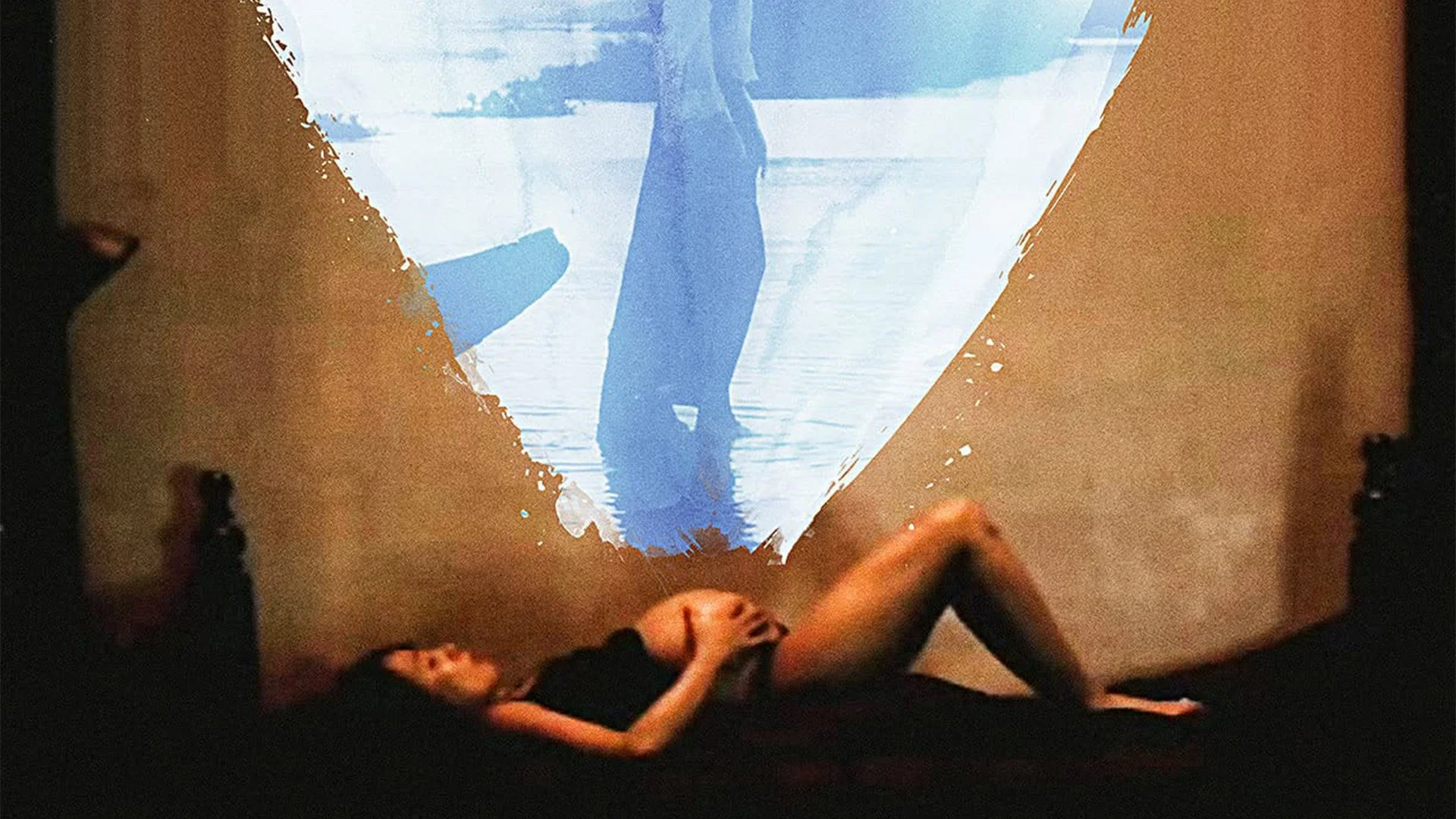
A retrospective can sometimes feel like a look backward, a neat summing up. Counter-Archives of a Film Guerrera resists that instinct. It moves instead like a return—uneven, deliberate, and, at points, unsettled.
From March through May 2026, the work of Sari Dalena will unfold across several venues: the University of the Philippines Film Institute (UP Diliman), Mowelfund Film Institute, University of the Philippines Mindanao, The Green House Cinema in Davao, and Mindanao State University–Iligan Institute of Technology in Iligan.
The choice of venues stakes a claim on geography and context, each place offering its own vantage on Dalena’s persistent engagement with history, labor, and visibility.

Photo from Cinemartyrs (2025)
Curated by Patrick F. Campos, the retrospective assembles documentaries, hybrids, experimental works, and video pieces on the premise that cinema is closer to evidence than exhibition. Dalena’s films have long resisted tidy interpretation; they aggregate voices, gestures, silences, and objects in ways that ask the viewer to linger with what remains unanswered.
The program opened on March 6 at UPFI’s Cine Adarna with Memories of a Forgotten War and Cinemartyrs, both of which revisit the Bud Dajo Massacre, a tragedy now marking its 120th year. Positioned alongside the start of Women’s Month, this opening gesture signals the retrospective’s sustained interest in the politics of remembering.
Dalena’s images resist tidy mappings of the past. Instead, histories appear in repetition and return, in voices that rise only to become layered and complex. A conversation after the screening extends that attention to nuance, turning reflection into dialogue.

Photo from The Guerrilla Is a Poet (2013)
The next day, March 7, brought Puting Paalam alongside Memories of a Forgotten War to The Green House Cinema in Davao, inviting audiences outside the capital to enter this unfolding archive. Then, on March 18–19 at UPFI, programs featuring Rigodon, Ishma, Himala Ngayon, and more chart how Dalena navigates between documentary gravitas and experimental elasticity.
These films attend to texture and form—the way images move through duration, affect, and memory—allowing each screening to function as a site of excavation and encounter.
March 28 stands as a hinge in the schedule. At UPFI, The Guerrilla Is a Poet will be included in a Sinemaestra masterclass, marking a moment of practice shared with emerging filmmakers and audiences.
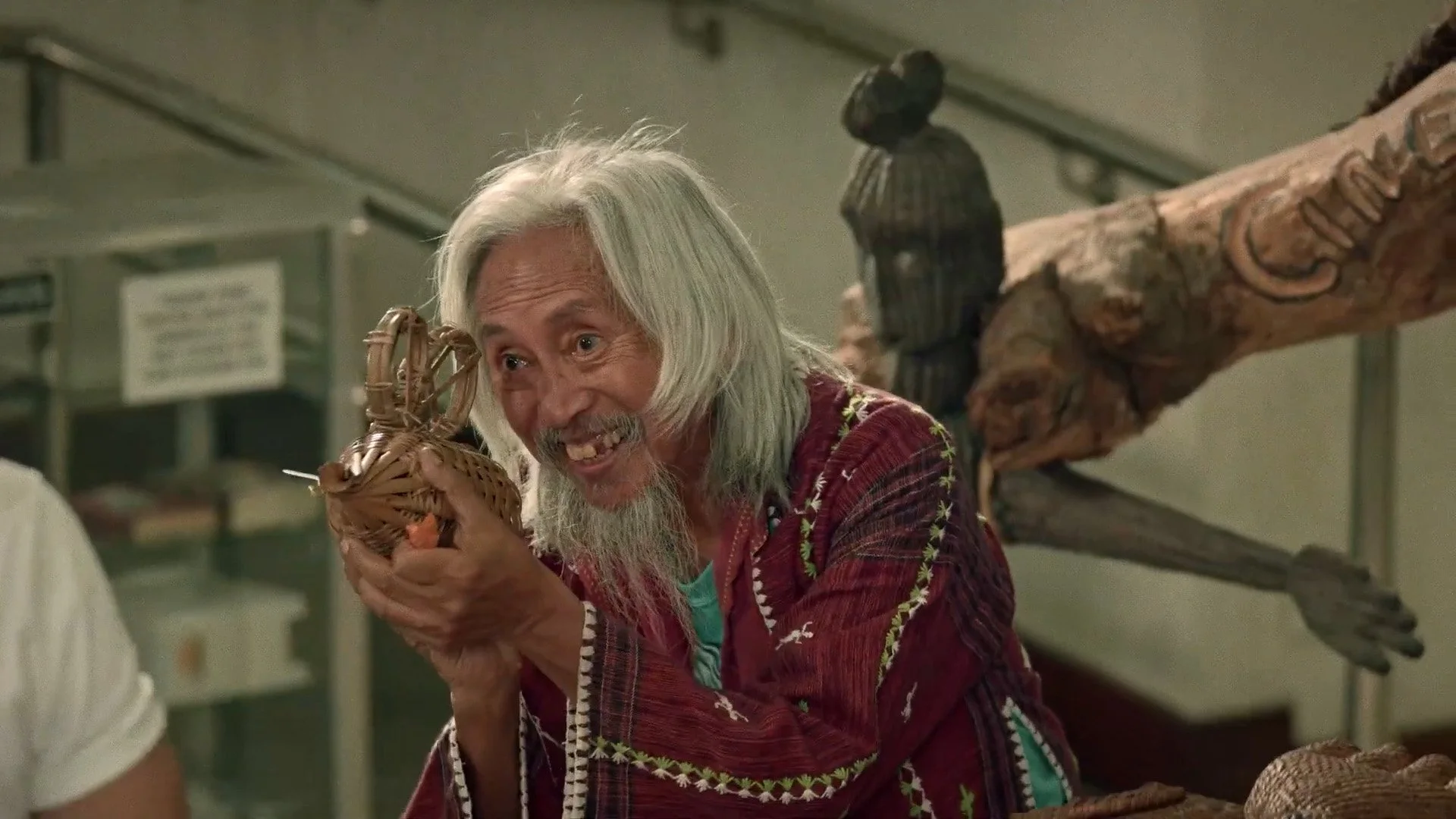
Photo from Cinemartyrs (2025)
On the same day, Notes Toward a Guerrera Cinema opens at the Ishmael Bernal Gallery, running through April 7. Conceived as a “working room,” the exhibit foregrounds process: early 16mm shorts, storyboards, sketches, and the material traces of celluloid labor sit with paintings and sculptures that both complement and complicate Dalena’s cinematic sensibility.
The space feels generous, an invitation to occupy the artist’s visual grammar rather than simply observe it.
On March 30, UPFI pairs Ang Kababaihan ng Malolos with History of the Underground, linking themes of collective struggle with an inquiry into how history circulates in form. April 6 at UP Mindanao presents Guerrera and additional titles, with a conversation extending the dialogue into Mindanao’s own cultural terrain.

Photo from The Guerrilla Is a Poet (2013)
April 15 and 22 at the Mowelfund Film Institute highlight a shorts program alongside Guerrera and Jamming on an Old Saya, showing how Dalena’s practice captures both breadth and compression.
The retrospective closes on May 6 at MSU-IIT in Iligan with another screening of Memories of a Forgotten War and Cinemartyrs, accompanied by a panel.
In returning to those opening films, the program gestures toward a practice that lives in cycles, a reminder that history, memory, and cinema are not linear demands but persistent conditions of seeing and bearing witness.

Photo from Cinemartyrs (2025)
Across cities and formats, Counter-Archives of a Film Guerrera traces an ambition that is both formal and human: cinema as a way of thinking with images, of feeling with histories, and of inhabiting the spaces between what is seen and what remains to be understood.
Each venue will announce admission and reservation details; audiences are encouraged to follow partner channels for updates.